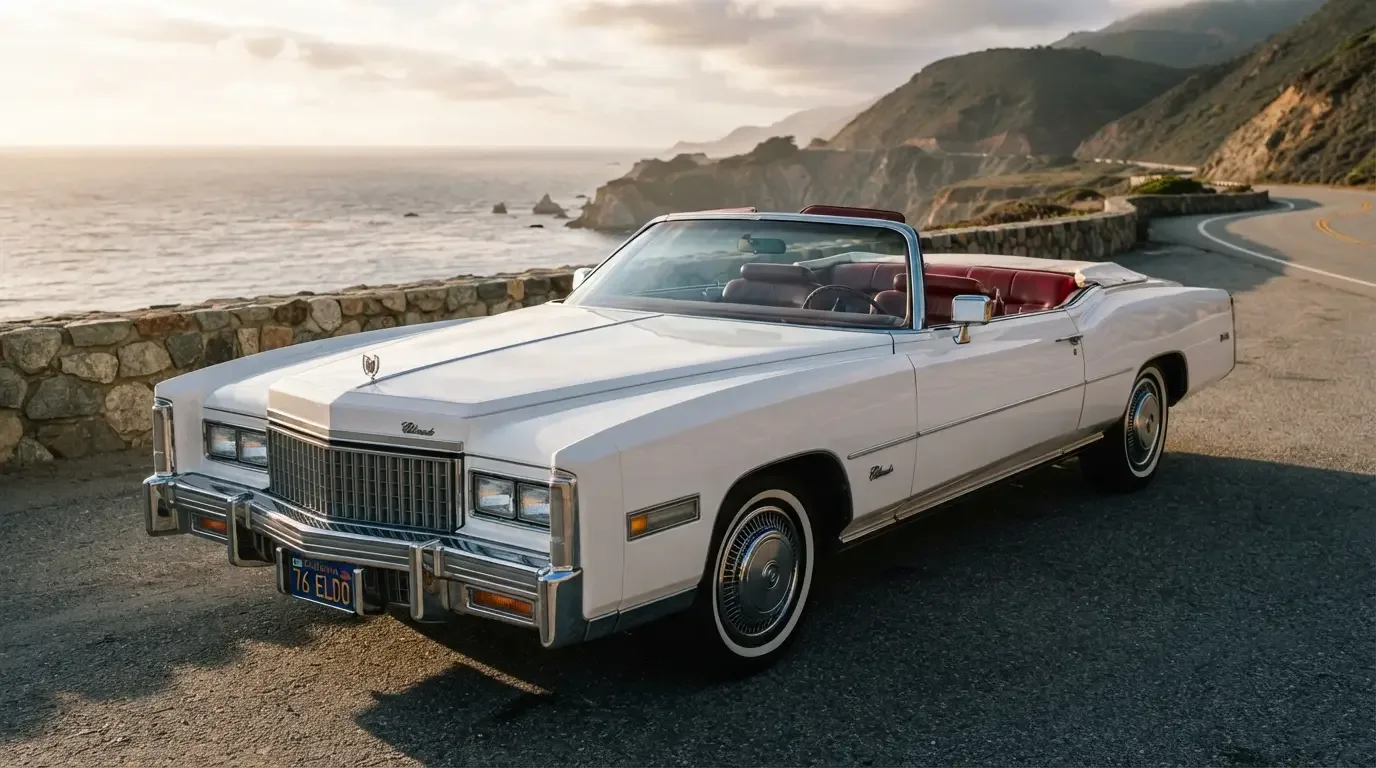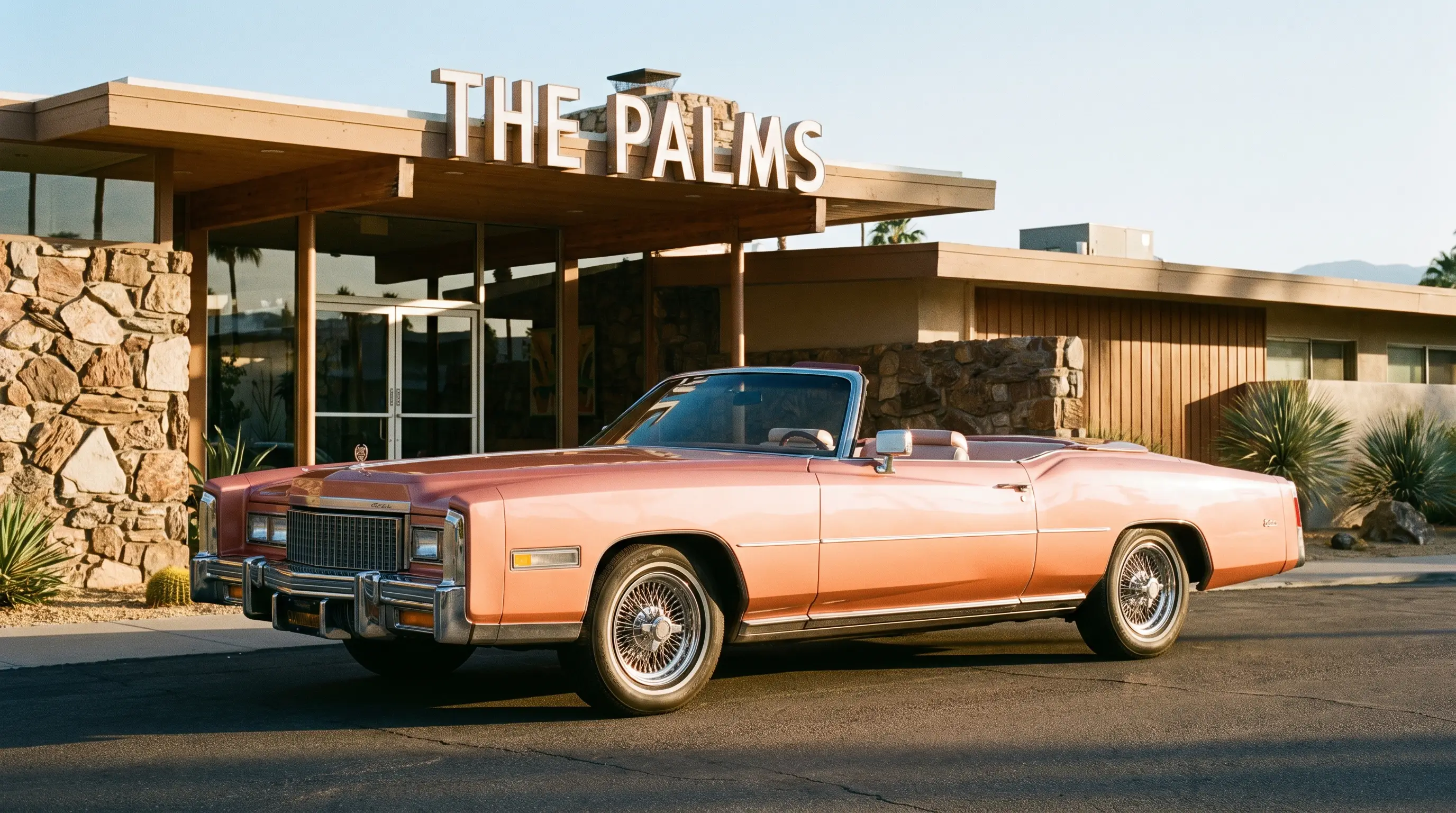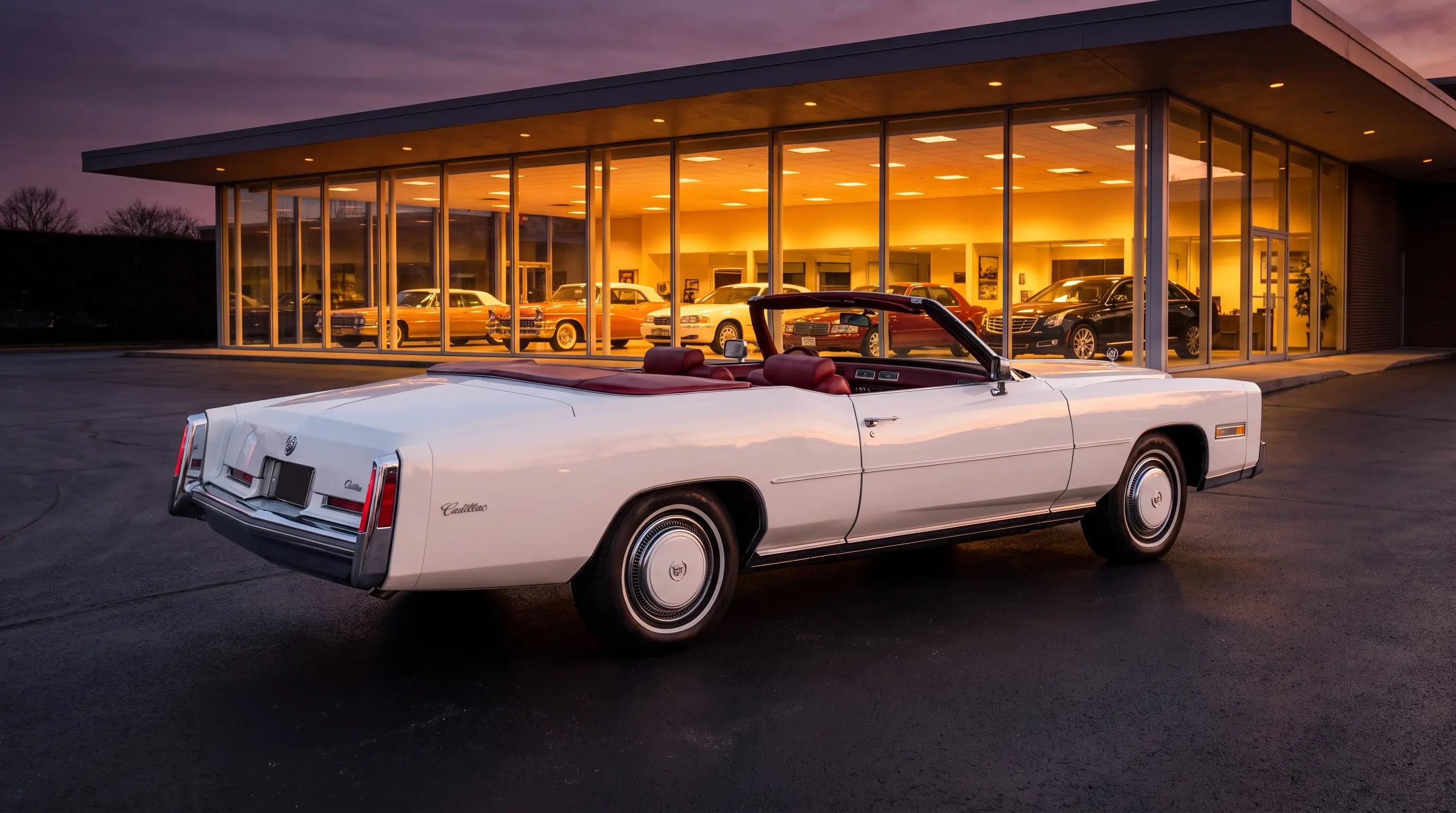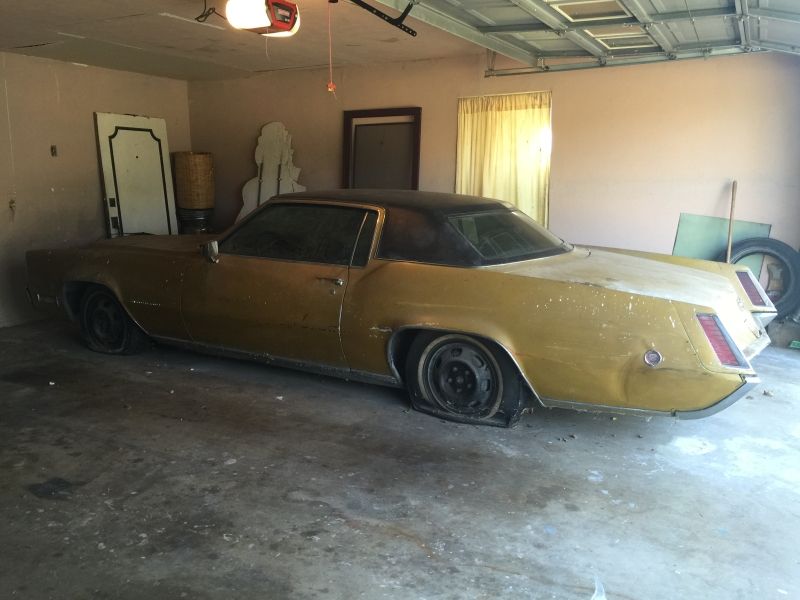
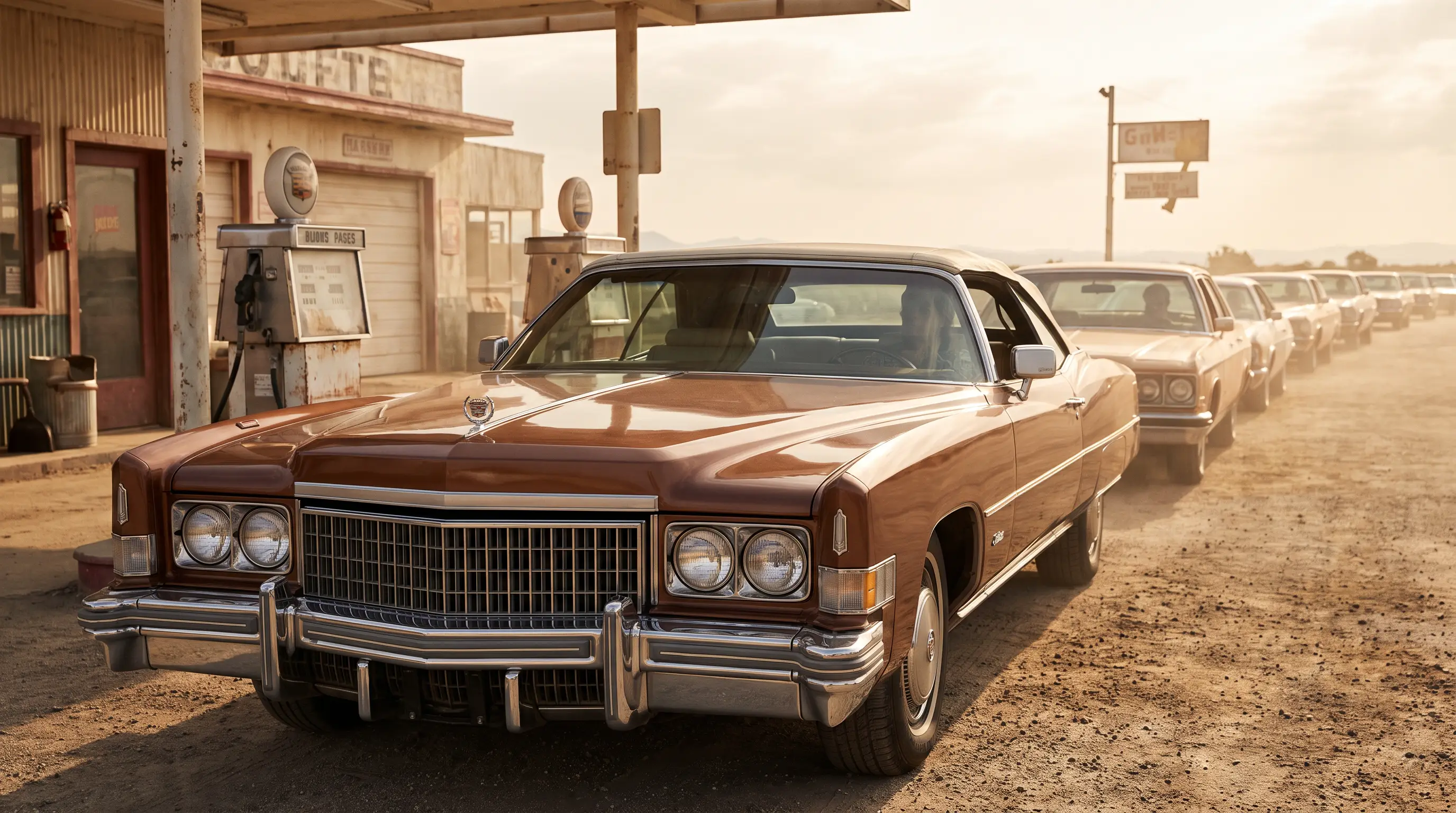
Dave Kellerman was three weeks into owning a brand new 1973 Cadillac Eldorado convertible when the line at his neighborhood gas station stretched around the block for the first time. He still remembers the odd sensation of pride curdling into embarrassment as he idled behind a dozen other cars, his Eldorado's 500 cubic inch V8 sipping fuel just to sit still in traffic that had nowhere to go. Kellerman's story is a small, human version of the larger Cadillac Eldorado oil crisis reckoning that reshaped the entire nameplate when the 1973 oil crisis arrived.
An embargo that landed mid-model-year
The OPEC oil embargo began in October 1973, roughly a month after Cadillac had already begun shipping the year's Eldorados to dealers nationwide. The timing meant the embargo did not affect how the 1973 cars were engineered, since they had been designed and tooled years earlier under a completely different set of assumptions about fuel availability and price. What it did affect was how those cars were received, sold, and eventually remembered, turning a genuinely confident, powerful land yacht into a symbol of exactly the kind of excess Americans were suddenly being asked to reconsider.
Gas prices roughly quadrupled within months of the embargo's start, and stations rationed fuel by license plate number in many states, creating scenes of long lines and short tempers that became a defining image of the era. An Eldorado convertible, with its 500 cubic inch engine and curb weight north of two tons, was a spectacularly bad car to own during a fuel shortage, and dealers who had been racing to keep them on the lot just months earlier suddenly found buyers hesitating.
| Detail | Impact on Eldorado |
|---|---|
| Embargo start | October 1973 |
| Fuel price change | Roughly quadrupled within months |
| 1974 Eldorado sales | 40,412 total, down from 51,451 in 1973 (about 21 percent) |
| Engine response | Compression and horsepower reduced in following years |
How Cadillac's engineers responded
Cadillac could not redesign the Eldorado overnight, but the engineering response arrived within a couple of model years, in the form of lower compression ratios, catalytic converters, and horsepower ratings that dropped substantially from the 235 net horsepower the 500 cubic inch V8 had made in 1973 to 190 net horsepower by 1975. None of this happened because Cadillac wanted a slower car. It happened because federal emissions and fuel economy pressure, amplified by the political urgency the embargo created, forced every American manufacturer to rethink what a flagship engine was allowed to be.
The deeper story here, the mechanical and regulatory detail behind these changes, is covered thoroughly in the 1976 cadillac eldorado story, which picks up where the embargo's immediate aftermath left off and follows the Eldorado through the model year Cadillac decided would be its convertible's last. Readers wanting the broader arc of the nameplate across every generation can find the full story of the Eldorado from its 1953 debut through its 2002 finale.
A market that changed its mind about size
Before the embargo, bigger was simply better in the American luxury segment, and the Eldorado's enormous proportions were a selling point rather than a liability. After the embargo, that calculation flipped, at least for a portion of the buying public, and smaller imported luxury cars from Mercedes-Benz and BMW began attracting American buyers who wanted prestige without the fuel bill that came with a 500 cubic inch V8. Cadillac did not lose its core customer base overnight, but the seeds of the import luxury challenge that would reshape the segment through the 1980s were planted in exactly this period.
Kellerman kept his 1973 Eldorado through the worst of the shortage, adjusting his driving habits and grumbling about fuel prices at every fill up, but he never seriously considered trading it in. "I bought a Cadillac to drive a Cadillac," he told me decades later, still faintly defensive about a decision that made less and less economic sense as gas prices climbed. His loyalty, multiplied across thousands of similar owners, is part of why the Eldorado nameplate survived the decade at all, even as its specification sheet grew steadily more apologetic.
"There is a specific kind of American stubbornness in owning a car exactly wrong for its historical moment and refusing to be talked out of it. That stubbornness kept the Eldorado alive through a decade that had every reason to kill it."
- Patrick Walsh
The second shock, 1979
Just as the Eldorado had settled into its new, leaner specification, a second oil crisis hit in 1979, triggered by the Iranian Revolution and the disruption it caused to global crude supply. By then Cadillac had already downsized the Eldorado significantly for the 1979 model year, cutting its wheelbase and weight substantially from the land yacht proportions of the 1971-1978 cars. The timing looked almost prescient in hindsight, though the truth was messier. Cadillac's downsizing decision had been made years earlier, driven by the same regulatory pressure that had already reshaped the engine, and the second embargo simply validated a direction the company was already committed to.
Buyers who had held onto their big 1970s Eldorados through the first crisis now watched a second wave of gas lines form, and many who had defended their land yacht through 1973 quietly traded toward the smaller, more efficient cars Detroit was finally building in real numbers. The era of the enormous, unapologetic personal luxury coupe was ending, not because anyone in Detroit stopped loving them, but because two back to back oil shocks in a single decade left buyers with little patience left for cars that guzzled fuel just idling in a driveway.
What the crisis left behind
By the time Cadillac announced the Eldorado convertible's discontinuation for 1976, the oil crisis had already done most of the work of reshaping what buyers expected from a flagship American car. The convertible's ending was framed publicly around safety regulation concerns and shifting market taste, but the fuel shortage that had rattled the entire industry just a few years earlier sat underneath every one of those decisions, whether Cadillac's marketing department said so directly or not.
For readers who want to see how those pressures actually played out on the specification sheet and the factory floor, comparing individual model years side by side against classic Eldorados on the market today shows just how much changed between the confident 1973 cars and the more cautious models that followed within just a few short years.