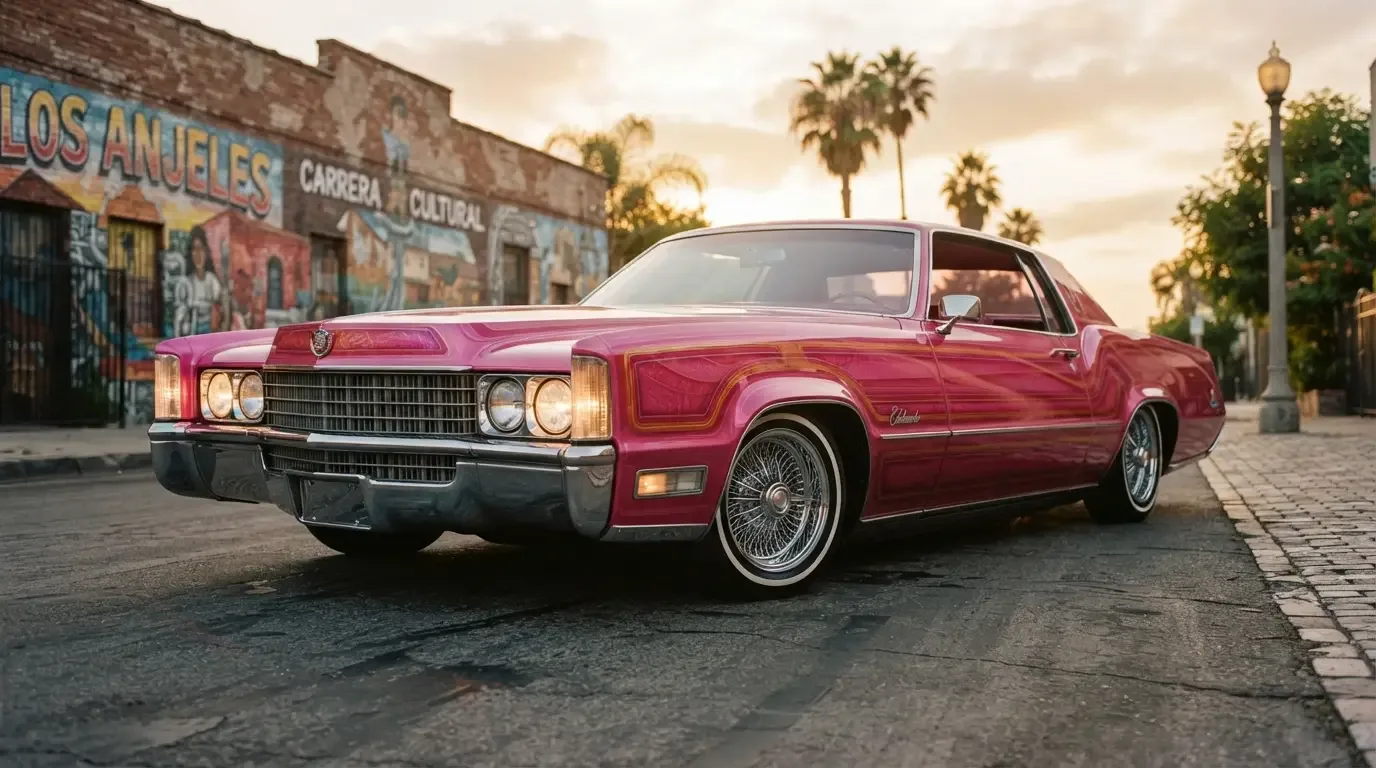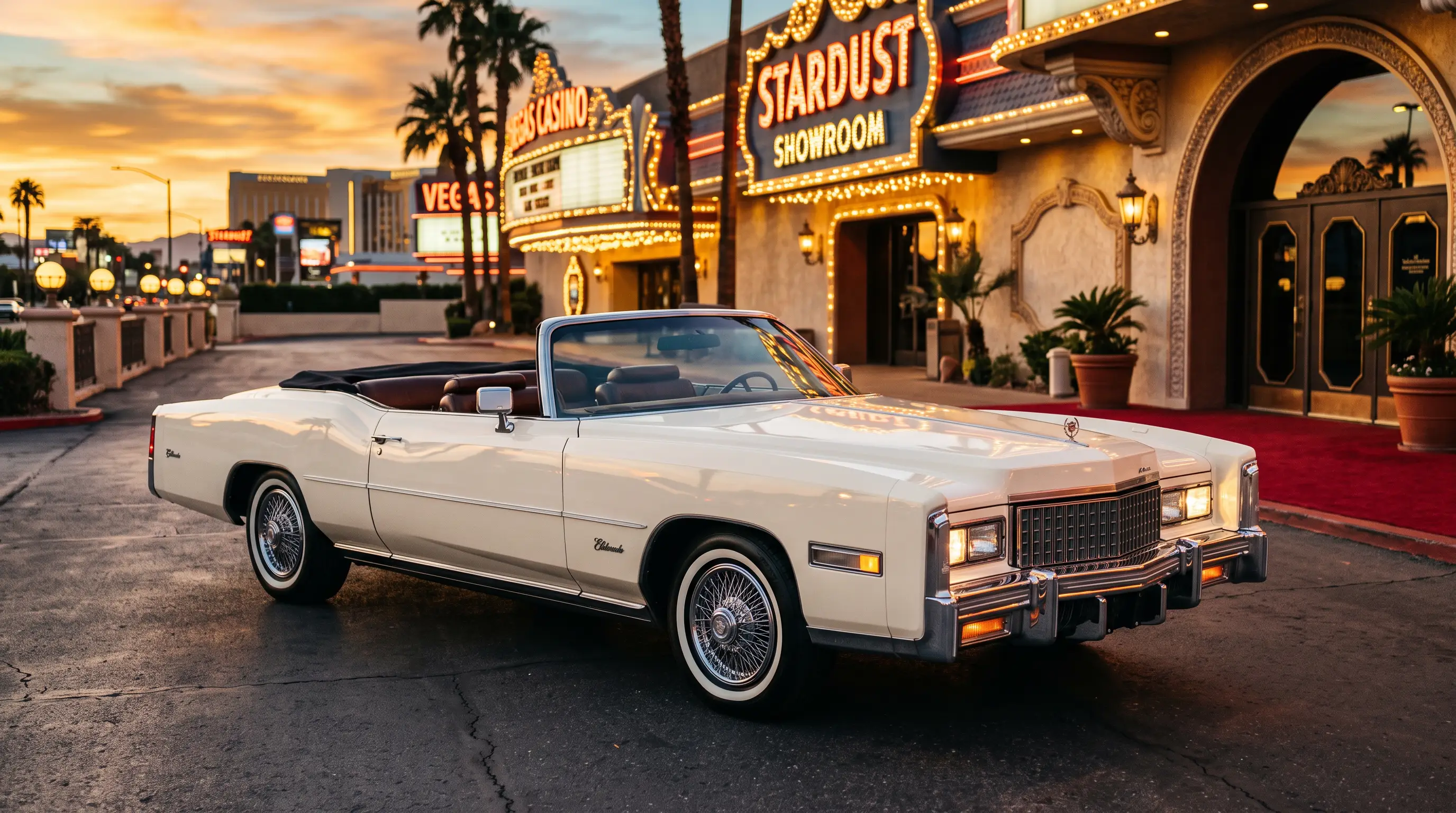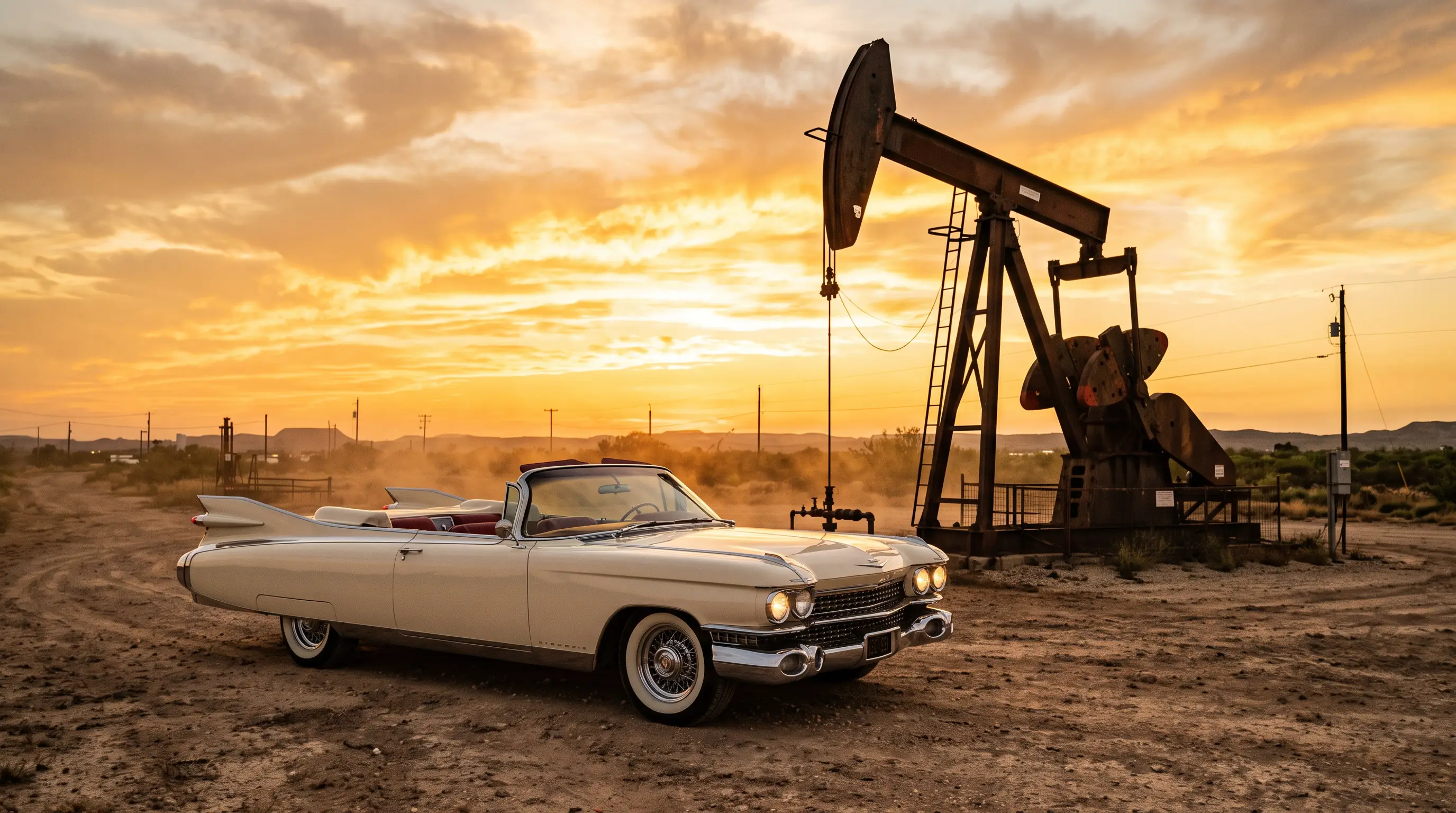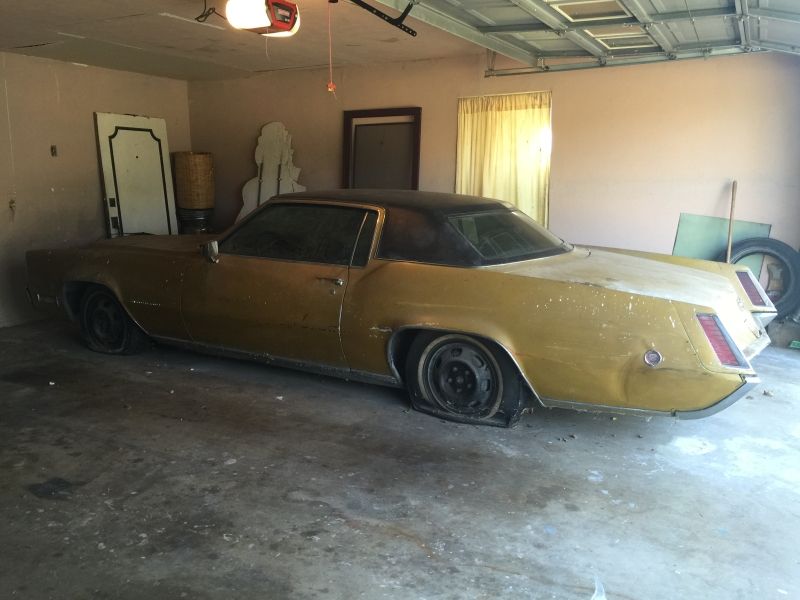
There is a photograph, the kind that turns up in family albums across the country, of a woman in a belted coat standing beside a long white car outside a church, sometime around 1959. Nobody remembers her name in most versions of this story. Everyone remembers the car. The Cadillac Eldorado has a way of doing that, of outlasting the people who once stood proudly beside it, becoming the fixed point in a memory that has otherwise gone soft at the edges. That staying power, more than any single spec sheet, is what makes the Eldorado a genuine cadillac luxury icon rather than just another well-selling model from a good decade.
A car built to be remembered, not just driven
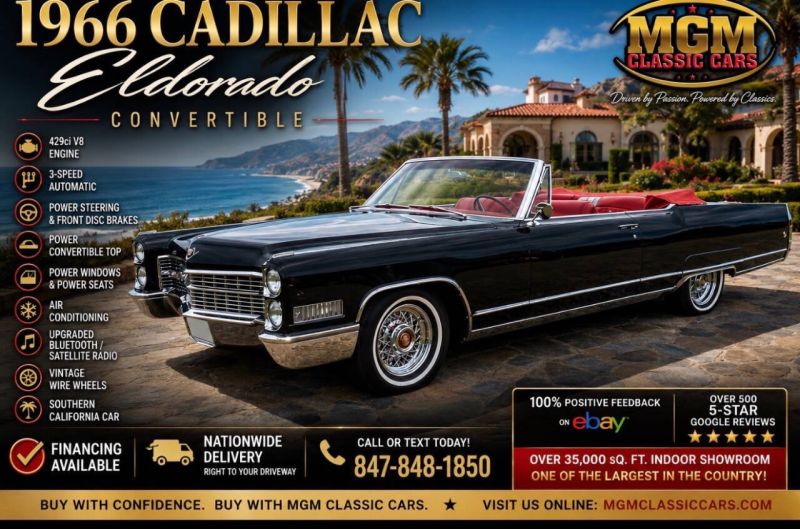
Cadillac introduced the Eldorado in 1953 as a statement piece, a limited convertible meant to sit above even the marque's already prestigious lineup. Only 532 were built that first year, each one hand-finished with details the standard Series 62 did not get. The strategy worked because it understood something about luxury that outlasts trends: scarcity paired with unmistakable design creates a car people remember decades later, long after the option sheet has been forgotten. Nobody quotes the Eldorado's 1953 horsepower figure from memory. Plenty of people can still describe the way it looked.
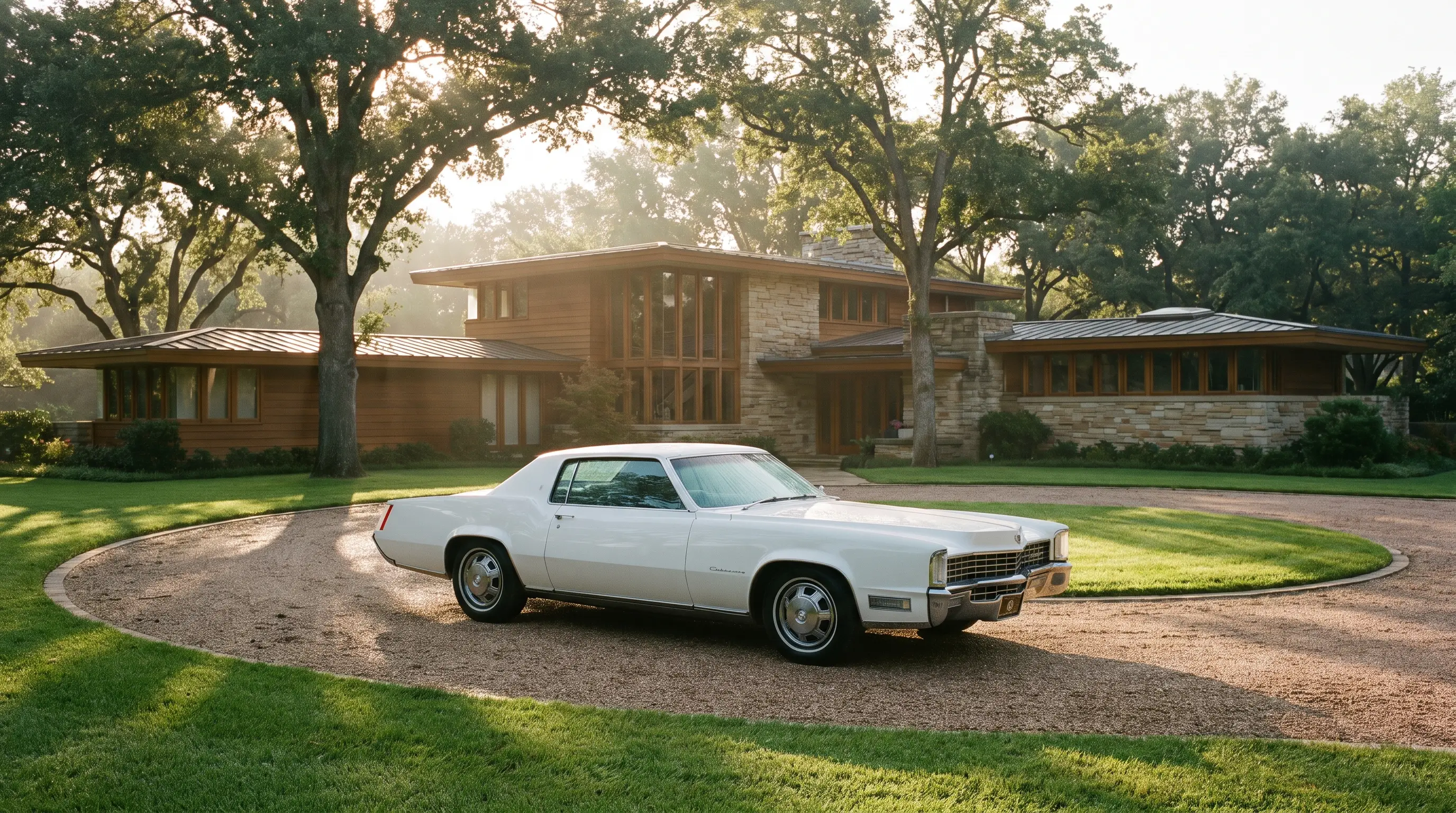
What followed across the next five decades was less a single car than a long conversation between Cadillac and the idea of American luxury itself. The tailfin era of the late 1950s pushed the Eldorado toward spectacle. The 1967 redesign, with front-wheel drive and a lower, longer silhouette, pushed it toward engineering confidence. The 1970s land yacht years leaned into sheer presence, cars long enough to make a driveway look small. Each generation answered the same question differently: what does it mean, right now, for a car to feel expensive.
"Luxury cars from most brands try to impress you. The Eldorado tried to be remembered by you, and there's a real difference between those two goals."
- Nora Beckett
The quiet details that built the reputation
It would be easy to credit the fins and the chrome entirely, and they mattered, but the Eldorado's reputation as a luxury icon also rests on smaller things that rarely make it into the highlight reel. Power everything, arriving on the Eldorado years before it became standard across the industry. Interior leather in shades other manufacturers were not yet offering. A ride tuned specifically to feel like the road had been smoothed out just for the driver. These were not the details that sold magazine covers, but they were the details that made owners loyal, the kind of quiet comfort a person notices every single day rather than only when showing the car off.
There is something almost domestic about that kind of luxury, closer to a well-appointed home than a racing trophy. The Eldorado was never built to win anything on a track. It was built to arrive, to wait patiently in a driveway, to be the car a family trusted for the long drive to a wedding or a funeral or a christening, the moments that actually make up most of a life. That is a different kind of icon than the ones built for speed, and it may explain why the Eldorado's image has aged so gently.
Downsizing and the harder years of the icon
Not every chapter of the Eldorado's story reads as triumphant, and an honest look at the car's legacy has to include the harder years. The 1986 downsizing shrank the Eldorado dramatically, a response to fuel economy rules and shifting American tastes that left many longtime owners cold. The car that had once defined excess now looked, to some critics, like it had lost its nerve. Sales dipped. Loyal buyers grumbled. It took Cadillac most of a decade to find its footing again, eventually arriving at the Northstar-powered coupes of the 1990s, cars that were genuinely sophisticated but that never fully recaptured the cultural weight of the earlier generations.
That stumble matters to the icon story, not despite the difficulty but because of it. A car that only ever succeeded would be a simpler, less honest legend. The Eldorado's real arc, confident invention, glamorous excess, a genuine identity crisis, and a dignified final decade ending with the 2002 Collector Series, reads more like an actual American life than a marketing brochure. Where this started matters here too, since the earliest Eldorados set expectations the later cars spent decades trying to live up to or reinvent.
What the icon still means to collectors now
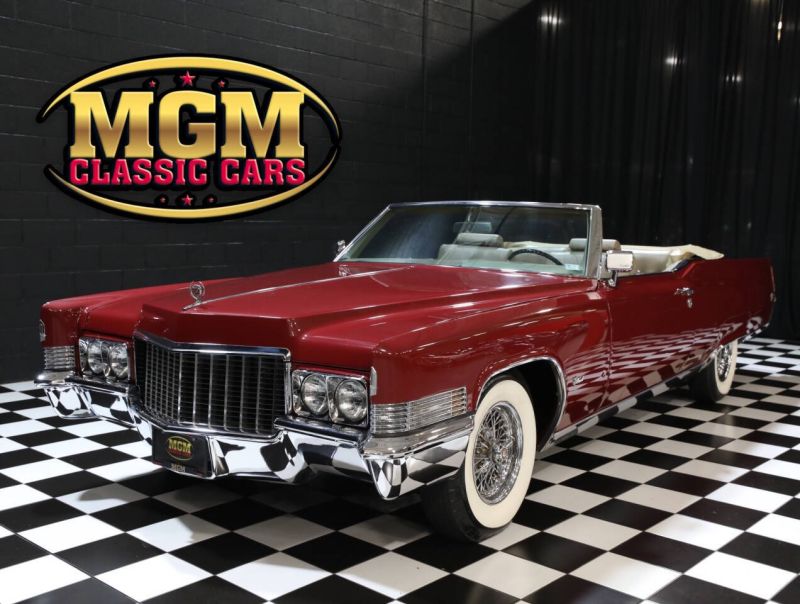
Ask a collector today why they want an Eldorado specifically, rather than any other well-regarded luxury car from the same decades, and the answer rarely leads with horsepower or trim codes. It leads with memory. People buy Eldorados because a grandfather had one, because a photograph like the one at the start of this piece hangs in a hallway somewhere, because the car represents a version of American confidence that feels worth preserving even now. That emotional weight has kept demand steady for well-kept examples across nearly every generation, from the earliest hand-built convertibles to the final Collector Series coupes.
For anyone drawn to that history rather than just the badge, it is worth taking the time to shop classic Eldorado listings and see how much of that original promise survives in a well-preserved car. The best examples still do exactly what the earliest ones did: they make an ordinary afternoon feel like it belongs in a photograph someone will keep.
Why it still reads as luxury rather than nostalgia
There is a meaningful difference between a car that people love because it is old and a car that people love because it still communicates something true about what luxury felt like. The Eldorado mostly falls into the second category. Sit inside a well-kept 1959 Biarritz or a properly sorted 1976 convertible and the impression is not primarily one of age. It is one of intention. Every surface was chosen, every proportion was argued over by designers who had real authority to insist on their choices, and the result still reads as considered rather than merely large or merely old.
That is a harder thing to fake than horsepower, and it is the real reason the Eldorado keeps earning its place among genuine American luxury icons rather than sliding into simple nostalgia. Nostalgia fades once the people who remember the original moment are gone. A design language that still communicates confidence to someone who never lived through the decade it came from does not fade the same way. The Eldorado has, so far, managed to avoid becoming a museum piece that only makes sense with a plaque attached, and that alone says something about how well the original idea was built.
Values across the collector market bear this out. Documented, well-preserved Eldorados from nearly every generation have held or gained value steadily rather than spiking briefly on nostalgia alone, and that kind of durable interest usually signals a car with real cultural weight behind it rather than a passing trend. The photograph on the mantelpiece explains part of the appeal. The car itself, still capable of making a strong first impression on someone who has never heard its story, explains the rest.