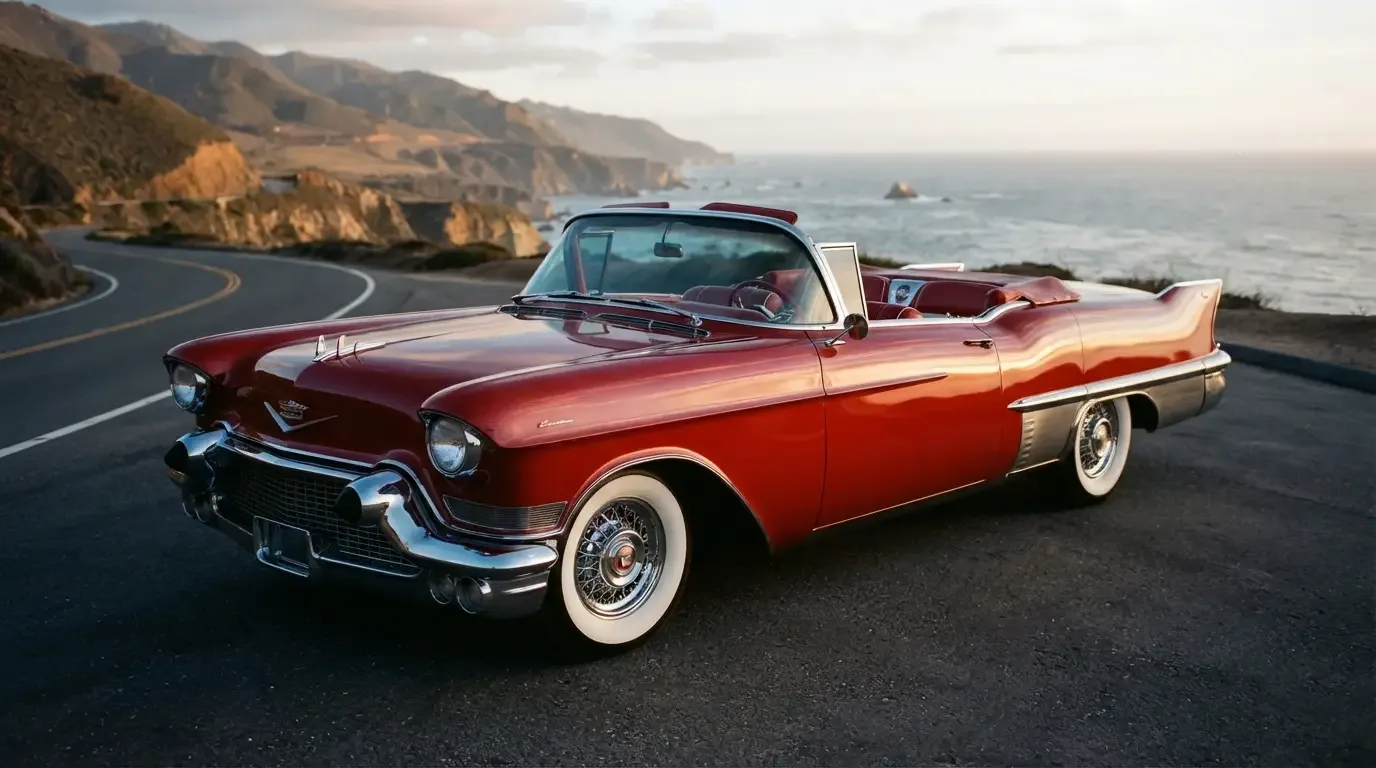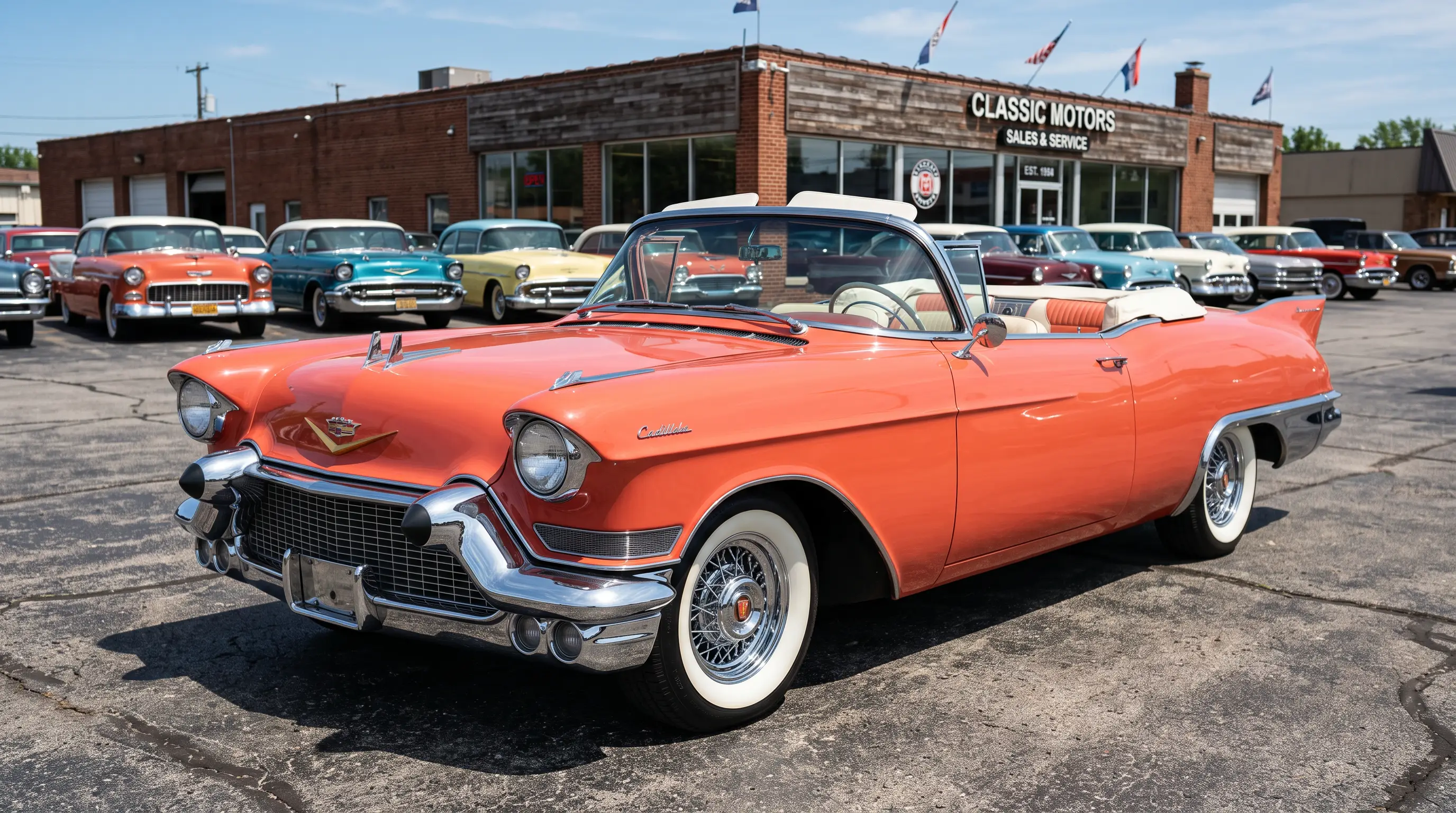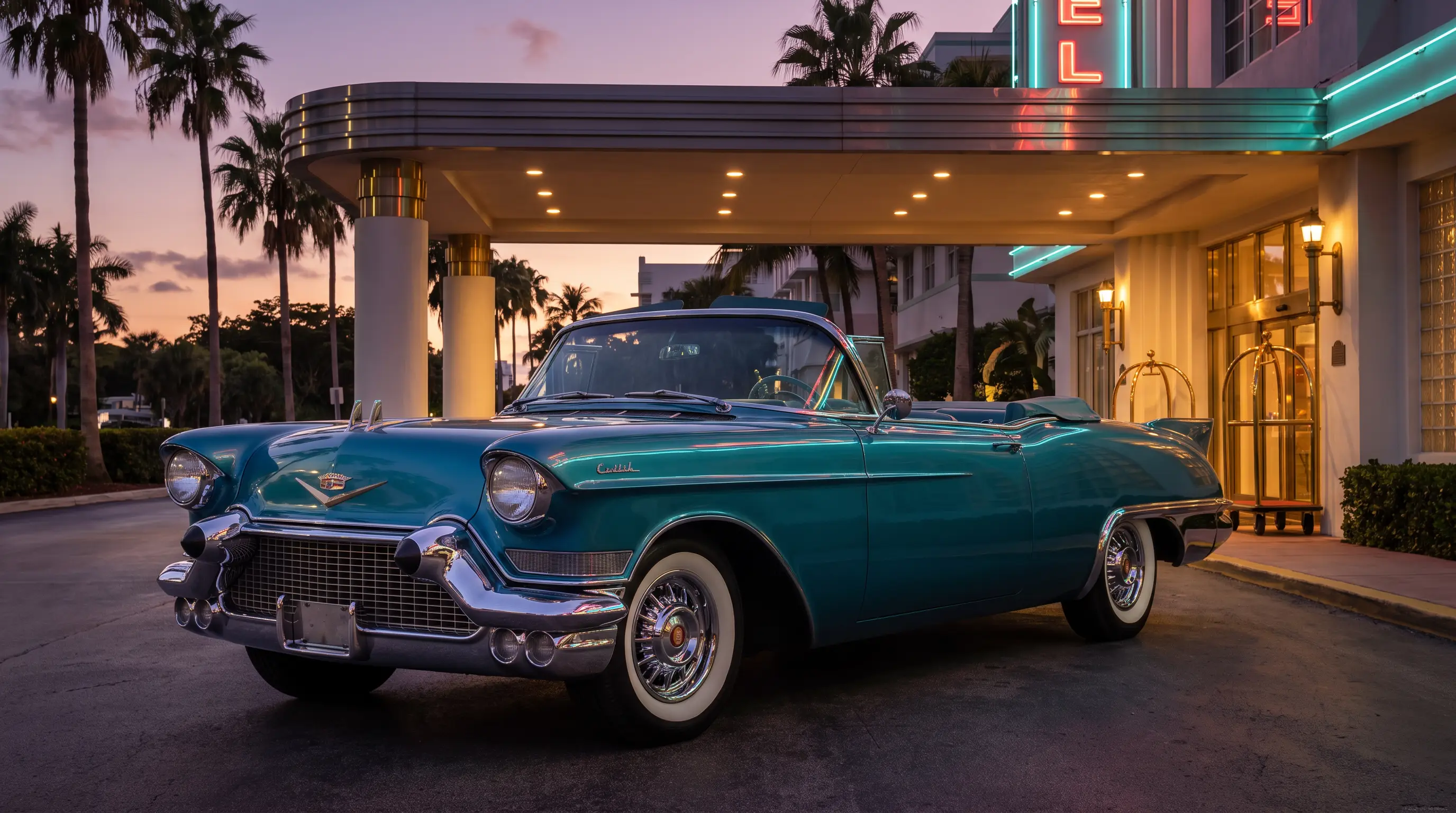
Ask five different Cadillac club members for the exact cadillac eldorado biarritz production number in any given year and you will likely get five slightly different answers, each defended with the same confidence. That is not because nobody kept records. It is because the surviving records disagree with each other in small ways, and the club has spent decades reconciling factory data, dealer paperwork, and registry counts into something close to consensus.
A genuinely low-volume convertible
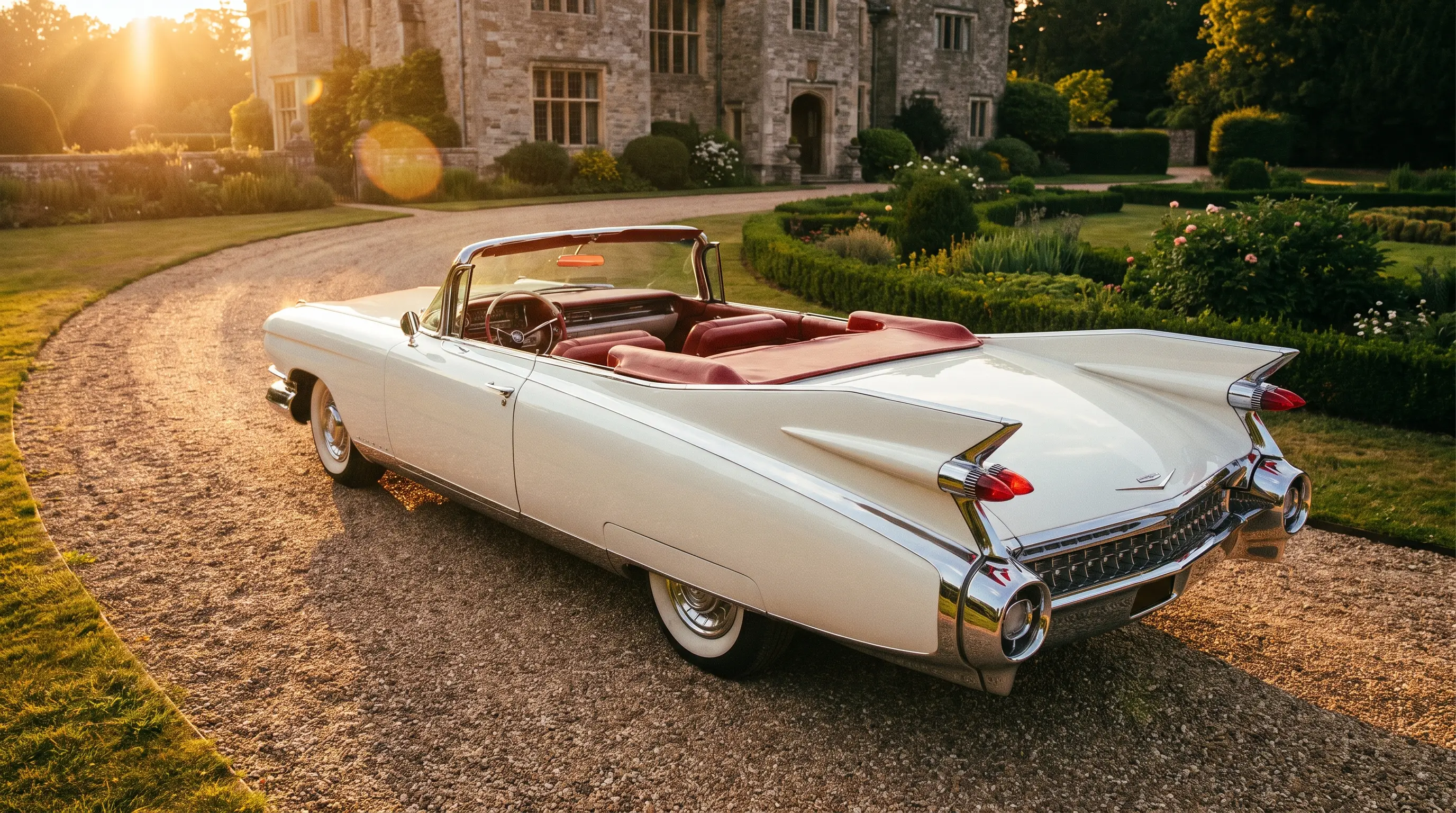
From the moment the Biarritz name split off as its own convertible model in 1956, it was never meant to be a high-volume car. Cadillac built the Series 62 convertible in far greater numbers for buyers who wanted an open Cadillac without paying for the extra Biarritz trim and equipment, which left the Biarritz as a genuine low-production halo model within an already low-production luxury brand. Annual Biarritz convertible output through the late 1950s ran in the low thousands at most, and in some years dipped well below that: roughly 2,150 built for 1956, about 1,800 for 1957, a low of around 815 for 1958, near 1,320 for 1959, and about 1,285 for 1960, figures that put several model years closer to a specialty build than a mainstream product.
That scarcity was intentional on Cadillac's part. A convertible flagship loses its shine if every dealer lot has three of them sitting in the sun, so keeping Biarritz numbers well below the standard convertible volume protected the exclusivity the name was supposed to represent.
Why the numbers move around in club records
Factory production figures from the 1950s were compiled for internal purposes, not for future historians, and the paperwork that survives is incomplete in places. Some totals reflect cars built, others reflect cars sold in a given model year, and the two numbers do not always match because a handful of late-year builds carried into the next model year's sales figures. Add in regional dealer records that occasionally listed a Biarritz under a generic Eldorado convertible line rather than breaking it out separately, and you get the small discrepancies that show up when you compare one published source to another.
Club registries have done more to sharpen these numbers than any single factory document, because they track individual cars by serial number over decades, cross-referencing owners, restorations, and known losses. When a registry can account for a meaningful share of a model year's believed production still in existence, that gives everyone more confidence in the original total, even when the exact figure stays a little soft around the edges.
What low production means for owners today
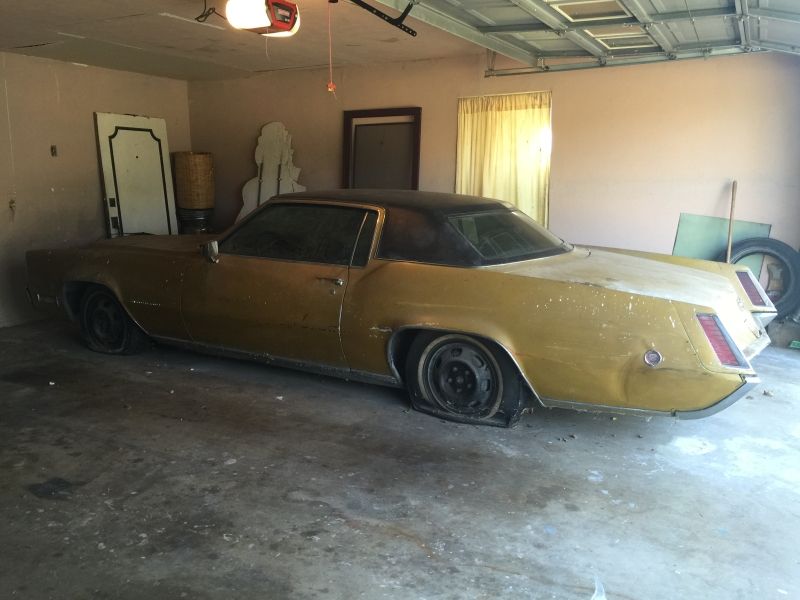
Whatever the precise number in any given year, the practical reality for owners and shoppers is the same: surviving, well-documented Eldorado Biarritz convertibles from the late 1950s are not common, and attrition over sixty-plus years has thinned the ranks further through accidents, neglect, and cars simply used up and scrapped before anyone thought to preserve them. A club veteran I know likes to say that every Biarritz still on the road today survived something, whether that was a barn roof, a careless teenager in 1974, or just decades of Midwestern winters, and he is not wrong. You can read the full story of the model to understand just how much smaller the surviving population is compared to the original build numbers.
That scarcity is a big part of why documentation matters so much when you are shopping. A build sheet, a Protect-O-Plate, or even a well-preserved dealer invoice can tie a specific car back to its original production record, which matters more for a Biarritz than for a common Series 62 simply because there are fewer of them to compare against.
"Nobody in the club argues about whether the Biarritz was rare. They argue about the third digit of exactly how rare, and honestly, that argument is half the fun of the hobby."
- Wayne Coburn
Comparing years without getting lost in the noise
Newer collectors sometimes make the mistake of treating every Biarritz model year as equally rare, when in practice production and survival rates shifted noticeably from year to year. Some years leaned toward slightly higher output as the model gained popularity, while others tightened up again as Cadillac adjusted the lineup or responded to broader market conditions. A car from a genuinely tighter production year, properly documented, tends to draw more serious interest at a show or auction than one from a comparatively higher-volume year, even if the two cars look nearly identical to a casual observer.
This is where talking to people who have handled dozens of these cars pays off. A club veteran who has watched Biarritz sales for twenty years can often tell you, without consulting a single spreadsheet, which model years turn up more often at swap meets and which ones barely surface at all. That kind of pattern recognition does not replace hard data, but it fills in gaps the paperwork leaves behind, and it is exactly the sort of institutional memory that gets passed down at regional meets rather than published anywhere formal.
I have sat through enough of those conversations at folding tables under a show tent to know the debate never fully settles, and honestly, I would be a little disappointed if it did. Part of what keeps a hobby like this alive is the ongoing work of comparing notes, correcting old assumptions, and occasionally turning up a document that reshuffles what everyone thought they knew about a given year's production.
Tracking your own car's history
If you own or are considering a Biarritz, reaching out to a Cadillac club registry is worth the time even if you never plan to show the car competitively. Registries can often confirm whether a specific serial number matches known production records, flag inconsistencies worth investigating, and sometimes connect you with a previous owner or restorer who has photos and paperwork you would otherwise never see. That kind of research turns a car with an uncertain past into one with a documented one, and in a low-production model like this, documentation does as much for peace of mind as it does for value.
It also protects you from paying a premium for a claim that does not hold up. Sellers occasionally describe a car as rarer than its actual production year justifies, sometimes out of genuine confusion about the murky record-keeping, sometimes because a higher rarity claim helps the asking price. A quick registry check before you commit can settle the question either way, and a seller with nothing to hide will usually welcome the extra scrutiny rather than resist it.
For anyone ready to start looking, there is always classic Eldorado for sale listings worth comparing, and knowing the production story behind the Biarritz name will help you separate a genuinely scarce, well-documented example from a car that just wears the badge.