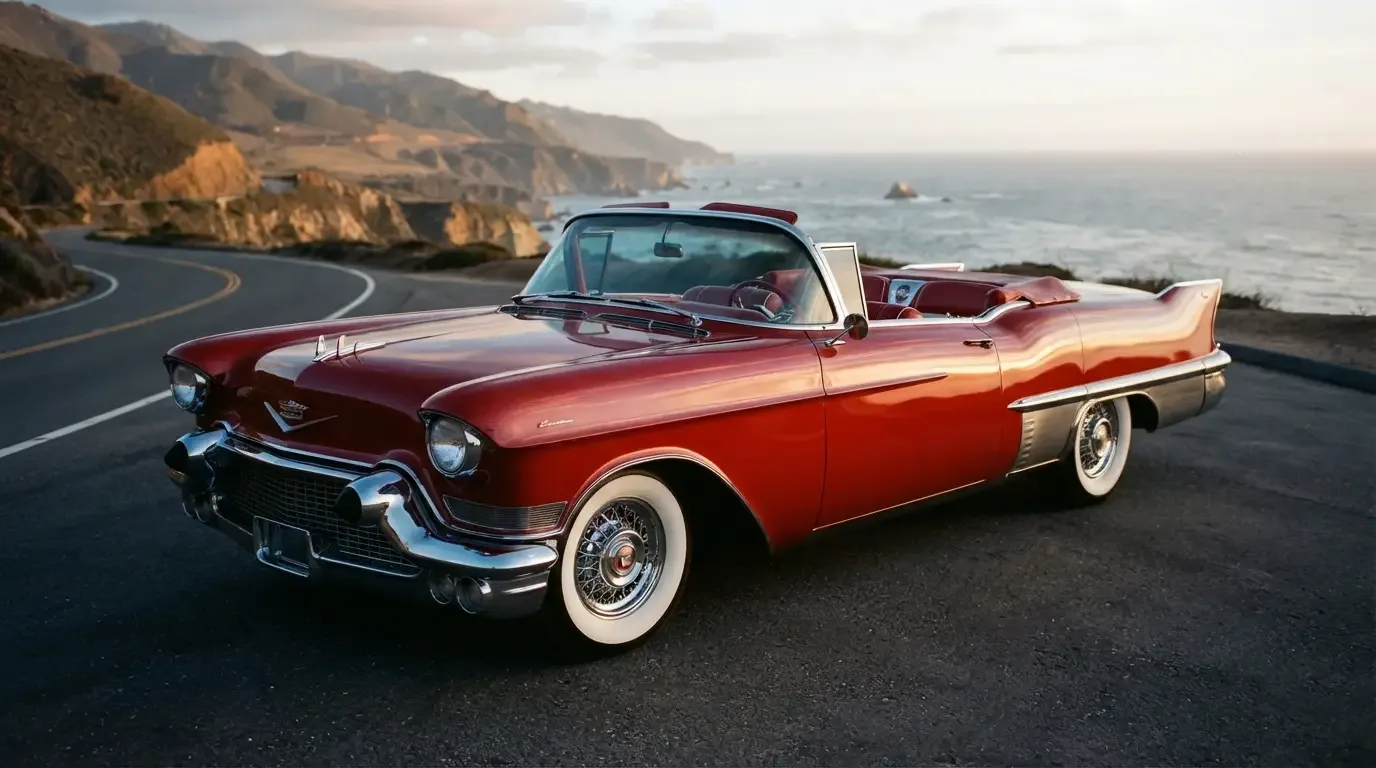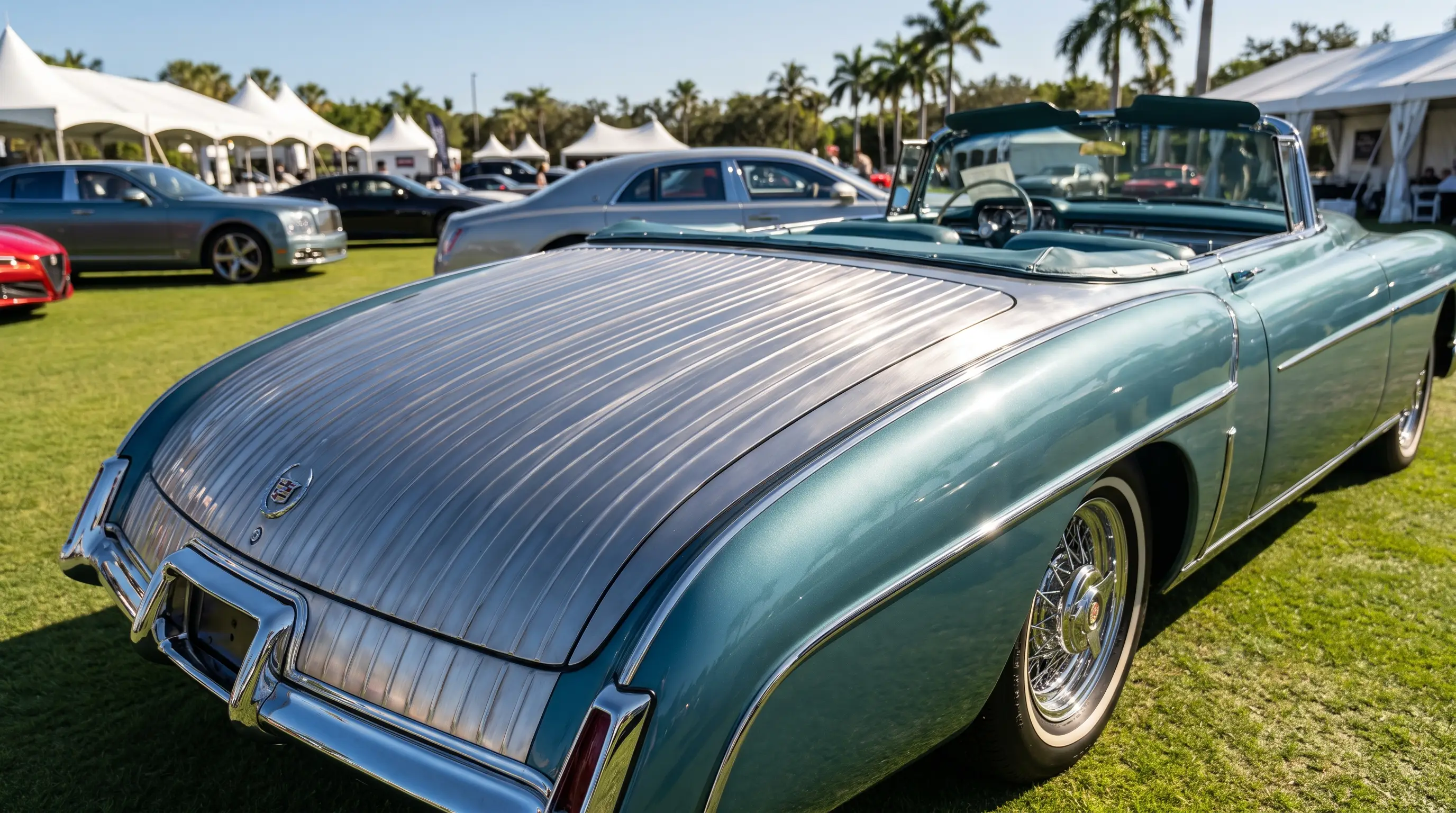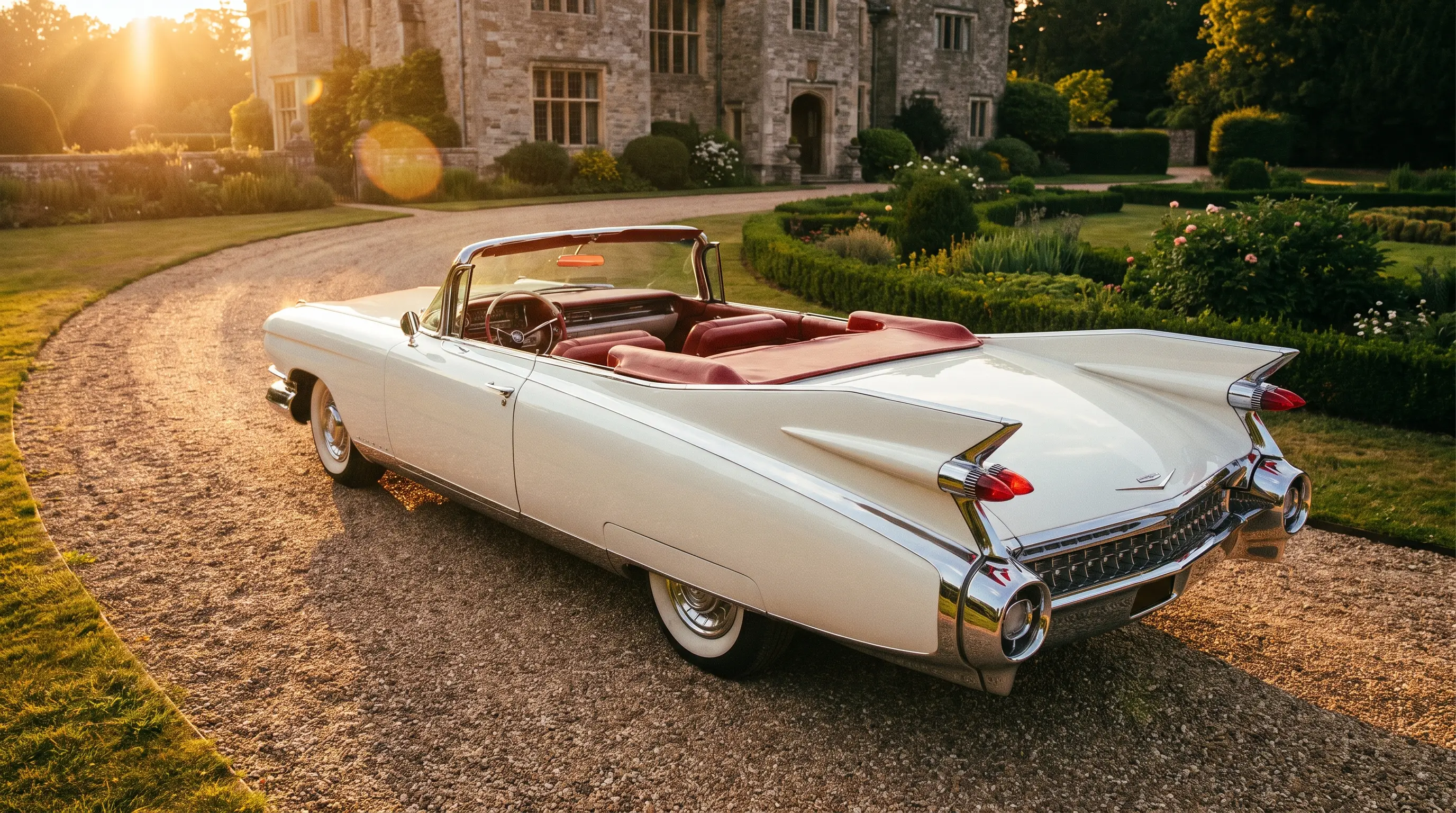
A collector once told me she bought her Eldorado Biarritz for the color before she ever drove it, standing in a barn in late afternoon light watching dust motes settle on a paint job the color of a page from an old travel poster. That is the pull of rare cadillac eldorado biarritz colors: they were never just paint, they were part of the fantasy Cadillac was selling, and decades later they are still the reason some cars stop people in a parking lot while identical models in white or black draw barely a glance.
A palette built for a resort car
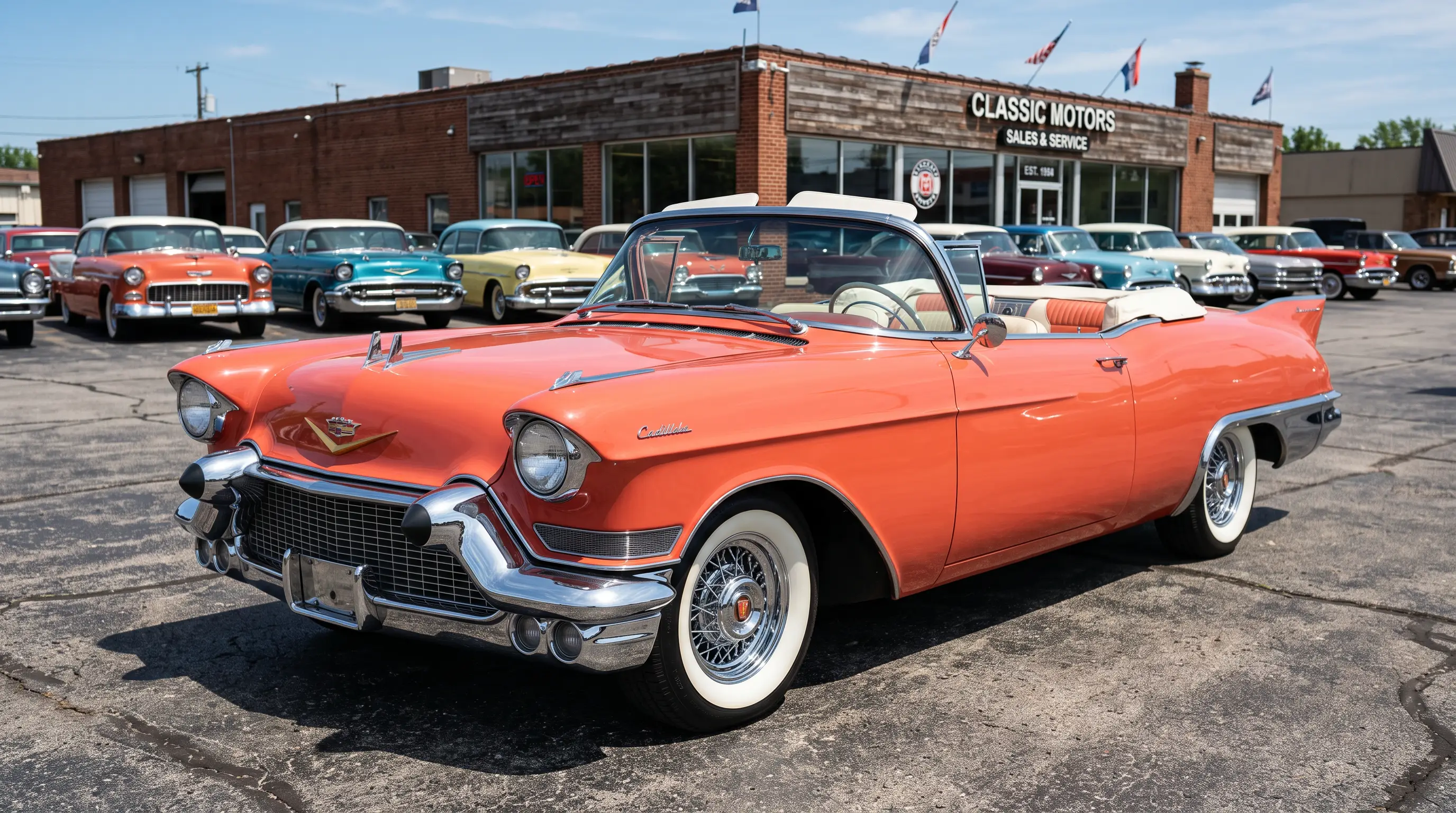
Cadillac's colorists in the late 1950s were not shy. Alongside the safe, high-volume choices of black, white, and the deeper standard blues, the Eldorado Biarritz order sheets carried shades meant to evoke the same European glamour as the name itself: warm corals, deep aquas, and metallic golds that read almost bronze in direct sun. These were not colors most Series 62 buyers reached for, and dealers often kept only a handful of examples in the brighter hues on the lot at any given time, ordering the rest to buyer specification. A Biarritz in one of these statement colors was a car chosen on purpose, by someone who wanted to be seen in it.
Two-tone combinations added another layer of rarity. A contrasting color on the lower body or around the wheel wells, paired with a complementary interior, meant that even two Biarritz convertibles in the same base hue could look meaningfully different once you accounted for the accent color and the top. Collectors chasing an exact factory-correct combination sometimes spend years finding a car painted the way theirs left the factory, because dealer records from the period rarely survive intact.
Why some colors vanished faster than others
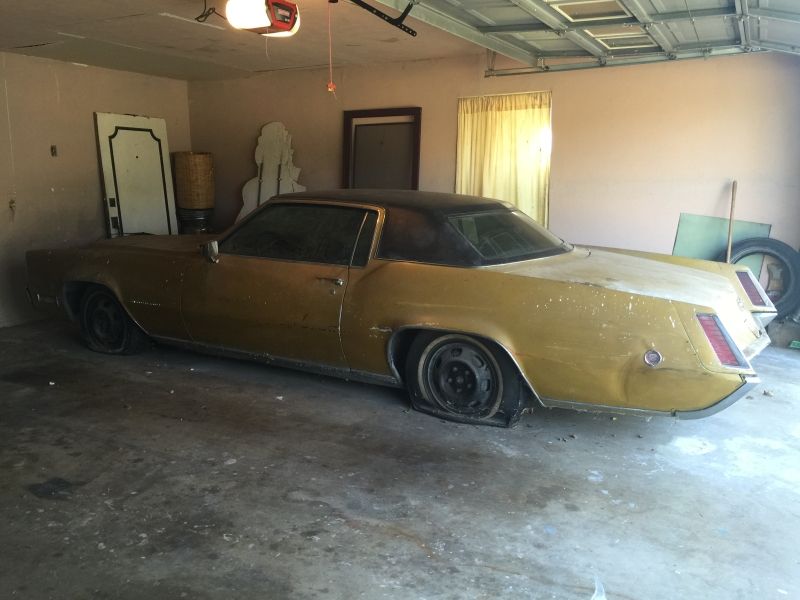
Bright, saturated paint from the 1950s did not always age gracefully. Certain pigments faded unevenly under decades of sun, and owners repainting a tired Biarritz in the 1970s and 1980s often chose whatever color was fashionable at the time rather than researching the factory-original shade, which means plenty of rare colors were painted over and lost long before anyone thought to document them. A car that left the factory in a striking coral or gold combination might have spent thirty years wearing a plain white repaint, its original identity buried under a decision made for convenience rather than history.
That loss is part of why the cadillac eldorado biarritz story matters so much to serious collectors now. Once you understand which colors were rare to begin with, you start looking at repainted cars differently, checking door jambs and under carpet edges for a trace of the original hue before assuming a common color was always there.
Chasing an original color today
Finding a Biarritz that still wears, or can be documented to have worn, one of its rarer factory colors takes patience. Trim tags and build sheets, when they survive, list a paint code that can be cross-referenced against period color charts, though not every restorer bothers to check before repainting a barn find in whatever shade looks good under shop lights. The owners who do the research tend to become evangelists for it, showing up at meets with a folder of documentation to back up a color that a stranger might otherwise assume was an aftermarket choice.
I think about that woman in the barn sometimes, the way she talked about the color before she mentioned the engine or the mileage. For a certain kind of buyer, the color is not decoration on top of the car. It is the reason the car exists in their imagination at all, and a rare, correct color turns an already desirable convertible into something closer to a piece of period art.
She ended up buying that car, and the last time I heard from her the paint had been sympathetically touched up rather than fully stripped and redone, because she wanted to keep as much of the original surface as possible. That choice, patience over perfection, is one I see again and again among people drawn to a rare color first. They tend to treat the car less like a project and more like something already finished that simply needs protecting.
"People remember the color of a car long after they forget the horsepower figure. A Biarritz in the right shade of gold at golden hour does something a spec sheet never will."
- Nora Beckett
Interior color as its own puzzle
Exterior paint gets most of the attention, but the interior color combinations tell just as detailed a story. Cadillac paired certain exterior hues with specific leather and cloth interior choices, and buyers of the period could mix and match within limits set by the factory order book. A gold exterior might come with a cream or white interior, while a deep aqua body could be paired with a contrasting darker trim, and the combinations that survive intact today, with matching top color included, are rarer still than the exterior paint alone would suggest.
Restorers chasing full authenticity treat the interior as inseparable from the exterior color story, because a correct paint job over the wrong upholstery still reads as incomplete to anyone who has studied period photographs closely. Getting all three elements right, body, top, and interior, is the difference between a car that looks period-correct and one that actually is.
Convertible tops added a final variable. A car ordered in a bold exterior shade might have worn a black or white top for contrast, or a top that matched the body for a more monochromatic effect, and both approaches show up in period photography depending on the buyer's taste. Tracking down which combination a specific surviving car left the factory wearing sometimes comes down to a single faded photograph in a family album rather than any official record, which is part of why so much of this research happens person to person rather than through a database.
What this means for buyers now
If a rare original color matters to you, budget extra time for research before you buy, and do not assume a seller's claim about factory paint is accurate without documentation to back it up. Read the full story of the Eldorado line to understand how color choices shifted across the model's history, since the boldest palette years were concentrated in a fairly narrow window. A correct rare color, verified against surviving records, adds real value and real emotional weight to a Biarritz, and it is worth the extra legwork before you commit.
For those ready to start comparing cars, there are always classic Eldorados on the market wearing everything from the safest black to the boldest surviving factory hue, and spending an afternoon looking at the range will teach you more about what rare actually looks like than any color chart ever could.