Auction listings still get this wrong on a regular basis. A car goes up for sale described as a rare early Seville when it is actually a Biarritz, or the reverse, and the confusion costs both buyers and sellers real money. If you are trying to sort out eldorado biarritz vs seville before you bid on anything, the distinction is simpler than the auction copy usually makes it sound, and the price data tells a fairly consistent story once you know what you are looking at.
Two names for one 1956 decision
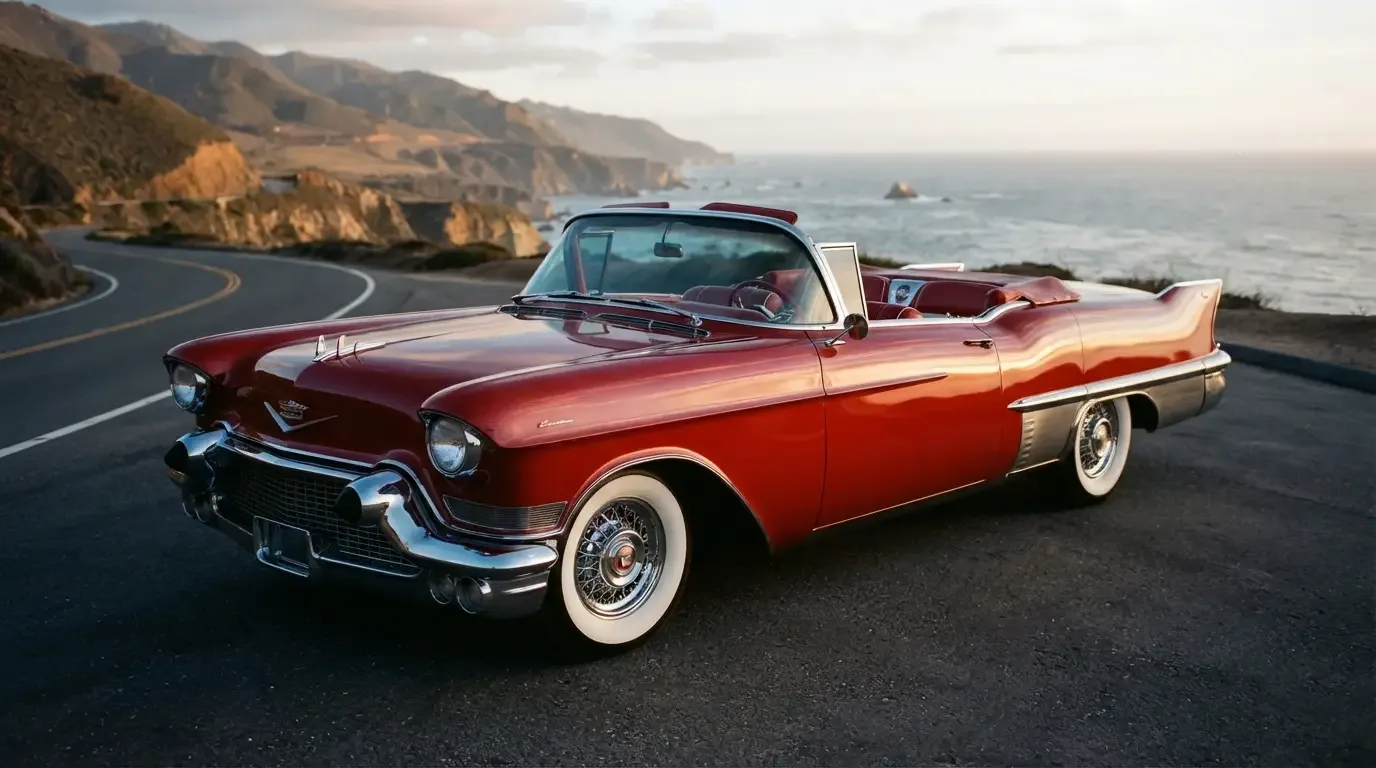
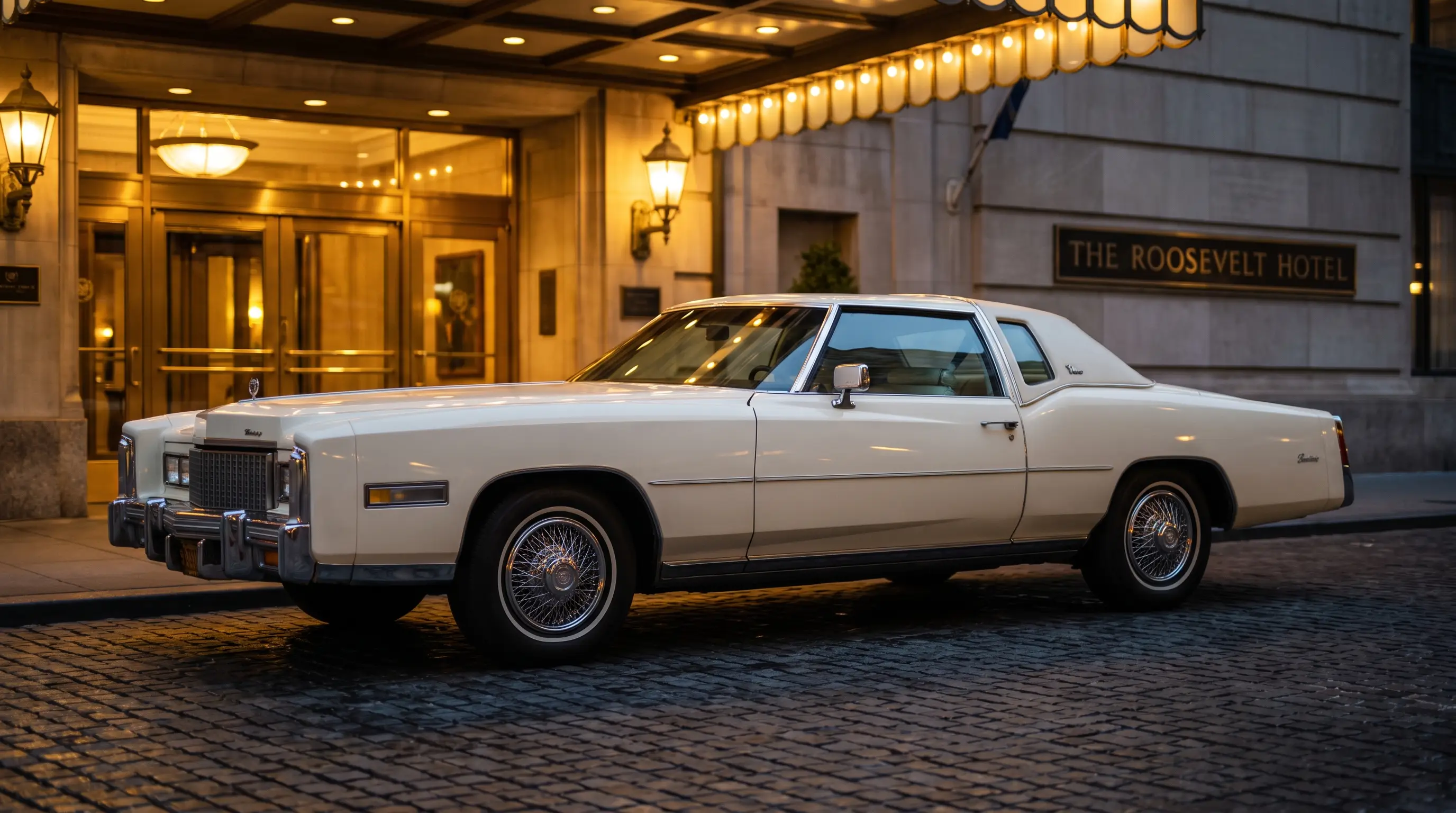
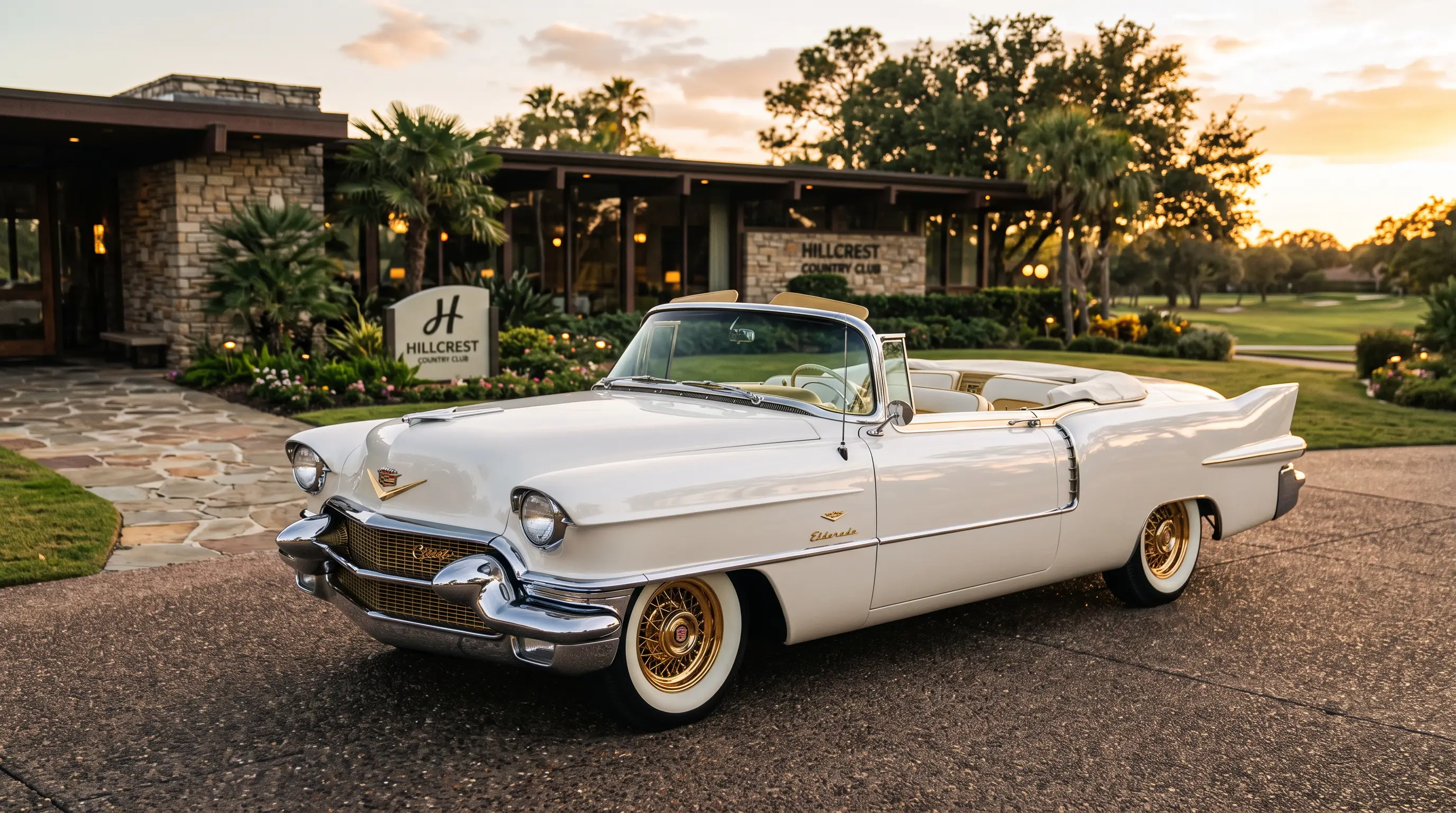
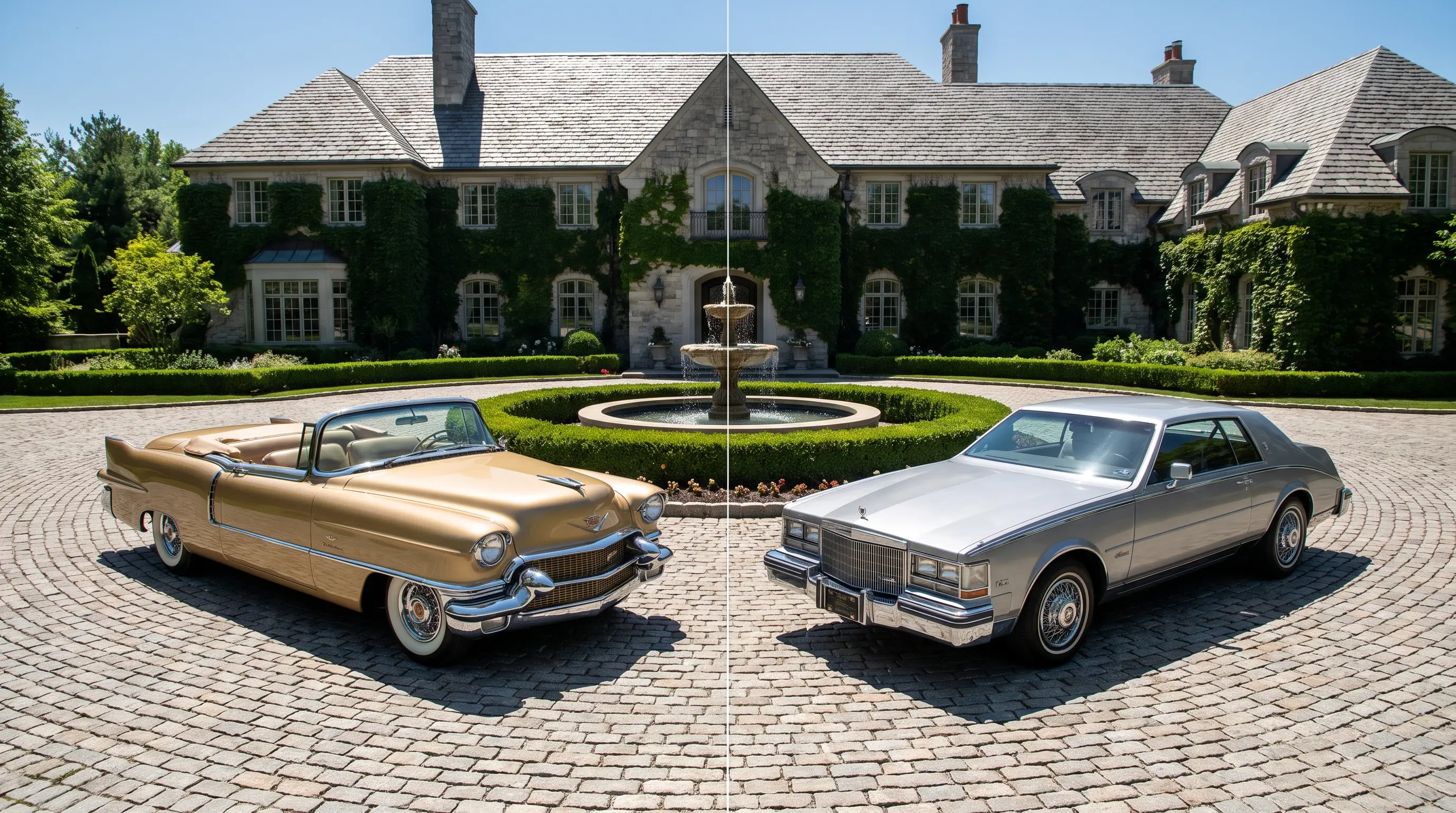
When Cadillac split the Eldorado line into two body styles for 1956, they needed two names. The convertible kept the glamorous Biarritz badge, borrowed from the French coastal resort. The new hardtop coupe got the name Seville, after the Spanish city, continuing Cadillac's habit of reaching for European place names that sounded expensive. Both cars rode on the same platform, shared most of their mechanical specification, and were priced within a few hundred dollars of each other. The real difference was body style, not substance.
That origin point is worth understanding fully, and our team has covered it in more depth in our complete history of the Biarritz name if you want the full timeline. For pricing purposes, what matters is that from day one, the convertible cost more to build, sold in smaller numbers, and has consistently commanded a premium at resale ever since.
What the sales data actually shows
Convertibles depreciate slower and appreciate faster than hardtops in almost every American luxury segment from this era, and Eldorado is no exception. A comparable-condition Biarritz convertible typically brings 30 to 60 percent more than an equivalent Seville hardtop from the same model year at public auction. The gap widens further for documented, low-mile examples, where convertible buyers are willing to pay a steeper premium for originality than hardtop buyers tend to be.
| Factor | Biarritz convertible | Seville hardtop |
|---|---|---|
| Body style | Convertible, power top | Pillarless hardtop coupe |
| Original price position | Higher | Lower, by a modest margin |
| Typical collector premium | 30 to 60 percent above comparable Seville | Baseline for the pair |
| Production volume by year | Roughly even to slightly higher most years | Baseline for the pair |
Why the premium exists and whether it is justified
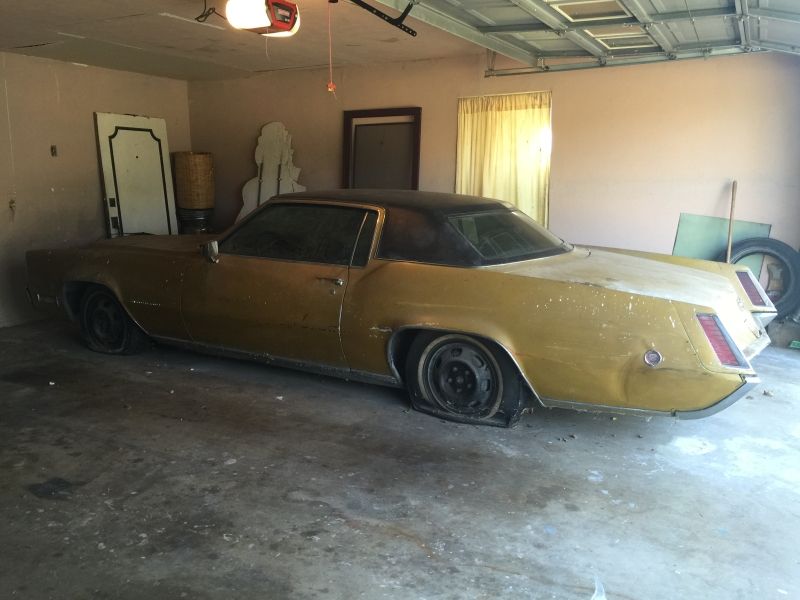
Part of this is simple supply, though not the way most people assume. The production split between the two body styles actually swung back and forth year to year: Biarritz outsold Seville in 1956, Seville pulled ahead in 1957, the two were close in 1958, and the convertible outsold the hardtop again in 1959 and 1960. What really separates them today is survival rate. Convertible tops fail over time in ways that hardtop roofs do not, so fewer clean original Biarritz cars have survived in top condition to the present, even in years where roughly the same number left the factory. Part of the price gap is also pure market taste. Buyers of American luxury convertibles from the 1950s and 1960s are, on average, willing to spend more than buyers chasing an equivalent hardtop, and that preference has held remarkably steady across decades of auction data.
Is the premium justified on pure engineering merit? Not really. A well-sorted Seville rides on the same chassis, wears the same engine, and offers a stiffer body structure with less cowl shake than the convertible, which some drivers genuinely prefer. If you care about driving dynamics over resale value, the hardtop is arguably the better car. But this analysis is about what the market pays, and the market has a clear, persistent preference for the top that folds down.
"I have run the comparables on this pairing more times than I can count, and the convertible premium has not budged in any meaningful way across multiple market cycles. Buyers pay for the folding top every single time."
- David Mercer
What this means for buyers today
If your priority is appreciation potential and you can absorb the higher entry price, the Biarritz convertible has the stronger long-term track record. If you want more car for your money and plan to actually drive it regularly, a Seville hardtop in excellent condition is arguably the smarter buy, since you get comparable mechanicals at a meaningfully lower price with less top maintenance to worry about.
Both cars are legitimate pieces of Cadillac history, and neither is a bad purchase. The mistake buyers make is assuming the price gap reflects a real difference in build quality or driving experience, when it mostly reflects convertible demand and lower surviving convertible supply. Shop with that in mind and you will pay a fair price either way. If you want to compare current listings across both body styles side by side, you can find a classic Eldorado in either configuration and see how the pricing gap plays out on real cars for sale right now.
My recommendation for anyone torn between the two comes down to intended use. Buy the Biarritz if resale value and prestige matter most to you. Buy the Seville if you want the same underlying car for less money and do not mind that it will likely never close the value gap with its convertible sibling.
How the gap has moved across market cycles
I have tracked this pairing through more than one collector car boom, and the pattern holds up better than most people expect. During the run-up in American classic prices over the past decade, both body styles gained value, but the convertible gained faster in percentage terms, which actually widened the gap rather than closing it. That is somewhat unusual. In most collector segments, a strong bull market tends to compress premiums as buyers get less picky about body style and chase anything clean. With this specific pairing, the opposite happened.
My read on why is that convertible buyers in this niche are shopping with a narrower mental category. They are not comparing an Eldorado convertible against an Eldorado hardtop and deciding between them. They have already decided they want a convertible, full stop, and the Seville is not competing for that dollar at all. That changes the demand curve in a way a simple side-by-side spec comparison does not capture.
A note on regional variation
Where you are shopping also matters more than most buyers assume. In warmer, drier states, convertible demand runs even hotter, and the Biarritz premium can push toward the top end of that 30 to 60 percent range or occasionally past it. In colder regions, the gap tends to sit closer to the lower end, since fewer buyers are cross-shopping a car they can only put the top down on for a few months a year. If you are buying to hold rather than to drive daily, factor in where you plan to eventually sell, not just where you are buying.
None of this should scare a Seville buyer off. A hardtop that sells for less does not mean it sold for less because something is wrong with it. It simply means fewer people are actively bidding against you, which for a patient buyer is an advantage, not a warning sign. The car underneath is every bit as much a Cadillac as its convertible sibling.