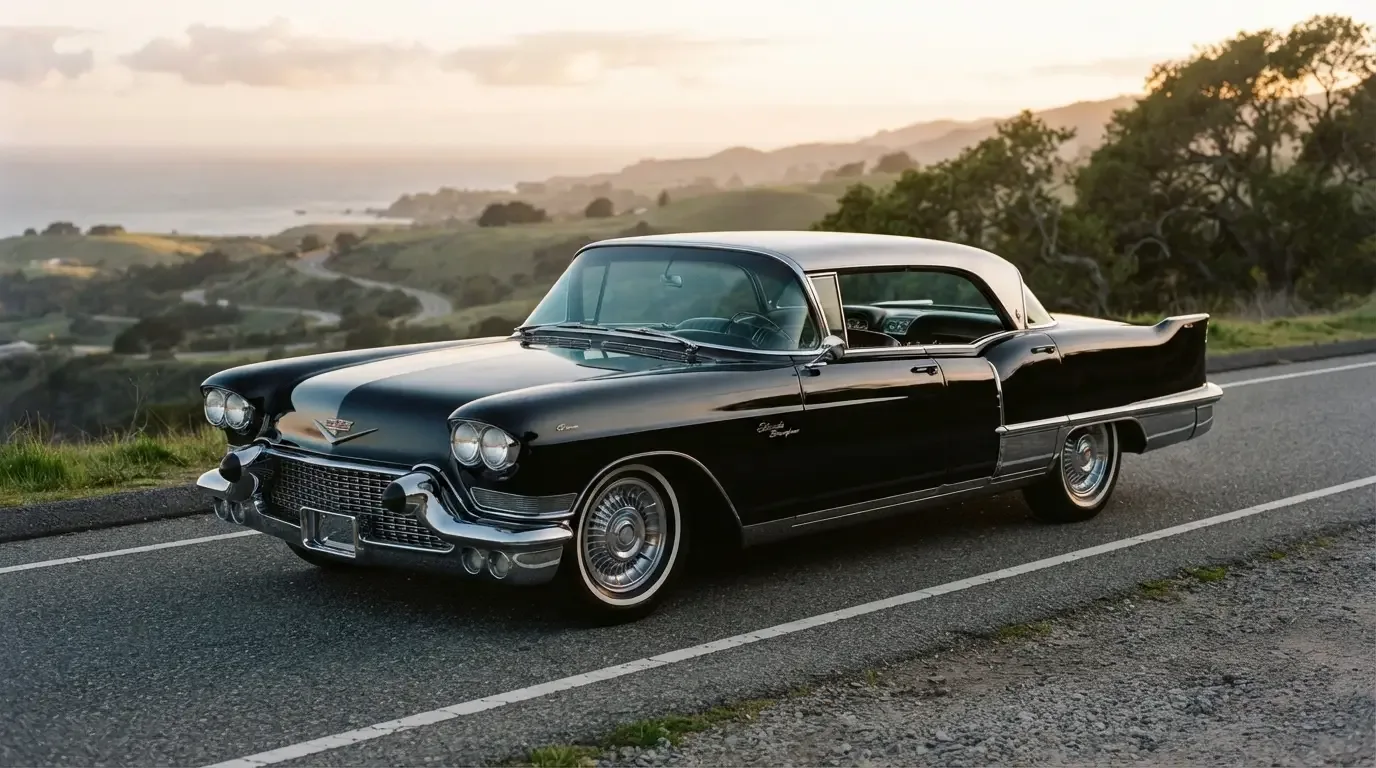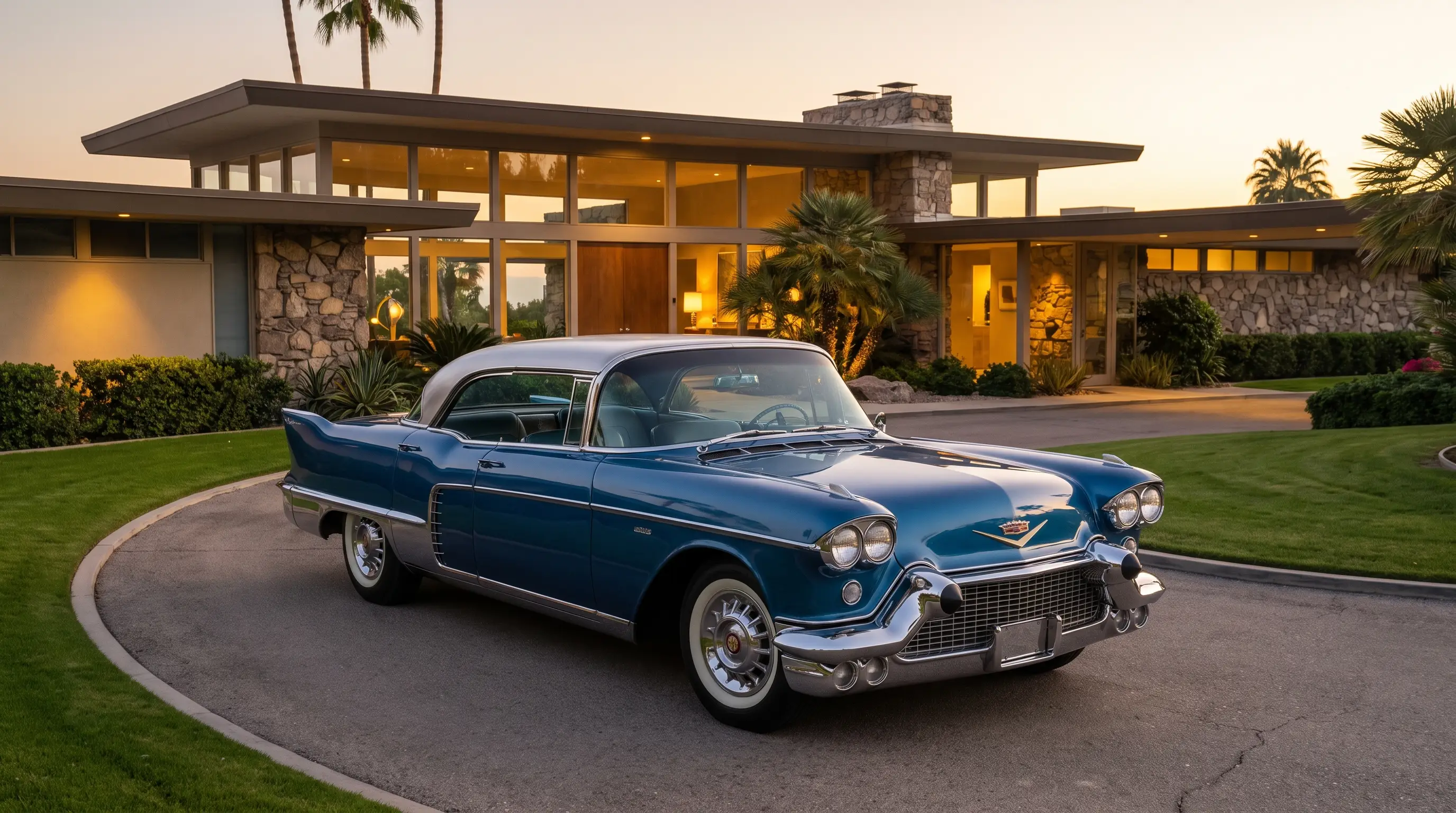
A fellow at a Cadillac national meet once told me his 1960 Eldorado Brougham had "more passport stamps than I do," and once he explained what he meant, I understood exactly why he said it. The body on his car started life as stamped steel in the United States, traveled across the Atlantic to Turin to be finished by Italian craftsmen, then came back across the ocean again before it ever touched a drivetrain. That is not a exaggeration for effect. That is literally how the eldorado brougham italian body construction process worked for these later cars.
A hand built car gets even more hands
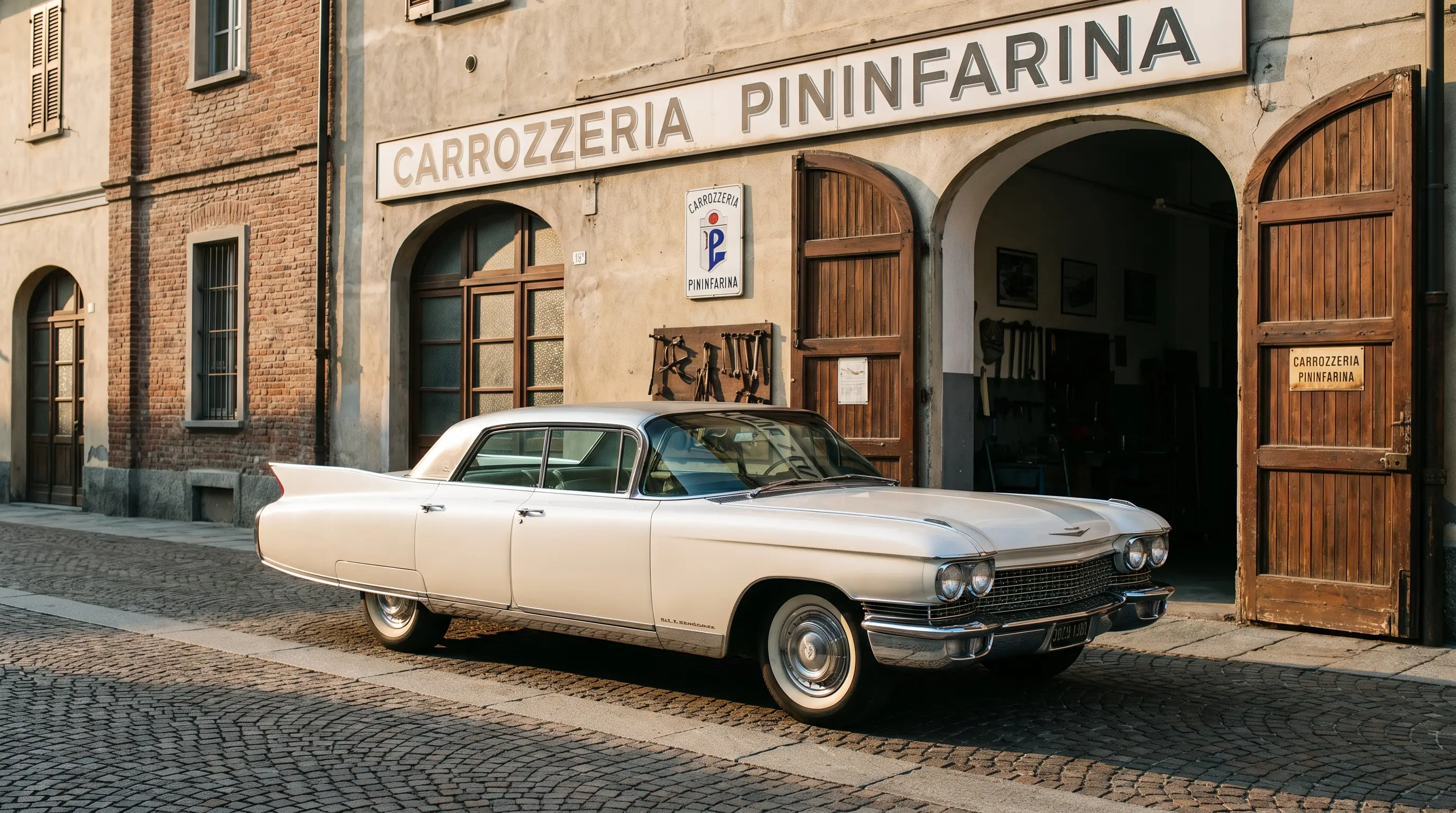
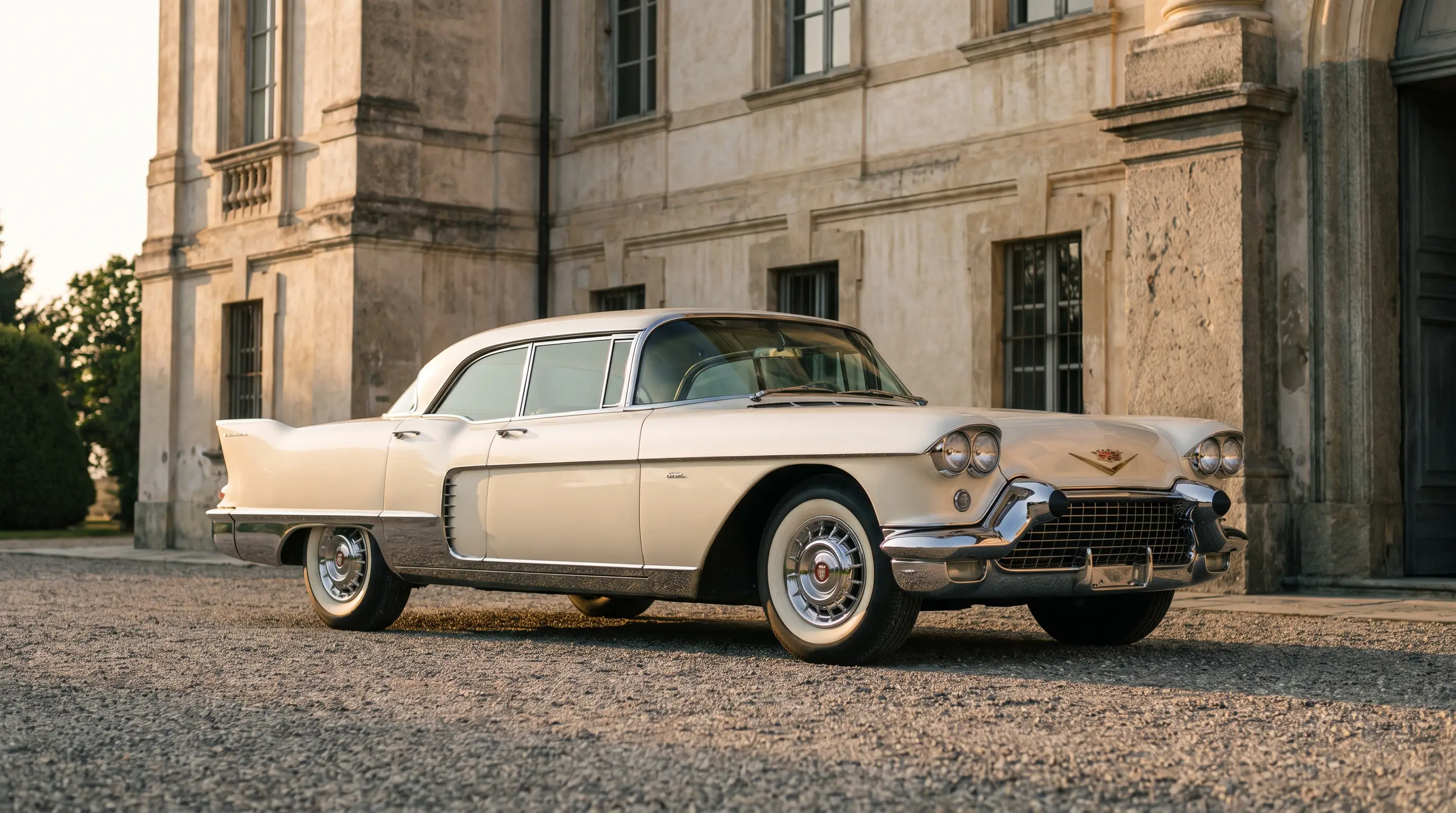
By the time Cadillac planned the 1959 model year, the division already understood that building the Eldorado Brougham entirely in Detroit at the standard of finish it demanded was not sustainable. Rather than walk away from the flagship, Cadillac partnered with Pininfarina, the Italian coachbuilder already known throughout Europe for exactly this kind of low volume, high craftsmanship body work. Component bodies traveled to Turin for finishing, trim, and assembly work that American mass production lines simply were not set up to deliver at this level, then returned to the United States for final assembly with the chassis, engine, and drivetrain.
Every member of our local club who has actually put hands on one of these cars comes away saying some version of the same thing: the fit and finish feels different from a Detroit built Cadillac of the same era, in ways that are hard to describe precisely but easy to feel once you have touched both. Panel gaps, trim alignment, and the general sense of a car assembled by people rather than a line, all carry a slightly different character than the shop across town would recognize from a standard Series 62.
None of this makes sense without the earlier chapters of the story. If you have not already read our cadillac eldorado brougham retrospective, that is where the whole arc, from the money losing 1957 launch through the Italian built later cars, gets laid out properly.
What Italian construction actually meant day to day
This was not a badge slapped on a European car. The bones of the Brougham remained thoroughly American, built on a Cadillac chassis with a Cadillac drivetrain underneath, but the labor intensive body construction and finishing work moved to a shop with generations of coachbuilding experience behind it. Pininfarina craftsmen who had built bodies for European sports and luxury marques were now finishing panels for a car that would carry a Cadillac crest back home.
Interior trim work, paint finishing, and the general assembly of the body shell all fell under Pininfarina's roof before the car ever saw a Cadillac assembly line again. It was, by any honest measure, a genuine transatlantic manufacturing partnership at a scale almost nobody else in the American industry was attempting at the time.
What the craftsmanship actually looked like up close
I have crawled underneath and around one of these cars at a member's shop more than once, and the details that stand out are not the ones you would expect from a distance. Weld seams on certain body joints are finished in a way that reads as more deliberate, more hand worked, than what you see on a standard Detroit built Cadillac from the same period. Trim fitment around the windows and door openings has a tightness to it that a few of us in the club have compared, half joking, to European sports cars of the era rather than to anything else wearing a Cadillac crest. None of this is something you can photograph and prove with a single picture. It is something you learn by putting your hands on more than one of these cars and comparing notes with people who have done the same.
That kind of comparison is exactly what keeps club meets valuable, even in an era when anyone can look up photographs and specifications online in minutes. A photograph cannot tell you what a panel gap feels like under your fingertips, or how a door latches compared to a car built three thousand miles away by an entirely different set of hands. Owners of these cars have effectively become the archive, because the factory records that would settle these questions definitively were never kept with future historians in mind.
Stories from the club circuit
I have heard more than one longtime owner describe the process of researching their car's specific history, chasing down which panels came from where and cross referencing build records that, frankly, were never kept with restoration researchers in mind seventy years later. It is detective work as much as mechanical work, and the community around these cars has slowly built up a body of shared knowledge over decades of comparing notes at meets exactly like the one where I heard that passport stamps line.
There is a related angle to all of this worth chasing down too. Cadillac loaded the Brougham with an outrageous list of features and gadgets that had nothing to do with where the body was built, and that story deserves a related story of its own, because the Italian construction and the feature list together tell you everything about how far Cadillac was willing to go with this car.
"Every club has somebody who can talk your ear off about Pininfarina and Cadillac in the same sentence. Get that person talking at a show and you'll be there past closing time, and it's worth every minute."
- Wayne Coburn
What it means for owners and restorers now
Owning a Pininfarina bodied Brougham today comes with a specific set of challenges that a Detroit built car simply does not present. Sourcing correct body panels, trim, and finishing materials means working within an even smaller parts universe than the already tiny Eldorado Brougham world, since these cars were never common to begin with and the Italian built examples are rarer still. Restoration shops that understand both Cadillac mechanicals and Italian coachbuilding practices are not exactly common, and finding one willing to take on this kind of project is often half the battle for anyone chasing a correct restoration.
That scarcity is also exactly what keeps these cars fascinating to people like me and everyone else in our club who has spent years around them. A car with this kind of transatlantic manufacturing story does not come along often in American automotive history, and every example still on the road today represents a genuinely unusual chapter that most car people, even serious collectors, only half know.
If this kind of history has you curious about owning a piece of it, there are Eldorados for sale now worth a look, spanning the full run of this remarkable model line from the earliest Detroit built cars through the Italian coachbuilt years.