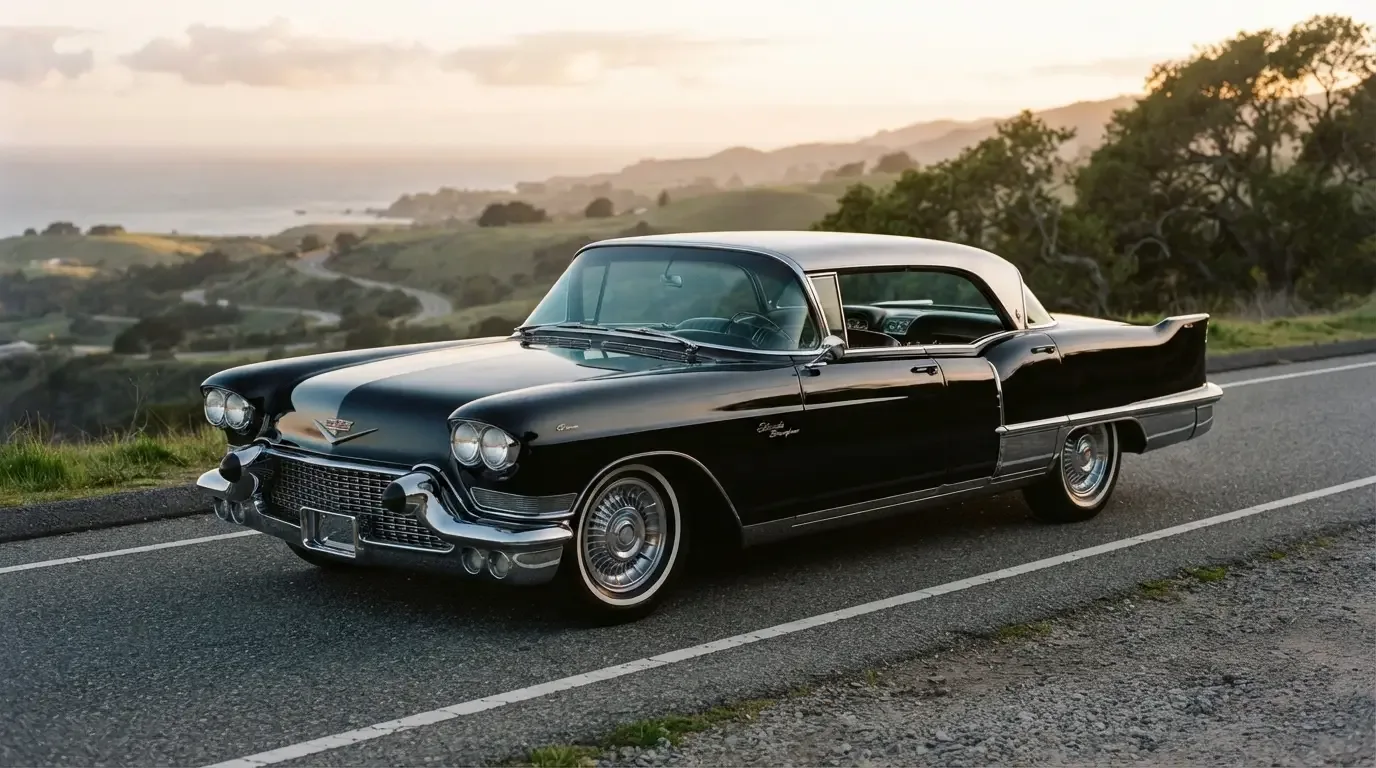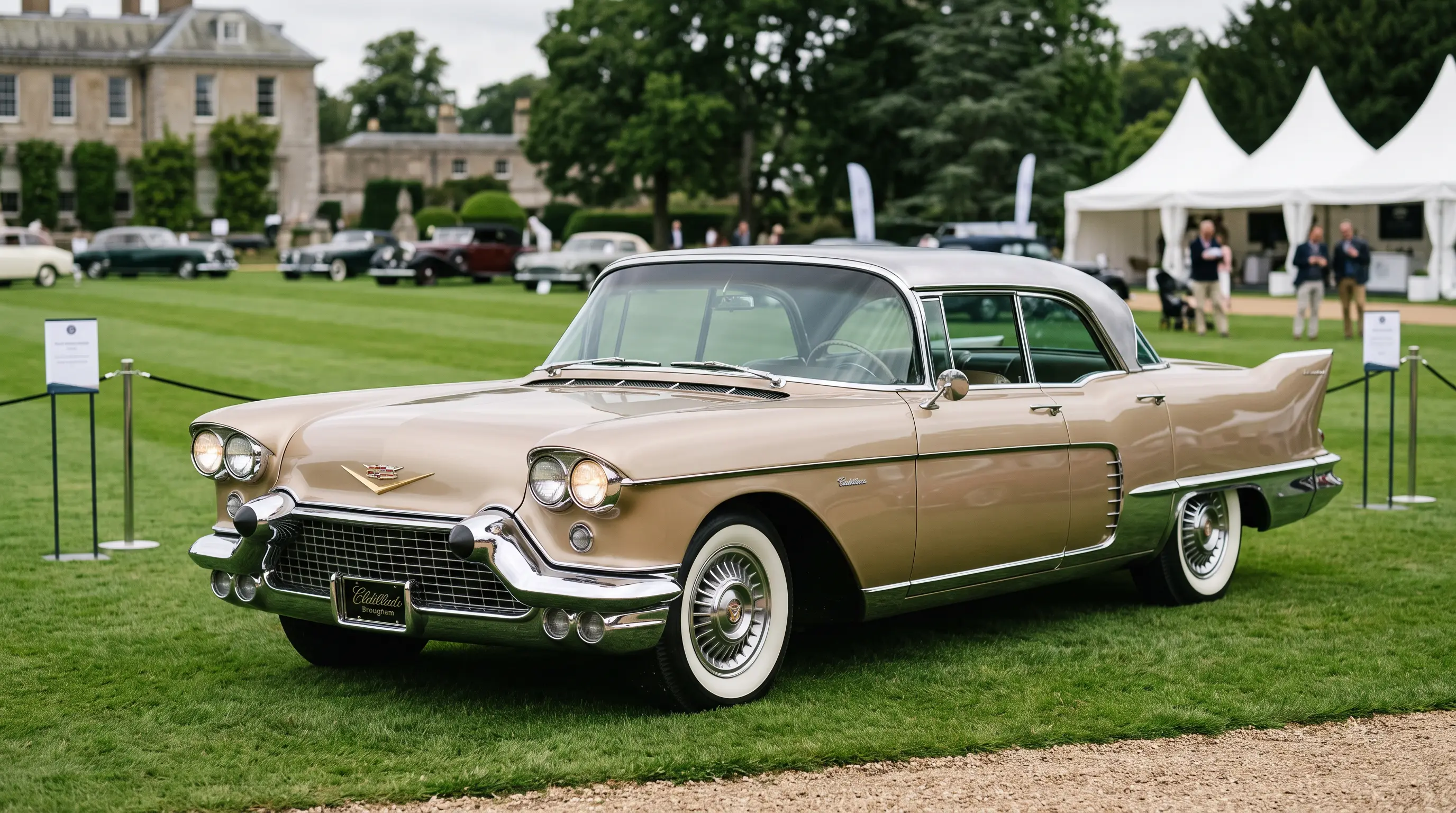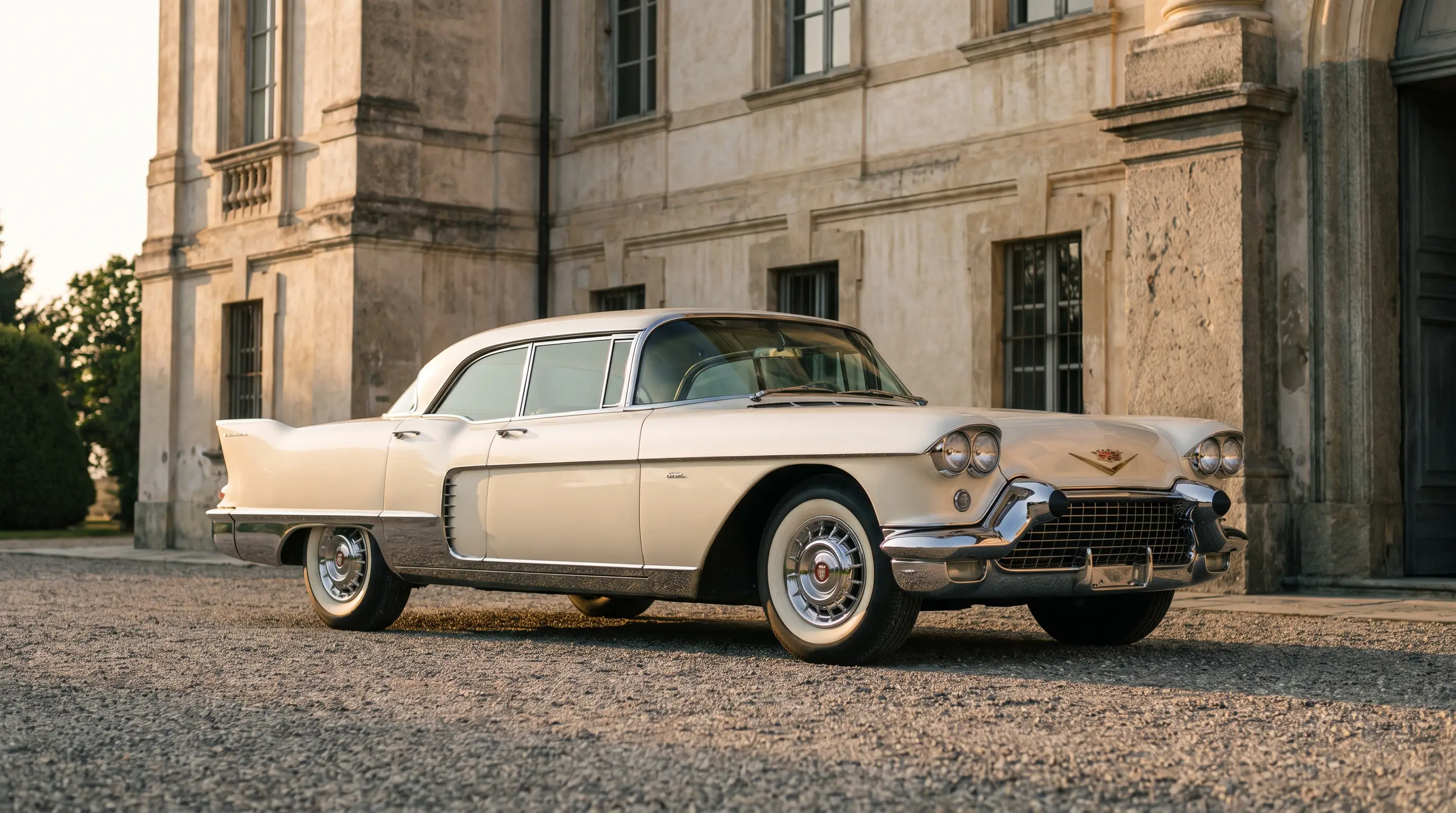
When Cadillac brought the Eldorado Brougham back for 1959 and 1960, the car changed in a way that still shapes how it trades today: the bodies were built in Turin, Italy, by Pininfarina, not stamped and assembled in Detroit. That single fact drives most of the collector interest, most of the pricing questions, and most of the confusion buyers bring when they start researching eldorado brougham pininfarina cars for the first time.
Why Cadillac went to Italy
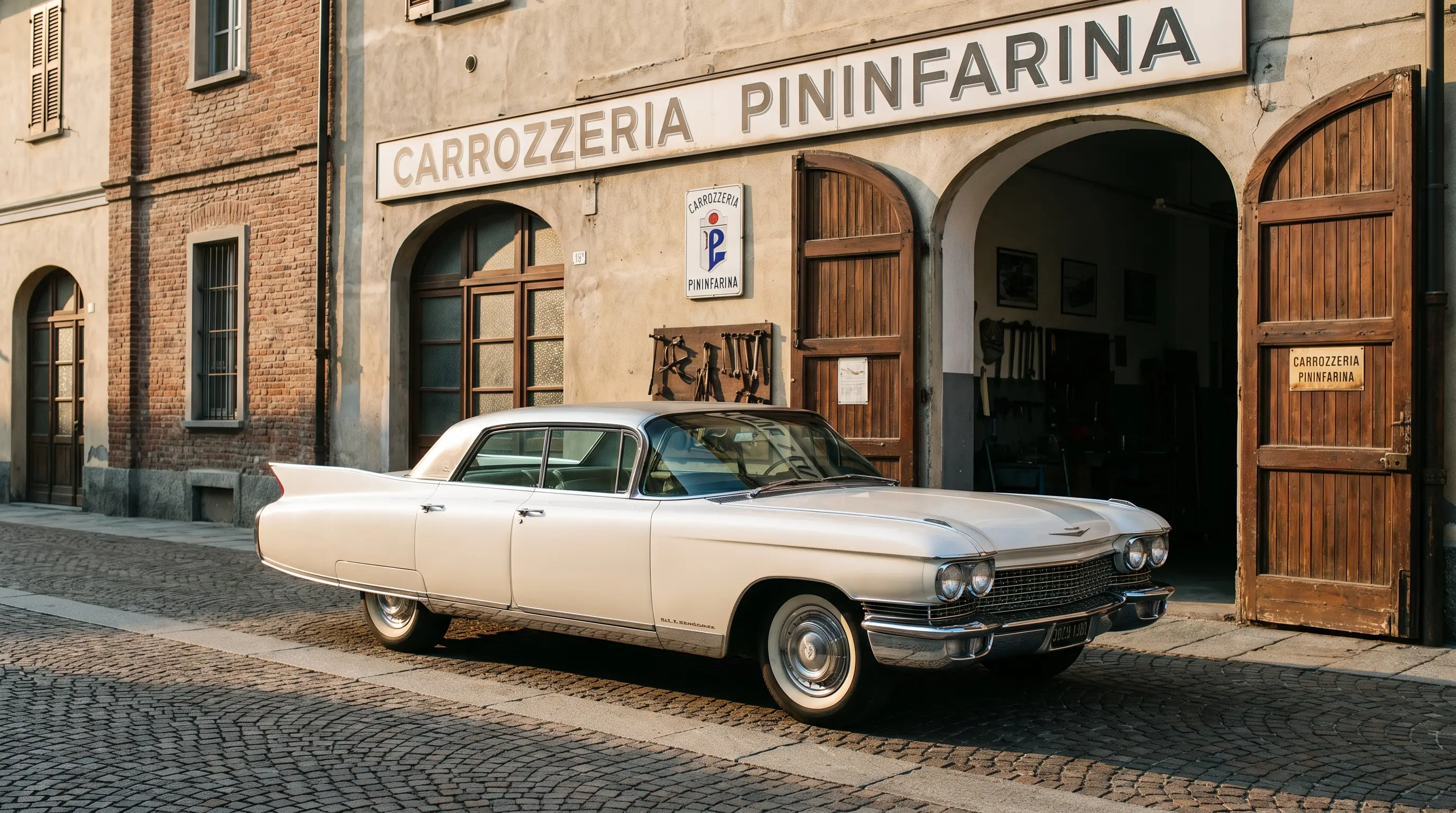
The original 1957 to 1958 Eldorado Brougham had proven that hand assembly at Detroit volumes was financially unsustainable, losing Cadillac roughly ten thousand dollars on every unit sold. Rather than kill the flagship program outright, Cadillac restructured it. Pininfarina, already established as one of the premier Italian coachbuilders with deep experience building low volume, high complexity bodies for European manufacturers, took over body construction. Stamped and partially assembled body components were shipped from the United States to Italy, finished and trimmed by Pininfarina craftsmen, then shipped back across the Atlantic to Detroit for final assembly onto the chassis and drivetrain.
This was not a badge engineering exercise or a styling consultation. It was genuine offshore coachbuilding on an American production car, something almost unheard of at this scale in the domestic industry at the time. The arrangement let Cadillac keep the Eldorado Brougham nameplate alive as a flagship halo model while shifting the labor intensive body construction to a partner built for exactly that kind of work.
What changed and what stayed the same
The 1959 to 1960 cars kept the flat roofline and the general low, wide stance that defined the earlier Brougham, but the styling moved further from the tailfin exuberance of the 1957 to 1958 cars toward something more restrained and European in its detailing, without ever losing the scale and presence expected of a flagship Cadillac. Air suspension carried over as standard equipment, continuing the technical ambition of the earlier cars even as the body construction method changed entirely.
Production numbers dropped again from the already tiny 1957 to 1958 totals. Figures commonly cited put 1959 production at 99 cars and 1960 at 101, numbers small enough that individual chassis are frequently tracked and discussed by name within the collector community rather than treated as anonymous production units.
Readers wanting the origin story behind this entire model line, including the first generation cars that set the stage for the Pininfarina years, should read the full story to understand why Cadillac was willing to keep funding a money losing flagship for four consecutive model years.
Styling shift under Italian direction
The visual language of the 1959 and 1960 Broughams reads differently than the 1957 and 1958 cars, and that difference is not accidental. Pininfarina's design sensibility, shaped by years of low volume European coachwork, favored cleaner surfaces and more restrained detailing than the maximalist American styling trends of the late 1950s. The flat, low roofline carried over as the car's signature feature, but panel lines, trim placement, and the general proportion of brightwork to painted surface shifted toward something that reads as more tailored and less ornamented than its immediate predecessor.
This matters for buyers trying to place a specific car in context. Someone comparing photographs of a 1958 and a 1960 Brougham side by side, without knowing the background, might reasonably assume the two cars come from entirely different design eras rather than a continuous four year model run. Understanding that a change in coachbuilder, not just a normal model year refresh, drove that shift explains a lot about why the styling moved as far as it did in such a short span.
How the market actually prices these cars
Collector demand treats the Pininfarina Broughams as a distinct and separately collectible generation rather than a footnote to the 1957 to 1958 cars. Values track condition and documentation closely, as they do across this entire model, but the Italian coachbuilt story adds a layer of interest for buyers who care specifically about coachbuilding history rather than pure Cadillac history. That combination of a genuine American V8 flagship platform with authentic European coachbuilt construction is not something the domestic market has produced very often, and scarcity of comparable cars keeps the Pininfarina Broughams in a category mostly of their own.
Condition assessment on these cars requires more specialized knowledge than most 1950s and 1960s American iron. A buyer or appraiser needs to understand not just typical Detroit assembly practices but Pininfarina's specific construction methods, panel gaps, and finishing standards to judge whether a given car is correct. This narrows the pool of people qualified to properly vet one of these cars before purchase, which in turn affects how transactions actually happen in this market. Deals tend to move through specialist dealers and established auction houses with Cadillac expertise rather than general classic car channels, and buyers who skip that step take on real risk.
"You're not just buying a rare Cadillac when you buy one of these. You're buying an Italian coachbuilding project that happened to wear a Cadillac crest, and the market prices that story into every transaction."
- David Mercer
Comparing this generation to the earlier Broughams
Investors and collectors weighing a Pininfarina bodied car against an earlier 1957 or 1958 example are often really weighing two different collecting narratives against each other. The Detroit built cars carry the story of the original launch, the stainless roof, the quad headlights, and the full gadget laden interior that defined the model's introduction. The Pininfarina cars carry the story of an American flagship rescued and reimagined through European coachbuilding, with a more restrained interior specification but a construction pedigree the earlier cars simply do not share. Neither narrative is objectively stronger. They appeal to different types of buyers, and serious collectors of this model line frequently end up wanting one example from each era specifically because the stories are different enough to justify owning both.
What buyers should verify before committing
Documentation matters more here than almost anywhere else in the classic Cadillac world. Given how few of these cars exist and how much specialized knowledge is required to authenticate them correctly, provenance research is not optional due diligence, it is the entire foundation of a safe purchase. Buyers should expect and demand chain of ownership records, any factory or dealer documentation that has survived, and ideally a history with recognized marque experts who have handled other examples of this specific model.
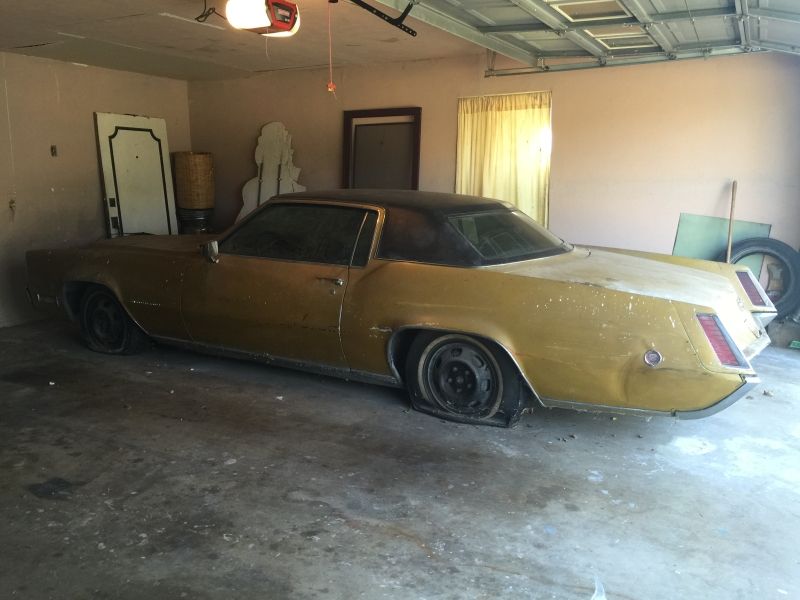
Restoration cost is the other factor that separates this generation from more common classics. Because so few Pininfarina bodied Broughams exist, sourcing correct trim, glass, and body panels is a genuinely difficult undertaking that can stretch a restoration timeline and budget well beyond what a buyer might expect from a more mainstream 1959 or 1960 Cadillac. Anyone considering a project car rather than a finished example needs to budget for that reality honestly rather than assume parts availability will resemble a standard Series 62 or Coupe de Ville.
For buyers ready to look seriously, you can browse classic Eldorado listings to see current market activity across the model line, including examples from this later Italian coachbuilt generation when they surface.