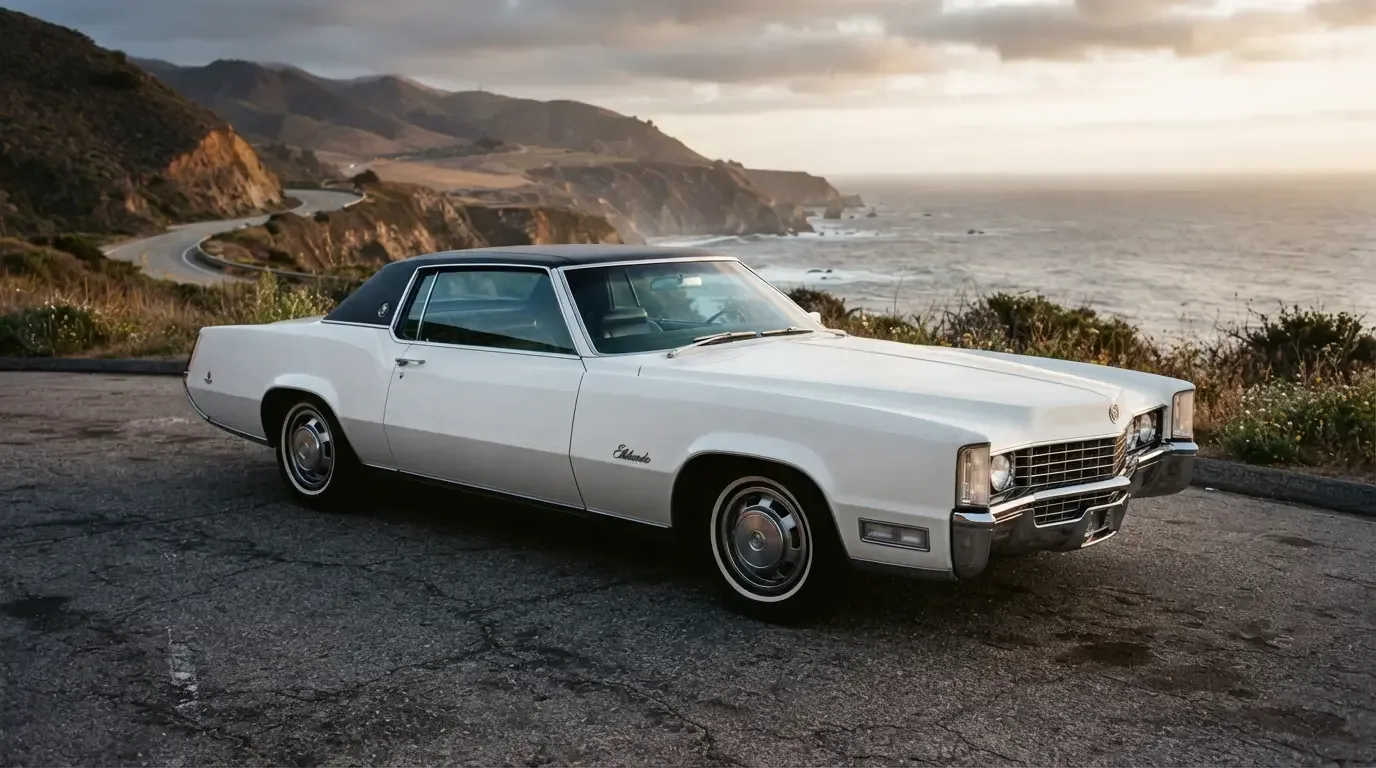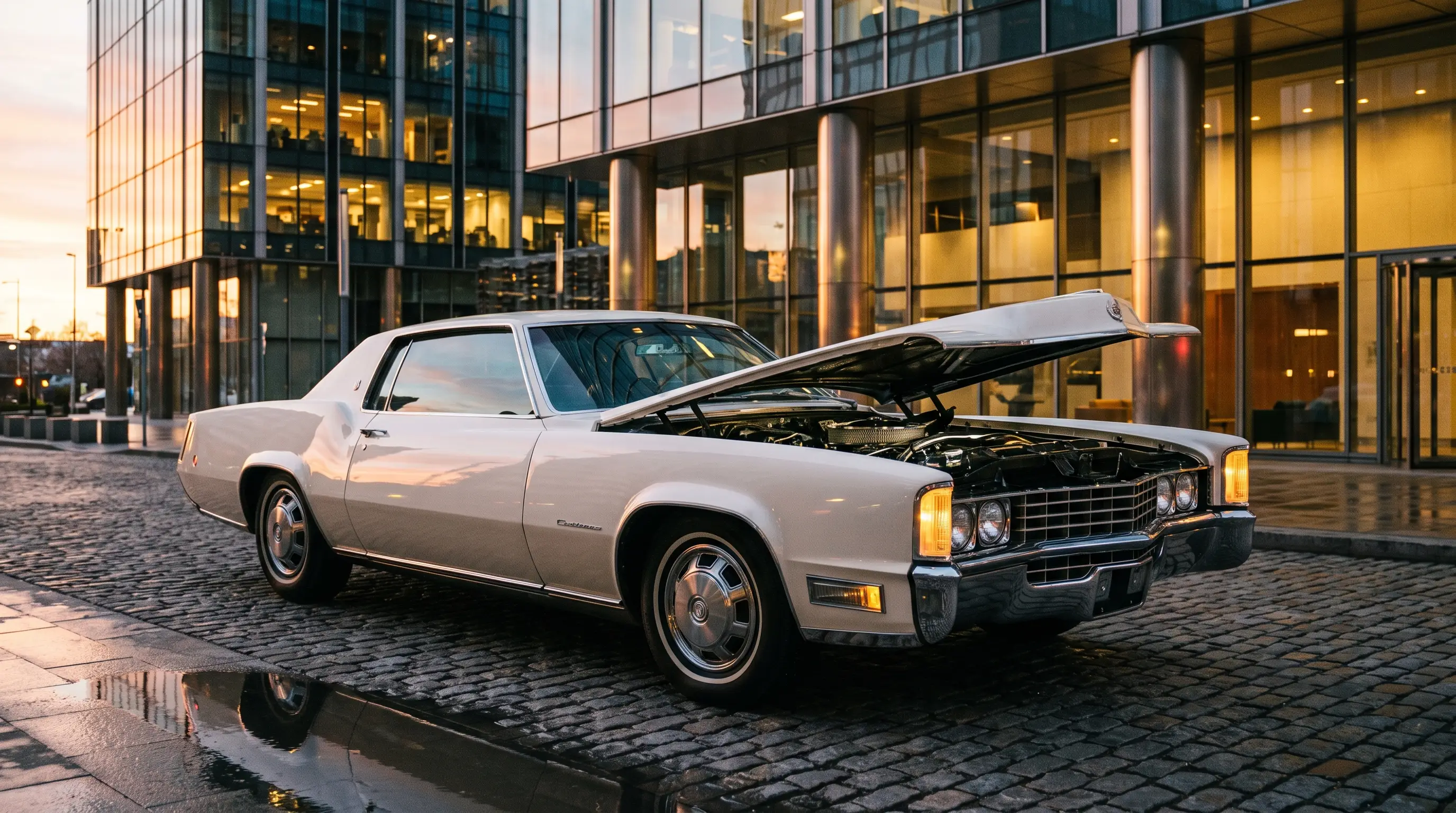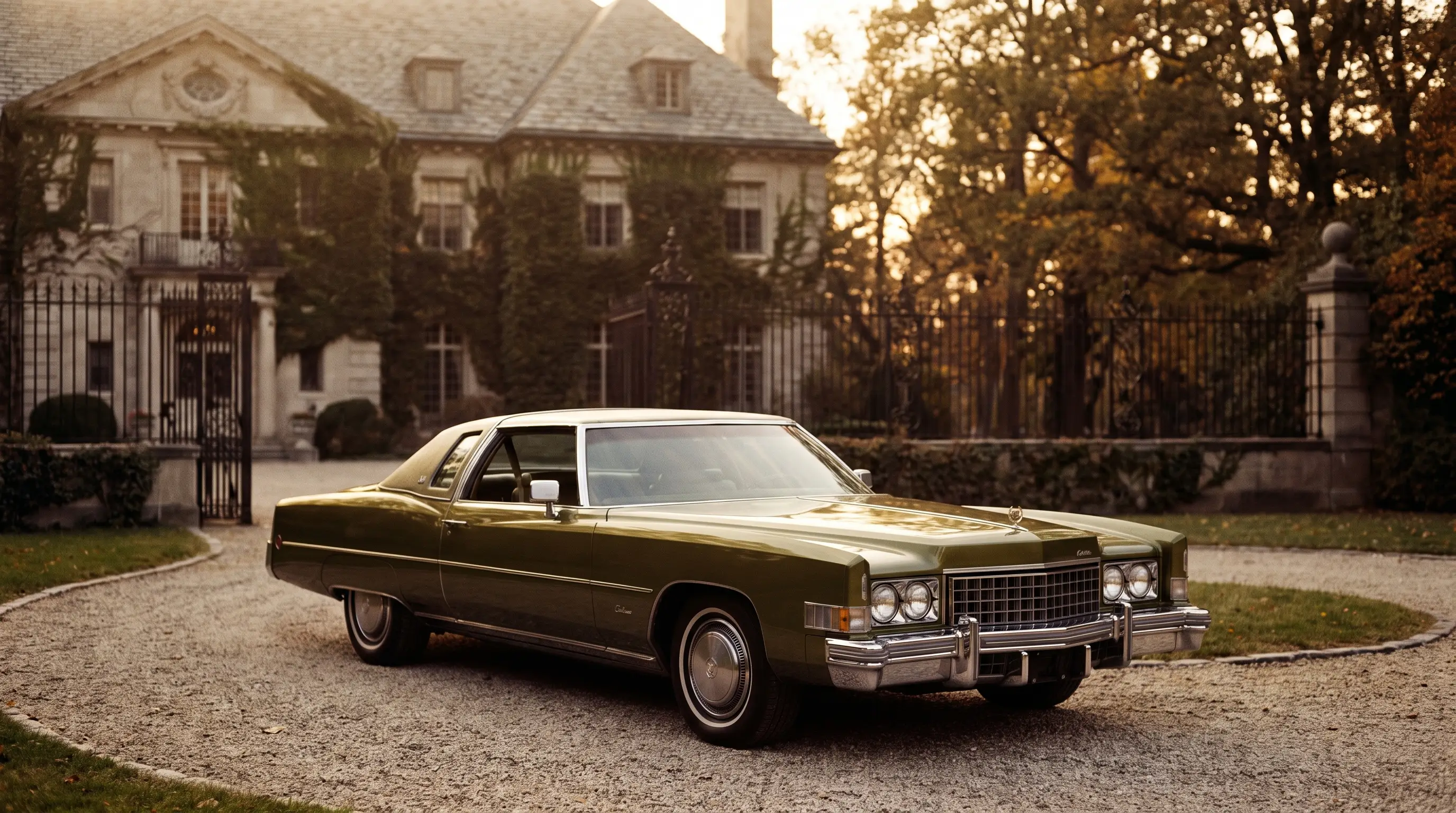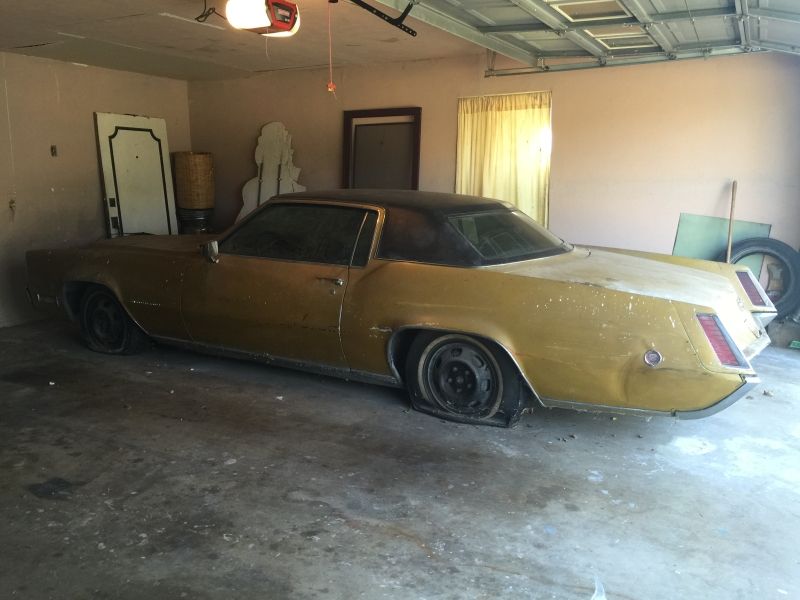
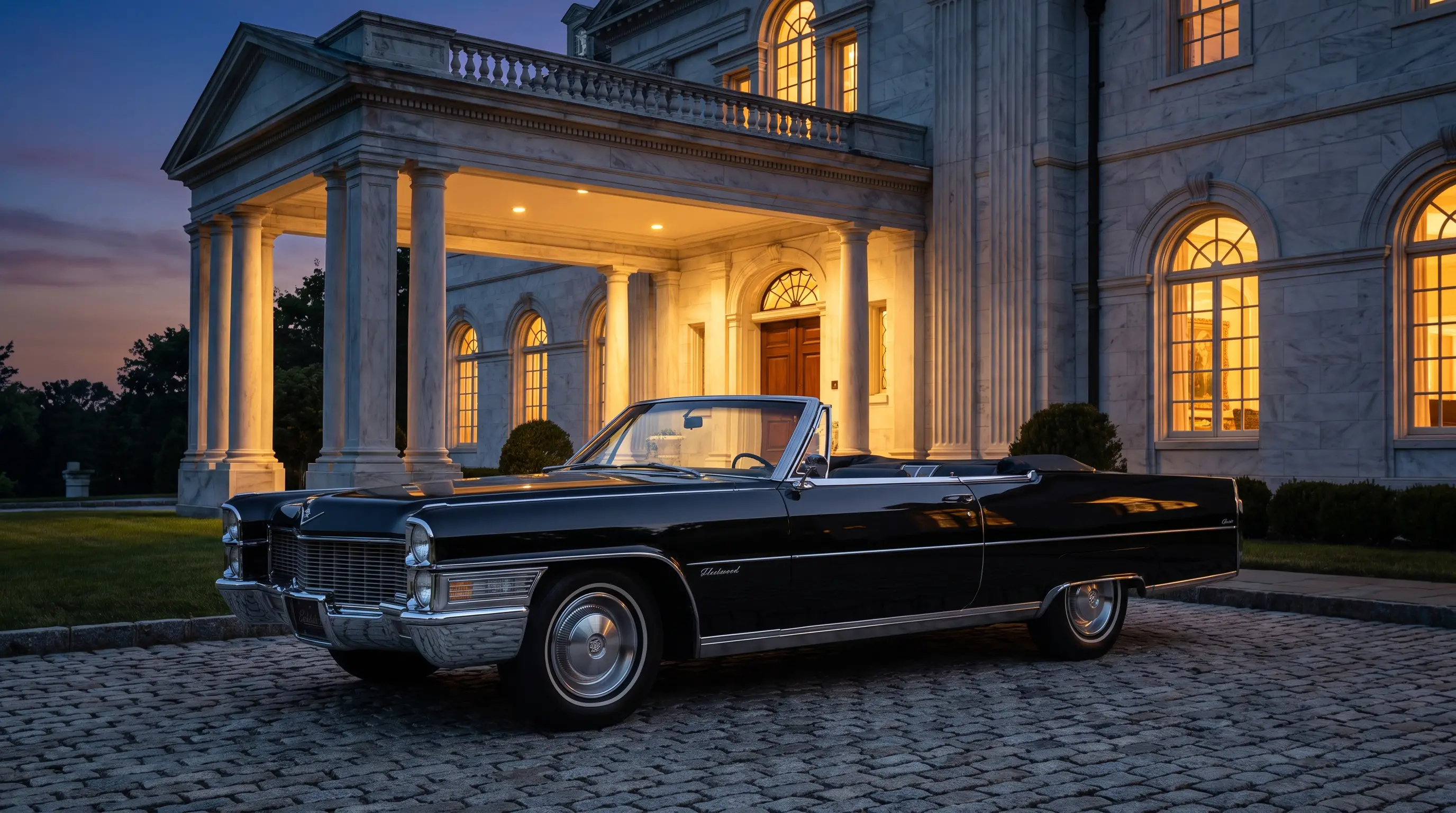
Somebody at every Cadillac club meet eventually points at a mid-1960s Eldorado trunk lid and asks why it says Fleetwood on it. Usually it is a newer member who just bought their first Eldorado and is convinced they got a badge-swapped fake. They didn't. For a short stretch in Cadillac's history, the Eldorado genuinely was a Fleetwood, on paper and on the deck lid, and the story of how that happened says a lot about how Cadillac managed its own hierarchy of prestige.
Fleetwood was never just a name
Fleetwood started as an independent coachbuilder in Pennsylvania, absorbed into General Motors and eventually folded fully into Cadillac production by the late 1930s. From there, Fleetwood became Cadillac's designation for its most formal, most expensive body styles, the long-wheelbase limousines and the top-trim sedans that sat above the everyday Series 62. If a Cadillac wore the Fleetwood name, it meant something specific to a dealer and a buyer in that era: this is not the entry point, this is as far up the ladder as the lineup goes.
By the mid-1960s, Cadillac's internal bookkeeping folded the Eldorado convertible into the Fleetwood series designation, a change that showed up on build sheets and, for a stretch, on the car's own trunk script, which read Fleetwood Eldorado rather than simply Eldorado. It was not a rebadging in the sense of slapping a new nameplate on an unrelated car. It was Cadillac formally acknowledging that the Eldorado had earned a place in the same administrative and prestige category as its most exclusive limousines.
What it meant for the front-drive car
When the Eldorado reinvented itself as a front-wheel-drive coupe for 1967, it carried the Fleetwood association forward into build documentation even as marketing increasingly let the Eldorado name stand on its own on the car itself. This is where a lot of club confusion starts, because a given owner's title, registration, or factory build sheet might reference Fleetwood Eldorado language depending on the paperwork's source and date, while the car's own trunk lid and brochures lean on Eldorado alone. Neither document is wrong. They are describing the same administrative fact from two different angles, one from the factory's internal series logic, one from the showroom floor where Cadillac wanted the Eldorado name doing the talking on its own merits.
"I've had grown men argue with me at a swap meet that their car's build sheet was doctored because it said Fleetwood Eldorado instead of just Eldorado. It wasn't doctored. That's just how Cadillac's own paperwork worked for a stretch, and once you know the history it stops being a mystery and starts being a pretty good conversation starter."
- Wayne Coburn
The club-meet version versus the documented version
Every long-running Cadillac club has its own oral tradition about the Fleetwood Eldorado question, and most of it is close to accurate but tends to compress a decade of administrative changes into a tidier story than what actually happened. The short, defensible version is this: Fleetwood was Cadillac's prestige-series designation, and starting with the 1965 model year the Eldorado, along with the Sixty Special and Series 75, was formally designated a Fleetwood subseries, a status that held through the 1972 model year before the Eldorado was reestablished as its own series for 1973. Exactly how consistently that showed up on any individual car's trunk script versus its build sheet or title depended on the model year and how thoroughly a given dealer or DMV clerk copied the factory language onto local registration documents, which is why club sources sometimes disagree on the finer details even though the 1965-1972 window itself is well documented.
What is not in dispute is the underlying logic. Cadillac did not fold the Eldorado into Fleetwood because the cars needed borrowed prestige. It did it because the Eldorado, whether as the flamboyant convertibles of the early 1960s or the front-drive coupe that followed, had already earned a spot at the top of the Cadillac hierarchy, and Fleetwood was simply the company's existing name for that spot.
A ladder, not a label
It helps to think of Cadillac's naming structure in this era less as a set of fixed labels and more as a ladder that individual models climbed as their reputation and price grew. The Series 62 sat at the bottom, the Sixty Special above it, and Fleetwood at the top, reserved for the longest wheelbases and the most formal coachwork. The Eldorado did not start on that ladder. It began in 1953 as a limited, hand-finished Series 62 convertible, a halo car built to show off what Cadillac could do rather than a volume seller. As the Eldorado's reputation grew through the 1950s and into the 1960s, its position on that internal ladder rose with it, and folding it into the Fleetwood series was Cadillac's way of formally recognizing what buyers already believed, that this was as good as a Cadillac got.
That climb is part of why the Fleetwood Eldorado question generates so much discussion at club meets. It is not just a badge quirk. It is physical evidence, sitting on a piece of paper or a trunk lid, of a model working its way from limited-run showpiece to the top of an entire luxury brand's internal hierarchy, all within about fifteen years.
Why it still matters to owners today
For anyone researching a specific car, the Fleetwood Eldorado question is not just trivia, it is a genuine documentation issue worth getting right. A build sheet, dealer invoice, or state title referencing Fleetwood Eldorado language is not evidence of a mismatched or altered car. It is evidence of exactly which internal Cadillac series that vehicle was assigned to at the factory, and that information can matter when verifying originality or tracking a car's history back through multiple owners. Club members who understand this distinction save themselves a lot of unnecessary anxiety at the appraisal table.
The whole picture of how the front-drive Eldorado came together helps put this naming quirk in proper context, since the Fleetwood association was already well established before the 1967 redesign and simply carried forward as one more thread in a car that had accumulated plenty of institutional history by the time it went front-wheel drive.
If this kind of detail has you circling back to the cars themselves, plenty of clubs and members alike suggest you go shop classic Eldorado listings and start pulling up build sheets on real cars, because nothing teaches this history faster than holding an actual factory document in your hands and matching it against what the trunk lid says.
The Fleetwood Eldorado story is a small footnote in the bigger arc of the model's history, but it is exactly the kind of footnote that makes a car club worth joining. Somebody always knows the paperwork, and somebody is always happy to explain it over coffee at the next meet.