The 1970 Cadillac Eldorado closed out the first phase of the front-wheel-drive generation with the largest V8 ever installed in a regular production American passenger car, a 500 cubic inch unit that gave the model its final and most emphatic engineering statement before the line moved toward a new body in 1971. For a research-minded look at what actually changed under the sheet metal that year, the 500 is where the story starts.
The 500 cubic inch V8 arrives
Cadillac's engineering staff enlarged the Eldorado's V8 from 472 to 500 cubic inches for the 1970 model year, a displacement figure that would remain associated with the marque for the rest of the decade, carried forward into the 1971 through 1976 Eldorados and eventually into Cadillac's commercial chassis applications. The block, derived directly from the earlier engine family, used a longer stroke to reach the new displacement, and output was rated at 400 hp gross with 550 lb-ft of torque under the measurement standards of the period, making it the largest-displacement V8 fitted to a regular-production American passenger car of its time and, for 1970, exclusive to the Eldorado before spreading to other Cadillac models in 1971. Torque, not horsepower, was the point. A car of this weight, built to glide rather than sprint, benefited far more from low-speed pulling power than from a peak number on a dyno sheet, and period road tests consistently praised the 1970 car's effortless highway passing ability.
The engine sent power through the same basic front-wheel-drive architecture introduced in 1967, with a Turbo-Hydramatic 400 transmission and chain-drive transfer unit feeding the front wheels, an arrangement that by 1970 had accumulated three full years of production experience and running refinement.
Styling in the final year of the generation
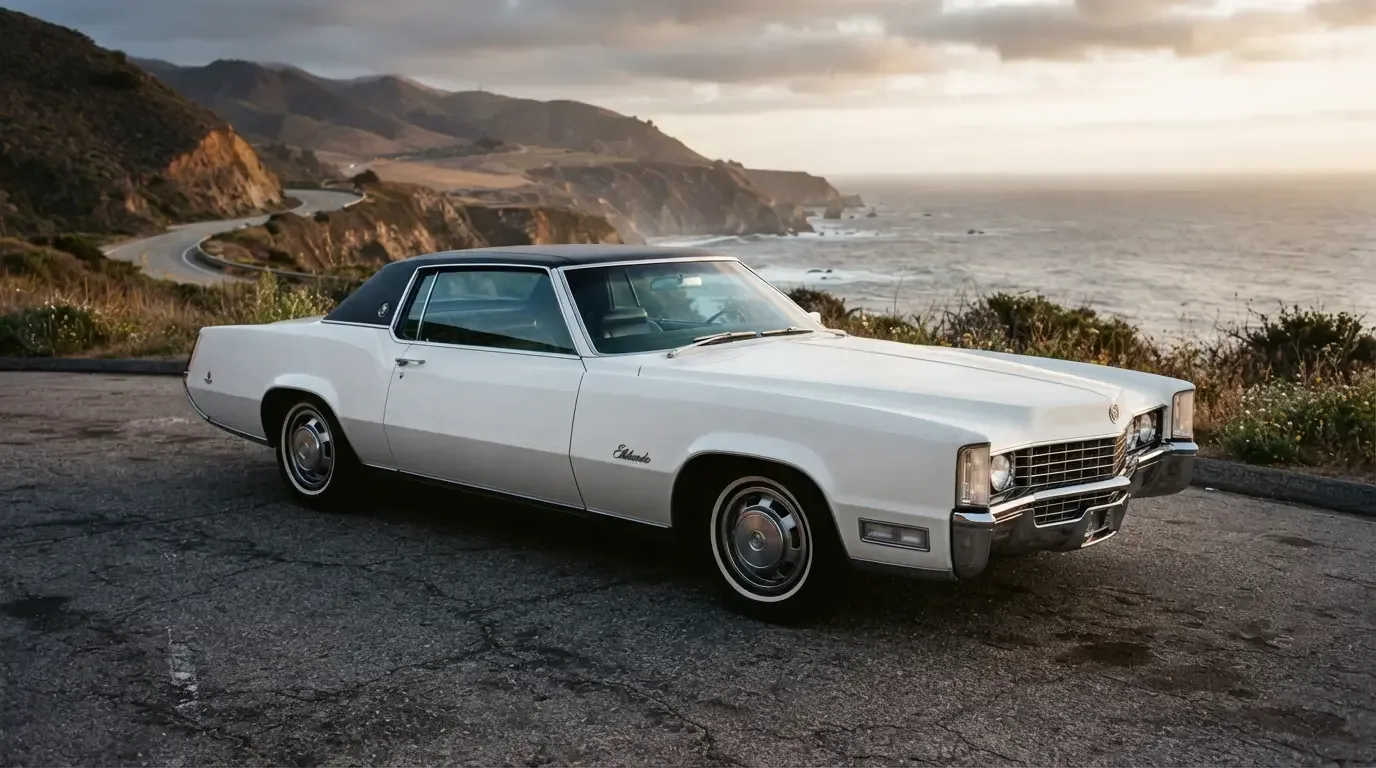
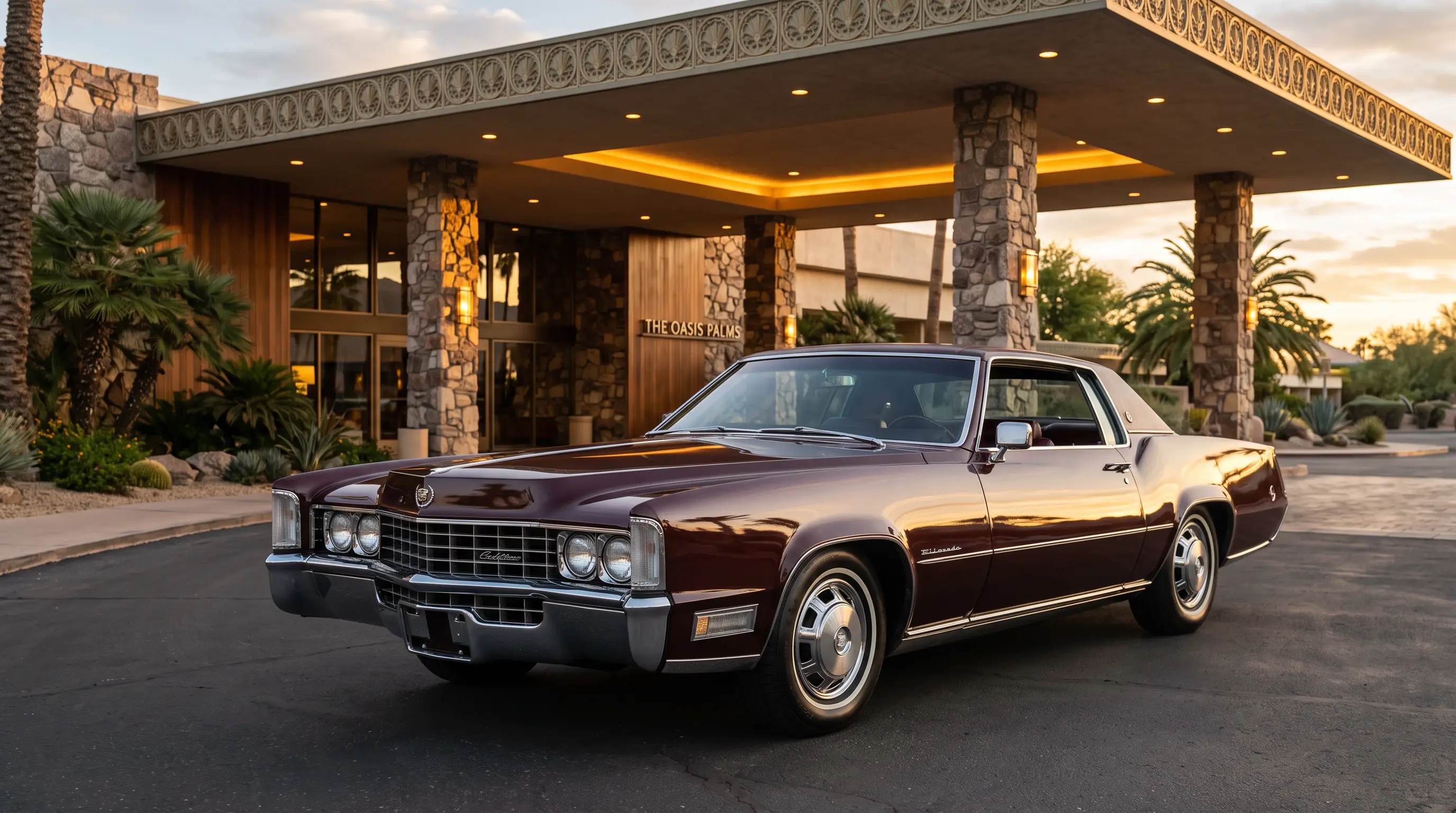
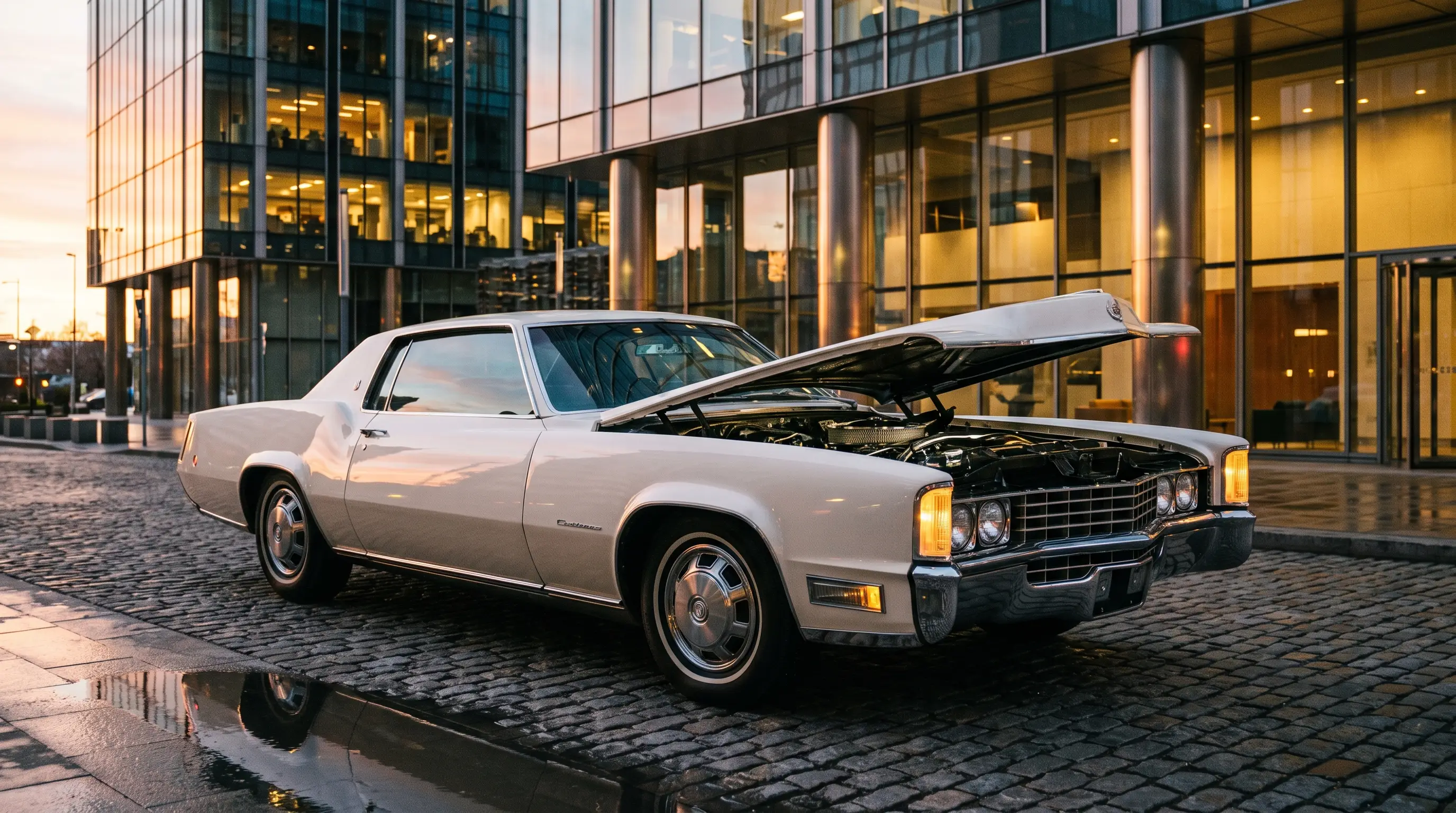
Visually, the 1970 Eldorado carried a revised grille texture, updated side marker lamps required by federal regulation, and a reworked rear bumper and taillight treatment that distinguished it at a glance from the 1969 car. The overall silhouette, the low hood, the fastback-adjacent roofline, and the hidden headlamp treatment, remained faithful to the original 1967 design language. Cadillac's stylists had, by this point, settled into a rhythm of annual detail revisions rather than wholesale redesign, a pattern typical of American cars in this era once a platform had proven successful in the market.
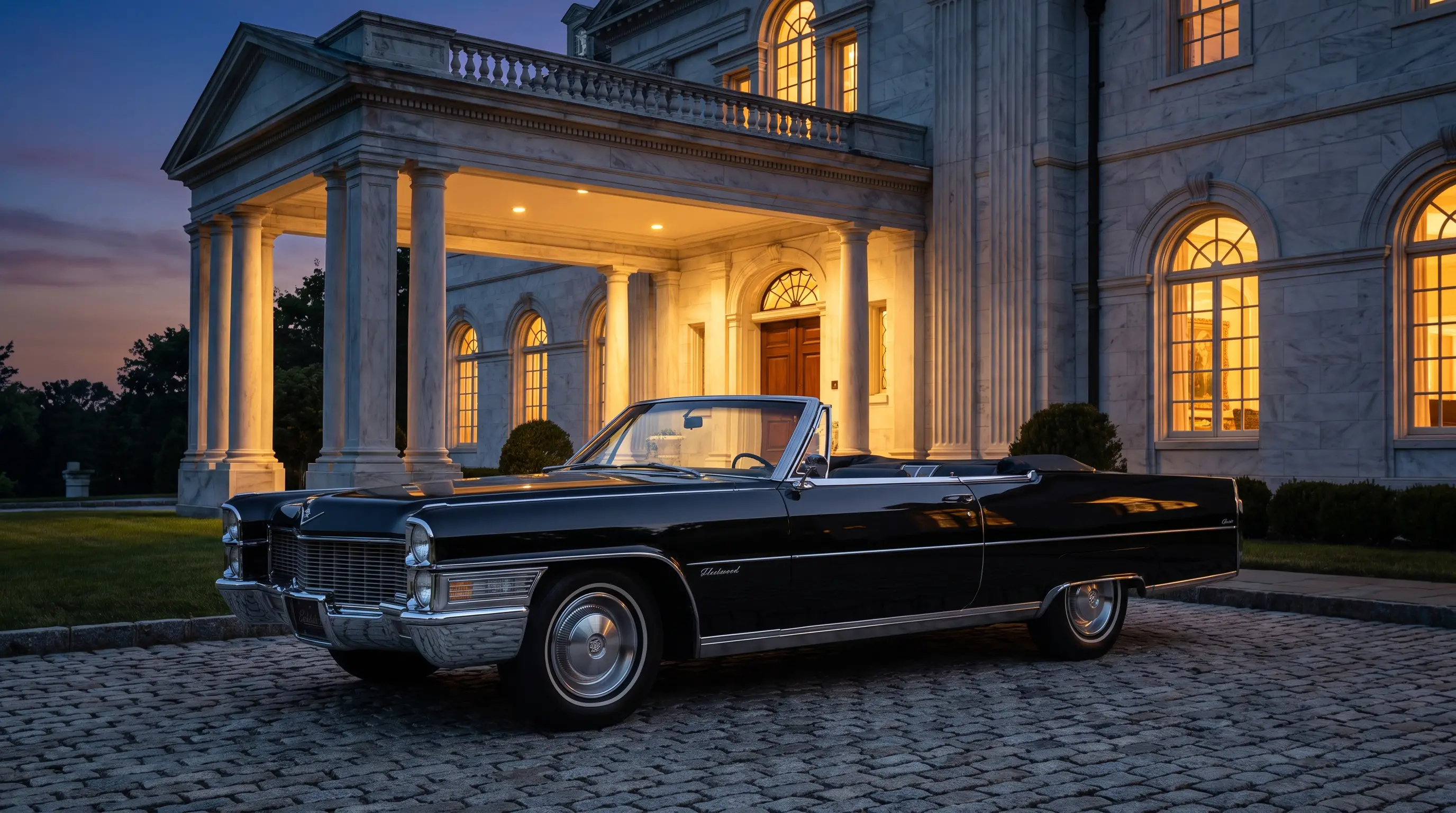
Rear fender skirts, reintroduced the previous year, stayed for 1970, and the two-door coupe body remained the only configuration offered, with no convertible variant in this generation, a gap Cadillac would not fill again in the Eldorado line until 1971.
"What strikes me going through period documentation on the 1970 car is how deliberately Cadillac treated the 500 as a values statement rather than a performance one. Every internal reference to the engine emphasizes smoothness and reserve capacity, never lap times or acceleration figures."
- Sarah Whitfield
Production and positioning
The 1970 model year saw Eldorado production land in a range broadly consistent with the prior two seasons, with factory build figures for the year commonly cited at 23,842 units. Base pricing started at about $6,903, with well-equipped examples running considerably higher once options such as leather trim, automatic climate control, and a vinyl roof were added to the order sheet.
Positioned against the Lincoln Continental Mark III and the Buick Riviera, the Eldorado held a clear identity within the personal luxury segment: front-wheel drive that no domestic rival other than the Toronado offered, a Cadillac badge that carried genuine cachet with buyers who might otherwise have shopped Lincoln, and now the largest engine in the segment as a closing argument.
Documentation and what survives
Original build sheets, dealer invoices, and factory literature for the 1970 Eldorado are reasonably well preserved compared to earlier front-drive years, in part because the car sat close to the end of a well-documented generation and benefited from more thorough dealer recordkeeping as the decade turned. Researchers tracing a specific example should look for the body tag, trim codes, and the original window sticker where available, since these documents establish original engine, transmission, color, and options in a way that later paint and upholstery work can obscure. Read the background on how this front-drive platform came together in the first place, because the 1970 car's engineering choices only make full sense against that earlier context.
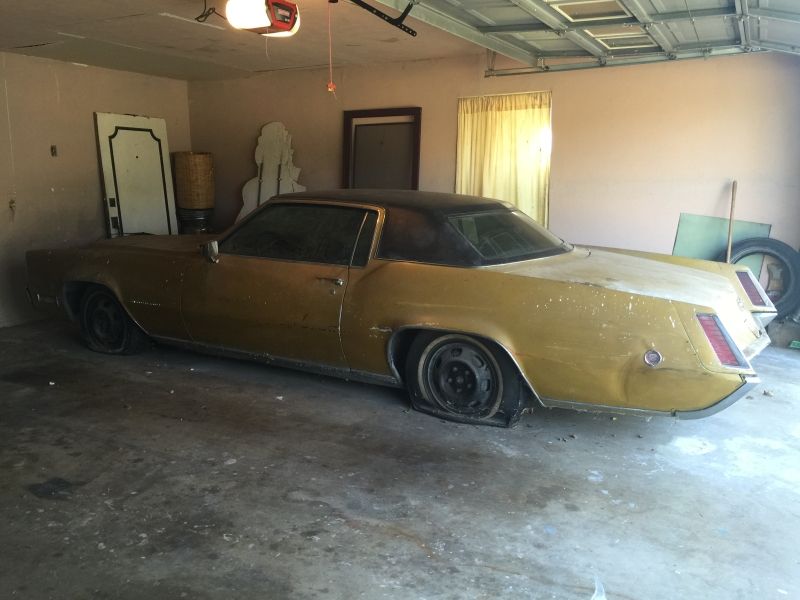
Restoration and preservation communities treat 1970 Eldorados as a distinct sub-collectible within the generation, valued specifically for the 500 engine and the final-year styling details, and buyers researching a specific car should expect period-correct parts for this model year to be somewhat harder to source than for the more commonly restored 1967 launch cars.
Inside the 1970 cabin
The interior of the 1970 Eldorado continued the driver-oriented instrument layout established in 1967, with a full set of gauges on higher trims and a padded dashboard that reflected the era's growing attention to occupant safety. Leather was available across the seat options, and buyers who ordered the front bucket seats with center console got a cabin that felt more like a personal coupe than a traditional Cadillac sedan, a distinction the marketing department leaned on heavily in period brochures. Automatic climate control, a power trunk release, and a tilt and telescoping steering wheel rounded out an options list that let a buyer specify a genuinely bespoke-feeling car despite the model's roughly 24,000-unit annual production volume.
Sound insulation and ride isolation remained a priority throughout the cabin, with Cadillac engineers using the flat floor afforded by the front-drive layout to mount thicker padding and carpet than a comparable rear-drive coupe could easily accommodate. Owners and period reviewers alike noted how quiet the 1970 car felt at highway speed, a quality that mattered more to Eldorado buyers than outright acceleration and one the 500 cubic inch engine supported by turning at low, relaxed engine speeds even at seventy miles per hour.
Buying considerations today
A 1970 Eldorado in original or well-restored condition remains a usable, comfortable classic for regular driving, provided a buyer accounts for the car's substantial curb weight and correspondingly modest fuel economy. Structural rust in the rockers, floor pans, and trunk remains the most consequential issue to check before purchase, more consequential in most cases than mechanical wear, since the drivetrain has a strong reputation for durability when maintained. Anyone starting that search can find a classic Eldorado among current listings, which typically span this entire generation given how closely the model years relate to one another.
Taken as a whole, the 1970 Eldorado represents the front-drive generation at its most confident, a car built by an engineering staff that had spent three years learning exactly what this platform could do and used its final season to say so with the largest engine it could reasonably fit. For a researcher or a buyer, it is the car that closes the argument the 1967 model opened, proof that the front-drive experiment had become a settled, mature piece of Cadillac engineering rather than a gamble the company was still watching nervously from the sidelines.