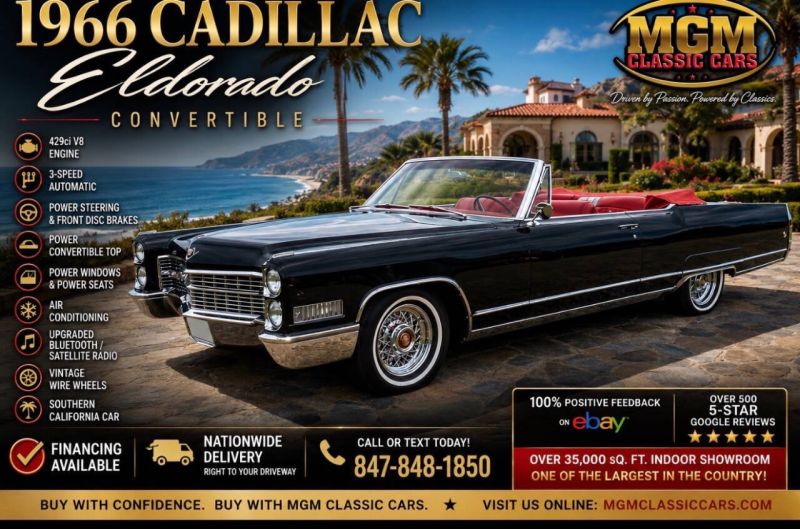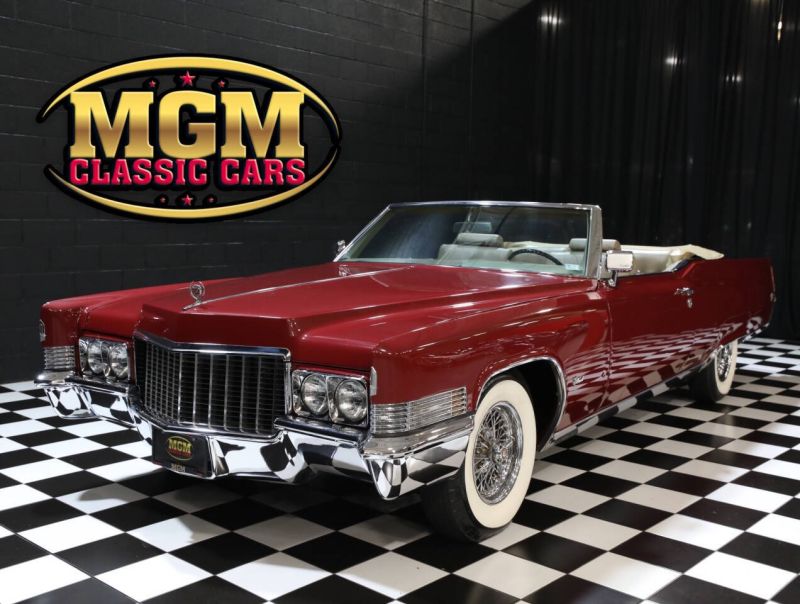
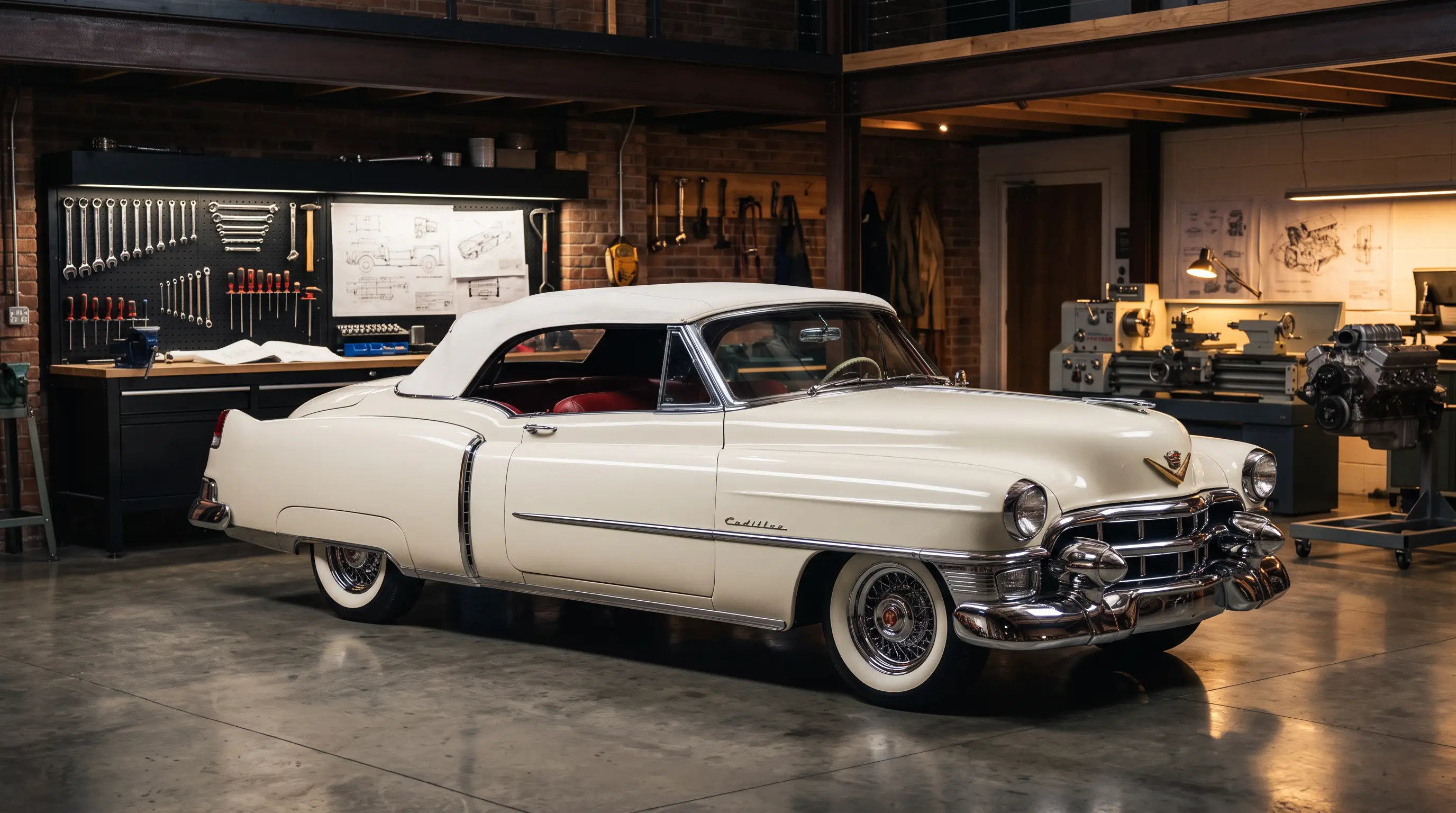
Cadillac halo car engineering is not a marketing phrase, it is an actual set of decisions a manufacturer makes when a single model has to prove the whole lineup deserves its reputation. The Eldorado carried that job for Cadillac from 1953 all the way to 2002, and the engineering choices behind it changed dramatically across five decades while the underlying assignment never did: build the car that justifies everyone else's price tag.
What "halo car" actually meant in 1953
When Cadillac launched the Eldorado in 1953, it was not a new platform. It was a Series 62 convertible with a wraparound windshield, a lowered beltline, wire wheels, and hand-finished trim that no assembly line could produce at volume. Only 532 were built that first year, each one priced at $7,750, more than double a standard Cadillac convertible. The engineering decision here was about scarcity and finish quality as much as mechanical innovation, proving Cadillac could build something genuinely special in small numbers and sell every one of them.
That first Eldorado ran the same 331 cubic inch V8 as other Cadillacs, tuned slightly higher, which tells you something important about halo car engineering: it does not always mean new mechanical parts. Sometimes it means taking what the company already has and finishing it to a standard nobody else will match.
1957 raised the bar with real technology
The Eldorado Brougham, introduced for 1957, is where Cadillac halo car engineering got genuinely ambitious. It featured a brushed stainless steel roof, quad headlights before they were legal in most states, memory power seats, and an air suspension system, the first of its kind on an American production car. Air suspension on the Brougham was a real engineering swing, not a styling gimmick, aimed at giving the car a ride quality no coil-spring competitor could match.
The air suspension proved troublesome enough in the field, with leaks and compressor failures common on early cars, that Cadillac released a kit allowing owners and dealers to convert cars to conventional coil springs, and many Broughams were switched over in period, an early lesson in how far halo car engineering can outrun what a mainstream service network can actually support. That tension between ambition and reliability shows up again and again across the Eldorado's history.
1967 was the biggest engineering bet of them all
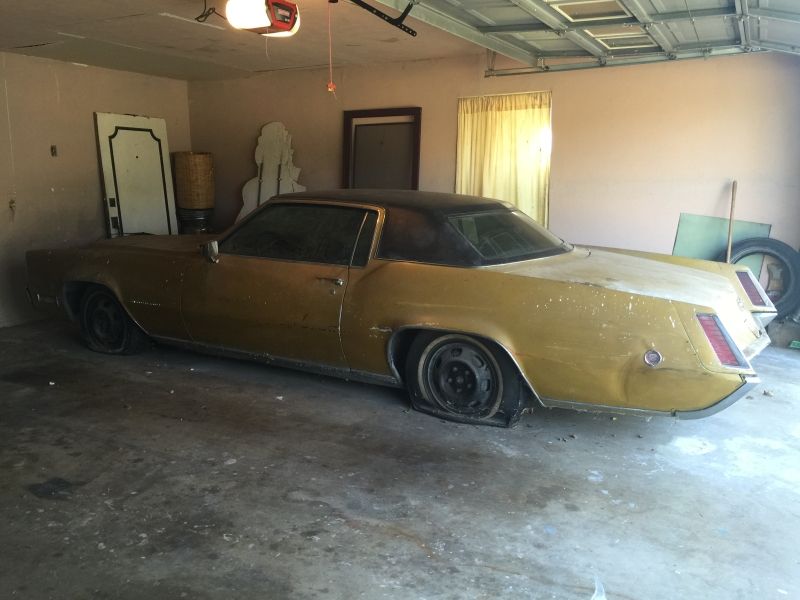
Nothing tested Cadillac halo car engineering like the decision to put the Eldorado on front-wheel drive for 1967. GM's Unitized Power Package, shared with the Oldsmobile Toronado, turned the engine sideways relative to convention and drove the front wheels through a chain connection to the transmission, a genuinely unusual layout for a two and a half ton luxury coupe. The payoff was a flat floor, a lower roofline, and handling that surprised critics used to nose-heavy American land yachts.
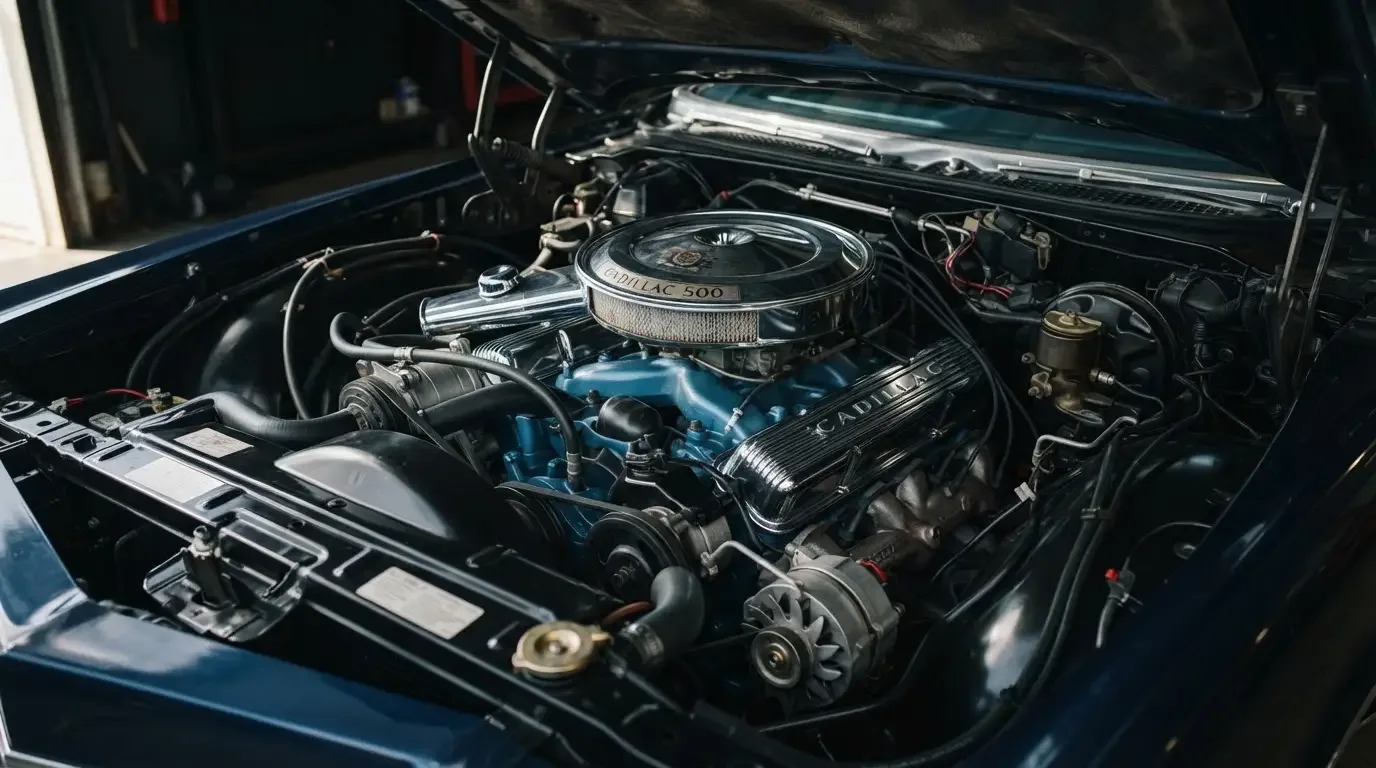
This was also where the halo car mission and the engine program intersected most directly. The 429 cubic inch V8 that launched the front-drive Eldorado grew steadily larger through the next decade, eventually reaching the 500 cubic inch V8 that arrived in 1970. Readers who want the full story on that engine will find it covers exactly how far Cadillac was willing to push displacement to keep the Eldorado feeling like the biggest, smoothest thing on the road.
"Front-wheel drive on a car this heavy in 1967 was not a safe bet. It was the kind of decision that only makes sense if you are building a halo car and you need people talking about your engineering department, not just your upholstery. It worked, but it took Cadillac years to fully sort out the driveline durability."
- Dan Reeves
Downsizing without losing the mission
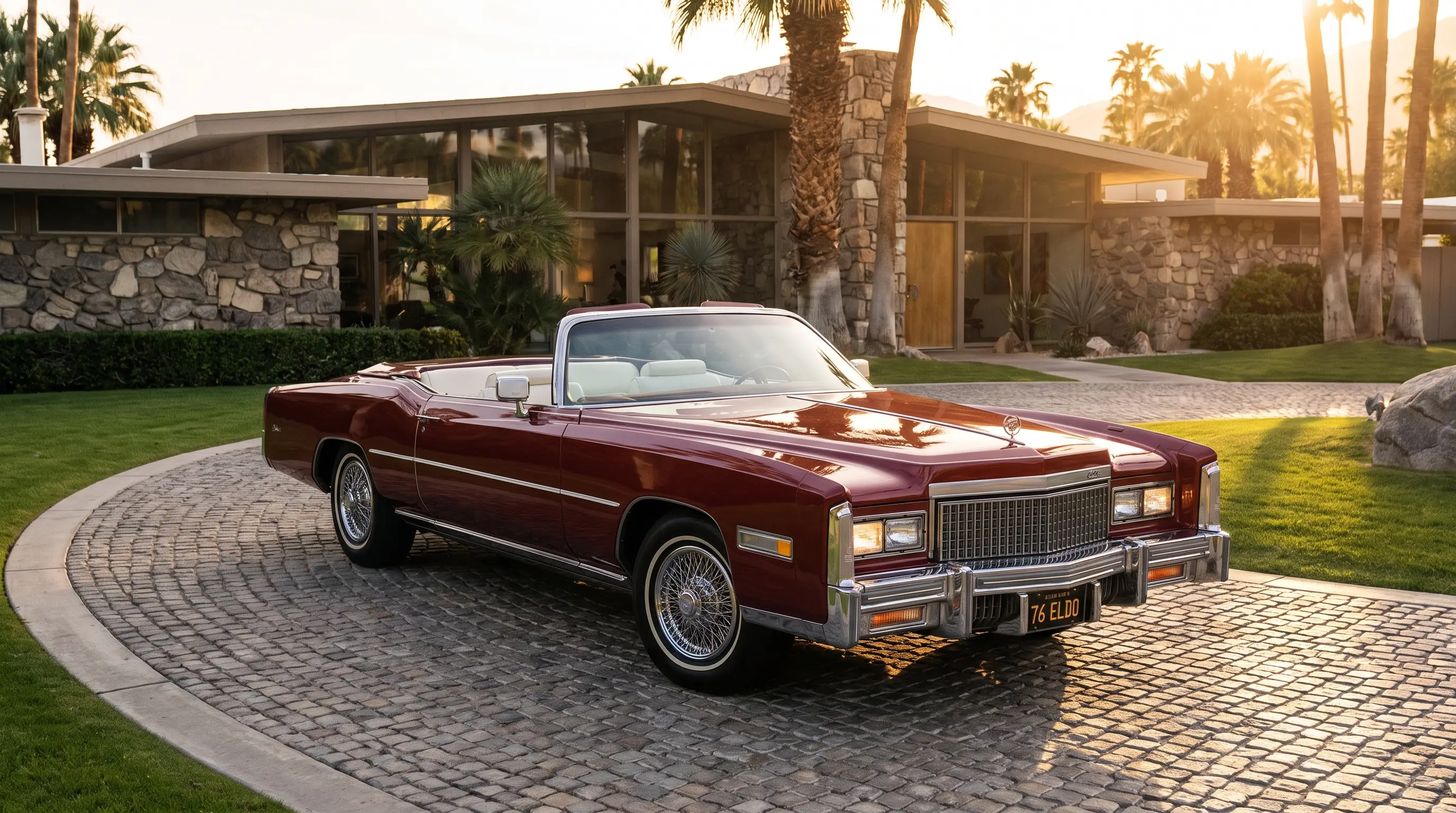
By the late 1970s, federal fuel economy standards forced every American manufacturer to shrink their biggest cars, and the Eldorado was no exception. The 1979 redesign cut roughly 1,000 pounds and several inches of length compared to the 1976 model, a genuine engineering challenge: how do you keep a car feeling like a halo car when regulation demands you make it smaller and lighter than the car it replaces.
Cadillac's answer leaned on new features rather than sheer size, including a digital instrument cluster option and, later, the touchscreen-adjacent trip computer systems of the early 1980s. These were genuine attempts at technological leadership even as the drivetrain itself struggled through the troubled HT4100 V8 era, proving that halo car status could survive a rough mechanical patch if the rest of the package kept innovating.
What halo engineering costs a company
It is worth being honest about the downside of this approach, because Cadillac paid for it more than once. The Eldorado Brougham lost money on every unit for two straight years before Cadillac quietly discontinued the hand-built version and moved to a mass-produced Brougham built on a shared body. The variable displacement V8-6-4 engine option offered briefly in 1981, an attempt to cut fuel use by deactivating cylinders under light load, was engineered ahead of the sensor and computer technology needed to make it work smoothly, and it earned a reputation for rough running that took years to shake off.
These are not footnotes to the halo car story, they are part of it. A company willing to lose money and occasionally ship a flawed system in pursuit of technological leadership is doing something different from a company that only builds proven, low-risk features. Cadillac chose the first path with the Eldorado again and again across five decades, and the failures sit right next to the successes in the record.
Northstar closed the loop
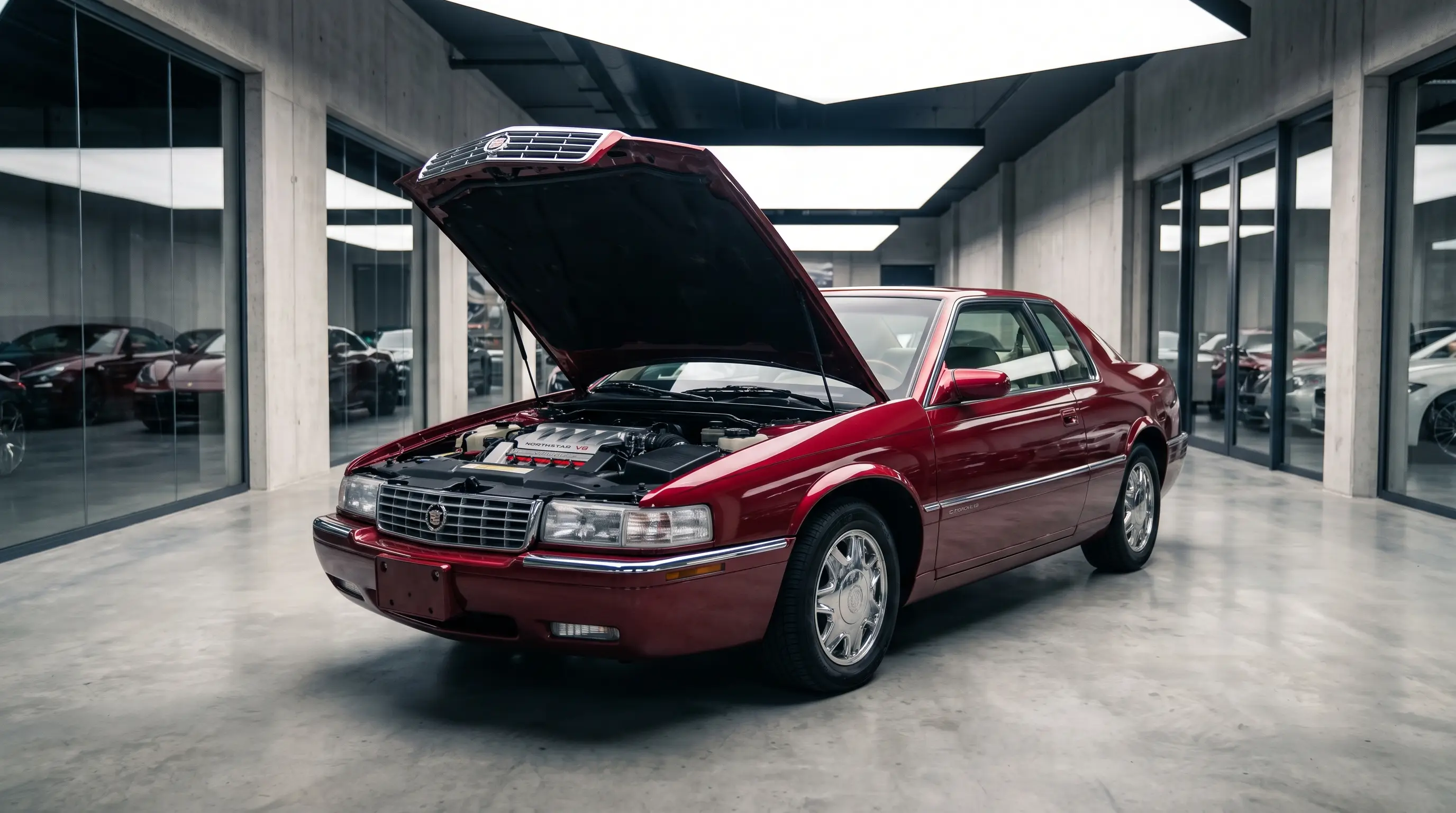
The Northstar V8 that arrived in the 1993 Eldorado was the clearest return to genuine halo car engineering since the Brougham. A clean-sheet, all-aluminum, dual overhead cam design with 32 valves, Northstar gave the Eldorado a genuinely modern engine for the first time since the front-drive switch in 1967, and the Eldorado Touring Coupe variant paired it with a suspension tune aimed directly at European sport-luxury competitors.
That combination carried the nameplate to its close in 2002 with the Collector Series, a deliberate final statement built to acknowledge forty-nine years of exactly this halo car mission. Anyone shopping this history today, whether it is an early Brougham or a late Northstar coupe, is buying a piece of a program that Cadillac built specifically to demonstrate its best engineering. You can browse classic Eldorado for sale listings to see examples spanning that entire range.
What ties all of it together, from the hand-finished 1953 convertible to the 2002 Collector Series, is that Cadillac never treated the Eldorado as just another model. It was the test bed, the statement piece, and more than once the financial loss leader that justified everything else in the showroom, a role few nameplates in American automotive history held for anywhere near as long.
Sources and notes
- Cadillac Eldorado, Wikipedia
- 1957-58 Cadillac Eldorado Brougham, Heacock Classic
- 1958 Cadillac Eldorado Brougham, Hagerty Media
- Honey, We Shrank the Caddy: The Radically Downsized 1979 Eldorado, Mac's Motor City Garage
- 1978 Cadillac Eldorado, Curbside Classic
- 1957 Cadillac Eldorado Brougham, Supercars.net