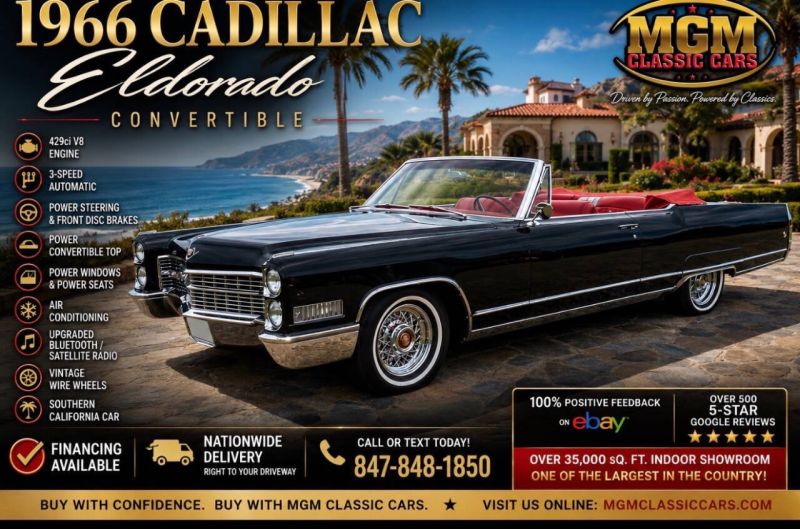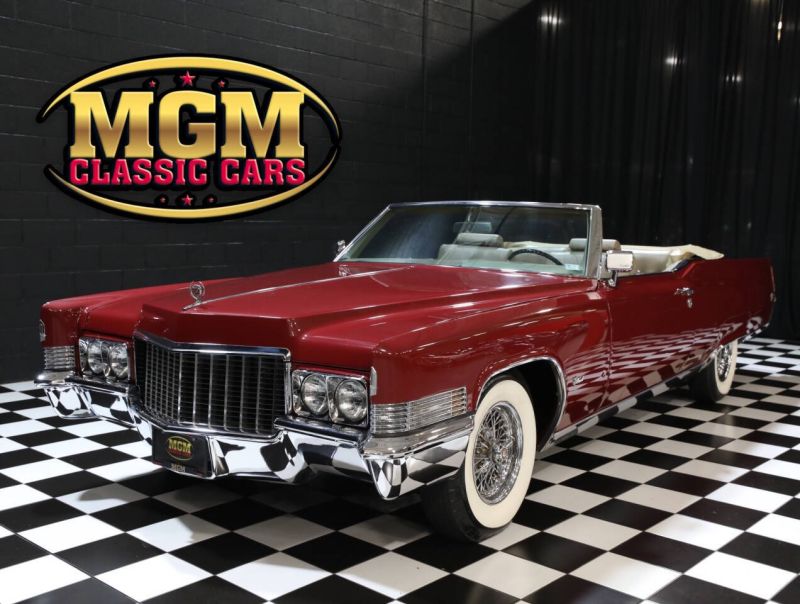
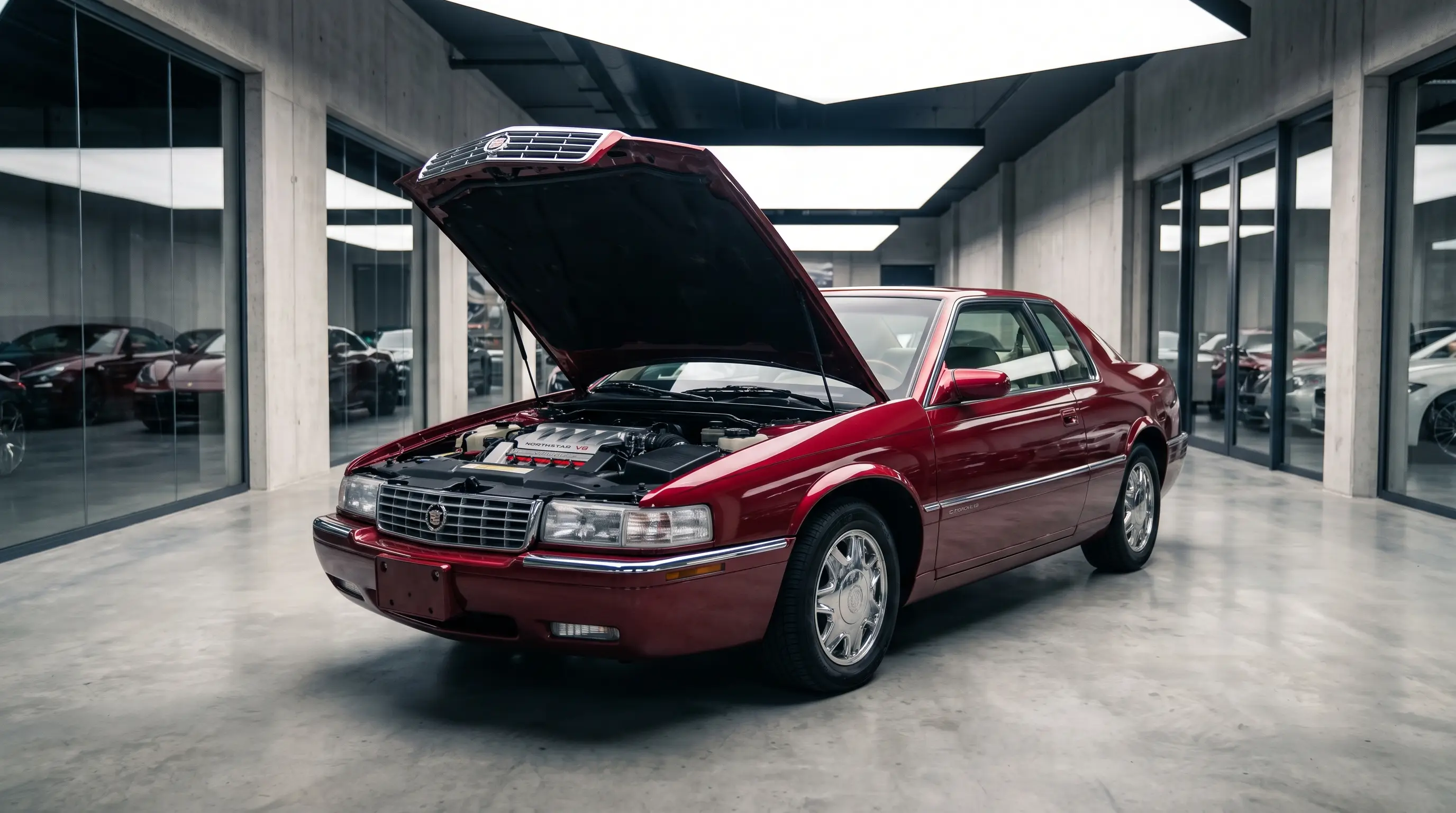
Trace the Cadillac Eldorado engine history from 1953 to 2002 and you are really tracing two different eras of American engineering philosophy. The first half of that run is about displacement and compression climbing together, ending in the biggest V8 GM ever put in a passenger car. The second half is about shrinking that same car down, chasing efficiency, and eventually building a modern all-aluminum engine that had almost nothing in common with where the story started.
Starting point: the overhead-valve V8
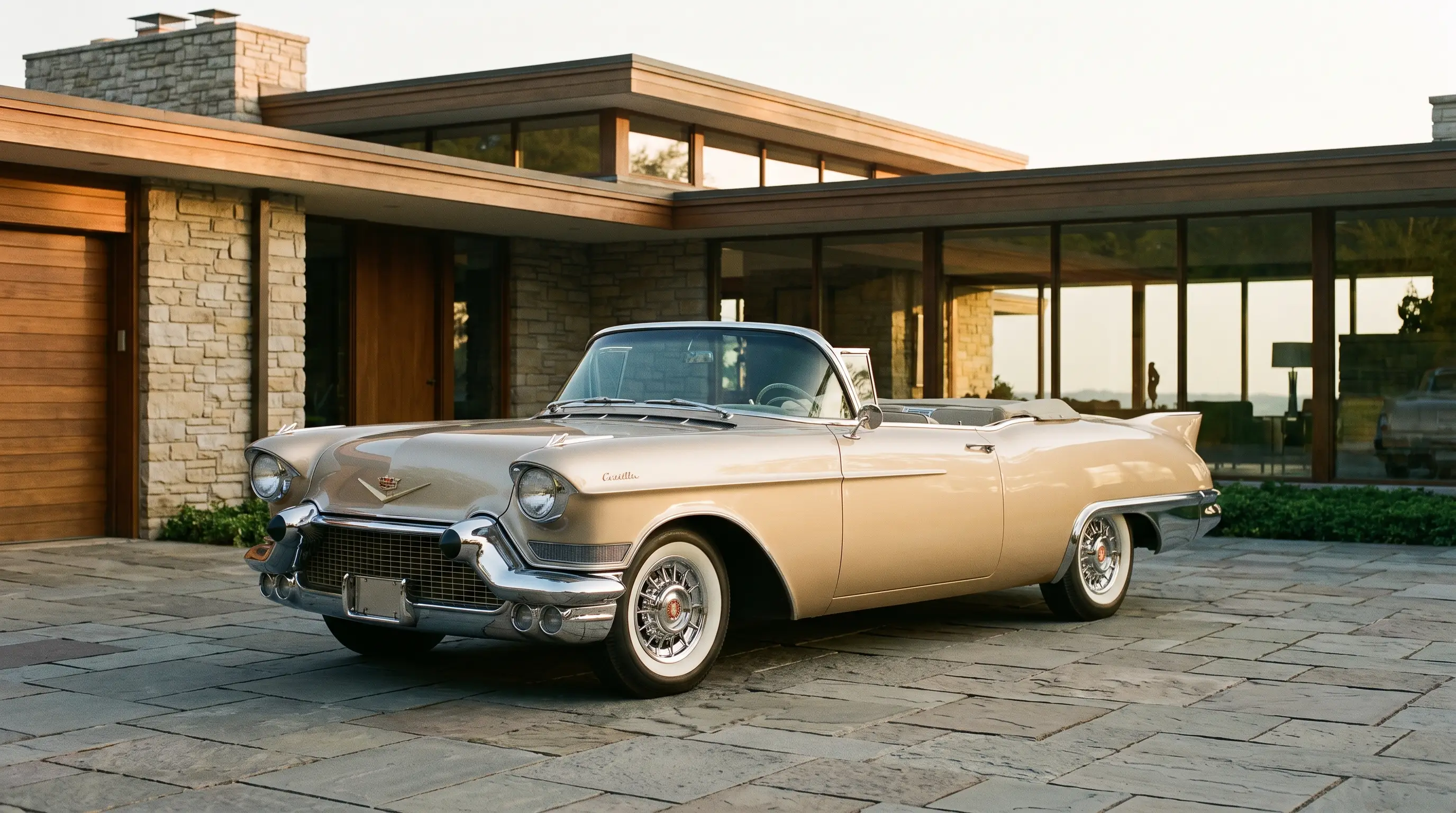
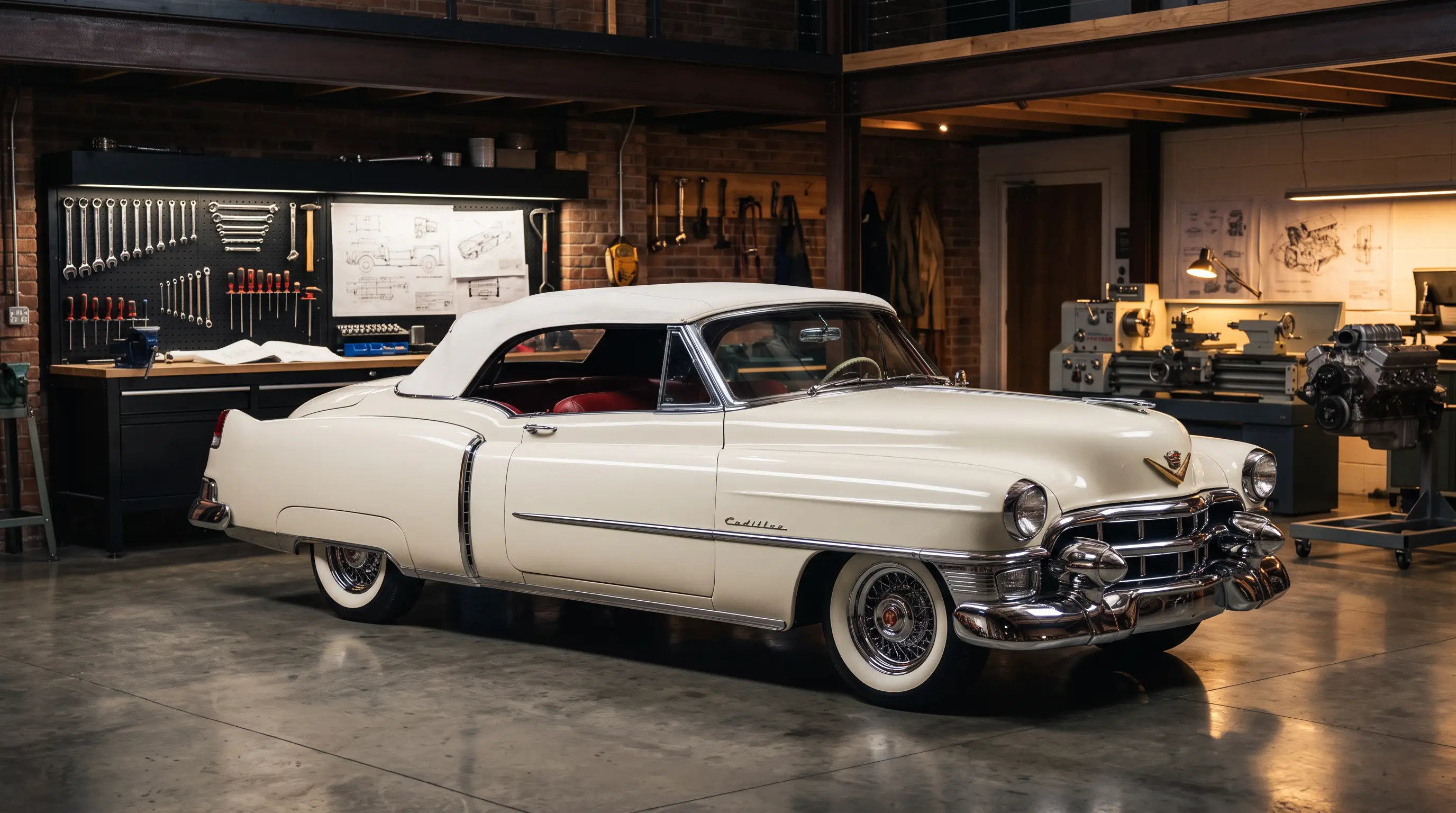
The 1953 Eldorado launched with a 331 cubic inch overhead-valve V8 rated at 210 horsepower, an engine that had debuted across the Cadillac line in 1949 and was still considered advanced technology four years later. It grew to 365 cubic inches by 1956 and 390 by 1959, with horsepower climbing from the low 200s to the mid 300s over that same span. This first chapter of the Cadillac Eldorado engine history is a straight line of incremental gains, more compression, more carburetion, more output, without ever changing the basic architecture.
The 1959 390 was the last engine of that original OHV family before Cadillac moved to a new generation of big-block V8s in the 1960s, starting with a 390 replacement and climbing to 429 cubic inches by 1964. Every Eldorado through this stretch kept the same basic layout: front engine, rear-wheel drive, big carbureted V8 under a very long hood.
1967 changed everything about the layout
The 1967 Eldorado broke from that formula completely. It moved to front-wheel drive, sharing GM's Unitized Power Package with the Oldsmobile Toronado, a system that turned the engine ninety degrees and drove the front wheels through a chain-and-sprocket connection to the transmission. The engine itself was a 429 cubic inch V8 making 340 horsepower, but the real engineering story was not the engine, it was how power reached the road. No other American luxury car was doing front-wheel drive at this scale in 1967.
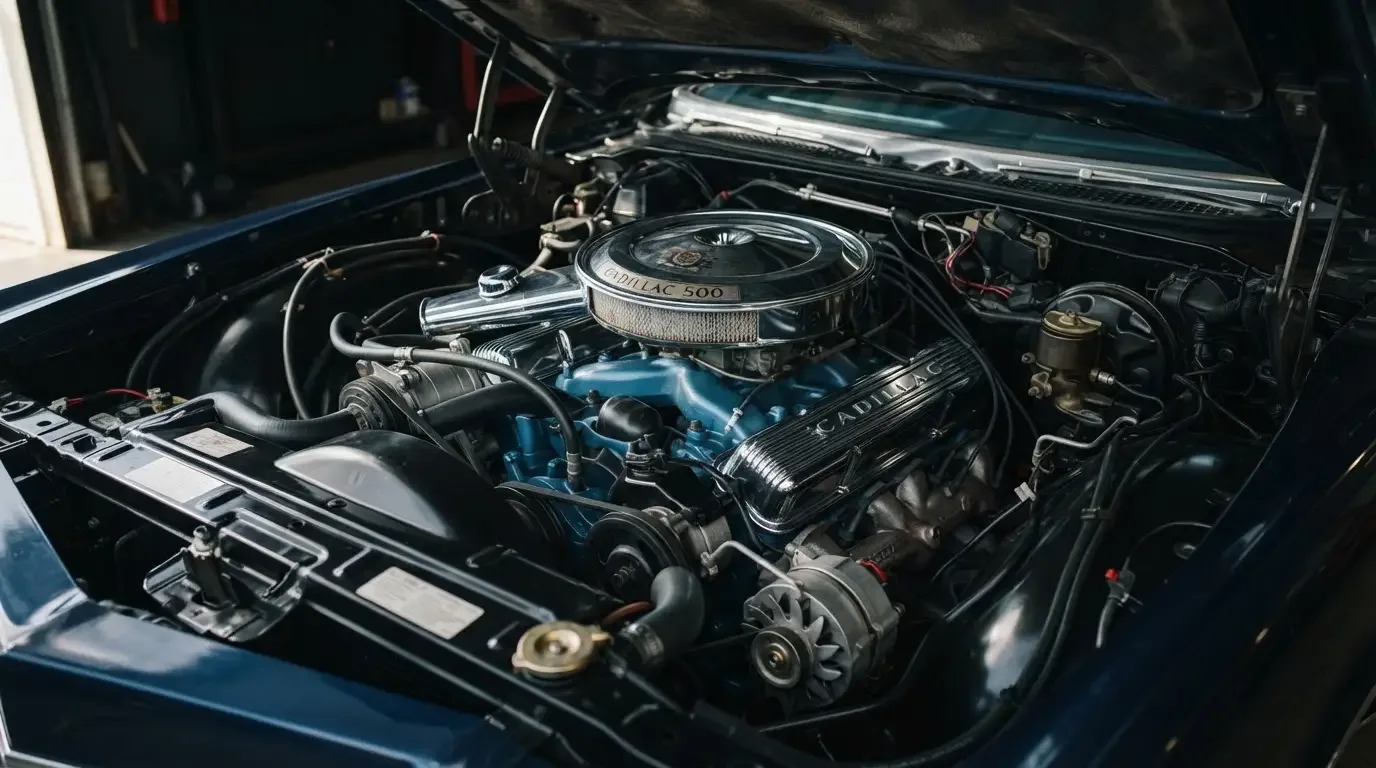
That 429 gave way to a 472 cubic inch V8 in 1968, and then to the engine most people associate with this whole era: the 500 cubic inch V8 that arrived for 1970. If you want the cadillac 500 cubic inch engine story in full, that is a chapter worth reading on its own, because it covers the biggest passenger car V8 ever put into regular production and the specific reasons Cadillac built it that big.
The 1970s: bigger cars, smaller engines by necessity
Emissions regulations and the 1973 oil crisis forced a fast retreat from big-inch engines across the entire industry, and the Eldorado followed that curve exactly. The 500 cubic inch V8 stayed in production through 1976, but horsepower ratings dropped sharply once Cadillac switched from gross to net measurement in 1972 and then kept dropping as emissions equipment tightened through the mid-1970s, bottoming out around 190 net horsepower for the carbureted 500 in 1976, its final year in the Eldorado. By 1977, Cadillac had shifted to a smaller 425 cubic inch V8 across the Eldorado range, a genuine downsizing in engine terms even before the car itself shrank.
The car got smaller too, starting with the 1979 redesign on GM's E-body platform, and the engine followed the same trend. A 368 cubic inch V8 arrived for 1980, and by 1981 Cadillac was experimenting with variable displacement technology, an early attempt at cylinder deactivation that did not work reliably and earned a poor reputation in period.
"You can watch the entire American emissions crisis play out in the Eldorado's engine bay across about eight model years. Start with a 500 cubic inch monster in 1970, end up with a 4.1 liter V8 by the mid-1980s that made less power than some four-cylinder engines make today. That is not a knock on Cadillac's engineers. They were reacting to regulations that changed faster than any engine program could keep up with."
- Emily Chen
The 1980s downsizing hit bottom
By 1982, the Eldorado's standard engine was the HT4100, a 4.1 liter V8 making around 125 horsepower, a genuine low point for a car that had once carried the biggest V8 in the American passenger car market. Reliability problems with the HT4100, particularly with head gasket failures, became a real reputational issue for Cadillac during this stretch, and the company spent much of the decade trying to recover from it with displacement bumps to 4.5 liters in 1988 and eventually 4.9 liters by 1991.
This is the low point in Cadillac Eldorado engine history by almost any measure, horsepower, reliability, or reputation. The cars themselves had shrunk to fit new fuel economy rules, and the engines shrank along with them faster than the engineering could keep pace.
Northstar brought the story back
The Northstar V8, introduced mid-year for the 1993 Eldorado, was a genuine clean-sheet design, a 4.6 liter all-aluminum engine with dual overhead cams and 32 valves, making 295 horsepower in the Eldorado Touring Coupe application. It replaced the old 4.9 liter pushrod V8 that had carried the base Eldorado at around 200 horsepower since 1991. It was quiet, it was smooth, and it was competitive with contemporary German and Japanese luxury engines in a way nothing Cadillac had built since the 1970s had managed.
Northstar carried the Eldorado through to the end of production in 2002, including the final Collector Series models built to mark the nameplate's retirement after forty-nine years. Anyone curious how this engine history connects to the car's broader arc, from 1953 halo convertible to 2002 farewell coupe, should read the full story of the Eldorado nameplate itself.
Reading the engine codes when you shop
Every Eldorado engine in this history carries its own set of quirks that matter to a buyer more than the horsepower number on a brochure. The 331 and 365 cid engines from the 1950s were designed around leaded fuel and can suffer valve seat recession on unleaded gas without a rebuild using hardened seats. The 500 cid engine from the early 1970s is heavy on the front end and worth checking for sagging motor mounts, a common and inexpensive fix that gets skipped more often than it should. The HT4100 era cars deserve the most scrutiny of all, since head gasket failure was common enough in period that Cadillac issued extended warranties to try to contain the damage to its reputation.
Northstar engines have their own known issue, a tendency toward head bolt thread failure in the aluminum block on high-mileage examples, though this was largely addressed by running changes partway through production. A pre-purchase inspection that checks coolant condition and looks for any sign of head gasket seepage is worth the cost on any Northstar-powered Eldorado, 1993 through 2002, regardless of how clean the car looks in photos.
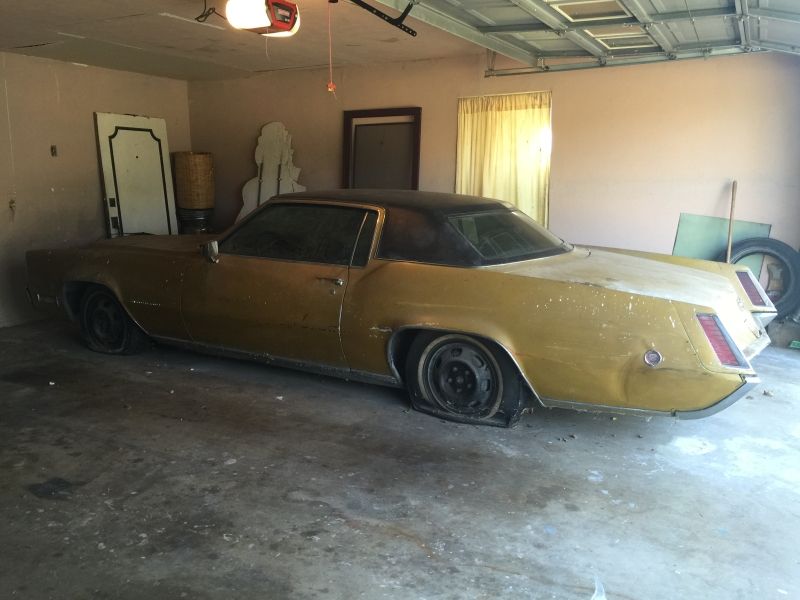
Buyers shopping this era today should know engine condition varies enormously by decade. A well-kept 1959 390 or a Northstar-powered 1990s coupe can both be excellent daily-capable classics, while HT4100-equipped cars from the early-to-mid 1980s deserve a much closer mechanical inspection before purchase. If you want to compare engines and condition directly, you can browse classic Eldorados on the market and see what is currently listed across every generation.
Sources and notes
- Cadillac V8 engine history, Wikipedia
- Northstar engine series, Wikipedia
- Go Big or Go Home: Cadillac's 500 Cubic-Inch V8, 1970-76, Mac's Motor City Garage
- 1976 Cadillac Eldorado Convertible specs, Automobile Catalog
- 1993 Cadillac Eldorado Review, Edmunds
- 1993 Cadillac Eldorado, Hagerty Valuation Tools