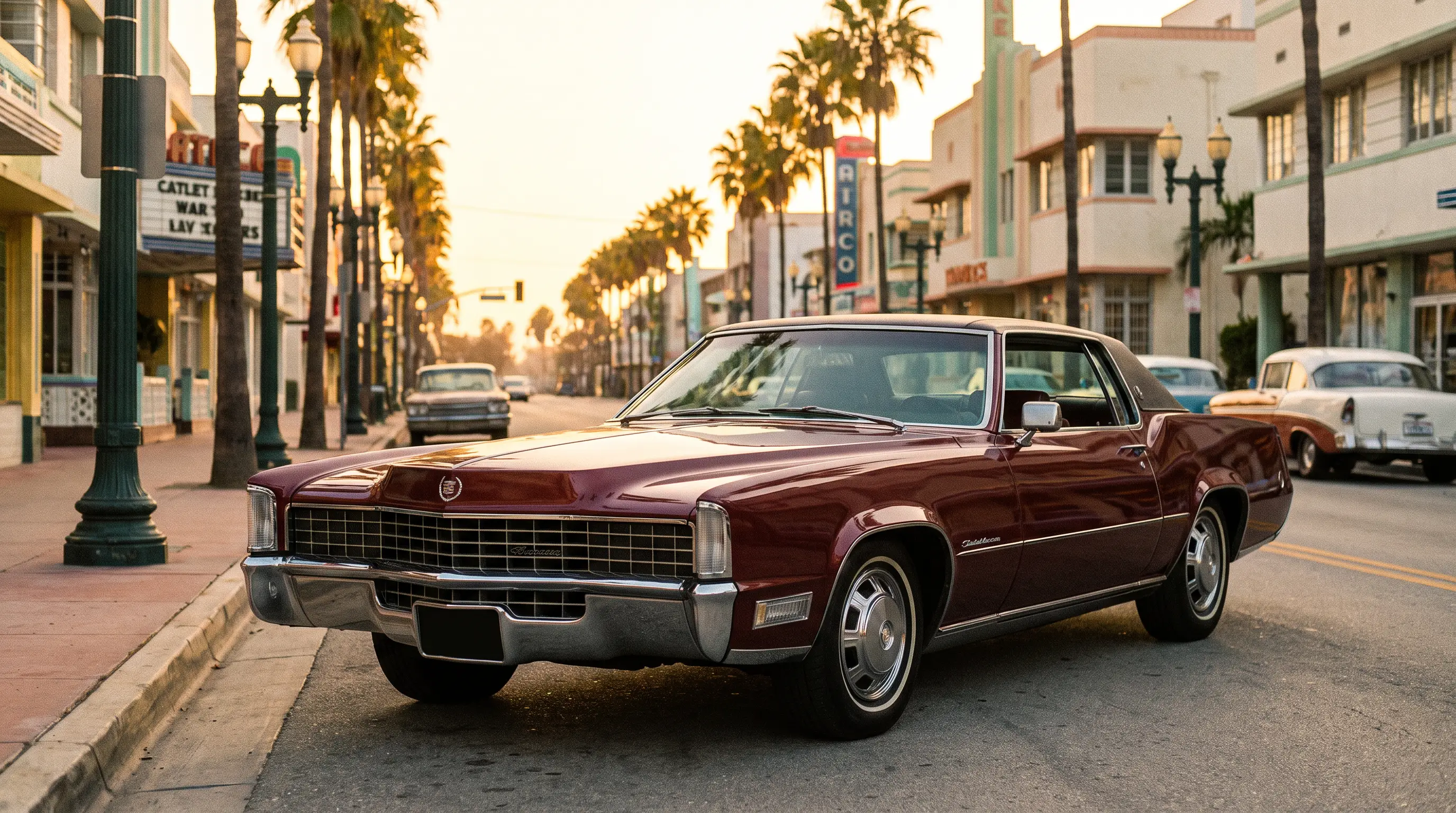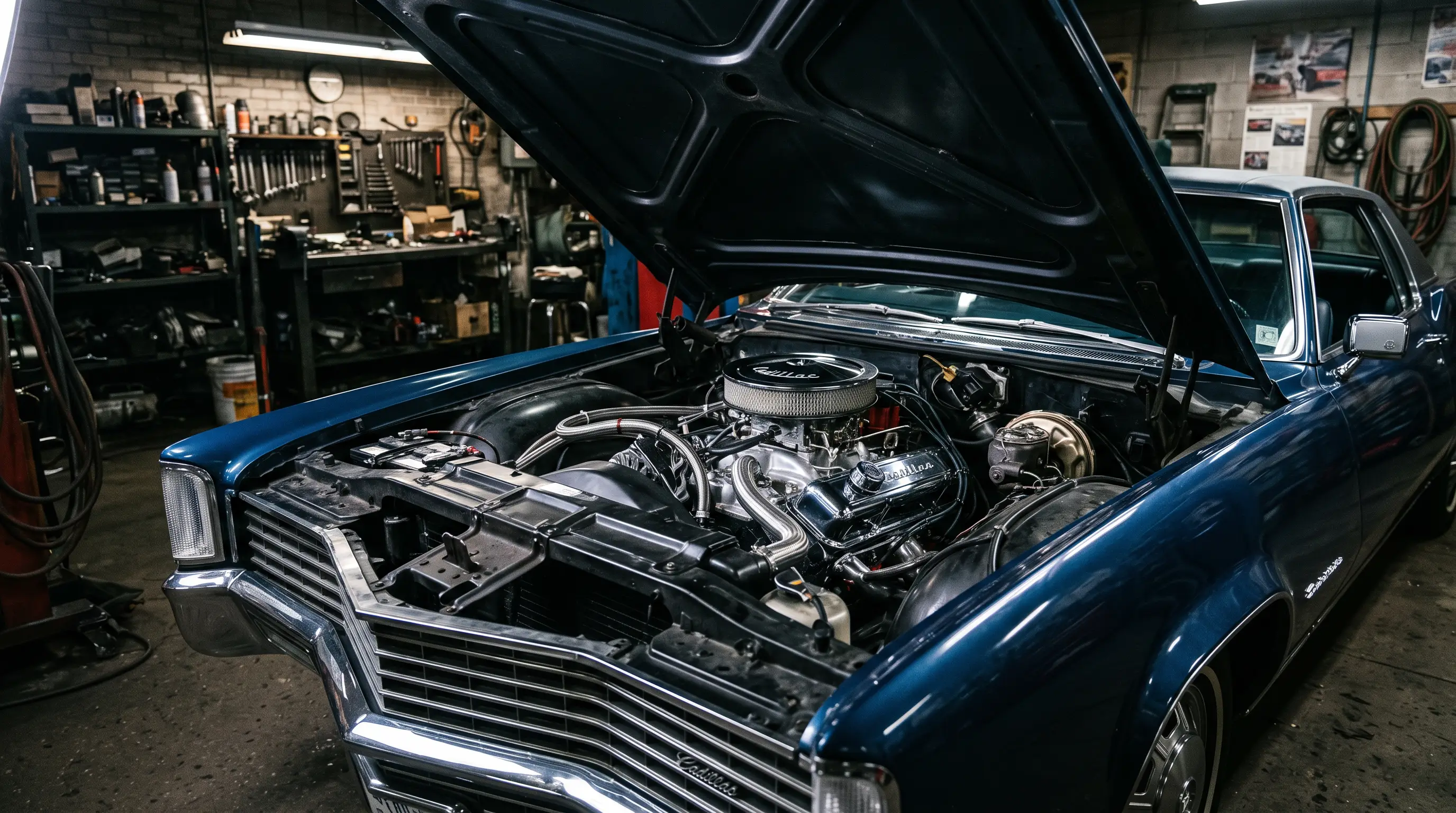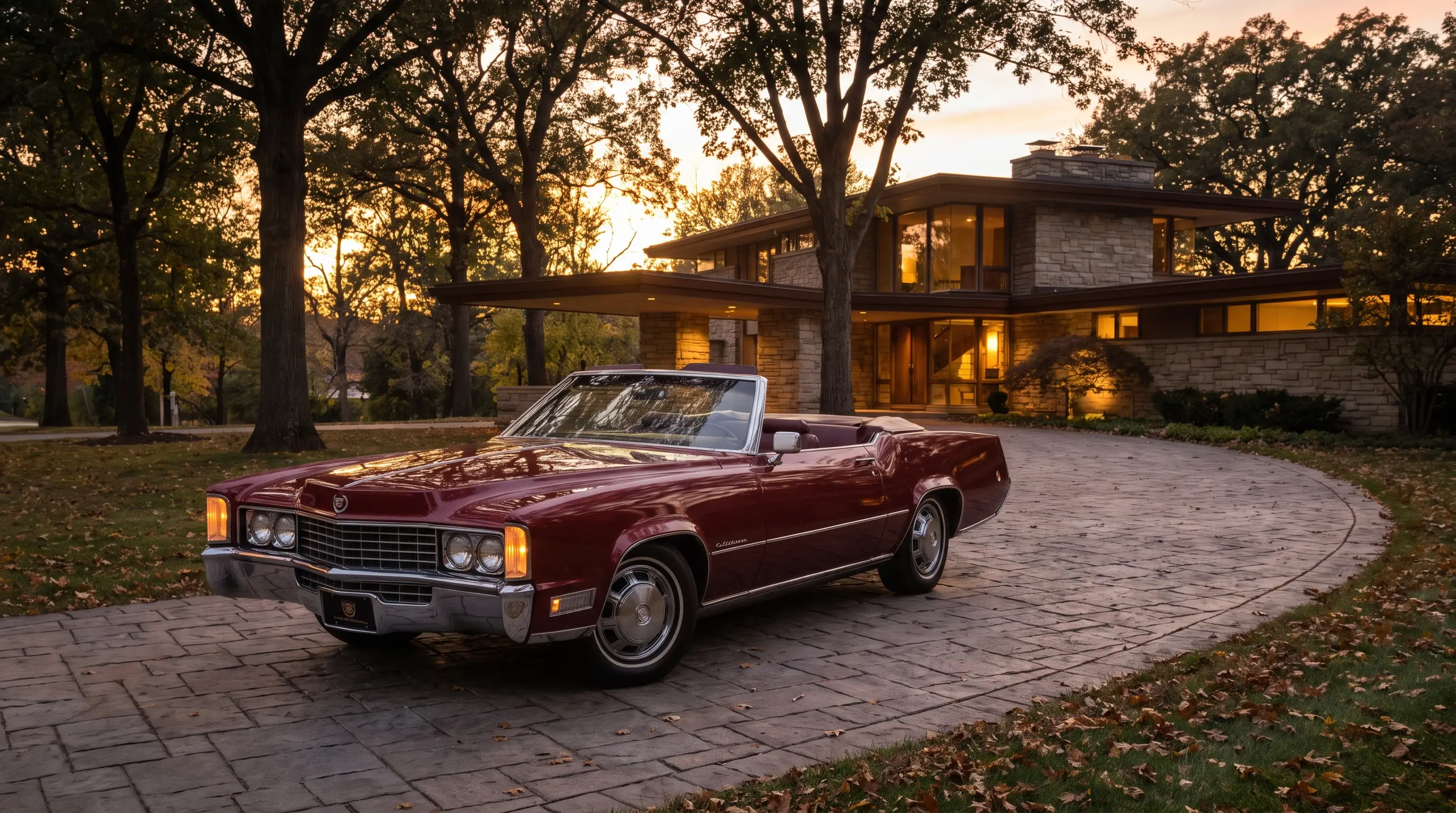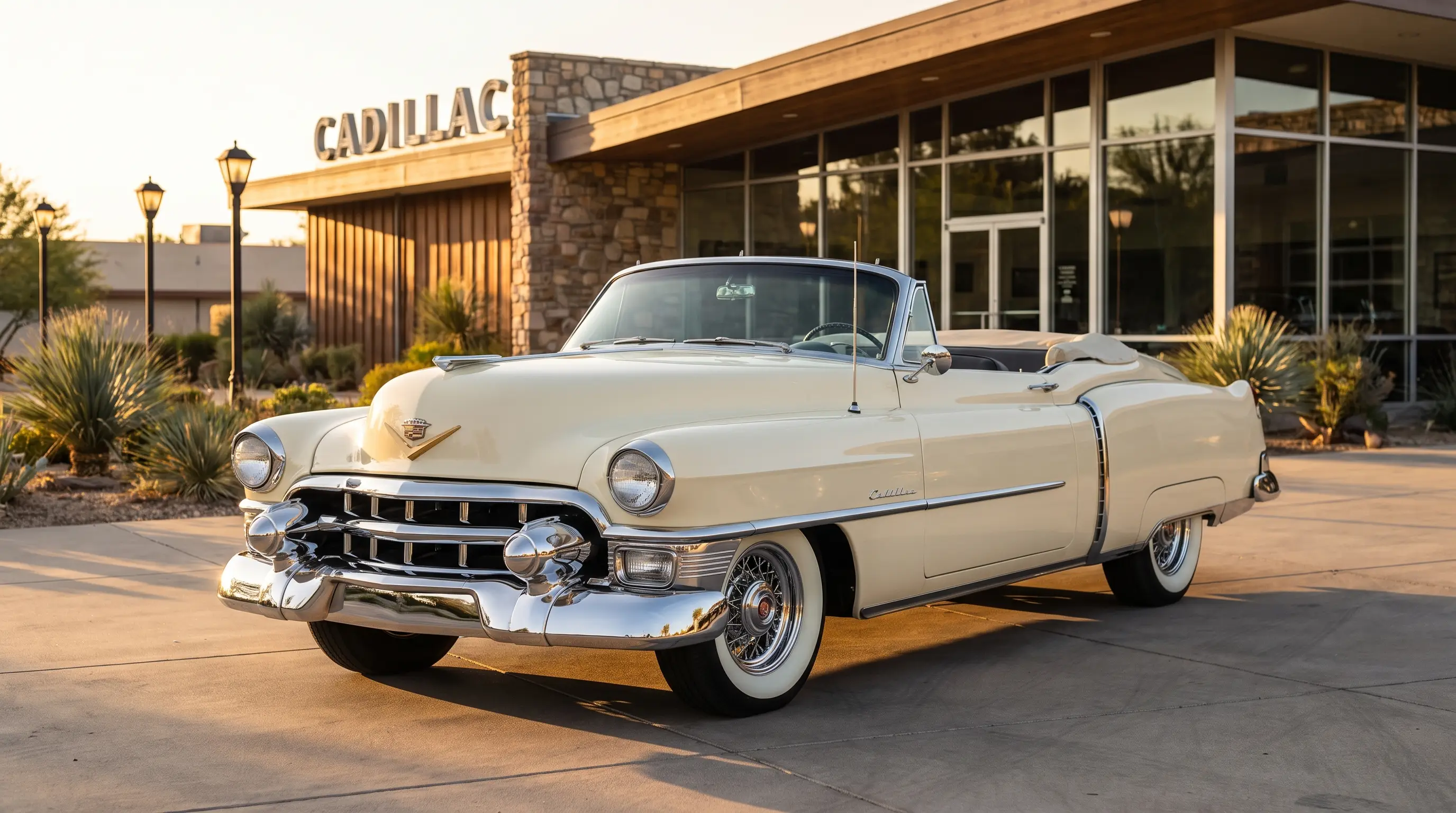
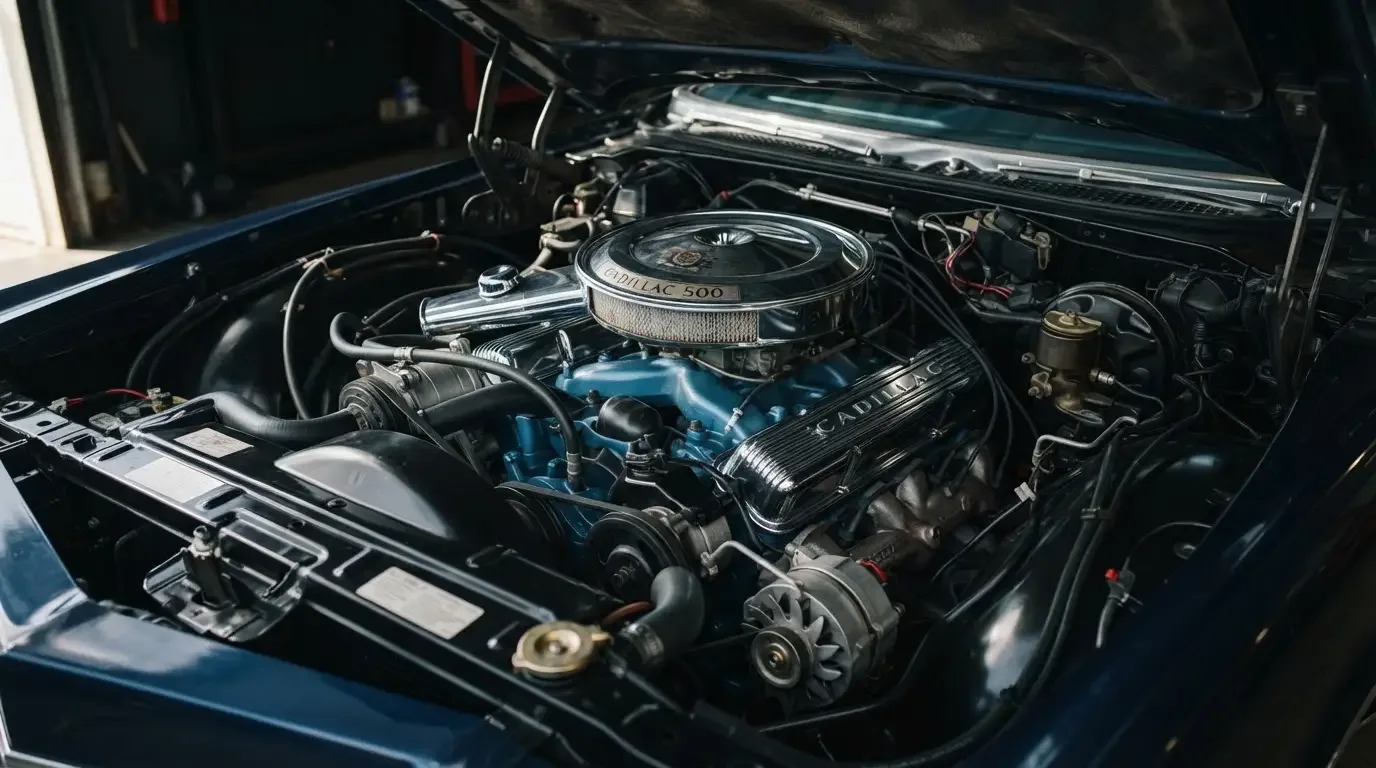
Five hundred cubic inches. That is 8.2 liters. For a time it was the largest V8 fitted to any production passenger car in the world, and Cadillac dropped it into the front-wheel-drive Eldorado. People remember the cadillac 500 cubic inch engine for its size, which is the least interesting thing about it. The number that mattered was never the displacement. It was the torque.
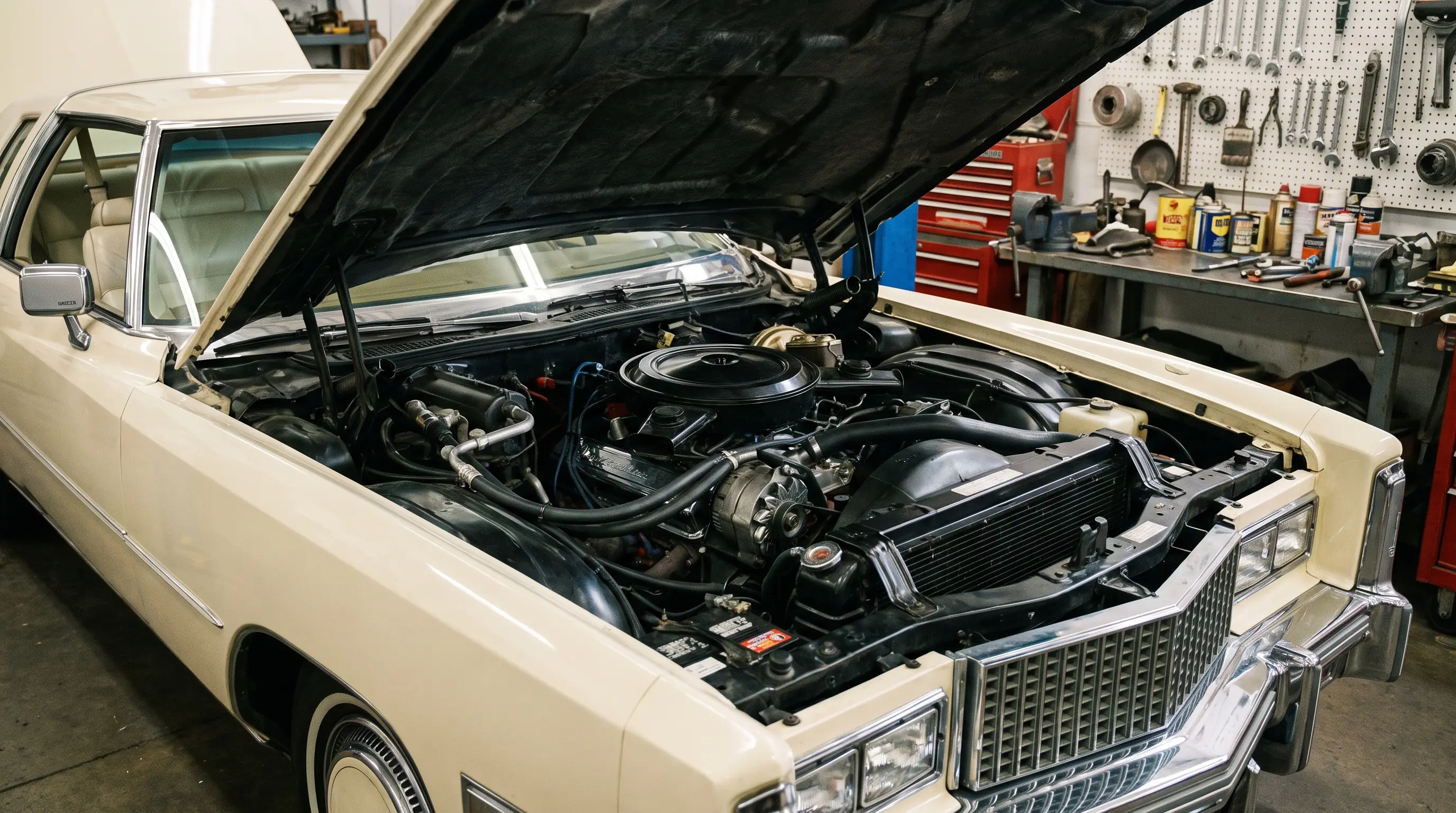
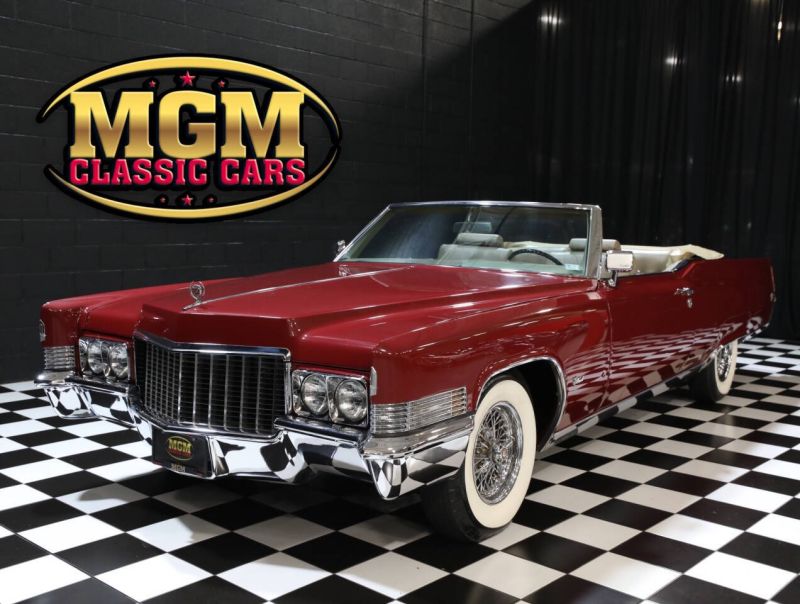
The 500 arrived in the 1970 Eldorado. Cadillac had been running a 472 in its big cars, and the Eldorado got a bored and stroked version of that engine family, taken out to a full 500 cubic inches. The headline output was around 400 gross horsepower. Fine. Horsepower sells magazines. The figure that made engineers put down their coffee was the torque, reported at roughly 550 lb-ft, which was among the highest of any production engine of its day.
Torque is the whole story
Here is the blunt version. A luxury coupe that weighs well over two tons does not care about a high redline. It cares about pulling from just off idle without drama. That is what 550 lb-ft buys you. The 500 did not need to rev. It moved the Eldorado the way a freight locomotive moves a train, with a low, unhurried shove that never ran out.
The hype crowd likes to talk about the horsepower number and then act disappointed when they learn a modern six-cylinder makes more. That comparison is worthless. The 500 was tuned for effortless low-speed pull in a heavy front-drive car, not for track times. Judge it against that job and it did the job better than almost anything sold at the time. For the wider context of how this engine fit the car it powered, the model's full arc is a longer tale, but the short version is simple. Big car, big torque, no fuss.
| Spec | Cadillac 500 V8 |
|---|---|
| Displacement | 500 cubic inches, about 8.2 liters |
| Configuration | OHV V8, based on the 472 family |
| First fitted | 1970 Eldorado |
| Peak torque | Around 550 lb-ft (1970 gross) |
| Gross horsepower (1970) | Around 400 hp |
| Later net rating (1976) | Down to roughly 190 net hp |
| Production years in Eldorado | 1970 through 1976 |
The number that fell apart
Now the honest part, because the numbers do not stay pretty. The 1970 rating was gross horsepower, measured without the accessories and exhaust a real car carries. When the industry switched to net ratings, the figure dropped on paper before anything even changed under the hood. Then emissions rules arrived, compression came down, and the engine got strangled year over year. By 1976, its final year, the same 500 was rated closer to 190 net horsepower. Same block. Same displacement. Half the paper output.
Do not read that as the engine going bad. Read it as the ground shifting under every American V8 at once. The 500 lost less than most because it had so much displacement to start with. A choked 500 still made more torque than a healthy small-block. That is the advantage of building big. When the rules tighten, you have room to lose.
Why it lived only in the Eldorado at first
The 500 started as an Eldorado-only engine. That was deliberate. Cadillac wanted the front-drive halo coupe to have something no other car in the lineup had, and displacement was the easiest way to say it. Later the engine spread to other full-size Cadillacs as the decade went on, but for its first years the 500 was the Eldorado's signature. If you wanted the biggest engine Cadillac built, you bought the Eldorado. Full stop.
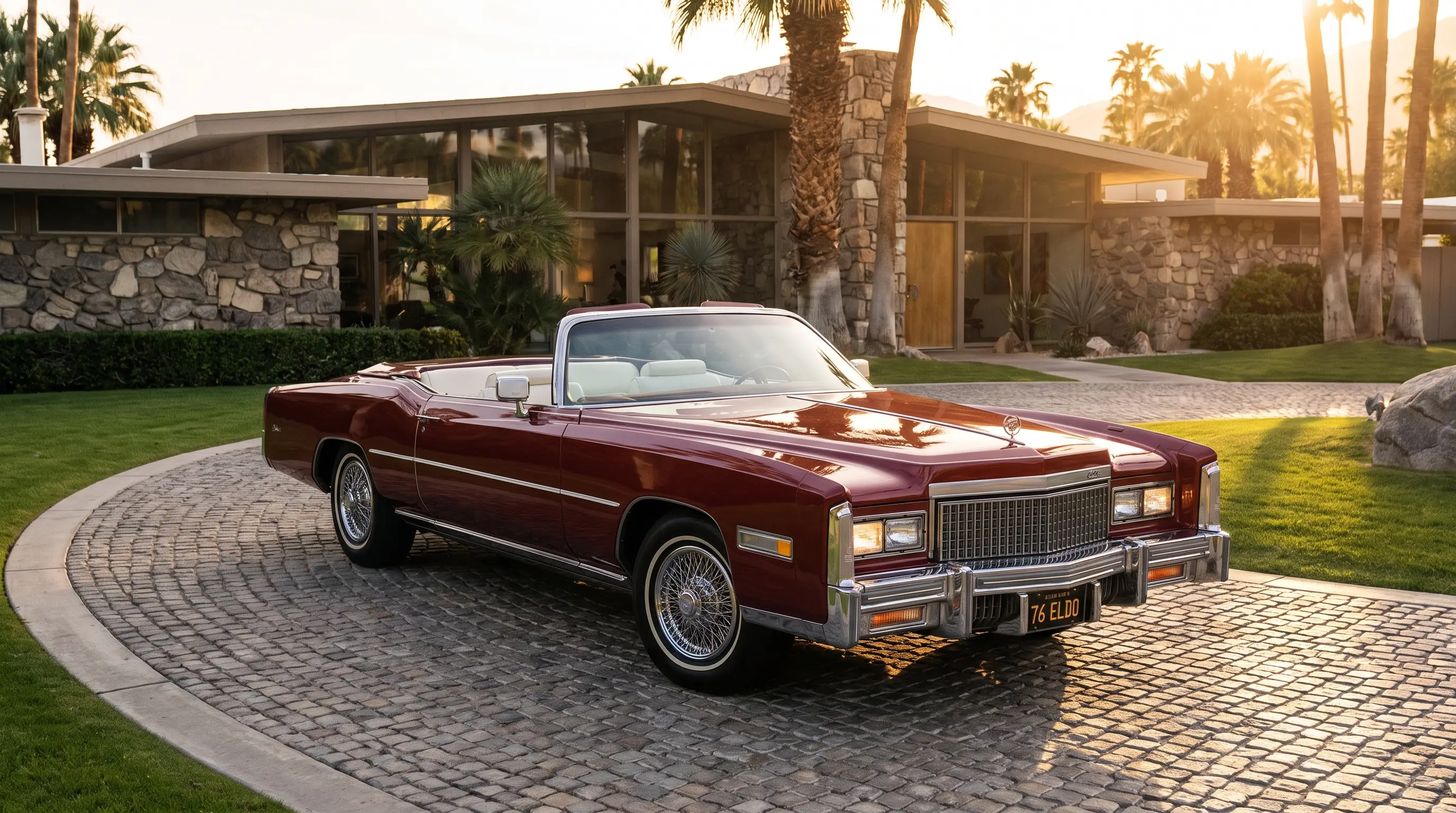
That exclusivity is part of why the early cars matter to collectors. A 1970 Eldorado with a strong, original 500 is a specific thing. It is the high-water mark of American displacement before the rules closed in. The torque figure alone puts it in a small club, and the fact that Cadillac reserved it for the Eldorado at launch gives the early cars a claim the later, more widely fitted engines cannot make.
"Everybody quotes the horsepower and misses the point. The 500 was a torque engine in a heavy car. Measured against what it was built to do, the number that counts is 550, not 400."
- Dan Reeves
Where the 500 came from
The 500 did not appear from nowhere. It was the top of a family. Cadillac introduced a clean-sheet big-block for 1968, displacing 472 cubic inches, and that engine was designed with room to grow. The 500 was the grown version. Same basic architecture, more bore and more stroke, taken out to the round number that made the headlines write themselves. That matters because it tells you the 500 was not a stressed, hand-built special. It was a production engine from a family built to be durable and easy to service.
The 472 and the 500 shared their bones. That is good news for owners. Parts knowledge runs deep, the engines are well understood, and the community around them is large. A big-displacement engine built with generous margins tends to age well, and this family did. Cadillac was not chasing specific output per cubic inch. It was chasing effortless power and long life. It got both.
The round number was also marketing, and there is no shame in saying so. Five hundred cubic inches sounds like exactly what it is. A buyer in 1970 did not need a dyno chart to understand it. The figure did the selling. Cadillac knew that a headline number moves metal, and 500 was the biggest headline number in the business.
The end of the big-inch era
Nothing this size survives forever. The 500 ran through the first half of the 1970s and then the world changed for good. Fuel prices spiked. Insurance got expensive. Emissions and economy rules tightened every year. A 500 cubic inch V8 in a personal luxury coupe was the exact profile the new rules were built to discourage. Cadillac read the room. The 500 was retired, replaced by smaller engines that made sense in a decade that had turned against displacement.
That timing is why the 500 has the standing it does. It was the last of a specific kind. After it, American engines got smaller and stayed smaller for a long time. The 500 marks the outer edge, the biggest a mainstream V8 got before the retreat. You can argue the engine was excessive. You would be right. That is precisely the point of collecting one. It is a monument to a moment that could not last, and everyone who owns one knows it.
There is a clean way to think about the whole arc. The 500 was born from a durable engine family, taken to the largest displacement a production passenger car had seen, tuned entirely for low-end torque, and then slowly choked by regulation until it was retired. Every part of that story is a number. The displacement. The torque. The declining output. The years. Read them in order and the engine explains itself.
What it means to a buyer now
Straight talk on values. A 500-powered Eldorado from the early 1970s is not a rare car in raw production terms, and that keeps prices honest. What moves the number is condition and originality. A matching-numbers early car that still runs its original 500 is worth more than a later car or one that has been through a drivetrain swap. The engine is the story. Lose the engine and you lose the reason to want the car.
The 500 is also a durable engine when maintained. It was built with a lot of metal and low stress, which is what you get when you make a huge displacement engine and ask it to make its power down low. Owners who keep the cooling system honest and do not neglect it tend to get long, reliable service. That reliability is a quiet argument for the early cars as usable classics rather than trailer queens.
The verdict on the biggest one
Here is the bottom line. The Cadillac 500 was not the most powerful engine ever built and it was never trying to be. It was the biggest, and more to the point it was among the highest-torque production engines of its era, and it did exactly one job. It moved a heavy luxury coupe with total ease. The horsepower number aged badly because of how the industry measured and regulated engines. The torque number did not, because torque is what the car actually needed.
If the engineering that made the front-drive Eldorado possible interests you, the design and styling side of the same car is worth your time, so keep exploring and see how the sheet metal matched the machinery. And if you want a 500 in your own driveway, look at the early cars first, check that the engine is original, and expect the torque to make sense of everything the moment you drive one. You can start by looking at what honest early cars trade for by browsing classic Eldorado for sale and paying attention to which ones still wear their original 500.
Read the full model context in our cadillac eldorado retrospective if you want the engine placed against the whole run of the car. The 500 is one chapter of that story. It is the loud one. It just happens to be loud in torque, not horsepower.