A director scouting cars for a scene has a short list of problems to solve at once: the vehicle has to read as wealth from fifty feet away, it has to photograph well under studio lighting, and it has to say something about the character behind the wheel before that character speaks a single line. For decades, the answer to all three problems was often the same car. Cadillac eldorado movies span from black and white noir through 1970s crime pictures to contemporary prestige television, and the coupe kept getting cast for the same reason directors kept reaching for it in real life buying decisions too. It looked like arrival.
Noir's favorite flagship
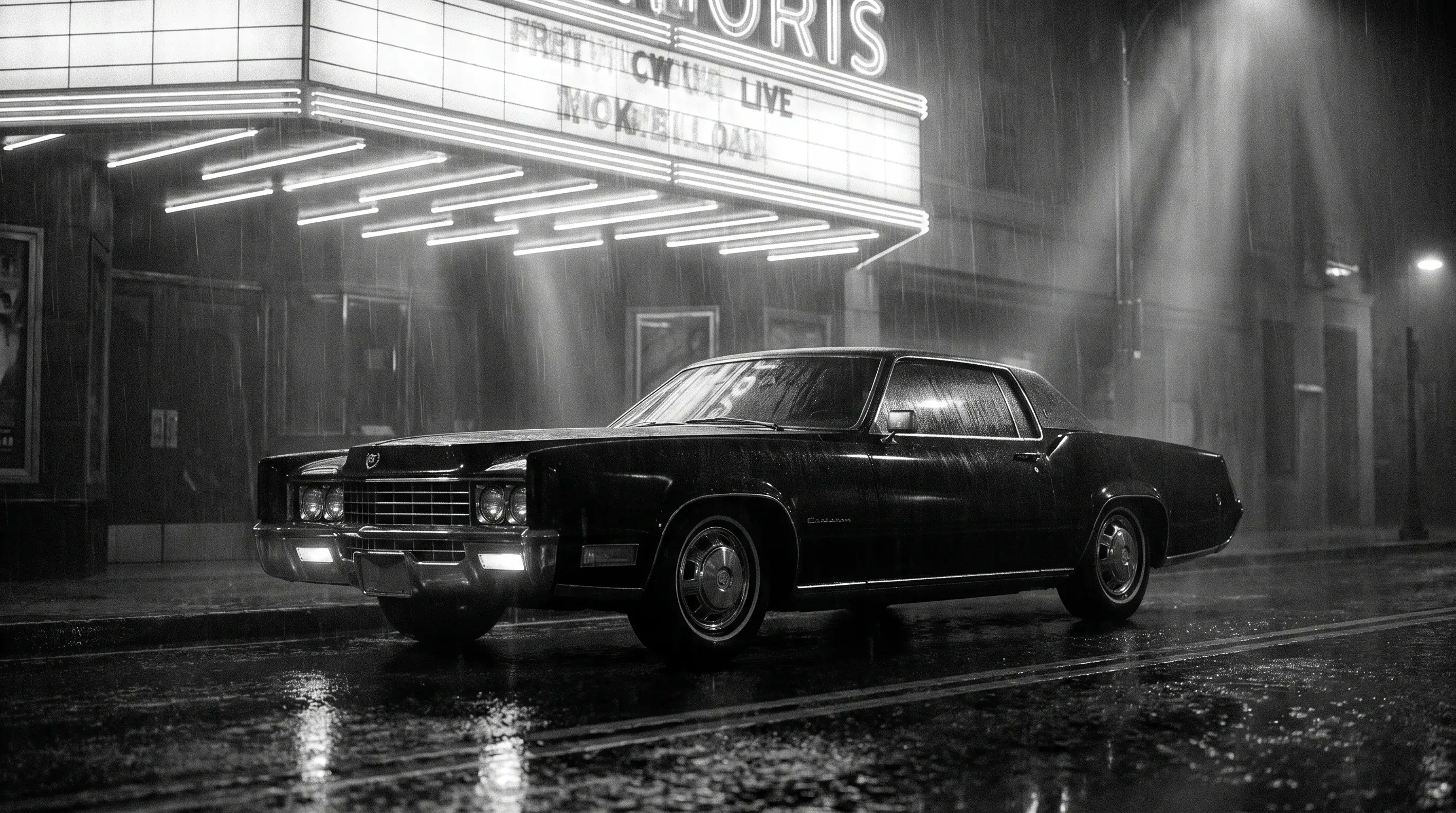
Postwar crime pictures needed a car that could sit outside a nightclub and instantly tell the audience the man getting out of it either had money or wanted people to think he did. The Eldorado, positioned from its 1953 debut as Cadillac's most expensive, most exclusive model, filled that role naturally. Production designers on these films rarely needed dialogue to explain a character's status once the Eldorado was parked in frame. The tailfins and chrome did the exposition on their own.
The 1970s crime picture era
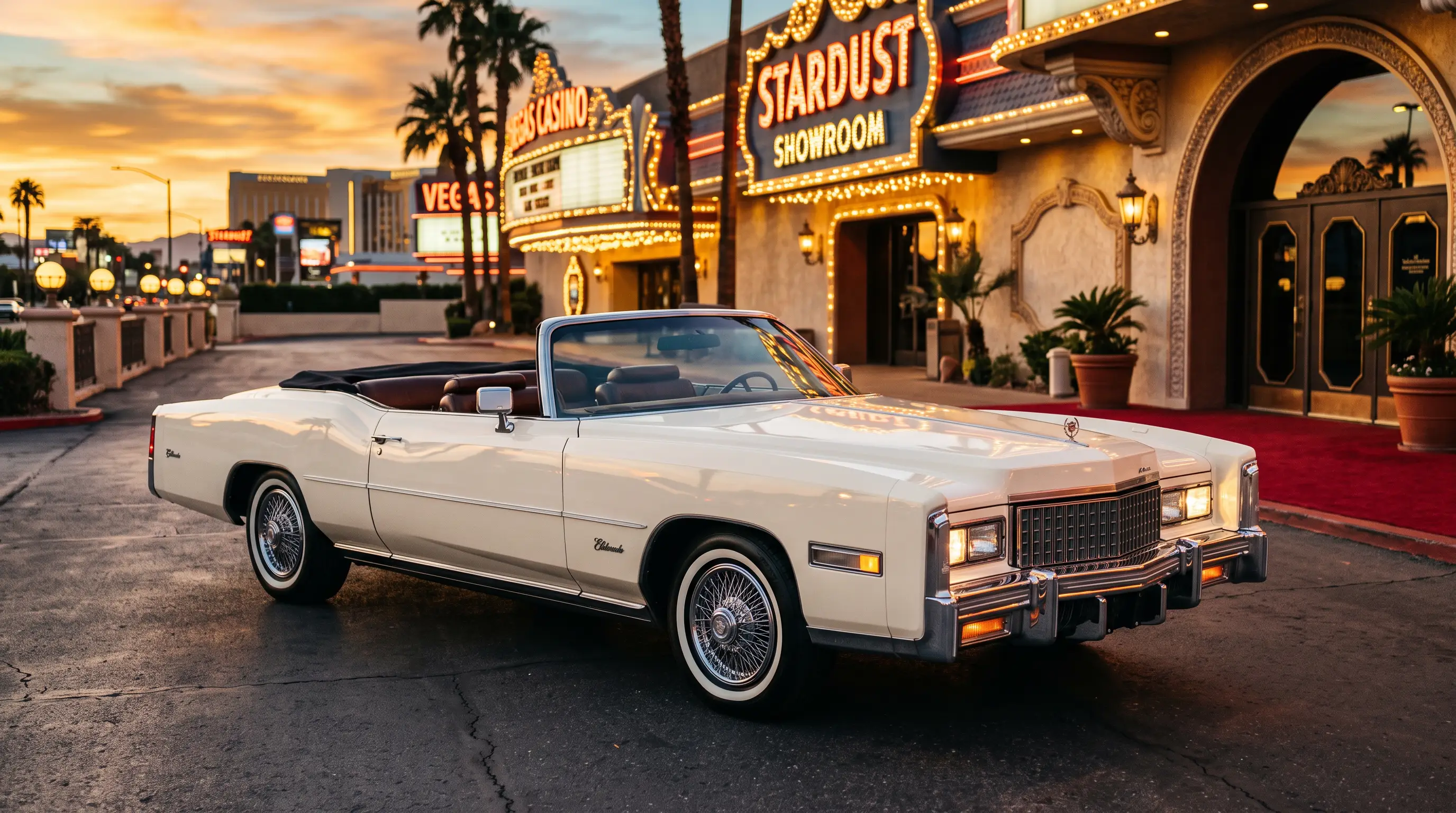
Nothing suited the gritty, morally ambiguous crime films of the 1970s quite like a land yacht Eldorado convertible rolling through a scene at half speed. The car's scale worked against the grimy urban backdrops these films favored, creating a visual contrast between old money glamour and the street level story unfolding around it. Several blaxploitation and crime films of the era leaned on the Eldorado specifically, using its size and presence as shorthand for a character who had either made it or was desperate to look like he had.
That same period defined the Eldorado's presence in music and street culture well beyond film, a thread covered more fully in our complete history of the car's pop culture footprint across every decade of its production.
The heist and gangster archetype
By the time crime cinema moved into the 1980s and beyond, the Eldorado had become such an established visual shorthand for old-school criminal wealth that filmmakers used it almost as a genre signal on its own. A period piece set in an earlier decade could establish its timeframe and its criminal underworld setting simultaneously just by putting an Eldorado in the driveway of a character's home. This kind of visual shorthand rarely survives this long in cinema, and the Eldorado's staying power in that specific role says something about how thoroughly the car's image had settled into the culture by the time filmmakers started looking backward at it rather than forward.
"You put a 1976 Eldorado convertible in a crime picture and you have told the audience the era, the money, and probably the character's downfall before anyone has said a word of dialogue. That is a lot of narrative work for one prop to carry."
- Patrick Walsh
Television's slower, longer relationship
Film gave the Eldorado its biggest single moments, but television built the longer, quieter relationship. Detective shows and prime time dramas running for years at a time featured the car repeatedly across seasons, often as a recurring character's signature vehicle rather than a one-scene prop. That kind of sustained screen time did something film cameos could not: it let audiences absorb the Eldorado as a personality trait belonging to a specific character rather than a single visual punchline in one scene.
More recent prestige television set in earlier decades has continued the tradition, using period-correct Eldorados to ground a scene in a specific year almost as precisely as a costume department uses clothing. The car remains one of the most reliable pieces of automotive shorthand available to a production designer working in the American mid to late twentieth century.
Why the camera still finds it
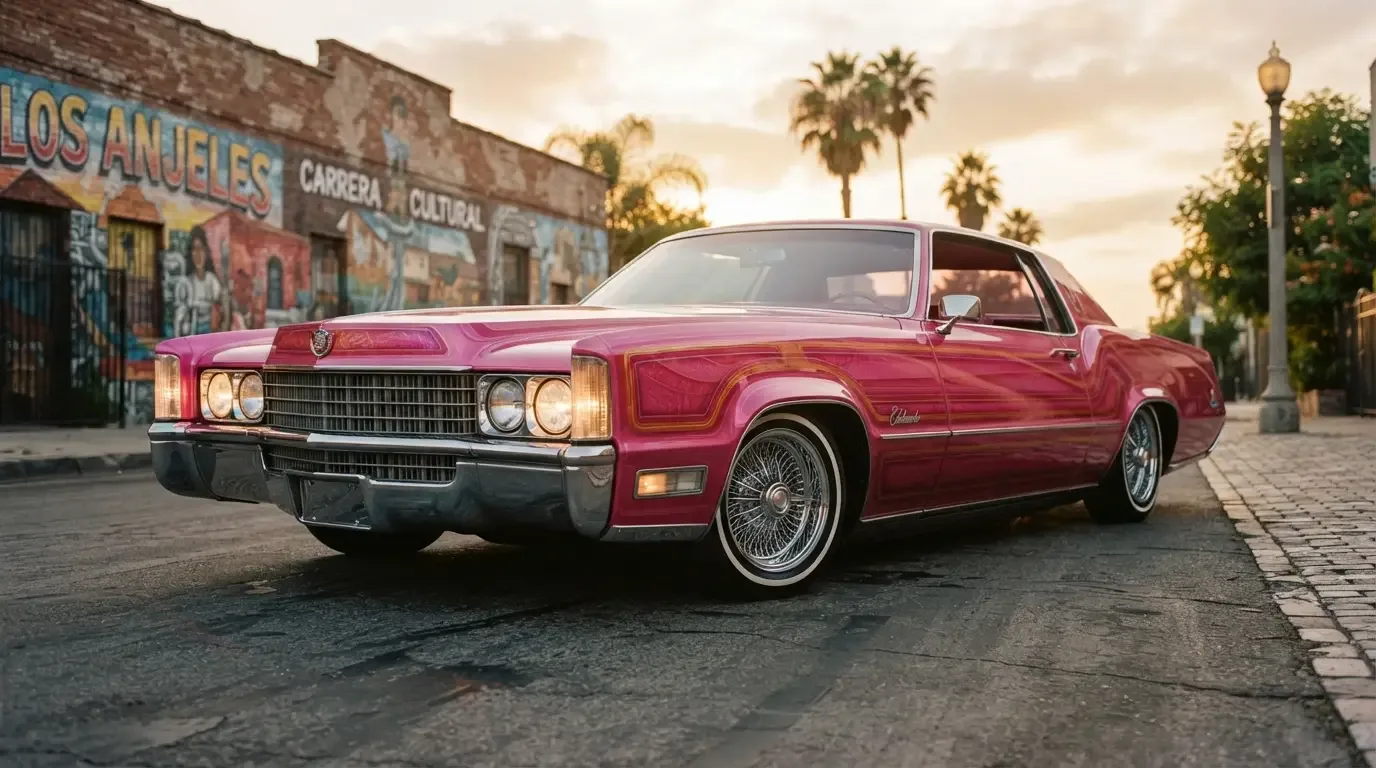
Modern productions still reach for the Eldorado, particularly the dramatic 1967 to 1970 body and the 1970s convertibles, because so few cars from those decades combine visual drama with genuine period accuracy the way this one does. A production that wants a scene to feel expensive, dangerous, or nostalgic in one glance still has a short list of cars that can do all three at once, and the Eldorado remains near the top of it decades after its last model year rolled off the line.
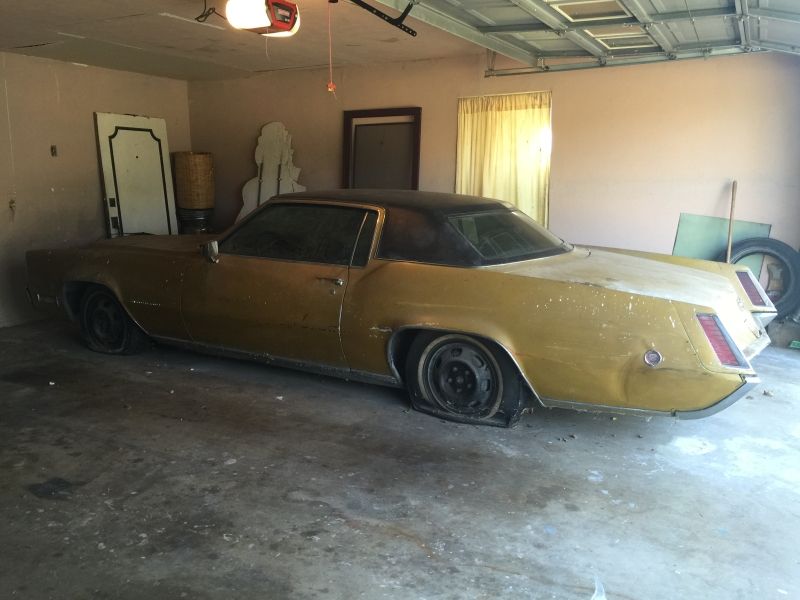
Part of the reason comes down to sheer availability. Cadillac built the Eldorado in large enough numbers across most of its production run that surviving examples are not impossibly rare, unlike some of the more exotic cars a period film might want but simply cannot source in workable condition. A production company scouting for a car that will spend hours on set, potentially get scuffed by careless crew, and still needs to look flawless on camera has practical reasons to favor a nameplate with a deep enough surviving population to make replacement or backup vehicles realistic.
The other reason is instant audience recognition, even among viewers who could not name the model themselves. Decades of repeated appearances have trained moviegoers, consciously or not, to read an Eldorado's silhouette as a specific kind of signal, the way certain buildings or skylines instantly communicate a city without a title card. Directors know this and use it deliberately, choosing the car precisely because the audience will not need it explained.
Prop and picture car coordinators who specialize in period vehicles talk about the Eldorado differently than they talk about most other classic cars on their rosters. It gets requested by name more often than most 1960s and 1970s American cars, and productions are frequently willing to pay a premium to secure the right generation and color for a specific scene rather than accepting whatever period-correct substitute happens to be available. That level of specificity, script by script, is unusual for a car this far removed from its original showroom era, and it speaks to how deliberately filmmakers still treat the nameplate rather than reaching for it out of convenience alone.
Some of these picture cars live entire second careers on studio lots, appearing across multiple unrelated productions over years before ever changing hands to a private collector. When one finally does sell, the documented filmography attached to its history becomes part of the asking price, treated by buyers the same way a matching numbers engine or a factory build sheet would be treated on any other collector Cadillac, sometimes adding real dollars to the final hammer price.
If watching these films has you looking at the real thing differently, the current inventory lets you find a classic Eldorado from the exact generations that keep showing up on screen, no casting call required.
Sources and notes
- Cadillac Eldorado - Wikipedia
- Hagerty: '67 Cadillac Eldorado, a Personal Favorite of Bill Mitchell
- Hagerty Valuation Tools: 1976 Cadillac Eldorado
- NotoriousLuxury: The Last of the Breed, the Gilded One Cadillac Series 62 Eldorado
- Curbside Classic: 1957 Cars With Alternate Quad and Single Headlight Front Ends