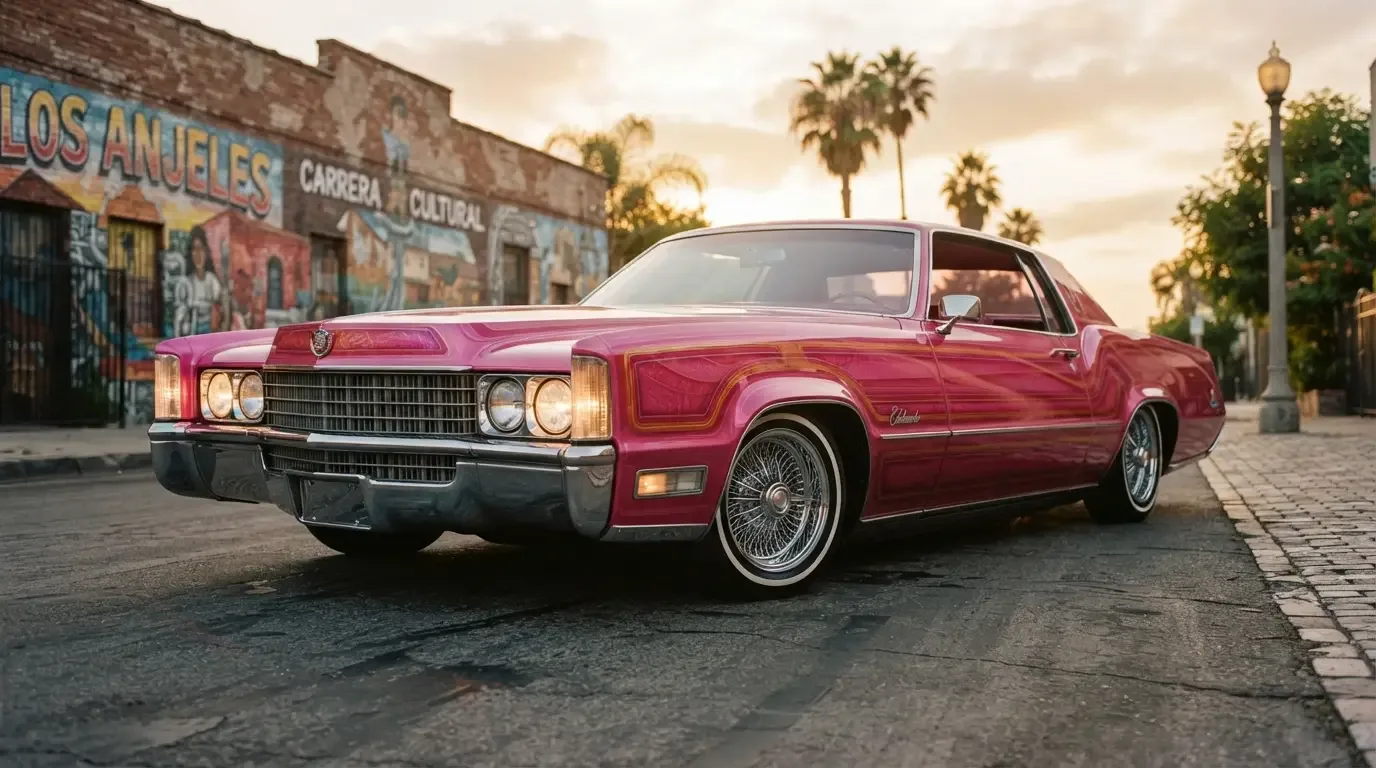
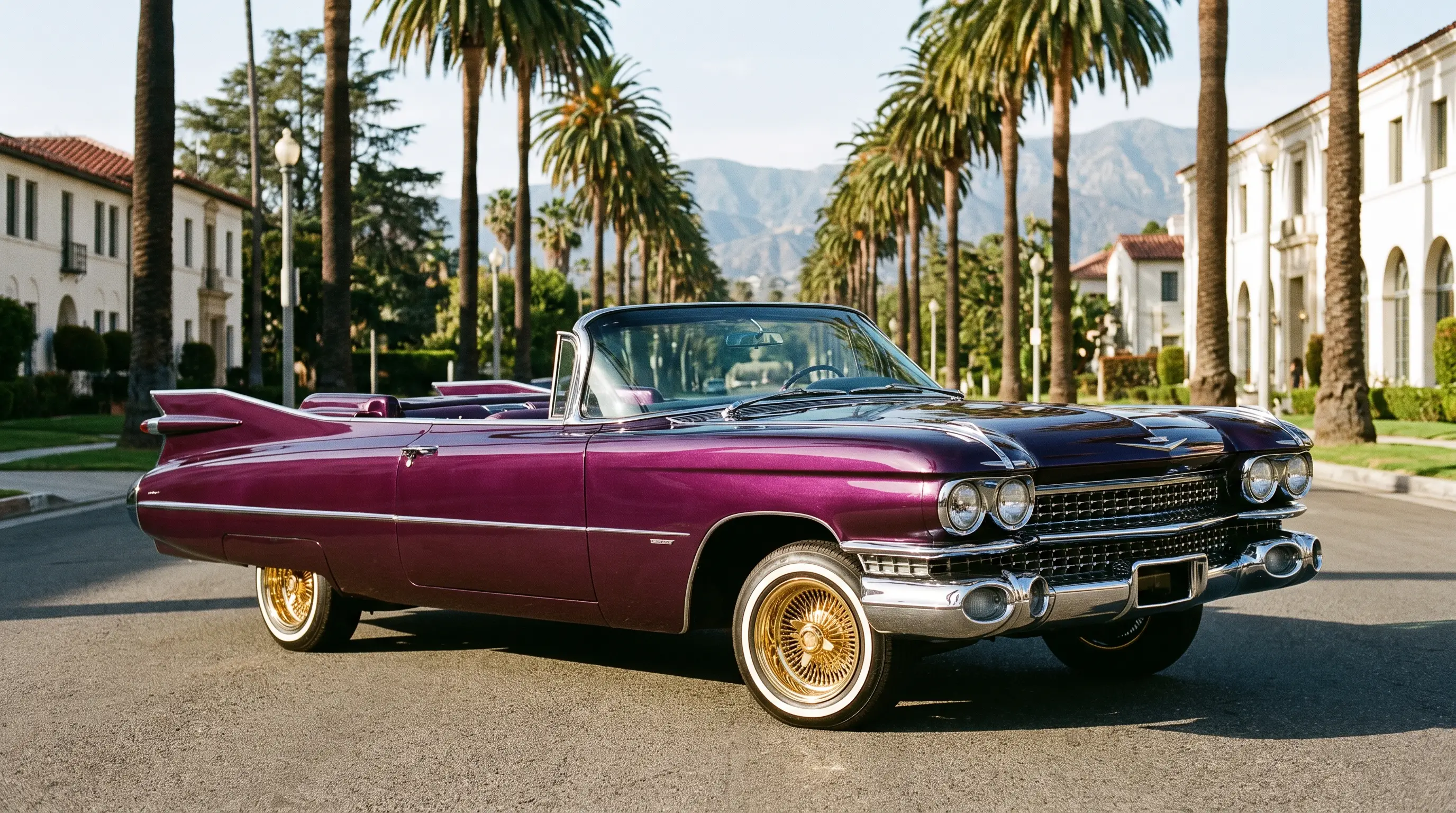
On a Sunday afternoon in East Los Angeles, a lowered Cadillac Eldorado bouncing on hydraulics at a red light draws a different kind of attention than the same car sitting still in a museum under careful lighting. That difference is the whole point. The cadillac eldorado lowrider tradition is not about preserving a car exactly as Cadillac built it. It is about taking a shape that already meant something, wealth, arrival, presence, and pushing it further into a statement that belongs entirely to the builder and the community around them.
Why the Eldorado, specifically
Lowrider culture in Southern California and the Southwest has never limited itself to a single make, but certain body styles kept getting chosen for the same reasons over decades, and the Eldorado's long hood, wide stance, and generous sheet metal made it an ideal canvas. The land yacht generation of the 1970s in particular offered enormous flat panels for paintwork and enough body to make a hydraulic setup dramatic rather than subtle. A car built as a symbol of establishment luxury became, in different hands, a symbol of a completely different kind of pride and achievement.
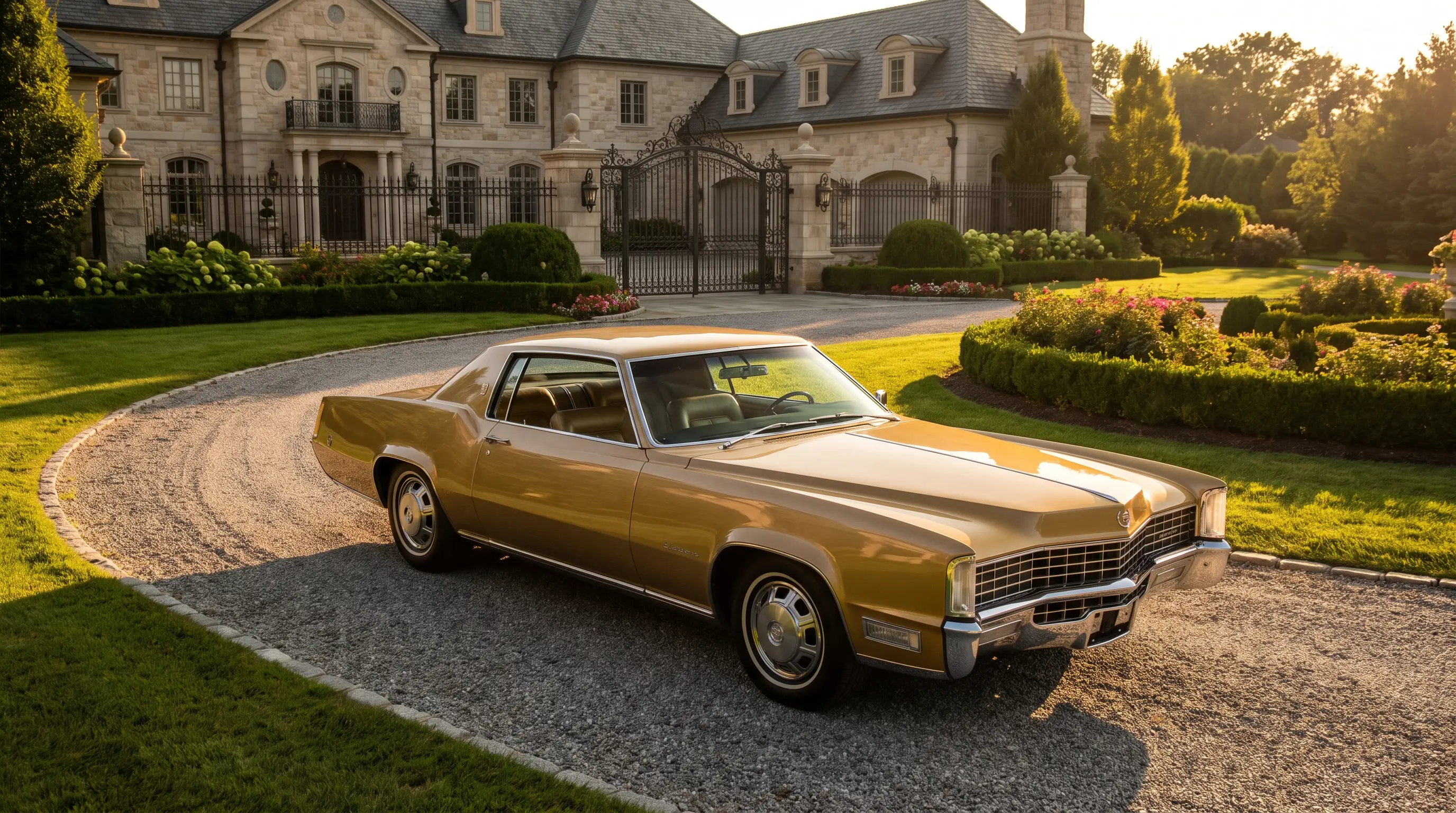
That transformation carried real cultural weight beyond the individual build. Choosing the Eldorado, the same nameplate favored by wealthy suburban buyers, and reworking it into something entirely their own, gave builders a way to claim a piece of American success mythology on their own terms rather than waiting to be handed a seat at that table. The car became a canvas for a different kind of arrival story, one built through skill and community rather than a factory financing plan.
Hydraulics and the hop
The hydraulic suspension systems that define lowrider culture turned static styling into performance. An Eldorado set up to hop transforms a stationary luxury coupe into something closer to a piece of kinetic sculpture, and builders spend years tuning pump systems and battery banks to get the response exactly right. The Eldorado's substantial factory weight, once a criticism from period road testers, became an advantage here, giving the hop a heavier, more dramatic motion than a lighter car could produce.
Paint, patterns, and personal history
Custom paintwork on lowrider Eldorados rarely stays within factory color codes. Builders commission multi-stage candy paints, detailed patterns, and murals that often carry personal or community significance, turning the car's body panels into a canvas the way earlier generations of hot rodders used flame jobs and pinstriping for a different subculture entirely. A finished Eldorado in this tradition can take years and represents as much labor and craft investment as any concours restoration, even though the finished product looks nothing like what left the Cadillac factory.
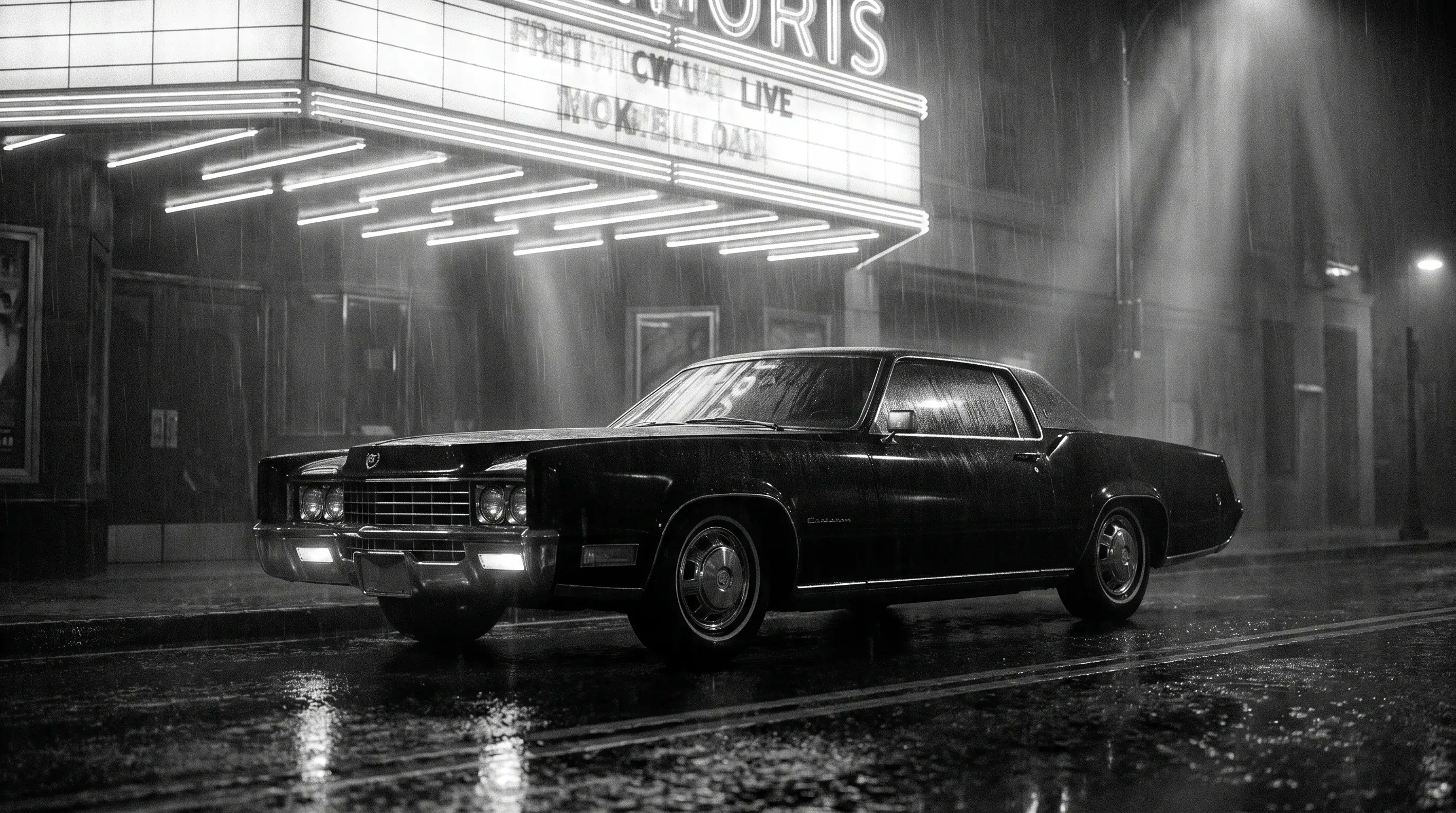
This kind of transformation sits inside a much larger relationship between the Eldorado and street culture broadly, and read the background covers how the car built that reputation across music, film, and community life well beyond the lowrider scene specifically.
"We did not choose the Eldorado because it was easy. We chose it because it already looked like it belonged to somebody important, and we wanted to make it belong to us instead."
- Nora Beckett
Car clubs and community memory
Lowrider culture has always organized itself around clubs rather than individual owners, and the Eldorado's presence in that world is inseparable from the people who built and maintained club identity around specific cars over decades. A single Eldorado might pass through several owners within the same club over the years, each one adding to its build rather than starting over, so that the finished car carries a layered history that a single restoration timeline could never capture. Photographs and oral histories from these clubs, passed down carefully at gatherings and cruises over the years, function as their own form of provenance, distinct from but every bit as meaningful as a factory build sheet ever could be.
That community memory is part of why certain lowrider Eldorados carry real reputations within the scene long after their original builders have moved on, recognized by longtime members on sight the same way a concours judge might recognize a significant matching numbers car. The Eldorado's parallel life as a straightforward status symbol among a very different set of owners is worth a look too, since both traditions grew from the same basic instinct about what the car's shape communicates.
Wire wheels became almost synonymous with the lowrider Eldorado, a specific look that separated a serious build from a merely lowered car. Builders paired those wheels with a stance calculated down to the inch, tuned as much for how the car sat parked at a show as for how it moved down a boulevard. Whitewall tires, chrome undercarriage work, and engraved metal accents under the hood turned areas most owners never see into further proof of investment and standards, judged by other builders who knew exactly what to look for.
None of this happened casually. A serious build represents a running conversation between the owner and a network of specialists, upholsterers, painters, hydraulics installers, each contributing a piece of the finished statement. The Eldorado's size gave all of them more room to work with than a smaller coupe would have allowed, one more reason the nameplate kept getting chosen generation after generation by builders who wanted a real canvas rather than a compromise.
A different kind of collectibility
The classic car market has, in recent years, started paying real attention to significant lowrider builds, including Eldorados with documented club history and notable builders behind the work. This is a shift from decades when custom cars were treated as having sacrificed collector value for style. Today, a well-documented lowrider Eldorado with real provenance in the scene can command serious respect and serious money, evidence that the culture's own standards for craft and history have earned recognition well beyond the community that built them.
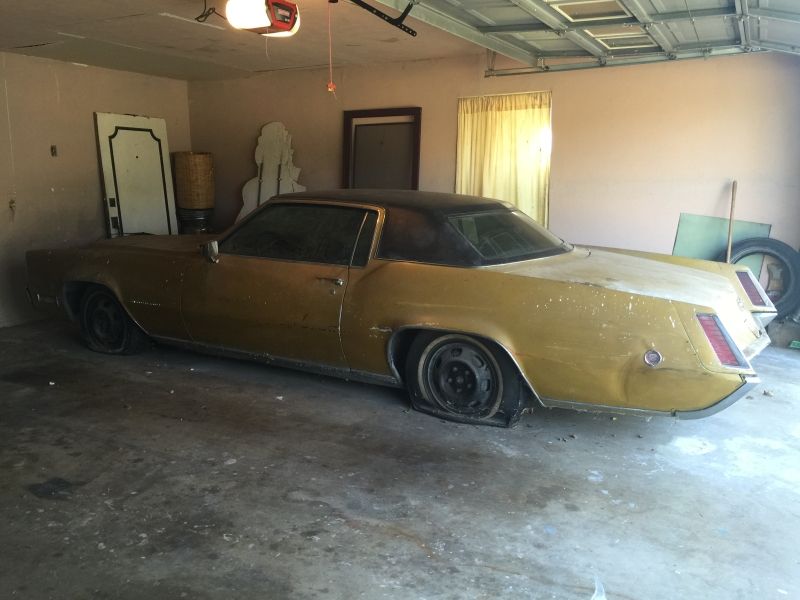
Whether you want a factory original example or a car ready for its own build, current listings let you shop classic Eldorado listings spanning the generations most favored by builders in this tradition, land yacht and front drive alike.
Sources and notes
- Lowrider - Wikipedia
- Kustomrama: Hydraulics
- Eternal Rollerz C.C.: Aircraft Hydraulics
- Kustomrama: Hydraulic Lifts by Aguirre
- Cadillac Eldorado - Wikipedia
What ties every era of this tradition together is the same instinct that made Cadillac build the Eldorado in the first place, the belief that a car can say something about a person before they say a word themselves. Builders in this world simply took ownership of that message and rewrote it in their own language, with their own community judging the result instead of a dealership sales floor. That judgment, earned over decades and passed down between generations of builders, has proven far harder to fake than a sticker price ever was.