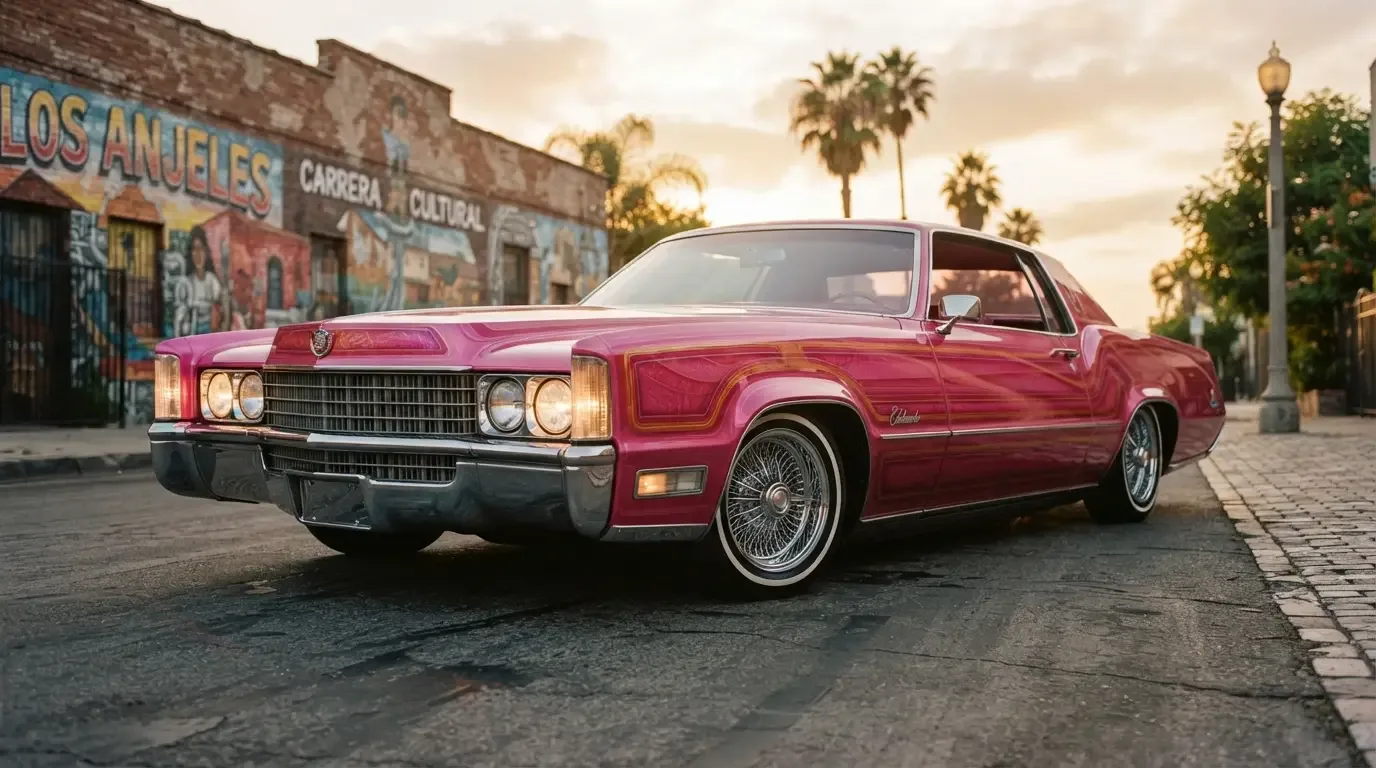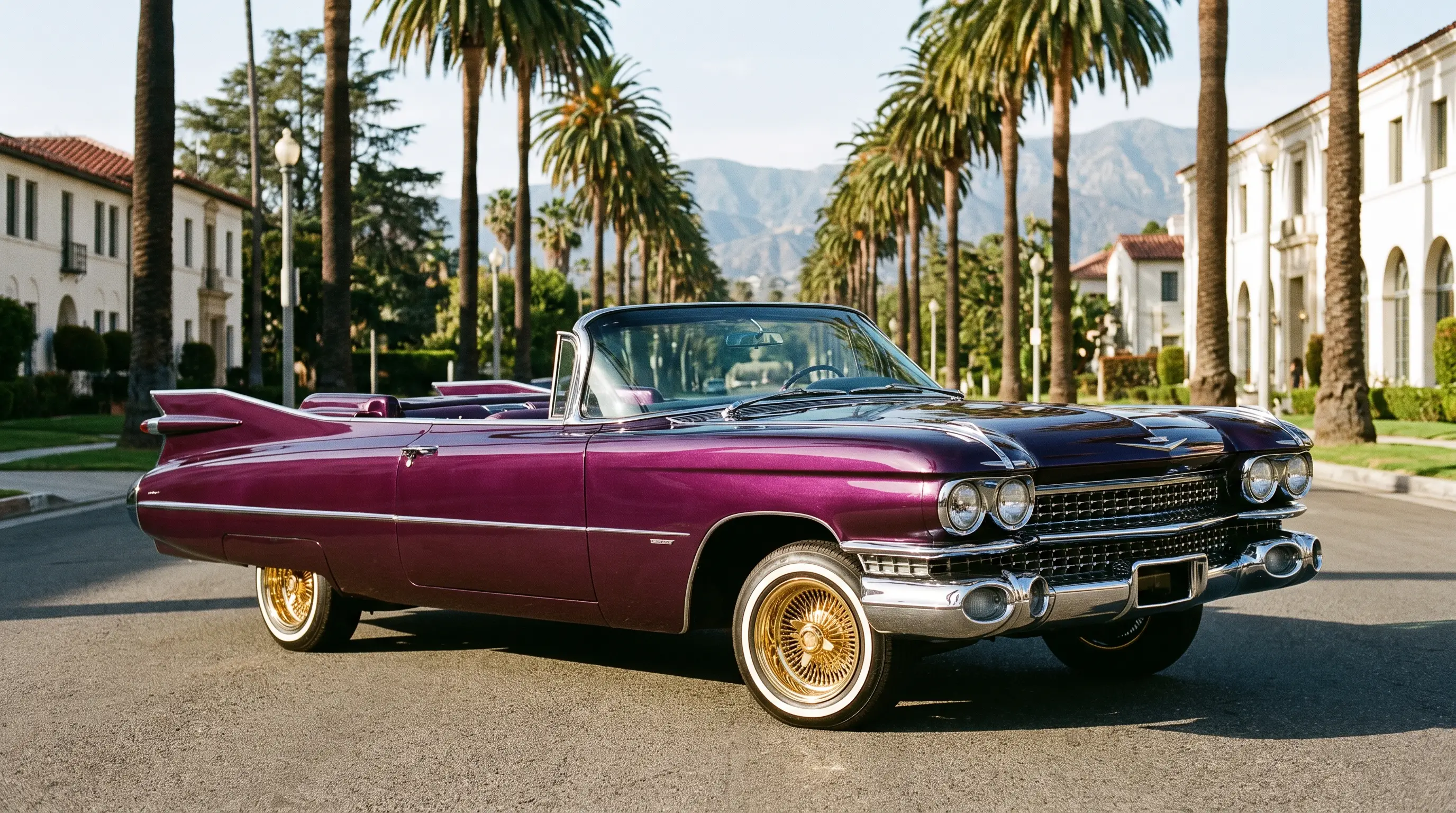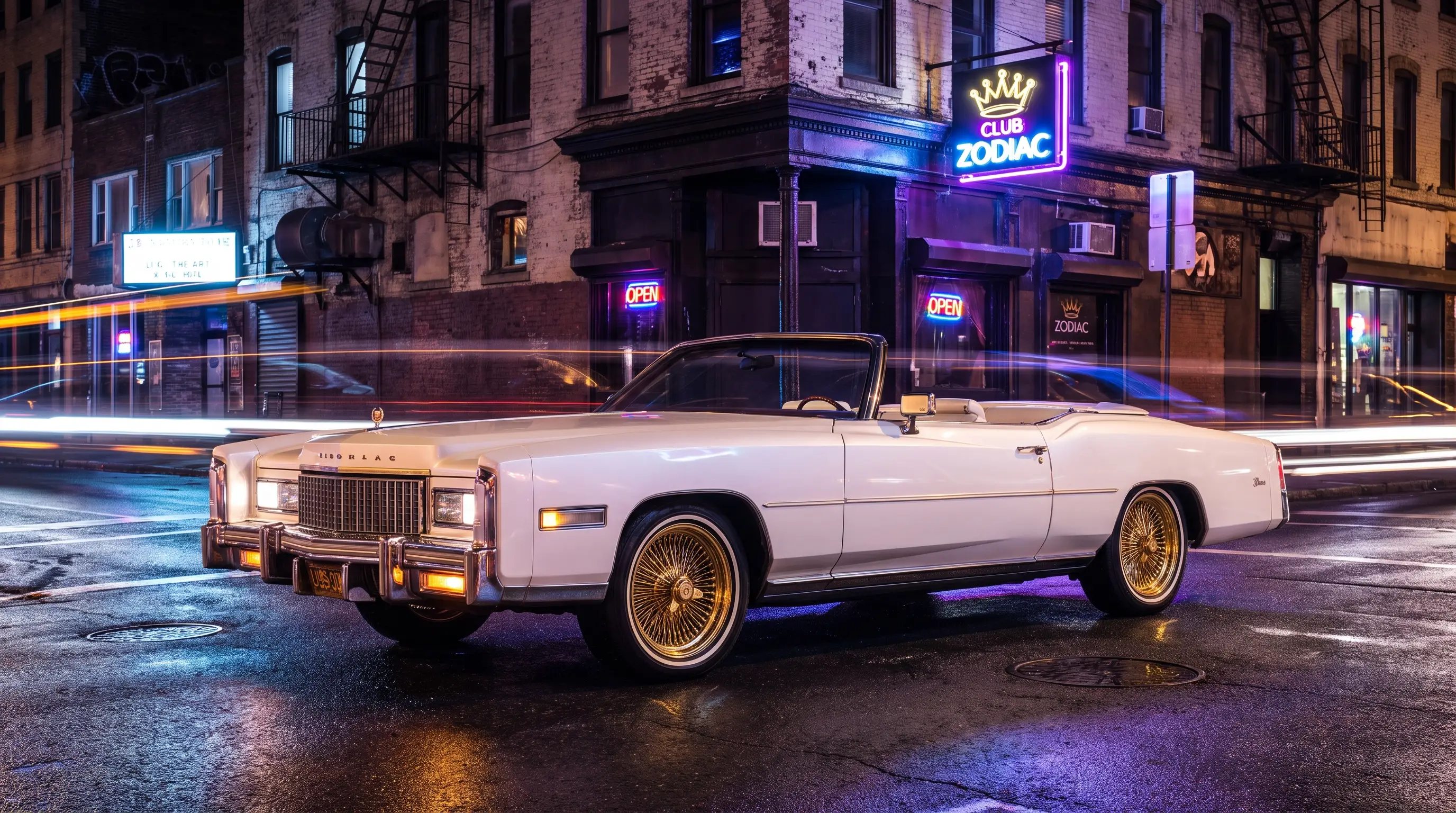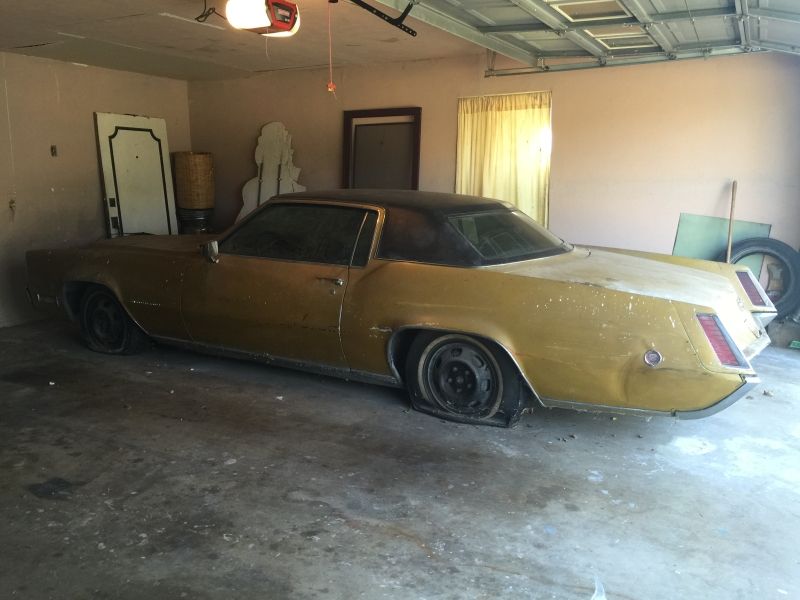
Somewhere around 1959, "what does this person drive" and "how well is this person doing" became the same question for millions of Americans, and Cadillac's Eldorado sat squarely at the top of the answer. The cadillac eldorado status symbol reputation did not happen by accident. Cadillac built the car, priced it, and marketed it deliberately to be the visible proof of arrival, and for nearly five decades it worked almost exactly as designed, generation after generation, regardless of what else was happening in the American economy at the time.
Priced to be seen, not just owned
From its 1953 debut, Cadillac set the Eldorado's price meaningfully above its own already-expensive lineup, a decision that had nothing to do with production cost and everything to do with signaling. A buyer paying that premium was not just purchasing transportation. They were purchasing the specific knowledge, shared by anyone who saw the car pull into a driveway, that they had chosen and could afford the most expensive thing Cadillac sold. That math held through most of the Eldorado's history, and it explains why the nameplate consistently outpriced comparably sized competitors from Lincoln and Chrysler even when the mechanical differences underneath barely justified the price gap in any strictly practical sense.
The 1959 to 1966 peak of visual excess
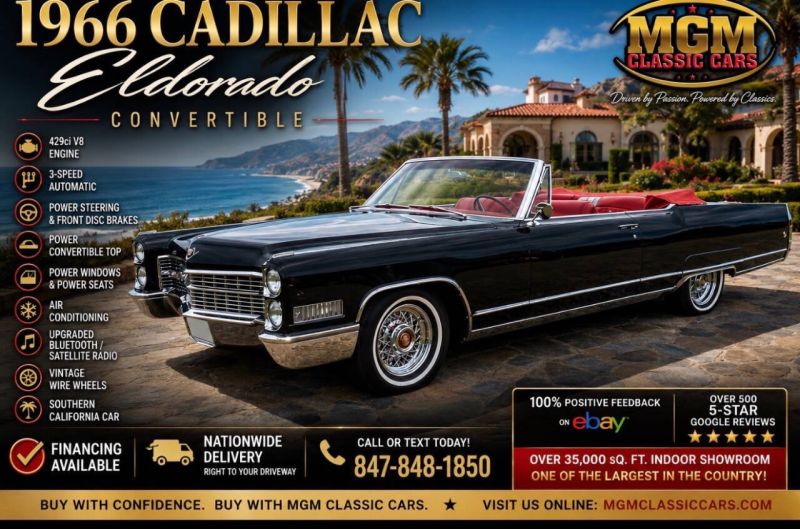
Tailfins, chrome, and scale reached genuine excess in this era, and the Eldorado led that charge within Cadillac's own lineup rather than following it. A car this size, this bright, and this expensive was not subtle, and it was never meant to be. Status in this period was not whispered. It was broadcast from two blocks away, and the Eldorado's design vocabulary of the late 1950s and early 1960s was built entirely around making sure nobody missed the message.
That broadcast extended well past the driveway and into the wider culture, a thread this magazine has covered at length in more on the cadillac eldorado pop culture if you want the fuller picture of how the car's reputation spread through music, film, and public life.
Status through generosity, not just ownership
Part of what cemented the Eldorado's status symbol reputation was how visibly people used it as a gift. Business owners rewarding top employees, entertainers rewarding family, and self-made buyers marking a first real financial milestone all reached for the Eldorado specifically rather than a competitor's flagship. That pattern reinforced itself over decades. Every widely known gift of an Eldorado became free advertising for the idea that this particular car was the one worth handing someone as proof of having made it.
"Nobody bought an Eldorado quietly. That was never really an option with this car, and Cadillac knew it from the very first year. The whole point was that everyone on the block would know within a week."
- Patrick Walsh
From sleek restraint to land yacht excess
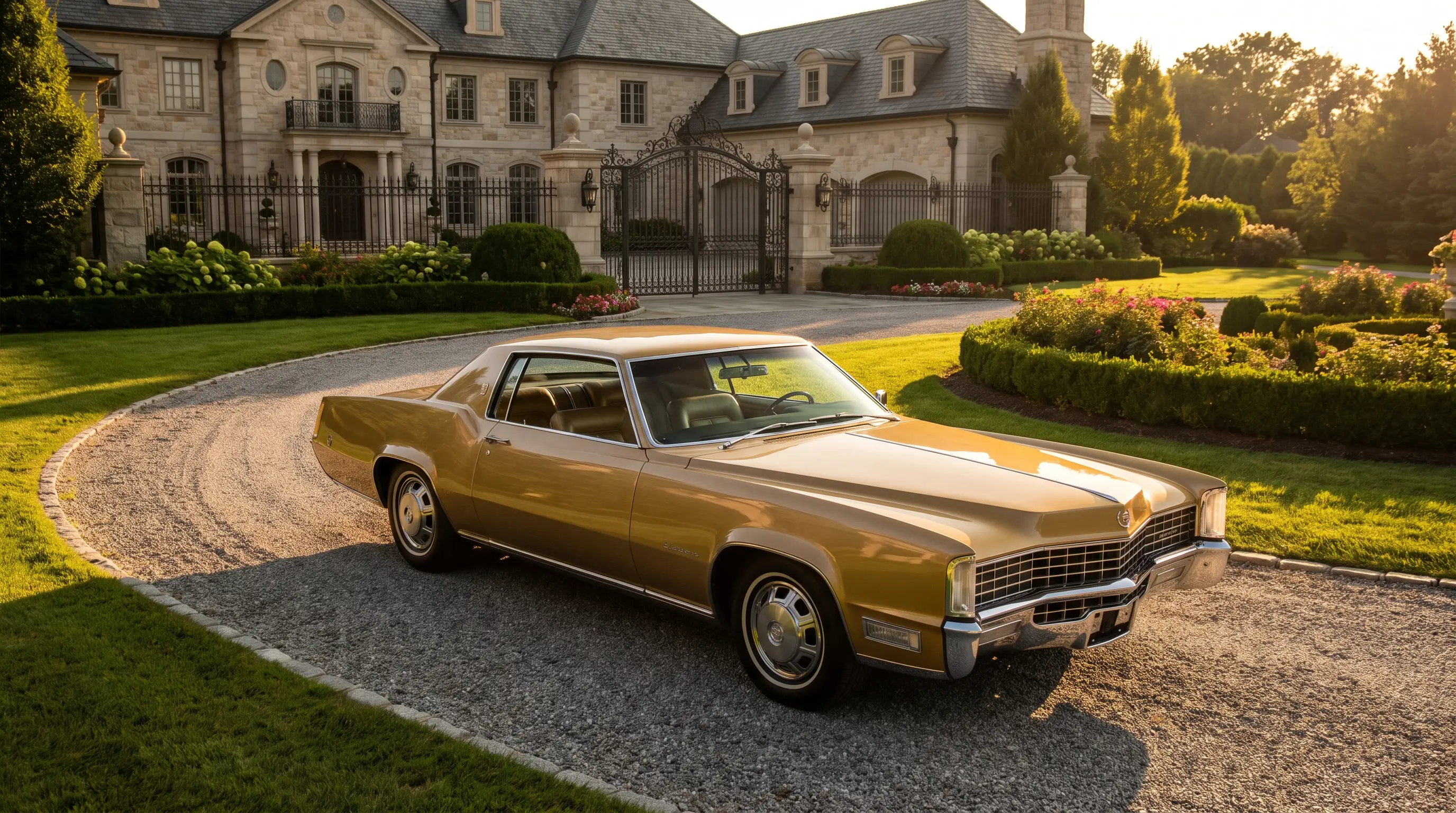
When the Eldorado moved to front wheel drive in 1967, the status message shifted subtly along with the mechanical layout. This was still an expensive, exclusive car, but the new body's low, sleek proportions read as sophisticated rather than merely large. Status in the late 1960s carried a bit more restraint, at least in the car's shape, even as the price and exclusivity remained fully intact. The Eldorado's audience during these years skewed toward buyers who wanted their success read as taste rather than pure scale, a subtler version of the same underlying message.
That restraint did not last. The 1970s brought status back to pure size and presence, culminating in the famous 1976 convertible sold at the time as the last American ragtop before the body style briefly disappeared. This was the Eldorado at its most unapologetic, a car that made no attempt to disguise what it was for. Buyers in this era were not shopping for subtlety, and the Eldorado gave them exactly what they were looking for in a market that still rewarded visible success without much apology.
The roots of that whole reputation trace back to the car's earliest years, covered fully in where this started for anyone who wants the complete origin story behind the nameplate's status. What the origin story makes clear is that none of this excess was accidental drift. Cadillac's product planners understood the assignment from the first year onward, and every generation after 1953 inherited a mandate to stay the most visible car in the lineup, whatever that required in a given decade.
That mandate showed up in small decisions as much as big ones. Standard equipment lists for the Eldorado routinely included items other Cadillac models charged extra for, a quiet way of making sure the base car itself already outpaced whatever a Coupe de Ville or Sixty Special buyer could option their way into. Dealers understood this too, and sales literature from multiple decades leaned hard into language about exclusivity and distinction rather than value, a pitch aimed squarely at a buyer who already had other options and wanted to be reminded why this one mattered more.
A reputation that outlasted the excess
Cadillac's 1986 downsizing and the smaller, more restrained Eldorados that followed could not fully replicate the earlier decades' pure scale-driven status, but the nameplate's reputation had already been built and proved durable well past its most visually dramatic years. Even the final Northstar-era cars and the 2002 Collector Series traded on decades of accumulated meaning that no single generation's styling decisions could erase. The Eldorado had become status symbol shorthand independent of whichever body happened to wear the name in a given year.
That is worth sitting with for a moment, because it is rare for a single model name to carry that much accumulated meaning across such different economic and cultural periods. The buyer who wanted an Eldorado in 1959 and the buyer who wanted one in 1999 were living in almost unrecognizably different Americas, yet both understood the purchase the same way. The car said the same thing at both ends of that forty year span, even though almost nothing about the vehicle itself, its engine, its size, its silhouette, stayed constant across those decades.
Few nameplates manage that kind of consistency in what they signal while changing so completely in what they actually are underneath the badge. That is the real measure of how well Cadillac built the Eldorado's reputation in the first place, and it is the reason the name still carries weight with collectors who never saw a single one of these cars new on a showroom floor.
That reputation still shapes what these cars command today, and classic Eldorados on the market let you see exactly how much of that original status still translates into real collector value across every single generation the nameplate ever produced.