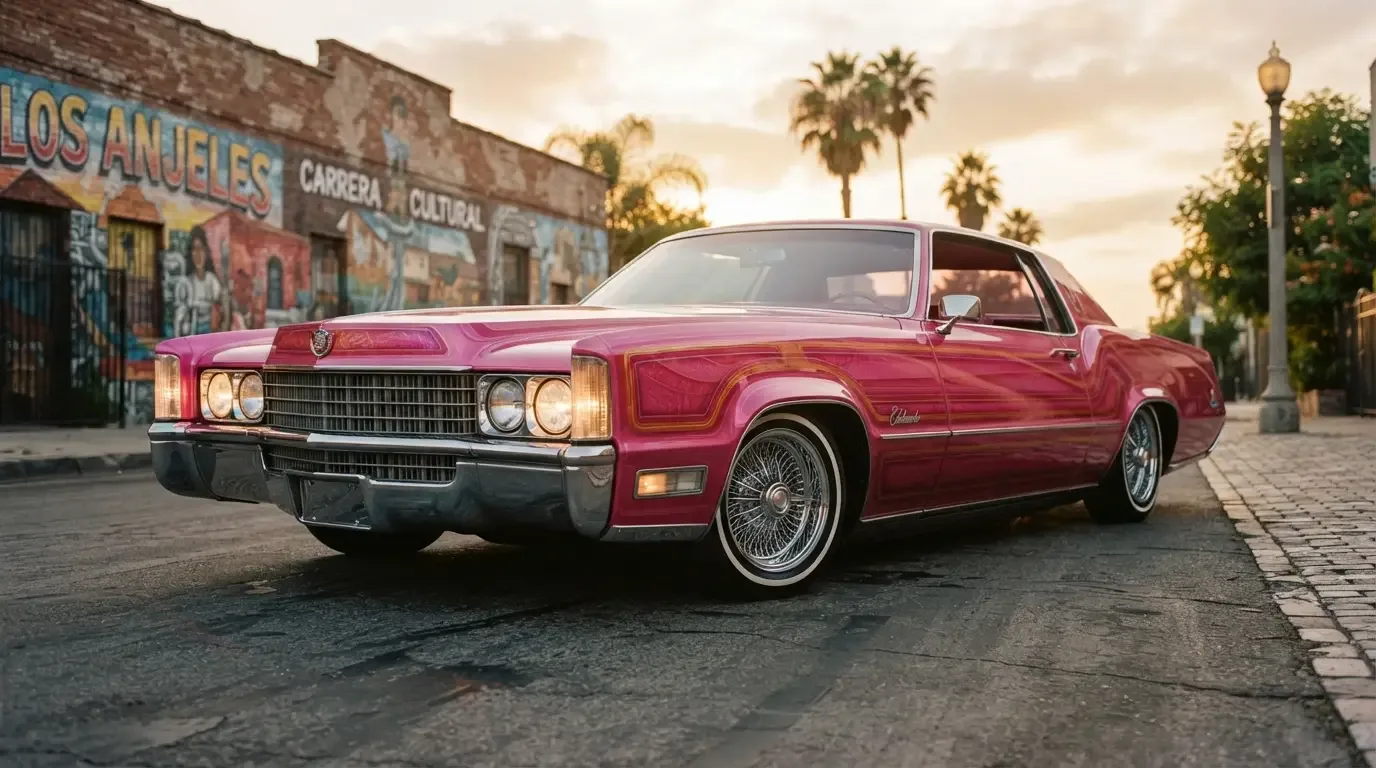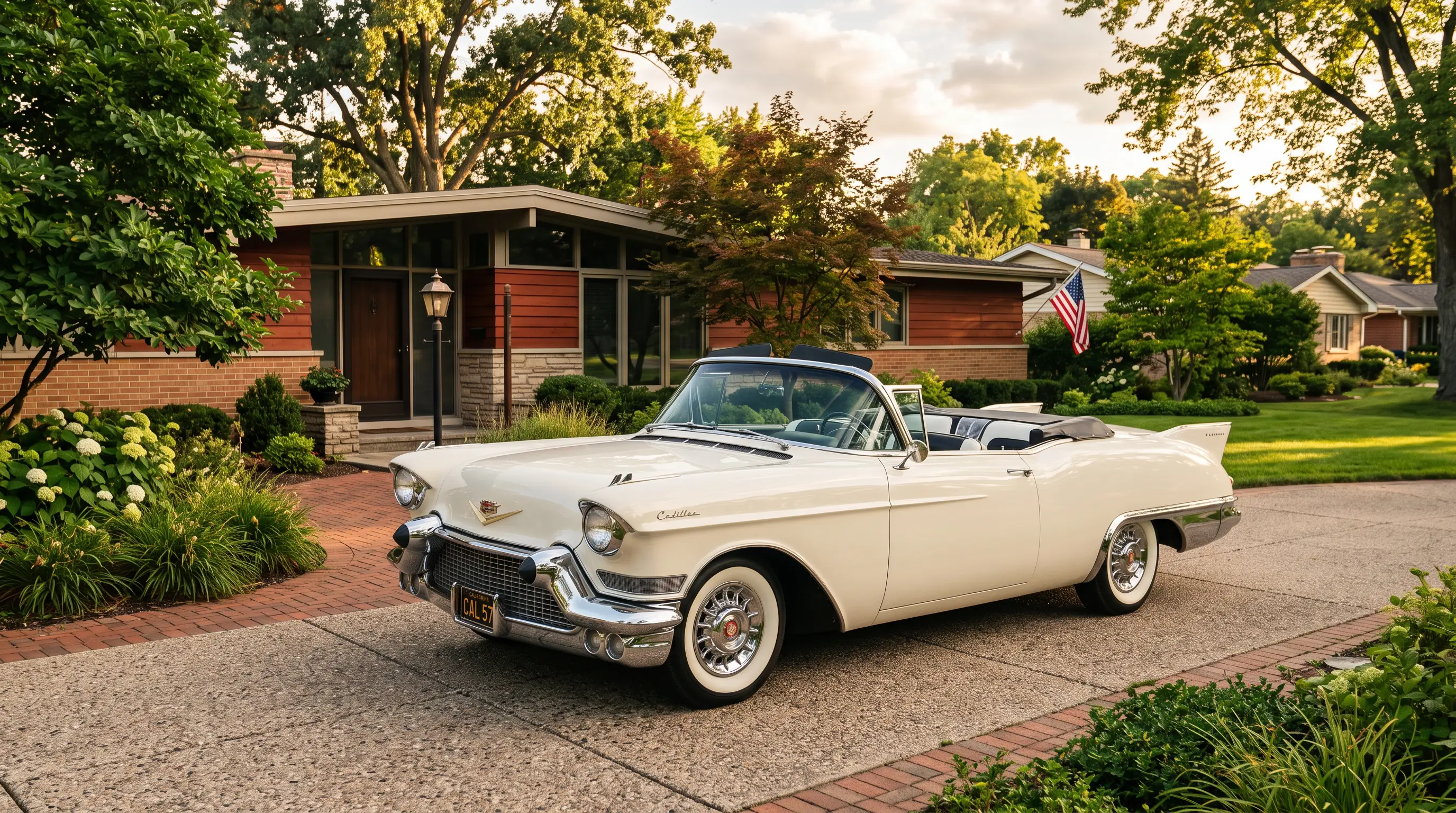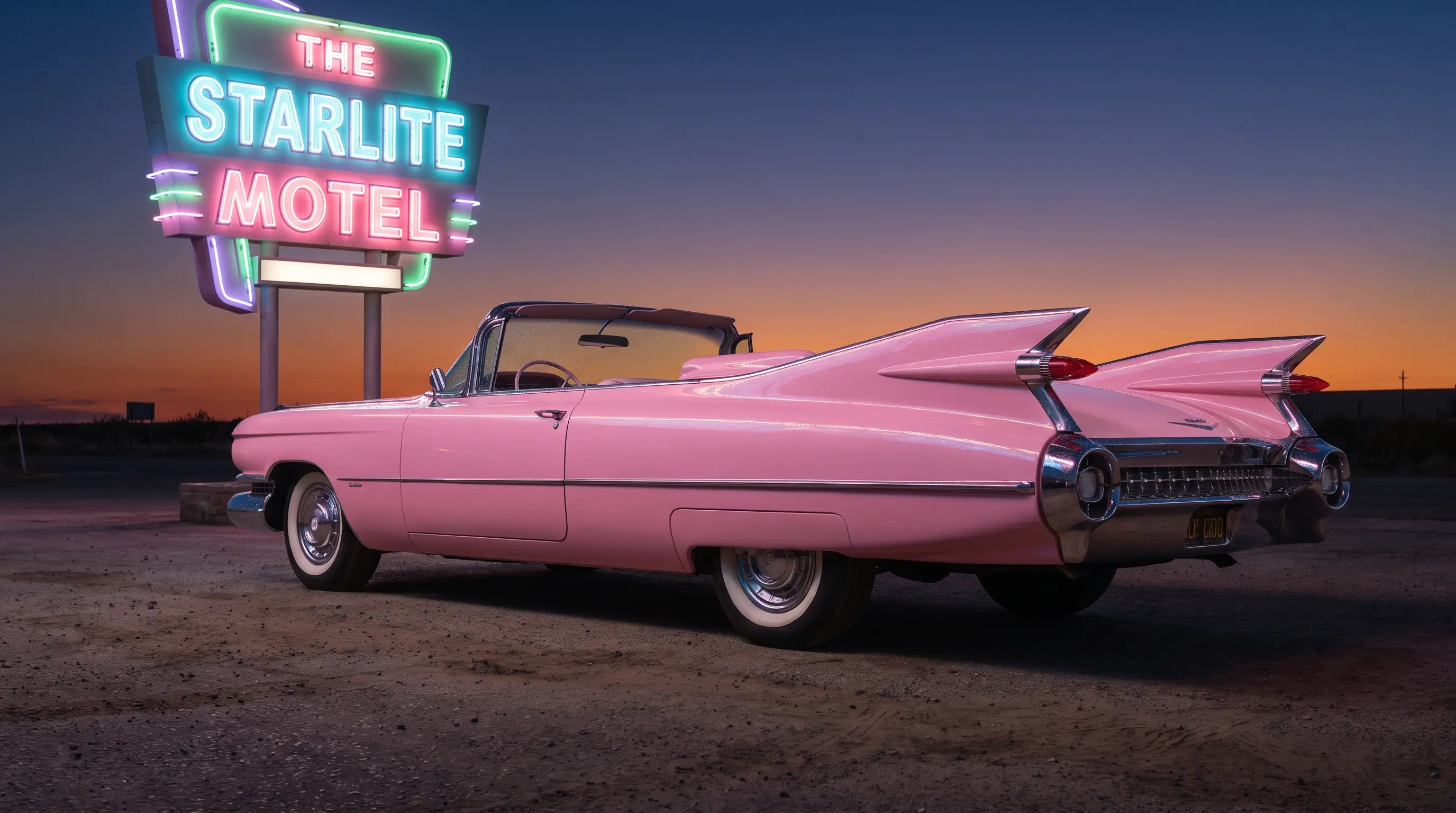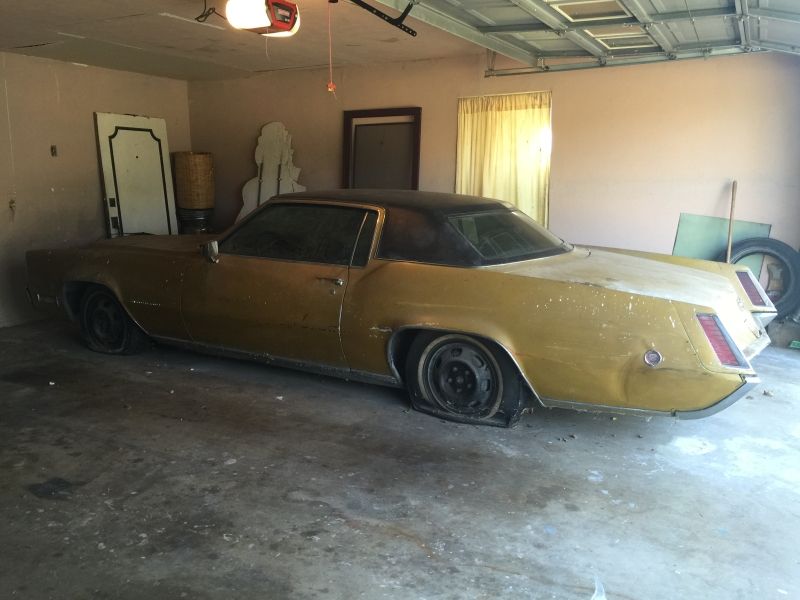
Every gangster movie needs a car that arrives before the man does, and directors kept reaching for the same answer. The gangster Cadillac Eldorado became such a reliable piece of shorthand in crime films that audiences learned to read it instantly, a long, chrome heavy coupe pulling up outside a restaurant meant someone important, and probably someone dangerous, was about to walk in.
Why filmmakers chose the Eldorado specifically
Crime films set in the 1950s through 1970s needed a car that communicated wealth without a single line of dialogue, and the Eldorado did that work better than almost any competing luxury coupe. Its size alone separated it from ordinary traffic in a period street scene, and its price tag, always positioned at the top of Cadillac's own lineup, meant audiences did not need to be told the character behind the wheel had money, the car already said it. Directors also favored the Eldorado because its silhouette changed distinctly across decades, tailfins in the 1950s, hidden headlights after 1967, sprawling chrome in the 1970s, giving production designers an easy visual shorthand for exactly which era of organized crime a scene was depicting.
A car that photographed like power
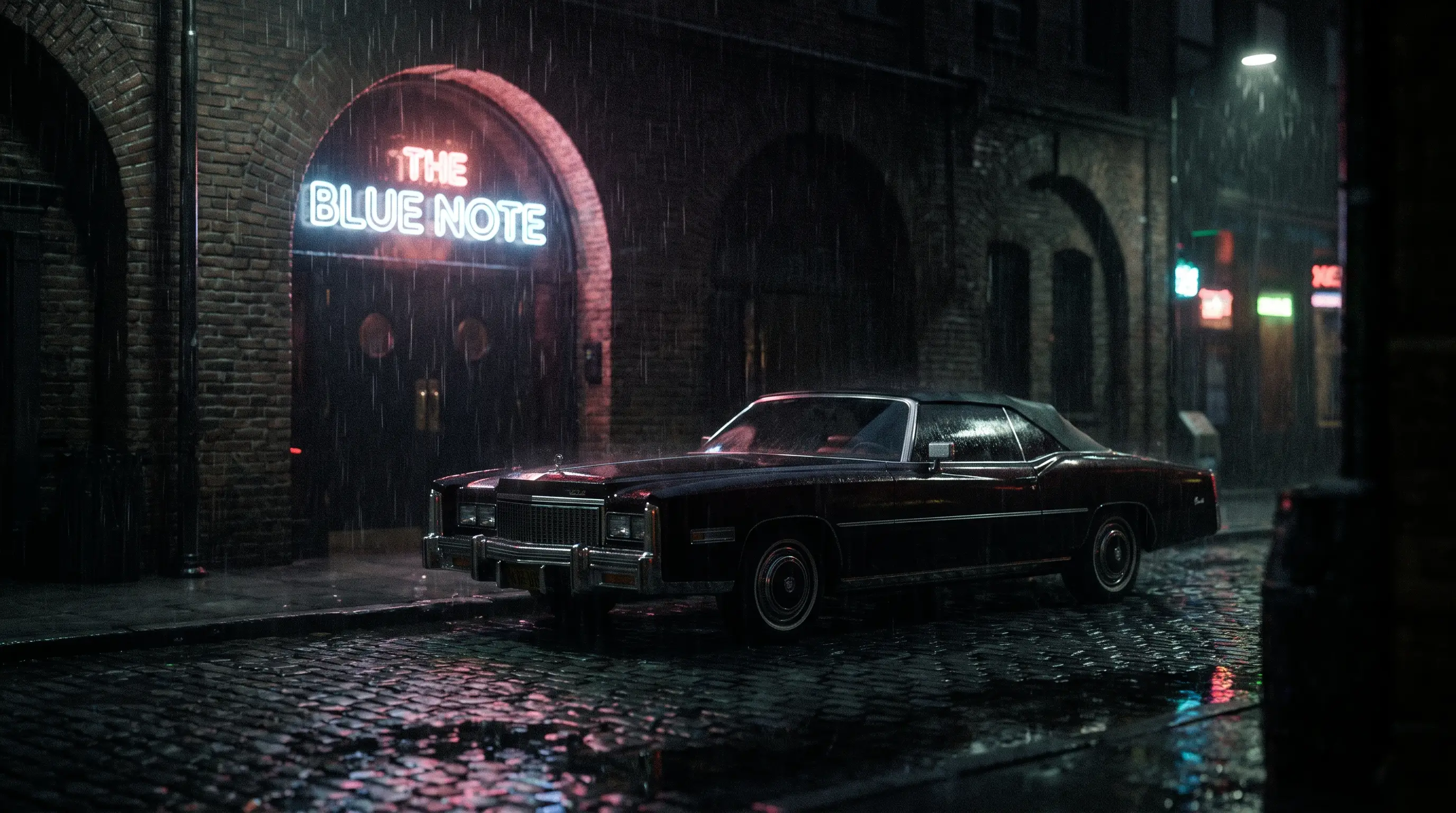
Cinematographers found the Eldorado useful for reasons beyond simple wealth signaling. Its long hood and low roofline created strong compositions in wide shots, and its available colors, deep black, dark maroon, occasionally white, all read powerfully on film in a way that busier or brighter cars often did not. A black Eldorado idling outside a social club at night became a recurring visual grammar across multiple films and television productions, repeated often enough that the image itself became a kind of genre signal independent of any specific movie that used it.
"A gangster walking toward a black Eldorado tells an audience everything it needs to know about that character in about four seconds, before he has said a single word."
- Patrick Walsh
Real history behind the movie image
The gangster Cadillac Eldorado connection was not purely a Hollywood invention. Organized crime figures across several American cities genuinely favored Cadillacs, Eldorados included, during the decades filmmakers most often depict, and period photographs and news coverage from that era back up the association rather than inventing it from nothing. The car's size offered practical advantages beyond image, a smoother ride for men who spent long hours in the back seat, and enough presence to double as an unspoken statement of territory outside a business establishment. Filmmakers researching these eras did not need to exaggerate much, they mostly needed to point a camera at what had already been true.
The land yacht era and peak movie presence
The Eldorado's largest, most theatrical form in the 1970s coincided with a wave of crime films set in that same decade, and the pairing proved especially durable on screen. A land yacht Eldorado, nearly nineteen feet of chrome and steel, gave directors an even more exaggerated visual tool than earlier generations offered, useful for scenes built around intimidation or unmistakable arrival. This era's Eldorado also happened to be genuinely common on real American streets at the time these films were being made, which meant production designers could source period correct examples without the difficulty later decades would present as cars from earlier eras grew scarcer.
How the image spread beyond film into wider culture
Once established on screen, the gangster association followed the Eldorado into other corners of American pop culture, referenced in music, discussed in car magazines and repeated often enough in casual conversation that many people who have never watched a single crime film still associate the model loosely with that world. This pattern mirrors how the car picked up other reputations over the decades, celebrity ownership, advertising imagery and musical references all working alongside the film connection to build one continuous cultural picture. Our complete history covers that fuller picture, tracing how each of these threads reinforced the others rather than developing in isolation.
Specific scenes that cemented the association
Certain individual scenes across the crime genre did more to fix the Eldorado in audience memory than any general trend could manage on its own, a car pulling up slowly outside a restaurant as tension builds, a wide shot lingering on a row of parked Eldorados outside a private club, a single black example idling at a curb while a conversation happens just out of frame. These moments worked because directors trusted the car to carry meaning without explanation, confident that audiences already understood the visual language being used. Repeated across enough films and enough decades, these individual scenes accumulated into something closer to a shared cultural memory than a series of separate artistic choices, each new film borrowing credibility from every one that came before it.
Costume, casting and the car working together
Production designers rarely used the Eldorado in isolation, pairing it deliberately with tailored suits, specific hat styles and carefully chosen supporting cast to build a complete period picture rather than relying on the car alone to carry an entire scene. The Eldorado functioned best as one piece of a larger visual system, its chrome and length balanced against the sharp lines of a well cut suit or the geometry of a period appropriate storefront. When that full picture came together correctly, audiences rarely noticed any single element working especially hard, which is itself a sign of how well the car had been integrated into the broader visual language of the genre by the time these films were being made.
Separating the myth from the mechanical reality
It is worth remembering that most Eldorados sold across the model's long run went to ordinary buyers with no connection whatsoever to organized crime, doctors, business owners, retirees who simply wanted the biggest, most comfortable coupe Cadillac built that year. The gangster reputation, while grounded in some real history, represents a small and heavily dramatized slice of the car's overall ownership story rather than a defining truth about the model itself. That distinction matters for anyone researching a specific car's history today, since a dramatic reputation built by film and folklore should never be mistaken for documented provenance.
What the movies got right was the car's presence, a shape built to be noticed from across a street, and that same presence still draws buyers today for reasons having nothing to do with any fictional crime family. Anyone drawn to that same commanding silhouette can browse classic Eldorado listings and decide for themselves whether the reputation still holds up in person.
Decades after the crime films that first cemented the association fell out of regular rotation, the image persists mostly because it was built on something genuinely true about the car, a shape designed to be seen, in a color built to disappear into shadow the moment its work was done.
Sources and notes
- Cadillac Eldorado - Wikipedia
- Last Time Around: The 1971-1976 Cadillac Eldorado Convertible - Ate Up With Motor
- 1970 Cadillac Eldorado Hardtop Coupe full range specs - Automobile Catalog
- CC Capsule: 1976 Cadillac Eldorado Convertible - Curbside Classic
- Cadillac Eldorado 50-Year History - Automotive Heritage Foundation