Everyone knows the pink Cadillac. Almost nobody agrees on which pink Cadillac they actually mean. The pink Cadillac Eldorado myth has grown so large in American memory that it now covers cars the Eldorado nameplate never touched, a slippage worth untangling for anyone trying to separate the real history from the legend that grew up around it.
Elvis, his mother and a Fleetwood, not an Eldorado
The most famous pink Cadillac in American culture, the one Elvis Presley bought and gave to his mother Gladys in 1955, was a Fleetwood Series 60 Special, not an Eldorado. That distinction gets lost constantly in retellings, partly because Presley's pink Cadillac became such a dominant cultural image that people simply attach the story to whichever Cadillac model happens to be most familiar to them at the time. The Eldorado, as Cadillac's flagship model during these same years, absorbed some of that borrowed fame simply through proximity and shared branding, even though the specific pink car everyone remembers belonged to a different model line entirely.
Did Eldorados actually come in pink
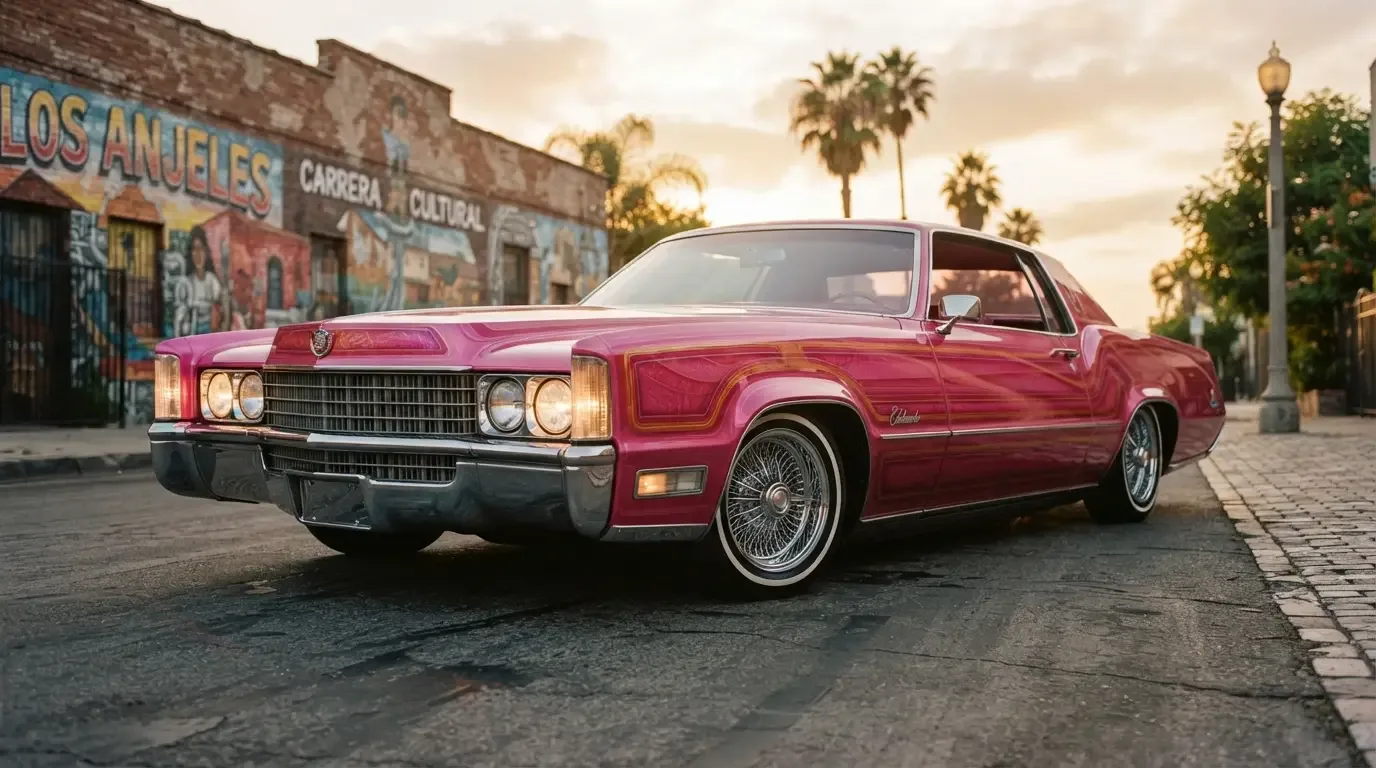
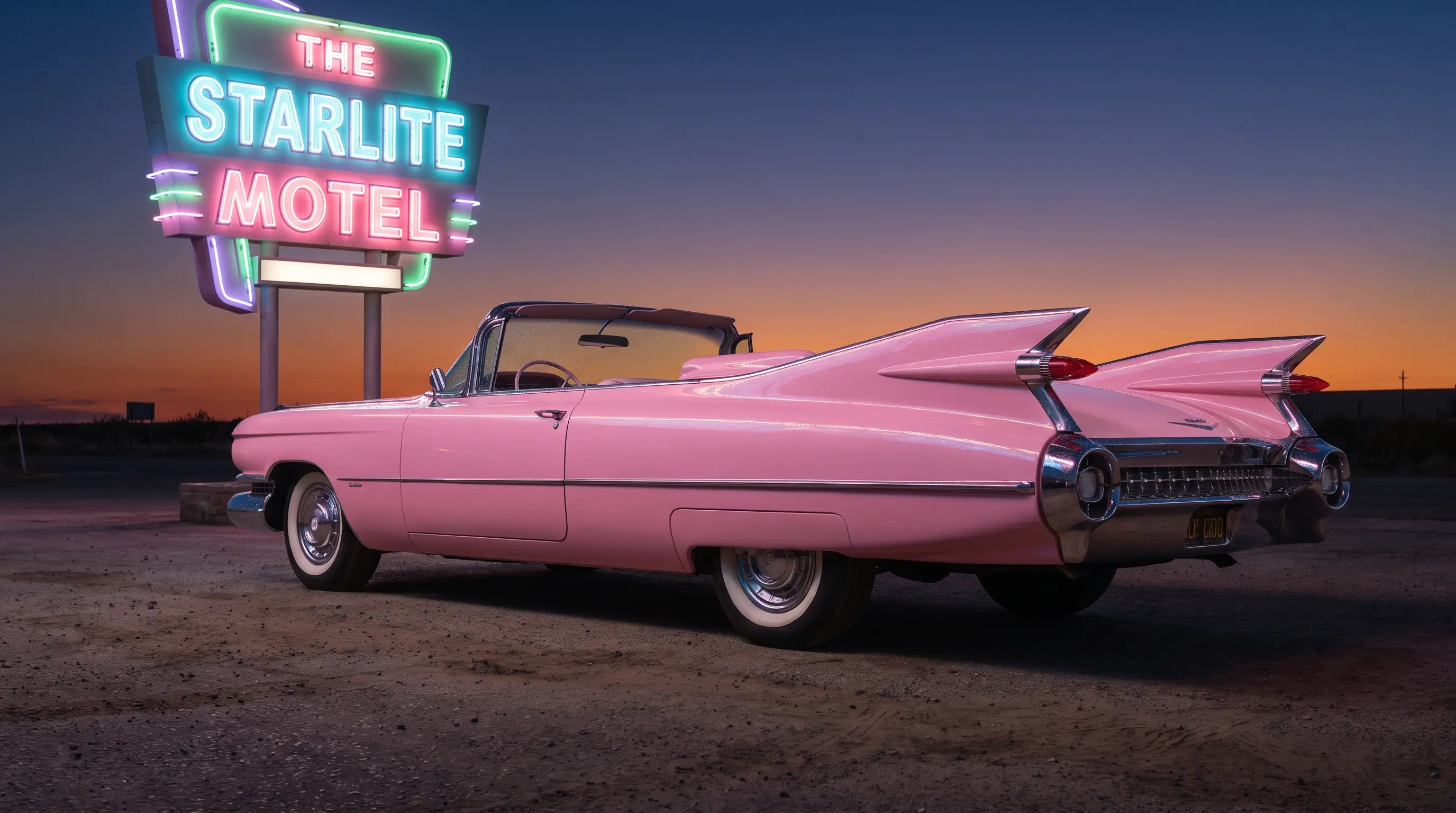
Setting the Elvis myth aside, genuine pink paint options did exist across various Cadillac model years, and factory or dealer applied pink finishes on Eldorados specifically were not unheard of, particularly during the 1950s when pastel colors enjoyed real popularity across the American auto industry generally. Pink was part of a broader midcentury color palette that also included mint green, powder blue and cream, all colors that read as optimistic and modern to buyers only a few years removed from wartime austerity. An Eldorado ordered in a genuine pink or rose tone during this period represents real, documented history rather than pure myth, even if it was never the most common color choice on the order sheet.
"The pink Cadillac story survives because it is a better story than the truth, but the truth still has a pink Eldorado or two hiding inside it if you look closely enough."
- Nora Beckett
How the myth kept spreading
Once the Elvis association took hold in American popular memory, the pink Cadillac idea became a kind of free floating symbol, reused in songs, films and casual conversation without much concern for which specific model the original car actually was. The Eldorado, sitting at the top of Cadillac's lineup and carrying the brand's most recognizable name among casual observers, became a natural landing spot for that symbolism even in cases where the actual pink car being referenced belonged to a completely different model. This kind of drift is common in pop culture generally, a specific true story simplifying over decades into a broader, less accurate but more memorable version.
Why the color mattered so much culturally
Pink carried specific cultural weight in 1950s America that later decades sometimes overlook, associated at the time with modernity, femininity and a kind of playful confidence that contrasted sharply with the somber black and gray palettes common on prewar luxury cars. A pink Cadillac, Eldorado or otherwise, signaled a buyer unafraid to stand out, which fit neatly alongside the model's existing reputation for flagship visibility. That cultural context helps explain why the color choice stuck so firmly in public memory decades later, it was not simply an unusual paint job, it represented a genuine shift in how Americans thought about luxury and self expression during the postwar years.
How the story fits the wider Eldorado legend
The pink Cadillac myth is only one thread in a much larger set of stories the Eldorado has picked up over its long production run, spanning music, film, celebrity ownership and decades of advertising built around similar ideas of visibility and arrival. Cadillac Eldorado pop culture history traces that fuller picture, showing how the pink Cadillac legend sits alongside other stories that reveal just how thoroughly this one nameplate embedded itself into American cultural memory well beyond its own mechanical specifications. That pattern shows up elsewhere too, including in a related story about a very different regional myth that grew up around the same car.
Songs, movies and the color's own second life
Musicians and filmmakers picked up the pink Cadillac image independently of the specific car that inspired it, using the color as its own kind of shorthand for femininity, defiance and a particular strain of American glamour that black or white cars could not quite capture in the same way. A pink Cadillac in a song or a film rarely needed to specify a model at all, since the color alone carried enough recognition to complete the picture in a listener's or viewer's imagination. That flexibility helped the myth outgrow any single real car, becoming less a reference to one specific Fleetwood in Memphis and more a floating cultural shorthand available to any writer who needed it, Eldorado included, whenever the story called for a splash of impossible color.
Restoration shops and a color that keeps coming back
Restoration specialists who work regularly on 1950s Cadillacs report steady demand for pink and rose toned repaints, often requested specifically because a customer wants to recreate the feeling of the famous car rather than because the vehicle in question ever wore that color from the factory. This creates its own small complication for future buyers and historians, since a pink Eldorado on the market today might represent genuine period correct history, a modern tribute repaint, or something in between, and the distinction usually only becomes clear through careful research into a specific car's paperwork and paint history rather than through appearance alone.
What buyers should know today
For anyone researching or shopping for a genuinely pink Eldorado today, the practical advice is straightforward, verify any color claims against factory documentation rather than family legend alone, since pink examples do exist but remain far less common than the myth would suggest. A documented factory pink Eldorado carries real appeal for collectors specifically interested in midcentury color trends, distinct from the broader and less specific fame borrowed from Elvis Presley's Fleetwood. Buyers curious about the real range of colors and body styles available across the model's run can look at Eldorados for sale now and see firsthand how much variety actually existed beyond the one famous pink car that never technically wore the Eldorado name at all.
The pink Cadillac Eldorado myth endures precisely because it blends a little bit of truth with a lot of borrowed glamour, and untangling the two is part of what makes the real history, faded order sheets and factory paint codes included, worth the effort of digging into.