Ask ten collectors which car deserves the title of most beautiful Cadillac Eldorado and you will get at least six different answers, usually delivered with more conviction than the question probably warrants. That disagreement is itself telling. Across nearly fifty years of production, the Eldorado wore so many genuinely striking shapes that picking a single high point means weighing decades against each other, tailfins against clean-sheet modernism against understated 1990s confidence.
The case for 1959
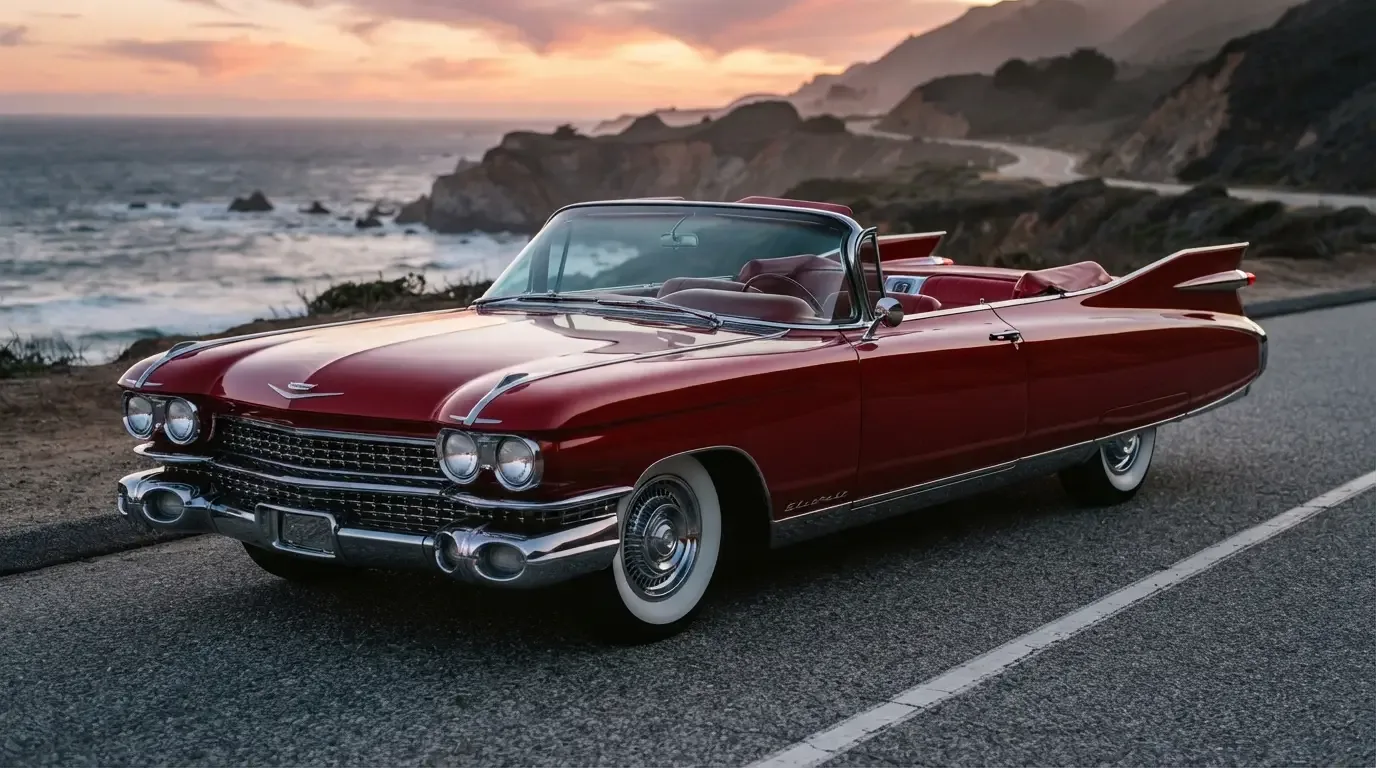
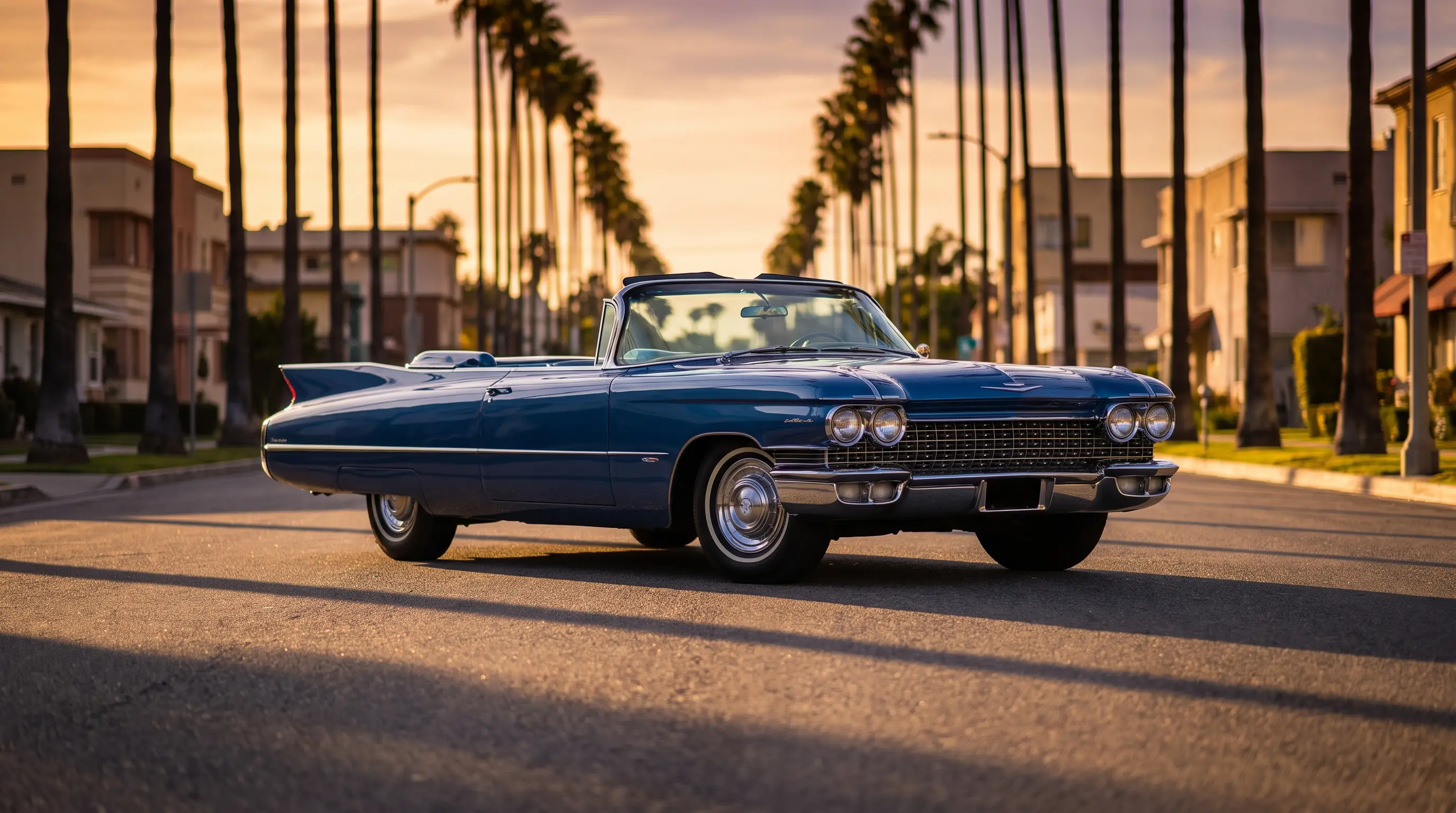
No Eldorado year gets nominated more often than 1959, and it is easy to understand why. The car's fins reached their absolute peak that year, paired with quad headlights, dramatic bullet taillights, and enough chrome to make every other American car on the road look conservative by comparison. It is the Eldorado most people picture the instant someone says the name, the version that shows up on posters and in movies whenever a filmmaker wants to signal late-1950s American excess in a single frame.
Critics of the 1959 pick argue it tips into caricature, that the fins and chrome overwhelm the underlying proportions rather than complementing them. Supporters counter that overwhelming was exactly the point, and that judging 1959 by restrained modern taste misses what the car was actually trying to accomplish for buyers living through that specific cultural moment.
What is undeniable is the car's presence at any gathering it attends today. Park a 1959 Eldorado Biarritz among a row of otherwise stately postwar classics and it draws a crowd faster than almost anything else on the field, fins catching light from every angle, chrome bouncing reflections across the surrounding cars. That reaction alone makes a strong case for the year, whatever the design purists argue about restraint.
The case for 1953 and pure origins
A smaller but passionate group of collectors argues the original 1953 Eldorado remains the most honest expression of the nameplate, before the fins grew to their later extremes. That first Eldorado, built in limited numbers as a halo convertible, carried a cleaner, more restrained take on Cadillac's emerging design language, wraparound windshield included, without the accumulated ornamentation that later years piled on. There is something to be said for a design seen in its earliest, least compromised form, before commercial pressure pushed each successive model year toward more chrome and more spectacle.
There is also a scarcity argument that reinforces the aesthetic one. Because so few 1953 Eldorados were built, encountering an original example in person is rare enough that most enthusiasts have only seen photographs. That rarity feeds the mystique, and it gives the 1953 argument a kind of quiet authority that louder, more commonly seen model years simply cannot claim no matter how dramatic their sheet metal is.
The case for 1967's clean break
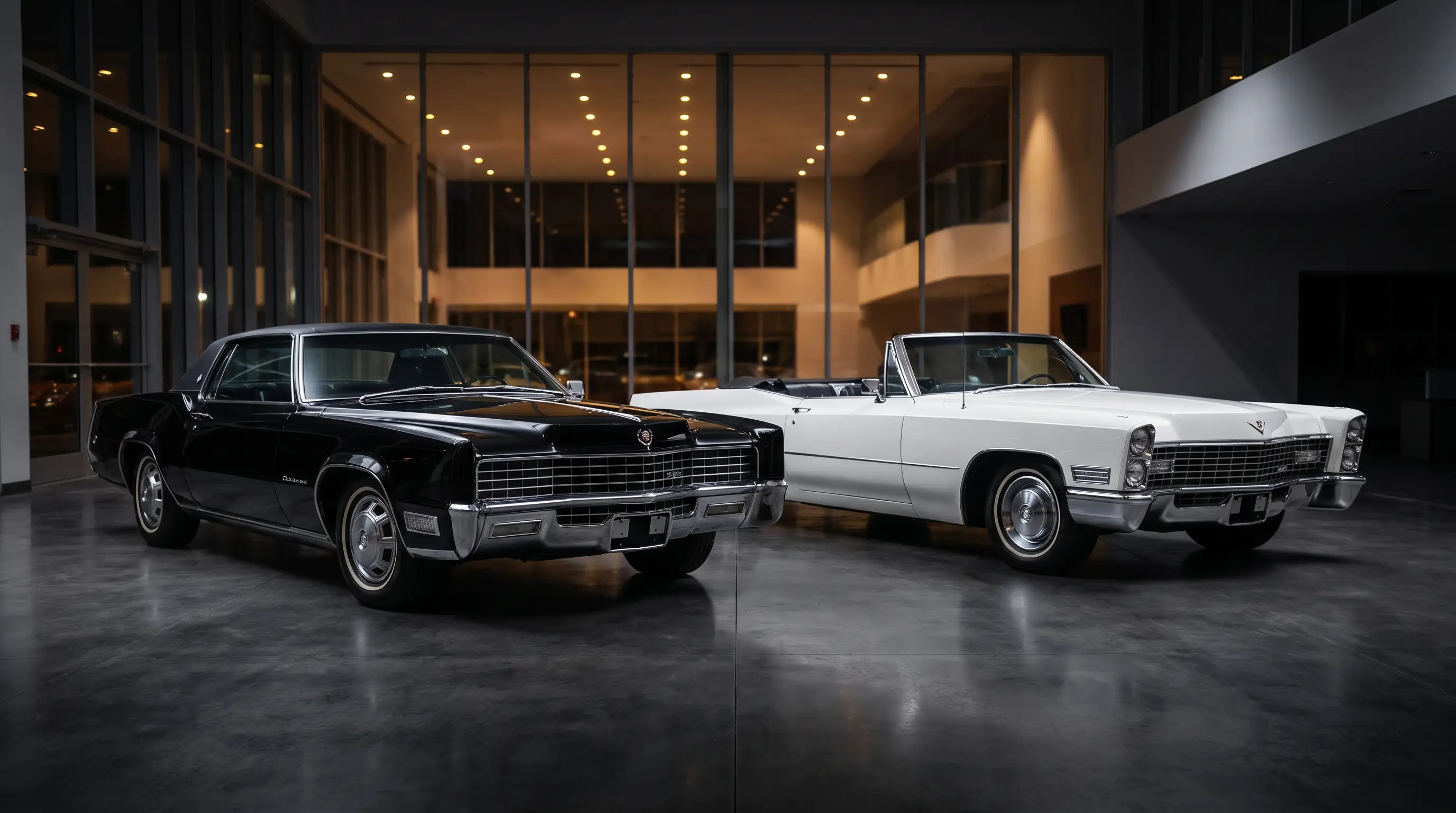
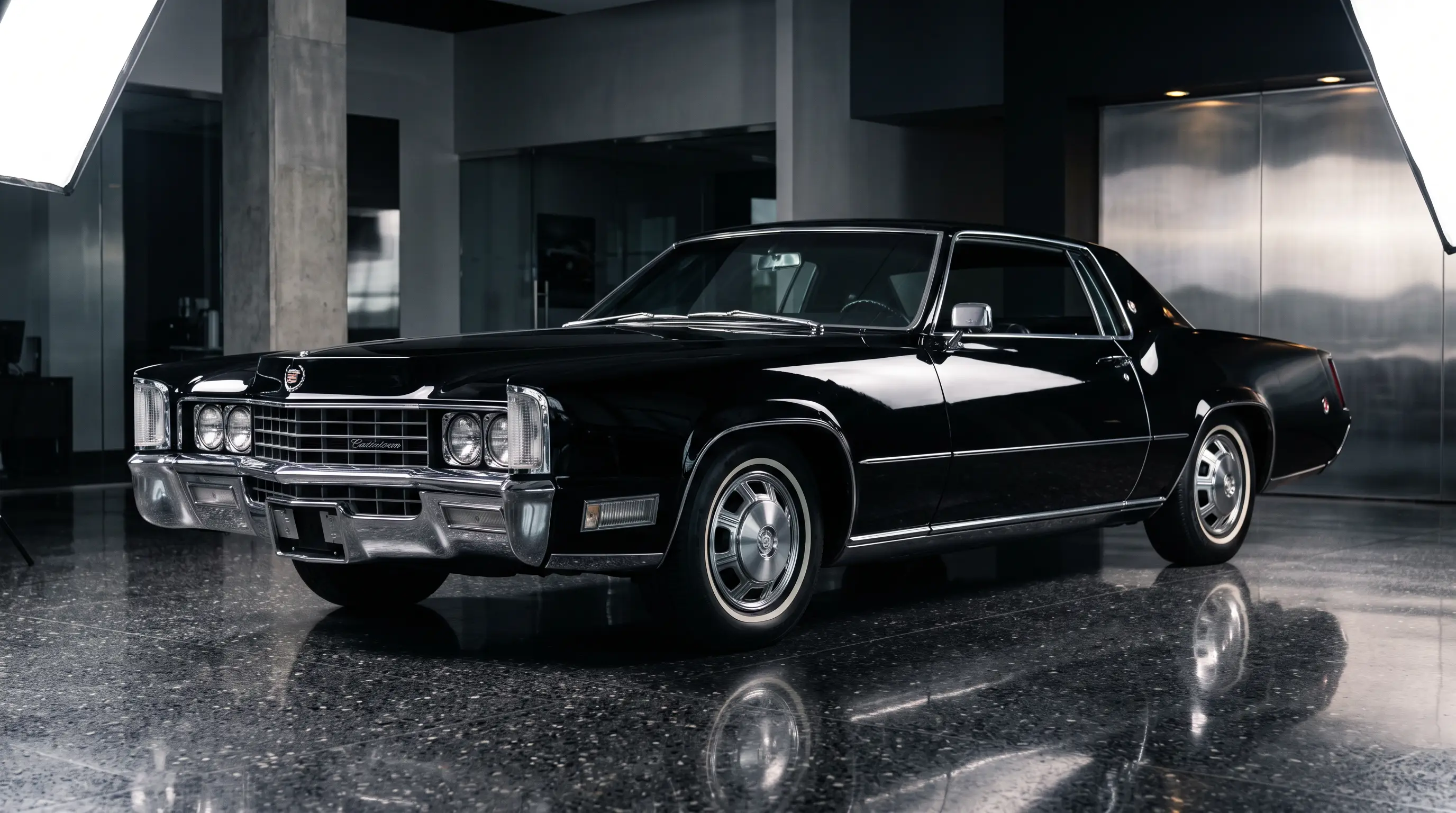
Design purists often make a different argument entirely, pointing to the 1967 Eldorado's switch to front-wheel drive and its genuinely radical, low, sharp-edged body as the high point of the nameplate. Without a driveshaft tunnel to accommodate, the car achieved proportions no earlier Eldorado could match, a long hood, a low beltline, and hidden headlights that gave the front end a clean, uninterrupted surface. Where 1959 leaned entirely on ornamentation, 1967 leaned on architecture, and plenty of design historians consider that shift the more sophisticated achievement even if it never captured the popular imagination the way the finned cars did.
Part of what makes the 1967 argument compelling is how well the design has aged. Cars that lean on ornamentation for their appeal can start to feel dated once that particular fashion passes, while a car built around clean proportions tends to look considered decades later in a way flash alone rarely manages. Park a 1967 Eldorado next to contemporary luxury coupes today and it still reads as confident and modern rather than as a period piece, which is a rare achievement for a design nearly sixty years old.
That styling story, and the engineering that made it possible, is covered in full detail in our complete history, which traces exactly how the Eldorado moved from tailfin excess to architectural restraint across a single decade.
"Beauty in this car's story is never one thing. Some years it is spectacle, other years it is discipline, and the honest answer to which is more beautiful depends entirely on what you think a great design is supposed to do."
- Nora Beckett
The overlooked case for the 1990s coupes
Less debated, but worth including, is the Northstar-era Eldorado of the early and mid 1990s. These cars traded drama for a softer, more aerodynamic shape that suited the decade's design language, and they are often underrated simply because they lack the theatrical presence of the earlier generations. Viewed on their own terms, without measuring against fins and hidden headlights, the 1990s coupes represent a genuinely confident, well-resolved shape, one that photographs beautifully in profile and that many owners describe as the most comfortable and most livable Eldorado ever built.
The final 2002 Collector Series closed out the nameplate on a similarly confident note, giving the Eldorado's long run a graceful ending rather than an awkward fade.
Owners of these later cars often make a quieter but persuasive point in their own defense. Living with an Eldorado day to day, rather than trailering it to a show once a season, changes how beauty gets weighed. Visibility, ride comfort, and how a shape reads from behind the wheel rather than from across a parking lot all factor differently once a car is being driven rather than displayed, and the 1990s coupes tend to win that particular argument even when they lose the photograph contest.
Why the debate itself matters
The fact that this argument never fully settles is a genuine strength of the Eldorado's story rather than a weakness. Few American nameplates ran long enough, or changed direction dramatically enough between generations, to generate a real debate about which era represents the design at its best. A car that only ever refined a single original shape rarely inspires this kind of disagreement. The Eldorado earned it by being genuinely different across its five decades, brave enough to abandon what worked in favor of something new more than once.
For collectors trying to settle the question for themselves rather than take anyone else's word for it, there is no substitute for comparing real examples side by side. Those ready to start looking can browse classic Eldorado listings spanning multiple generations and form their own opinion about which year actually deserves the title, an argument that has kept Cadillac enthusiasts talking for longer than most of these cars have been considered classics at all.
My own opinion changes depending on which car I have most recently stood in front of, which is probably the most honest answer anyone can give. A 1959 in strong original condition makes the case for spectacle. A clean 1967 makes the case for discipline. Both are right, and the willingness of a single nameplate to be right about beauty in two completely opposite ways across less than a decade is exactly what keeps this argument alive at every Cadillac gathering I have ever attended.