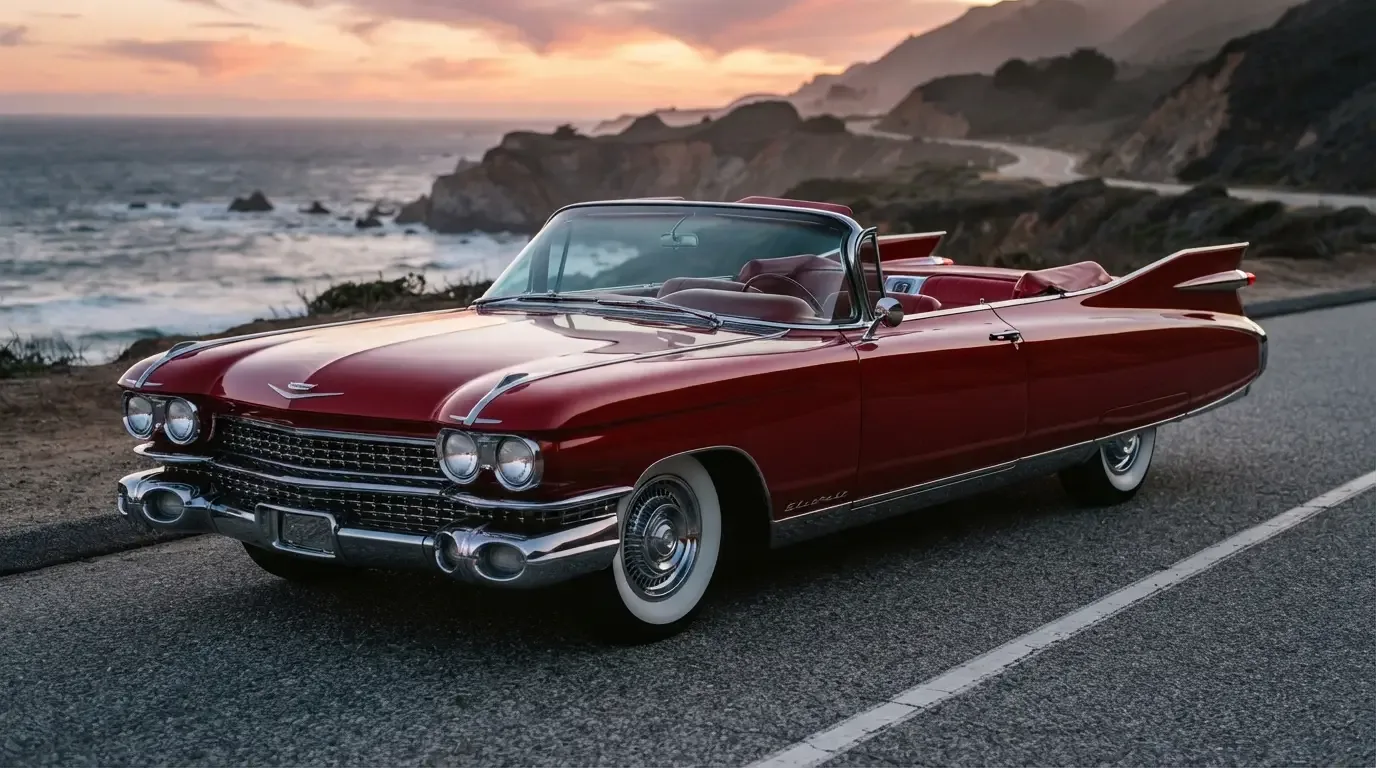
Every restorer who has replaced glass on a 1950s Cadillac knows the Cadillac wraparound windshield era caused more headaches on the assembly line than any styling flourish had a right to. It also looked spectacular, which is exactly why the industry chased it despite the compromises. I have handled enough of these panes to know the wraparound windshield was one of the hardest pieces of glass Detroit ever tried to mass produce, and the Eldorado wore it as well as anything on the road.
What the wraparound actually required
A wraparound windshield curves not just front to back like a conventional pane, but around the A-pillar corners as well, wrapping partway into the side of the car. That compound curve was extremely difficult to manufacture consistently in the mid-1950s, when glass-forming technology was nowhere near as advanced as it is today. Getting a single piece of laminated glass to hold that shape without distortion or weak points took real engineering effort, and it pushed suppliers to develop new tempering and bending processes just to keep up with what stylists wanted.
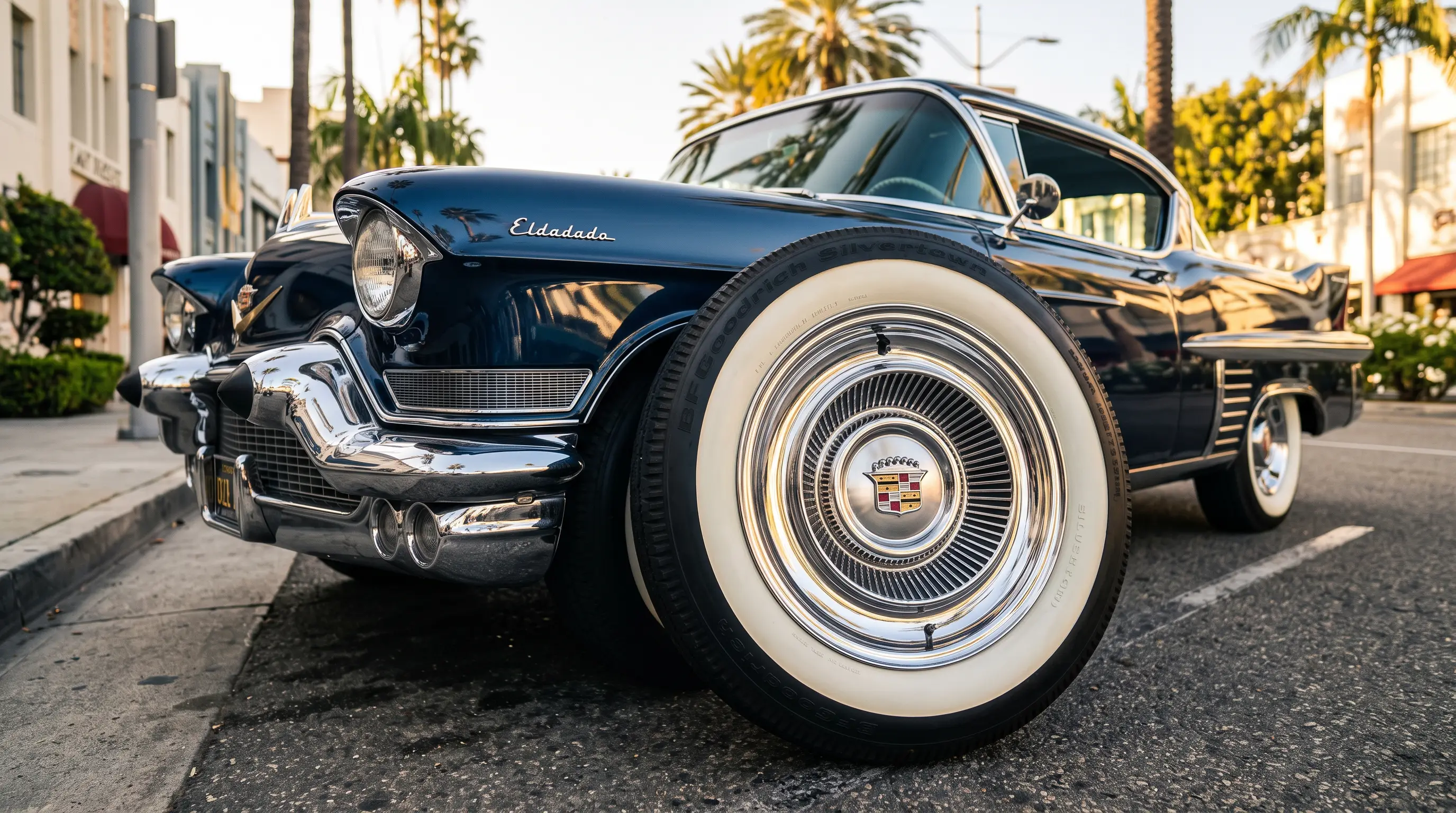
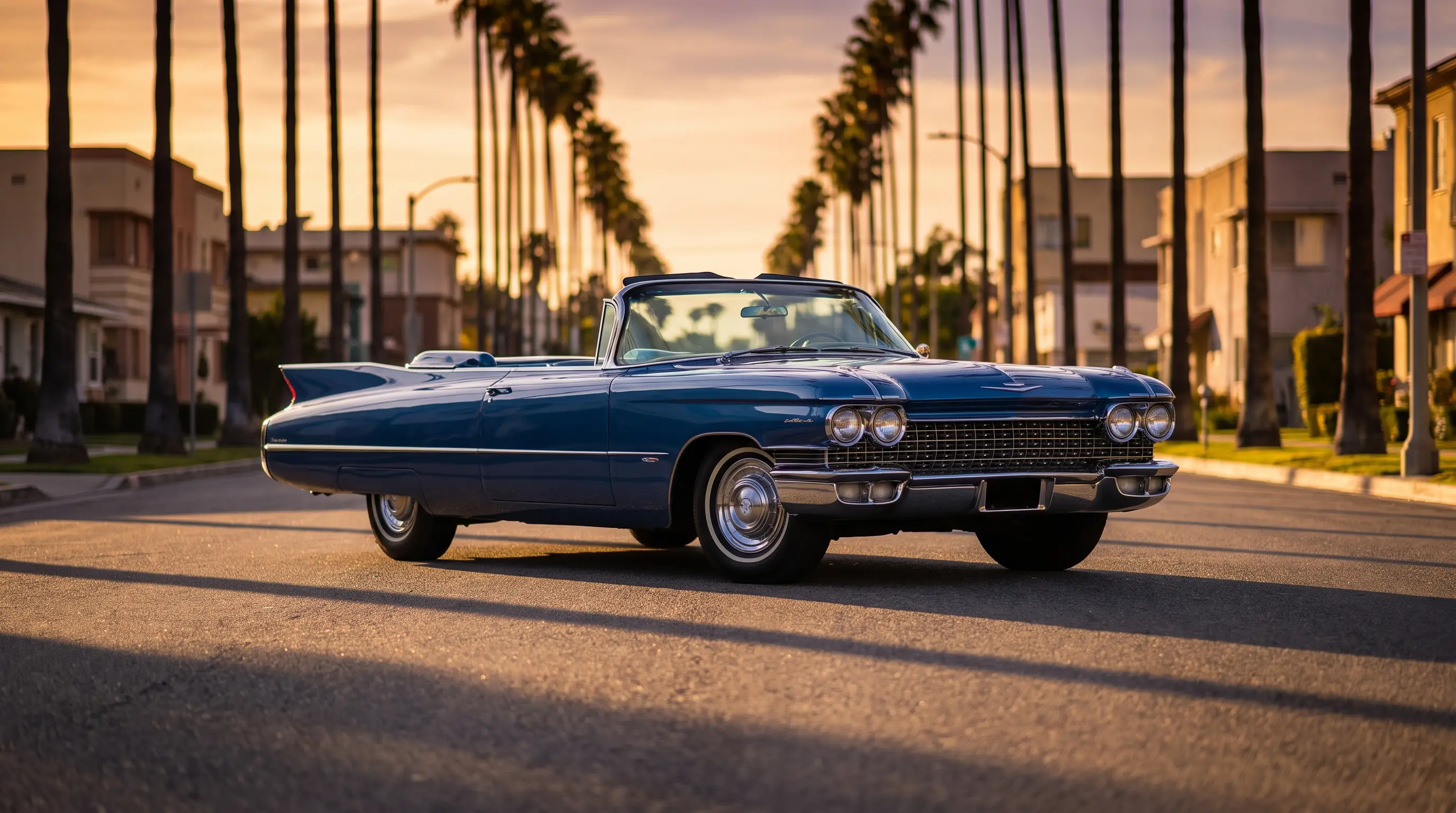
The Eldorado adopted the wraparound windshield alongside the rest of the Cadillac lineup in the mid-1950s, and it became one of the clearest visual signatures of the era, giving the car a lower, more dramatic roofline and a genuinely different feel from the driver's seat compared to earlier flat-glass Cadillacs.
Suppliers had to solve problems most car buyers never think about, like how to keep the curved corners from distorting the driver's view of the road at an angle where a driver actually looks most often, checking cross traffic or a mirror. Early production runs were not perfect on this front, and some period reviewers noted mild distortion near the extreme edges of the curve, a tradeoff Cadillac and its suppliers kept refining year over year as the manufacturing process matured.
The dogleg problem nobody talks about enough
The wraparound's most famous flaw was the dogleg, the sharply angled A-pillar created where the curved glass met the body. That angle intruded directly into the space where a driver's knee sat getting in or out of the car, and it was a genuine annoyance owners complained about for years. I have talked to more than one original owner's family member who remembers barked shins from that exact pillar, and it is a detail period road tests mentioned surprisingly often for something that never got redesigned away during the years it was in production.
From a repair standpoint, the dogleg pillar also complicated bodywork. Rust and collision damage in that area required precise metalwork to keep the compound curve of the windshield opening true, since even minor distortion there would prevent a replacement pane from seating correctly.
Cadillac was hardly alone in fielding this complaint. Nearly every domestic manufacturer that adopted wraparound glass during these years heard the same criticism from owners, which tells you the dogleg was less a Cadillac-specific design flaw than an unavoidable consequence of the shape itself. Knowing that does not make the shin bruises any less real, but it does explain why nobody solved the problem outright until the whole industry moved past extreme wraparound glass entirely.
Why stylists pushed for it anyway
Despite the manufacturing headaches and the dogleg complaint, the wraparound windshield delivered exactly what stylists wanted, a lower, sleeker roofline and a sense of visibility and openness that flat-glass cars simply could not match. It fit the broader jet-age design language sweeping through Detroit at the time, giving cars a canopy-like feel that echoed the fighter aircraft cockpits designers were drawing inspiration from during those years. On the Eldorado specifically, the wraparound glass paired with the car's long hood and dramatic fins to create a genuinely futuristic silhouette that period buyers had never seen before.
Interior visibility improved too, at least from the sides. A driver sitting behind a wraparound windshield had a noticeably wider forward field of view than in earlier flat-glass Cadillacs, something salespeople leaned on during test drives even as they quietly worked around the dogleg's reputation for catching a knee on the way in or out of the car.
"You can love the way that glass looks and still curse it every time you climb out and catch your knee on the pillar. Both things are true at once, and that tension is basically the whole story of 1950s American car design."
- Jim Vasquez
What survives and what does not
Original wraparound windshields that have survived seven decades without cracking or delaminating are increasingly rare, and finding new-old-stock replacement glass for specific model years has become a genuine challenge for restorers. Reproduction glass exists for some of the more common years, but fitment and optical clarity vary, and a poorly matched reproduction pane can introduce visible distortion that an original never had.
Anyone doing a full restoration on a wraparound-era Eldorado should budget real time for sourcing correct glass rather than assuming a local auto glass shop can simply cut a replacement. The compound curve genuinely requires specialty suppliers who understand what these panes are supposed to do.
I also tell owners to inspect the rubber gasket seating around the glass carefully before assuming the windshield itself is the problem when they notice wind noise or a water leak. A compound-curved pane puts more stress on the surrounding seal than a flat piece of glass ever does, and a worn or incorrectly installed gasket is a far more common culprit than a cracked or warped windshield. Chasing the wrong repair here wastes money and, worse, risks damaging an original pane that was never actually at fault.
For readers who want the fuller context behind why Cadillac committed to this look across the Eldorado's early generations, the full story covers the broader design decisions the windshield was part of. And for anyone shopping for a car from this specific era, there are usually a few examples worth chasing among current classic Eldorado for sale listings, particularly ones that have kept their original glass intact.
A flawed feature people still love
The wraparound windshield era did not last more than about a decade before automakers moved to less extreme curved glass that solved the dogleg problem without sacrificing style. But for the years it defined, it gave the Eldorado one of its most recognizable and most photographed features, proof that a genuinely difficult engineering compromise can still end up remembered fondly decades after the annoyance of actually living with it has faded from memory.
I still catch myself pointing it out to customers who bring in a wraparound-era Cadillac for other work entirely. You run your hand along that curve at the corner and you can feel exactly how much harder that piece of glass was to make than anything on the car around it. That is worth respecting, dogleg and all.