A songwriter looking for a symbol of arrival did not have many better options than the Cadillac Eldorado. Across decades of American music, songs about Cadillac Eldorado kept returning to the same short list of ideas, distance covered, money made, a woman or a man finally leaving somewhere small for somewhere bigger. The car shows up in blues, soul, country and hip hop for the same underlying reason each time, it is the shortest lyric possible for the word success.
Blues roots and a name that already sounded like poetry
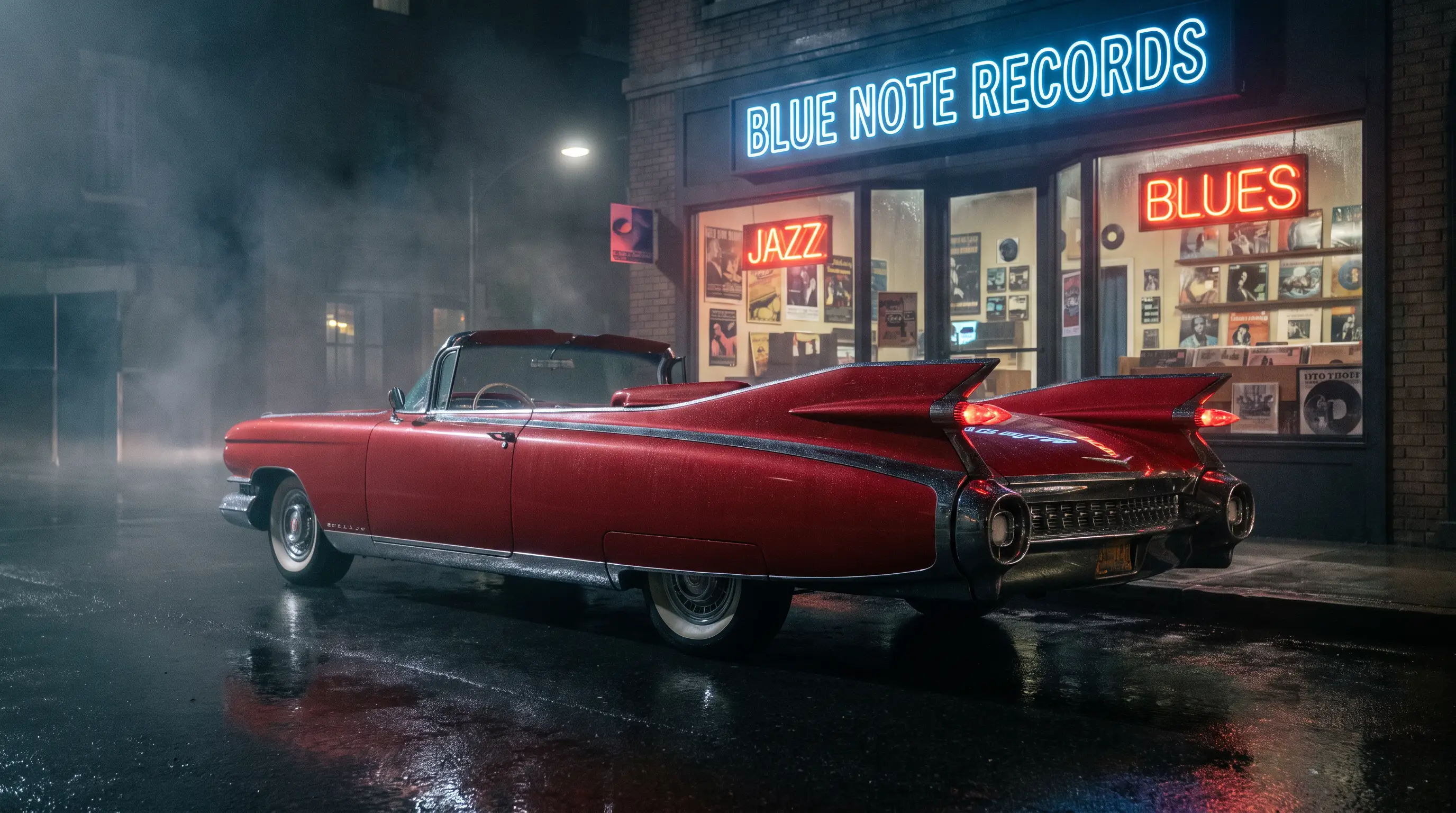
Long before rock and roll claimed the Eldorado, blues musicians in the 1950s were already working the Cadillac name into verses about hard won money and harder won freedom. The Eldorado name itself carried a built in mythology, the lost golden city explorers chased for centuries, and blues writers were quick to notice how neatly that history mapped onto a car that promised the same thing on a smaller, more attainable scale. A verse that mentioned an Eldorado specifically, rather than a generic Cadillac, told a listener something precise, this was the top of the line, the biggest and most chrome heavy car the brand made that year.
Soul and Motown put the car in motion
By the 1960s, soul and Motown artists had picked up where blues writers left off, and the timing lined up neatly with Cadillac's own 1967 redesign of the Eldorado into a front wheel drive personal luxury coupe. Detroit's music industry and Detroit's car industry were, quite literally, neighbors, and lyrics from this period reflect that proximity, treating the Eldorado less as an aspirational fantasy and more as a concrete, attainable marker of a record deal finally paying off. A song that name checked the Eldorado in 1968 was often describing something the songwriter or someone in their circle had actually just bought.
"Songwriters rarely mention a car by its full model name unless the name itself is doing lyrical work. Eldorado always did work, it sounded like a destination even before anyone explained why."
- Nora Beckett
Country music and the open road version of the story
Country songwriters found a different angle on the same car, using the Eldorado less as a symbol of a single triumphant purchase and more as a vehicle for leaving, the big soft riding coupe that could carry someone away from a small town toward whatever came next. That version of the Eldorado story leaned on the car's genuine comfort over long distances, particularly the land yacht generation of the 1970s, a Cadillac built specifically to make hundreds of highway miles feel unremarkable. Where a soul lyric might describe the Eldorado parked outside a club, a country lyric was more likely to describe it disappearing down a highway at night.
Hip hop keeps the reference alive
Hip hop artists picked up the Eldorado reference decades later and kept it running, often reaching specifically for older Cadillac generations, the tailfin cars of the 1950s and the land yacht coupes of the 1970s, rather than newer luxury vehicles that lacked the same instantly recognizable silhouette. That choice was deliberate. A modern luxury sedan needed a full sentence of explanation, while an Eldorado needed only its own name, a shorthand built on decades of prior songs doing the groundwork first. Later artists were, in effect, borrowing credibility from every blues and soul writer who had used the same word before them, a chain of reference stretching back over half a century.
How the songs connect to a wider cultural story
Music is only one thread in how the Eldorado became a recognizable cultural symbol rather than simply a car model, and that broader picture includes film, celebrity ownership and decades of advertising built around the same themes of arrival and distance. The whole picture pulls those threads together in one place, showing how a single lyric referencing the Eldorado usually sat on top of a much longer cultural pattern already established well before the song was written.
Color as its own kind of lyric
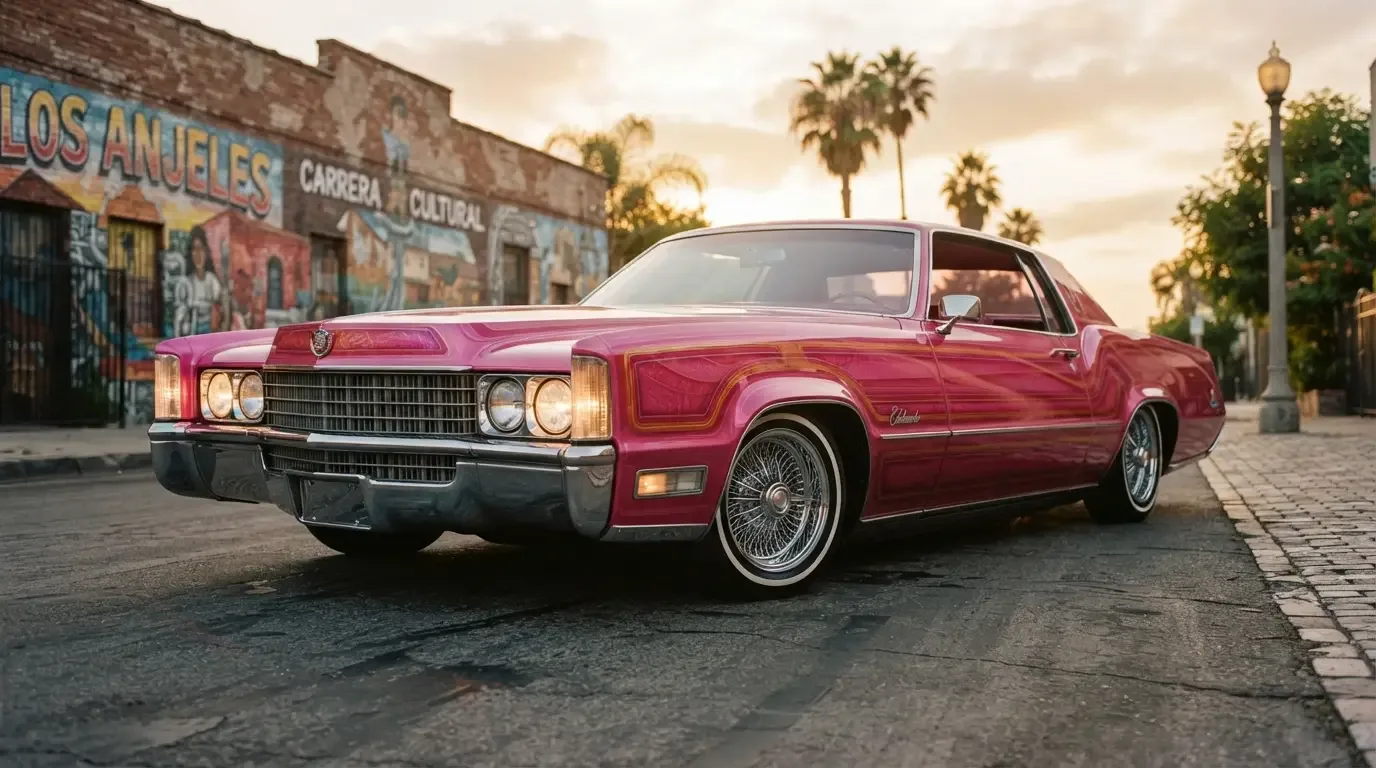
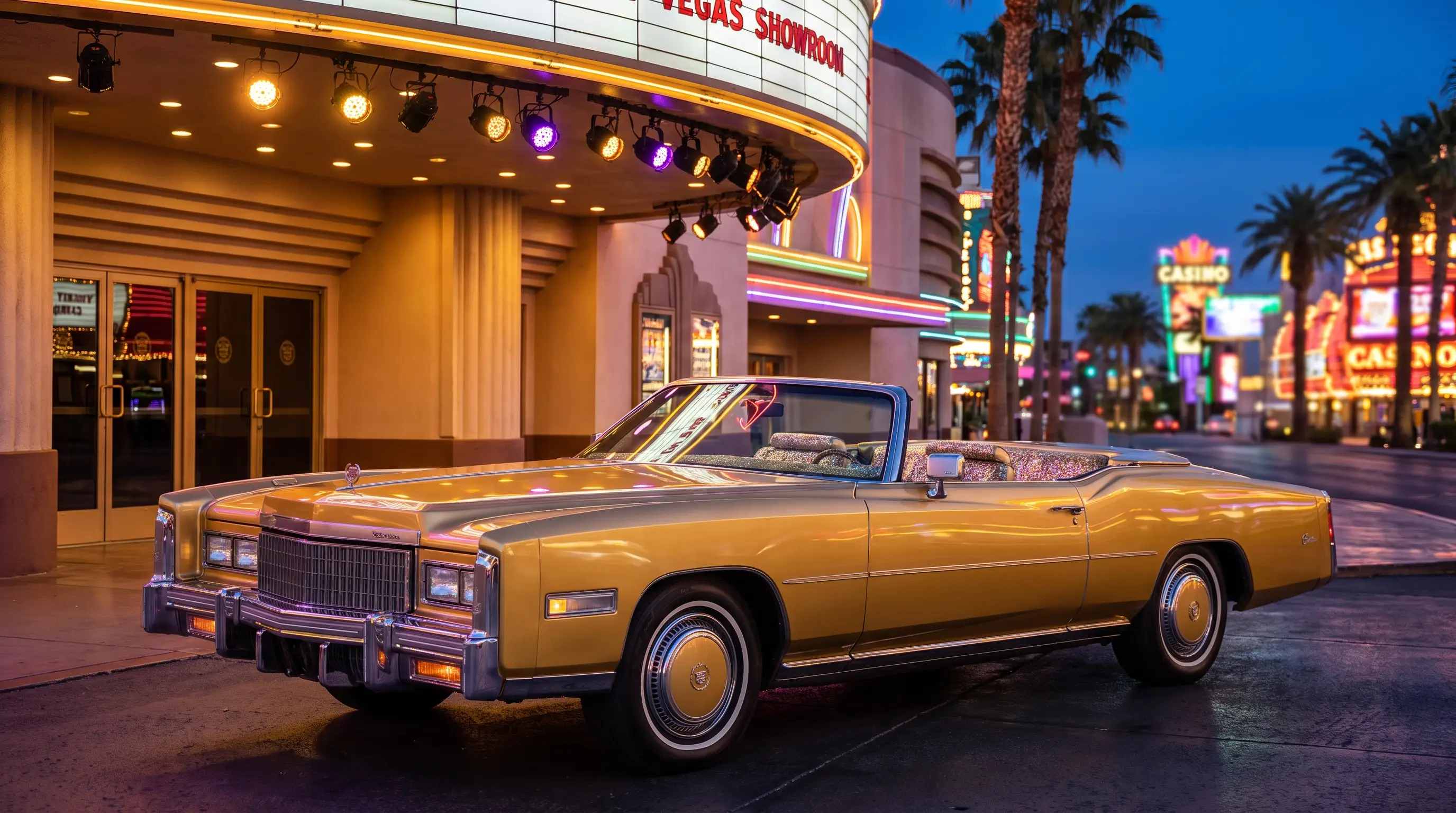
Songwriters rarely stopped at the model name alone, often reaching for a specific color to sharpen the image further, gold, white, occasionally the pink long associated with Cadillac mythology even when the actual car described was a different shade entirely. A lyric that specified a gold Eldorado or a white Eldorado convertible was doing double duty, establishing not just the model but a mood, gold suggesting old money or new money trying to look old, white suggesting a clean break or a fresh start. That kind of color specific detail shows up across genres and decades, a small but consistent habit among writers reaching for the Eldorado as shorthand, proof that the car's visual identity mattered as much to lyricists as its reputation did.
What made the name itself so useful
Part of the Eldorado's staying power in song comes down to simple mechanics, the word scans well, carries natural rhythm across three syllables, and rhymes easily enough with a wide range of other words without forcing a lyric into an awkward corner. Other Cadillac model names never achieved the same frequency in songwriting, partly because none of them carried quite the same built in mythology or the same musical shape on the tongue. Eldorado worked as both a proper noun and, in effect, as poetry, a rare combination that few other car names in American manufacturing history have managed to replicate with anything close to the same consistency.
Why the reference never really faded
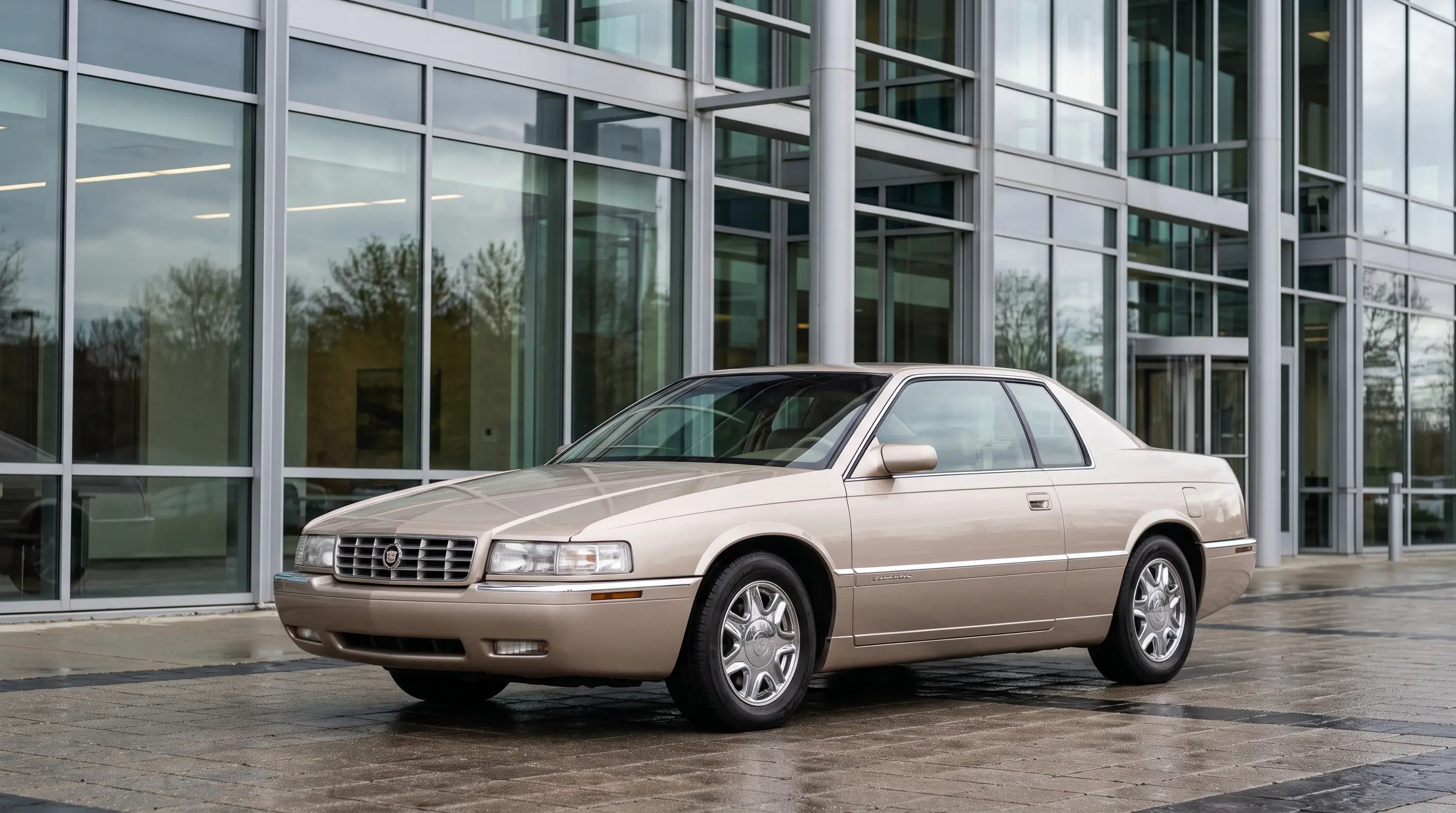
Part of the reason songs about Cadillac Eldorado kept working across so many decades and genres comes down to the car's own long production run, more than fifty years from 1953 to 2002, which meant successive generations of songwriters each had their own version of the car in mind when they wrote the name into a lyric. A blues musician in 1955 was picturing tailfins, a soul artist in 1968 was picturing hidden headlights, and a hip hop artist decades later might be picturing either one depending on which generation had become collectible again by the time they wrote the verse. Few car names carried that kind of flexibility, remaining relevant across so many different eras of American popular music without ever needing a second explanation.
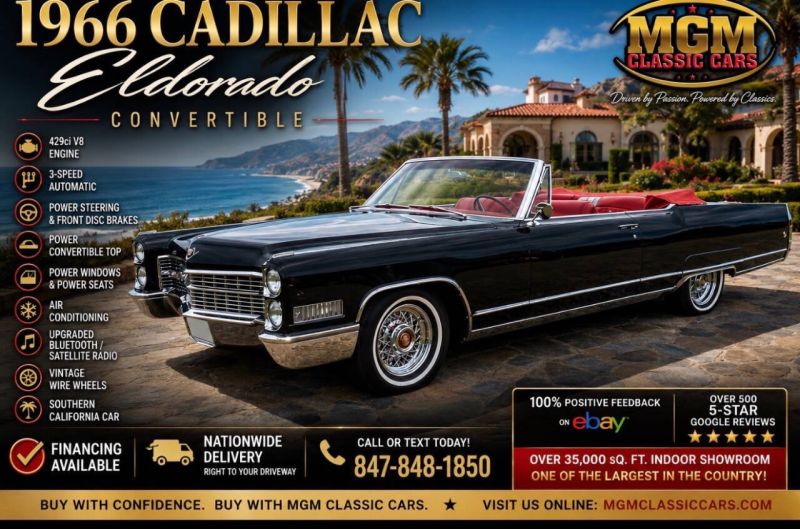
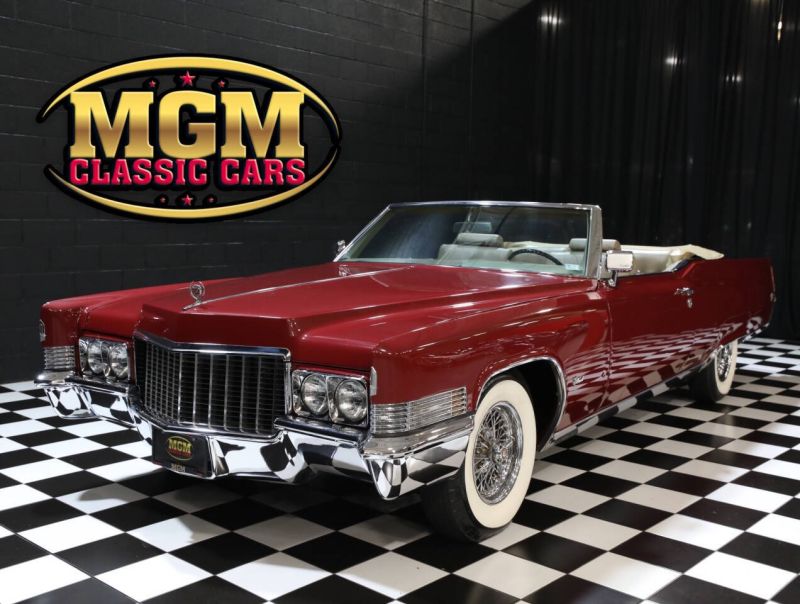
Anyone who wants to understand why the name still lands in a song today can find the answer parked in a driveway rather than only on a record, and readers curious about the real thing behind the lyric can shop classic Eldorado listings to see exactly what several generations of songwriters were describing.
What began as a marketing name for a fiftieth anniversary concept car ended up outliving nearly every advertisement Cadillac ever ran for it, carried forward instead by musicians who needed one word to describe a feeling that no ad copy could match. That is a rare kind of longevity, a car name still doing lyrical work in songs written decades after the last Eldorado ever rolled off an assembly line in 2002.