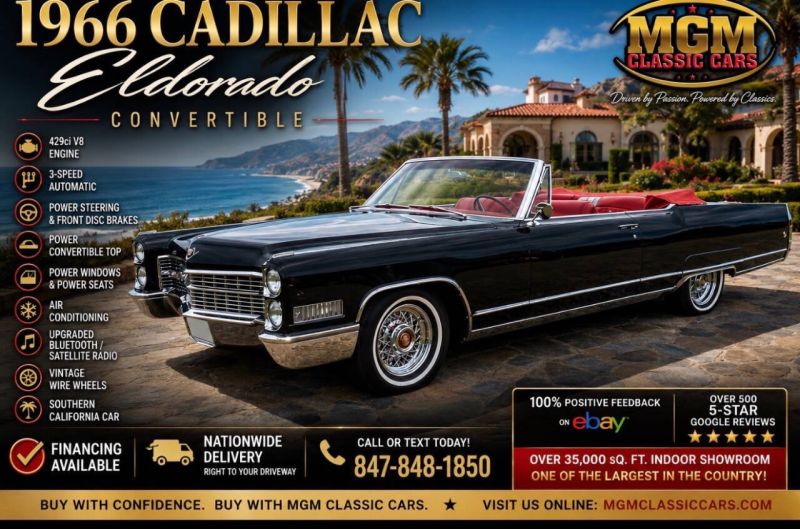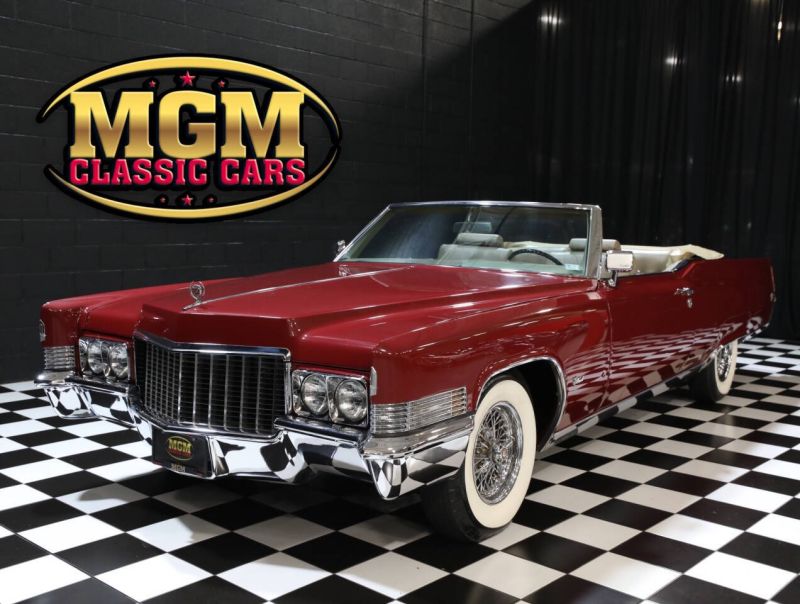
Cadillac Eldorado advertising never had to work very hard to sell aspiration, the car already looked like a decision made after arriving somewhere important. What changed across five decades of print ads, television spots and dealer brochures was how directly the copy admitted that, moving from formal, almost stiff luxury language in the 1950s toward looser, more confident pitches by the time the last Eldorado left the line in 2002.
The 1950s and formal luxury language
Early Eldorado advertising, running alongside the tailfin era from 1953 onward, spoke in the reserved, faintly aristocratic tone typical of luxury car copy at the time. Ads described the car in terms of craftsmanship and exclusivity, leaning on words like distinguished and discerning rather than anything approaching a casual pitch. Cadillac's marketing department understood that the Eldorado sat at the very top of the brand's own lineup, and the copy treated that position with the seriousness of a formal introduction, positioning the car less as a purchase and more as an achievement available to a very specific kind of buyer.
The 1960s pivot toward personal luxury
By the time Cadillac reengineered the Eldorado into a front wheel drive personal luxury coupe for 1967, the advertising tone shifted with it. Copy began emphasizing individual style over generic prestige, selling the Eldorado as a personal statement rather than simply a status symbol shared with every other Cadillac buyer. This mirrored a broader industry shift happening across Detroit at the time, as automakers discovered that younger, wealthier buyers responded better to messaging about self expression than to messaging about inherited social standing. The Eldorado's radical engineering, front drive paired with a big V8, gave copywriters genuine technical news to lean on for the first time in years, rather than relying purely on styling language.
"Cadillac spent the 1950s telling buyers they had arrived. By the late 1960s the ads were telling them they had chosen, which is a much more flattering thing to say to a customer."
- Patrick Walsh
The land yacht years and bigger, bolder copy
Through the 1970s, as the Eldorado grew into its largest, heaviest land yacht form, advertising copy grew correspondingly bold, often built around single striking images of the convertible parked somewhere scenic rather than dense paragraphs of feature description. This era coincided with the Eldorado's peak production numbers, and the advertising reflected a brand confident enough to sell primarily on presence, chrome, length, a top that folded away completely, rather than on any single mechanical detail. Magazine spreads from these years frequently used a full page for the car alone, minimal text beneath it, trusting the silhouette to do most of the persuading on its own.
Downsizing and a harder sell in the 1980s
When Cadillac downsized the Eldorado significantly for the 1986 model year, advertising faced a genuinely difficult task, convincing longtime buyers that a smaller, more aerodynamic coupe still deserved the same prestige the nameplate had carried for three decades. Copy from this period worked harder than any prior generation to justify the change, emphasizing efficiency, modern engineering and contemporary design language rather than simply photographing the car and letting size speak for itself, because size was no longer the selling point it had always been before.
The Northstar era and a return to confidence
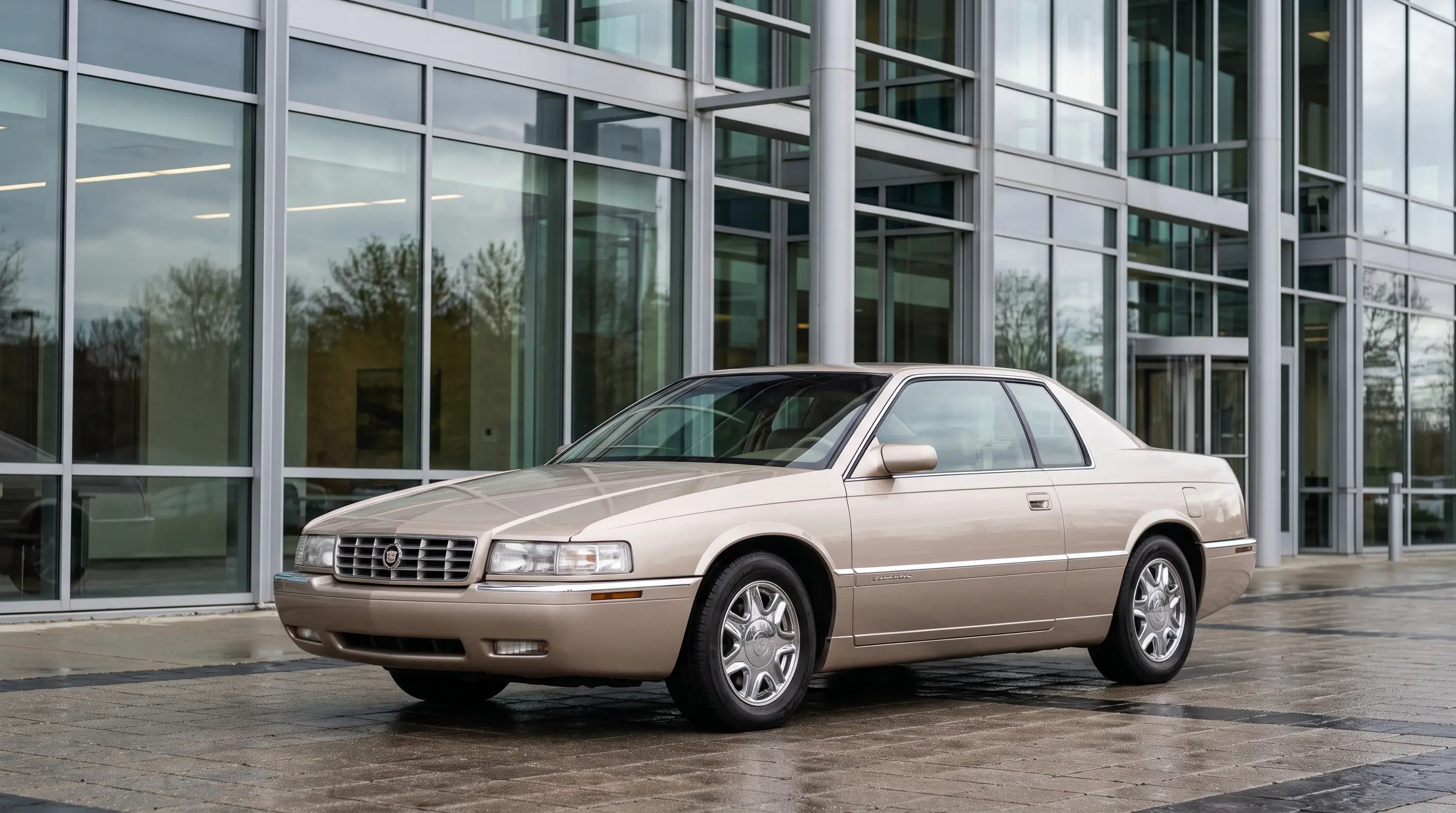
The 1990s Northstar powered Eldorado coupes brought advertising back toward technical bragging rights, this time built around the Northstar V8's genuine performance credentials rather than sheer physical scale. Copy from this period reads noticeably more confident than the defensive tone of the mid 1980s, treating the Eldorado once again as a flagship rather than an apology, and setting up the final Collector Series send off in 2002 that closed out the model's advertising history on a note closer to celebration than survival.
Television spots and a changing sales pitch
Print carried most of Eldorado advertising in the earlier decades, but television spots became increasingly important through the 1970s and 1980s, and the medium forced a different kind of storytelling. A magazine ad could rely on a single striking photograph, while a thirty second commercial needed motion, a driver's hands on the wheel, a sweeping shot along a coastal road, sometimes a voiceover leaning on words like command and control rather than simple description. These spots tended to sell an experience rather than a specification sheet, reinforcing the idea that owning an Eldorado was less about the mechanical details under the hood and more about how the car changed a driver's daily routine, even a routine as ordinary as a commute.
Dealer brochures as a quieter kind of persuasion
Away from national magazine and television campaigns, dealer brochures did some of the most detailed persuasive work in Cadillac Eldorado advertising history, walking prospective buyers through color options, interior fabrics and available features in a tone considerably less dramatic than a full page magazine spread. These brochures mattered because they reached buyers already close to a purchase decision, and the copy inside them shifted accordingly, less about aspiration and more about reassurance, confirming that the buyer's instinct to choose an Eldorado over a competing luxury coupe was the correct one. Surviving examples of these brochures remain popular with collectors today specifically because they capture period specific color names and options lists that rarely appear anywhere else.
How advertising shaped the culture around the car
Decades of consistent messaging about arrival, personal style and flagship prestige did not stay contained to magazine pages, it fed directly into how musicians, filmmakers and everyday buyers talked about the Eldorado outside of any official Cadillac marketing. That broader cultural footprint, separate from the ads themselves, is covered in the cadillac eldorado pop culture story, which traces how the image Cadillac's copywriters built got picked up and repeated by people who had never read a single one of their brochures. For readers who want the complete generation by generation history behind all of this advertising, the full story covers the car itself in far greater detail.
Five decades of Cadillac Eldorado advertising tell a fairly honest story about how the car's own reputation evolved, formal in the 1950s, personal in the late 1960s, bold in the 1970s, defensive in the 1980s and confident again by the 1990s. Buyers who want to see how that promise held up in person, rather than only on a printed page, can look through classic Eldorados on the market and judge the styling for themselves.
Sources and notes
- Cadillac Eldorado - Wikipedia
- Last Time Around: The 1971-1976 Cadillac Eldorado Convertible - Ate Up With Motor
- The 1976 Cadillac Eldorado Was The American Convertible With A Bench Seat - CarBuzz
- 3,200-Mile 1976 Cadillac Eldorado Convertible Up For Auction - GM Authority
- Cadillac Eldorado 50-Year History - Automotive Heritage Foundation