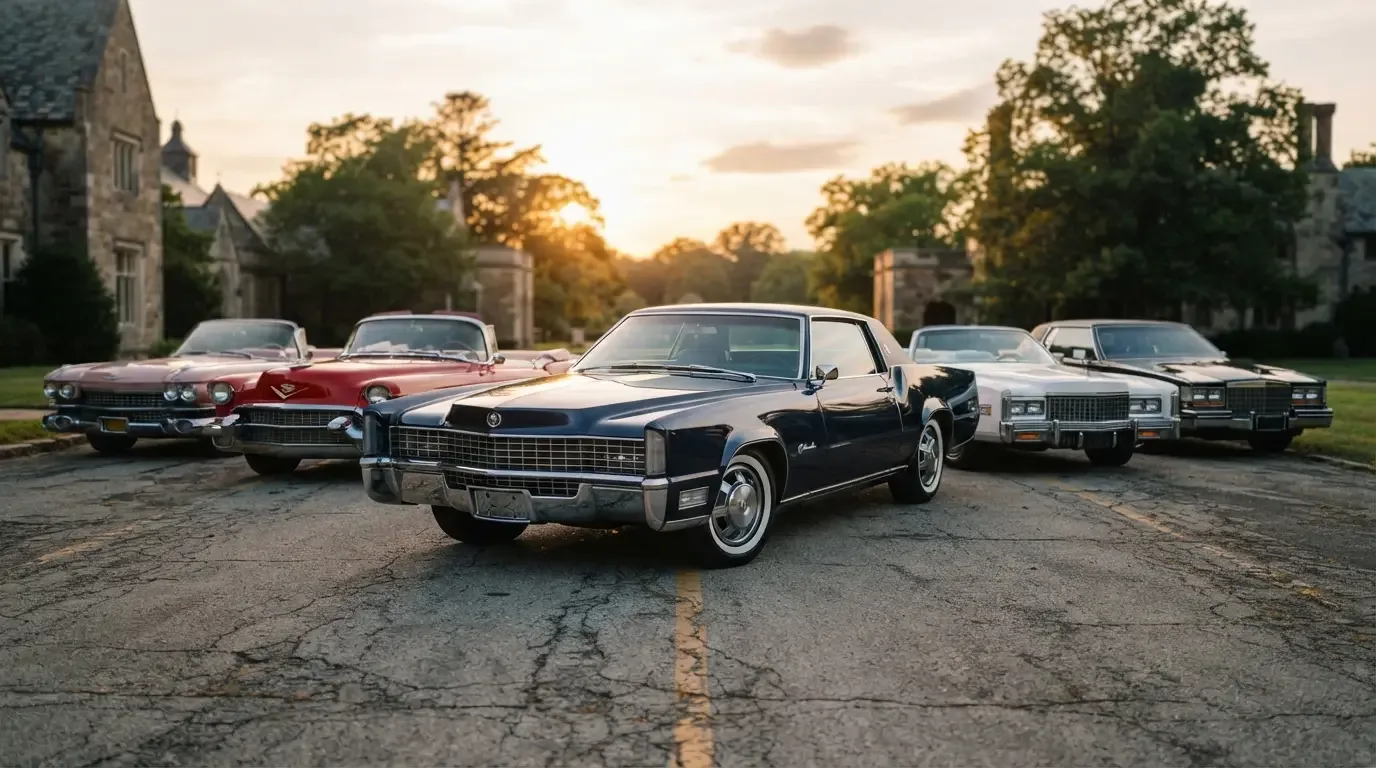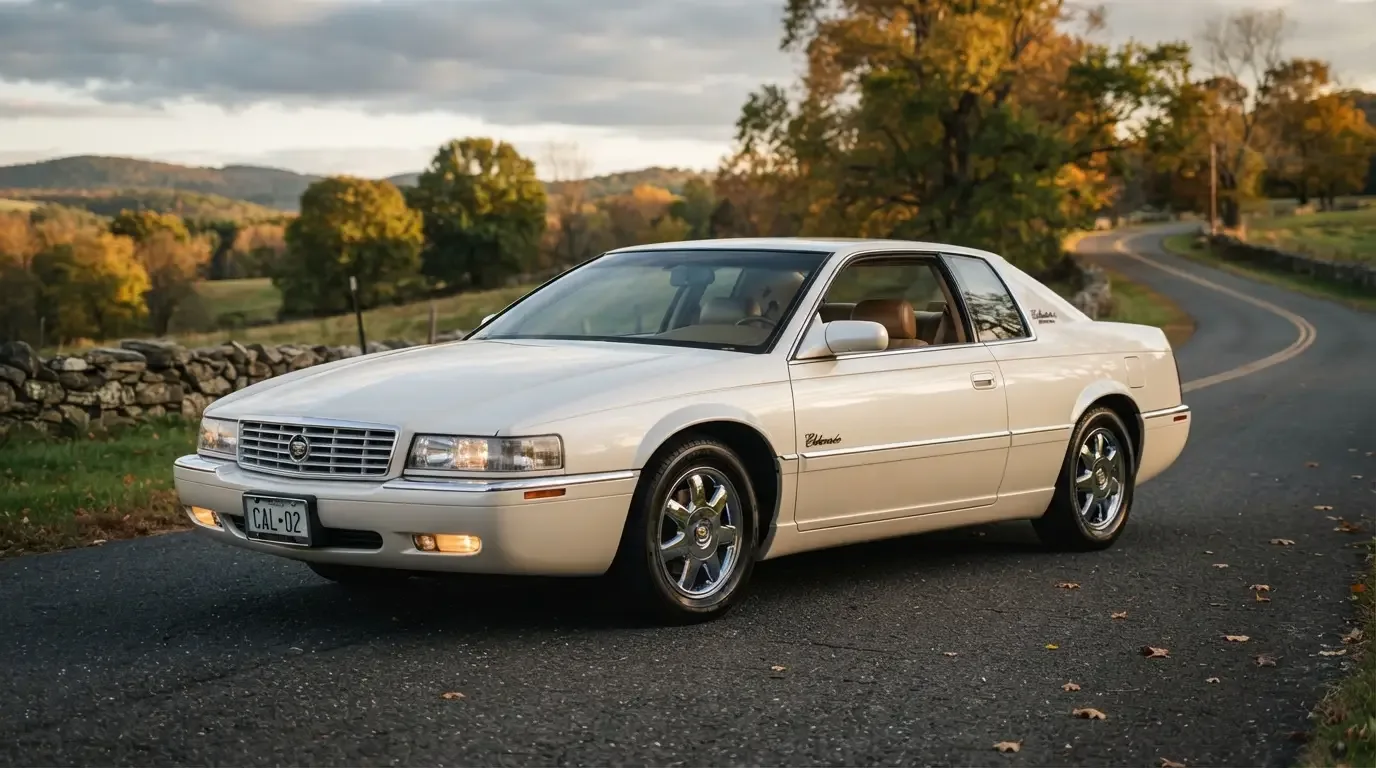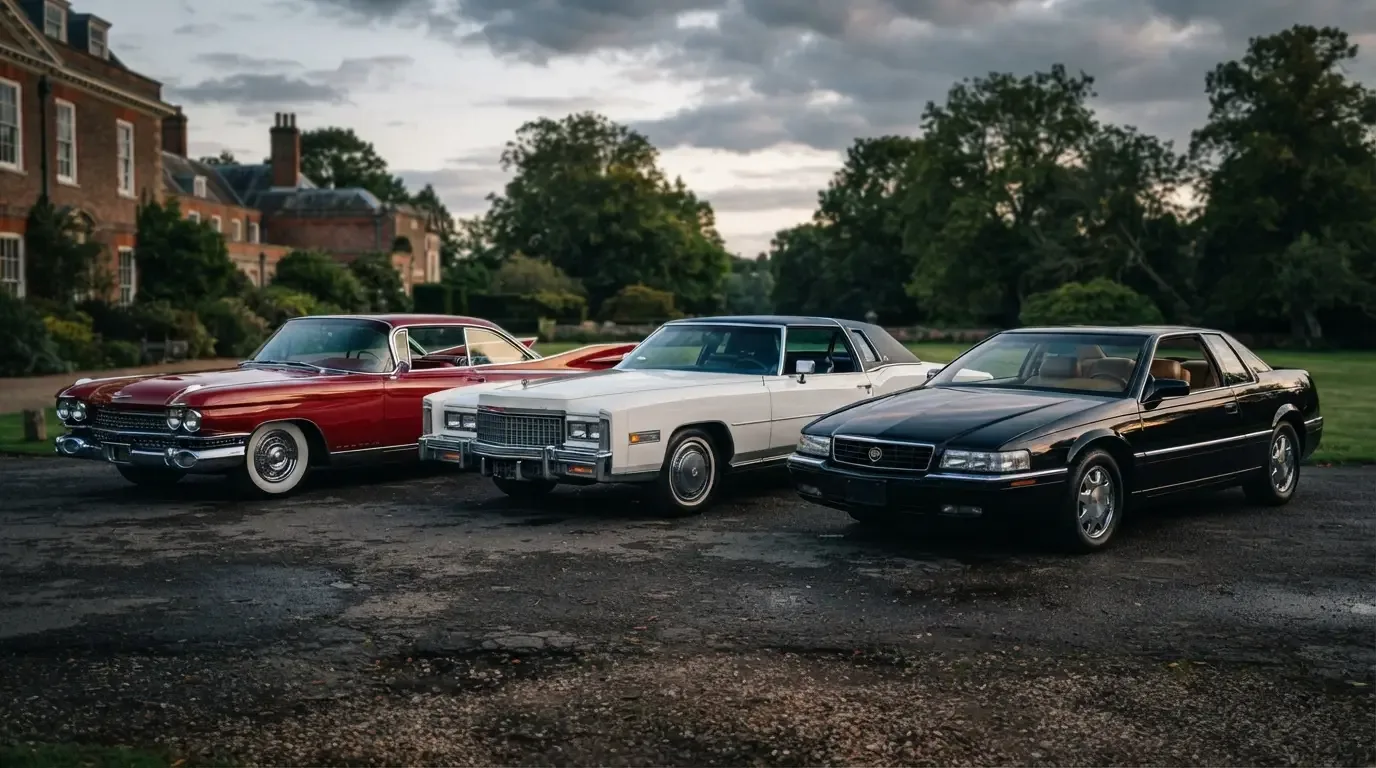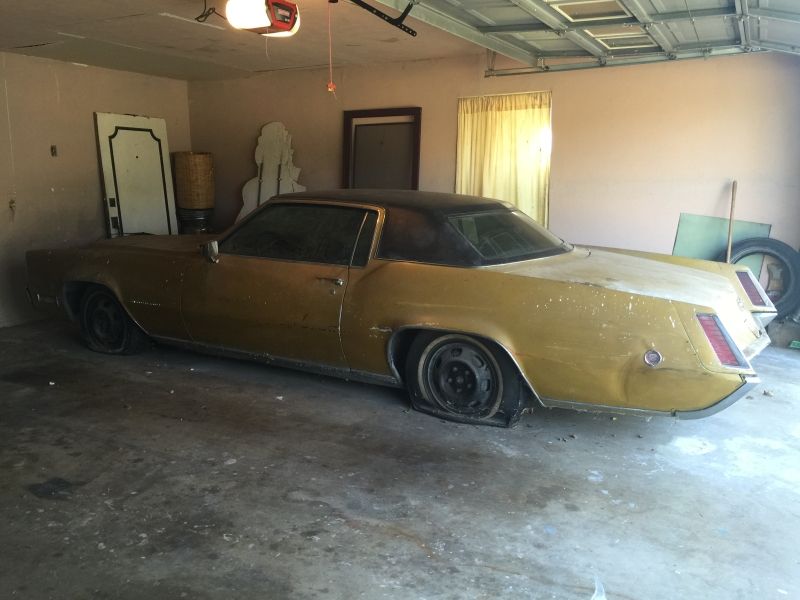
Why was the Cadillac Eldorado discontinued? The short answer people reach for is that nobody wanted big two-door coupes anymore, and there is truth in that, but it undersells what actually happened inside General Motors between the late 1980s and 2002. The Eldorado did not die of neglect. It died because the market segment it was built for shrank faster than Cadillac could justify replacing the platform underneath it, and because the company itself was reorganizing around a very different idea of what a Cadillac should be.
The personal luxury coupe segment was already collapsing
Personal luxury coupes, a category the Eldorado helped invent in the 1950s and dominated through the 1970s, had been in decline across the entire American industry since the mid-1980s. Buyers who once wanted a large, stylish two-door as a status symbol increasingly moved toward sedans for practicality and, later, toward SUVs entirely. The Lincoln Mark VIII, the Eldorado's closest direct competitor, ended production in 1998, four years before the Eldorado itself. Buick had already killed the Riviera. The entire category Cadillac had helped build was disappearing car by car, and the Eldorado was simply one of the last to go.
Cadillac's own sales figures told the story plainly. Where the Eldorado had once sold in numbers well into six figures during its 1970s and early-1990s high points, production by the late 1990s had fallen to a fraction of that, and continued sliding through the final model years. A platform that expensive to keep current, built in numbers that small, becomes very hard to justify inside a corporation weighing where to spend engineering budget.
The platform itself was aging out
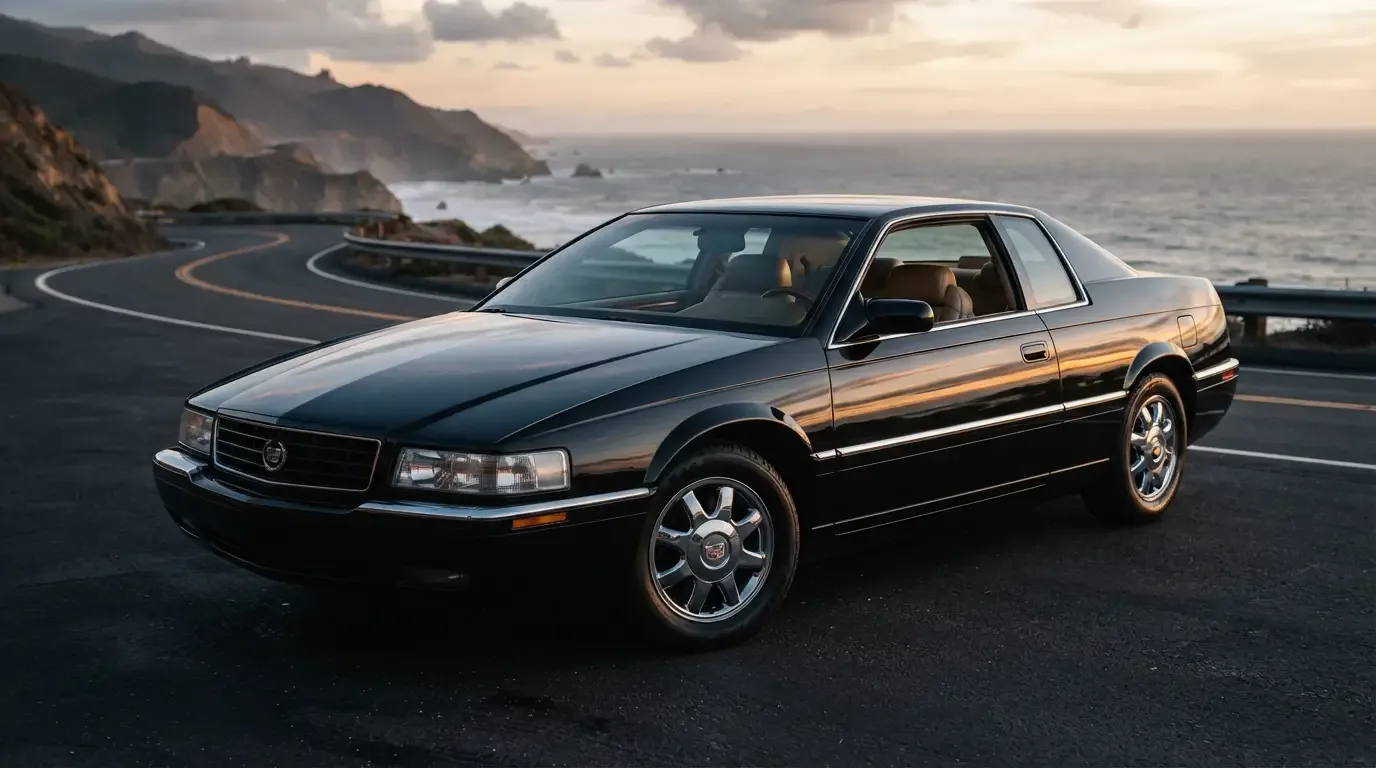
The K-body architecture underneath the 1992-2002 Eldorado dated back to that 1992 redesign, and while it received two mid-cycle refreshes, in 1995 and 1997, it never received a full replacement. General Motors was investing heavily elsewhere in the Cadillac lineup by the late 1990s, developing what would become the Art and Science design language and the new rear-drive Sigma platform that underpinned the CTS. Committing to an entirely new coupe platform for a shrinking segment, at a moment when the company's engineering resources were pointed toward reinventing the brand's sedans, simply did not pencil out.
There is a common misconception that the Eldorado was killed off suddenly or without warning, as if Cadillac simply stopped building it one year. That is not accurate. GM confirmed the Eldorado's end well ahead of the 2002 model year, which is exactly why the company had time to develop the Collector Series send-off edition rather than letting the nameplate simply vanish mid-cycle. The end was planned, not abrupt.
Cadillac was reinventing itself around a different kind of car
The Art and Science design language that debuted on the Evoq concept and then the production CTS represented a conscious break from the rounded, softer shapes the Eldorado had worn for its entire final decade. Cadillac's leadership at the time wanted sharper lines, a younger buyer, and a lineup built around sedans and eventually crossovers rather than large front-drive coupes. There was no natural place for a car like the Eldorado inside that new vision. Building a coupe on the new rear-drive Sigma platform to replace it would have meant years of additional development for a segment that had already proven it could not support the investment.
Dealer feedback reinforced the decision. Cadillac dealers by the late 1990s were reporting stronger demand for sedans like the DeVille and Seville, and soon for the Escalade, which launched in 1999 and quickly became one of the brand's most important vehicles. Every dollar spent keeping an aging coupe platform alive was, in a real sense, a dollar not spent on the vehicles dealers said customers actually wanted.
"People like to say Cadillac killed the Eldorado. Cadillac did not kill it so much as let a shrinking market run its course, and had the good sense to give the nameplate a proper ending instead of just letting it fade."
- Tom Ramirez
The economics behind the decision
Building a new car platform is not cheap, and a coupe-specific platform is harder to justify than a sedan platform that can share architecture across multiple body styles. By the late 1990s, GM's product planners were increasingly focused on maximizing shared underpinnings across models to control cost, and a low-volume, coupe-only nameplate like the Eldorado sat at the wrong end of that math. Sedans and, soon, SUVs could share far more engineering and tooling across higher sales volumes, which made every dollar spent on them go further than a dollar spent keeping a niche coupe alive.
There is also a simpler commercial reality worth stating plainly. Even a beloved nameplate has to sell enough units to cover its own development and tooling costs over a reasonable life cycle. The Eldorado's sales in its final years, while respectable for a coupe, were nowhere near what would have justified the investment a genuine platform replacement required. General Motors made a defensible business decision, even if it meant closing the book on one of Cadillac's most historically important names.
What replaced it, and what did not
No direct successor to the Eldorado ever arrived. The XLR, a two-seat roadster launched in 2004 on the Corvette's platform, occupied a completely different niche and was never marketed as an Eldorado replacement. Cadillac's coupe offerings after 2002 remained sparse for years, a gap that reflects just how specific the Eldorado's role had been. It was not simply "the Cadillac coupe." It was a nameplate built around a very particular idea, a large, stylish, comfortable two-door grand tourer, and by 2002 that idea no longer had a large enough audience to support a dedicated platform.
It is worth noting that Cadillac has occasionally revived retired nameplates when the timing and platform lined up, so the Eldorado's absence since 2002 is not necessarily permanent in the abstract. But there is no indication General Motors has any near-term plan to bring the badge back, and even if it did, a modern Eldorado would almost certainly be a very different kind of vehicle than the front-drive coupe buyers knew for its final three decades. The nameplate's identity was so tightly bound to a specific era of American luxury coupes that reviving it as, say, a crossover would likely draw more skepticism than enthusiasm from the people who actually remember what the name stood for.
Anyone asking why was Cadillac Eldorado discontinued should walk away with one core fact: the decision reflected a shrinking market and an aging platform, not a sudden loss of confidence in the car itself. Readers who want the complete arc, from the 1953 launch through the tailfin years, the 1967 front-drive shift, the 1970s land yacht era, and the 1990s Northstar cars that led to this ending, should read the full story of the Eldorado across its entire run. Anyone drawn to what these cars represent, rather than just why they ended, can browse classic Eldorado for sale and see examples spanning nearly every generation the nameplate produced.