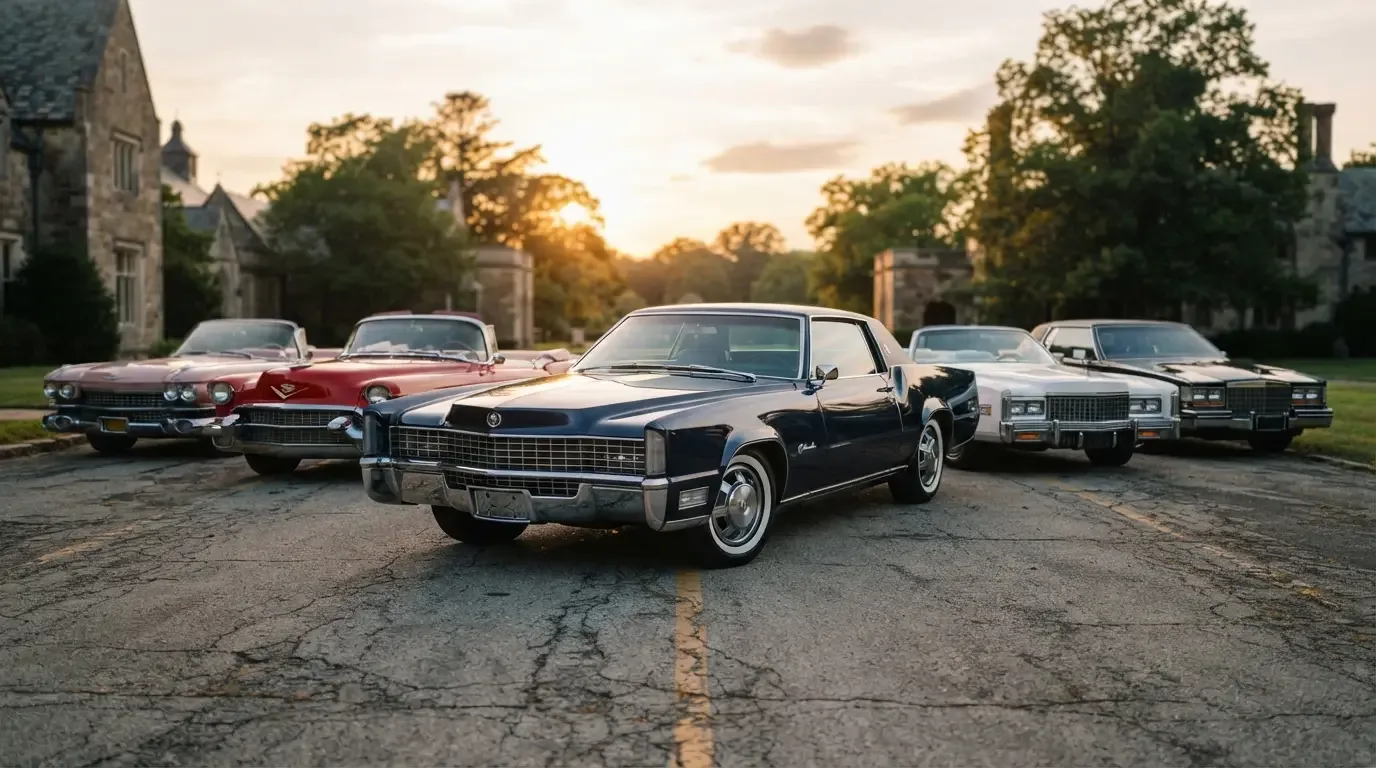
To trace the Cadillac Eldorado generations from 1953 to 2002 is to follow almost half a century of American design ambition through one nameplate. No other Cadillac carried so many identities. The Eldorado began as a hand-finished convertible built in the low hundreds, became the tailfin era's most extravagant statement, reinvented itself as a front-wheel-drive personal coupe, swelled into a land yacht, shrank twice under fuel-economy pressure, and closed out its run as a Northstar-powered coupe with a numbered Collector Series. Understanding each generation as a distinct chapter, rather than a single continuous car, is the only honest way to read the model.
What follows is a generation-by-generation account, treated the way a researcher treats an artifact: dated, placed in its period, and described by what actually left the factory. For the longer origin narrative, the full cadillac eldorado history covers the model's beginnings in more depth than a survey like this can.
The first Eldorado: 1953 to 1954
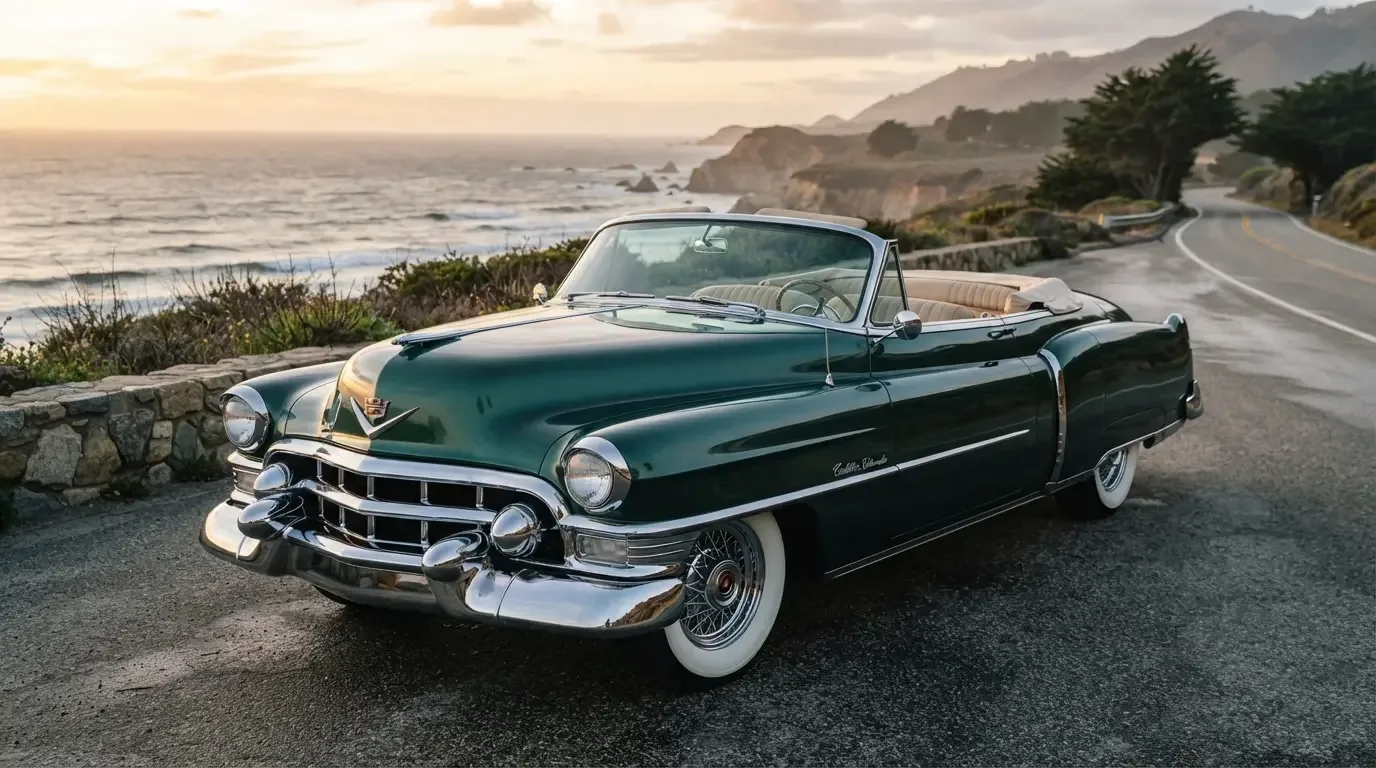
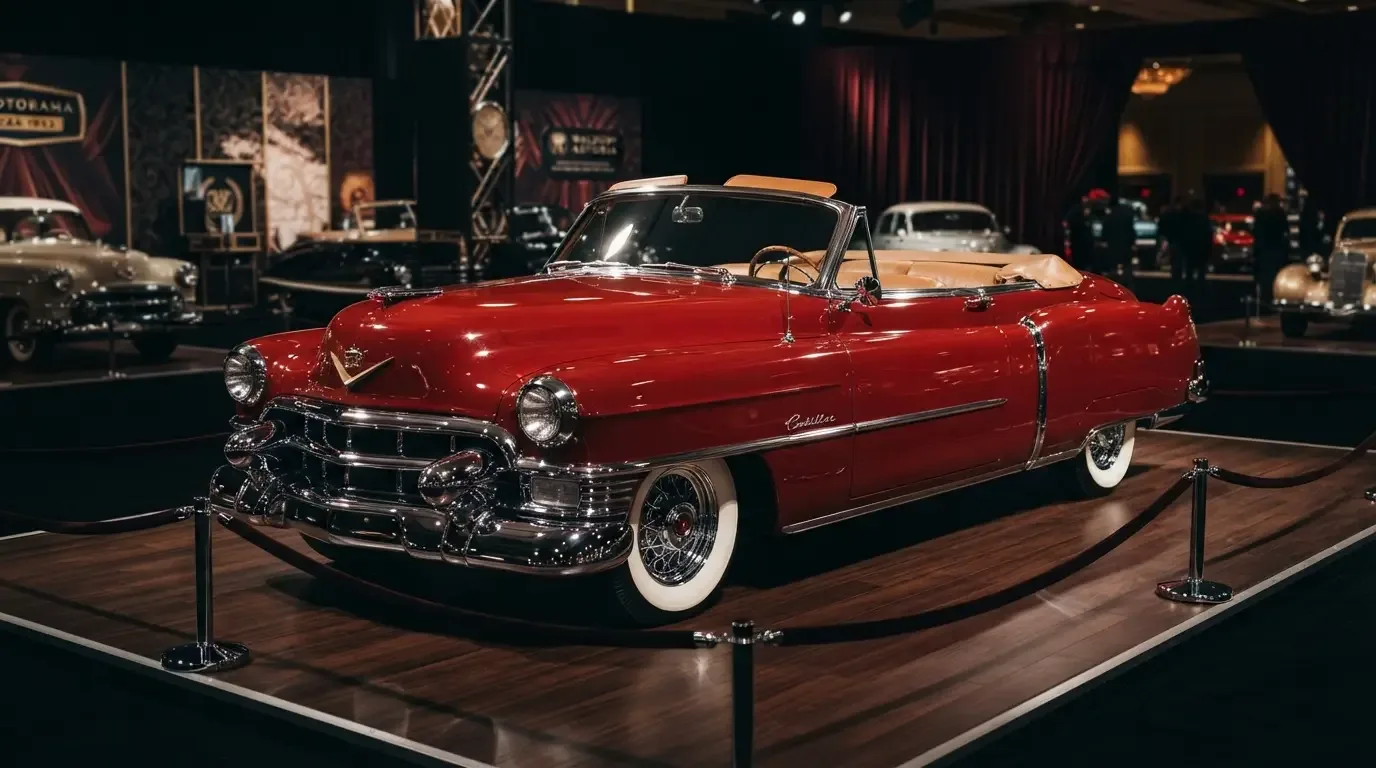
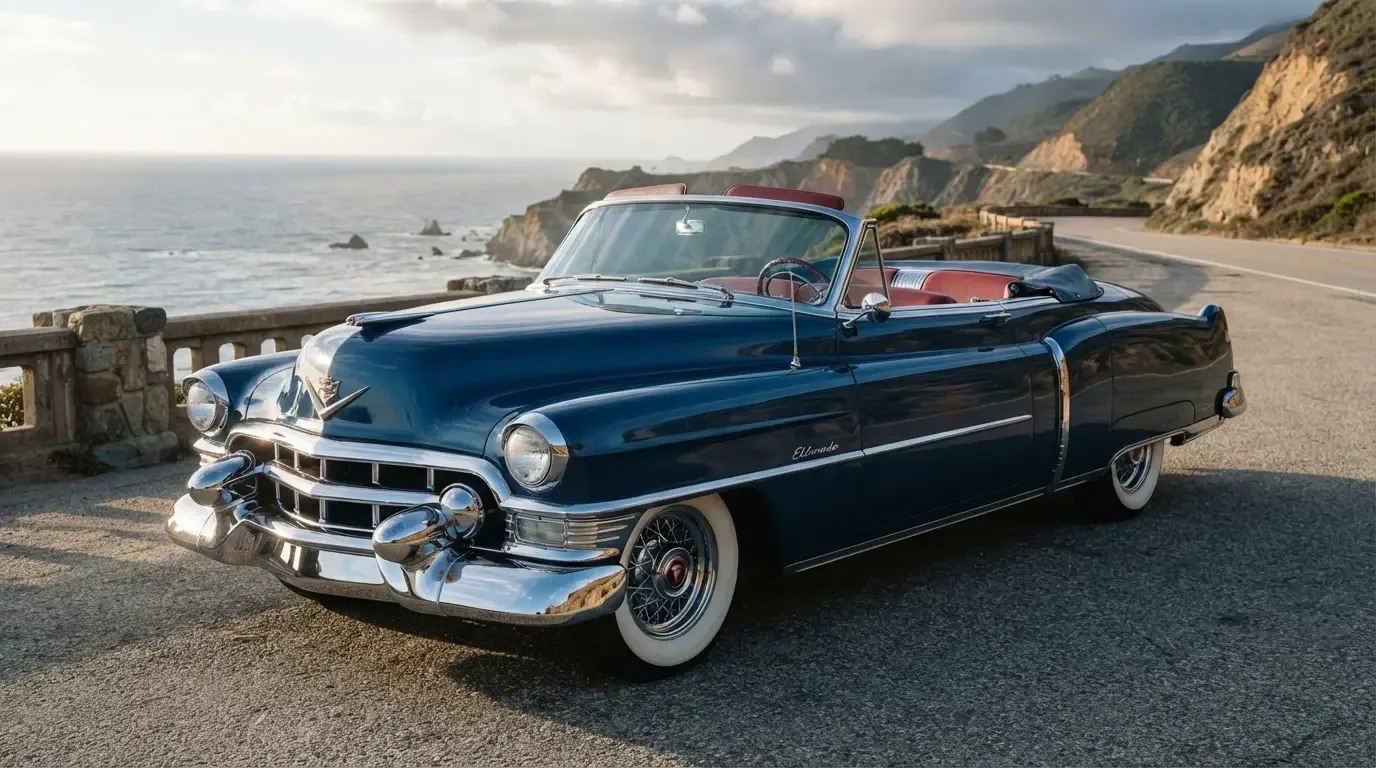
The Eldorado name entered production in 1953 as a limited-run convertible built on the Series 62 platform. Cadillac produced 532 examples that first year, each carrying a wraparound windshield, a metal tonneau cover over the folded top, and a price near 7,750 dollars that placed it among the most expensive American cars of the moment. It was as much a showpiece as a product, a way to bring Motorama design language onto the street in small numbers.
For 1954 the Eldorado moved closer to the standard Cadillac body and lost some of its bespoke character, but production rose sharply as the price came down. The pattern was set early. The Eldorado would always be the Cadillac that carried the newest ideas first, whether or not those ideas reached the rest of the range.
The Seville and Biarritz split: 1956 to 1958
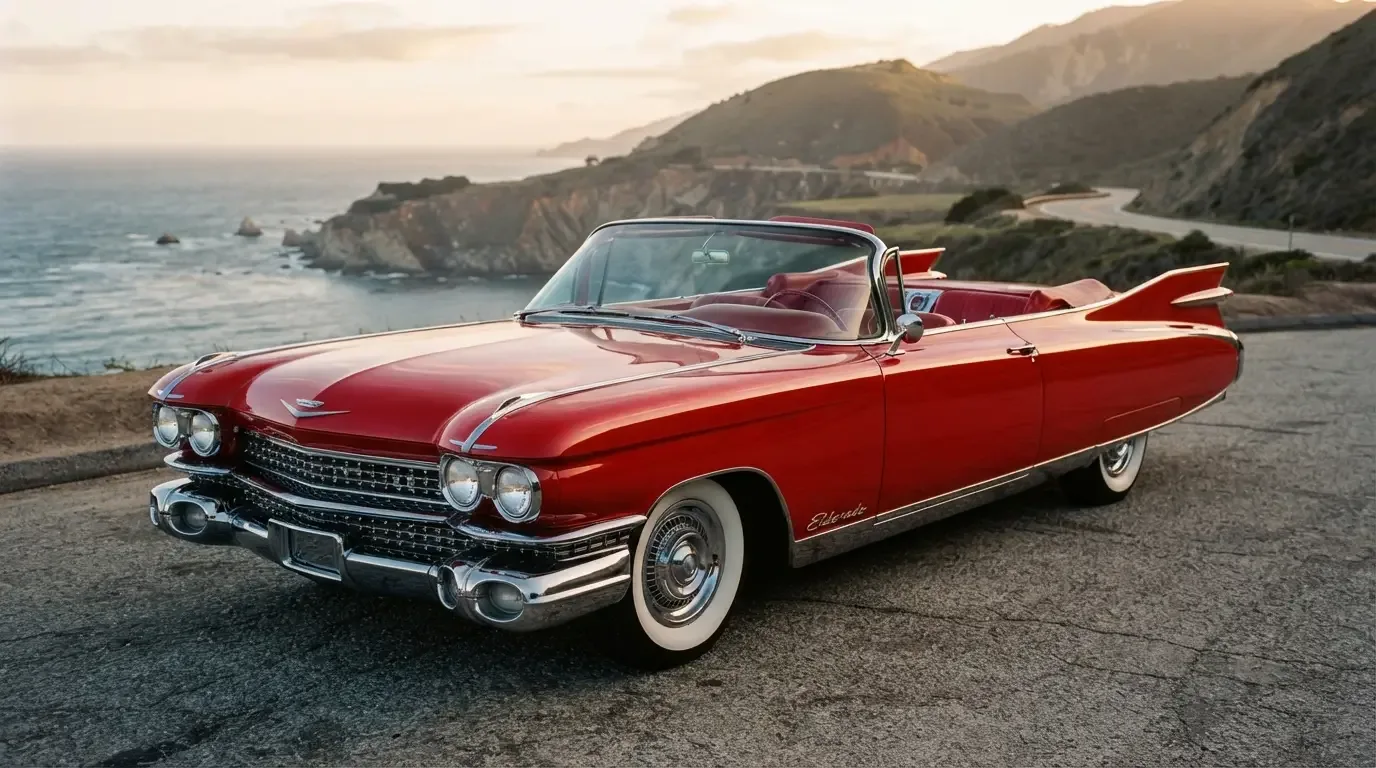
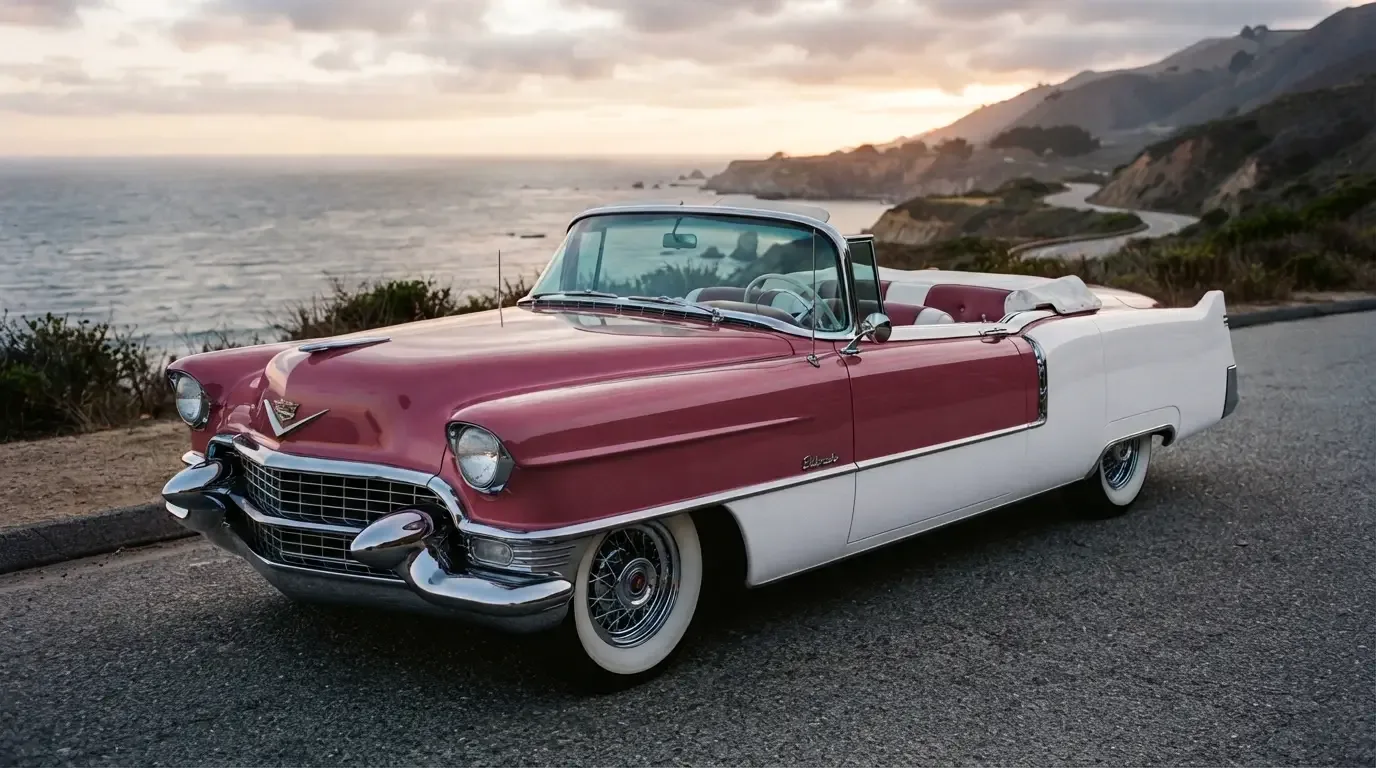
In 1956 Cadillac divided the Eldorado into two named body styles. The Seville was the hardtop coupe and the Biarritz was the convertible. That naming convention would follow the model for years and gave buyers a way to signal which Eldorado they had chosen. Both cars carried distinct rear styling that set them apart from lesser Cadillacs, including the sharply pointed fins that were becoming the division's signature.
Above them sat the Eldorado Brougham, introduced for 1957. This was a separate and far more expensive machine, a four-door hardtop with a brushed stainless steel roof, air suspension, and a level of hand assembly that pushed its price above 13,000 dollars. Cadillac built the Brougham in very small numbers, and it functioned as a technology and prestige flagship rather than a volume product. It is a reminder that the Eldorado label at this point covered a spread of cars, from a recognizable convertible to an almost coachbuilt sedan.
Peak tailfins: the 1958 to 1960 cars
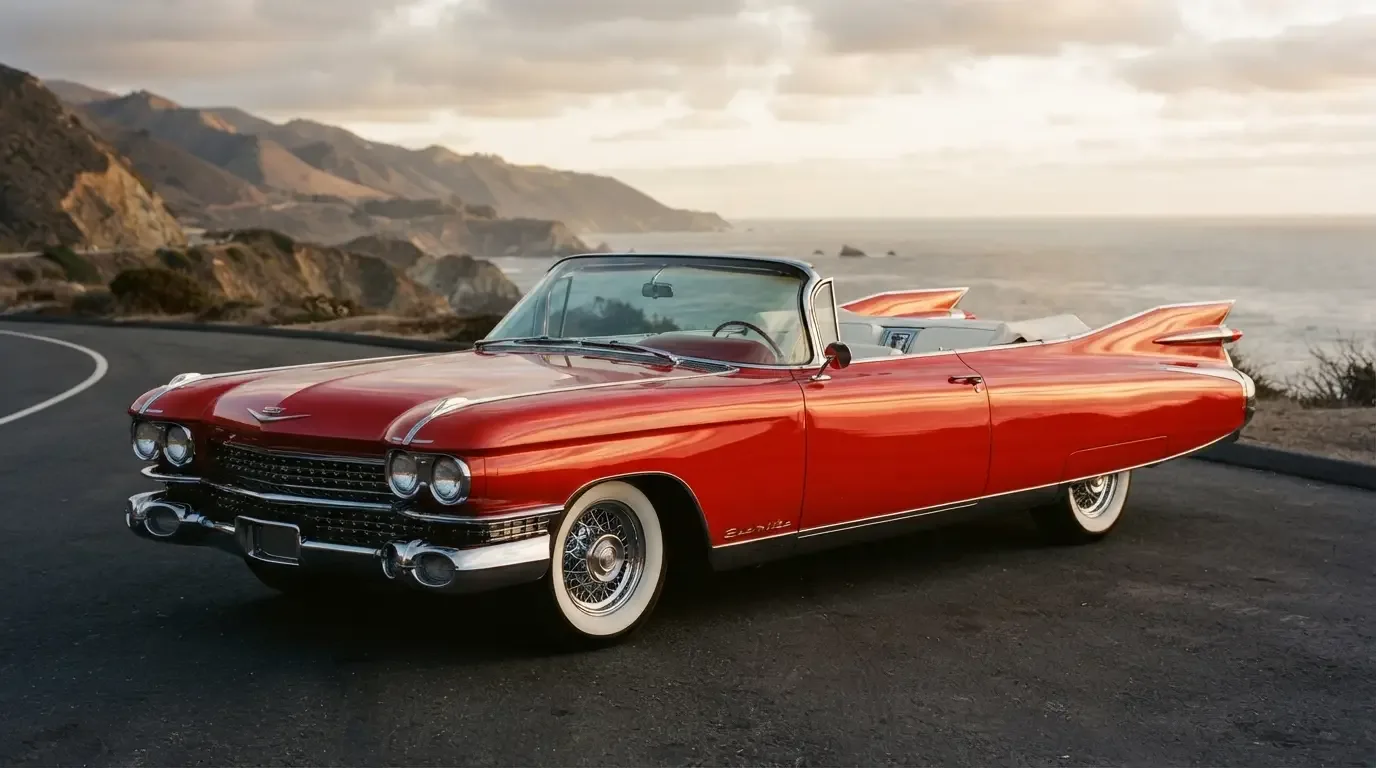
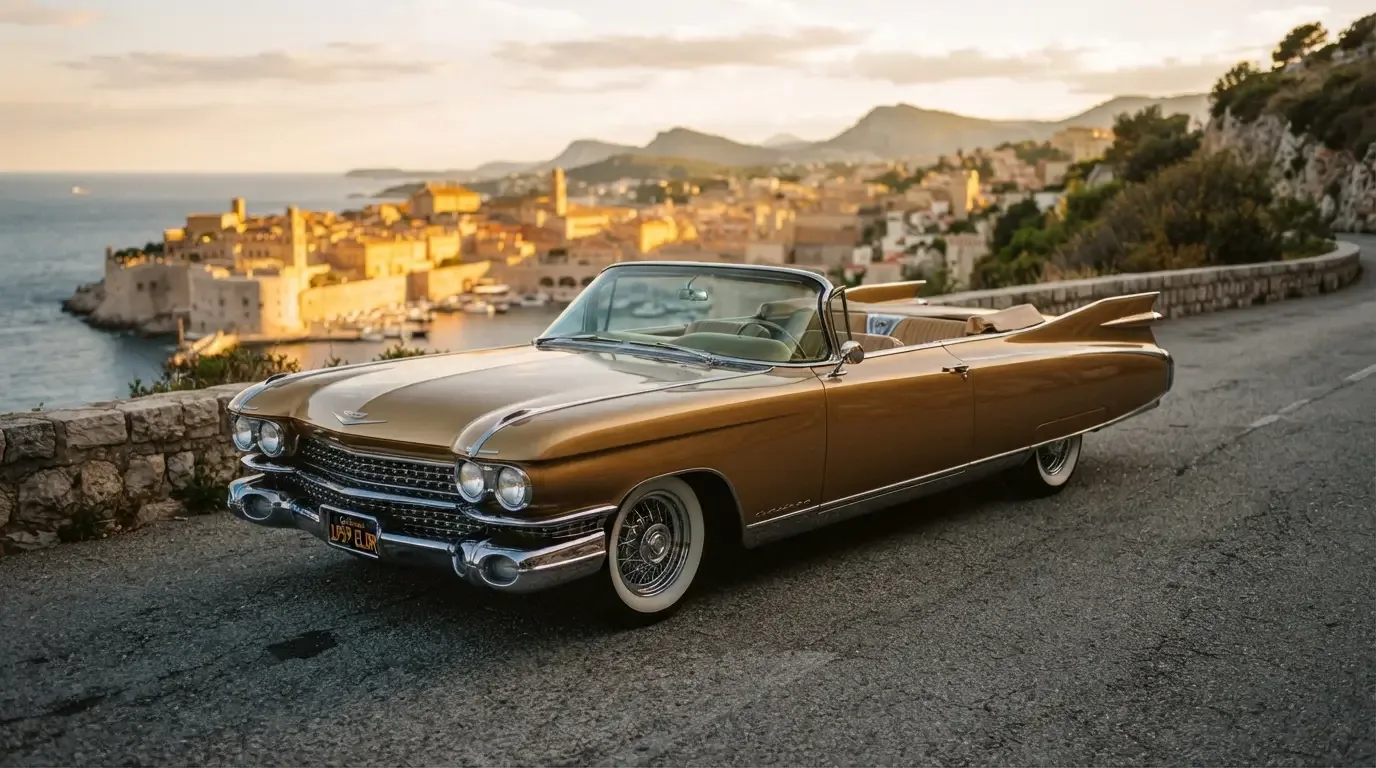
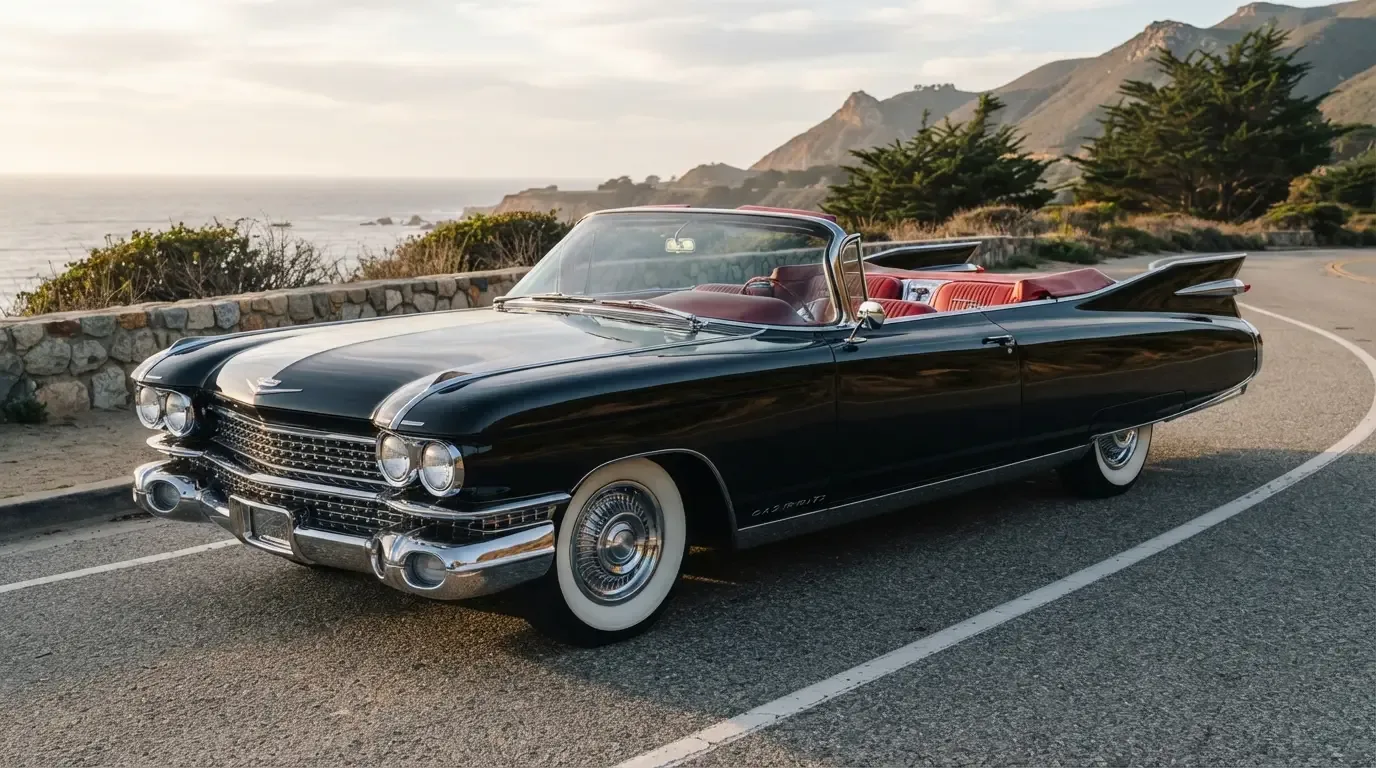
The late 1950s Eldorado is the version most people picture when they hear the name. The 1959 model in particular pushed the tailfin to its greatest height, with twin bullet taillights set into each fin and a broad, low body that seemed built entirely around that rear silhouette. The Biarritz convertible and Seville hardtop of this period represent the visual high-water mark of an entire American design movement.
Under the hood, the Eldorado carried Cadillac's 390 cubic inch V8, and the Eldorado versions used a triple two-barrel carburetor arrangement that lifted output above the standard engine. The rated figure was 345 horsepower, a strong number for a luxury car of that year. The 1960 car softened the fins slightly, an early sign that the extravagance of 1959 could not continue. Readers who want the single-year deep dive can keep exploring in our feature on the 1959 car, which treats that model on its own terms rather than as one entry in a list.
That standalone piece is worth a look if you want to keep exploring the era that defined the model's public image.
The 1967 reinvention: front-wheel drive
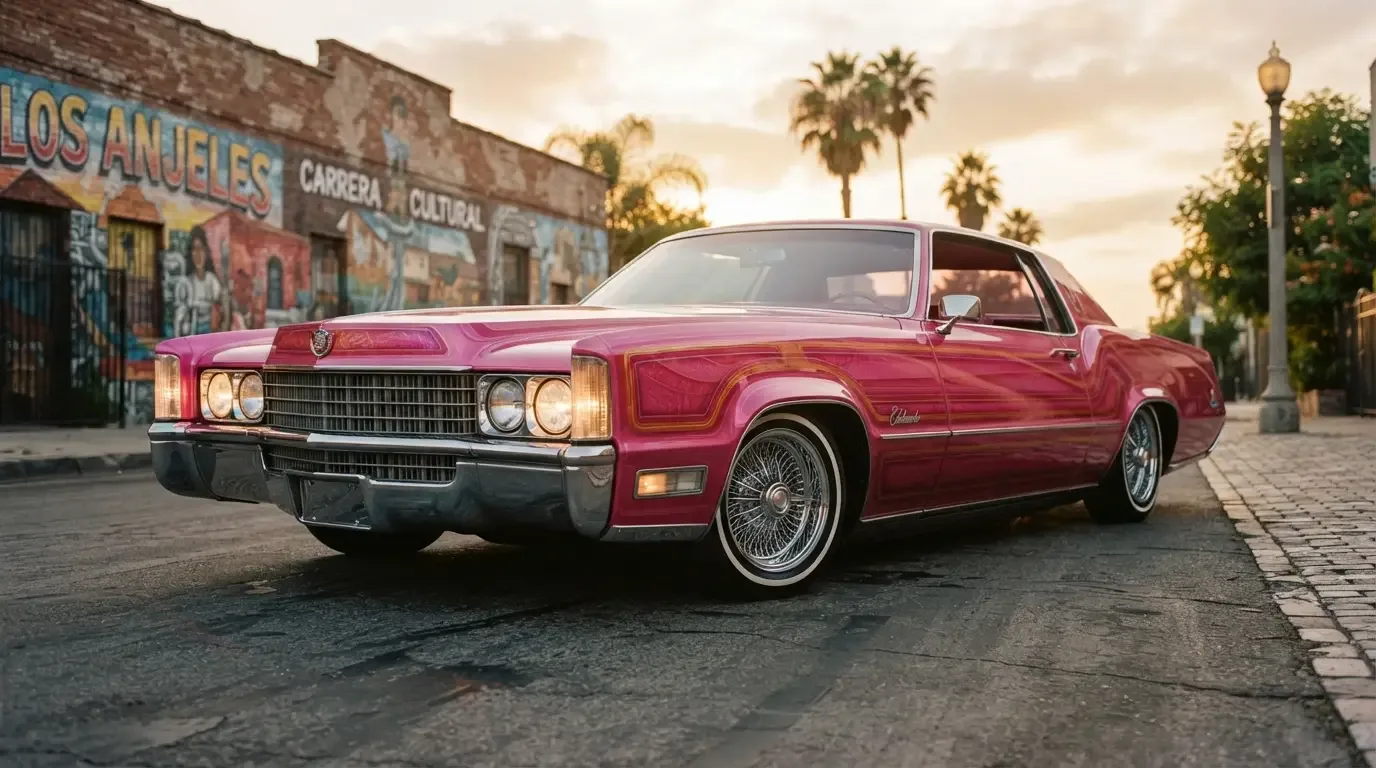
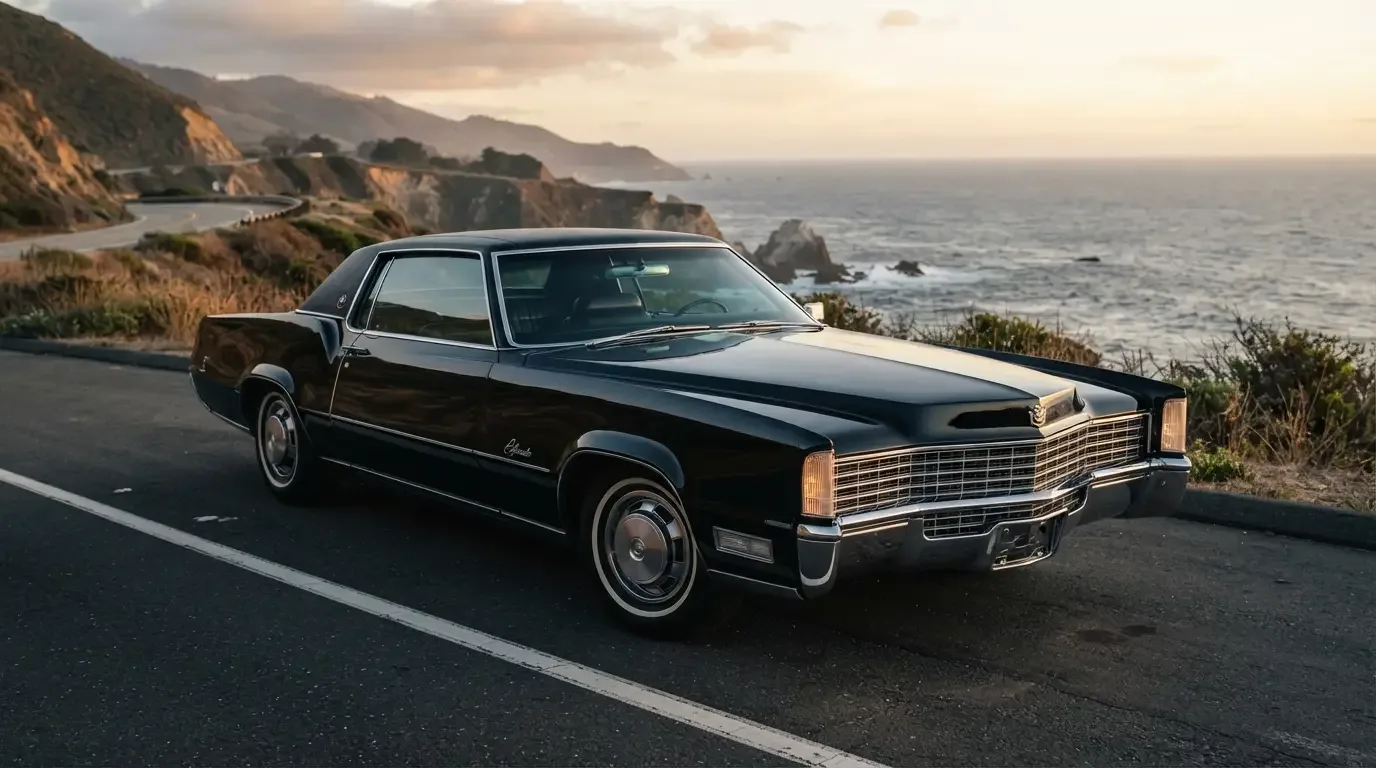
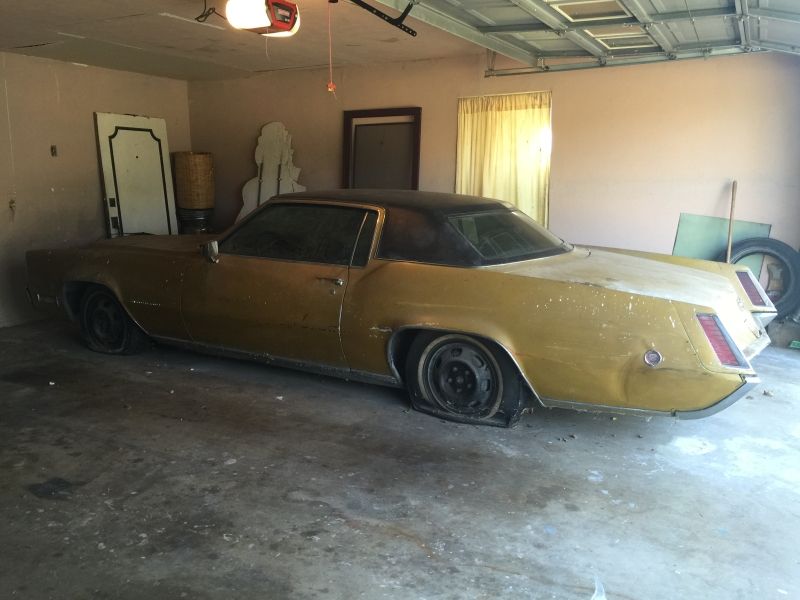
The most significant mechanical break in the model's history came in 1967. Cadillac moved the Eldorado to a front-wheel-drive platform, the E-body, shared in engineering with the Oldsmobile Toronado. The car became a two-door personal luxury coupe with razor-edge styling overseen by Bill Mitchell's design staff, and it abandoned the convertible-and-hardtop pairing that had defined the name for a decade.
This generation is where the Eldorado found a clear and lasting identity as a driver-focused luxury coupe rather than a rolling display of chrome. The front-drive layout gave the car a flat floor and a distinctive proportion, with a long hood and crisp lines. It also carried Cadillac's largest engines of the era, growing from a 429 cubic inch V8 to a 472, and by 1970 to the 500 cubic inch unit that remains one of the largest production V8s ever fitted to a passenger car.
The land yacht years: 1971 to 1978
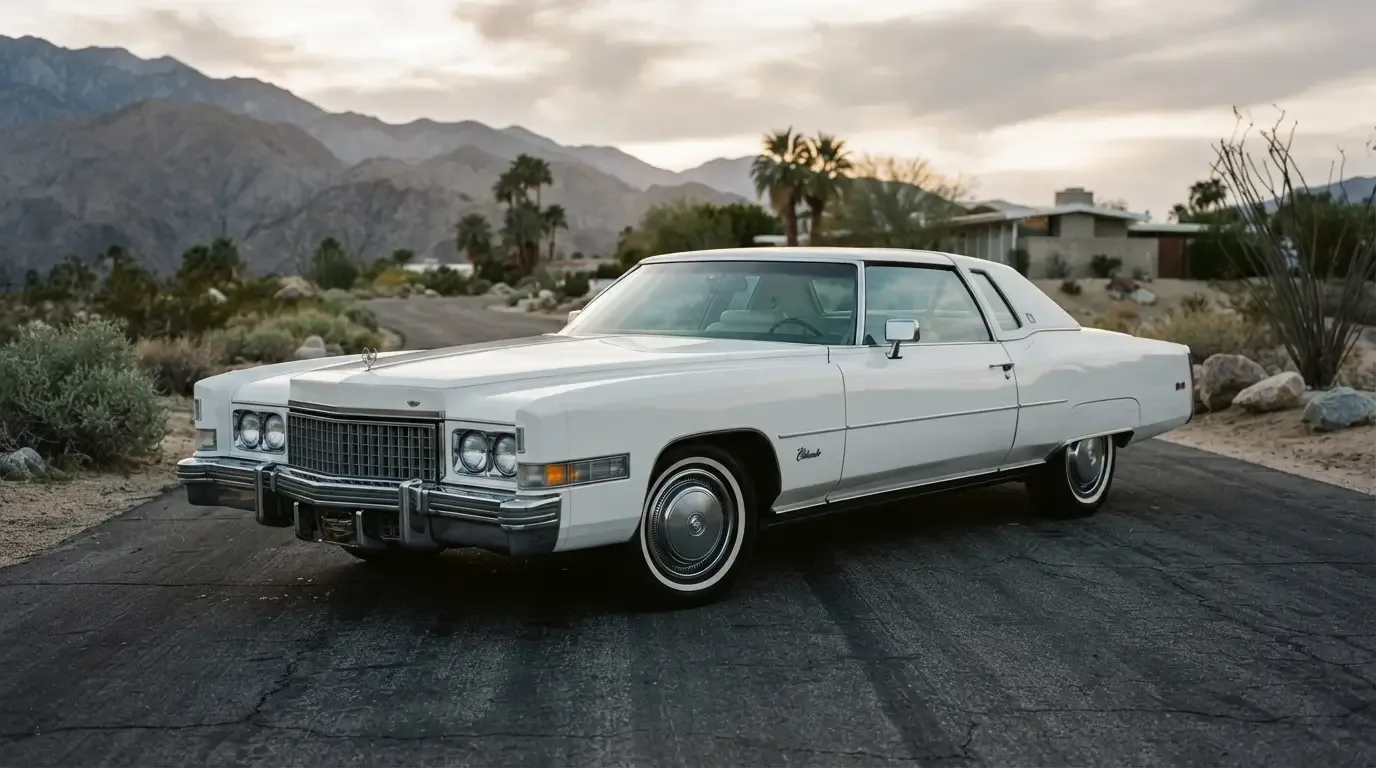
A redesign for 1971 made the Eldorado larger again and returned a convertible to the lineup for the first time since the mid 1960s. These cars are the definition of the American land yacht, long and heavy and trimmed for comfort above all else. The convertible in particular became a symbol of the period, and Cadillac leaned into its scarcity as open cars fell out of fashion.
That marketing reached its peak with the 1976 model, which Cadillac promoted heavily as the last American convertible. Whether that claim held up in the long run is a separate story, but the effect on collectors was immediate and lasting. The final examples were sold with documentation emphasizing their place in that supposed ending, and they have been treated as milestone cars ever since.
Two rounds of downsizing: 1979 and 1986
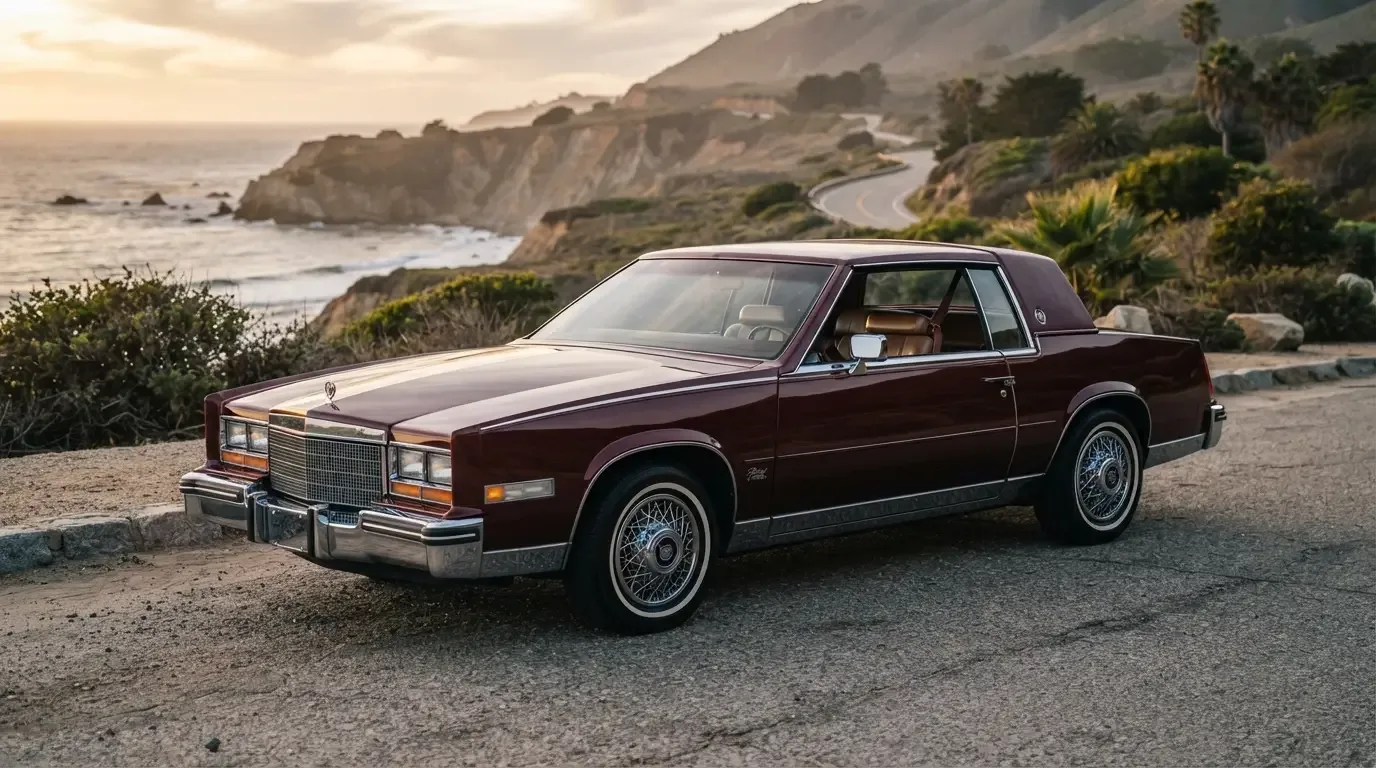
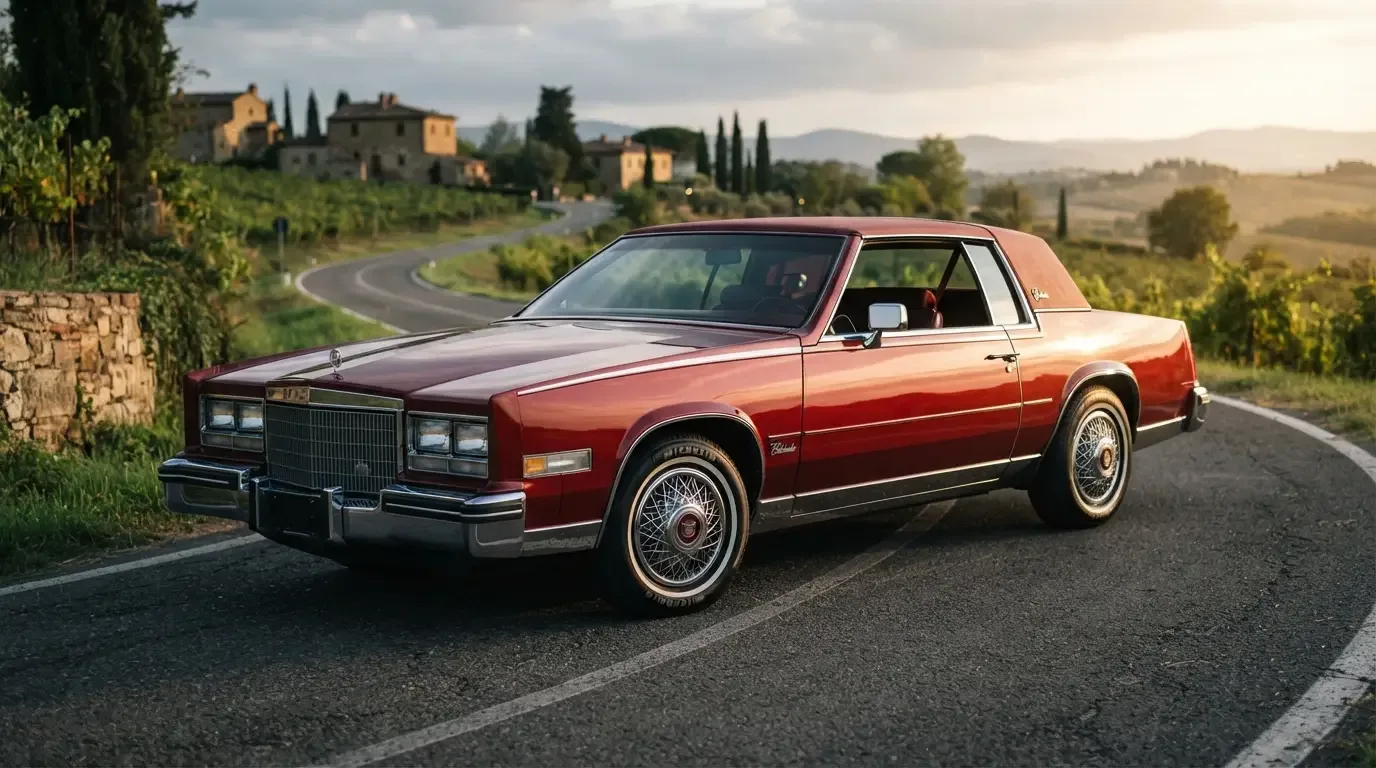
The Eldorado shrank for 1979, losing significant length and weight in response to fuel economy pressure. The result was a tighter, more efficient coupe that still read as a Cadillac but no longer competed on sheer size. For many buyers this generation struck a reasonable balance between the excess of the early 1970s and the demands of a changed market.
The second downsizing, for 1986, was far more dramatic and far more divisive. The car became much smaller, and sales fell sharply as buyers struggled to tell the compact Eldorado apart from lesser Cadillacs. It is widely regarded as a low point for the nameplate in commercial terms, and Cadillac spent the following years adding length and distinction back into the design to recover its identity.
The Northstar coupes and the final Collector Series
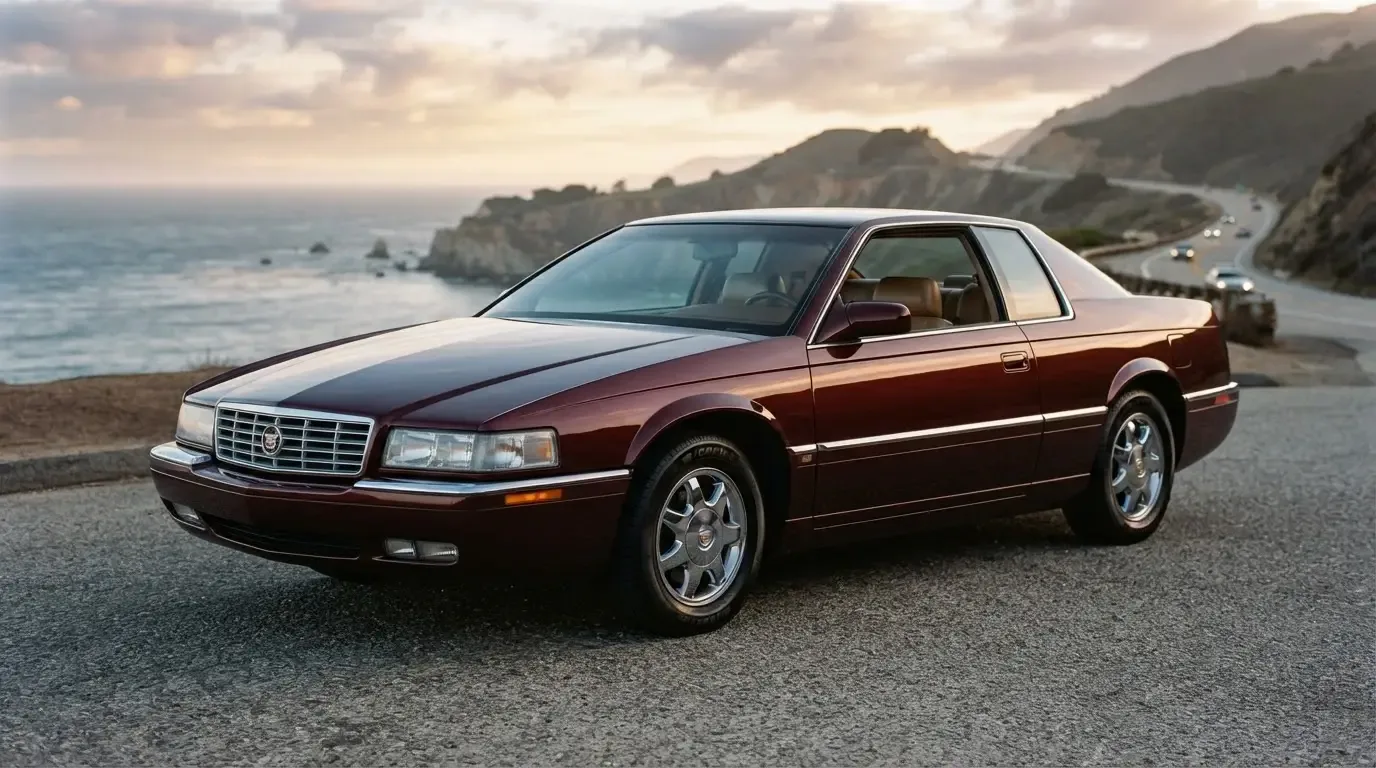
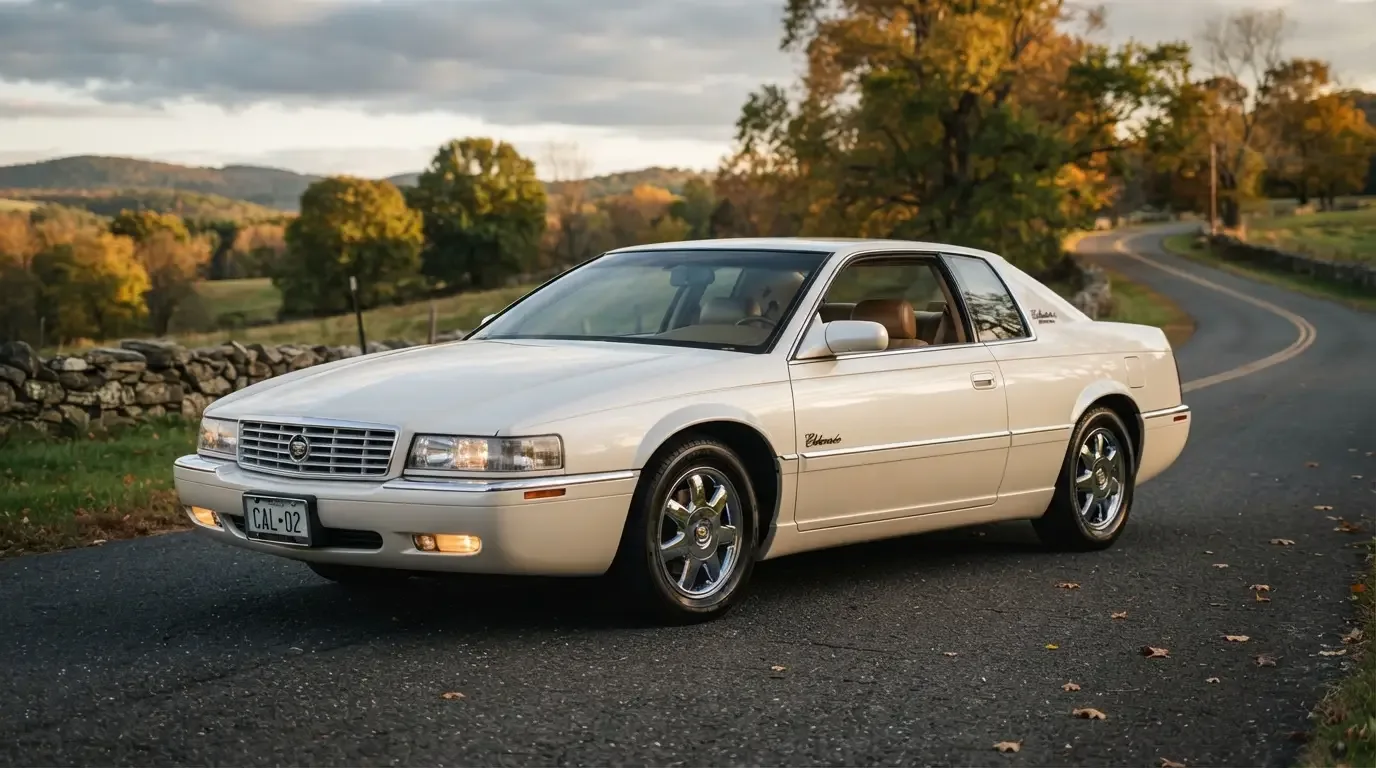
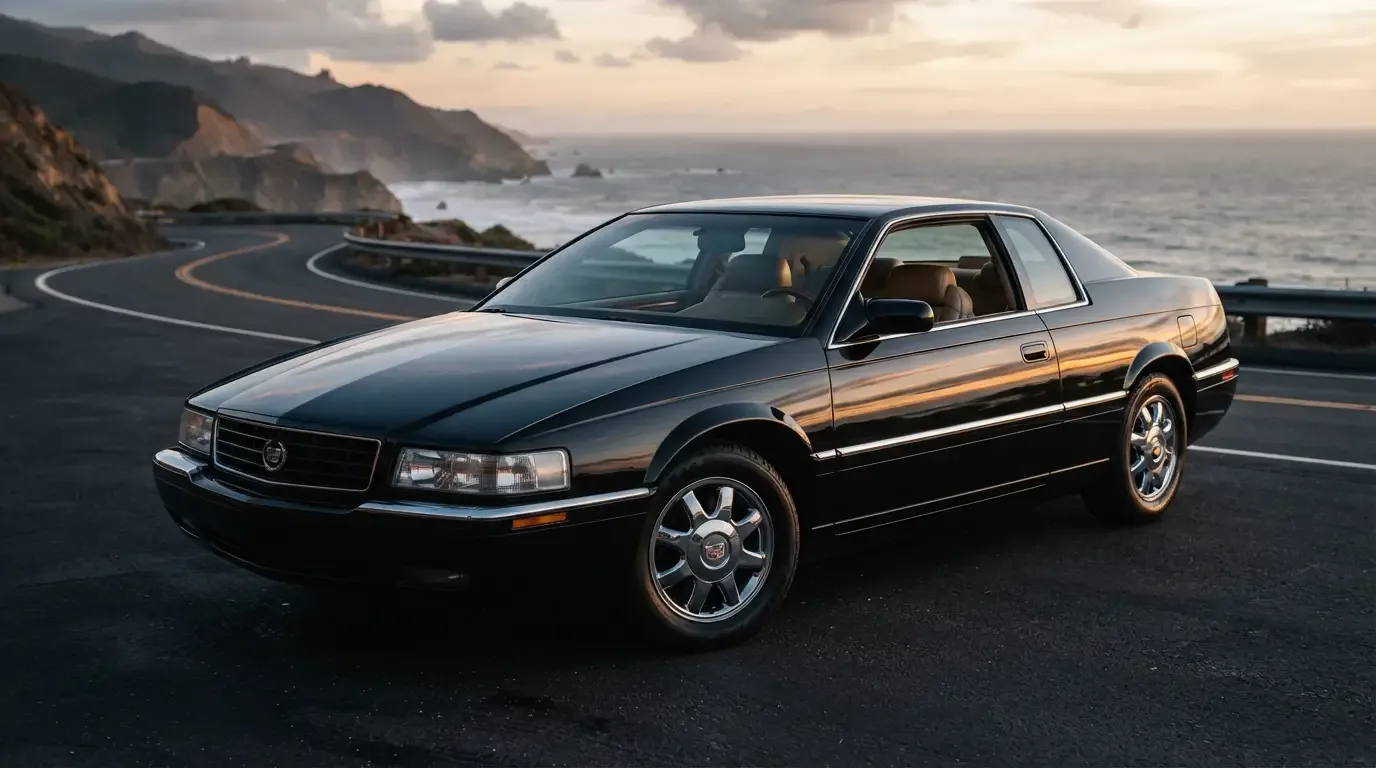
A 1992 redesign gave the Eldorado a larger, cleaner body and restored much of the presence lost in 1986. The following year brought the Northstar V8, a 4.6 liter double-overhead-cam engine rated at 295 horsepower in its higher output form. This was a genuinely modern powertrain, and it moved the Eldorado away from the pushrod tradition that had defined it for decades.
Production wound down in 2002. Cadillac marked the end with a Collector Series, a run of specially trimmed cars offered in a limited palette that closed the book on a nameplate that had run, with gaps in personality if not in production, since 1953. The last cars were built in small numbers and have been collected as bookends to the story from the day they left the line.
The engines that carried the name
Tracing the Eldorado's engines is another way to read its generations, because Cadillac used the model to carry its most significant powertrains. The 1950s cars ran the 331 and later 365 and 390 cubic inch V8s, with the Eldorado versions distinguished by multiple-carburetor setups that lifted output above the standard car. Displacement climbed steadily through the front-drive era, reaching the 500 cubic inch V8 by 1970, a unit that stands as one of the largest V8s ever fitted to a production passenger car.
The direction reversed under fuel-economy pressure. Displacement fell through the late 1970s and 1980s as the cars were downsized, and Cadillac experimented with diesel and variable-displacement engines in this period, some of which damaged the division's reputation for reliability. The recovery came with the Northstar in 1993, a modern aluminum V8 with dual overhead camshafts that had nothing in common with the old pushrod engines. That single powertrain history, from triple-carb showpiece to downsized experiment to modern Northstar, mirrors the design story almost exactly.
The interiors and what they signaled
Each Eldorado generation also carried an interior meant to justify the price step above a standard Cadillac. In the tailfin era that meant special upholstery, distinctive dash treatments, and equipment that arrived on the Eldorado before the rest of the range. The front-drive cars of the late 1960s and 1970s emphasized a lounge-like cabin suited to their size, while the downsized cars of the 1980s tried to preserve a sense of occasion in a much smaller package. The final Northstar coupes offered a cleaner, more contemporary cabin that matched their modern drivetrain. Reading the interiors alongside the sheet metal reinforces the same point, that the Eldorado was always positioned as the most complete Cadillac of its year.
"The Eldorado is not one car with a long life. It is a sequence of very different cars that happened to share a name, and reading it that way is the only way the history makes sense."
- Sarah Whitfield
Reading the generations as a whole
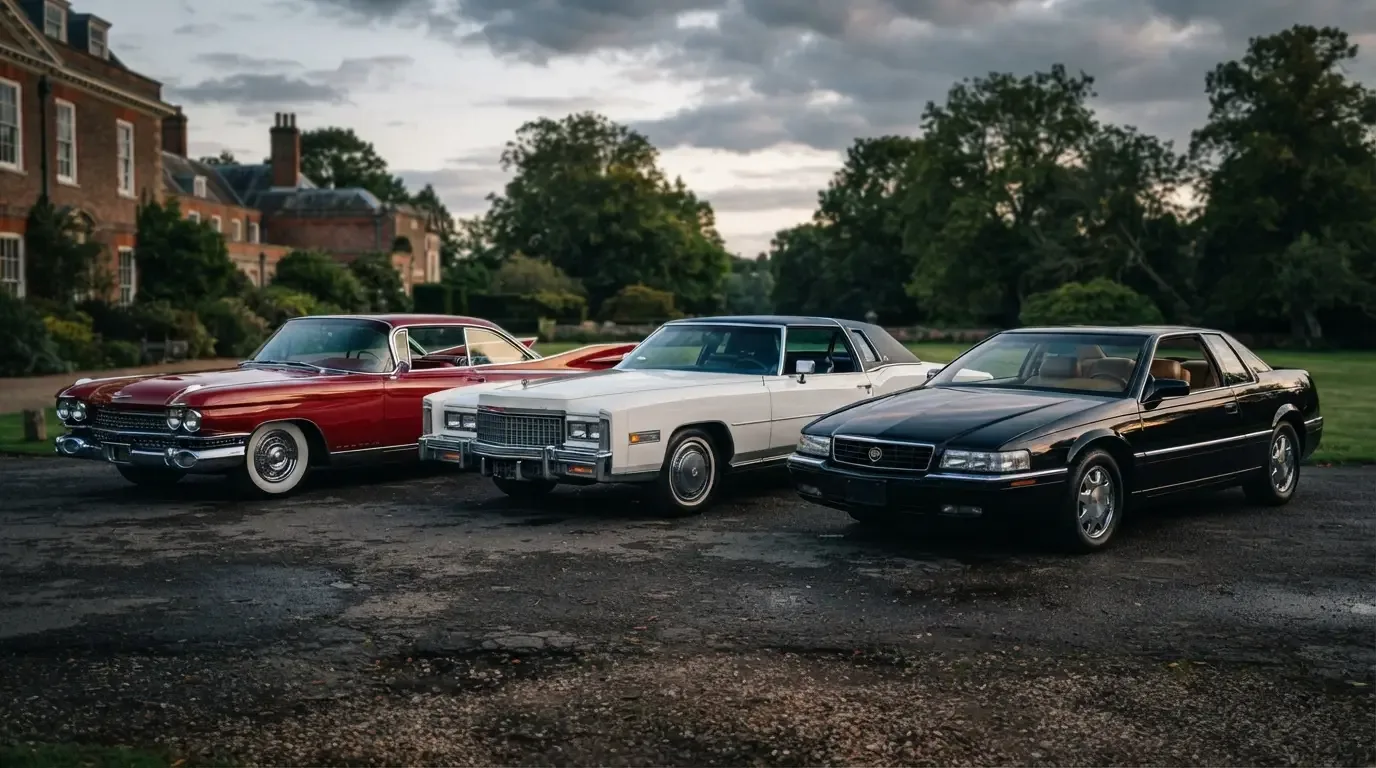
Placed side by side, the Cadillac Eldorado generations tell a consistent institutional story even as the cars themselves change beyond recognition. Each generation carried Cadillac's newest thinking, whether that meant a stainless roof in 1957, front-wheel drive in 1967, or a dual-overhead-cam V8 in 1993. The name was a proving ground, and the market rewarded or punished each experiment in turn.
For a collector or a researcher, that is what makes the model worth studying as a set rather than a favorite year. The 1959 car and the 1986 car could hardly be more different, yet both were the Eldorado of their moment, and both were shaped by the same instinct to lead rather than follow. Anyone weighing a purchase across these eras can compare periods directly by looking at a classic classic Eldorado for sale and seeing how each generation is valued today.
The through-line is ambition. From 532 hand-built convertibles to a numbered final series, the Eldorado was always the Cadillac asked to carry the division's boldest ideas, and the record of those ideas, generation by generation, is the real subject of the model's history.