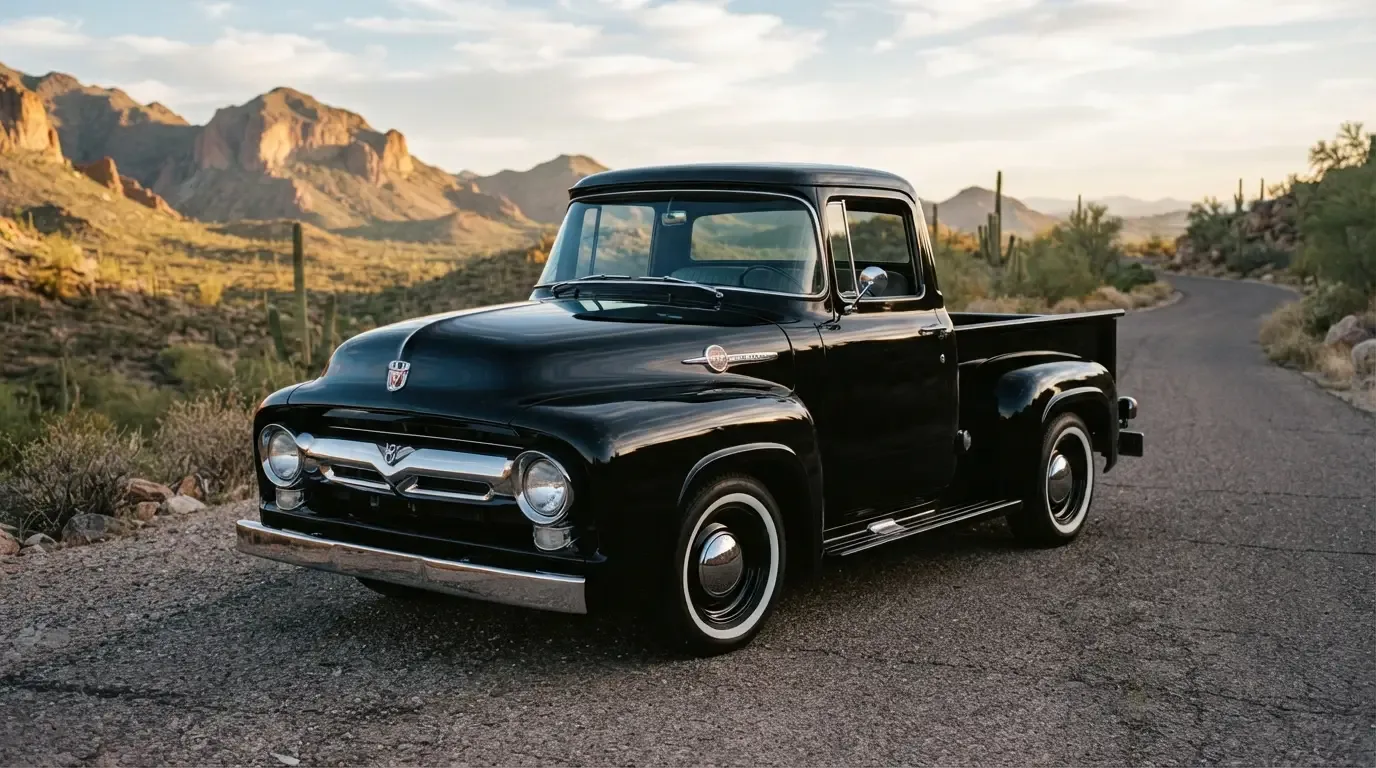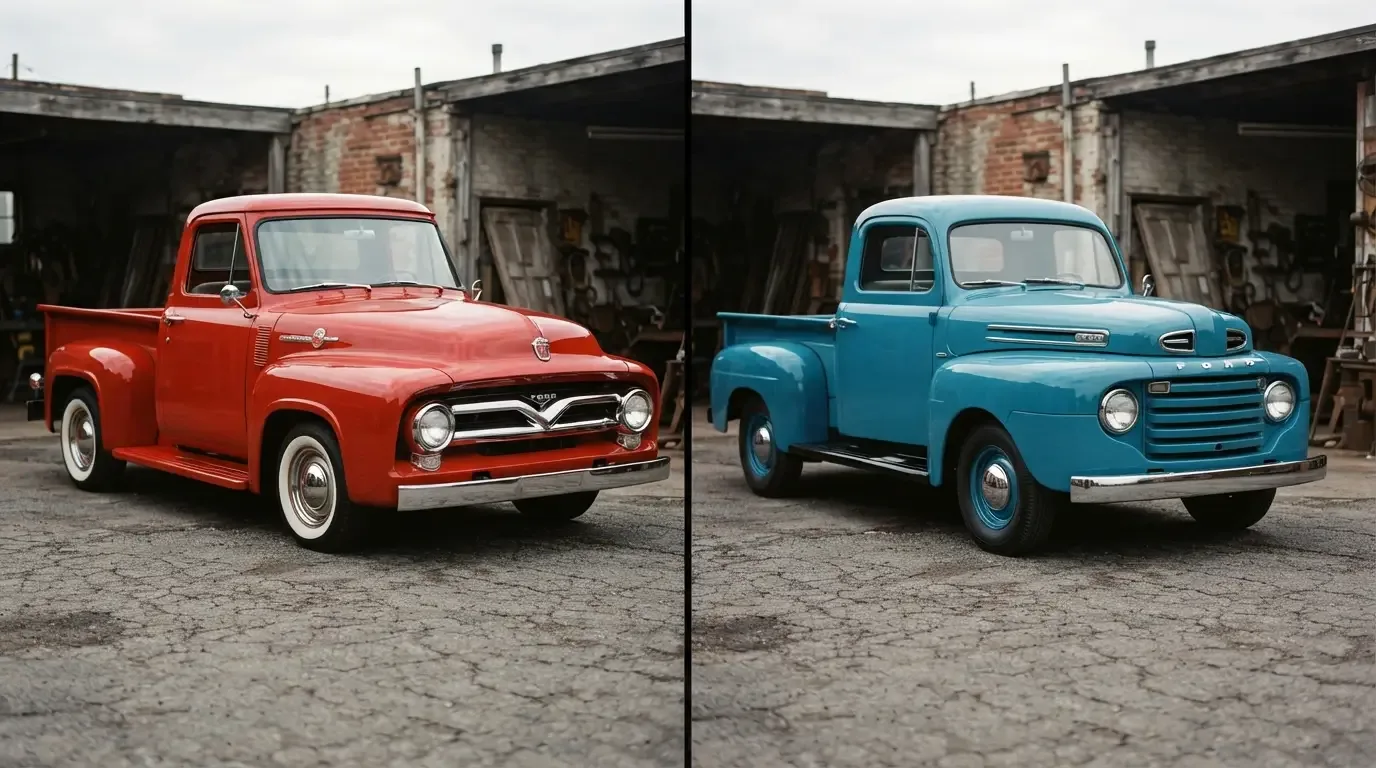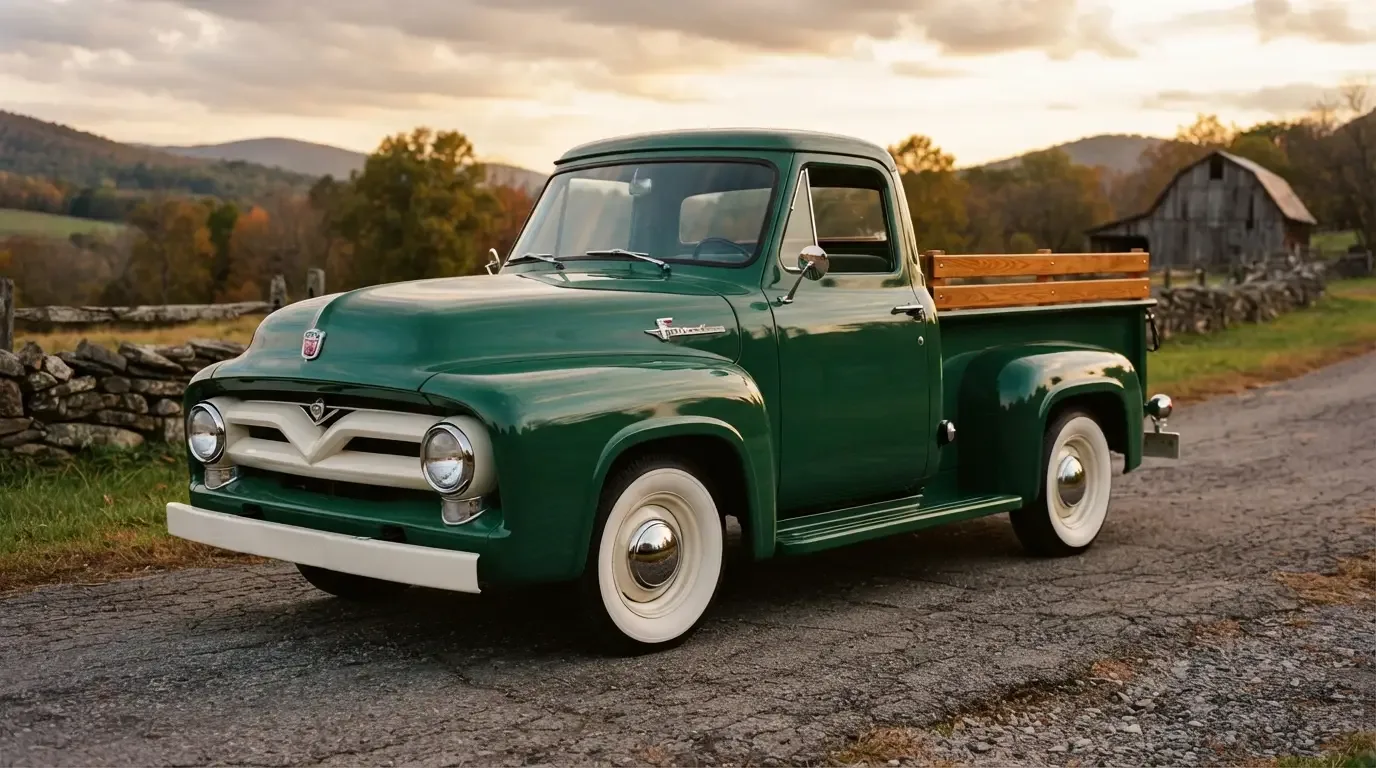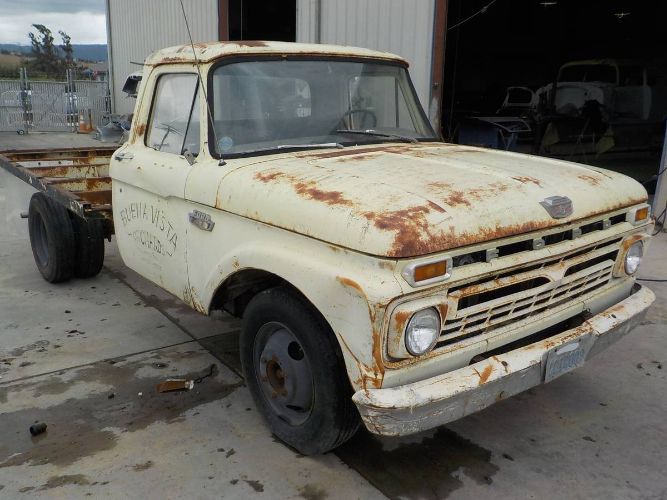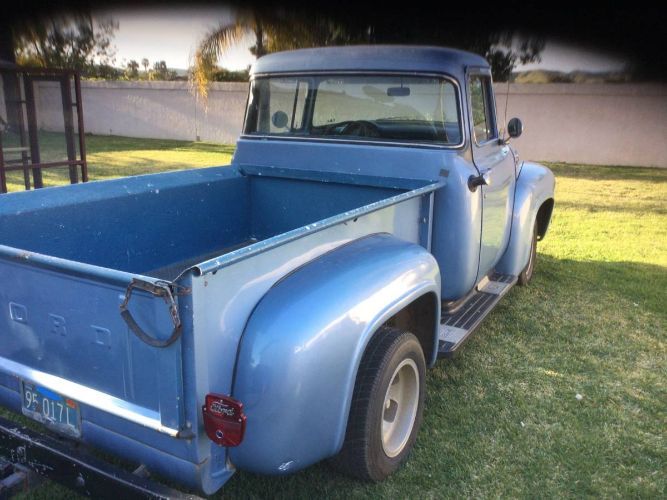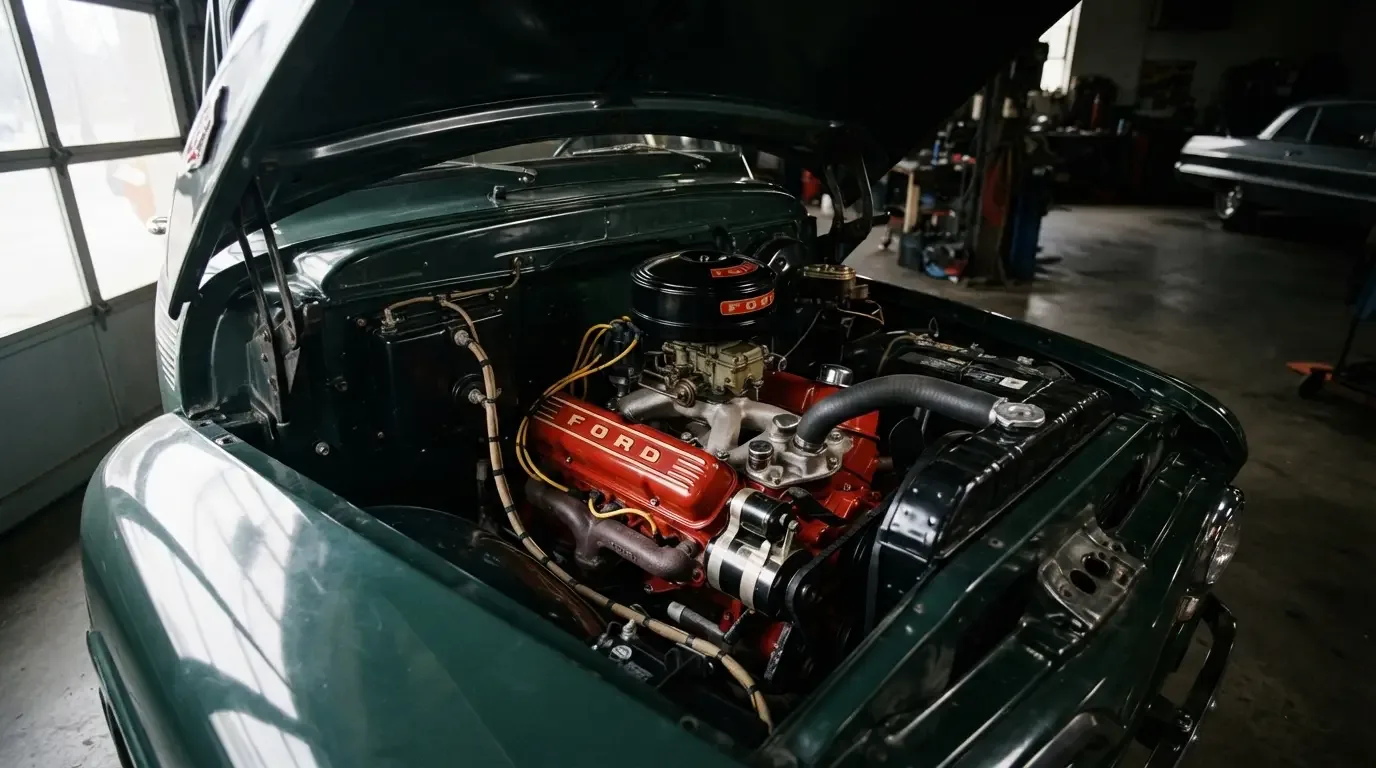
Production records and dealer literature from the period make one thing clear: the 1954 ford f100 was never meant to be a minor update. It was the model year Ford finally retired an engine architecture that had powered its trucks since 1932. The flathead V8 was gone, and in its place sat something Ford's engineering staff had been developing for years, an overhead-valve V8 that would define Ford truck power for the rest of the decade.
Ending the flathead era
Ford's flathead V8 was, by 1954, an old design wearing a new body. It had served the company well since the early 1930s, prized for simplicity and low cost, but its side-valve layout limited compression ratios and airflow in ways that overhead-valve engines simply did not. Competitors had already moved to OHV designs, and Ford's engineers understood that the flathead had reached the end of what it could deliver in a modern truck. Retiring it in 1954, rather than dragging it forward another few years, was a deliberate decision documented in Ford's own internal engineering summaries from the period.
The truck that replaced it wore the same F-100 badge and largely the same body as the 1953 model, which is part of why this year gets overlooked in casual histories. Visually, a 1953 and 1954 F-100 can look nearly identical from across a parking lot. Mechanically, they represent two completely different generations of engineering philosophy.
The Y-block arrives
Ford's new engine earned the nickname "Y-block" because of the deep skirting on its cylinder block, which extended well below the crankshaft centerline and gave the block a Y-shaped cross section when viewed from the front. In truck form, the 1954 Y-block displaced 239 cubic inches and produced 130 horsepower, a meaningful jump over the outgoing flathead's roughly 110 horsepower. Overhead valves allowed higher compression and better breathing, translating directly into stronger low-end torque, exactly what a work truck needed for towing and hauling.
Factory service documentation from 1954 emphasizes reliability improvements alongside the power gains. The new valvetrain design reduced oil consumption issues that had plagued late flathead production, and dealers were instructed to highlight the Y-block's smoother idle and quieter operation in sales materials aimed at commercial buyers who cared about downtime as much as horsepower figures.
What buyers actually noticed
Period road tests and dealer accounts consistently mention the same thing: drivers felt the difference before they understood the mechanical reason for it. Acceleration from a stop improved noticeably, and the truck no longer struggled the way flathead-equipped models could on grades with a loaded bed. Fuel economy claims from Ford's own marketing were modest, since the OHV design traded some of the flathead's simplicity for performance, but reliability reports from the field were largely favorable.
Six-cylinder buyers, meanwhile, saw comparatively few changes. The inline six carried over with only minor refinements, which meant the real story of the 1954 model year belonged almost entirely to V8 customers. For collectors piecing together exactly how this fits into the broader 1953-56 generation, read the background for the full arc of that platform.
"Engineers at Ford didn't retire the flathead lightly. Internal correspondence from the period shows a company that understood it was closing out two decades of engine architecture, and the documentation they left behind makes 1954 one of the most consequential single-year changes in F-Series history."
- Tom Ramirez
A one-year bridge worth understanding
Because the body carried over from 1953 with only minor trim differences, the 1954 model sometimes gets folded into the broader "1953-56" conversation without getting credit for what actually changed underneath it. That's a mistake for anyone doing serious research. The engine swap alone makes 1954 a genuine dividing line, not a footnote. Buyers today who want an early Y-block truck specifically, rather than a flathead-era F-100, need to know that 1954 is the first year that combination exists in F-Series production.
If you're curious how Ford kept building on this momentum the following year, with suspension and electrical changes layered on top of the new V8, the 1955 model is worth a look too, since it represents the next meaningful step in the same story.
Comparing the two engines directly
Factory dynamometer figures from the period, preserved in Ford's own engineering archives, put the outgoing flathead V8's output well below the new Y-block across the entire operating range, not just at peak horsepower. Torque delivery at low engine speeds, the figure that actually matters most for a work truck pulling away from a stop with a loaded bed, showed the clearest improvement. Drivers accustomed to the flathead's tendency to labor under load reported the Y-block pulled more confidently through the same conditions, a difference that period road tests attributed directly to the new engine's improved breathing and higher compression ratio.
Fuel consumption told a more mixed story. Ford's own literature avoided overstating economy gains, since the OHV design's higher compression demanded slightly richer tuning under certain conditions than the simpler flathead required. What the company emphasized instead was total cost of ownership, pointing to reduced oil consumption and fewer warranty claims related to valve issues as evidence that the new engine would save fleet operators money over the truck's service life, even if the sticker figures for fuel economy were not dramatically different.
Service network preparation
Ford's dealer network required retraining to service the new Y-block properly, since the overhead-valve design demanded different tools and procedures than mechanics had used on the flathead for two decades. Factory bulletins from late 1953 and early 1954 document an active push to get service departments ready before the new engine reached showrooms, including updated valve adjustment procedures and revised torque specifications that differed meaningfully from flathead practice. This kind of behind-the-scenes preparation rarely makes it into casual histories of the model, but it is exactly the sort of documentation that confirms how seriously Ford treated the transition internally.
Cooling and drivetrain adjustments
The heavier Y-block required a revised cooling system compared to the flathead, since the deeper block skirting and higher output generated more heat under sustained load. Factory records show a larger-capacity radiator became standard alongside the new engine, along with revised fan and pulley specifications to match. These are not the kinds of changes that show up in casual retrospectives, but they mattered enormously to fleet buyers who ran their trucks hard in summer heat and needed confidence the new engine would not overheat on long hauls the way an undersized cooling system might.
Transmission and clutch specifications also saw modest revisions to handle the Y-block's increased torque output, ensuring the drivetrain behind the new engine could reliably transmit that power without premature wear. Taken together, these supporting changes reinforce the point that 1954 was not a simple engine swap bolted into an unchanged truck. Ford treated the transition as a systems-level update, touching cooling, drivetrain and service procedures alongside the headline engine change itself.
Documentation over nostalgia
It is easy to romanticize a truck like this without checking the paperwork, but the factory record backs up what enthusiasts have said informally for decades. The 1954 Y-block genuinely outperformed the flathead it replaced, and Ford's own engineers treated the transition as a milestone rather than a routine update. That combination of documented performance gains and a body that looks nearly identical to its 1953 predecessor is exactly what makes the 1954 F-100 an underrated year among collectors who actually study the production history rather than judging by sheet metal alone.
For anyone weighing a purchase built around this specific engine transition, shop classic F-100 listings to see what early Y-block trucks are currently available.