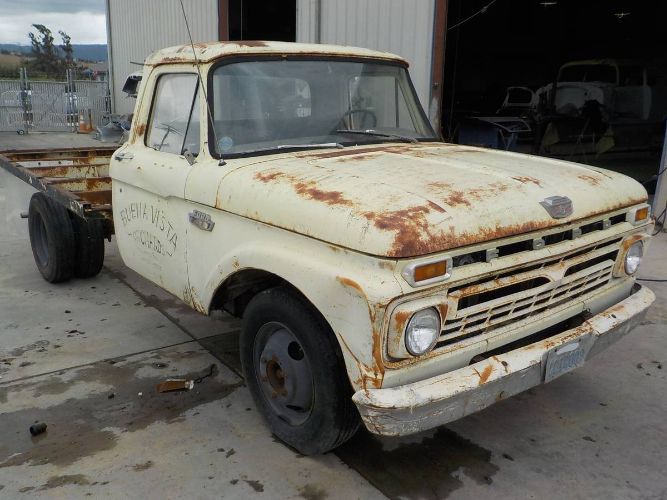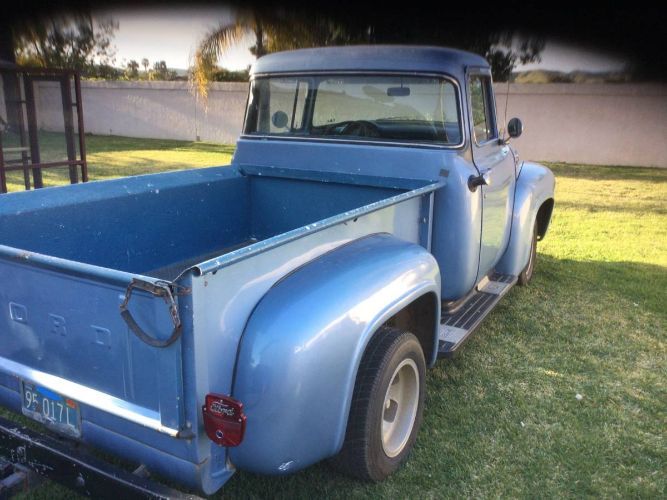
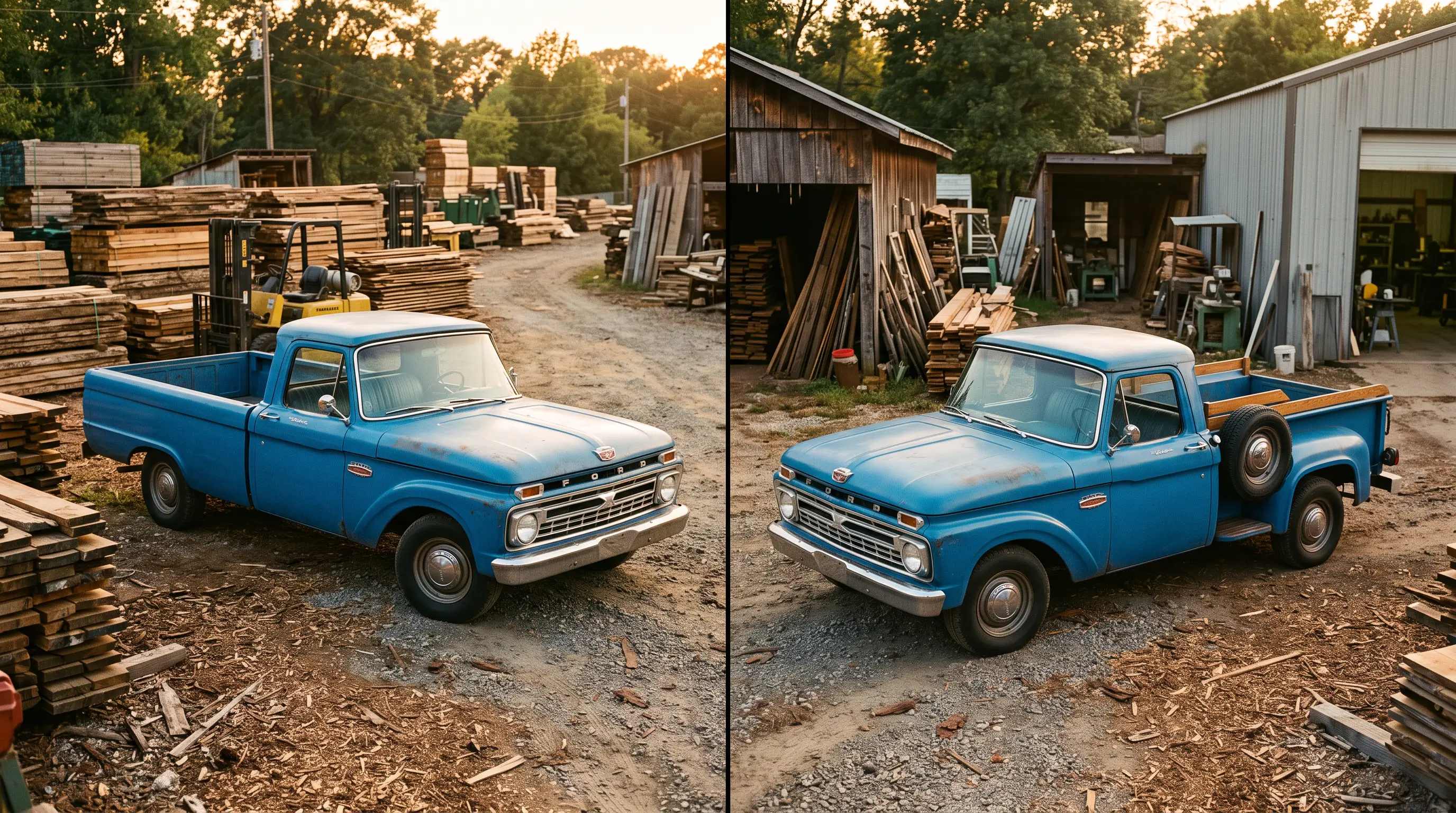
A 1965 ford f100 bed decision was not a minor trim choice for buyers in the mid-1960s, and it still is not for collectors evaluating a truck today. Ford offered two distinct bed styles across this generation, Styleside and Flareside, and the two options represent genuinely different engineering approaches and different eras of pickup bed design compressed into the same model line.
Styleside: the smooth-sided modern option
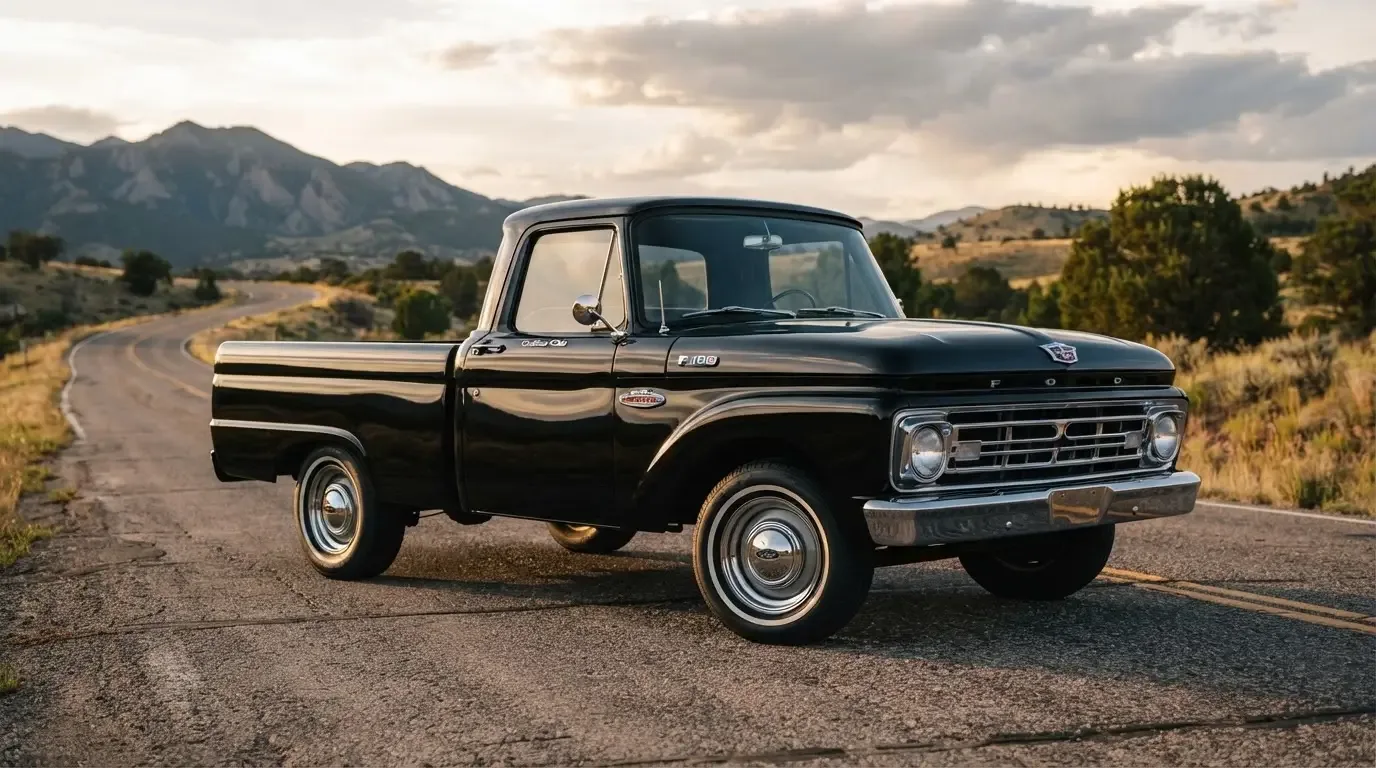
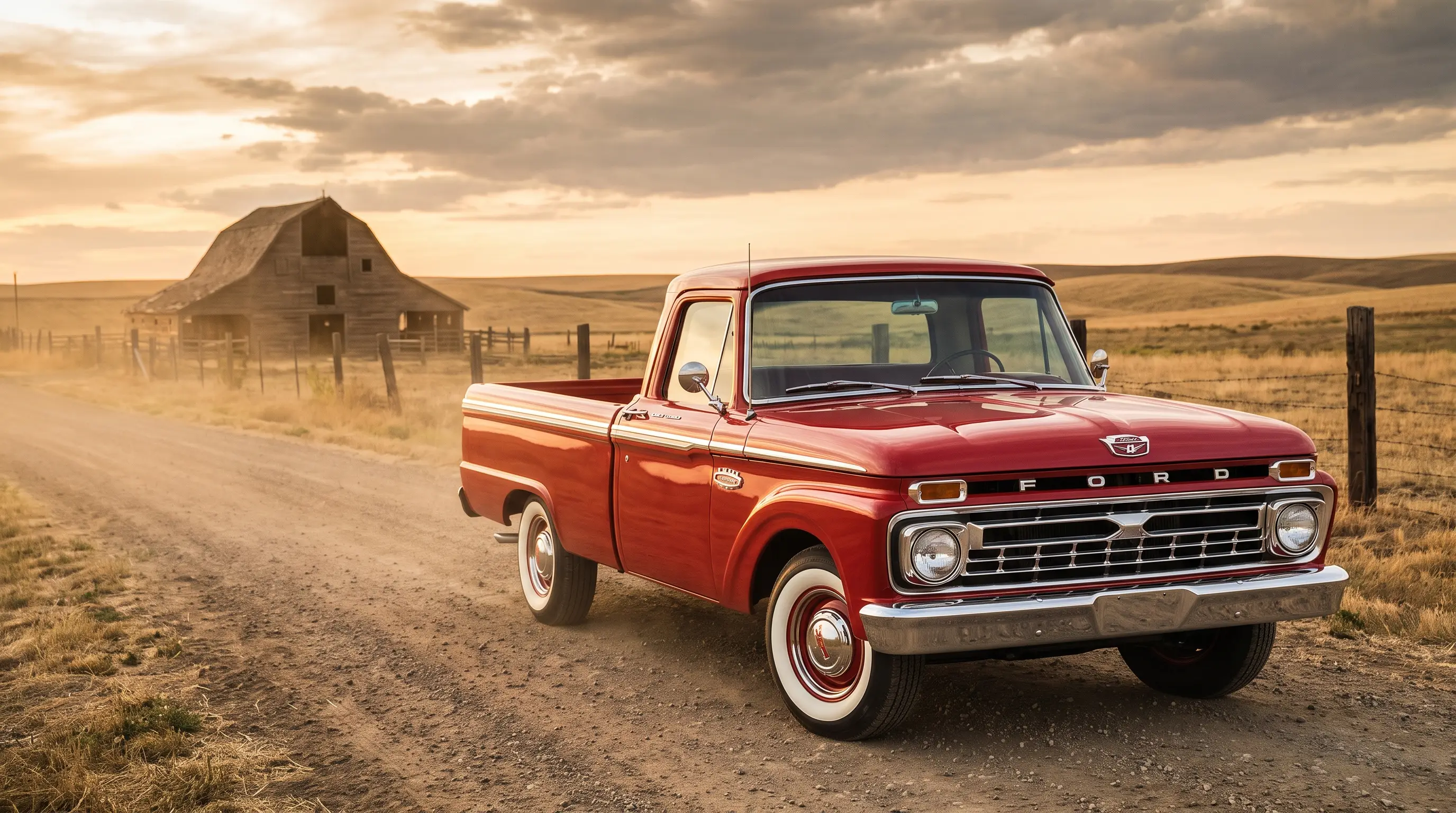
The Styleside bed carried flush sheet metal from the cab back to the tailgate, with the rear fenders integrated into the same plane as the bed sides rather than bolted on as separate flared pieces. This was Ford's answer to the direction the pickup market was heading, toward a cleaner, more car-like appearance that made the truck look less like strictly a work tool and more like something a buyer might drive daily without embarrassment. By the mid-1960s Styleside had become the more popular configuration on new truck orders, reflecting a broader shift in how Americans thought about pickups.
Structurally, the Styleside bed on this generation was a separate unit bolted to the frame, a return to conventional construction after the ill-fated unibody design Ford tried at the start of this generation and abandoned by 1964. That separate-bed construction is actually good news for anyone doing rust repair or restoration work decades later, since bed damage does not compromise cab structure the way it did on the earlier unibody trucks.
Flareside: the traditional stepside look
The Flareside carried on the older stepside tradition, with narrow bed sides that left the rear wheels exposed and fenders that flared outward as separate pieces welded or bolted to the bed structure. This was the more traditional, more overtly utilitarian look, and it appealed to buyers who wanted their truck to look like a truck rather than a smoothed-over compromise. It also had a practical advantage some buyers valued: the narrower bed floor between the wheelwells made it easier to load and secure certain kinds of cargo, particularly stacked materials that needed a flat surface without fender intrusion.
Flareside production continued throughout this generation but at lower volume than Styleside as the decade progressed, which has an interesting effect on today's collector market. Original Flareside trucks from this generation are scarcer than Stylesides simply because fewer were built, and that scarcity has made well-preserved examples genuinely desirable among buyers who want the older-school look on a mid-1960s chassis and running gear.
| Bed style | Rear wheel treatment | General market position |
|---|---|---|
| Styleside | Fenders integrated flush with bed sides | Higher production, more common today |
| Flareside | Exposed wheels, separate flared fenders | Lower production, scarcer, sought after |
Bed length and how it shifted buying decisions
Beyond the Styleside and Flareside split, buyers in this era also chose between bed lengths depending on how the truck was actually going to be used, and that choice carried its own tradeoffs that still matter to someone evaluating a surviving example decades later. A shorter bed made the whole truck more maneuverable, easier to park and easier to handle on tighter job sites or narrower farm lanes, while a longer bed offered more usable cargo space for buyers hauling bulkier loads on a regular basis. Neither choice was inherently correct. It came down to what the buyer actually needed the truck to do most often.
That same logic applies to collectors today, though the calculus has shifted. A shorter bed truck tends to be slightly easier to store and trailer to shows, and some buyers simply prefer the tighter, more compact proportions it gives the overall truck. A longer bed, meanwhile, appeals to buyers who want to actually use the truck the way it was originally intended, hauling furniture, equipment, or whatever else a functional pickup gets asked to carry on a given weekend. Knowing which length pairs with which era of this generation helps a buyer spot an inconsistent or later-modified configuration.
Reading a bed on a truck you are evaluating
Because both bed styles were factory options across most of this generation, a buyer looking at a specific truck needs to confirm the bed matches the truck's stated history rather than assuming one style or the other based on the model year alone. Beds were also swapped over the decades of ownership these trucks have accumulated, sometimes to repair damage and sometimes because an owner simply preferred the other look, so a Flareside bed on a truck today does not automatically mean the truck left the factory that way.
Checking the data plate and any available build documentation against the bed currently on the truck is the only reliable way to confirm originality. It is a step worth taking before paying a premium for what is represented as an original-configuration truck, particularly on the rarer Flareside examples where the gap between an original and a later swap matters most to value. For the complete generational context, from the unibody years through the 1966 model, where this started is worth reading before evaluating a specific truck's bed configuration against its documented history.
Wood floors, steel floors, and the details in between
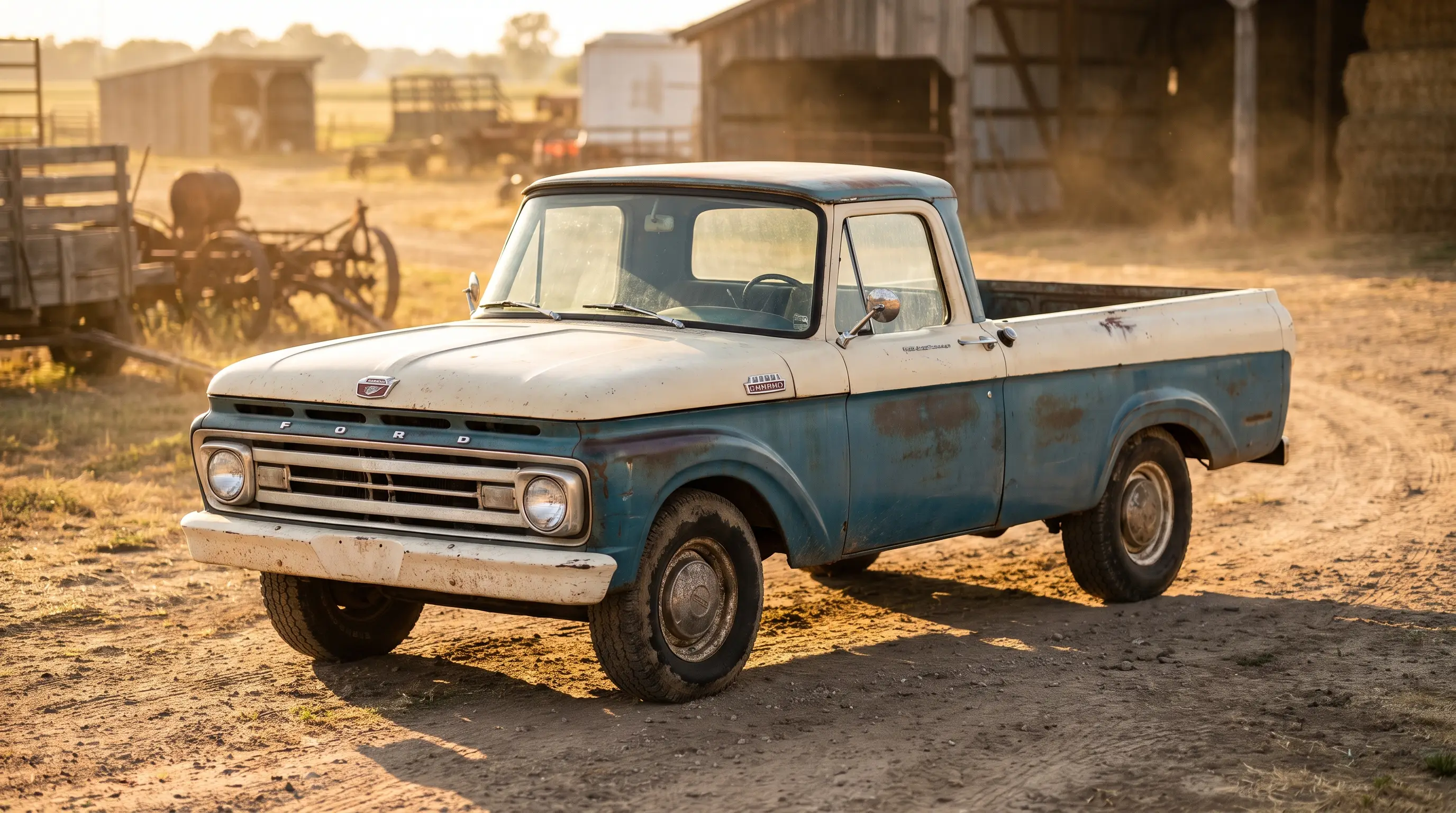
Bed floor construction is another detail that separates a casually described truck from an accurately described one. Wood-slat floors with steel skid strips were common on trucks from this generation, a construction method that offered a degree of flex and durability under repeated loading that a solid steel floor did not always match, particularly when carrying uneven or heavy cargo repeatedly over years of use. The wood itself was treated to resist rot and wear, but decades later, surviving original floors are often replaced, and a buyer should not assume the wood currently in a bed is original just because it looks period-appropriate.
Hardware details, the specific bolt patterns, the tailgate chain configuration, the stake pocket placement, all varied in small ways across this generation and between the two bed styles. None of these details are dramatic on their own, but taken together they form a pattern that either supports or contradicts a truck's claimed originality. A restorer or a careful buyer who has spent time studying period photographs and surviving unrestored trucks develops an eye for these small inconsistencies that a casual shopper simply will not notice.
Which one to buy
There is no objectively correct answer between Styleside and Flareside, only a question of what a buyer actually wants out of the truck. Styleside offers a cleaner look, more common parts availability, and a slightly larger cargo footprint. Flareside offers the traditional stepside profile, genuine scarcity, and a distinct visual character that stands out at any show where Stylesides dominate the field. Buyers restoring toward originality should match the bed to what the truck's documentation supports rather than swapping styles for preference, since an incorrect bed on an otherwise correct truck undermines the documentation value that serious collectors pay for.
If you are ready to compare real examples of both configurations, you can shop classic F-100 listings and see what is currently available across this generation.
"I get asked constantly which bed is more valuable, Styleside or Flareside, and the honest answer is it depends entirely on what left the factory on that specific truck. A correct Flareside is worth more than an incorrect one wearing the same sheet metal. Originality is the whole game."
— Tom Ramirez