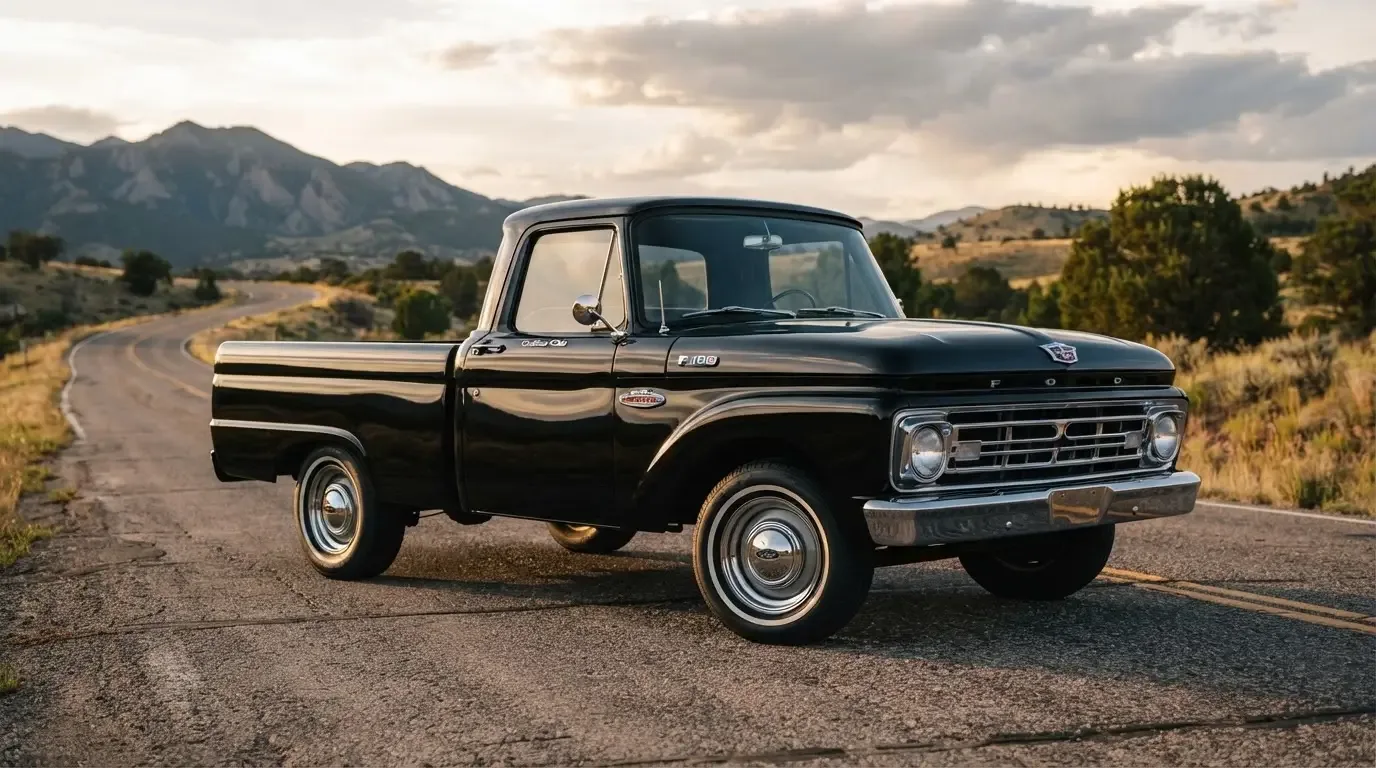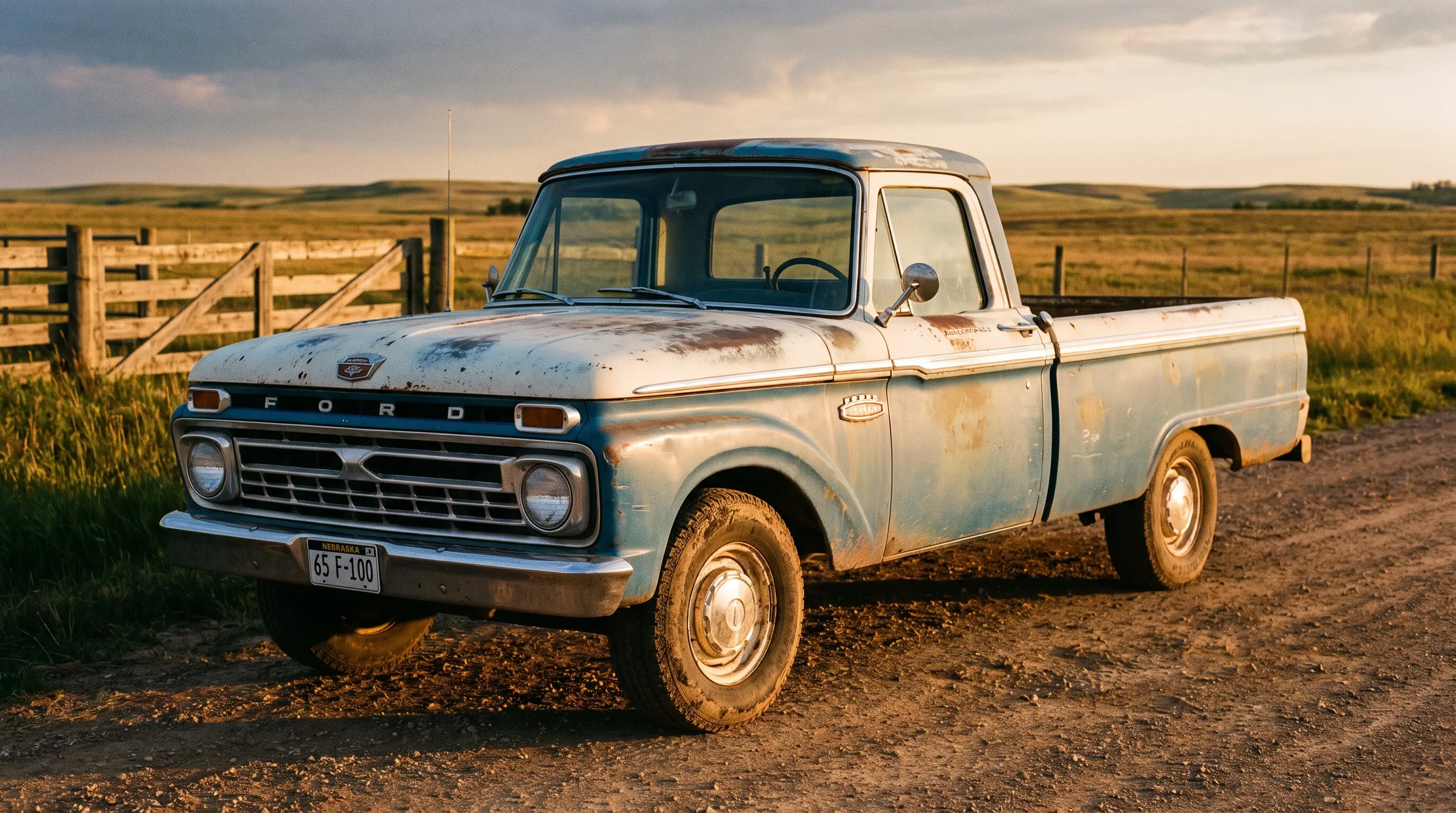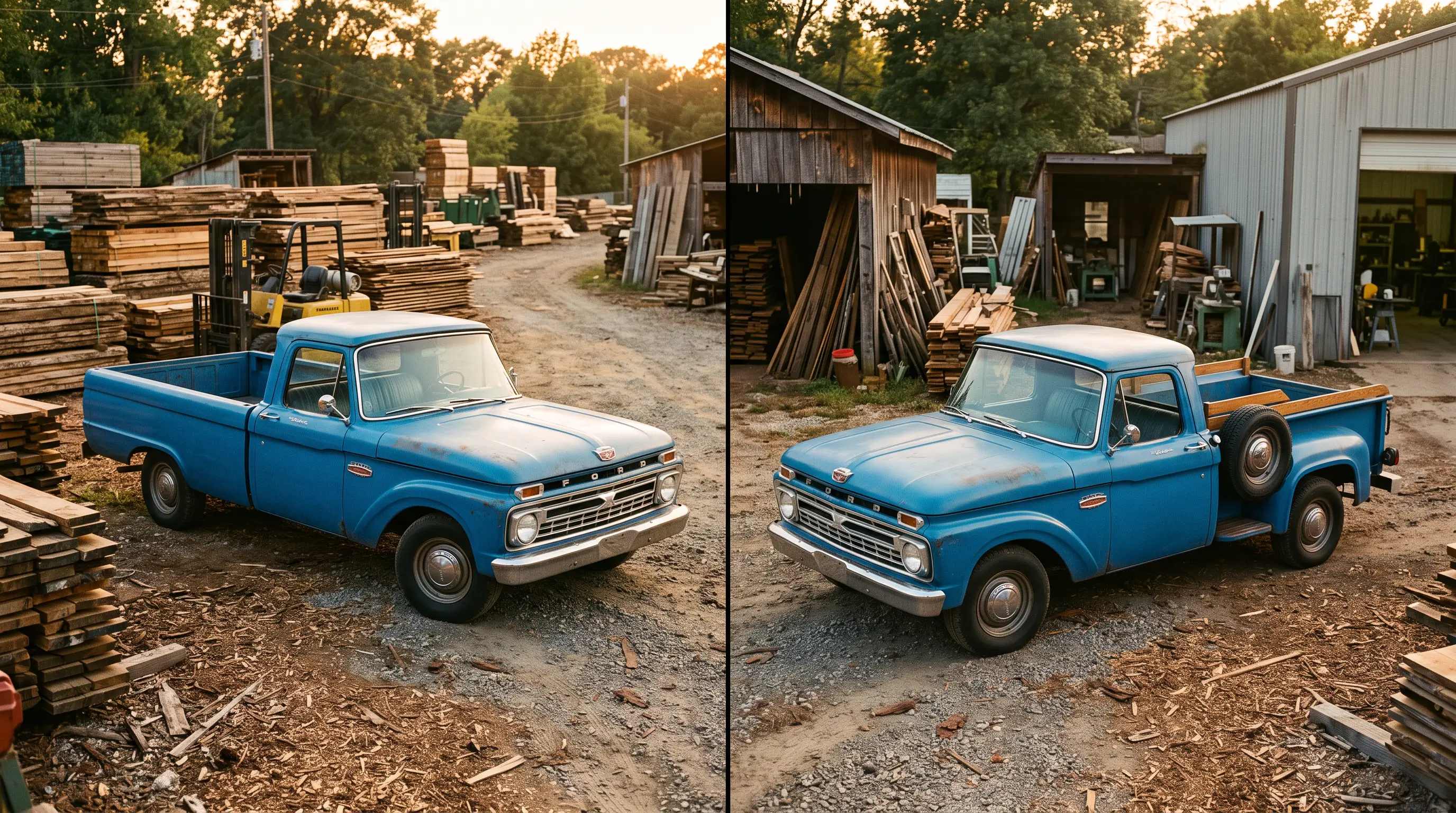
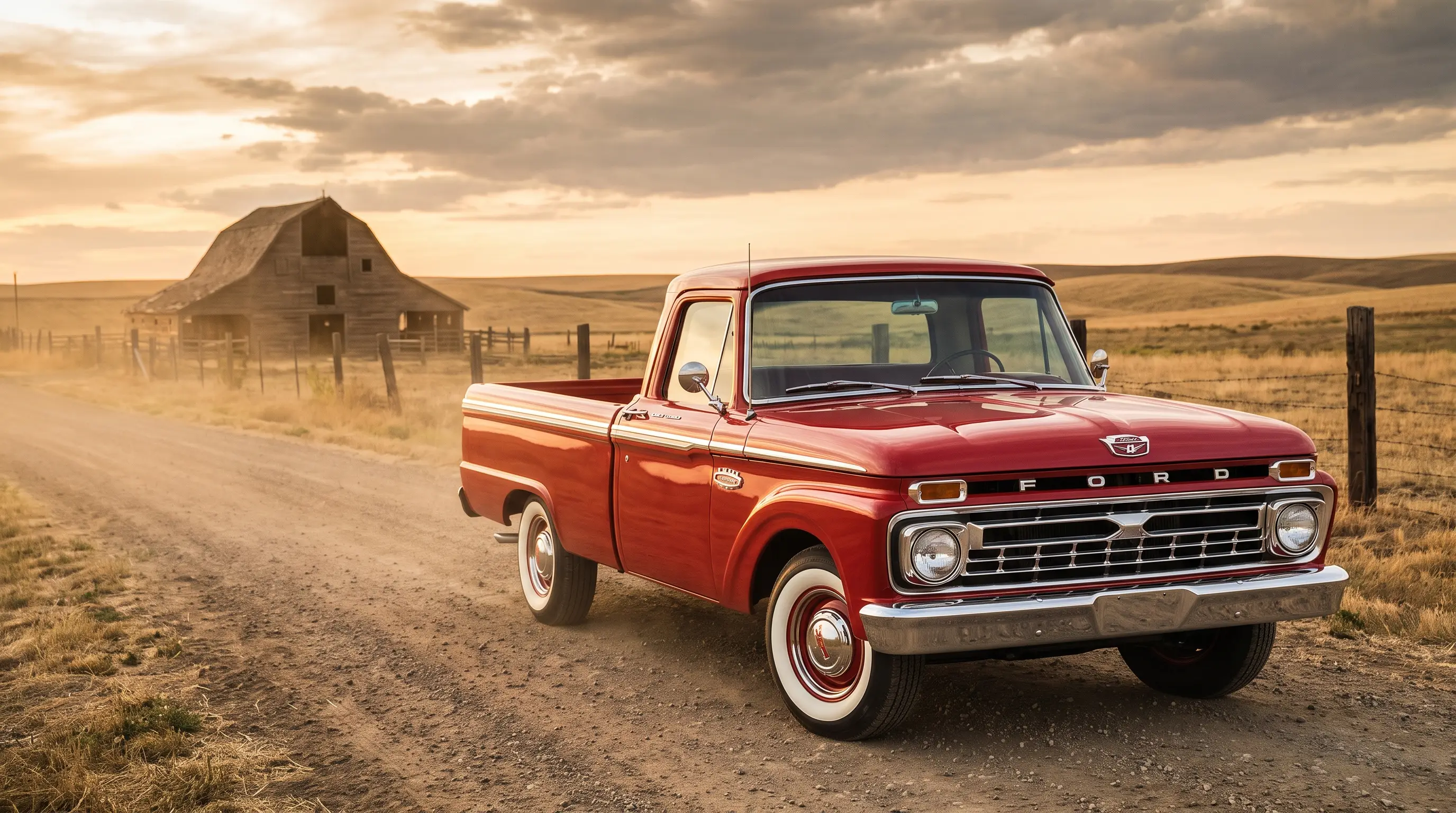
1966 ford f100 value has moved in a direction that surprises people who still think of these trucks as cheap old work rigs. The final year of the 1961 to 1966 generation carries a real premium over the earlier years in this run, and the reasons come down to a mix of scarcity, the introduction of Twin I-Beam front suspension, and a collector base that has finally caught up to what this generation represents.
What separates 1966 from the rest of the generation
The 1965 and 1966 model years share the Twin I-Beam independent front suspension that replaced the solid front axle used earlier in the generation, a genuine engineering shift that improved ride quality without sacrificing the load capacity buyers expected from a work truck. Because 1966 is the last year before Ford moved to the next generation's styling, it captures the most refined version of this body while still carrying the visual character that makes the early to mid 1960s F-100 distinct from what followed. Buyers shopping this generation specifically often gravitate to 1965 and 1966 for exactly that combination, the newest suspension paired with the classic look.
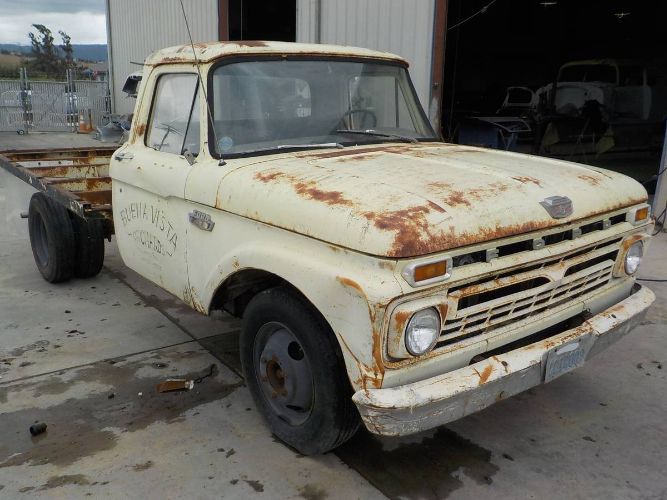
That preference shows up in what these trucks actually sell for. A solid driver-quality 1966 F-100 with a straight body and a running drivetrain typically lands in the low to mid five figures at auction and in private sale listings, with documented, low-mileage, or professionally restored examples pushing meaningfully higher, sometimes well past $50,000 for a top-tier build. A rough project truck with rust in the cab corners or a missing drivetrain sells for a fraction of that, and the gap between project and driver grade in this generation is wider than a lot of first-time buyers expect.
What is actually driving the price
Three things move the number on a given 1966 F-100: body condition, drivetrain originality, and documentation. Body condition is the biggest lever, because rust repair on this generation's cab and bed structure is labor intensive and expensive to do correctly, so a straight original body commands a real premium over one that needs metal work. Drivetrain originality matters less than it does on a muscle car, since these were work trucks and swaps happened constantly over sixty years of ownership, but a numbers-correct 300 six or the period-correct V8 option still adds value for buyers chasing accuracy.
Documentation is the wildcard that separates an average sale from a strong one. A truck with its original data plate intact, a build sheet, or a clear ownership history sells faster and for more than an identical truck with no paper trail, because buyers in this segment have learned to be skeptical of unverified claims. That skepticism is earned. Plenty of F-100s on the market carry stories that do not hold up once you check the plant codes against the truck in front of you.
| Condition tier | General characteristics | Relative price range |
|---|---|---|
| Project | Rust in structural areas, incomplete or non-running | Low, parts-truck territory |
| Solid driver | Straight body, running drivetrain, some wear | Low to mid five figures |
| Show quality / documented | Restored or well preserved, verified history | Meaningfully above driver grade |
How auction results compare to private sale
Auction results and private sale figures for this generation tell slightly different stories, and a buyer should read both before settling on a number in their head. Auction results tend to run hotter on documented, show-quality trucks because bidders competing in real time push each other past what a patient private buyer would pay, while rough project trucks sometimes go for less at auction than a private seller would hold out for, since auction buyers know exactly what they are getting and price accordingly. Private sale listings, by contrast, often sit overpriced for weeks or months before a seller adjusts expectations to what the market will actually bear.
That gap creates opportunity for a patient buyer willing to watch both channels. A truck that stalls at a private sale price for months is a signal the seller is anchored to a number the market has already rejected, and a polite, informed offer backed by comparable auction results often gets a truck moved. Buyers who only watch one channel, auction results or private listings exclusively, miss half the picture and tend to either overpay or walk away from fair deals out of unfamiliarity with where the real market sits.
Regional variation adds another layer worth understanding before you commit to a number. A rust-free 1966 F-100 sourced from a dry Southwestern climate typically commands more than a comparable truck that spent decades in a wetter or salted-road region, even if both trucks present similarly at first glance, because the dry-climate truck is simply less likely to be hiding structural corrosion under fresh paint. Buyers who ignore where a truck actually spent its working life are gambling on an unknown, and that gamble should be reflected in what they are willing to pay.
Where this generation sits in the broader market
Classic truck values across the board have climbed steadily as buyers who grew up around these trucks reach the point in life where they can afford to chase one, and the 1961 to 1966 F-100 has benefited from that shift without becoming a speculative bubble in the way some muscle car segments have. That is a healthy sign for anyone thinking about this generation as a long-term hold rather than a flip. Values have room to keep climbing as documented, unmolested examples get harder to find, but nobody should buy a 1966 F-100 purely as a financial bet. Buy the one you actually want to drive, and let appreciation be a bonus rather than the plan.
For the full context on how the 1966 model fits into the generation that preceded it, including the unibody years and the mid-run body change, the whole picture lays out the entire run in detail. It is worth reading before you commit to a specific year, because the differences between 1961 and 1966 are bigger than they look at a glance.
The buy call
If you are looking at this generation right now, 1966 is the year to prioritize if suspension refinement and the classic early-generation look both matter to you equally. It is not the cheapest entry point into a 1961 to 1966 F-100, and it should not be. The combination of features it offers justifies the premium over the earlier unibody years, and the trucks that survive in good original condition are only getting scarcer. If you want to start comparing real trucks against these numbers, you can find a classic F-100 and see what is currently on the market.
"People ask me if 1966 is overpriced compared to a 1962. It isn't. It's a different truck with a different suspension and a shorter production window behind it. You're not paying a premium for nothing, you're paying for the last, best version of that generation."
— David Mercer