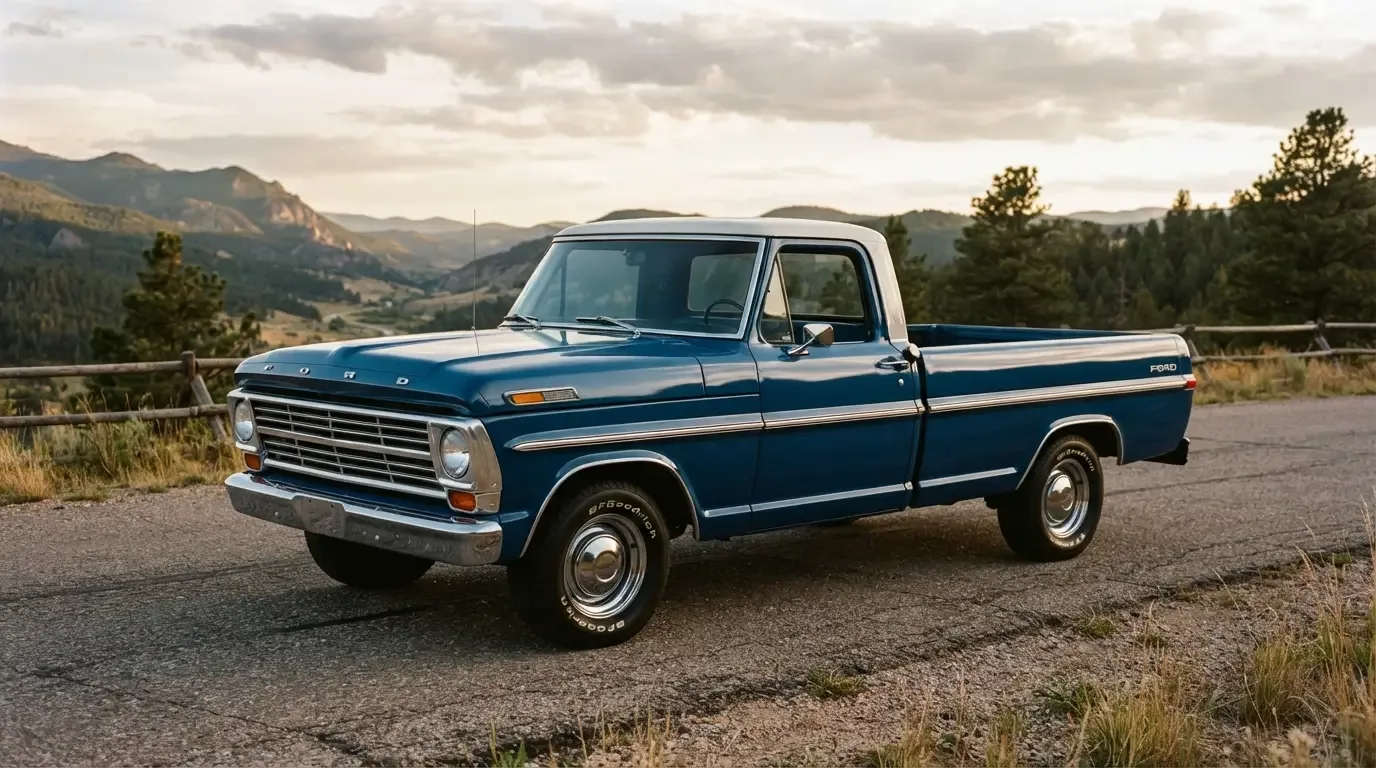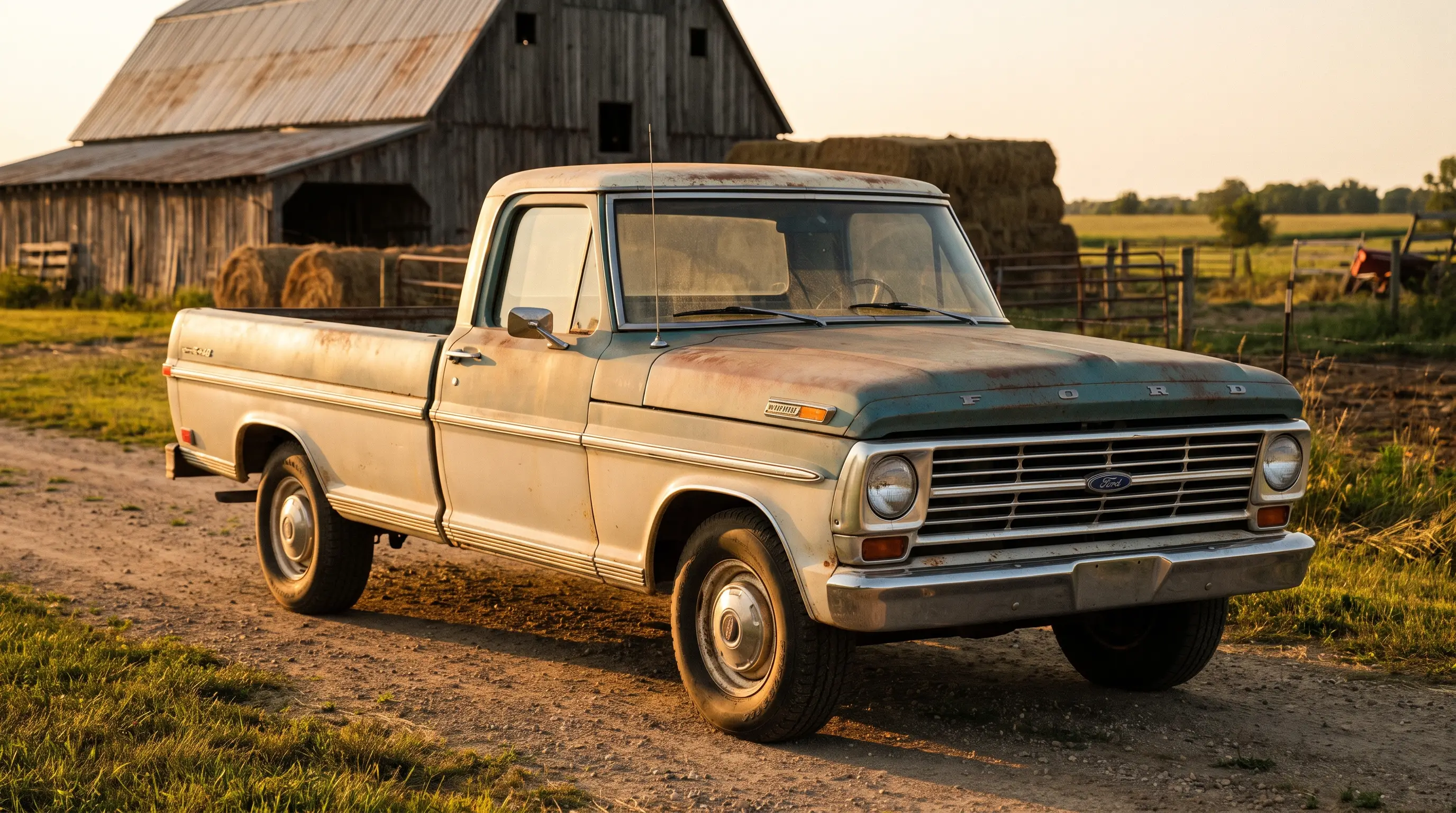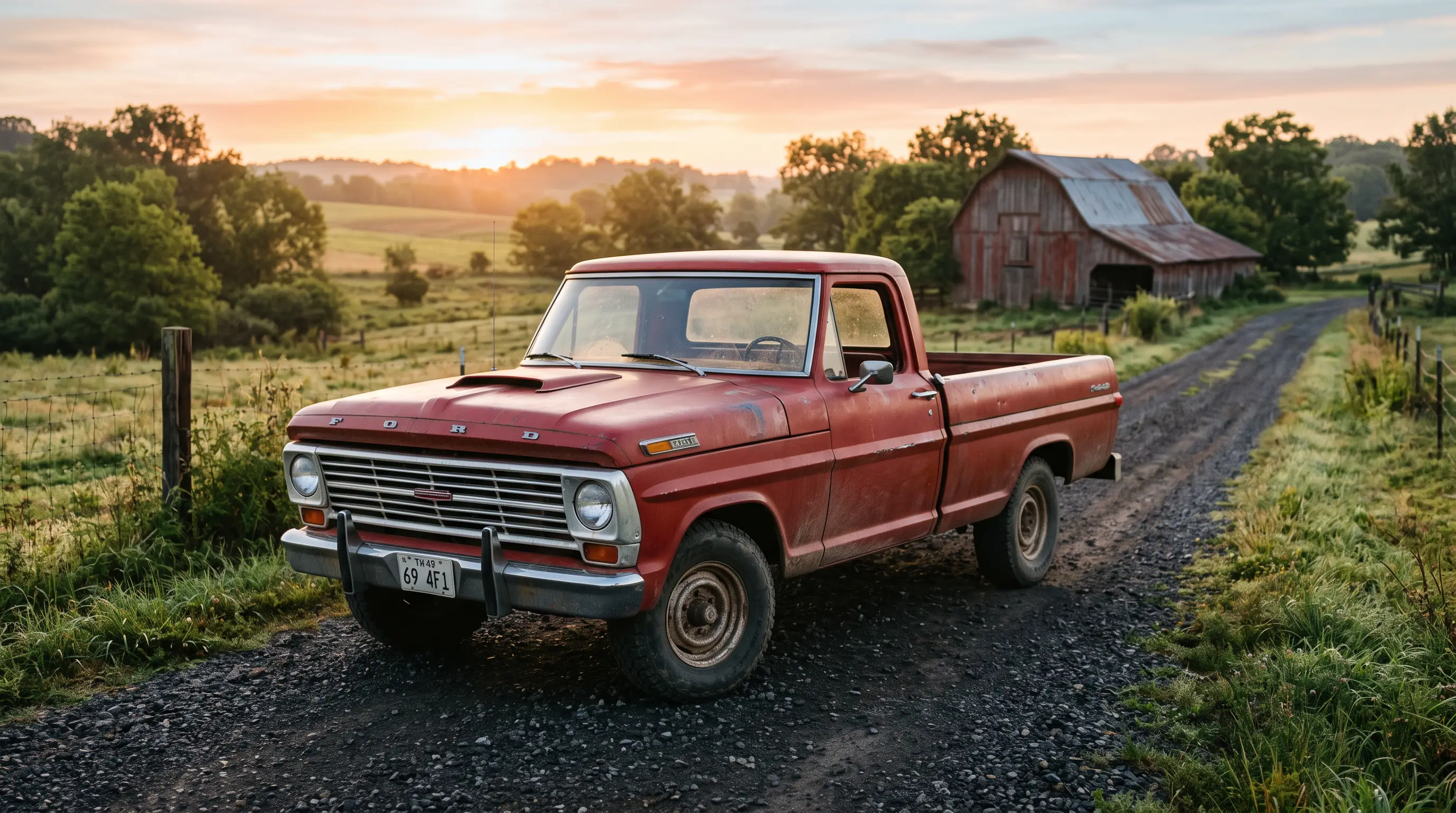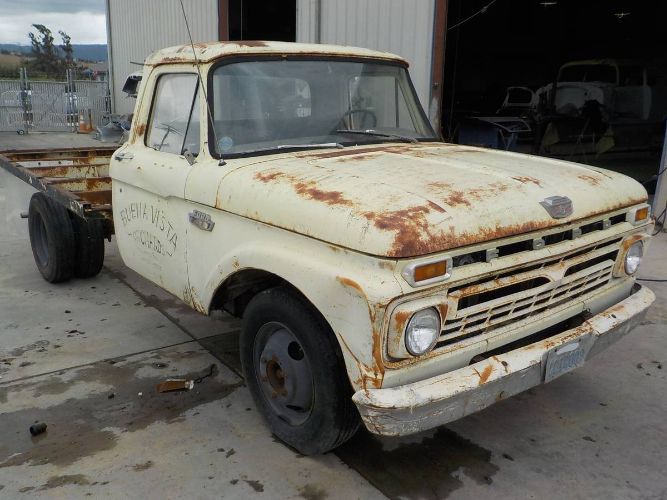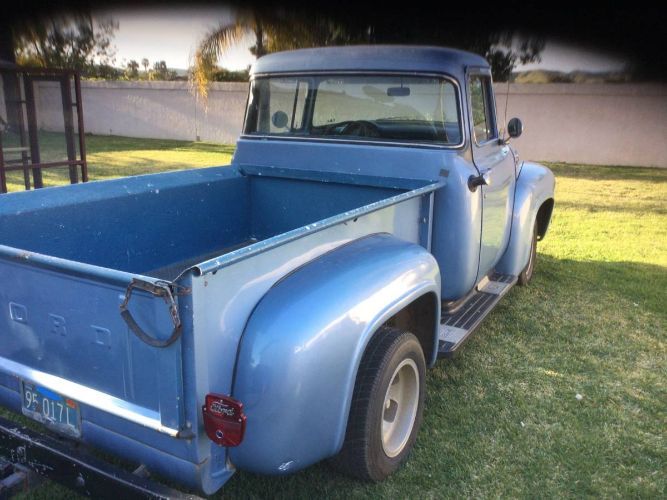
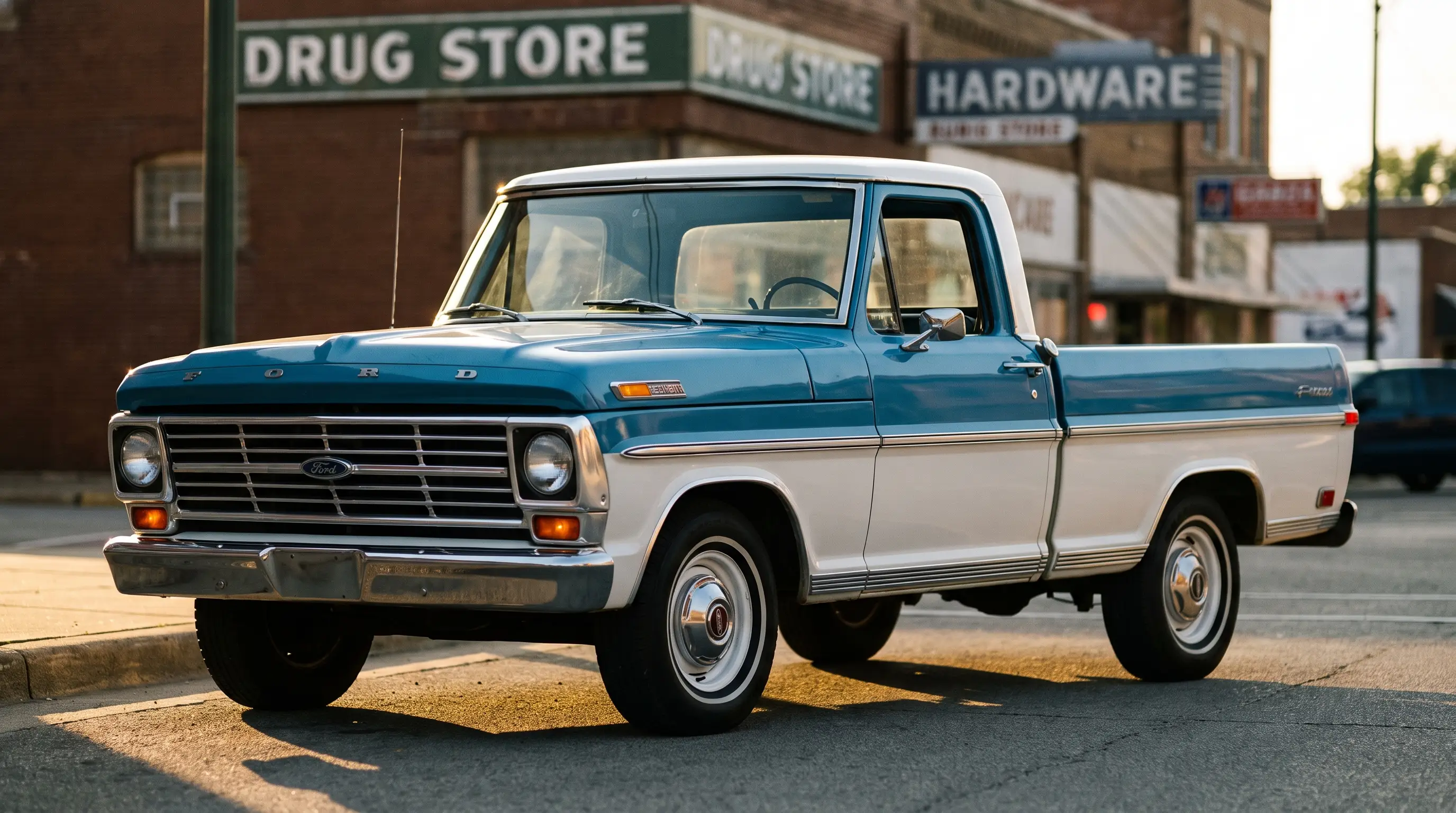
The 1968 ford f100 sits in a specific spot in the bumpside generation's timeline, the second model year of the redesigned body and cab that debuted in 1967, and it carries a handful of running changes that a documentation-focused buyer should understand before evaluating a specific truck. Nothing about 1968 represents a dramatic departure from 1967, but the details that did change are worth knowing, both for accuracy and for spotting an incorrectly represented truck.
Federal safety requirements reshape the interior
1968 was the first full model year in which new federal safety standards took effect across the American auto industry, and Ford's trucks were not exempt from the changes. Side marker lights appeared on the F-100 for the first time this year, a small but immediately identifiable spotting feature that separates a 1968 from a 1967 at a glance once you know to look for it. Interior changes accompanied the exterior requirement as well, with additional padding and safety-oriented design touches worked into the dashboard and cab that reflected the broader industry shift toward occupant protection.
These changes were not optional or gradual. Federal law forced every manufacturer to comply on the same timeline, which is why 1968 marks such a clean dividing line across nearly every American vehicle line from this era, not just Ford trucks, and it gives researchers and collectors a reliable, verifiable checkpoint decades later. For a collector evaluating a 1968 F-100 today, the presence or absence of correct side marker lights and period-correct interior details is one of the easiest ways to confirm a truck has not had major unexplained modifications.
Engine lineup carried forward with refinement
The engine options available for 1968 largely carried over from the 1967 lineup, with the trusted 240 and 300 sixes continuing alongside the small and big block V8 options buyers had come to expect from the F-Series. Ford was not chasing dramatic horsepower gains in this era of the truck line. The philosophy remained consistent with the rest of the bumpside generation: reliable, torque-focused engines built for a truck that needed to work as hard as it needed to be comfortable.
By 1968 the 352 V8 had given way to the newer 360 and 390 cubic inch V8s, with the 360 rated at roughly 215 horsepower and the 390 at roughly 255 horsepower, alongside the carryover 240 and 300 sixes, since figures shifted slightly year to year even when the basic engine architecture stayed the same, and carrying a number from an adjacent year onto 1968 specifically is a common mistake in casual writeups about this generation.
| Feature | 1967 | 1968 |
|---|---|---|
| Side marker lights | Not equipped | Federally mandated, newly equipped |
| Cab body style | New bumpside redesign | Carryover with running changes |
| Engine lineup | 240/300 six, V8 options | Largely carried forward |
Color and trim options offered for the year
Ford's exterior color palette for the F-Series shifted from year to year within the bumpside generation, and 1968 carried its own specific offering that a documentation-focused buyer should confirm against period paint codes rather than assuming continuity with 1967 or 1969, since Ford revised its truck color chart most years of this generation even when the sheet metal itself carried over unchanged. Interior trim options followed a similar pattern, with upholstery choices and dashboard color combinations tied to specific model years even when the underlying cab architecture stayed consistent across the generation.
For a buyer trying to confirm whether a truck presented as a numbers-correct 1968 actually carries its original color and interior combination, checking the data plate against known 1968-specific codes is the only reliable method. Repaints happened constantly over five and six decades of ownership, and a truck wearing a color that was never offered in 1968, or an interior combination that does not match the plate, is a clear signal that something has changed since the truck left the factory.
Why 1968 gets overlooked next to its neighbors
1967 gets the attention as the debut year of the bumpside body, and later years in this generation pick up their own reputations for specific changes and updates. 1968 tends to sit in the middle of that conversation without a singular defining feature of its own beyond the safety-mandated updates, which means it often gets treated as simply "a bumpside truck" rather than evaluated on its own specific merits. That is a mistake for buyers focused on originality and documentation, because the safety equipment changes are a real, verifiable marker of this specific model year that a knowledgeable buyer can use to confirm a truck's authenticity.
There is also a practical upside to this generation being overlooked in casual conversation. Trucks from the middle years of a production run sometimes carry a slightly softer price than the debut year or a year associated with a specific desirable change, simply because collector attention concentrates on the years with a story attached. A well-documented 1968 can represent real value relative to a comparable 1967, without sacrificing anything in terms of the truck's actual character or capability.
That overlooked status has started to shift somewhat as more collectors dig into the specific documentation that separates 1968 from the years around it. Enthusiasts who take the time to understand what actually changed this year, the side marker legislation, the interior padding requirements, the small trim carryovers and revisions, tend to develop a genuine appreciation for it as a distinct, verifiable model year rather than a placeholder between two more talked-about years. That appreciation has not fully caught up in pricing yet, which is exactly why informed buyers still find real value here.
Where 1968 fits in the bigger picture
Understanding a single model year like 1968 is easier once you have the full context of the generation around it. For the broader story of how the bumpside body evolved from its 1967 debut through the end of this generation's run, read the background on the full run of years and changes. And if you are comparing 1968 against the year that followed it, worth a look too covers what changed for 1969 specifically.
If a 1968 or a nearby model year from this generation has caught your eye, you can shop classic F-100 listings and start comparing what is currently available.
Whichever specific year within this generation you eventually settle on, the exercise of learning what actually distinguishes 1968 from 1967 and 1969 pays off well beyond the purchase decision itself. It sharpens your eye for spotting inconsistencies on any bumpside truck you evaluate going forward, whether or not the truck in front of you turns out to be the specific year you were originally hunting for.
"People skip past 1968 looking for something flashier, and I understand the instinct, but the side marker lights and the interior changes are real documented facts you can verify on a specific truck. That is worth more to a serious buyer than a nickname."
— Tom Ramirez