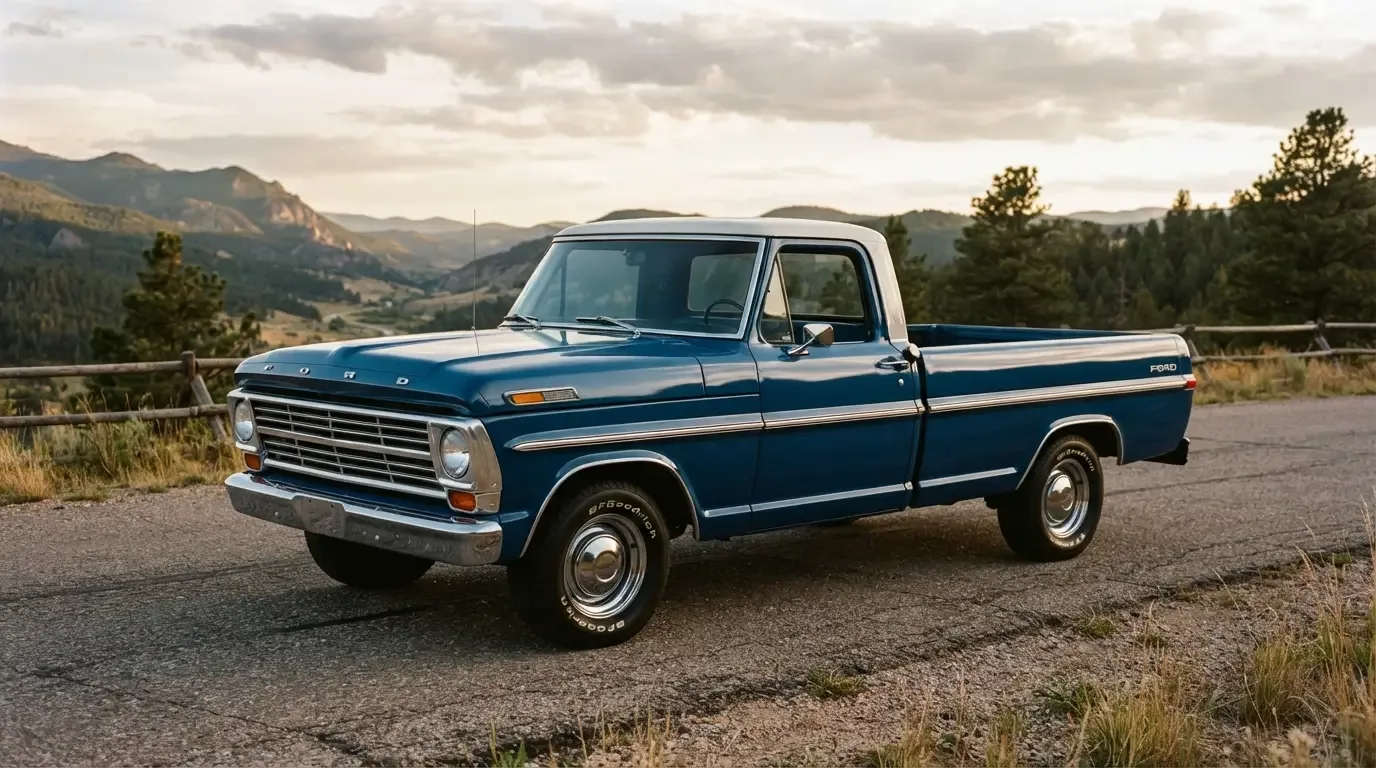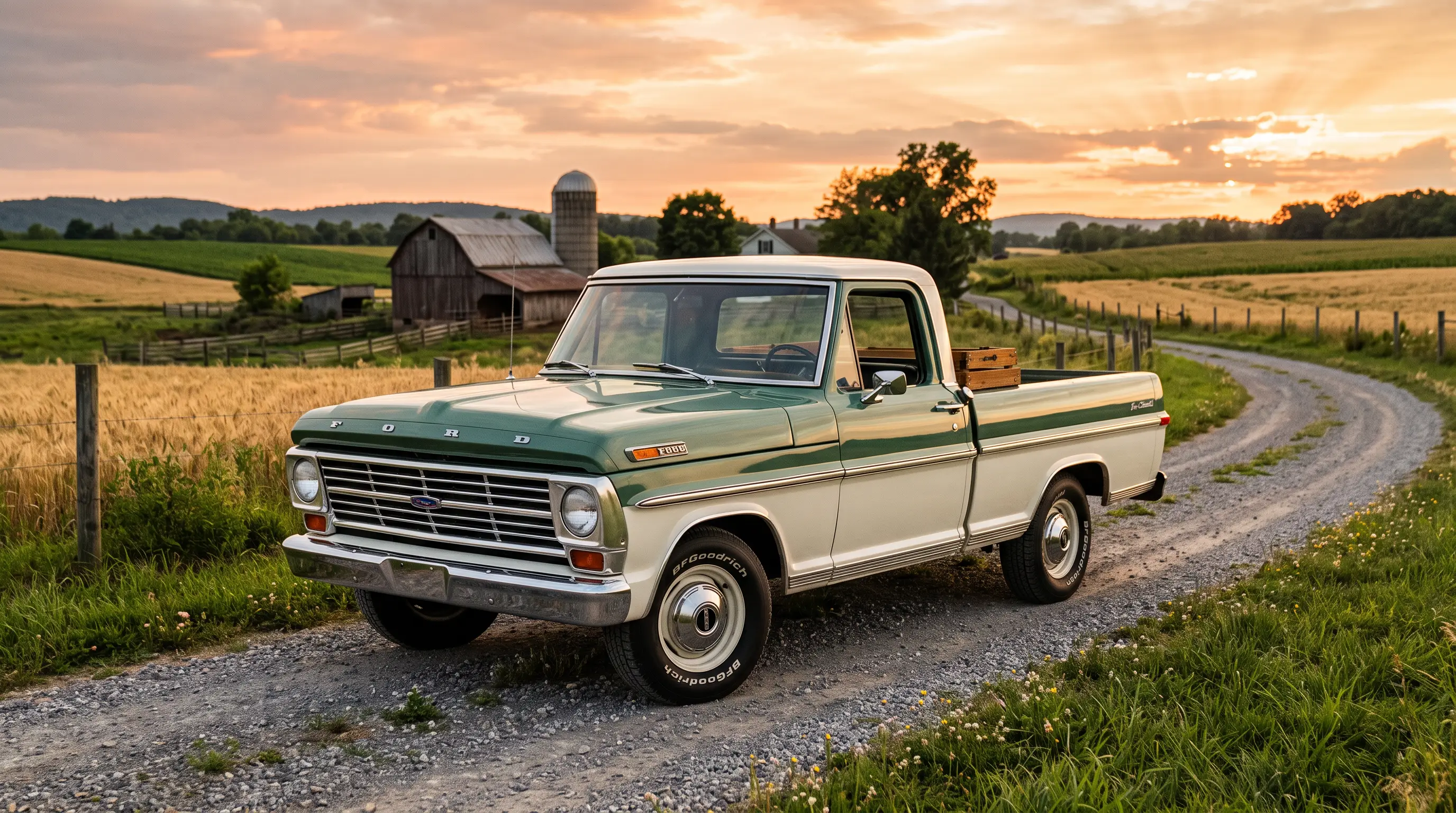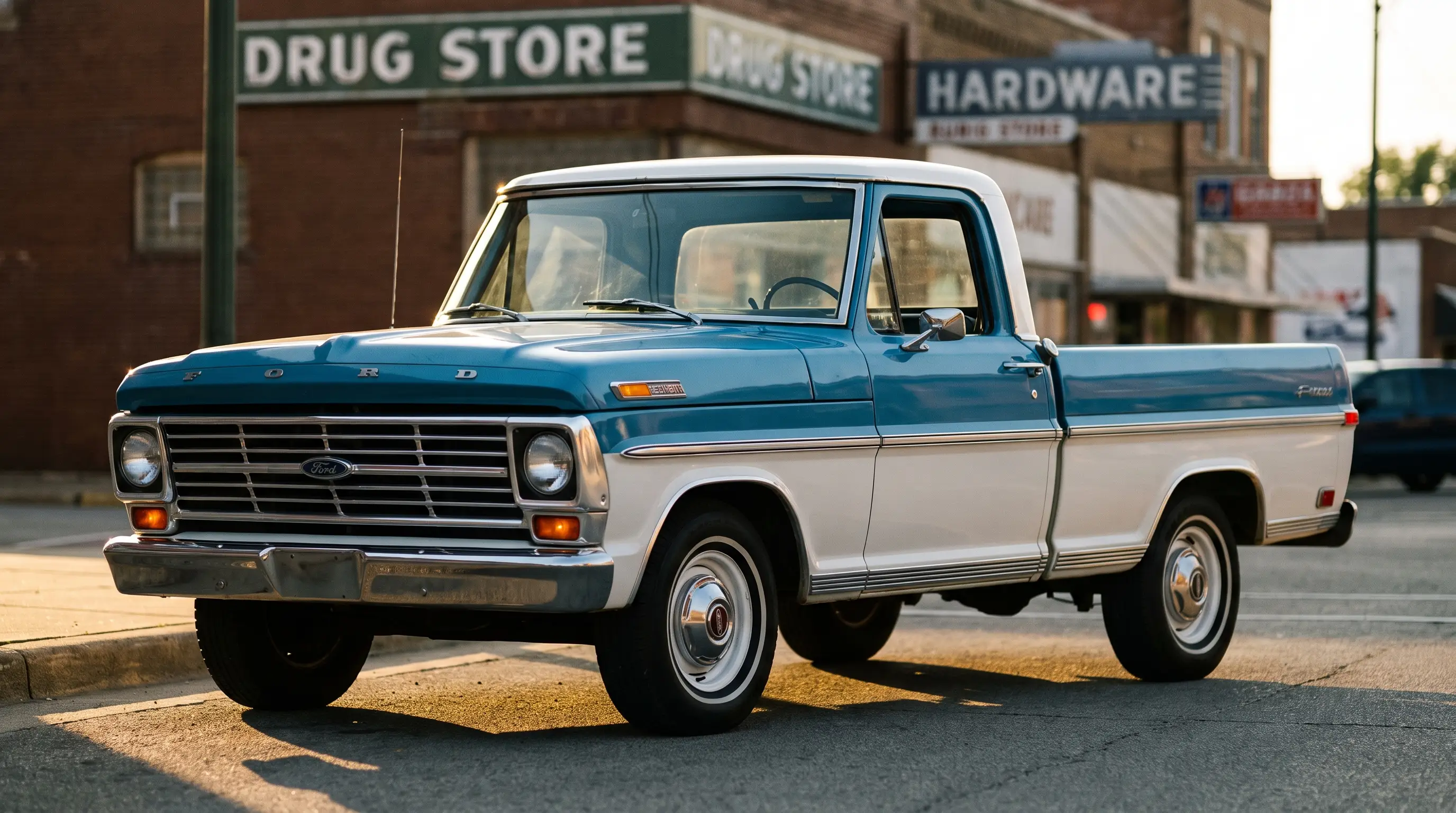
Somebody asked me at a Bowling Green meet a few years back where the ford f100 bumpside meaning actually came from, figuring I'd know because I've been going to Corvette and truck gatherings long enough to have heard every nickname story twice. Turns out I didn't have a clean answer either, and neither did anybody else standing around that truck. Everybody had a theory. Nobody had a source. That is usually how these enthusiast nicknames work, and the bumpside name is a perfect example of a term that spread through the community faster than anyone actually documented it.
Where the guessing starts
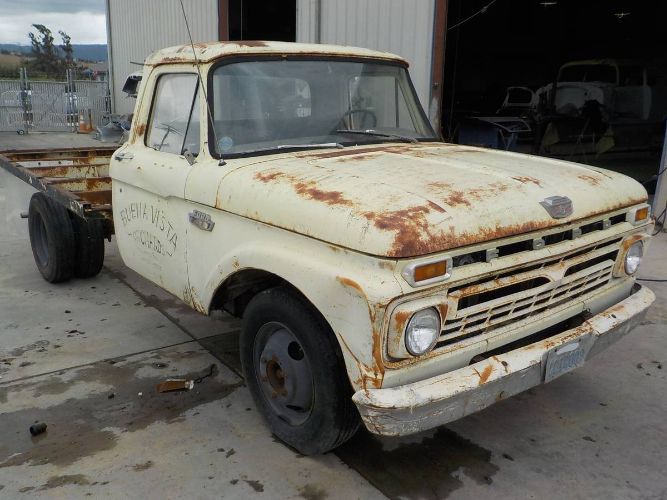
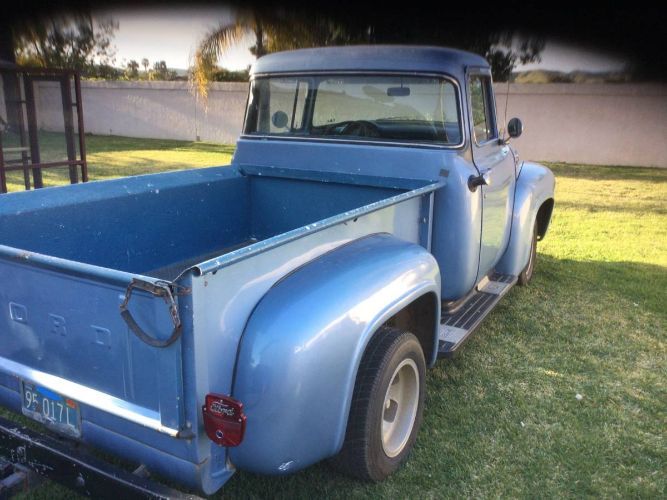
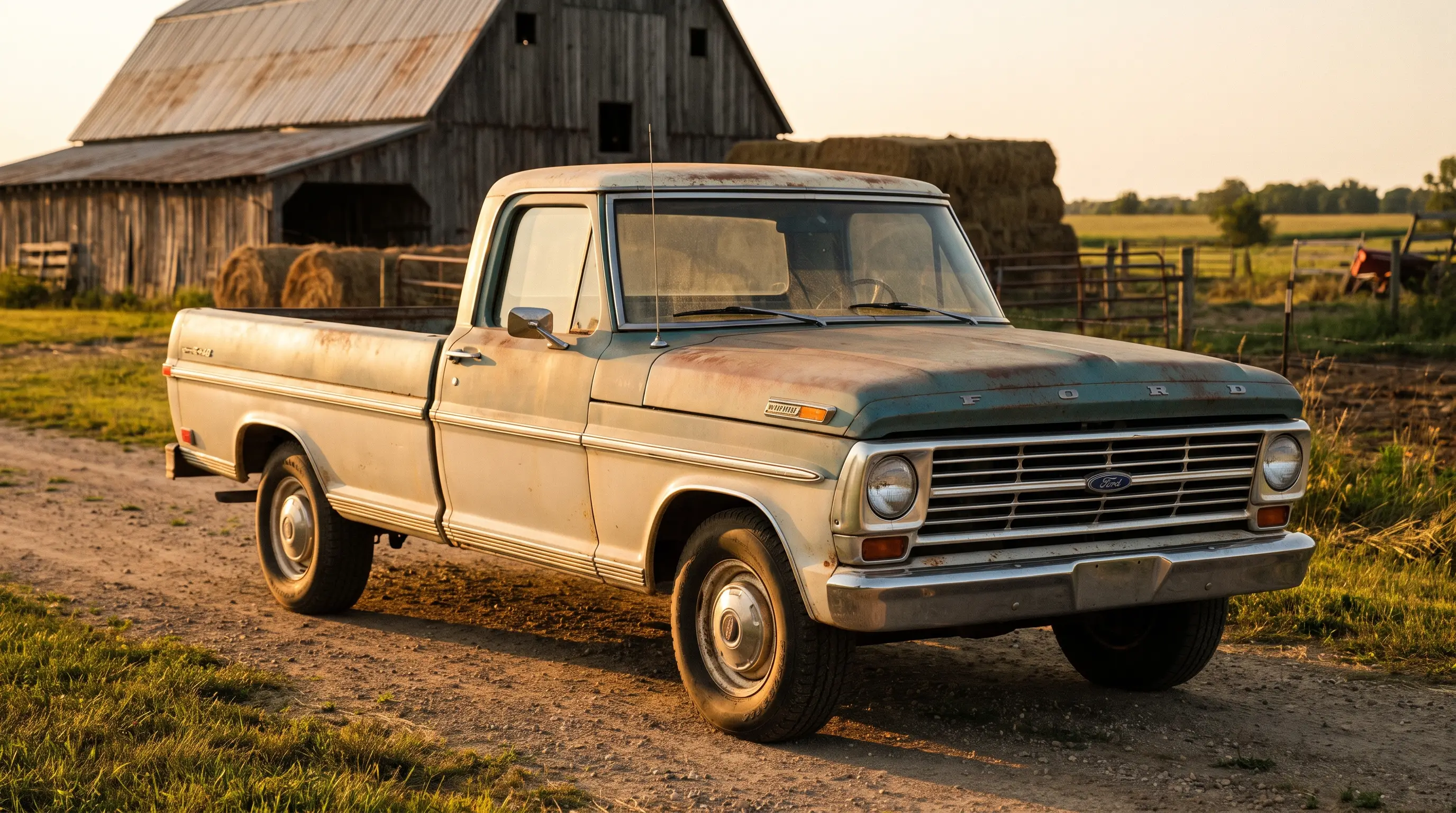
The explanation you will hear most often at a show where a 1967 through 1972 F-100 is parked does not actually come from the bumpers at all, even though the name sounds like it should. It traces to the raised character crease that runs the length of the body, starting at the front fender and carrying all the way back, a three-dimensional spear in the sheet metal that the flatter, more angular 1961 to 1966 trucks simply did not have. Once someone points that beltline crease out, the name clicks into place fast.
That is the explanation that has stuck, and honestly, it is probably close enough to the truth that arguing much further gets you into diminishing returns. Nicknames in this hobby rarely trace back to a single documented moment where someone coined the term and everyone else adopted it on the spot. They spread through swap meets, through car show conversations, through magazine articles written by people who heard it from someone else first. Nobody I have ever talked to can point to the specific issue or the specific show where "bumpside" first got said out loud, and every collector-community source I have checked agrees it was never a Ford factory term to begin with, just something enthusiasts settled on.
How a nickname becomes the standard term
What I find genuinely interesting is not so much where the name started but how completely it took over. Ask a collector today about a 1967 to 1972 F-100 and "bumpside" comes up almost as fast as the actual model years do. It has become shorthand in classified ads, in forum threads, in casual conversation at shows, to the point where using the formal model-year description almost feels unnecessary among people who already know the truck. That is what a good nickname does in this hobby. It becomes more efficient than the official terminology, and eventually it just becomes the terminology.
I have seen the same pattern play out with other Ford and Chevy generations over the decades. A distinctive visual trait gets a casual name from the community, the name outlives whoever coined it, and within a generation of collectors it is simply what everybody calls the truck. Nobody at a show is going to correct you for saying bumpside instead of reciting the model years. The community settled this argument a long time ago, even if nobody can point to exactly when.
Comparing it to other Ford generation nicknames
The bumpside is far from the only Ford truck generation carrying an unofficial community name instead of just a model year range. Enthusiasts have their own shorthand for nearly every generation of F-Series, some tied to a visual trait like this one, others tied to a design detail, a running joke, or a regional quirk that spread through club conversation the same way this one did. What separates bumpside from some of the less durable nicknames is how universally it got adopted. Plenty of casual nicknames stay confined to a specific region or a specific club and never spread further. This one crossed regional lines and became close to a national standard within the hobby.
I think part of the reason it stuck so completely comes down to how well the word actually describes the visual trait it is naming. A good nickname does real work. It has to be memorable, it has to be accurate enough that someone can look at the truck and immediately understand why the name fits, and it has to roll off the tongue easily enough that people actually use it in casual conversation instead of reverting to formal terminology. Bumpside checks every one of those boxes, which is probably the real answer to why it survived when other candidate nicknames from the same era faded out of use.
Why the name matters beyond trivia
There is a practical side to all this too. When you are shopping for a truck from this generation, knowing the community's shorthand terminology helps you search listings and forums more effectively, and it signals to sellers that you actually know the hobby rather than being a casual buyer they can talk over. Show up at a truck meet and ask about a "1967 to 1972 F-Series" and you will get a polite answer. Ask about a "bumpside" and the conversation opens up differently, because now you sound like you belong.
I've seen sellers list a truck under the formal model year description and get lukewarm interest for weeks, then relist the exact same truck with the word bumpside worked into the headline and get a noticeably different response. Buyers search the way they talk, and if the whole community talks in nicknames, listings written in stiffer formal language simply do not surface the same way in a quick scan of what is available.
I've watched newer folks come into the club scene over the years, people who inherited a truck from a grandfather or picked one up on a whim without knowing much about the hobby, and the nickname is often one of the first pieces of insider knowledge they pick up. It happens fast, usually within the first couple of shows. Someone mentions bumpside in passing, the new person asks what it means, and within a season they are using the term themselves without a second thought. That kind of shared language is part of what holds this hobby together, honestly. It is not really about the exact etymology. It is about a community of people who have spent enough time around these trucks that a nickname becomes a form of recognition, a quick way of saying you have put in the time to know what you are looking at. For the full breakdown of everything that changed in this generation beyond just the styling that earned the name, our complete history covers the mechanical and production side in depth.
Finding your own bumpside
If this whole conversation has you wanting to go find one for yourself, that is honestly the right instinct. These trucks combine a distinctive, community-recognized look with genuinely solid mechanicals underneath, and they have not gotten so expensive that a reasonable driver-quality example is out of reach for a first-time classic truck buyer. You can go find a classic F-100 and see what is out there right now, bumpside styling included.
"Somebody pulled out an old parts catalog once trying to prove the factory used the word bumpside, and of course they didn't. Ford never called it that. We did. And once we did, it stuck for good."
— Wayne Coburn
Sources and notes
- Bumpside vs. Dentside: Which Classic Ford Truck Design Reigns Supreme - Velocity Restorations
- History of the Bumpside: 1967-1972 Ford F-Series Trucks - Street Trucks
- Greatest Ford F-Series Nicknames of All Time - Ford-Trucks.com
- Ford F-100 Dentside vs Bumpside - CJ Pony Parts
- 1967-1972 Ford F100 Identification and Builder's Guide - Classic Industries