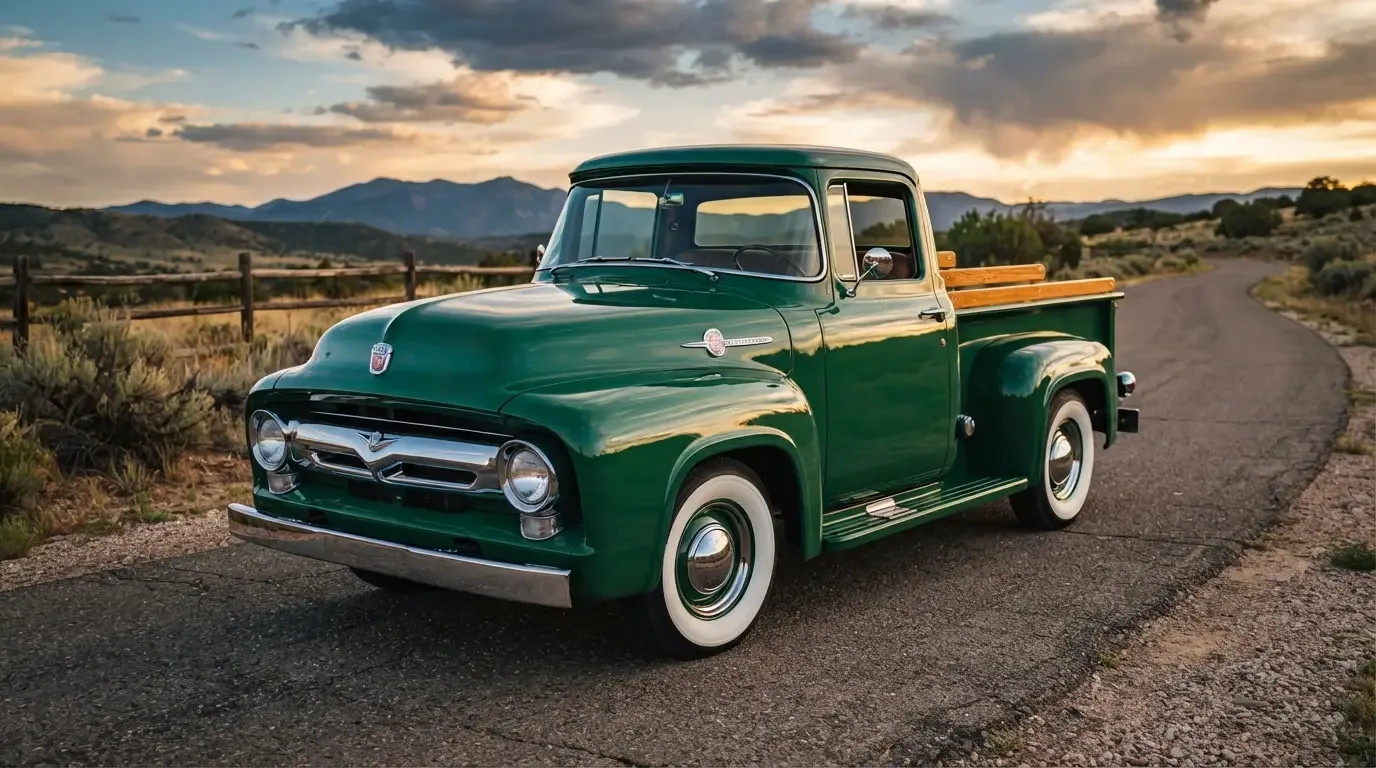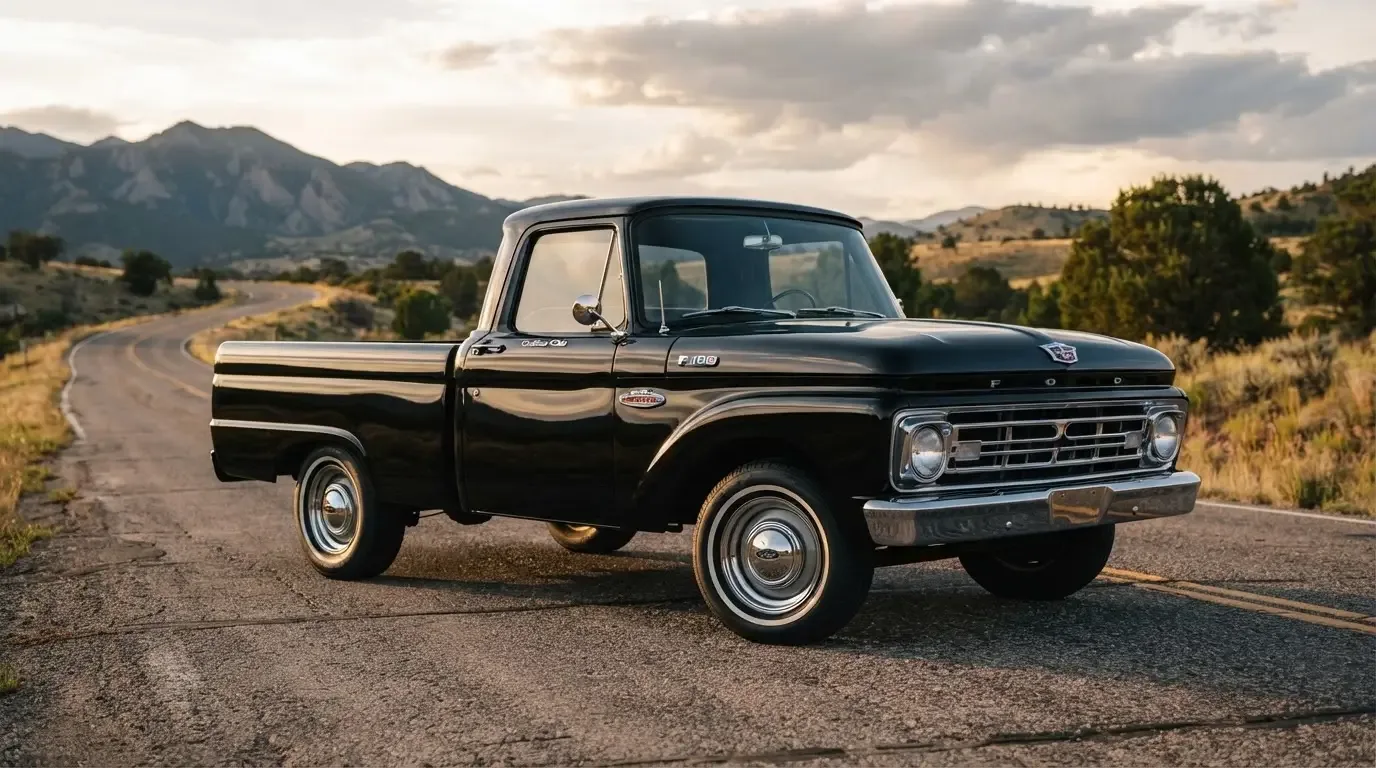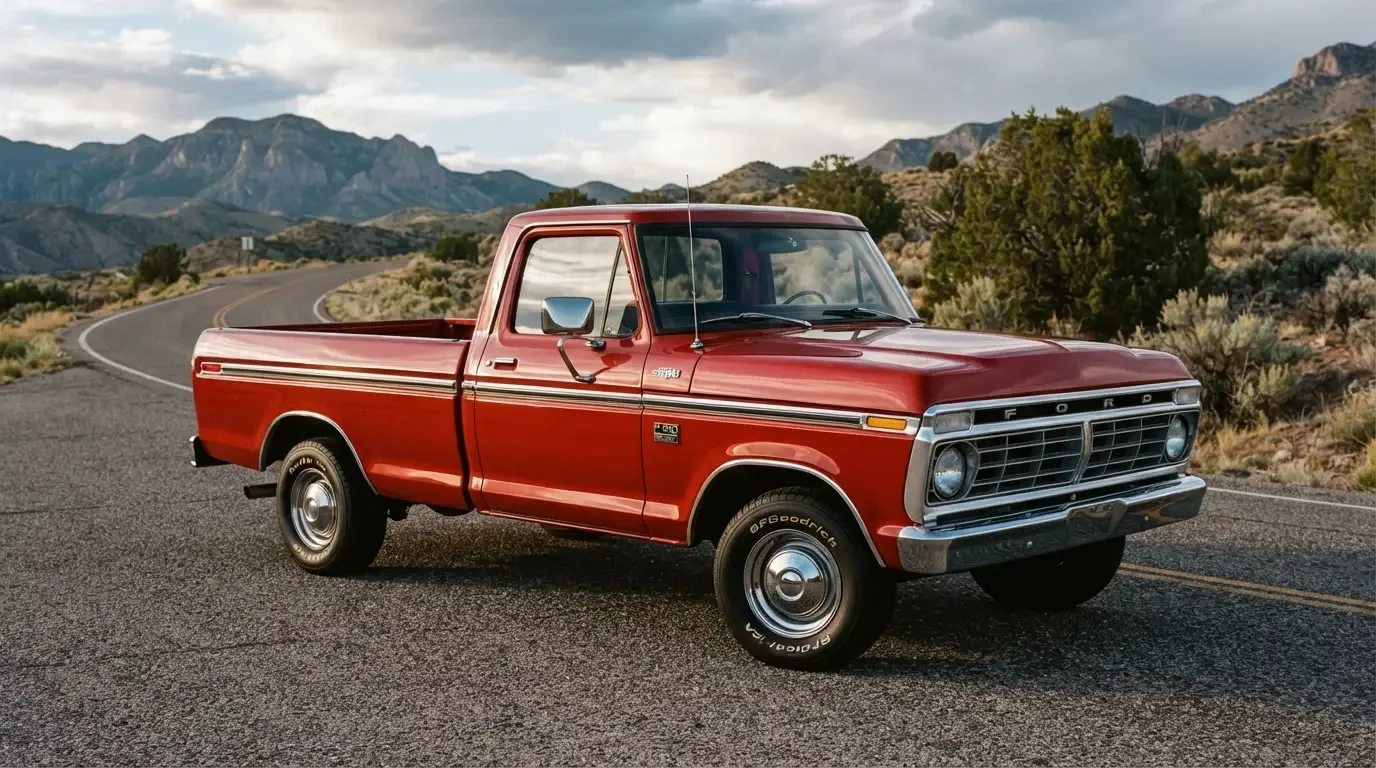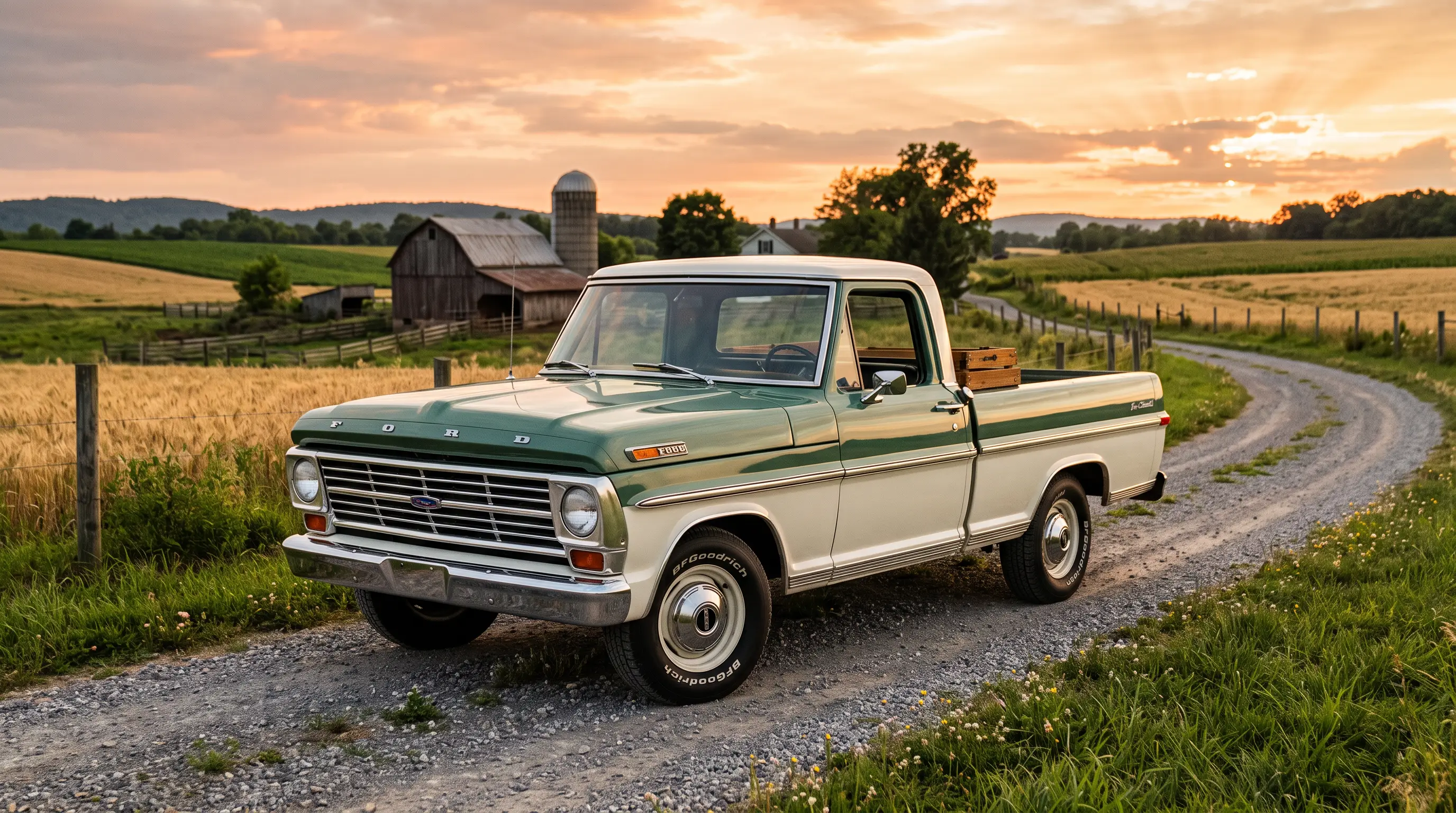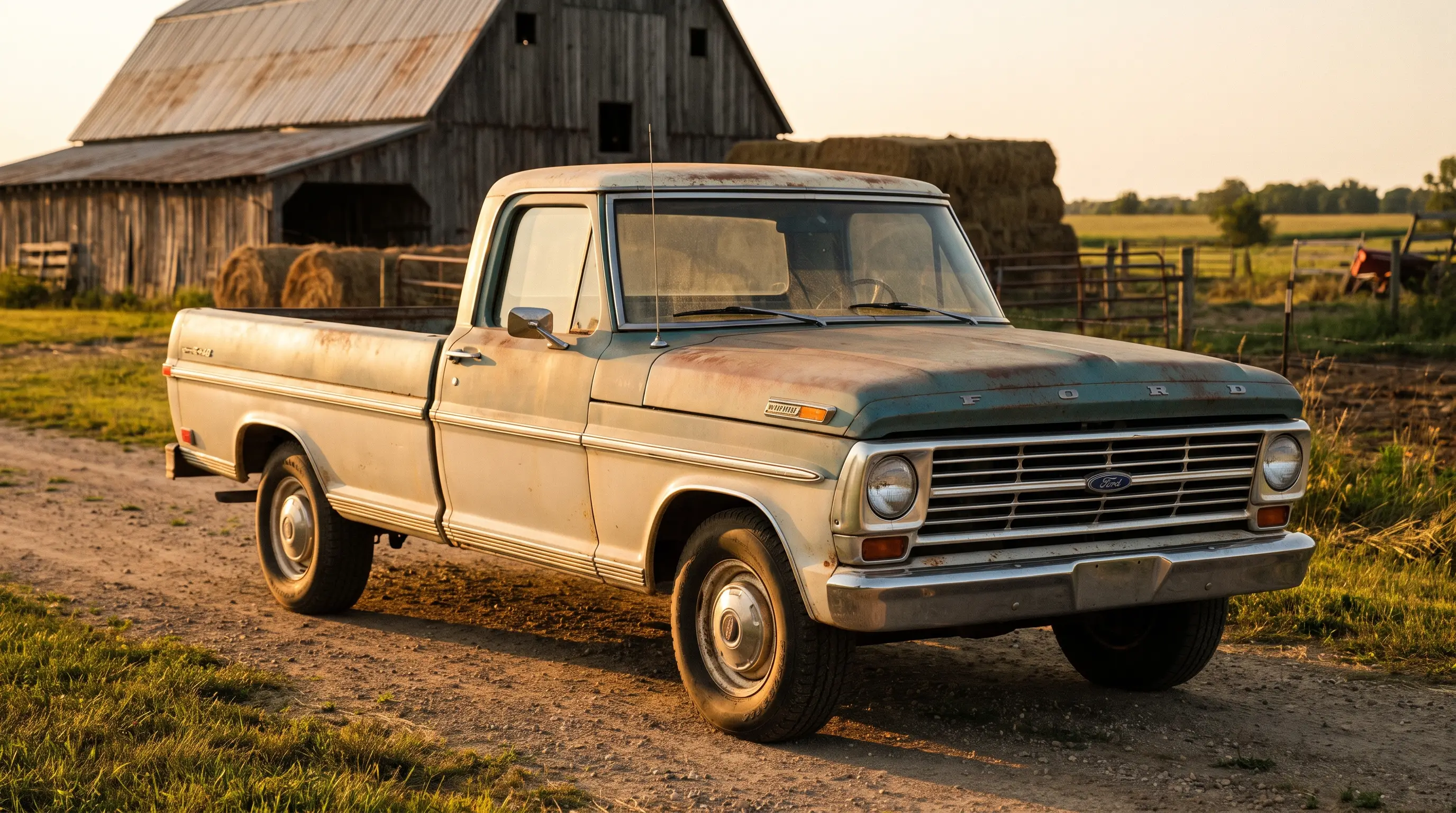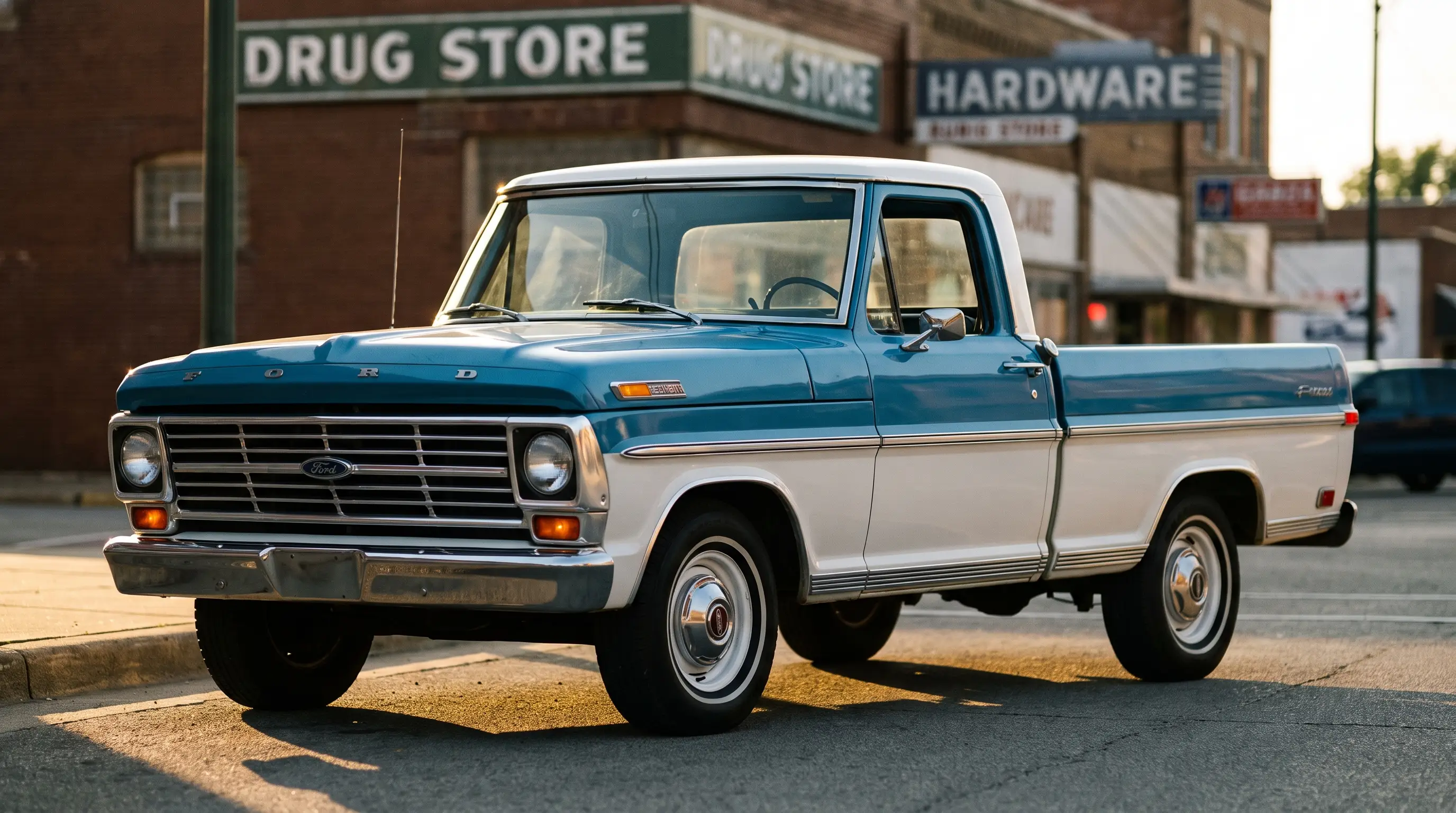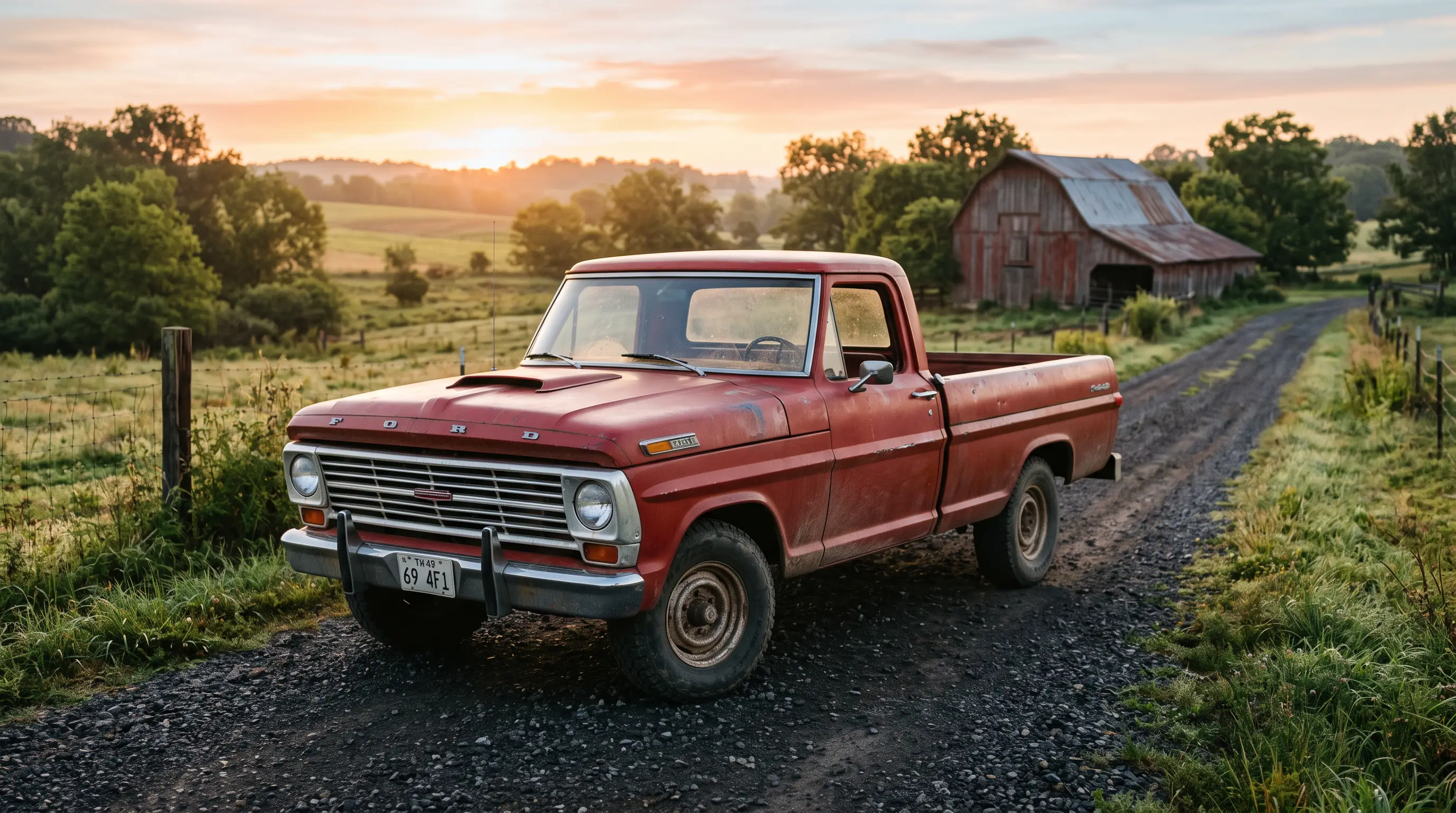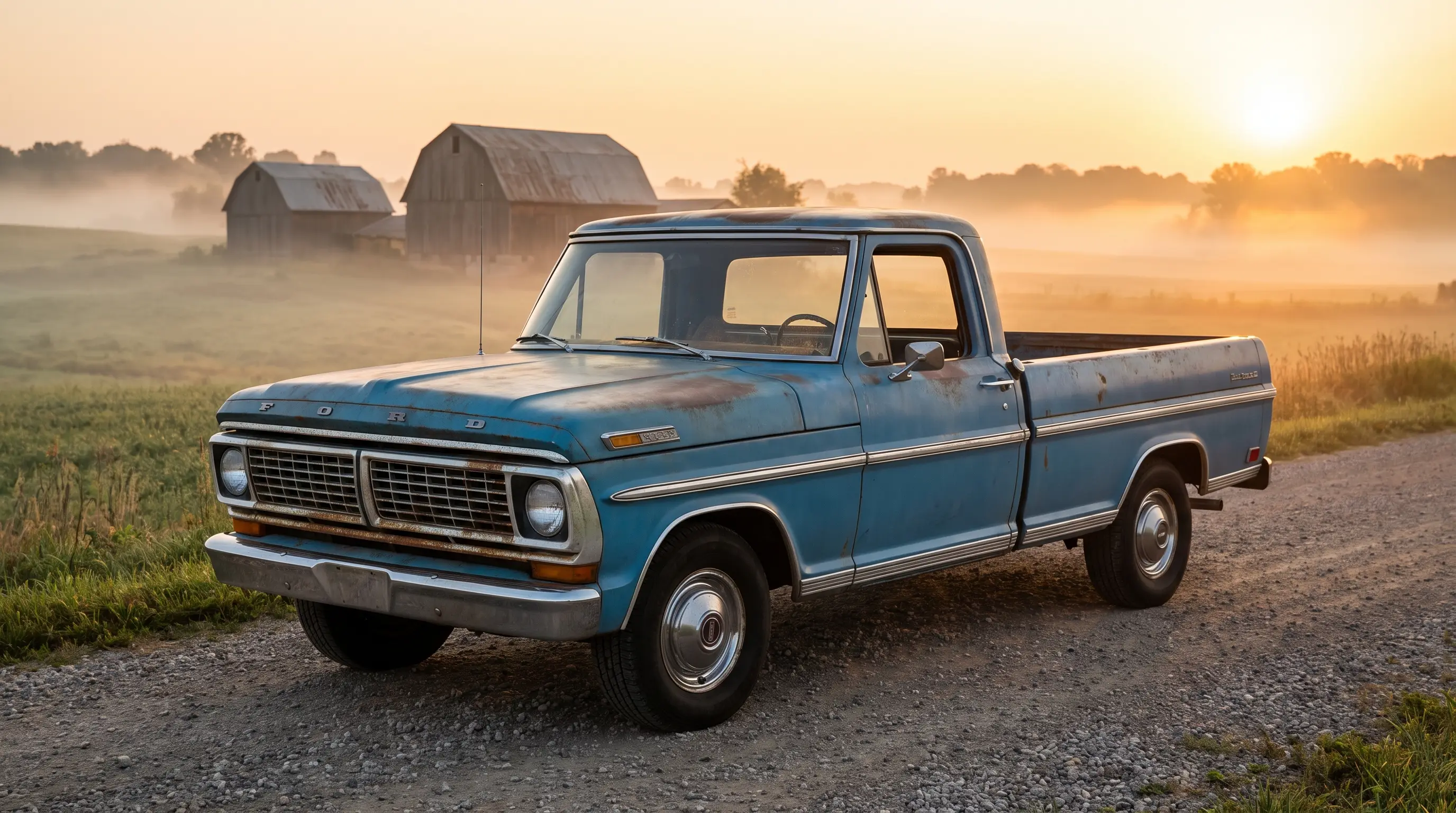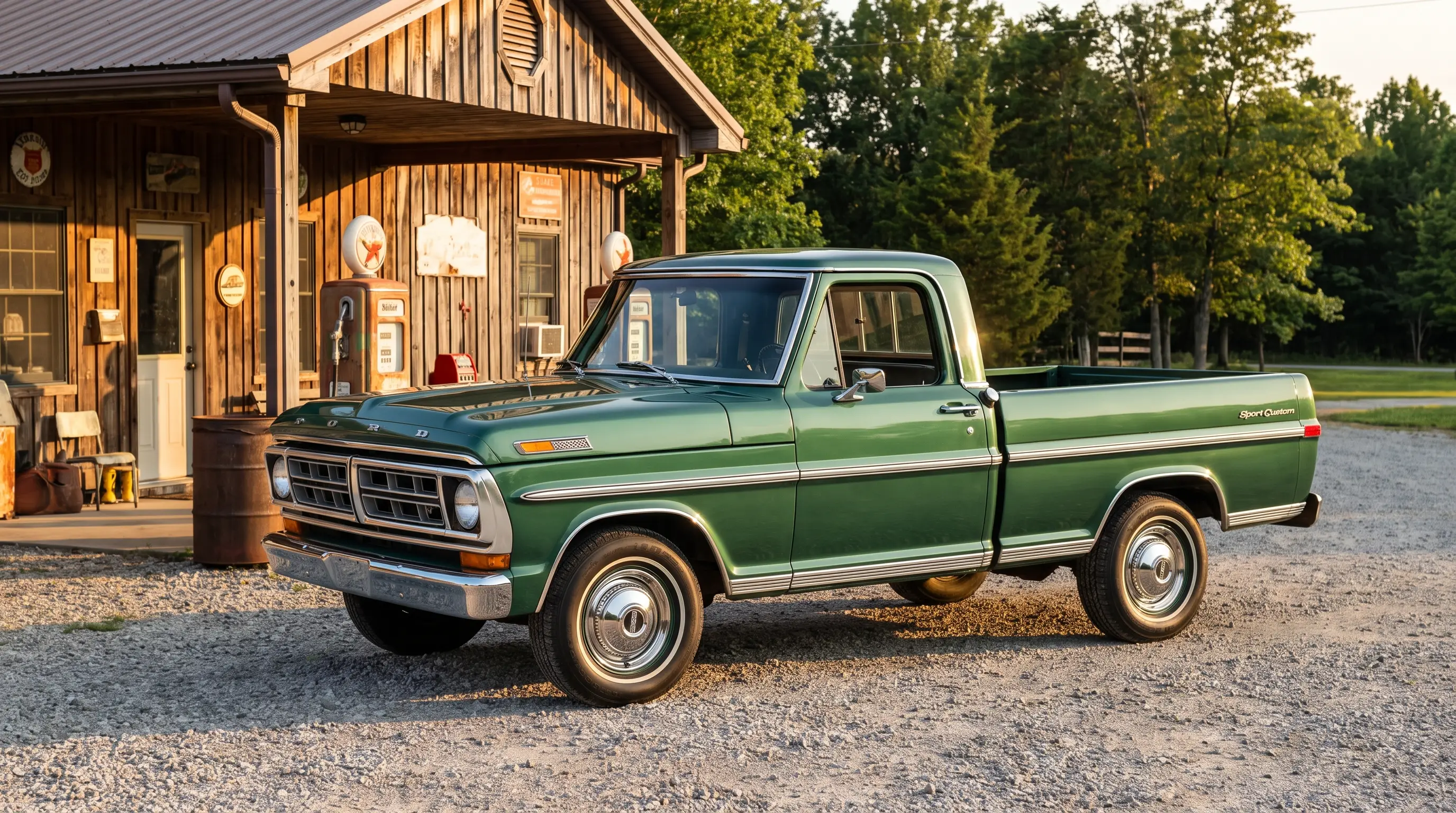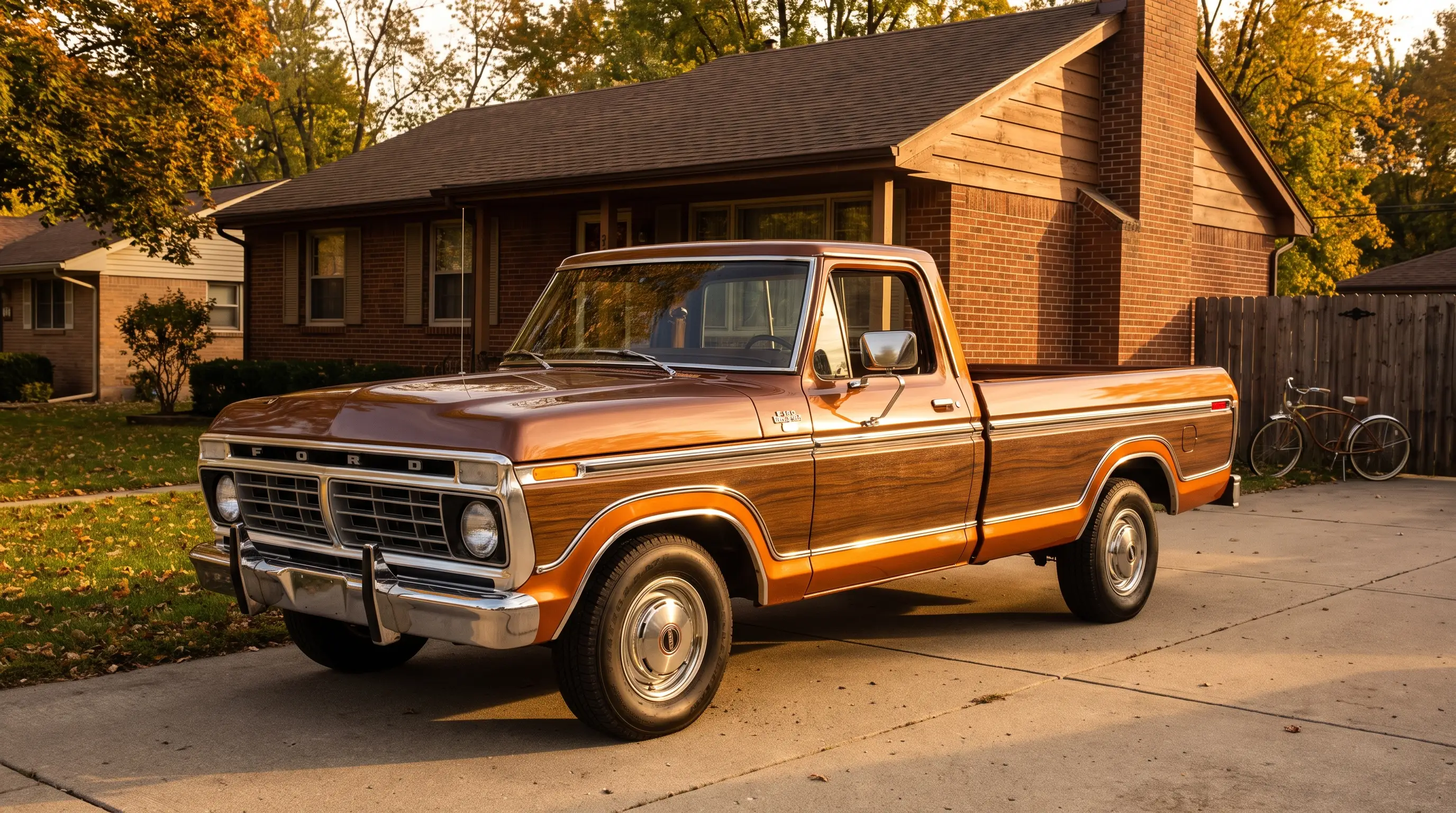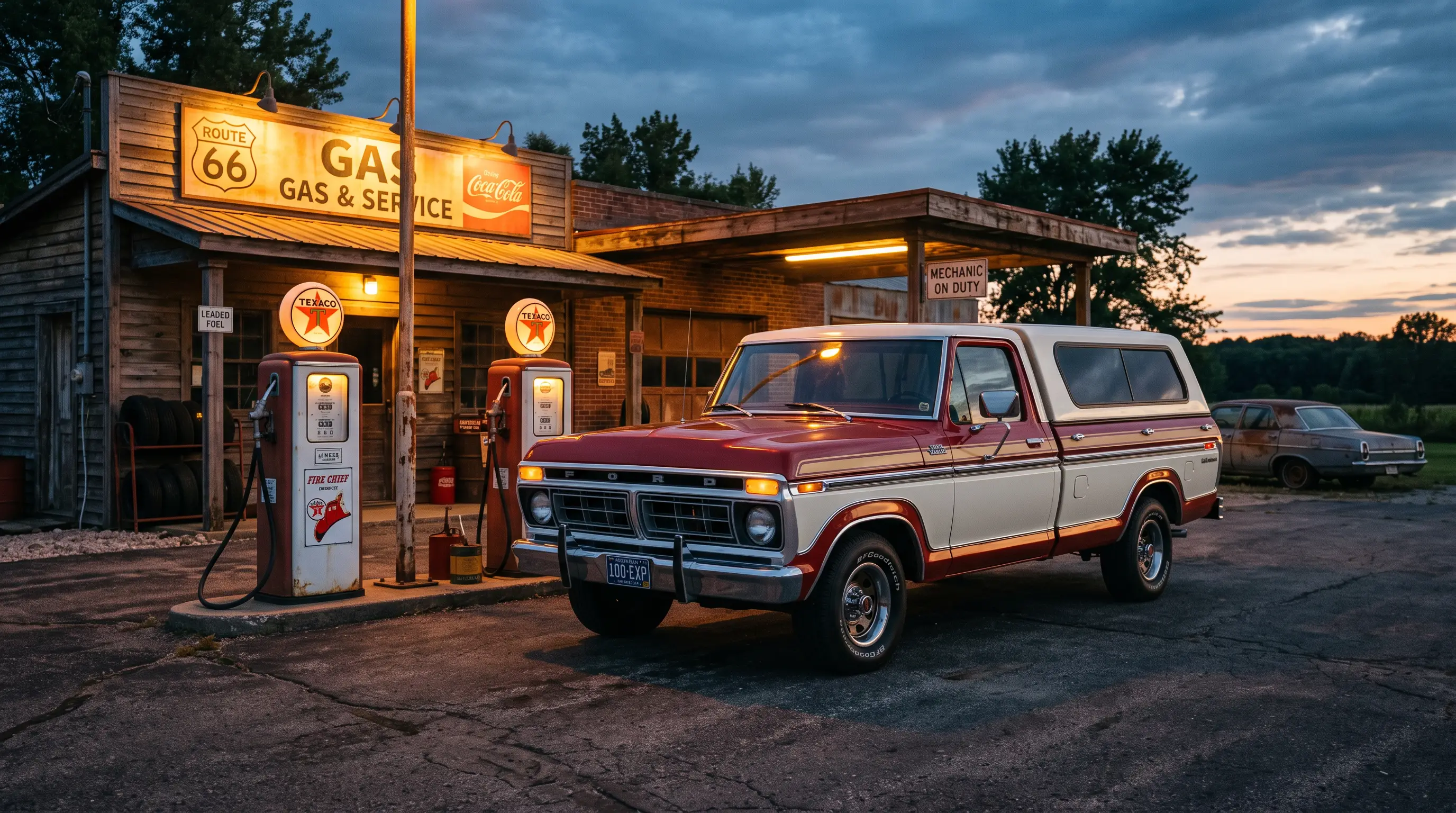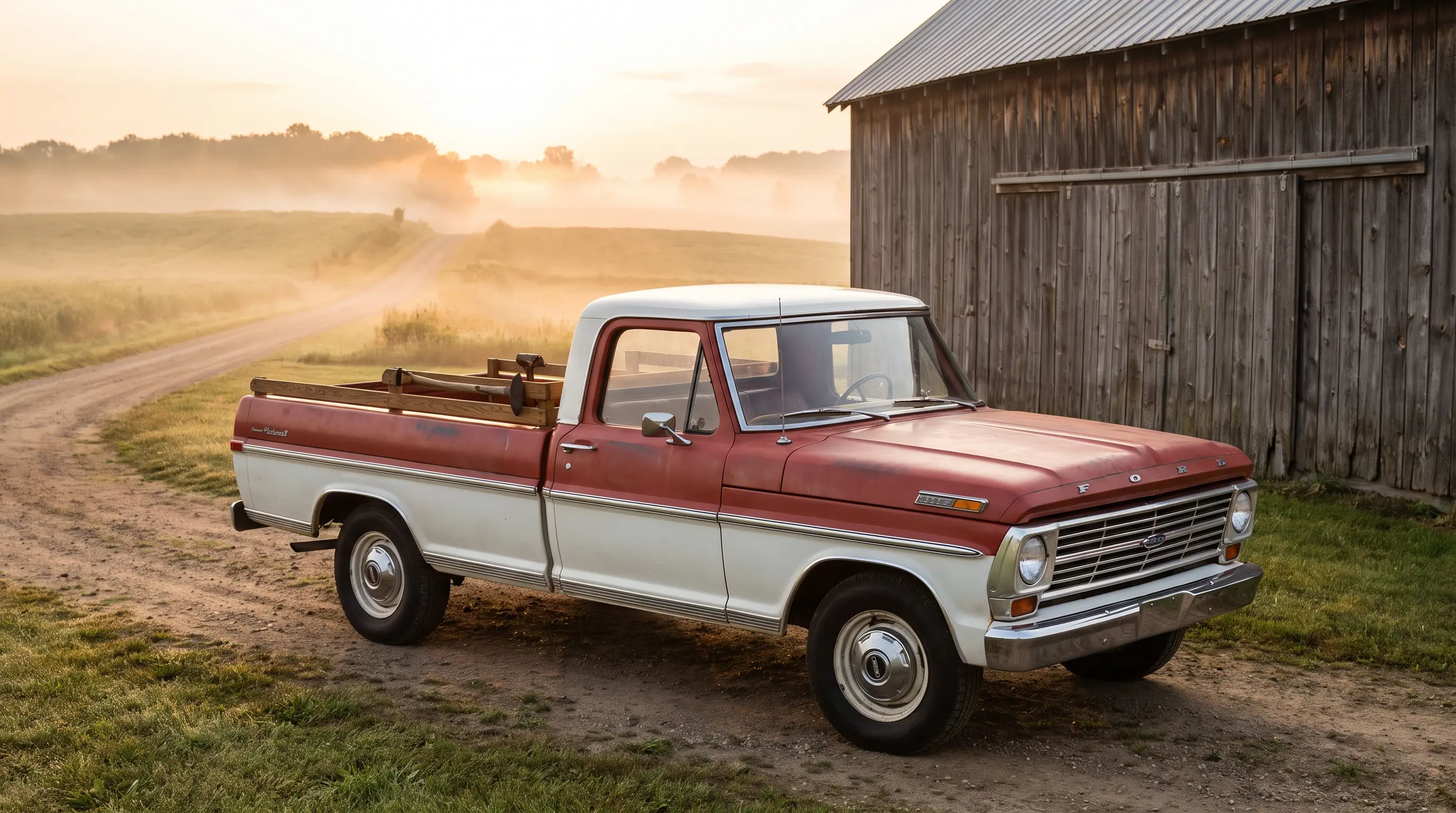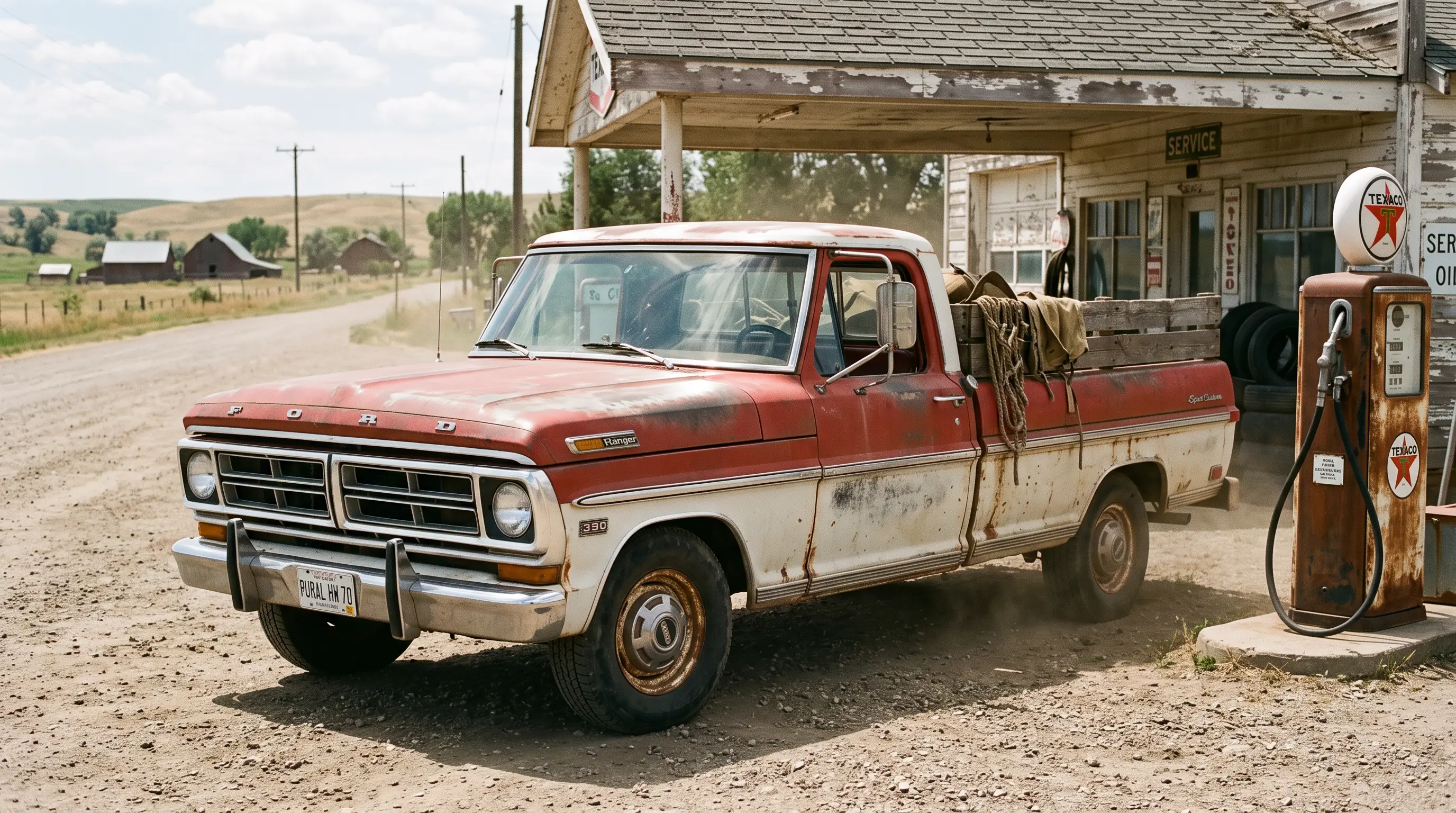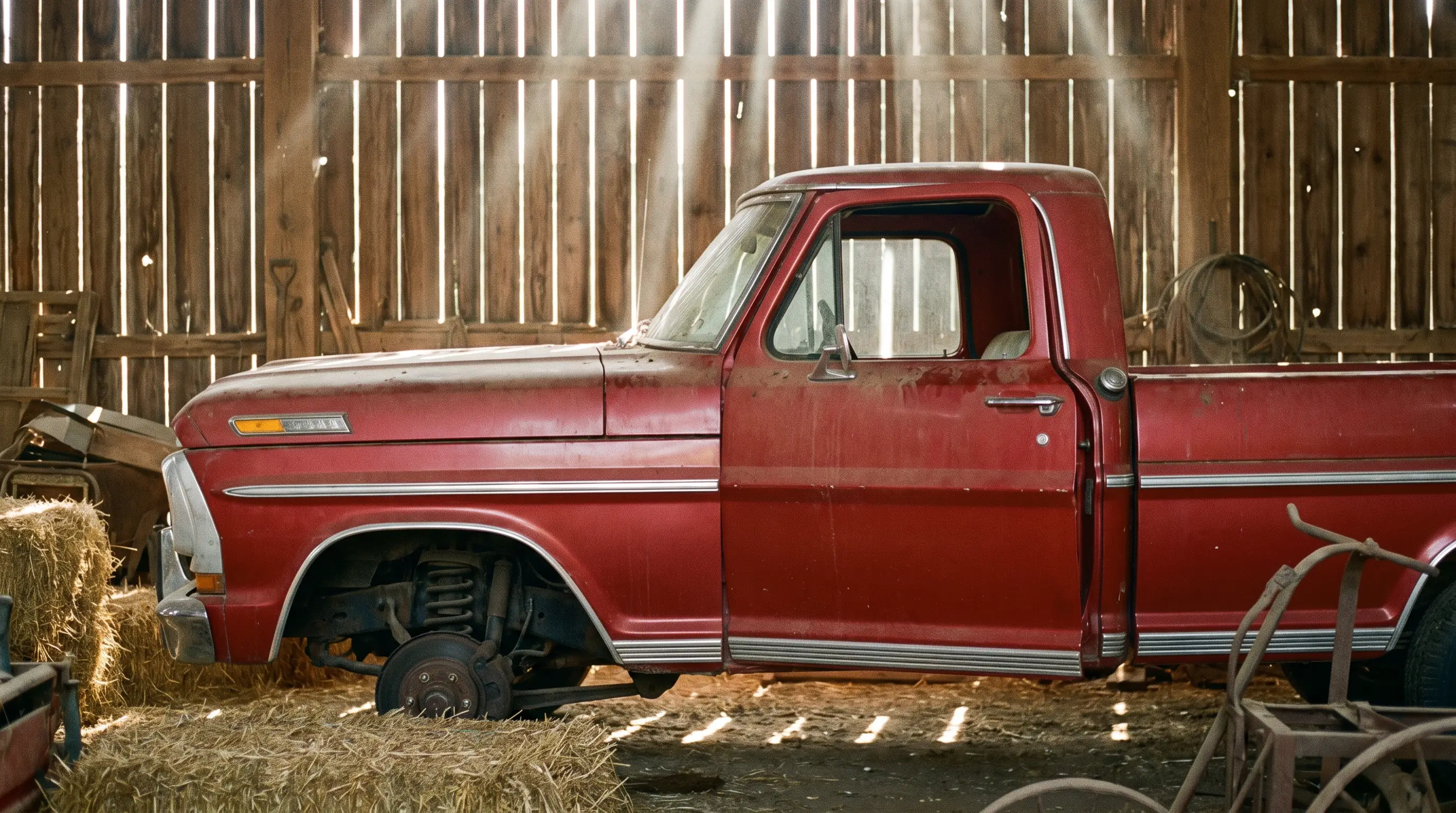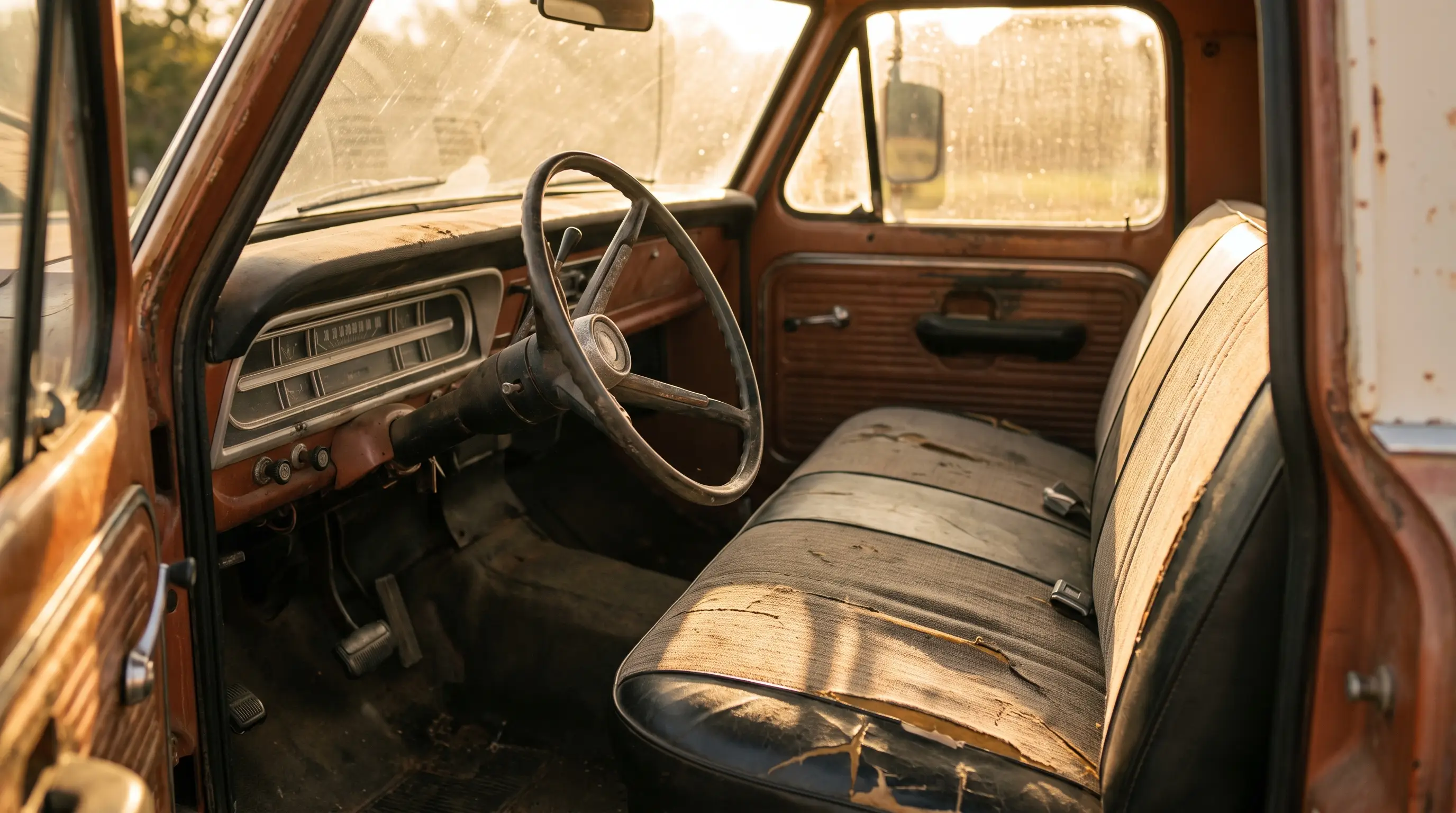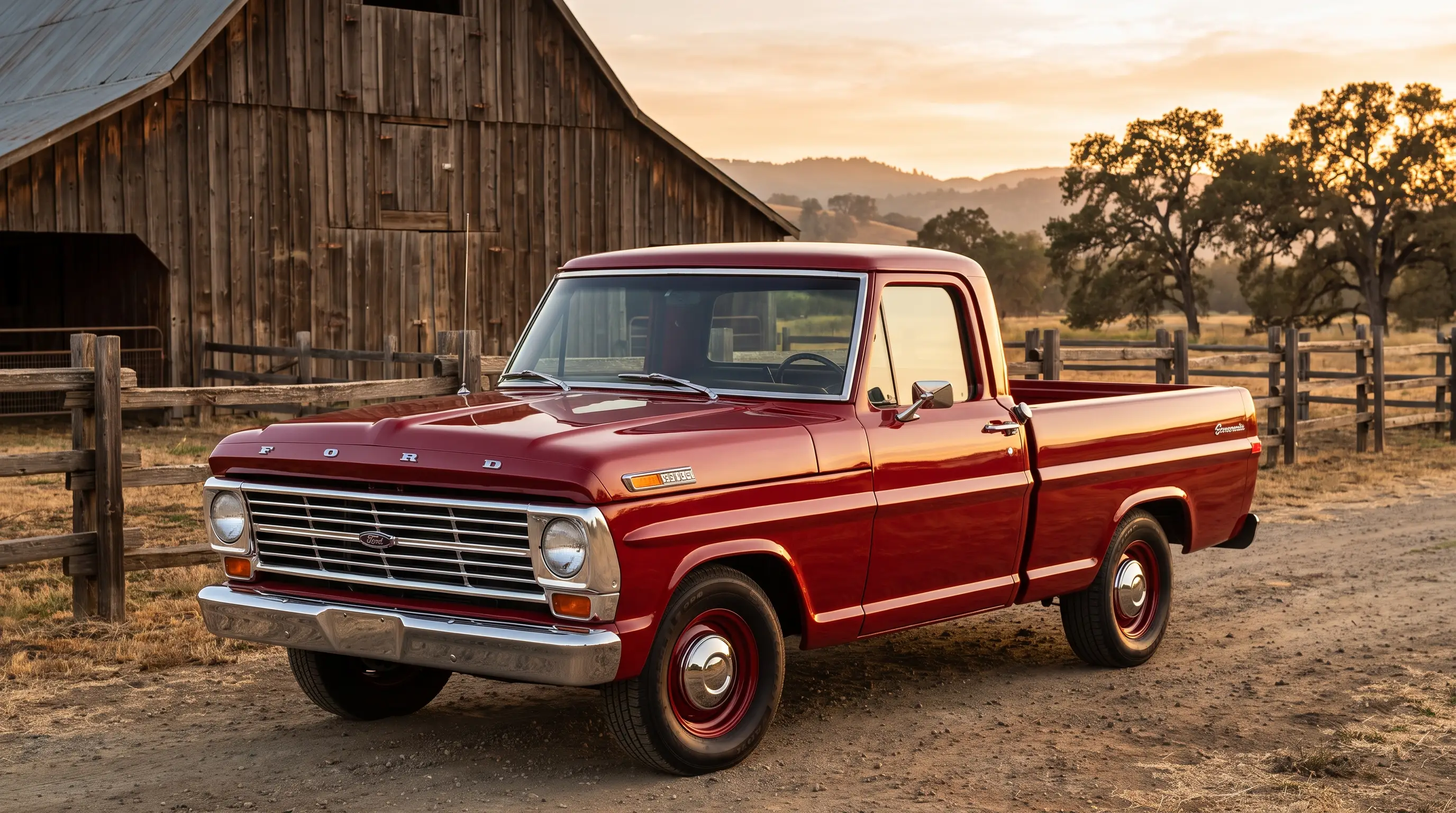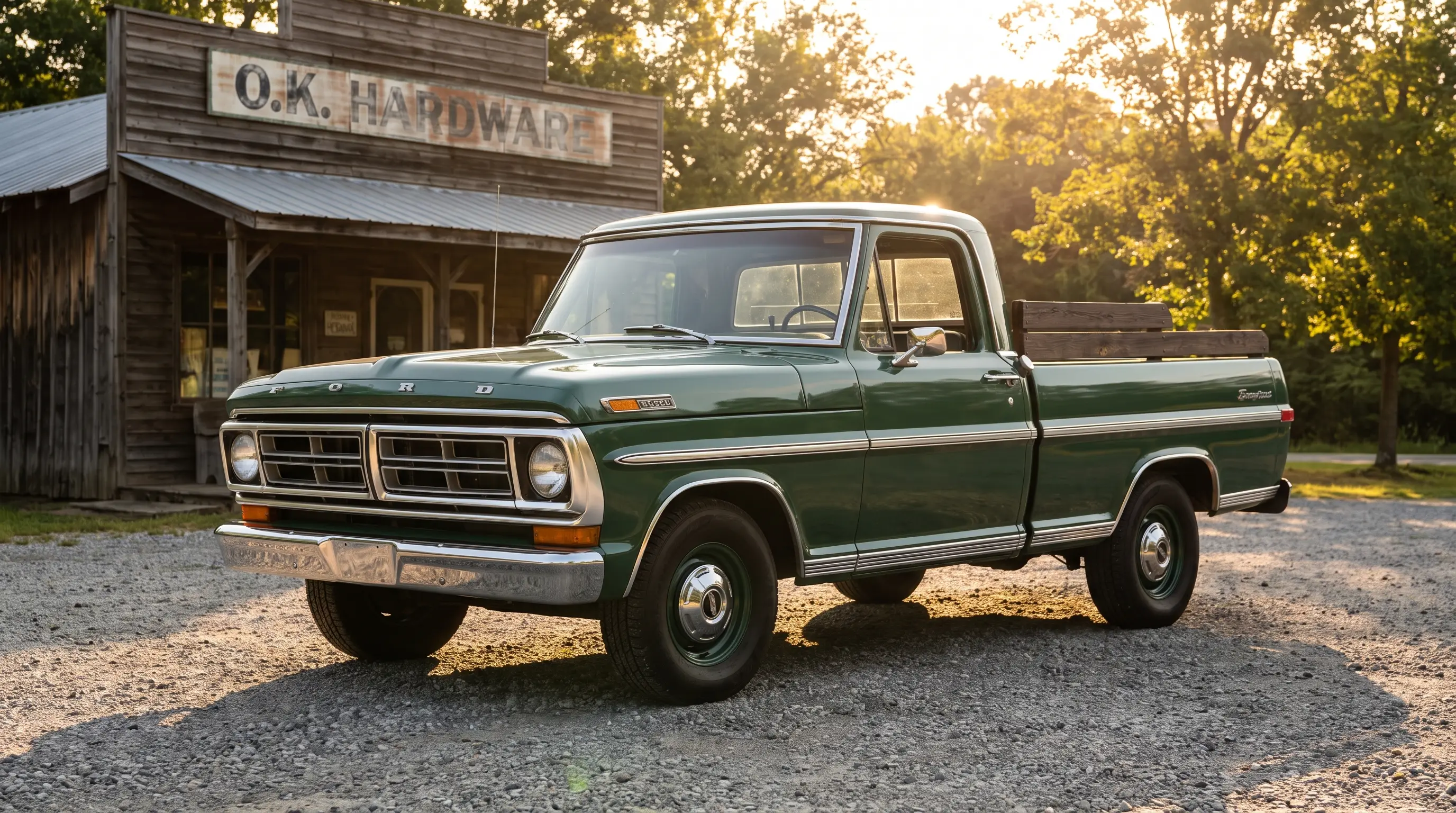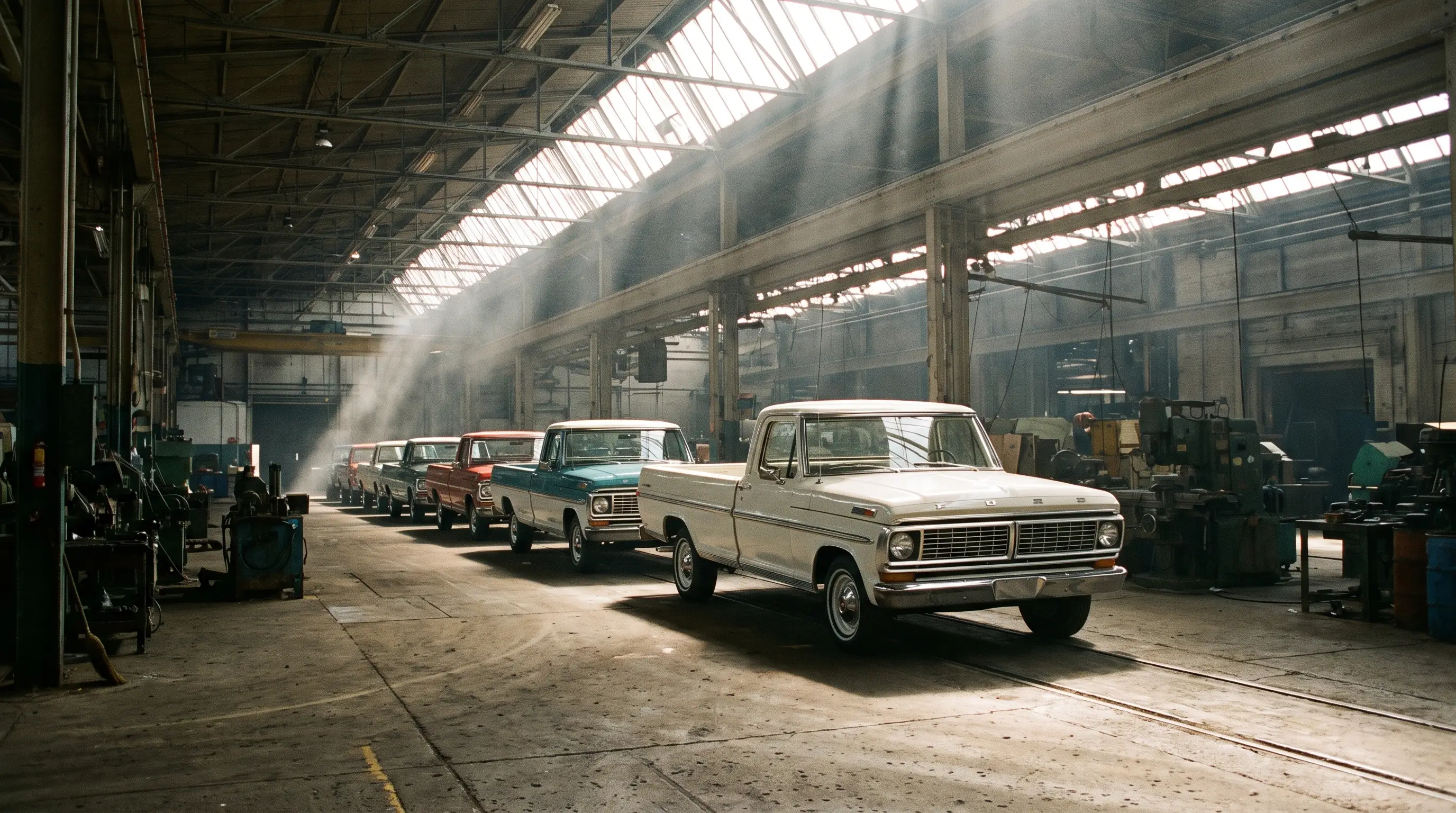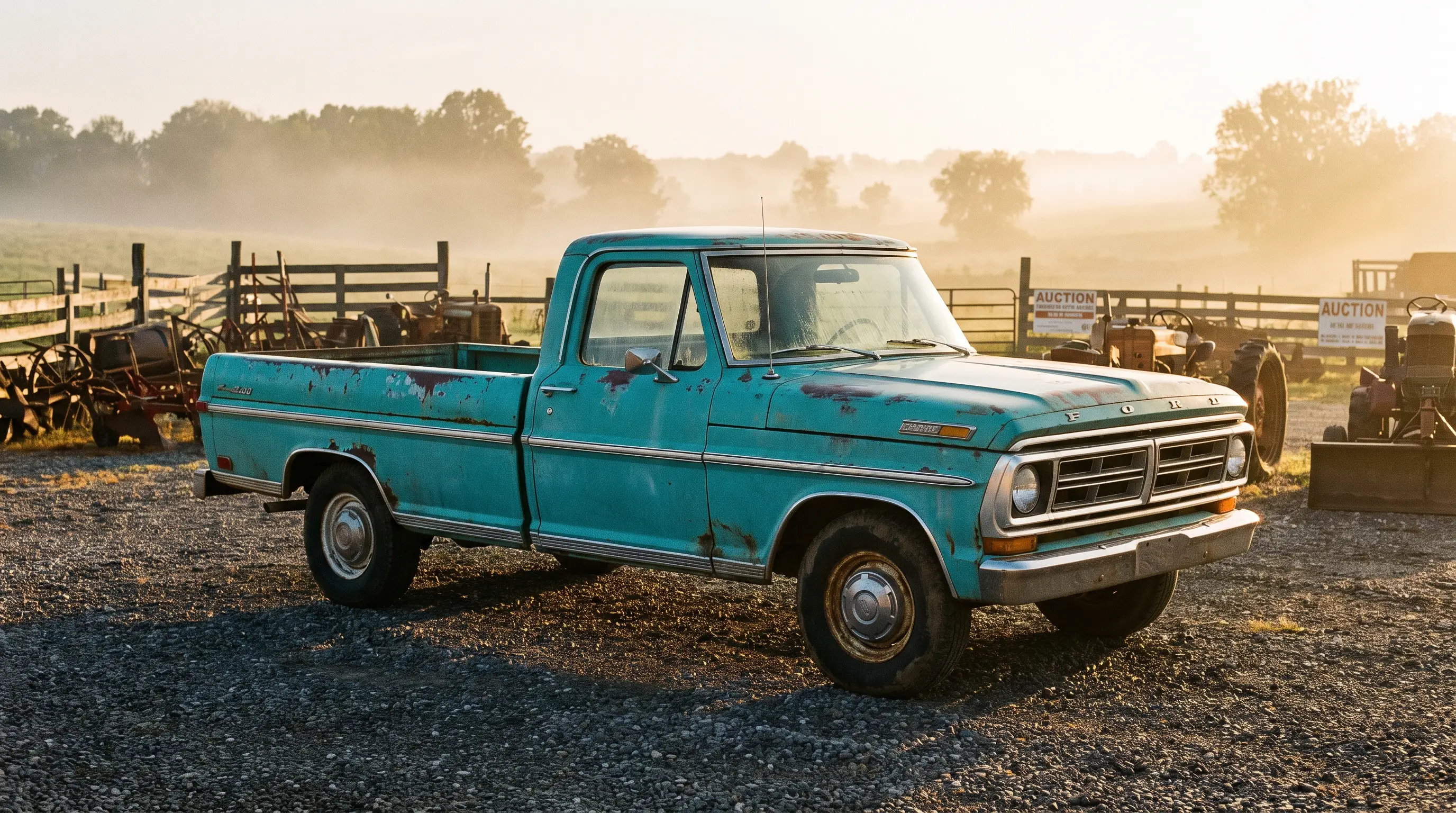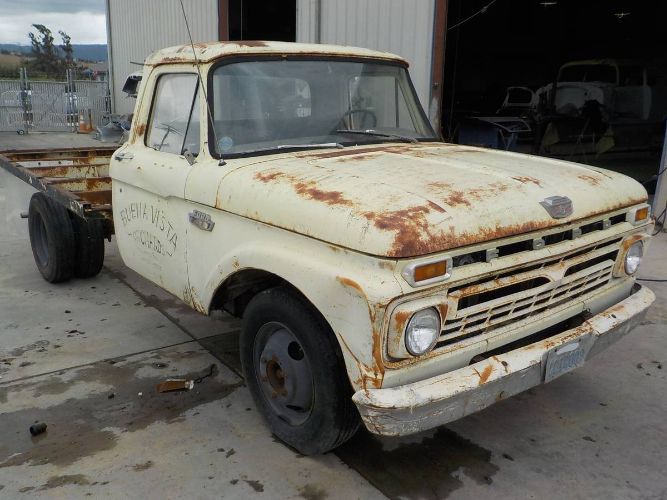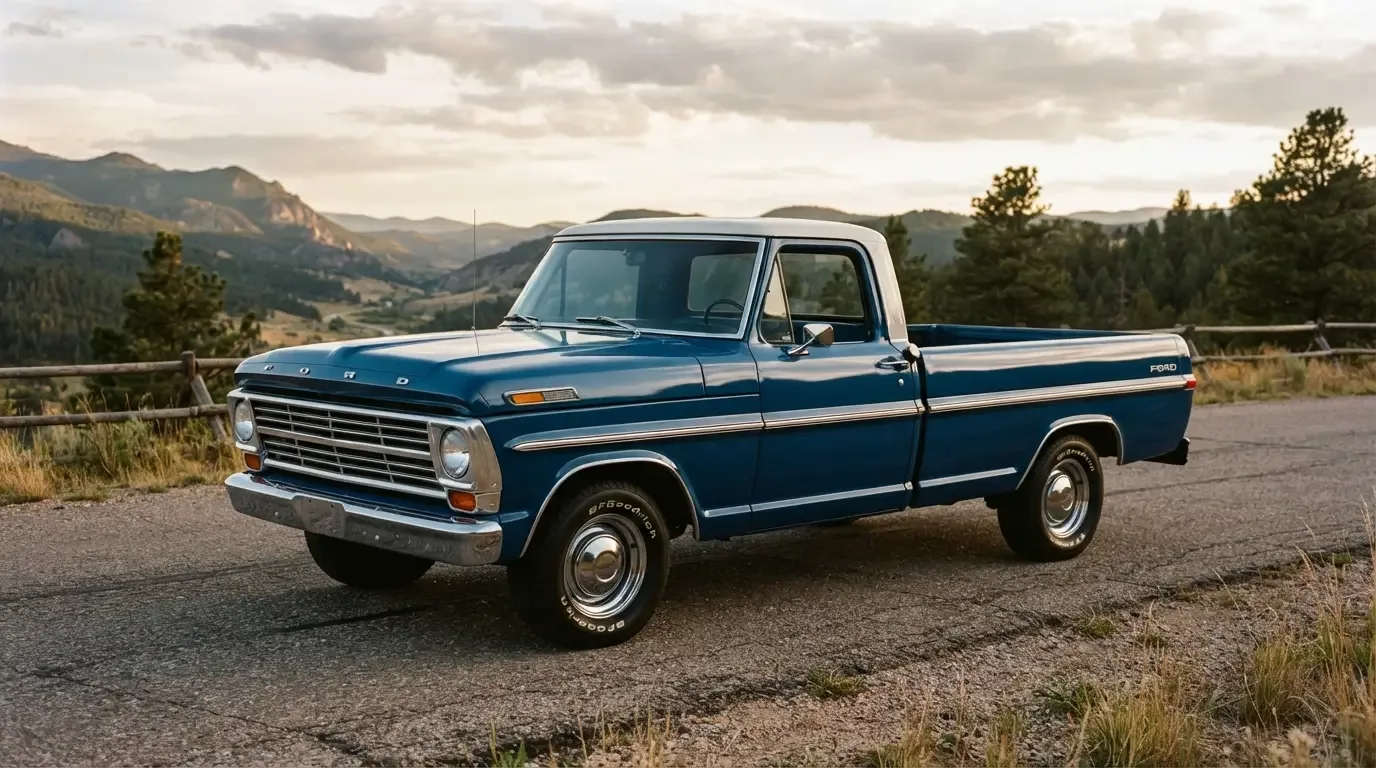
Ask a room full of classic truck people to name the friendliest F-100 to own, and a lot of them will land on the 1967 Ford F100 and the trucks that followed it through 1972. This fifth-generation run has a nickname that tells you almost everything about how enthusiasts see it: the Bumpside. The name comes from the raised character line, the visible bump, that runs down the side of the body along the beltline, catching a shadow the length of the truck. It is a small styling detail that became a term of endearment, and that affection is not an accident. These trucks combine handsome, uncomplicated looks with mechanical simplicity and a following deep enough that almost anything you need for one is a phone call away.
The Bumpside arrived for 1967 as a fresh design that kept the Twin I-Beam front suspension introduced two years earlier and wrapped it in a body that many people consider the best-proportioned F-100 of them all. It is upright without being tall, clean without being plain, and it reads as a truck first and a fashion statement second. That balance is a large part of why this generation has become the enthusiast favorite it is today.
Where the Bumpside name comes from
The nickname is worth understanding because it is how the community actually talks about these trucks. The body has a horizontal ridge, a raised feature line, pressed into the sheet metal along each flank. That ridge, the bump, is the defining visual signature of the 1967 through 1972 trucks, and it separates them at a glance from the smoother trucks that came before and the squarer, slab-sided trucks that came after. When someone says they are looking for a Bumpside, they mean this generation specifically and nothing else.
Ford refreshed the details across the run without disturbing that core shape. The grilles changed year to year, the trim shuffled, and the front-end treatments evolved, but the bump stayed, and so did the fundamental rightness of the proportions. For the wider context of how this generation fits the nameplate, there is more on the ford f100 in our broader history, and readers who want the full lineage can find more on the ford f100 there. The Bumpside is a chapter in that longer story, and one of its most beloved.
Ranger, Explorer, and the trim ladder
This is the generation where the F-100 trim ladder got genuinely interesting, and the names matter to collectors. The Ranger became the upscale trim option during this era, a package that added brighter interior appointments, better upholstery, and exterior chrome that lifted the truck above work-spec plainness. The Ranger name would later graduate to a whole separate model of small Ford pickup, but in this period it was the badge that told you a buyer had ticked the nicer boxes.
Ford also ran special-edition trucks during these years, including Explorer packages that bundled appearance and comfort features into limited runs aimed at buyers who wanted something dressier than a base truck. These special editions are prized today precisely because they were produced in smaller numbers and came with distinctive trim that is hard to replicate. A documented Ranger or a genuine special-edition Bumpside carries a premium over a plain work truck, and learning to tell them apart is part of buying this generation intelligently.
| Year | Notable change | Trim note |
|---|---|---|
| 1967 | Bumpside body debuts, Twin I-Beam carried over | Ranger tops the range |
| 1968 | Side marker lights added, trim updates | Special editions appear |
| 1969 | Grille restyle | Explorer packages offered |
| 1970 | Front-end refresh | Trim ladder broadens |
| 1971-1972 | Final years, detail revisions | Late Bumpsides prized |
Engines from the honest six to the FE big block
The powertrain menu is a big reason enthusiasts love these trucks. At the bottom sat Ford's dependable inline six, the engine for buyers who wanted economy and simplicity, and it is a perfectly honest choice that keeps a lot of these trucks running to this day. Above it, Ford offered a range of V8s, and this is where the Bumpside gets its enthusiast appeal, because the options climbed into Ford's FE big-block family.
FE V8s such as the 360 and the 390 cubic inch engines gave the F-100 real muscle for the era, with the 390 rated at 255 gross horsepower during its 1968 through 1971 run, and a big-block Bumpside has a following among people who want a classic truck that can genuinely move. The combination of a strong FE V8, the smooth Twin I-Beam front end, and that clean body is close to ideal for someone who wants to drive their classic rather than trailer it. The smaller V8s split the difference between the six and the big blocks, so a buyer could tune the truck to their needs across a wide range, from frugal daily hauler to something with a bit of shove.
Why enthusiasts gravitate to this generation
Several things line up to make the Bumpside the sweet spot for so many owners. The looks are widely agreed to be excellent, which is subjective but close to consensus. The mechanicals are simple and well supported, so keeping one running does not require rare parts or specialist knowledge. The Twin I-Beam front suspension gives a ride that is comfortable by old-truck standards. And the aftermarket, from reproduction sheet metal to trim to interior kits, is about as deep as it gets for a classic pickup.
Put those together and you get a truck that is genuinely usable, genuinely attractive, and genuinely maintainable, all at a price that has stayed more reasonable than the fifties trucks. That is a rare combination, and it explains why the Bumpside shows up constantly at shows, in club rosters, and in the hands of first-time classic truck buyers who did their homework. It is the F-100 that rewards ownership rather than just admiration.
The Bumpside also occupies a comfortable place in pop culture, which feeds the affection. Trucks of this shape spent decades in the background of American life, on job sites and in movie driveways and behind country bands on album covers, and that ubiquity gave the body a familiarity that borders on comfort. When people say a Bumpside looks like a truck should look, part of what they are responding to is a shape they grew up seeing everywhere. That cultural memory is not something a spec sheet captures, but it is a real component of why this generation holds people the way it does.
There is a custom and restomod scene built around these trucks as well, and it has grown into its own culture. Lowered Bumpsides with modern drivetrains have become a familiar sight at shows, and the popularity of those builds has kept demand for solid donor bodies high. As with the fifties trucks, that pulls original examples in two directions, consuming some clean bodies while raising the visibility of the whole generation. For the purist, it means an honest, unmodified Bumpside with its original drivetrain is a slightly harder find than the raw production numbers suggest, and worth holding when you find one.
"The Bumpside is the generation people keep, not just buy. The proportions are right, the parts are everywhere, and a big-block truck will still surprise you at a stoplight. It asks very little and gives a lot back, which is exactly what you want from a classic you plan to drive."
- Tom Ramirez
Buying and collecting the Bumpside
If you are shopping this generation, the trim and engine decisions shape everything. A plain six-cylinder work truck is the most affordable way in and a perfectly good one for a buyer who wants the look without the fuel bills. Step up to a V8, and the truck gains capability and value. Reach for a documented Ranger or a genuine special edition, and you are into the more collectible end of the range. Verify the trim claims rather than taking them on faith, because badges are easy to add.
Condition and originality carry the usual weight. Rust in the cab corners, the floor, and the bed is the enemy, and the front sheet metal on these trucks has often seen repair. A straight, honest Bumpside with a good drivetrain and its original trim intact is a truck to hold onto. The market for these has firmed up steadily as more buyers discover what the enthusiast crowd has known for years, so a clean example bought well is a sound place to put your money. When you are ready to look, the find a classic F-100 listings are a sensible starting point for comparing Bumpsides against each other.
The enthusiast favorite, earned
The 1967 through 1972 Bumpside earned its favorite status the hard way, by being good at the things that matter to people who actually use their trucks. It looks right, it drives well for its age, it can be ordered mild or muscular, and it is about as easy to keep alive as a fifty-year-old vehicle gets. That is not hype, it is the accumulated verdict of decades of owners who tried the alternatives and came back to this one.
The generation that followed took the F-100 in a squarer, more modern direction and closed out the classic era of the nameplate. If you want to see how the story ends, there is more from this era in the trucks that came next, and you can read more from this era to follow the line to its finish. But the Bumpside is where a lot of people stop looking, because the 1967 Ford F100 and its siblings answer nearly every question a classic truck buyer has, and they answer it well.