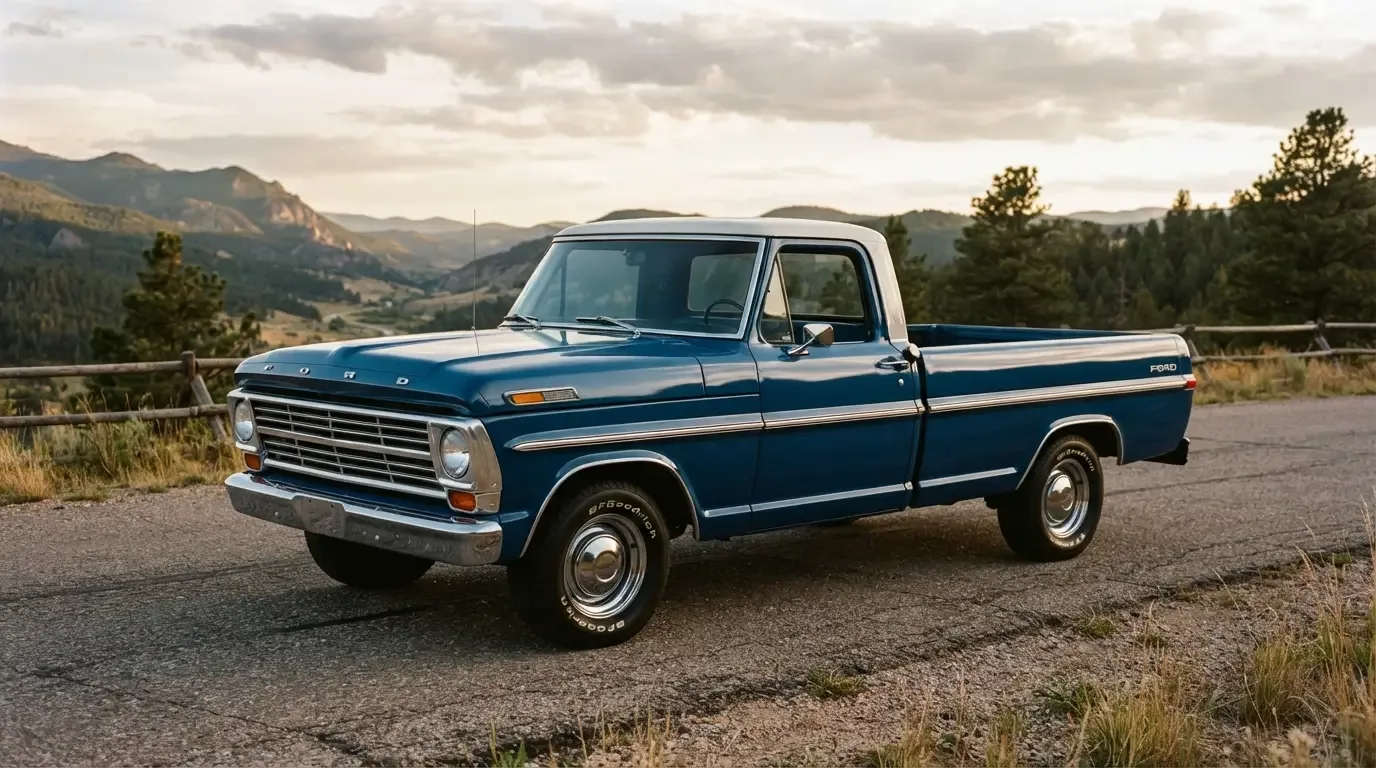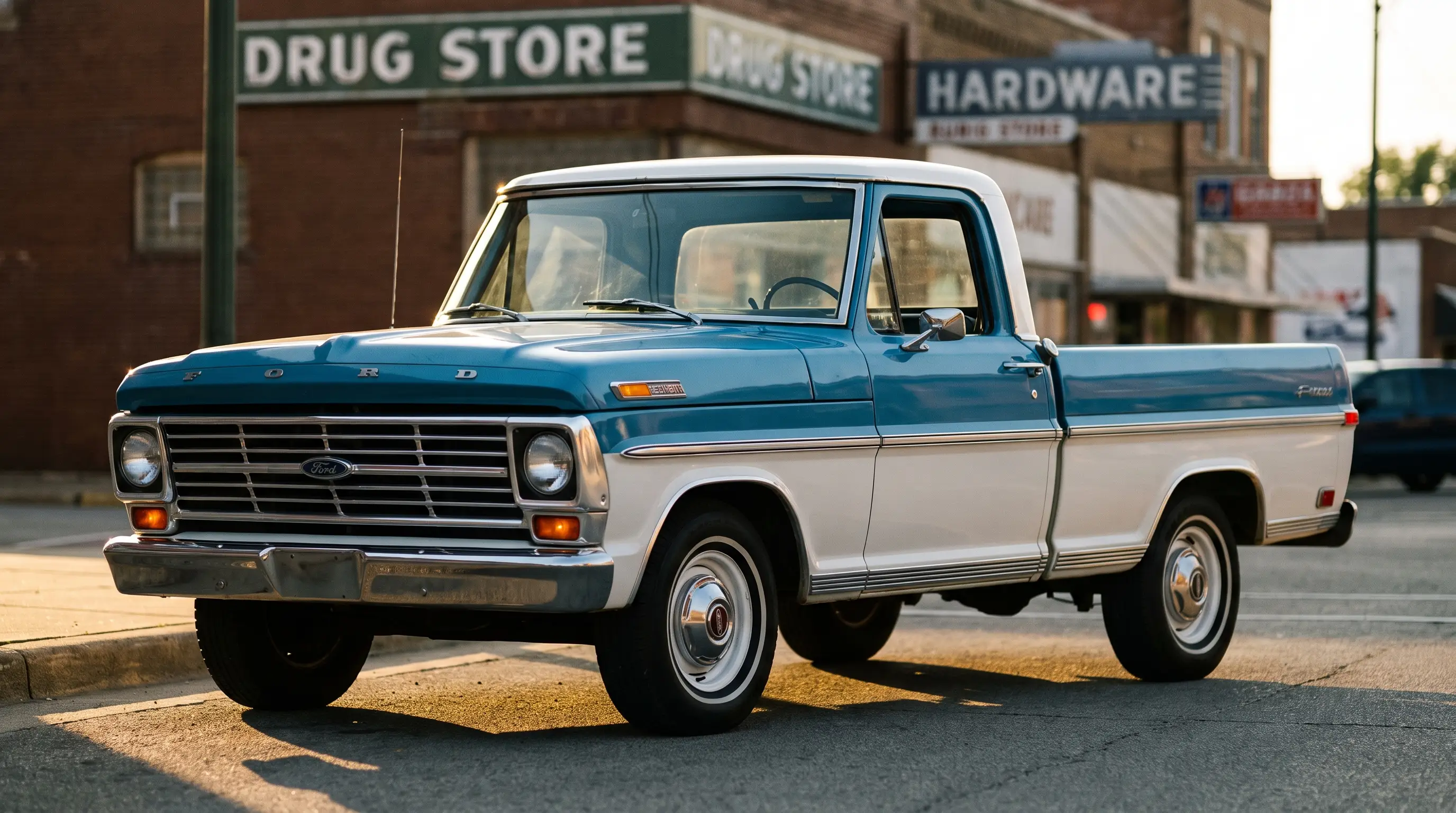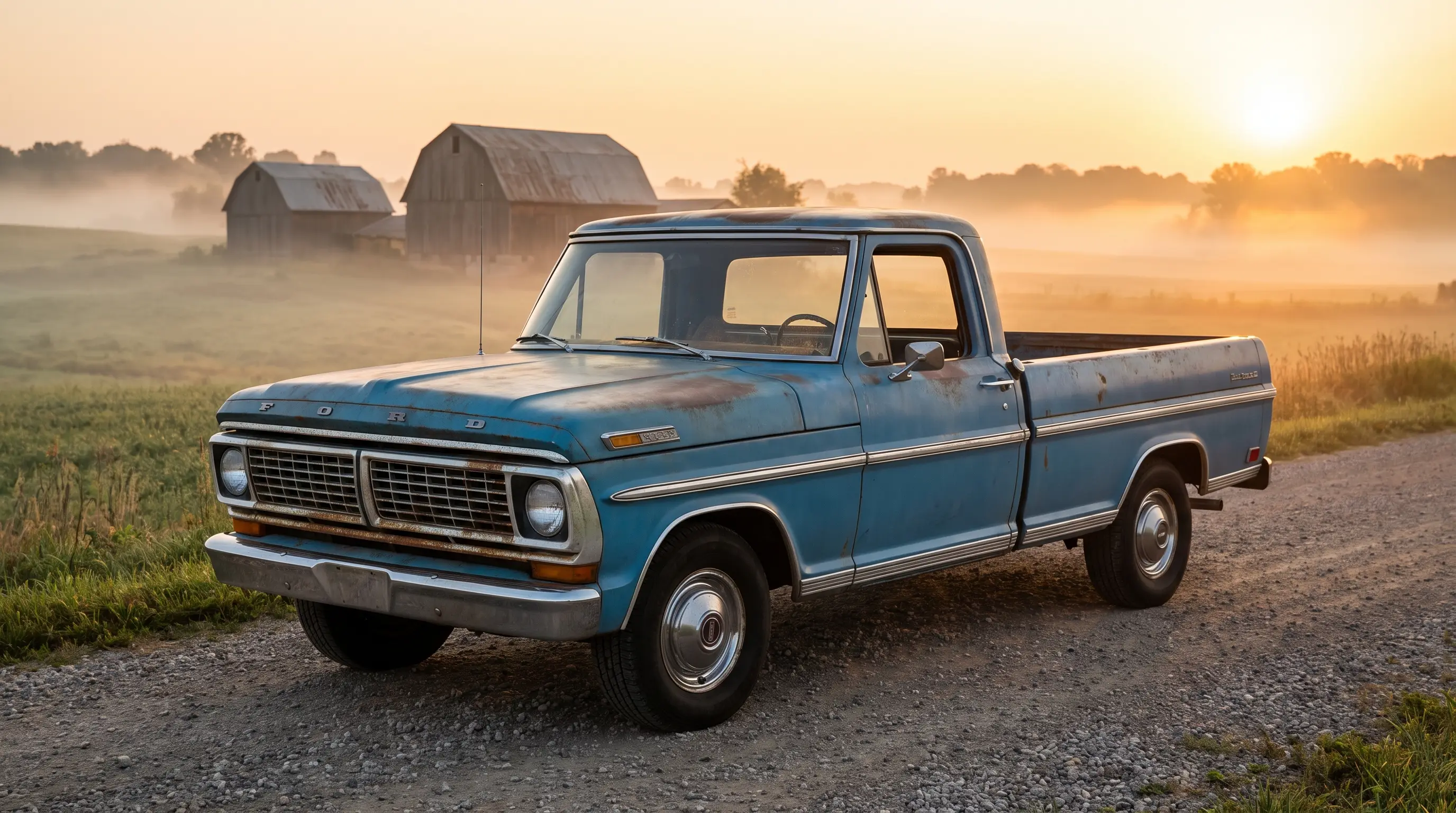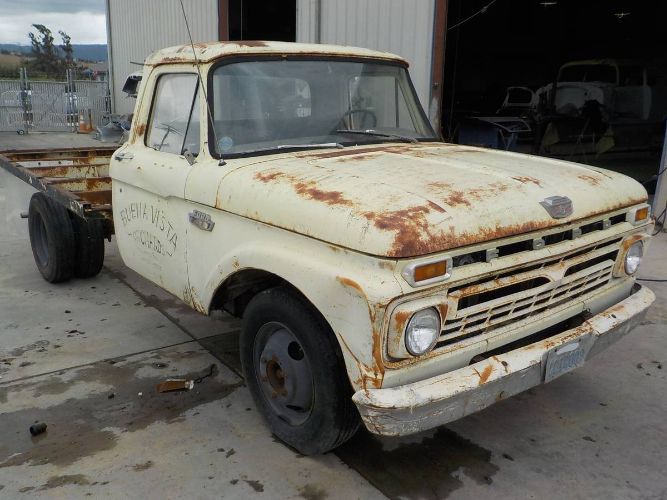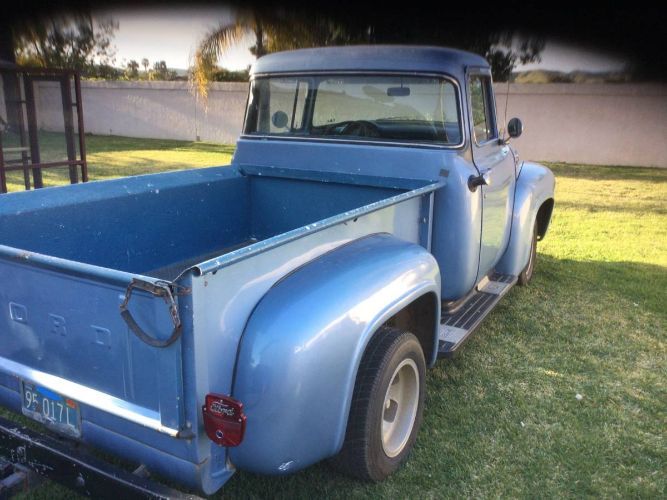
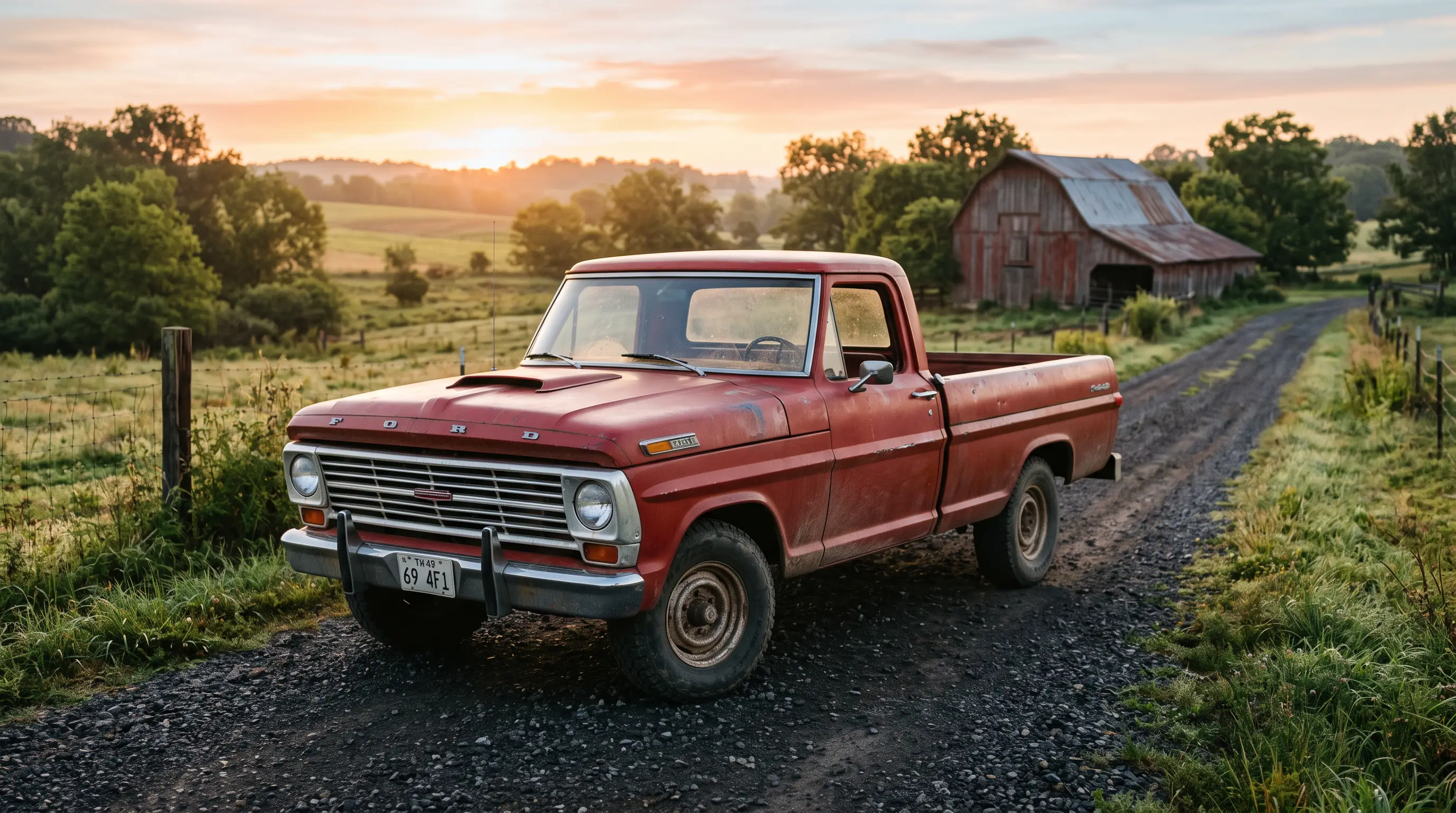
The 1969 ford f100 occupies an interesting position within the bumpside generation, close enough to the run's midpoint that it benefited from three years of refinement to the 1967 redesign while still predating the more significant changes that would arrive as the run continued into the early 1970s. Examined closely, it is a truck defined less by any single dramatic shift and more by the accumulation of small, deliberate corrections Ford made once the new body had been in the field long enough to reveal what needed attention.
A body settling into its final form
By 1969, the rounded bumpside styling introduced in 1967 had been refined through two prior model years of feedback, and the exterior presented a more cohesive execution than the debut year had managed. Trim details, brightwork placement, and badge treatment reflect the kind of quiet iteration a manufacturer makes once initial tooling proves itself and engineers can focus on polish rather than fundamentals. Nothing about the 1969 body reads as experimental. It reads as a design the factory had grown comfortable producing at volume.
The cab interior continued the comfort-forward direction the generation had established from its start, with upholstery options and dashboard detailing that placed this truck firmly in the category of vehicle a family could use as genuine daily transportation, not merely a work implement pressed into personal service on weekends. That distinction matters when placing the 1969 F-100 in the broader arc of American pickup history. It represents a truck built by a manufacturer that had fully accepted the personal-use buyer as a primary customer rather than a secondary consideration.
A mass-produced work truck built to a price point is a humbler artifact by design than a limited-run performance car, but that does not make it any less worthy of careful documentation and study. Mass-produced does not mean undocumented, and a serious researcher treats a 1969 F-100 with the same rigor applied to any other historically significant American vehicle, regardless of how many left the factory that year.
Mechanical specification for the model year
The engine range for 1969 carried the established sixes and V8 options forward from the preceding model years of this generation, with the 240 six as the standard engine, the 300 six as the step-up option, and the 360 and 390 V8s carrying over from 1968. The real addition for the year was the 302 Windsor V8, newly offered on the order sheet, since small revisions between adjacent model years within this generation are documented inconsistently across period literature and later reference sources, and a careful researcher should not assume continuity without confirming the specific year.
Chassis and suspension specification held to the Twin I-Beam front end architecture that had defined the F-Series since its introduction earlier in the decade, an engineering solution that by 1969 had proven itself thoroughly in the field and required no significant revision. This is a truck built on a formula Ford had already validated, refined incrementally rather than reinvented.
| Attribute | 1969 specification |
|---|---|
| Body generation | Bumpside, third model year of this design |
| Front suspension | Twin I-Beam independent |
| Engine range | Inline six standard, V8 options available |
| Notable distinction | Refined trim and cab detailing relative to 1967-68 |
Where the 1969 sits relative to the safety legislation of the era
The prior model year had introduced side marker lights and additional interior padding under new federal requirements, and by 1969 those changes had settled into the truck's standard specification rather than reading as a recent addition. Researchers examining a 1969 example alongside a 1968 will find the safety equipment largely consistent between the two years, which is a useful reference point when trying to date an undocumented truck by its equipment alone. Consistency across these two years, rather than a dramatic year-over-year shift, is itself a documented characteristic worth noting when comparing surviving examples.
What did continue evolving through this period were the smaller regulatory and market-driven refinements manufacturers made as they gathered field data on how the new safety equipment performed and how buyers responded to it. Ford's approach across 1968 and 1969 reflects a company treating compliance not as a box to check but as an opportunity to integrate the new requirements cleanly into the truck's existing design language, rather than bolting on equipment that looked like an obvious afterthought.
Assessing originality on a surviving example
A collector evaluating a 1969 F-100 for originality should approach the exercise the way one would approach authenticating any artifact from a specific, narrow production window: methodically, and without assuming a feature present on an adjacent model year necessarily carried over unchanged. Trim pieces, badge script, and interior fabric patterns shifted in small increments across these years, and a truck presented as fully original should show consistency across all of these details rather than a mix that suggests parts sourced from multiple model years during a prior repair or restoration.
Documentation remains the most reliable tool available to a buyer. A data plate consistent with the truck's claimed specification, period-correct paperwork where it survives, and a coherent ownership history together build a case for authenticity that visual inspection alone cannot fully establish. For the complete account of how this generation began and evolved, more on the 1967 ford f100 provides the fuller context this single model year sits within.
The 1969 truck in context
Placed against the full sweep of F-100 history, the 1969 model represents neither a beginning nor an ending but a moment of confident maturity within an established design. It lacks the historical weight of a debut year and the collector attention that sometimes attaches to a final year before a redesign, yet it offers a buyer a fully sorted execution of everything the bumpside generation set out to achieve. For readers wanting the origin story of the F-100 line before this generation existed, where this started traces the model back to its earliest years.
Those considering a 1969 or a comparable model year from this generation can review classic F-100s on the market to see current availability and condition across the range.
A careful researcher approaching a 1969 example benefits from treating the truck as a document in its own right, one whose panels, trim, and mechanical specification form a coherent record of a specific point in Ford's manufacturing history. That kind of close reading rewards patience over speed. A buyer who takes the time to compare a candidate truck against known 1969 specification, rather than accepting a seller's characterization at face value, ends up with a far more confident sense of exactly what they are purchasing.
"A 1969 F-100 rewards close looking rather than casual glancing. The changes are subtle, but they are real, and treating this truck as interchangeable with its neighbors does a disservice to what Ford actually did across these model years."
— Sarah Whitfield