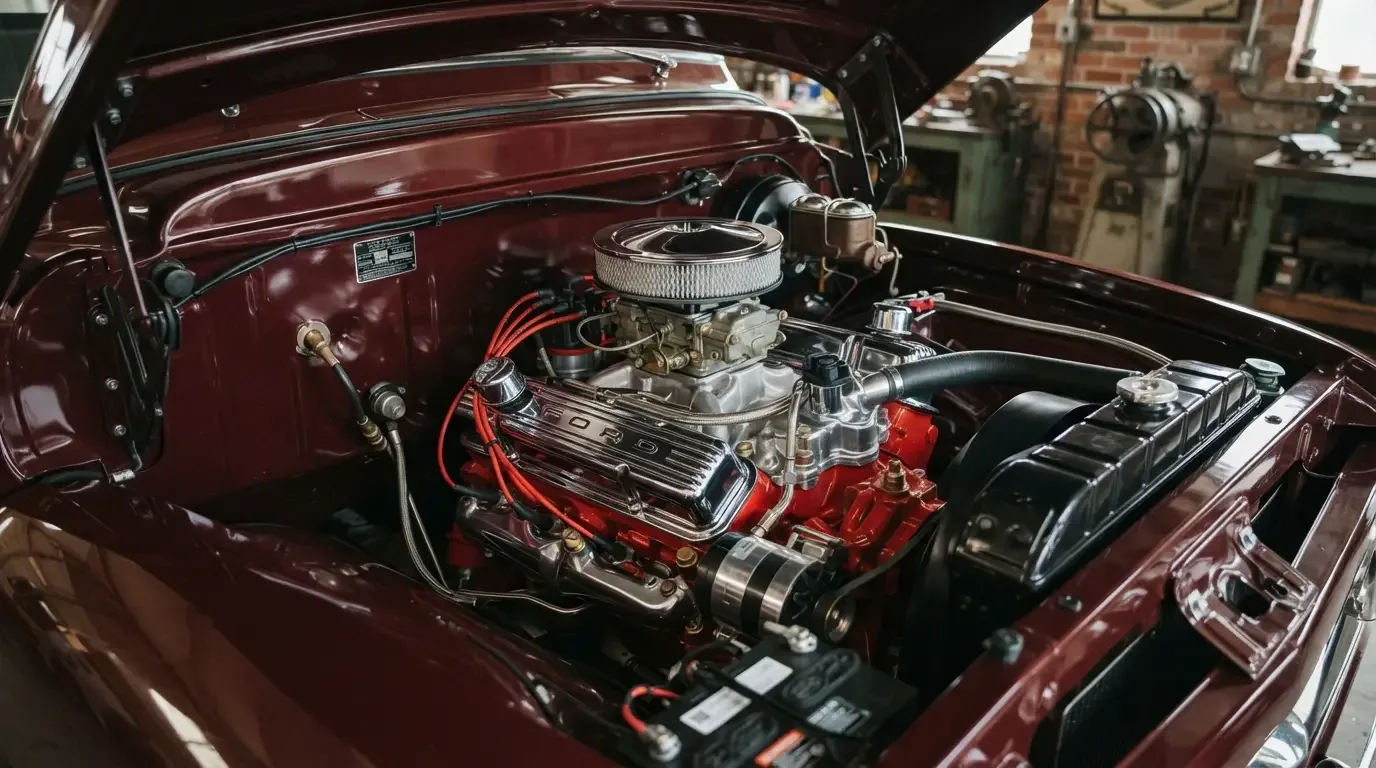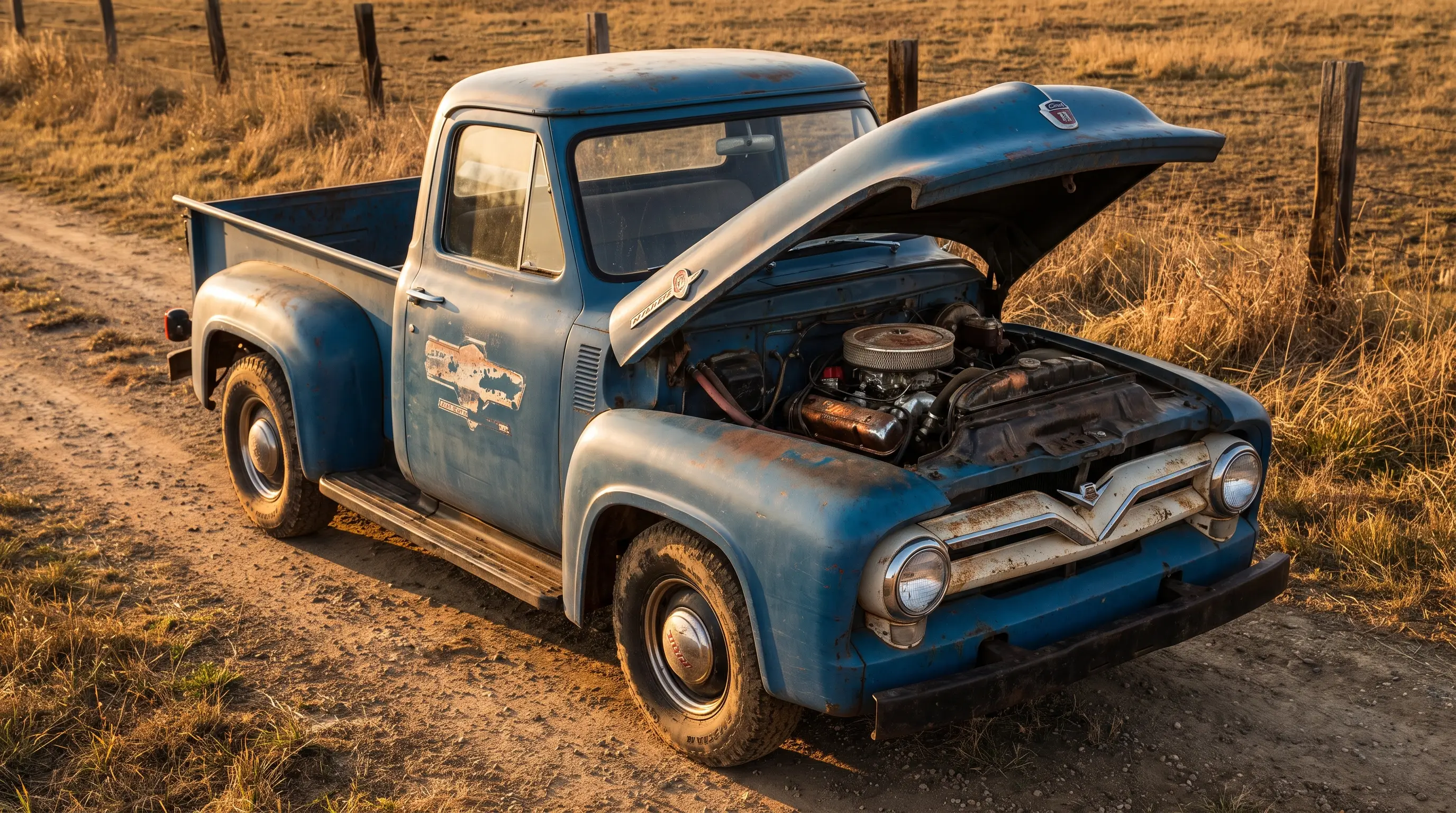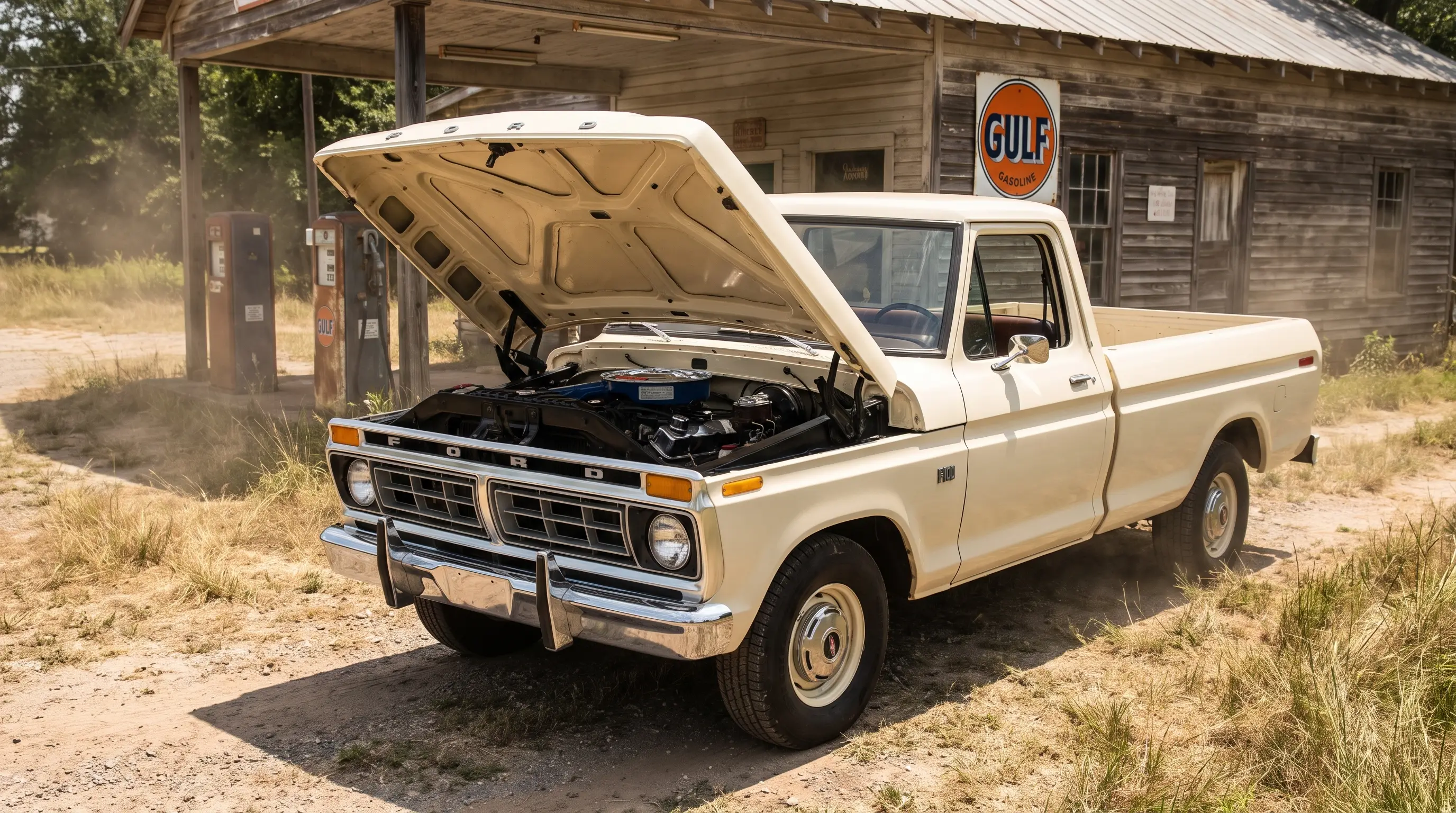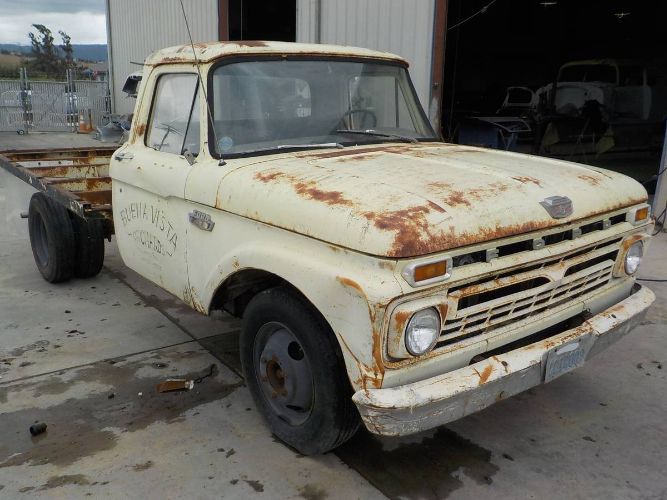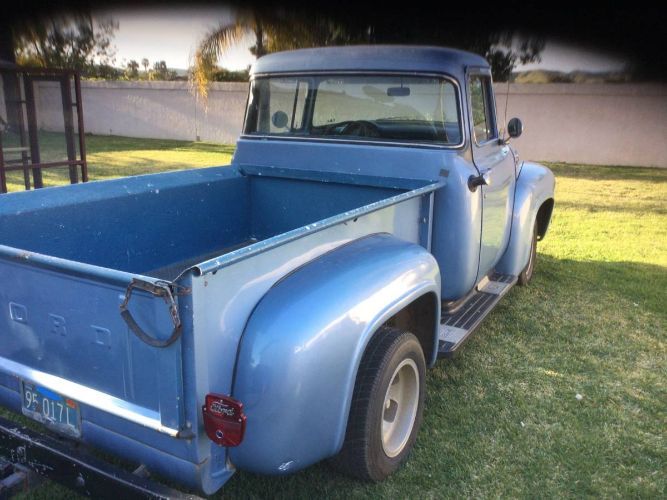
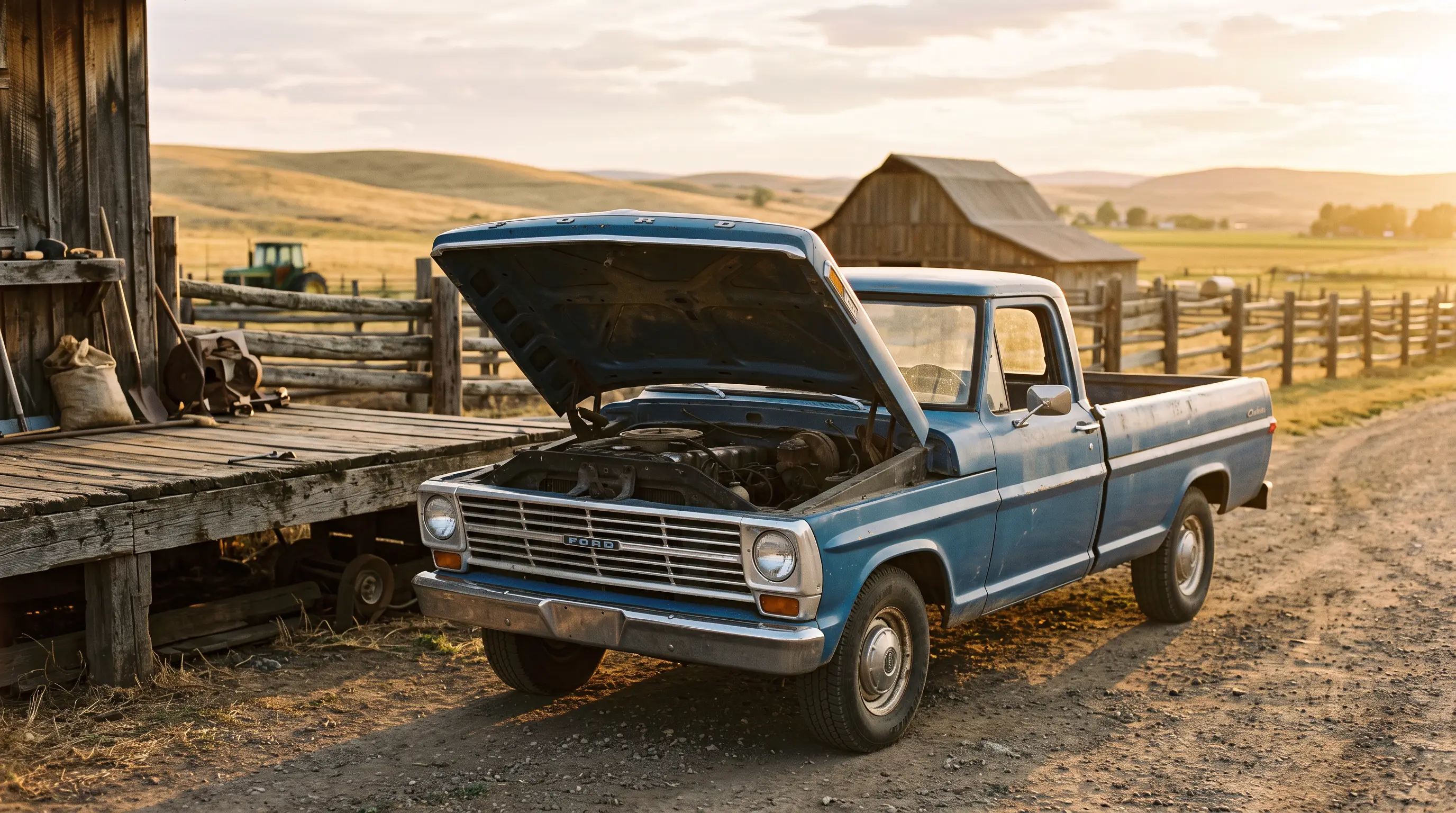
Ask a Ford F-100 owner what is under the hood and the answer is often a number, not a name. Six-cylinder trucks built their reputation on being simple, cheap to run, and hard to kill, and two of those numbers come up more than any other: the 240 and the 300. Both are members of Ford's straight-six family, both spent years under F-100 hoods, and both still start on a cold morning with nothing more than a turn of the key. But they are not the same engine wearing different badges, and the differences matter more than most casual buyers realize.
The 240 arrived in 1965 as the workhorse six for Ford's full-size trucks, replacing the older 223 cubic inch unit that had served since the early 1950s. It was part of a new generation of Ford sixes built with a stronger block and a more modern combustion chamber, and it slotted into the F-100 as the standard engine for buyers who wanted dependable power without the cost or thirst of a V8. Ford's smaller F-Series trucks ran the 240 for well over a decade, and for a huge share of the trucks that left dealer lots in the late 1960s and early 1970s, it was the engine nobody thought twice about.
Two sixes, one family, different jobs
The 300 six shares the same basic architecture as the 240. Both are part of the same Ford inline-six family introduced for 1965, with the same bore centers and the same general engineering philosophy. What separates them is stroke. The 300 uses a longer stroke than the 240, which pushes displacement up and, more importantly, pushes torque up at low engine speed. Ford aimed the 300 at heavier-duty applications from the start, which is why it showed up first in the bigger F-250 and F-350 trucks before eventually becoming available, and later standard, in the F-100 itself as the model line evolved through the 1970s.
That difference in intent shows up on the spec sheet and, more usefully, on the road. The 240 revs a little more freely and feels slightly lighter on its feet, while the 300 pulls harder from a stop and shrugs off a loaded bed in a way the 240 has to work for. Neither one is going to win a stoplight race against a V8, and neither one was designed to.
| Spec | 240 Six | 300 Six |
|---|---|---|
| Displacement | 240 cubic inches | 300 cubic inches |
| Introduced | 1965 | 1965 (heavy-duty trucks first) |
| Horsepower (period rating) | 150 hp gross (1965 rating) | 170 hp gross (1968 rating) |
| Character | Lighter, revs more freely | Torquier, better at low RPM load |
| Typical application | Standard F-100 engine, 1965-1970s | F-250/F-350 first, later standard F-100 engine |
The case for the 240
If your F-100 is going to spend its life as a light-duty driver, the 240 has a genuine argument in its favor. It is lighter than the 300, it responds a little more eagerly off idle, and in a truck that is not routinely hauling or towing anything heavy, the difference in low-end torque barely registers. Parts availability is excellent because the 240 shares so much with the rest of the family, and the simplicity that made it a fleet favorite in period still makes it an easy engine to live with fifty years later. It is not a glamorous engine and nobody buys an F-100 because of the 240 badge on the fender, but it does exactly what Ford designed it to do.
For anyone weighing the six-cylinder decision more broadly, our ford f100 engines retrospective lays out how the whole engine lineup fit together across three decades of production, which helps put the 240 and 300 in context against the V8 options that were also on the order sheet.
Why the 300 became the truck guy's favorite
The 300 earned its reputation the hard way, by outliving almost everything else in the Ford truck catalog. It stayed in production long after the 240 was phased out, carrying through into later F-Series generations and picking up a following among owners who valued the engine's willingness to lug at low RPM without complaint. Mechanics who spent their careers under F-100 hoods will often say the same thing in different words: the 300 does not care how you treat it. It idles happily, it tolerates neglect, and it makes real, usable torque exactly where a work truck needs it, down low.
"Nobody ever fell in love with a six-cylinder Ford truck the way they fall in love with a V8, but the 300 is the one people trust. You put it to work and it just keeps working, year after year, and that counts for something in a hobby full of engines that need babying."
- Patrick Walsh
That reliability is not folklore. It is the reason the 300 survived so long in Ford's lineup while other engines came and went, and it is the reason you still find running examples doing farm and ranch duty today, decades past when most engines of that era would have been retired.
Which one you are most likely to find today
Survivorship favors the 300, especially in later F-100 trucks from the 1970s, simply because Ford leaned on it more heavily as the decade went on and buyers increasingly wanted the extra torque for towing and hauling. Earlier trucks, particularly those built in the mid to late 1960s, are more likely to turn up with a 240 under the hood, since that was the standard light-duty six for most of that window. Neither engine is rare enough to be a selling point on its own, but knowing which one a given truck should have helps you spot an incorrect swap or a mismatched title description before you commit to buying.
If the six-cylinder conversation has you thinking about what else Ford put between the framerails of an F-100, a related story covers the small-block V8 that a lot of six-cylinder owners eventually chase after living with the torque numbers on paper for a while.
Sources and notes
- Ford F-100 240 Six specifications (Car-Specs.net)
- Ford F-100 300 Six specifications (Auto-Data.net)
- Ford 300 Six Engine specifications (Bullnose Garage)
- Ford straight-six engine (Wikipedia)
- Why the Ford 300 I6 Is One of the Top 10 Engines Ever (OnAllCylinders)
Living with either one
Both sixes reward an owner who treats maintenance as routine rather than emergency. Cooling systems on both engines are simple and forgiving, carburetion is straightforward by modern standards, and parts commonality with the rest of Ford's six-cylinder family means very little on either engine is difficult to source. The 240 suits a truck that spends its life light and easy. The 300 suits a truck that has real work to do, or an owner who wants the reassurance of an engine that has already proven it can run for decades without drama. Neither choice is wrong. It comes down to what the truck is actually going to be asked to do, and matching the engine to that job is exactly the kind of decision Ford's own engineers were making when they built the two sixes in the first place.
For buyers ready to see what is actually on the market right now, F-100s for sale now is worth a look before settling on a preference between the two.