
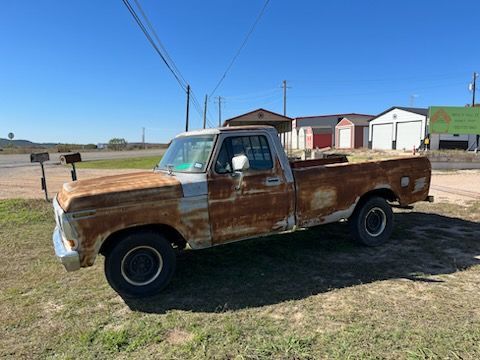
A guy at a Saturday cruise-in in Fresno pulled a faded 1977 Ford F-100 into a spot between two immaculate muscle cars, and within ten minutes it had a bigger crowd around it than either of them. That is the story of the dentside Ford F-100 in 2026. The square-jawed trucks built from 1973 to 1979, nicknamed for their creased, almost origami-like sheet metal, have gone from cheap work-truck leftovers to one of the most talked-about segments in the classic truck world. Dentside Ford F100 popularity is not a fluke of one auction result. It is a shift that has been building for years, and it is worth understanding why.
Car Features
7 min read
Why the Dentside F-100 Is Surging in Popularity
The square-jawed 1973-1979 Ford F-100 spent decades as a cheap work truck. Here is why collectors and builders finally caught on.
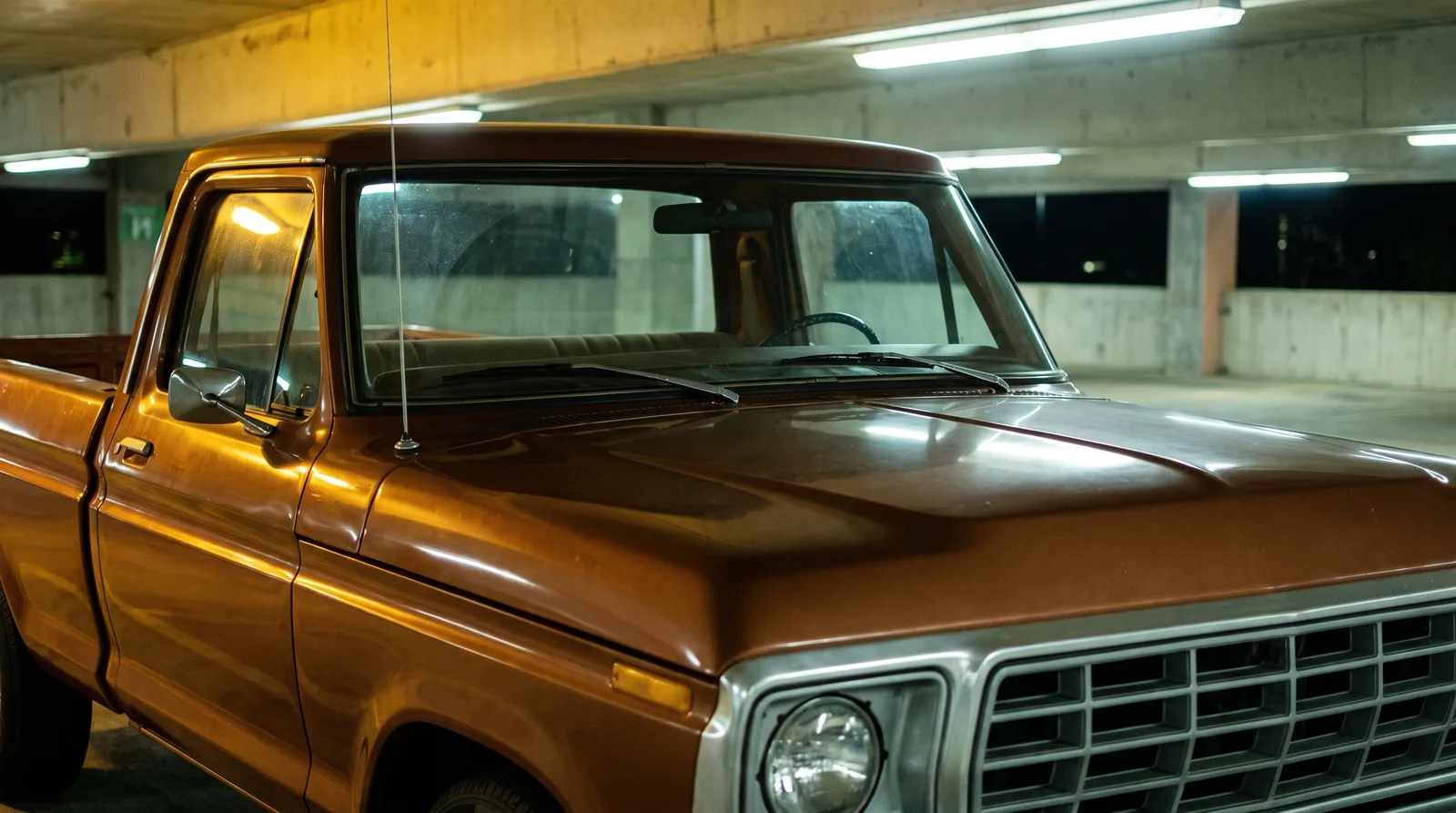
The trucks nobody wanted are the trucks everyone wants
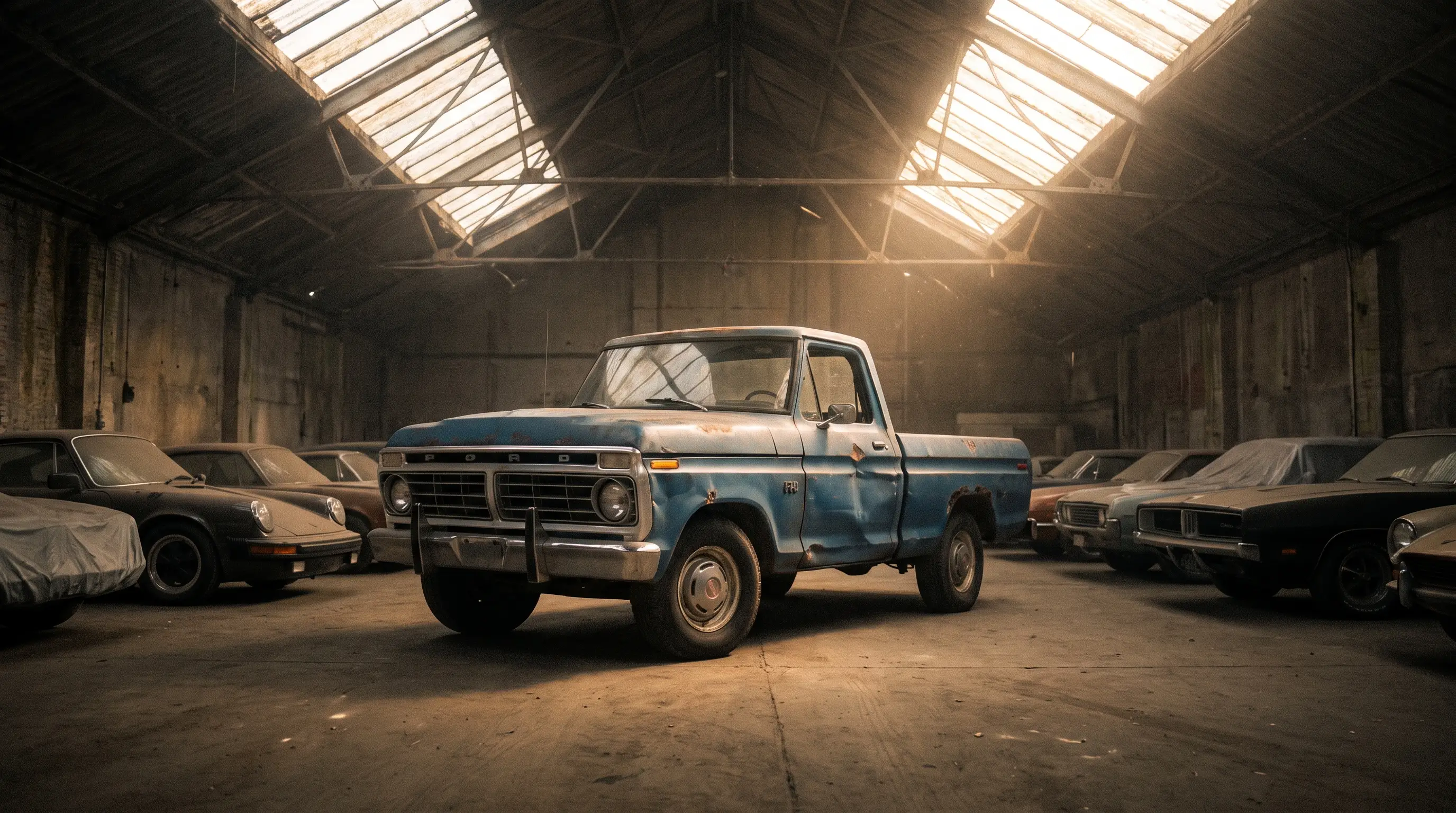
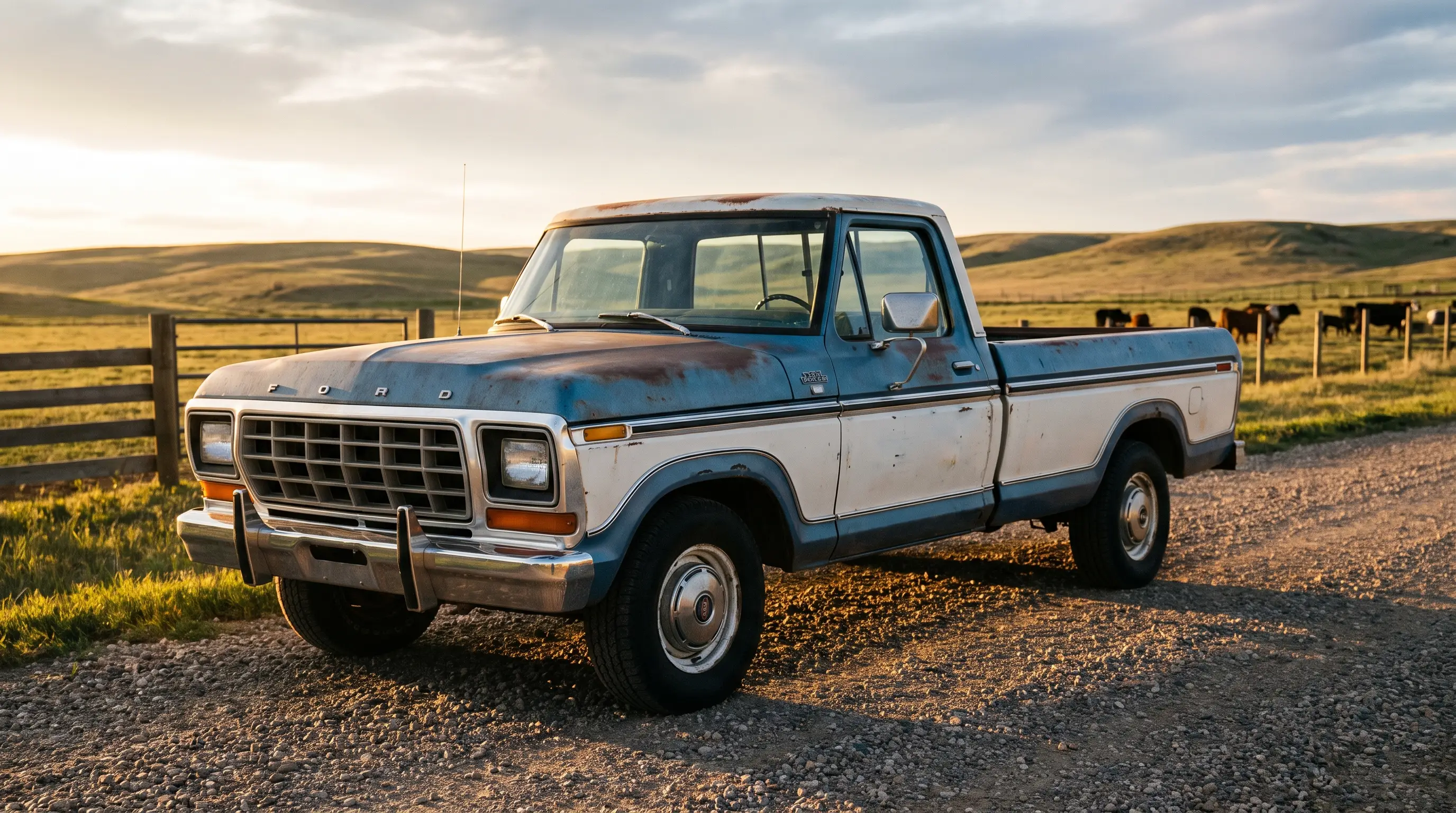
For a long time, the dentside sat in an awkward spot. It was too new to be a curvy, chrome-bumper classic and too old to be a modern truck with power everything. Collectors chased the earlier bumpside generation, the one before it, and left the dentsides to farms, ranches, and construction lots where they kept working long after their paint gave up. That utilitarian afterlife is exactly why so many survived in driveable, honest condition. A generation of buyers who grew up riding in a grandfather's dentside now has the money and the garage space to go find one, and there are still enough of them out there to actually buy.
Anyone who wants the full timeline of this generation, from the 1973 restyle through the final 1979 trucks, should read 1973 ford f100 history. It lays out exactly what changed under the skin and why 1973 was such a clean break from the trucks before it.
The styling finally makes sense to modern eyes
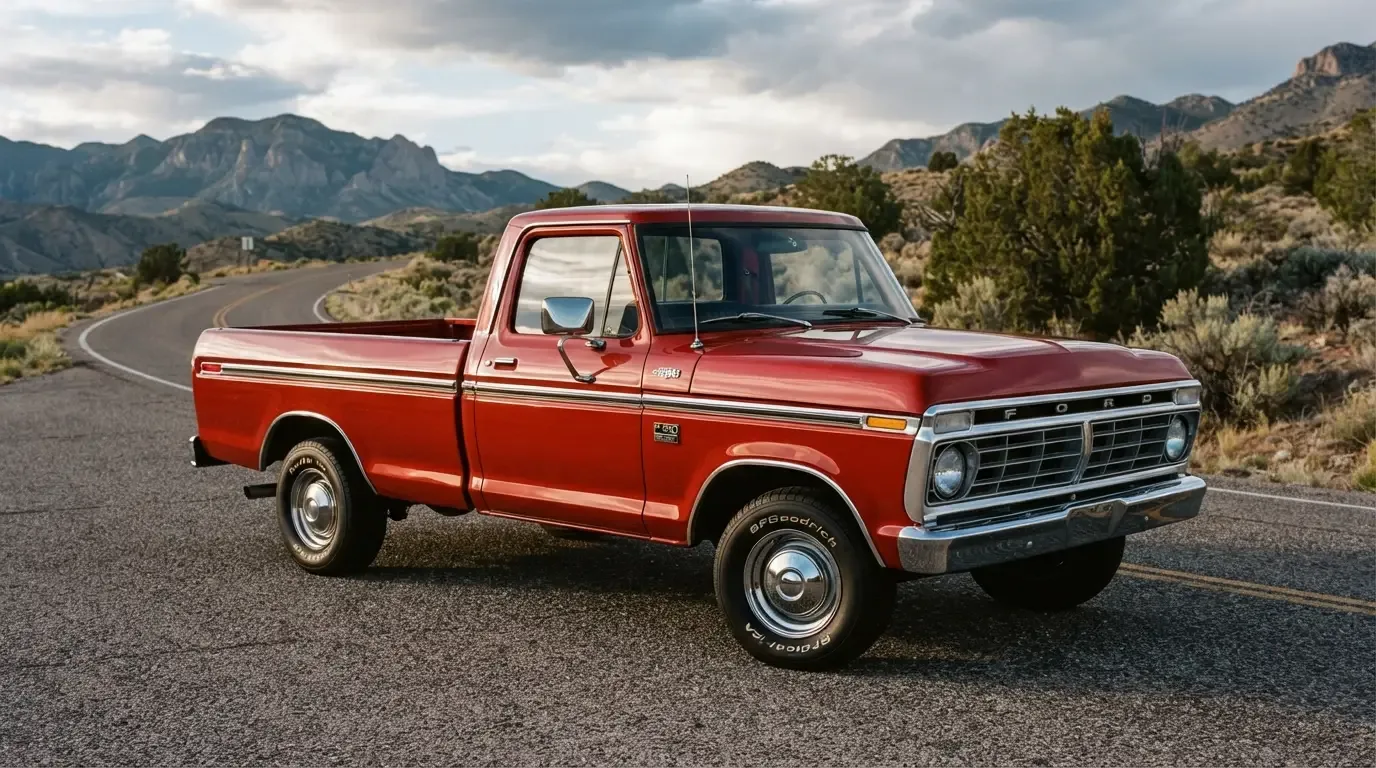
Ford's designers gave the 1973 truck a flat-planed hood, squared wheel arches, and a grille that looked like it was drawn with a ruler. At the time, some buyers thought it looked plain next to the rounder trucks of the 1960s. Decades later, that same flat, honest shape reads as clean and confident rather than dated. It photographs well, it is easy to modify without fighting a bunch of curves, and it sits right at the intersection of vintage charm and a shape that does not look silly parked next to a modern truck. Custom builders love a canvas that does not need convincing, and the dentside gives them one.
There is also a practical angle. The dentside cab is roomier than the bumpside that came before it, the doors are wider, and the dash sits in a layout that a first-time old-truck owner can actually live with day to day. A classic that is comfortable enough to drive regularly gets driven regularly, and trucks that get driven regularly get noticed.
Values climbed quietly, then all at once
For years, a solid running dentside could be had for the price of a decent used sedan. That changed as buyers priced out of earlier trucks and muscle cars started looking at what was left on the table. Short-bed two-wheel-drive trucks with a V8 and factory air conditioning saw the sharpest jumps, especially 1977 through 1979 models with the later, more refined interior. Four-wheel-drive Highboy trucks from the early part of the run climbed even faster as off-road and overlanding culture pulled them into a completely different buyer pool.
That price movement is its own story, and it is covered in detail in a related story that breaks down what specific years and configurations are worth right now. The short version is that the easy money on cheap dentsides is largely gone, but the trucks are still a fraction of what a comparable Chevrolet or GMC of the same era commands.
Parts, engines, and a forgiving ownership curve
Ford built these trucks in enormous numbers and reused engineering across the F-Series and its passenger cars for most of the decade, which means the parts network never really disappeared. A 360 or 390 big-block, a 302 small-block, or the workhorse 300 straight-six can all be kept alive with parts that are still on the shelf at a regular auto parts store, not just a specialty catalog. That accessibility matters enormously to a new owner deciding whether to jump into old trucks at all. Nobody wants a hobby that requires a second job just to fund it, and the dentside largely spares buyers that problem.
"I've watched guys buy their first old truck because it was cheap, and then fall in love with it because it was actually easy to live with. That combination is why this generation is having its moment."
- Patrick Walsh
Social media gave the dentside a stage
It is impossible to separate the current wave of interest from the way these trucks look on a phone screen. The flat panels, the wide stance, and the simple color palette of factory two-tones translate beautifully into photos and short videos. Builders posting progress on patina-preserved survivors, mild restomods, and period-correct restorations have turned the dentside into a recognizable aesthetic rather than just another old truck. A shape that was once considered plain is now considered clean, and clean photographs.
There is a community angle too. Owners groups and regional shows dedicated specifically to 1973 through 1979 Ford trucks have grown steadily, giving new owners a place to ask questions, source parts, and show off a truck that used to get overlooked at bumpside-heavy events.
The cab, the bed, and why practicality still sells trucks
Old truck buyers are not all restoring show cars. Plenty of them want something they can throw a mattress in, tow a small trailer with, or drive to work without babying it. The dentside was built for exactly that kind of daily use, with a bed long enough to be genuinely useful and a frame stout enough to handle real cargo without drama. That working-truck DNA never left it, even as the paint got nicer and the price climbed. A buyer cross-shopping a dentside against a fussier, more delicate classic will usually walk away from the dentside feeling like they got a tool as much as a trophy, and that dual identity is a huge part of why the segment keeps pulling in new owners who are not lifelong collectors.
Where the market goes from here
Trends like this rarely reverse quickly once a generation of buyers commits to a segment. As the earlier, more expensive Ford trucks continue climbing out of reach for younger buyers, the dentside sits as the obvious next step down in price with nearly identical usability. Expect the gap between rough project trucks and clean, sorted examples to keep widening, and expect four-wheel-drive short beds to keep leading the pack.
For anyone thinking about buying rather than just admiring one at a show, the timing argument is straightforward: the trucks are still findable, the parts are still cheap, and the segment has not topped out. Browse current F-100s for sale now and it becomes obvious how much variety, and how much upside, is still sitting in driveways and back lots waiting for the right buyer.
Sources and notes
Related Reading
Have a
Ford F-100
for Sale?
Reach thousands of serious classic car collectors across the US.
Sell It Here →
Are You a Classic Car Dealer?
List your full inventory and connect with targeted classic car buyers.
Join as a Dealer →

About the author
Patrick Walsh
Automotive journalist covering classic car shows, events, and the enthusiast community across North America.
Related Listings - Ford F-100
Comments
Be the first to comment on this article.