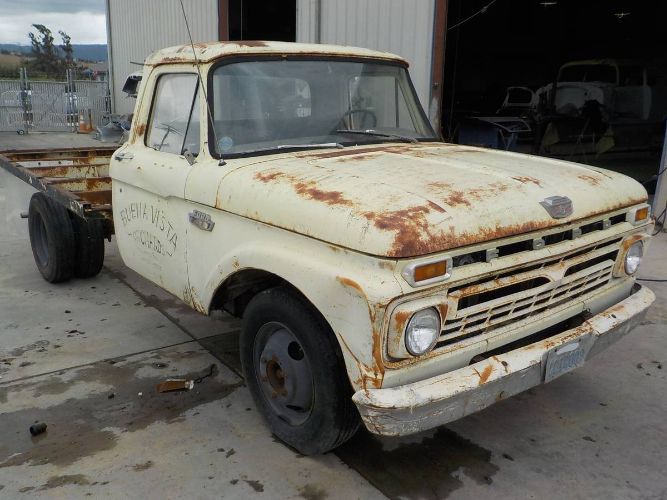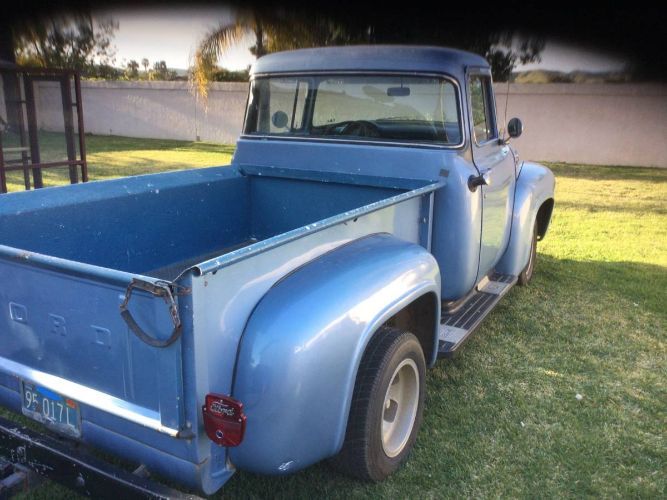
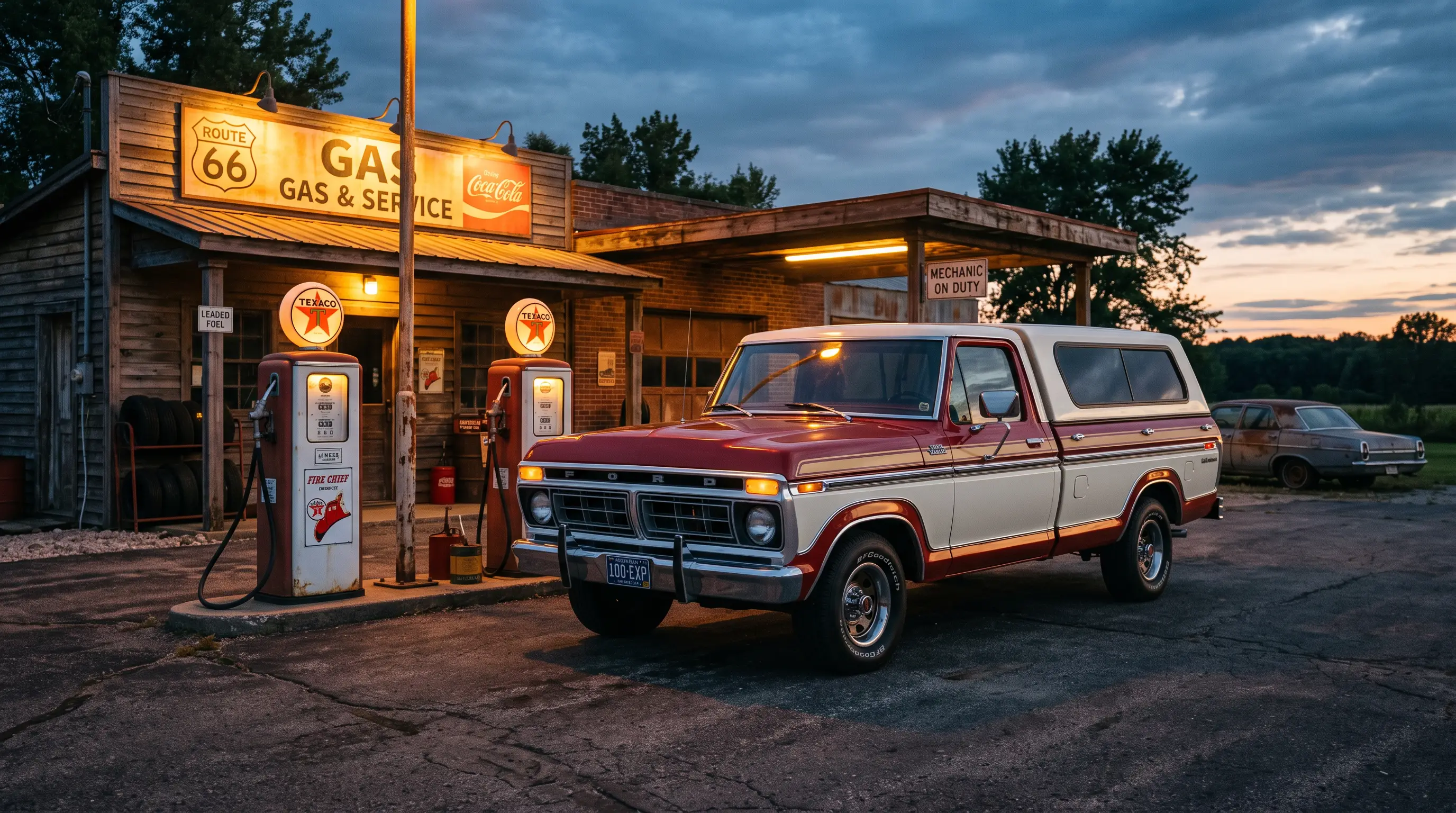
Every F-100 club has one guy who shows up to the meet with a story about the truck his uncle almost bought instead of a station wagon, and half the time that story ends with the words "Explorer Special." Ford's Explorer package on the F-100 never got the marketing budget of the Ranger XLT, but among people who actually chase down these trucks at swap meets and estate sales, it has its own quiet reputation as one of the more interesting special editions Ford ever slapped on a half-ton pickup.
A trim born from a marketing hunch
Ford rolled out the Explorer package as a way to squeeze a little more distinction out of the F-100 lineup without building an entirely new trim tier from scratch. It borrowed some of the Ranger's comfort features but wrapped them in its own badging, paint treatments, and interior details, aimed at a buyer who wanted something a bit different from what the neighbor across the street was driving. It was not a huge seller, and that is exactly why club members get excited when one turns up at a show today.
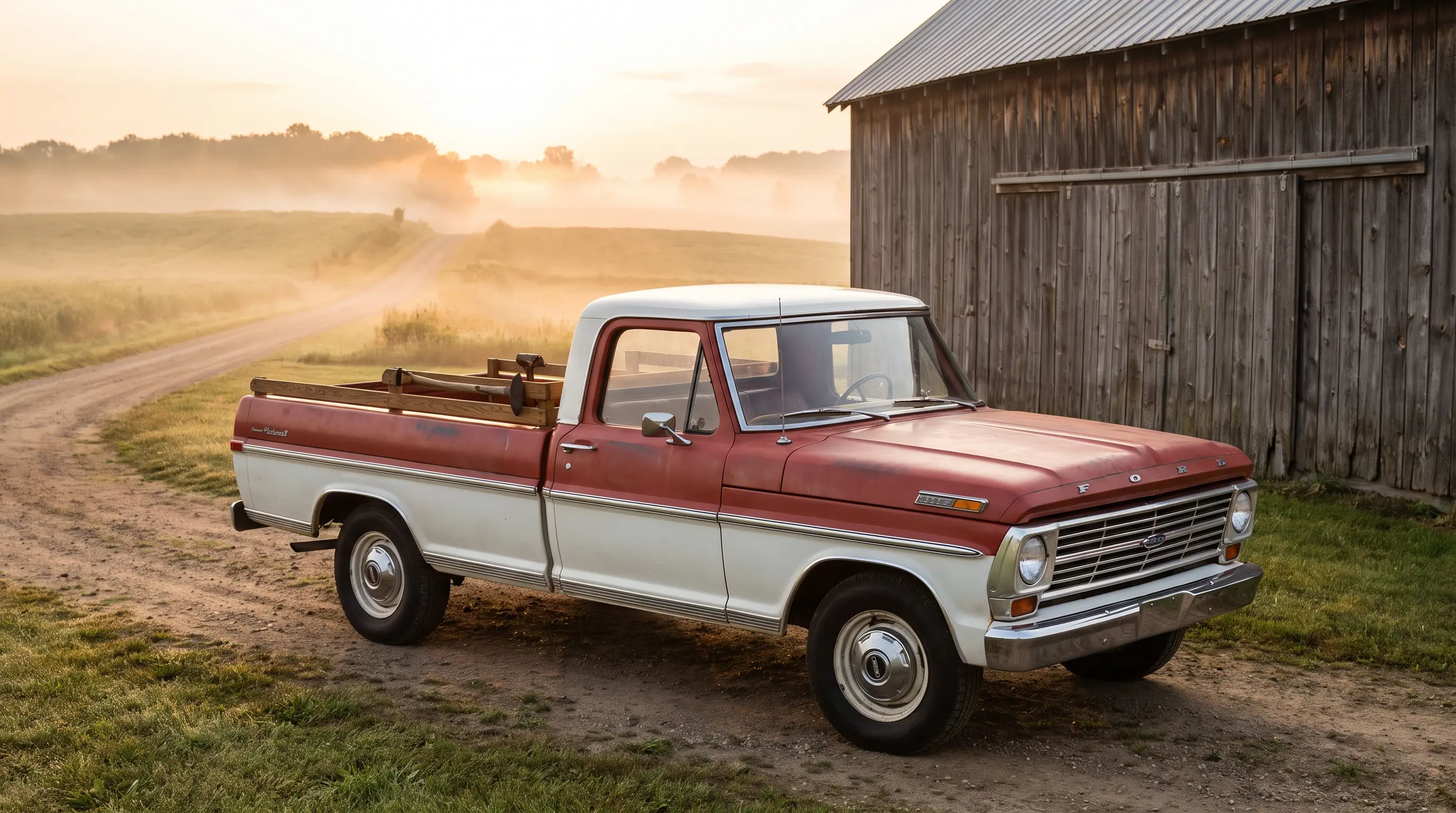
I have heard the same story from three different owners over the years, more or less word for word: grandfather bought the truck new, kept it for a decade of farm work, parked it in a shed sometime in the 1980s, and a grandson dragged it back out decades later wondering what exactly he had. Every time, the Explorer badge on the fender turned out to be the detail that got people at the local cruise-in talking.
What is funny is that none of these owners set out to find something rare. They inherited a truck, cleaned it up, and only later discovered through a club forum or a chance conversation at a gas station that the badge on their fender meant something to a specific slice of collectors. That accidental discovery seems to be the norm rather than the exception with this particular trim, since Ford never marketed the Explorer package with anywhere near the noise it gave the Ranger XLT.
What actually came on an Explorer Special
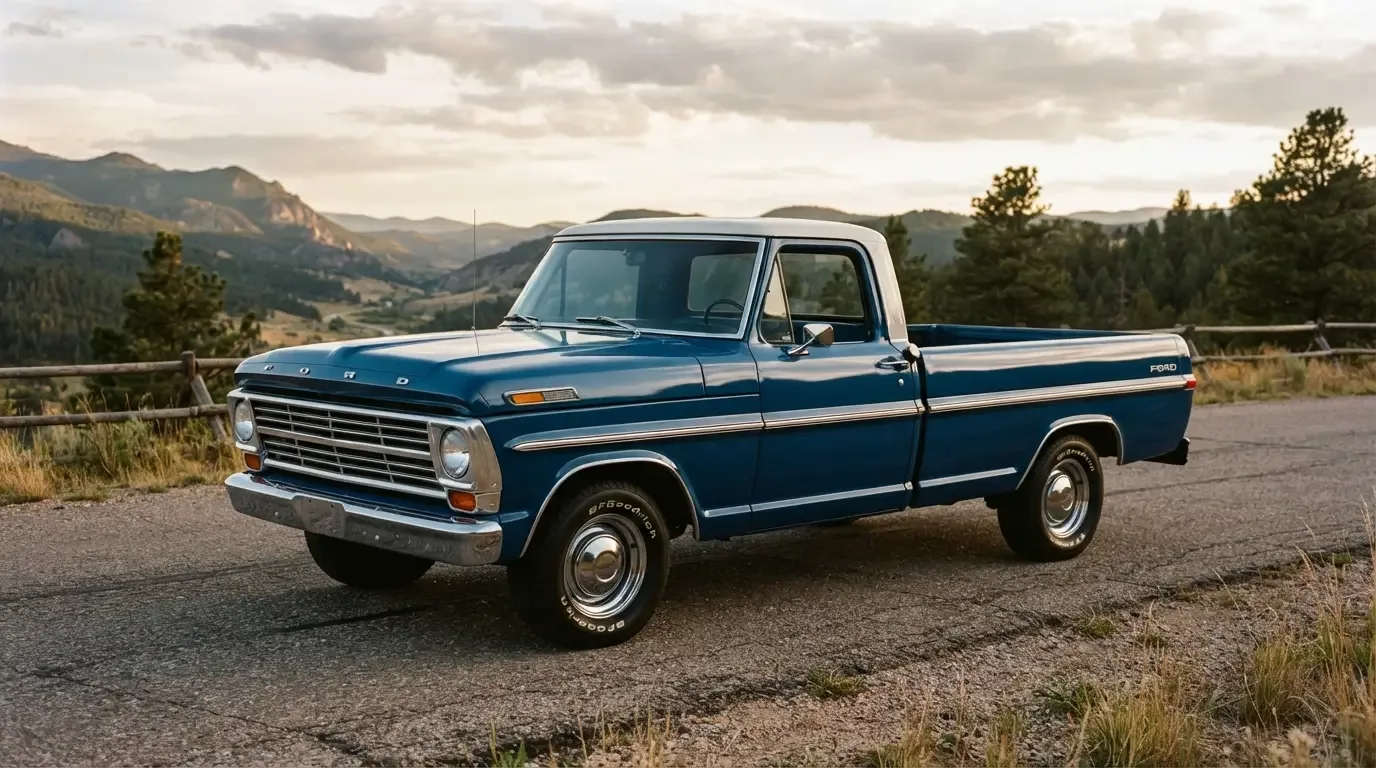
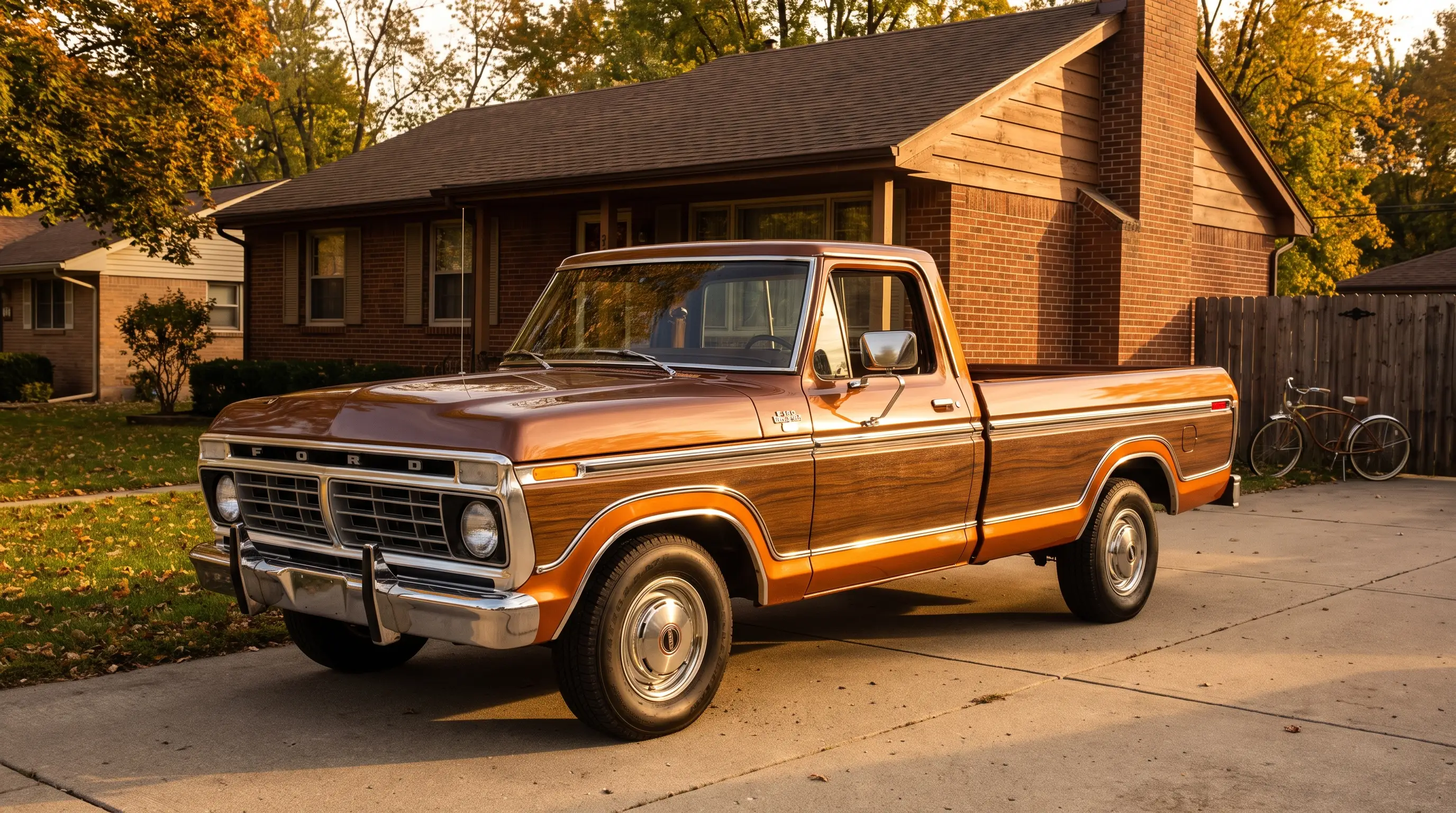
Ford dressed the Explorer package with distinctive exterior striping, unique badging, and a color palette that leaned into bolder two-tone combinations than the standard F-100 offered. Inside, buyers got upgraded upholstery and trim pieces that split the difference between the base Custom cab and the more expensive Ranger XLT, giving the Explorer an identity of its own rather than feeling like a stripped-down version of something else.
| Feature | Explorer Special detail |
|---|---|
| Exterior badging | Unique Explorer nameplate and side striping |
| Paint options | Bolder two-tone combinations |
| Interior trim | Upgraded upholstery, distinct from base Custom |
| Market position | Between Custom and Ranger XLT |
For the full picture of how this trim fits into the second-generation F-100's development, read the background on the bumpside generation as a whole, since the Explorer package only makes sense in that broader context of Ford experimenting with how many ways it could dress up the same basic truck.
Why club members hunt for these specifically
Part of the appeal is scarcity. The Explorer never sold in the same numbers as the Ranger or Ranger XLT, and because it occupied a middle position in the trim hierarchy, plenty of examples got reworked or re-badged over the decades by owners who did not know or care what they originally had. Finding one with its factory badging and correct trim intact takes real legwork, and club newsletters occasionally run entire articles just cataloging known survivors.
There is also a storytelling element that keeps this trim alive in club culture more than its sales numbers would suggest. The Explorer name itself carried a sense of adventure that Ford leaned into with period advertising, positioning the truck as something for a buyer who wanted to feel like the F-100 was taking them somewhere, not just hauling a load from point A to point B. That framing stuck, and it shows up decades later in how owners talk about their trucks at shows.
"You learn more about the Explorer Special standing in a parking lot talking to three owners than you ever will from a parts catalog."
- Wayne Coburn
The club circuit and its unofficial keepers
Ask around at enough regional F-100 shows and you will meet somebody who has appointed themselves the unofficial historian for a particular trim or generation. For the Explorer package, that role usually falls to a handful of longtime club members who have spent decades cross-referencing badges, paint codes, and dealer invoices, piecing together a picture Ford's own archives never bothered to preserve in detail. These are the people who can look at a truck across a parking lot and tell you within thirty seconds whether the Explorer trim on it is factory-correct or a later addition.
That kind of institutional knowledge does not show up in any factory brochure, and it is part of what makes owning one of these trucks feel like joining something bigger than just a vehicle purchase. Newsletters from clubs in Texas, Ohio, and California have all run features on Explorer-badged survivors over the years, usually prompted by a member finally tracking down a truck they had heard about secondhand for years before ever laying eyes on it.
Swap meets remain the best place to find genuine Explorer trim pieces, since these parts rarely show up cataloged correctly in general reproduction parts listings. Sellers themselves are sometimes unaware of exactly what they have, which means a buyer who knows what to look for can occasionally walk away with a real find at a price that reflects general trim rather than the specific, harder-to-source Explorer pieces.
Tracking one down today
Buyers interested in the Explorer package should expect a longer search than they would for a standard Ranger XLT, simply because fewer trucks left the factory with this specific combination of badging and trim. Patience pays off, though, and the community around these trucks tends to be generous with information once you show genuine interest rather than just asking what a truck is worth.
For those ready to start that search, a good first step is to find a classic F-100 and work backward from there, cross-referencing badging and trim details against what club records and period literature describe as genuine Explorer equipment. It is slower than shopping by year and engine alone, but for this particular trim, that slower process is half the fun.
Talk to enough owners and a pattern emerges. Nobody bought an Explorer Special because they needed a truck. They bought it because the badge on the fender promised something a plain Custom cab never could, and decades later that same promise is exactly why a small, stubborn corner of the hobby keeps hunting these trucks down one lead at a time.