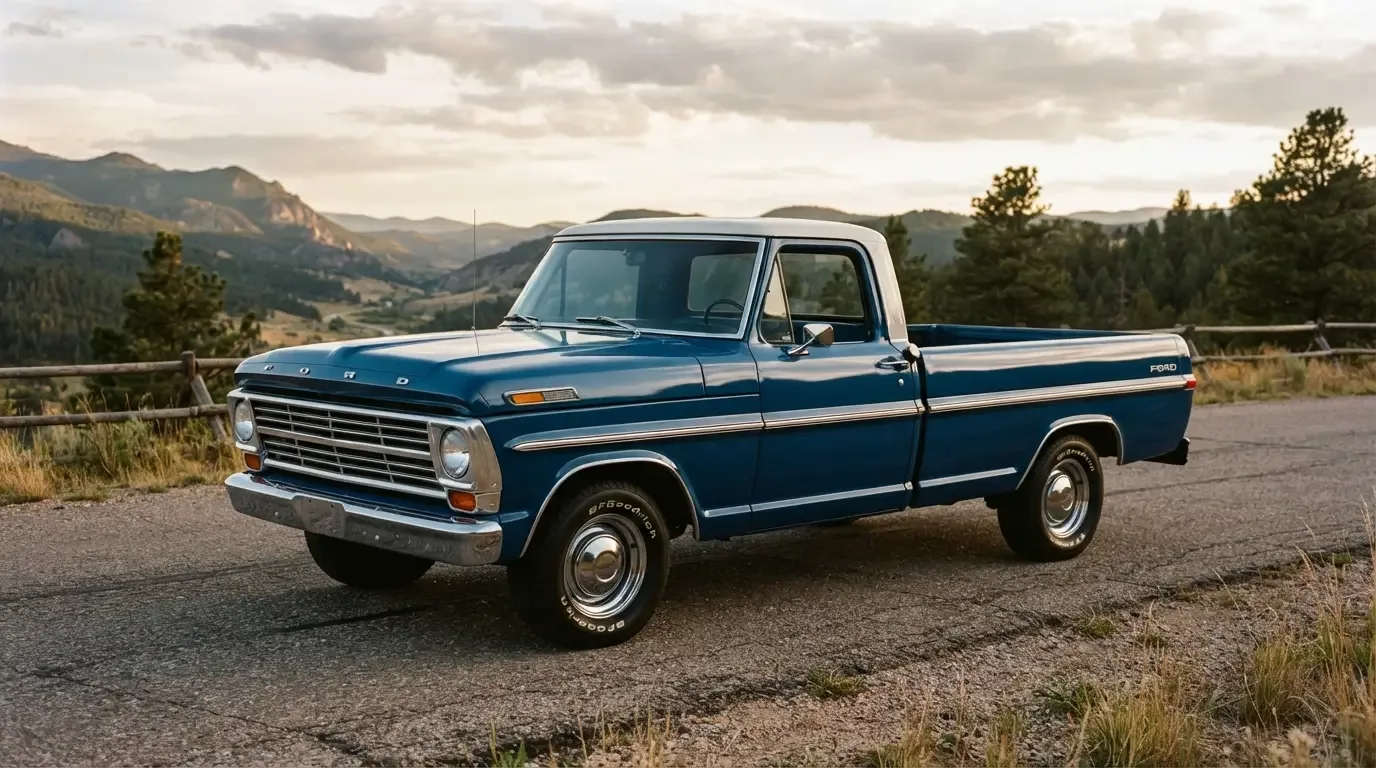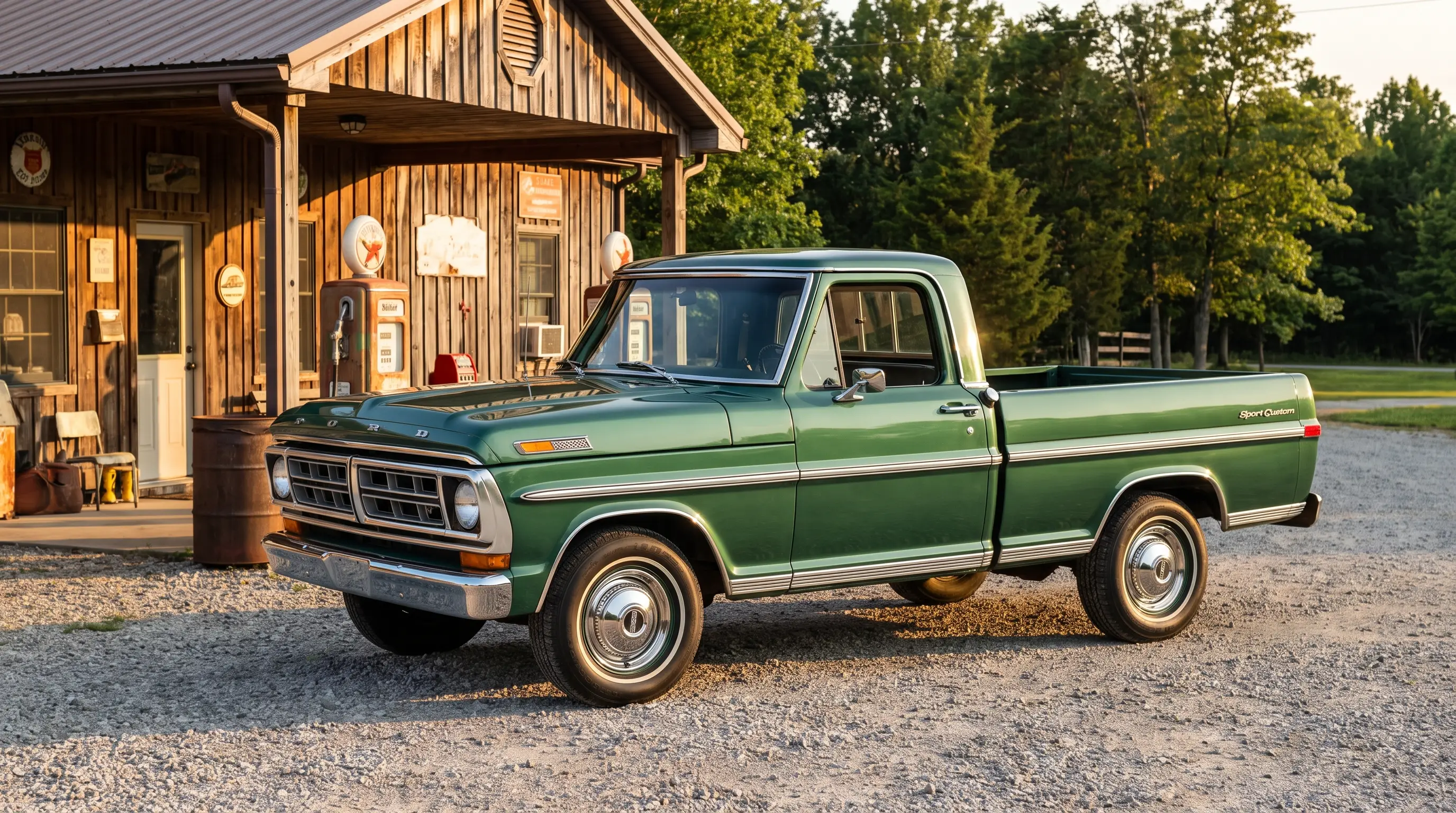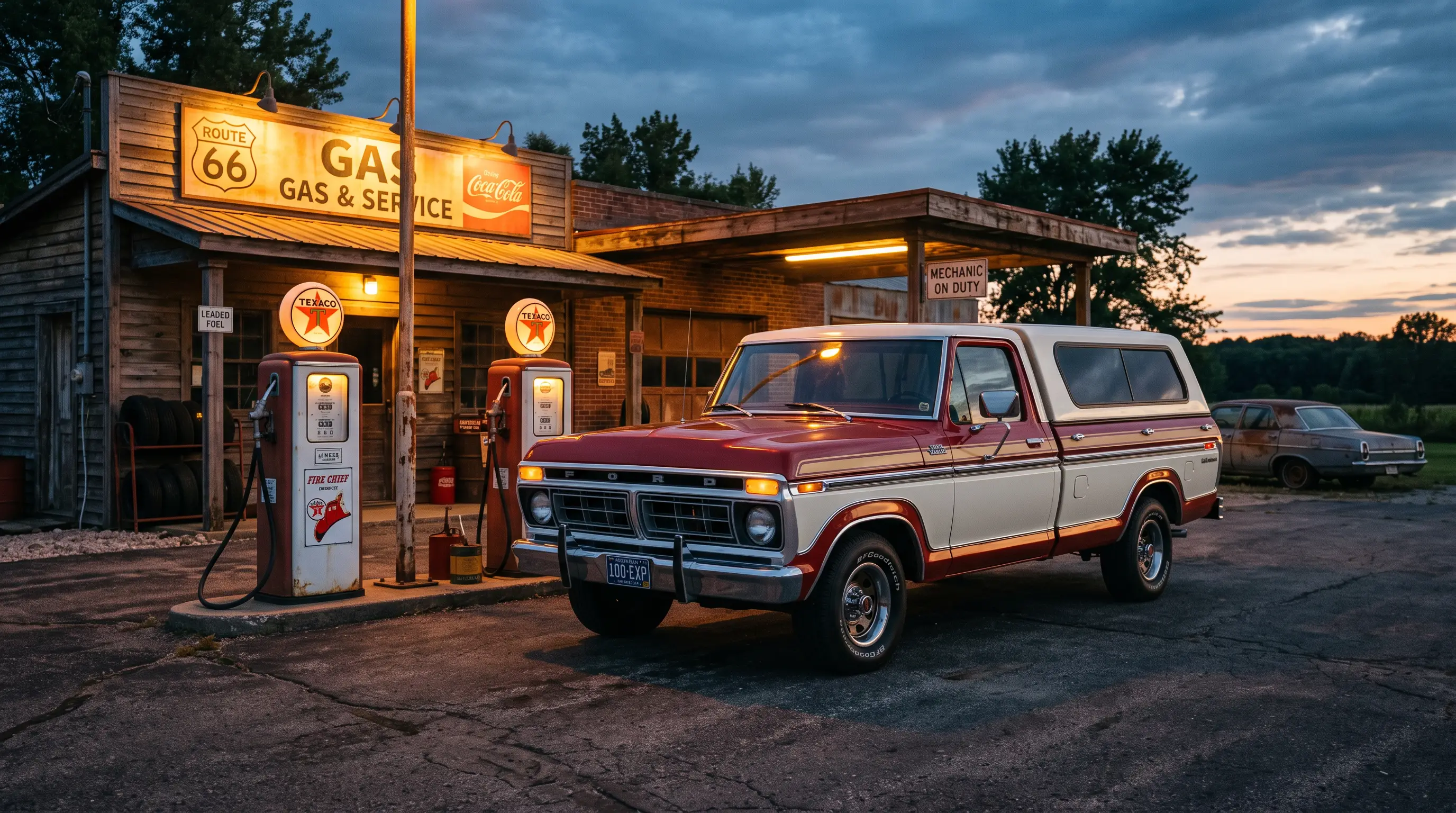
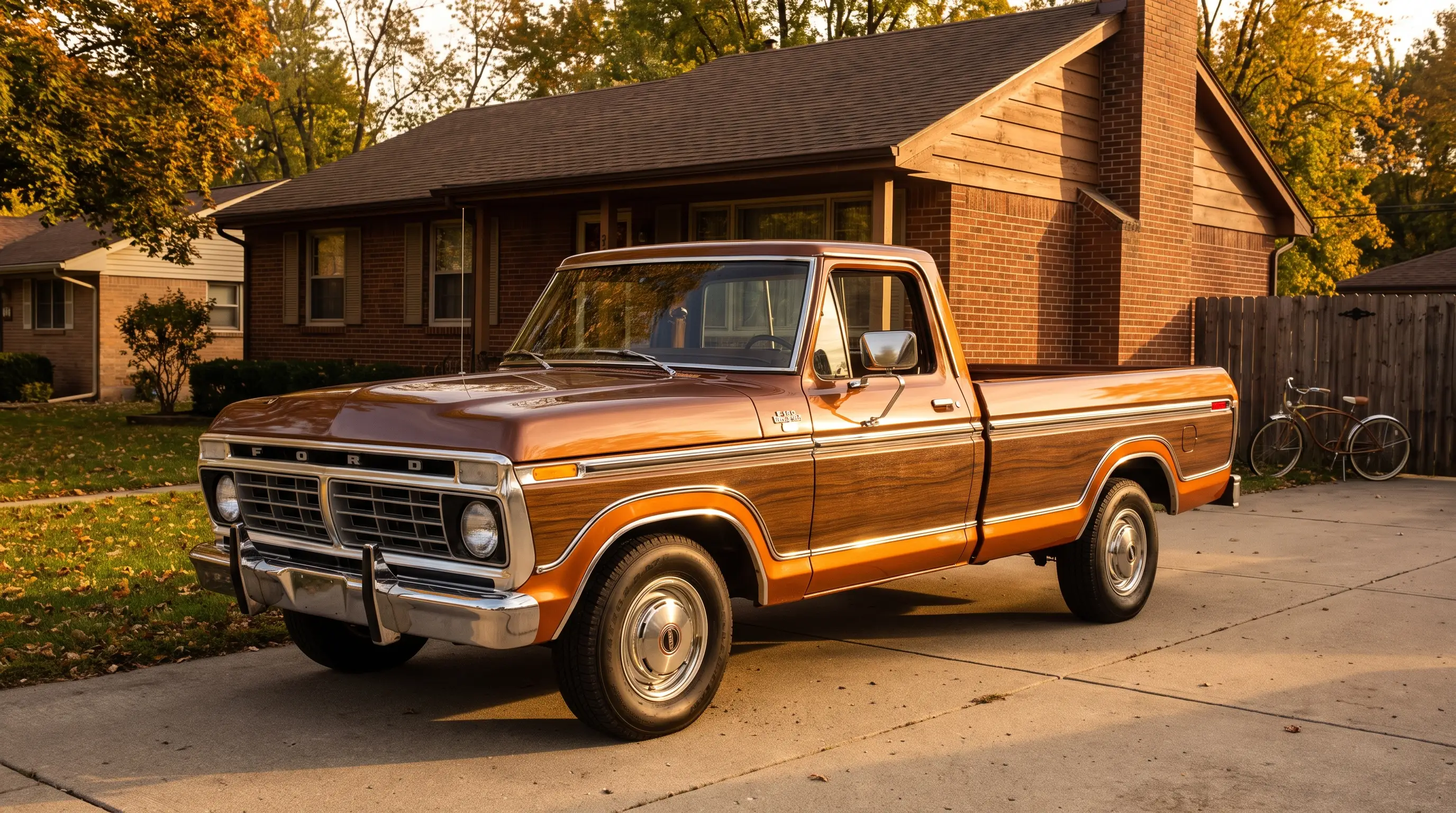
A man walks onto a Ford dealer's lot in the spring of 1970, expecting to look at a station wagon for his growing family, and instead a salesman steers him toward a truck. Not just any truck: a Ford F-100 Ranger XLT, brand new that model year, with bucket seats, carpet, and a dash trimmed like something out of a Galaxie. He leaves in the truck. That scene, repeated across thousands of Ford dealerships through the early 1970s, is the real story of the Ranger XLT, a trim package that quietly rewired what American buyers expected from a pickup.
A truck dressed like a car, on purpose
Ford introduced the Ranger name as a trim designation in 1967, and by the time the XLT variant arrived for 1970 as a new top-of-the-line package above the standard Ranger, the company had figured out exactly what it was selling: not a truck with some extra chrome, but a genuinely comfortable vehicle that happened to have a bed instead of a trunk. The Ranger XLT stacked bucket seats, deep pile carpet, extra sound deadening, brighter exterior trim, and a dash design borrowed heavily from Ford's passenger car interiors on top of the standard F-100 platform. It cost more, sometimes considerably more, and buyers paid it anyway.
This was not an accident of marketing. Ford had watched competitors experiment with dressed-up trucks through the 1960s, and the company's own research showed a growing segment of buyers who wanted truck capability without truck austerity. The Ranger XLT answered that demand directly, and it did so during the same generation covered in depth in our 1967 ford f100 retrospective, which lays out the full context for how the bumpside body evolved around trims like this one.
What made the XLT different from a base Ranger
The regular Ranger trim already stepped up from the base Custom cab, but the XLT designation pushed further. Ford fitted woodgrain accents to the dash and door panels, added a padded instrument panel, and offered a wider range of two-tone paint combinations exclusive to the top trim. Buyers could option a center console, a clock, and upgraded door panel trim that most half-ton truck buyers of the era had never seen offered before.
The XLT was not just about looking good on the lot. Ford genuinely improved the seat foam and insulation in these trucks, and owners who drove both a base Custom and a Ranger XLT back to back noticed the difference immediately in ride comfort and cabin noise. That gap between trims was part of the sales pitch, and Ford's dealer training materials from the period leaned hard on letting customers feel the difference for themselves.
| Feature | Base Custom | Ranger XLT |
|---|---|---|
| Seating | Bench, vinyl | Bucket seats available, upgraded upholstery |
| Flooring | Rubber mat | Carpet |
| Dash trim | Painted metal | Woodgrain accents, padded panel |
| Sound insulation | Minimal | Substantially increased |
| Exterior trim | Basic chrome | Extended bright trim package |
A related story worth reading
The XLT did not exist in isolation. Ford spread this comfort-first thinking across other special editions during the same years, and readers interested in how far the company pushed the concept should check out a related story covering the Explorer package, which took the lifestyle-truck idea in its own direction. Together, these trims tell the story of Ford discovering, almost by accident, that trucks could be a genuine alternative to a family car rather than a compromise beneath one.
Dealers began cross-shopping the Ranger XLT against wagons and mid-size sedans in their own showroom literature, a marketing move that would have seemed strange a decade earlier. It worked because Ford had actually built the comfort into the truck rather than simply promising it in an advertisement.
"Nobody expected a truck to out-comfort the family sedan, but that is exactly what the Ranger XLT was built to do, and it worked."
- Patrick Walsh
How the XLT changed dealer floors
Salesmen who had spent years pitching trucks purely on payload and towing figures suddenly had a different conversation to have. The Ranger XLT let a dealership put a truck on the same showroom floor as its sedans and wagons, lit the same way, presented with the same pride, rather than parking it out back with the work rigs. That shift in presentation mattered as much as any single feature on the option sheet, because it told customers Ford considered this truck worth the same attention as its cars.
Regional dealers responded differently depending on their customer base. In suburban markets around Chicago, Dallas, and Los Angeles, XLT-equipped trucks became a visible status symbol among younger buyers who wanted something distinct from their neighbor's sedan. In rural markets, the XLT sold more slowly at first, since traditional truck buyers were skeptical of paying extra for carpet and bucket seats on a vehicle meant to haul feed and fence posts. That skepticism faded within a few years as word spread that the added comfort did not come at the expense of genuine capability.
Ford's own sales figures from the period, while incomplete in public archives, suggest the Ranger and Ranger XLT trims grew from a modest share of F-100 orders when the XLT launched in 1970 to a considerably larger slice of the lineup by 1972. That growth reflects a genuine shift in how America bought trucks, not just a marketing trend that faded after a season or two.
Why the XLT matters to collectors now
Surviving Ranger XLT trucks command a real premium over base Custom examples in today's market, precisely because the trim represented a genuine step up rather than a cosmetic sticker package. Original woodgrain trim, correct upholstery patterns, and matching two-tone paint combinations are difficult to source and even harder to verify, which makes a well-documented XLT a meaningful find for buyers who care about authenticity as much as curb appeal.
For anyone drawn to this era of Ford's truck lineup, the appeal is straightforward: the XLT proved that a work vehicle could be genuinely pleasant to drive every day, an idea that shaped how every manufacturer approached trucks for decades afterward. Buyers hunting for one of these trucks today can start by looking at F-100s for sale now, comparing documented XLT examples against lesser trims to understand exactly what that extra money once bought.
What strikes me most, looking back at this trim across dozens of surviving examples, is how little Ford compromised to get there. The XLT never lost the bones of a working truck, the frame, the payload rating, the honest utility that made the F-100 useful in the first place. It simply added comfort on top, and that combination is exactly what makes these trucks so satisfying to drive today, decades after the last one rolled off a Ford assembly line.