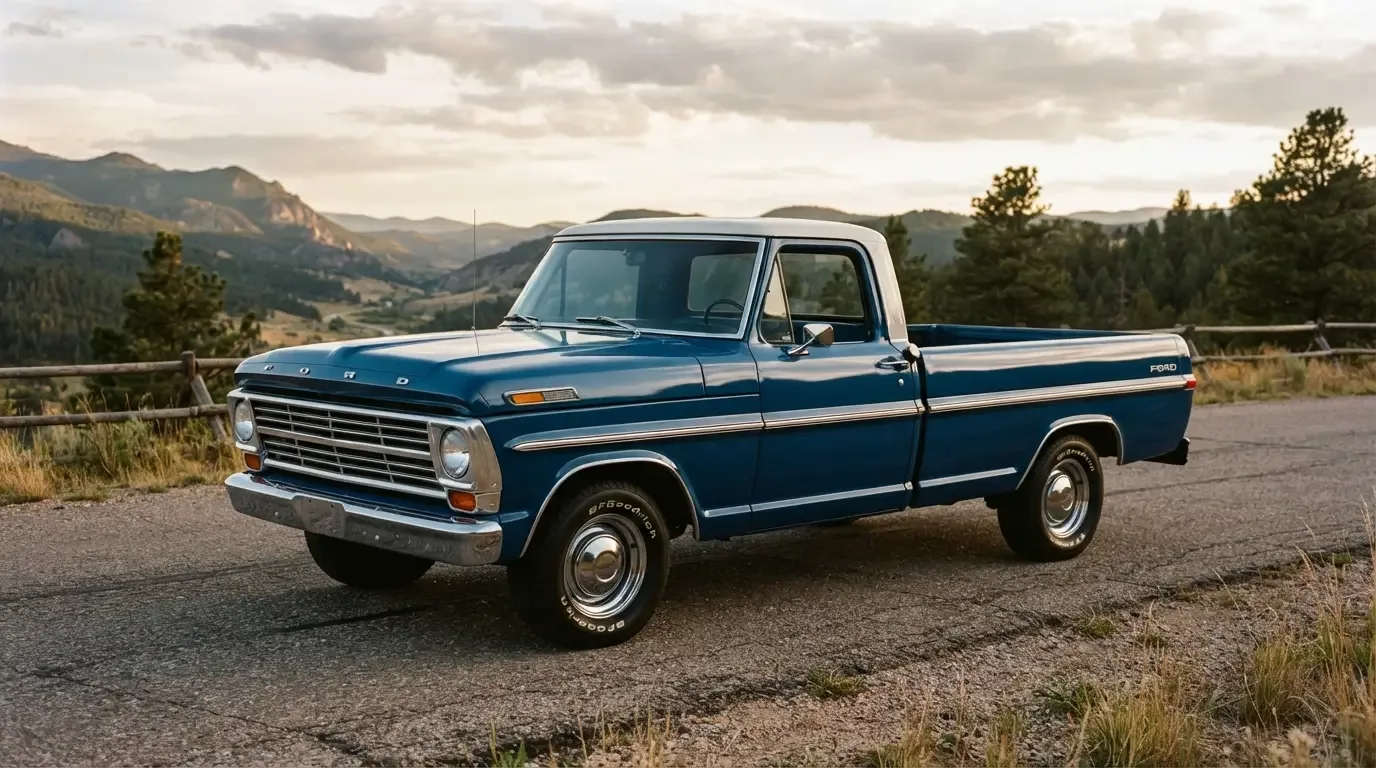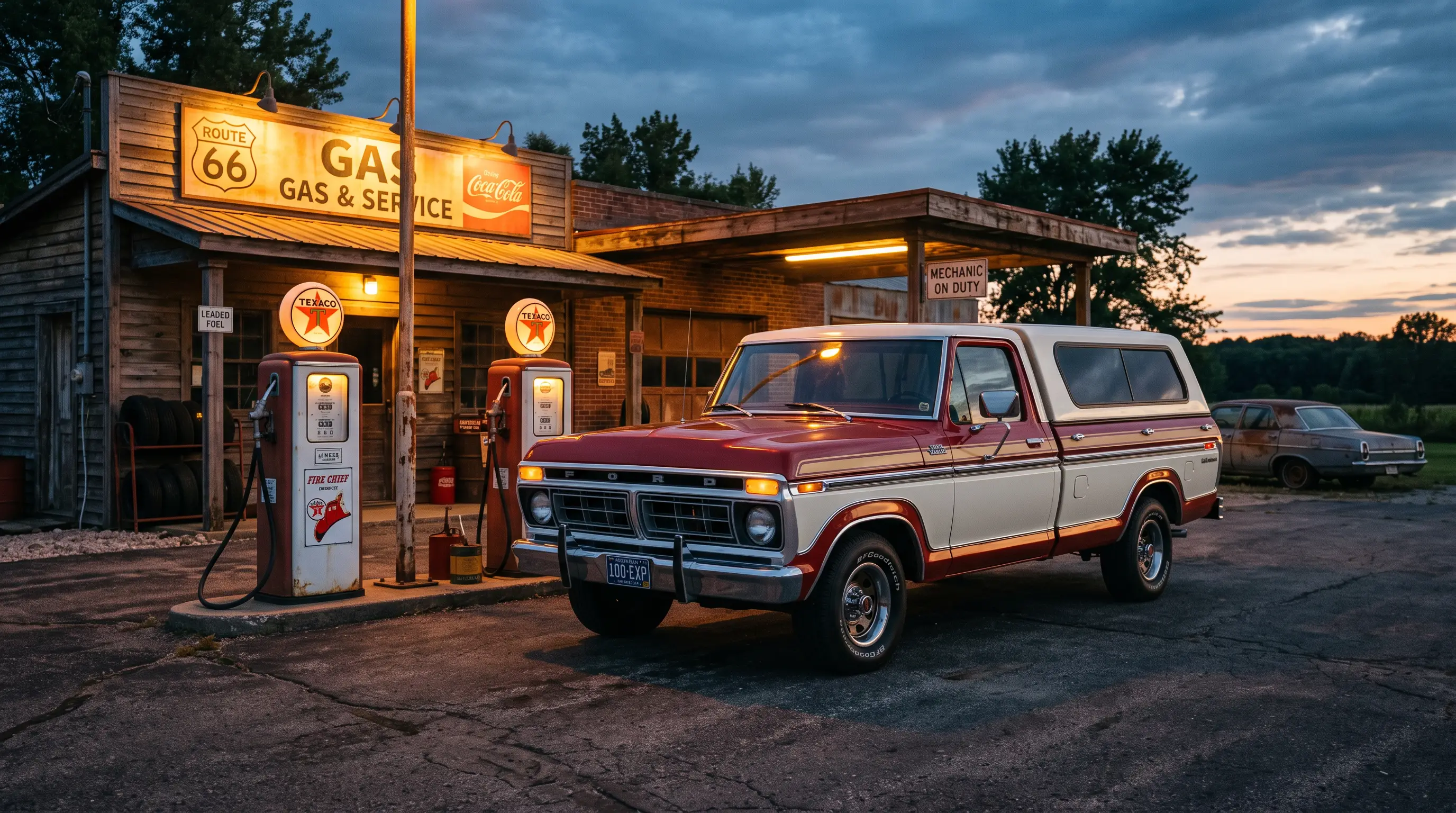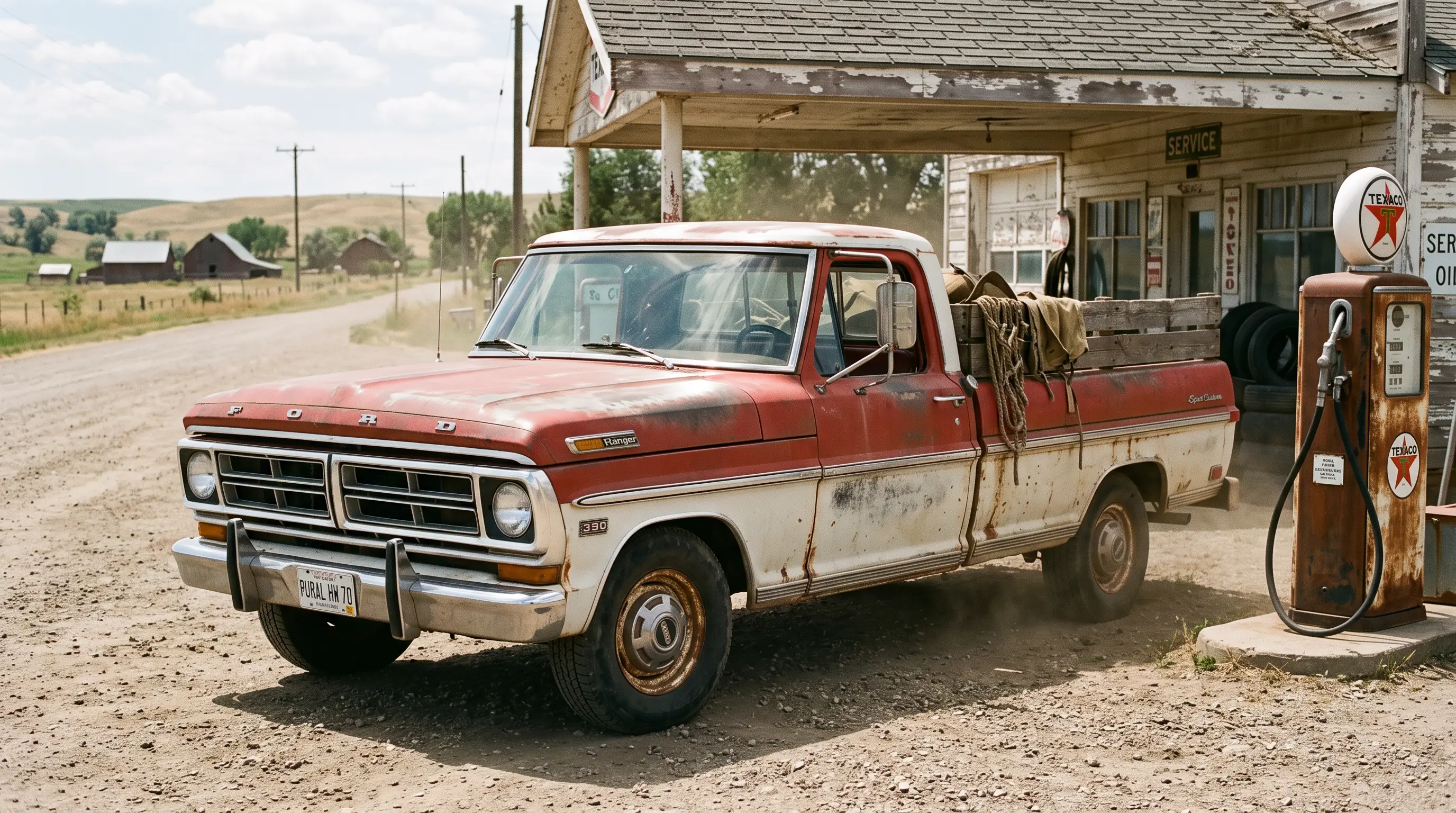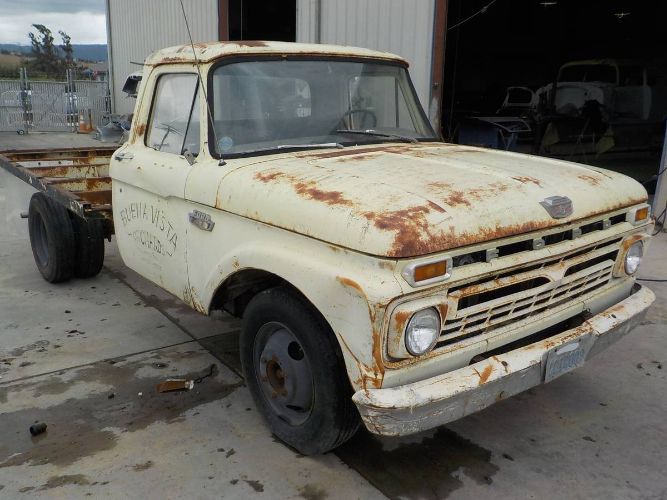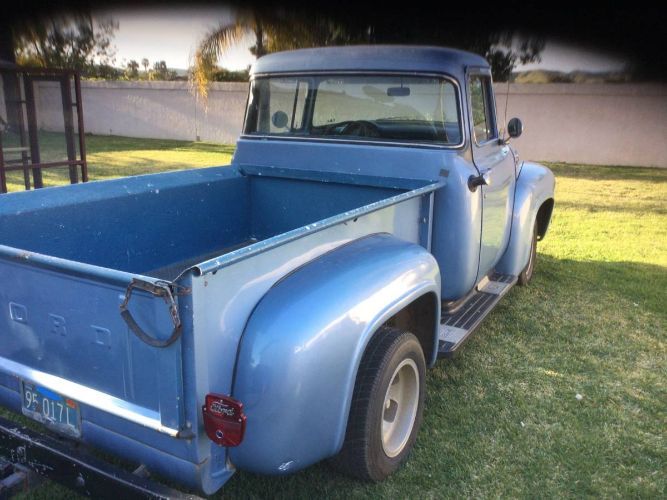
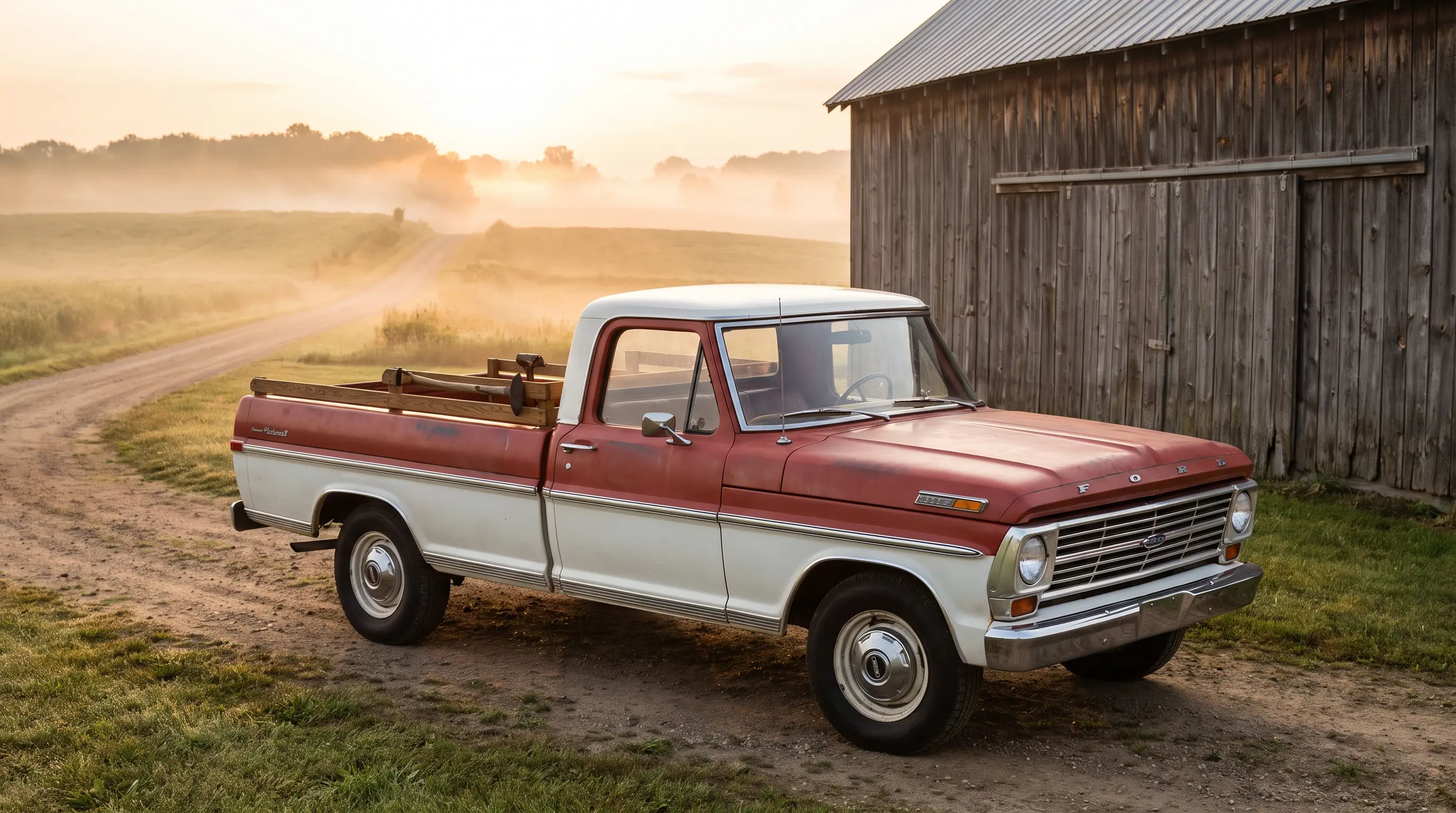
Every builder has an opinion on which era of Ford F-100 has the best sheet metal to work with, and if you catch me at a show I will tell you it is the 1967 F-100 and its bumpside siblings, no contest. The design cleaned up everything Ford had been fussing with on the previous generation, dropped the busy character lines, and gave bodywork guys like me a canvas that actually rewards good panel work instead of hiding behind chrome trim and fake vents.
What "bumpside" actually means
The nickname comes from the horizontal ridge that runs down the side of the bed and cab, a design detail that doubled as a rub strip location and became the defining visual signature of Ford's 1967 through 1972 half-ton trucks. Before this body arrived, Ford's trucks carried more ornamentation, more brightwork, more visual noise. The bumpside design stripped that back to clean, flat panels with a single strong horizontal line doing all the work, and it is exactly the kind of restraint that makes a body easy to repair correctly and hard to mess up with poor bodywork.
For the complete history of how this generation developed, I would point anyone toward the whole picture of the 1967-72 F-100, since the styling only tells half the story without the production and market context behind it. But from a builder's chair, the styling is where the real conversation starts.
Why the flat panels matter in the shop
Flat, simple panels sound easy until you have actually metal-finished one. There is nowhere to hide a wave or a low spot on a bumpside door or fender, which means these trucks separate careful work from rushed work in a way that busier, more sculpted bodies never do. I have seen guys with twenty years of experience get humbled by a bumpside fender because the panel is so honest about every imperfection underneath the paint.
That honesty is part of why the design has aged so well. A poseur build, meaning a truck with filler troweled on to fake straight panels, shows up almost immediately on a bumpside because the light raking across those flat surfaces exposes every flaw. Period-correct restorers and hot rod builders alike respect this generation for exactly that reason: it does not let you cheat.
| Design element | Bumpside characteristic |
|---|---|
| Signature line | Horizontal bumpside ridge along cab and bed |
| Panel style | Flat, minimally sculpted surfaces |
| Grille | Simple horizontal bars, minor updates through 1972 |
| Bed options | Styleside (smooth) and Flareside (stepped) |
| Production span | 1967 through 1972 |
Period-correct versus poseur, from the inside
Guys ask me all the time what separates a period-correct bumpside build from what I call a poseur job, and it always comes down to the same handful of details. Correct panel gaps, factory-style seam sealer application, and paint that respects the original color and texture rather than chasing a modern show finish all matter more than any single flashy modification. A truck that has been shaved, tubbed, and slammed can still look wrong if the builder did not understand why the original panels sat the way they did.
Original bumpside trucks used specific trim clips and molding attachment points that a lot of restomod builds skip entirely, opting instead for adhesive-mounted trim that looks close but sits differently in the light. It is a small detail, but it is exactly the kind of thing that separates a truck built by somebody who studied the original from one built by somebody working off a photo.
Paint color plays into this too. Ford's factory palette for the period leaned toward confident, honest colors, deep blues, forest greens, and a handful of two-tone combinations that paired a bright upper color with a darker lower panel split along the bumpside line itself. A lot of restomod builds today reach for modern metallics that were never part of that original palette, and while there is nothing wrong with that choice on a custom build, it is worth knowing the difference between a period-correct color and a modern reinterpretation before you commit to a gallon of paint.
"A bumpside panel does not forgive lazy work, and that is exactly why I trust these trucks more than almost anything else Ford built."
- Jim Vasquez
Reading the grille and trim changes year by year
Because the basic body carried through six model years, the details are where a trained eye tells one year from another. The 1967 and 1968 grilles carry a slightly different texture than the trucks built from 1969 onward, and Ford shuffled badge placement and side marker light requirements as federal regulations tightened through the run. None of these changes altered the fundamental panel shapes, which is the entire reason the bumpside generation enjoys such strong parts interchangeability today.
I tell builders all the time that this interchangeability is a double-edged advantage. It makes sourcing a fender or door far easier than on almost any other classic Ford truck, but it also means a truck can end up wearing a mismatched combination of year-specific trim without an inexperienced buyer ever noticing. Grille texture, marker light placement, and badge style are the fastest tells for anyone trying to pin down an exact model year on a truck with an incomplete history.
Custom culture and the bumpside's second life
Modern builders have embraced the bumpside shape for restomod projects precisely because the clean lines take modern wheel and stance combinations well without fighting the original design. Lowered stances, subtle bodywork, and a well-chosen paint color can transform one of these trucks without erasing what made the shape work in the first place, which is not true of every classic truck body from this era.
Whether you are chasing a numbers-matching restoration or a subtle custom build, the bumpside generation rewards patience and respect for the original design more than almost any other Ford truck body I have worked on. Anyone shopping for a project should shop classic F-100 listings with panel condition as the top priority, since a straight, honest body on this generation is worth more than a flashy paint job hiding shortcuts underneath.
I have watched the same truck get built three different ways by three different owners over the years, one kept dead stock, one lowered with subtle modern wheels, one turned into a full-blown pro-touring project, and every single one of them still reads as unmistakably a bumpside F-100. That is the mark of a genuinely good design. It survives interpretation. Most truck bodies from this period cannot say the same, and it is exactly why I keep coming back to this generation whenever a customer asks me what to buy.