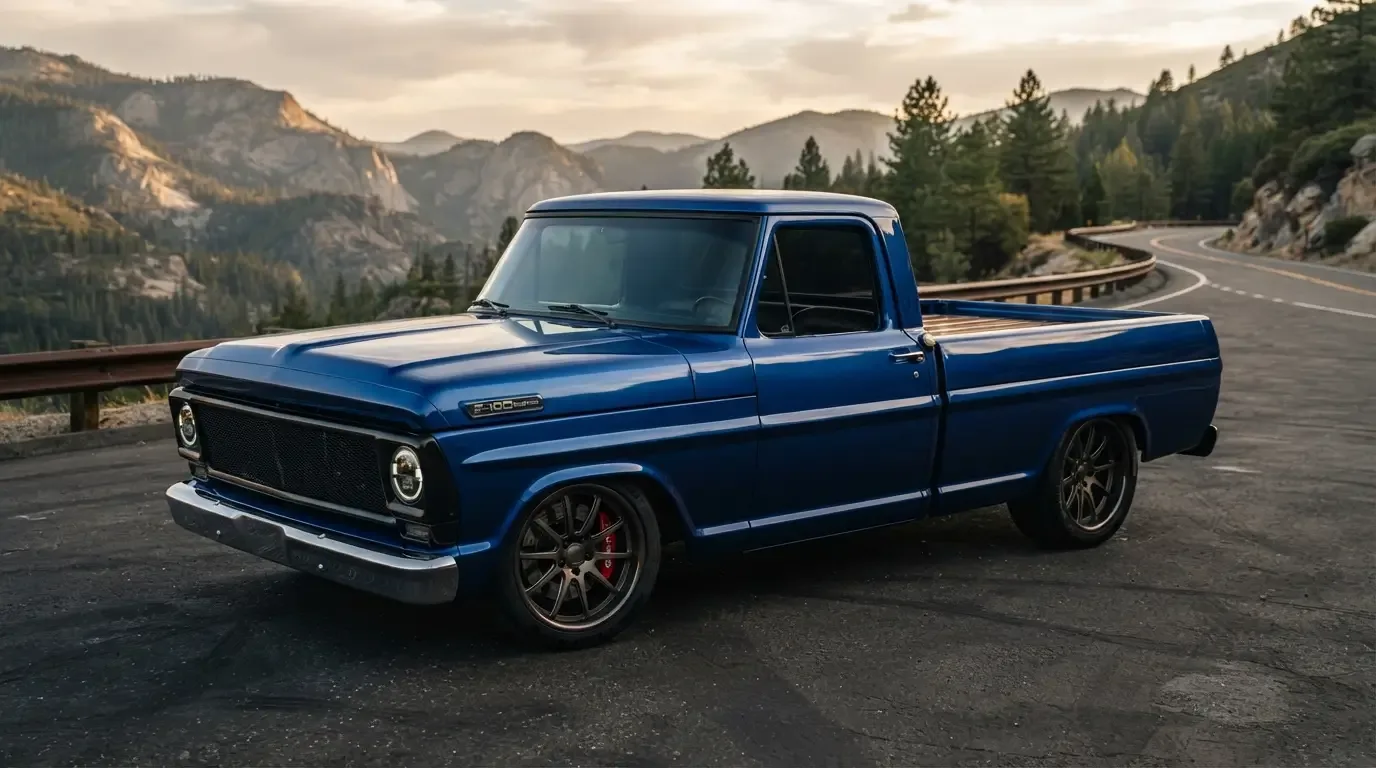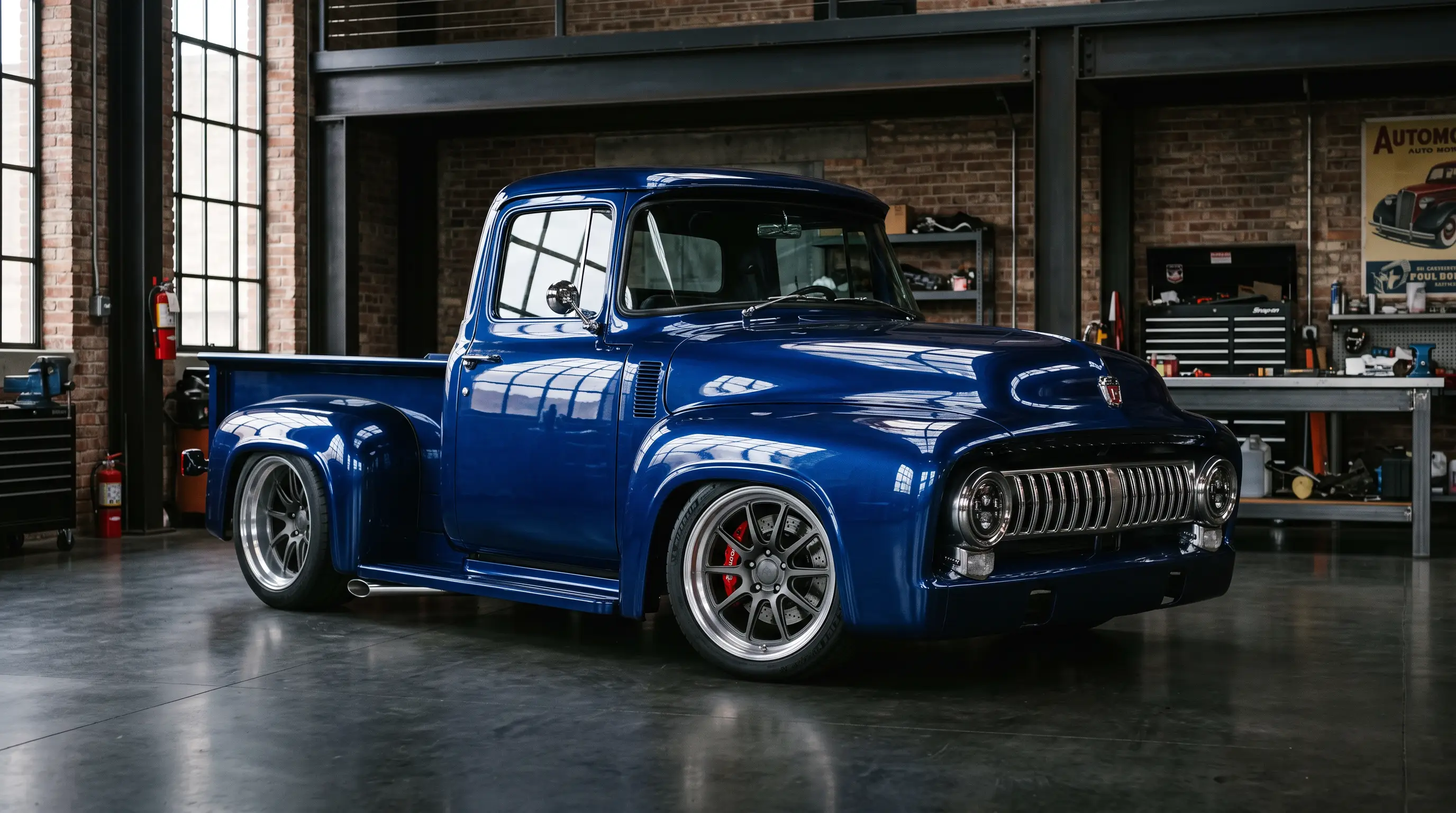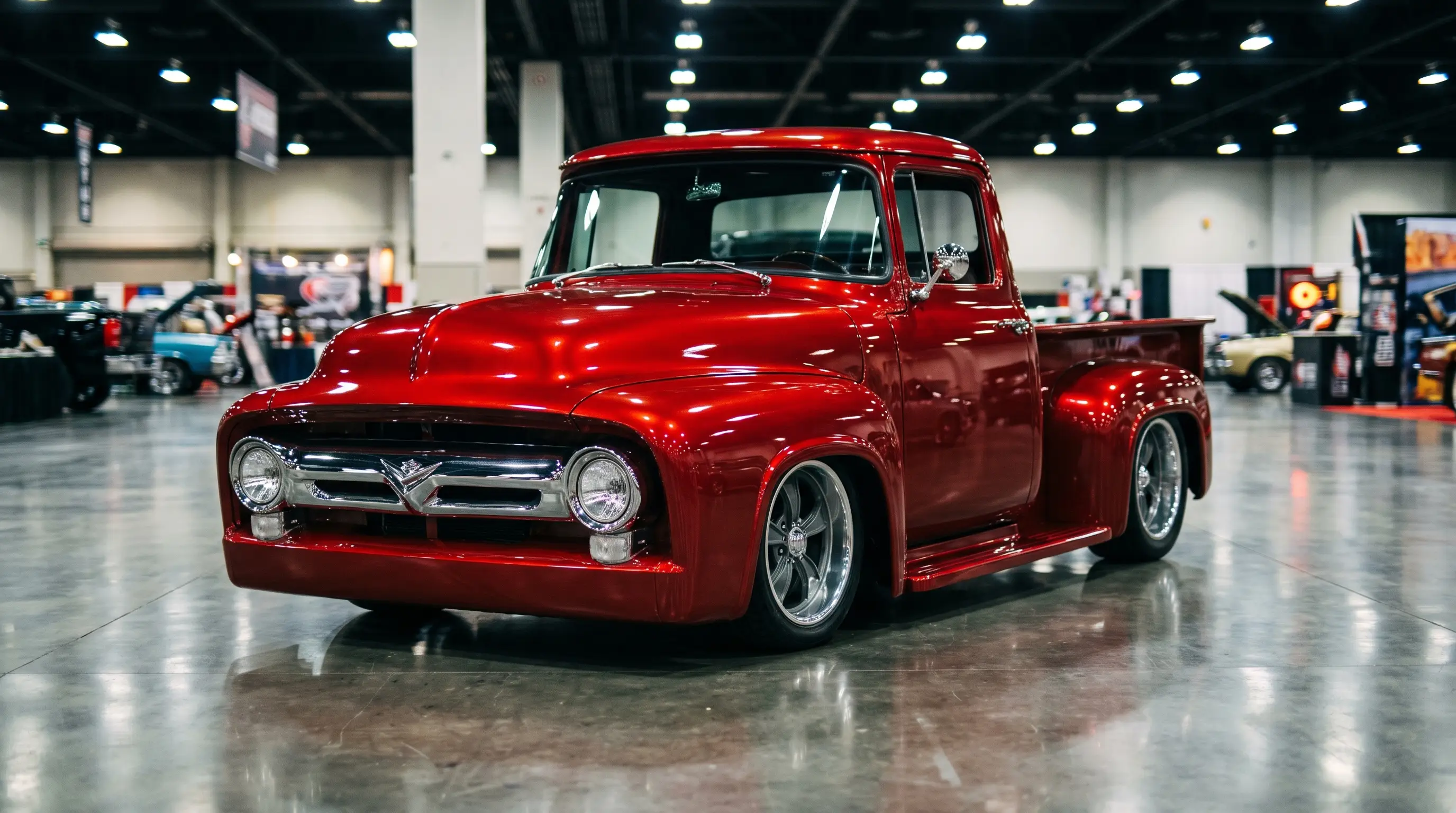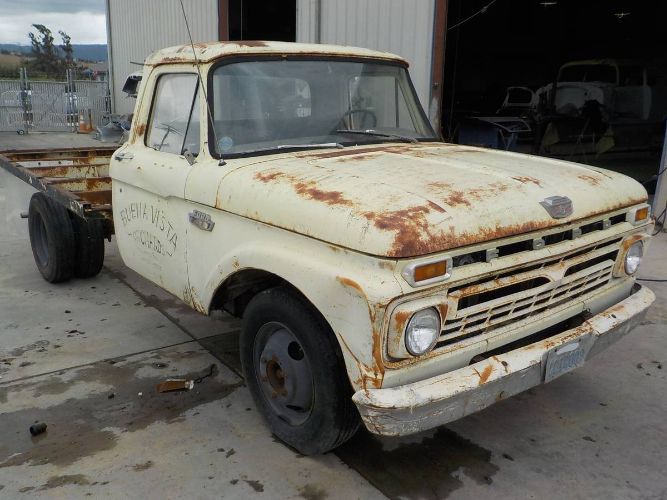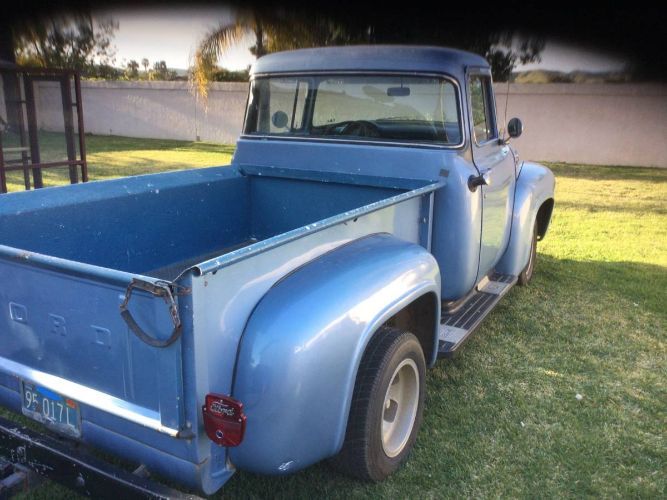
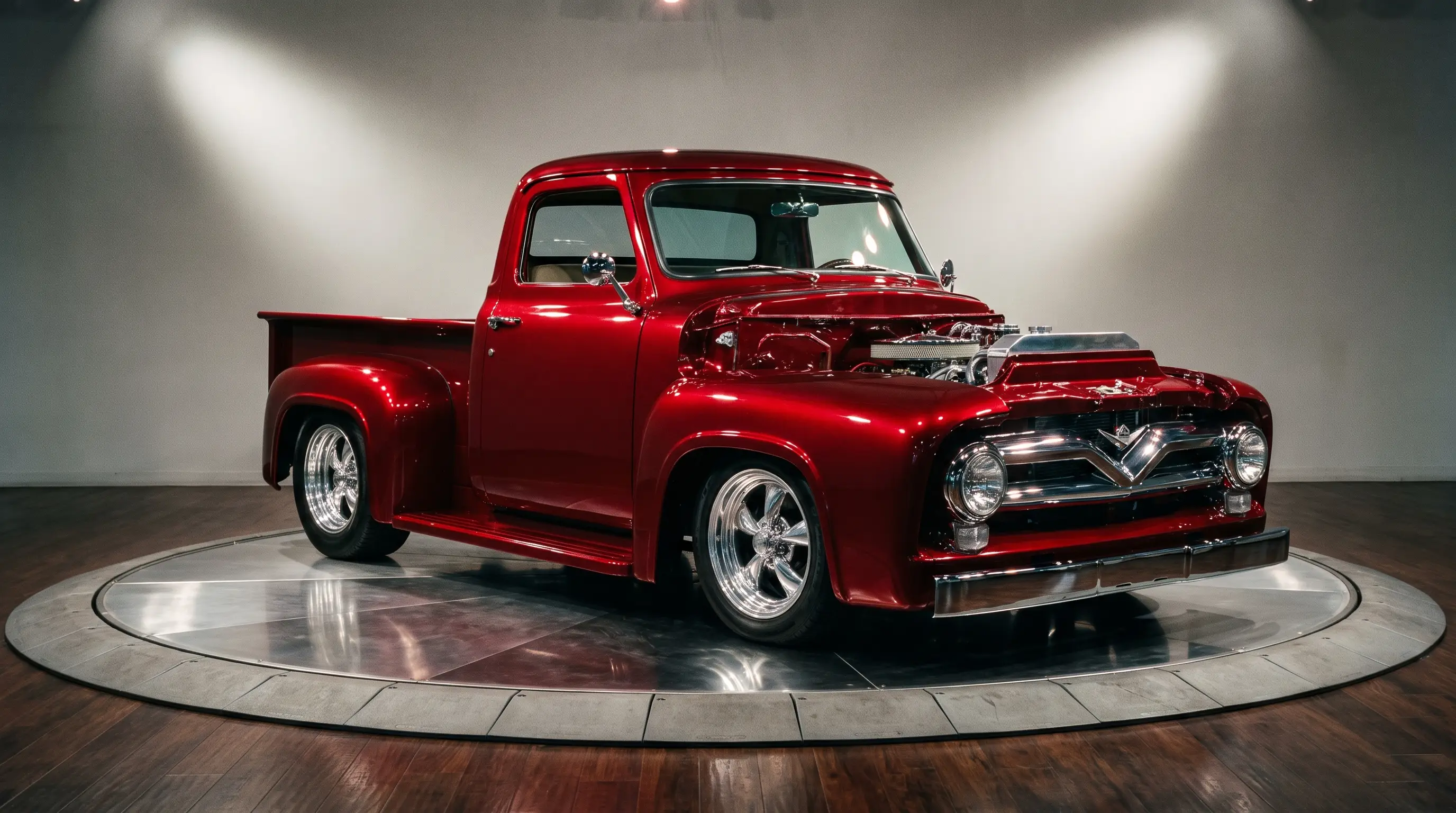
Every truck club has that one guy who brings the same photo to every meeting, dog-eared and taped at the corner, of a truck he saw once at a show thirty years ago and never forgot. Ask around long enough at any Ford gathering and you will hear about the same handful of famous ford f100 builds, the ones that got copied, argued about, and eventually treated as the measuring stick for what a custom F-100 could be.
The truck that started the arguments
Boyd Coddington's shop built more than one memorable F-100, but the ones that came out of his California operation in the 1990s set a template that builders are still working from: smoothed bodywork, a dropped stance, and wheels that looked too big until you saw them roll. Coddington was already famous for hot rods when his shop turned attention to trucks, and the F-100s that came out of that period brought street rod polish to a platform that had mostly been treated as a work truck up to then. People argued about whether it was too much. Nobody argued about whether it worked.
Chip Foose and the design-first approach
Foose came at F-100 builds from a different angle: proportion first, everything else second. His trucks are recognizable by how little seems to have changed at a glance and how much actually has. Roofs chopped an inch, beltlines massaged, stance corrected by fractions of an inch rather than dramatic drops. That restraint is its own kind of statement. A Foose F-100 photographs like a factory truck until you put a stock example next to it, and then the difference is obvious in every panel. That approach influenced a generation of builders who learned that a custom truck does not have to look custom to be one.
Ringbrothers and the modern chassis era
Mike and Jim Ring built their reputation on Camaros and Mustangs before turning serious attention to F-100s, and when they did, they brought the same obsession with panel fit and chassis engineering. Their trucks tend toward wide-body treatments and fully custom interiors, built with the kind of budget and patience that turns a truck into a rolling engineering exercise rather than a weekend project. These builds show up at SEMA and Barrett-Jackson consistently, and they are part of why read the background on how this whole scene developed is worth the time for anyone trying to understand where current trends came from.
"I've had grown men get quiet in front of a truck they've seen a hundred times in magazines. That's the real test of a famous build, whether it still stops people who already know every angle of it."
- Wayne Coburn
How a build earns its reputation over time
Fame in this world rarely arrives with a single show appearance. Most of the trucks people still talk about years later built their reputation gradually, through repeat appearances at major events, magazine coverage that returned to the same truck more than once, and word of mouth among builders who recognized the quality of the work before the wider public caught on. A truck can win a single trophy and disappear from memory within a year, or it can place modestly at a string of respected shows and still end up remembered as one of the defining builds of its era. Consistency and staying power seem to matter more to a truck's lasting reputation than any single dramatic win.
The builds that never went to a big shop
Not every famous F-100 came out of a shop with a television deal. Plenty of the trucks that clubs still talk about were built in home garages over a decade or more, one paycheck at a time, by owners who never intended to end up in a magazine. Those builds carry a different kind of weight at a show. Judges and spectators alike know the difference between a truck built with an unlimited budget and one built by a person who did the bodywork himself between shifts. Both get respect, but the home-built truck usually gets the longer conversation. Some of these owner-built trucks eventually get discovered by a larger publication years after the fact, and that late recognition often means more to the builder than an immediate spotlight would have, since it confirms the work held up on its own merits over time rather than benefiting from a well-connected shop's marketing reach.
The West Coast lowrider builders
Southern California's lowrider scene produced its own set of celebrated F-100 builds, distinct in both technique and intent from the street rod approach coming out of shops like Coddington's. These trucks favored deep, glass-like paint, elaborate hydraulic setups, and interior work that treated the cab like a piece of furniture rather than a functional space. The builders behind these trucks, many of them working through car clubs rather than commercial shops, built a reputation on patience and precision that took years to earn. A well-known lowrider F-100 often represents a decade or more of ongoing refinement, with the truck evolving through multiple paint jobs and interior redesigns as the owner's taste and the club's standards both matured.
Barrett-Jackson turned some builds into headlines
Auction coverage has done as much as any magazine to cement certain F-100 builds in public memory. When a heavily documented custom truck crosses the block at Barrett-Jackson or Mecum and sells for a price that makes news, that sale becomes part of the truck's permanent story, referenced every time the build comes up again. A handful of F-100s have crossed six figures at auction specifically because of who built them and how well the build was documented along the way. That kind of sale does something a magazine feature cannot: it puts a hard number next to the reputation, and it tells the rest of the market what a truly exceptional build is actually worth to a serious buyer.
| Builder or scene | Signature approach | Era most associated with the style |
|---|---|---|
| Boyd Coddington | Smoothed bodywork, dropped stance, bold wheels | 1990s |
| Chip Foose | Subtle proportion changes, restrained styling | 1990s-2000s |
| Ringbrothers | Wide-body chassis engineering, custom interiors | 2010s-present |
| West Coast lowrider clubs | Deep paint, hydraulics, detailed interiors | 1970s-present |
Why these trucks still set the standard
What ties these builds together, whether they came from a famous shop or a home garage, is restraint paired with commitment. The best F-100 builds do not try to hide what the truck originally was. They sharpen it. A dropped stance, a clean engine bay, paint that suits the shape instead of fighting it. Anyone chasing that same look on their own project can find a classic F-100 as a starting point, though the trucks that end up famous are almost always the ones where the builder had a clear idea of what the finished truck should say before the first panel came off.