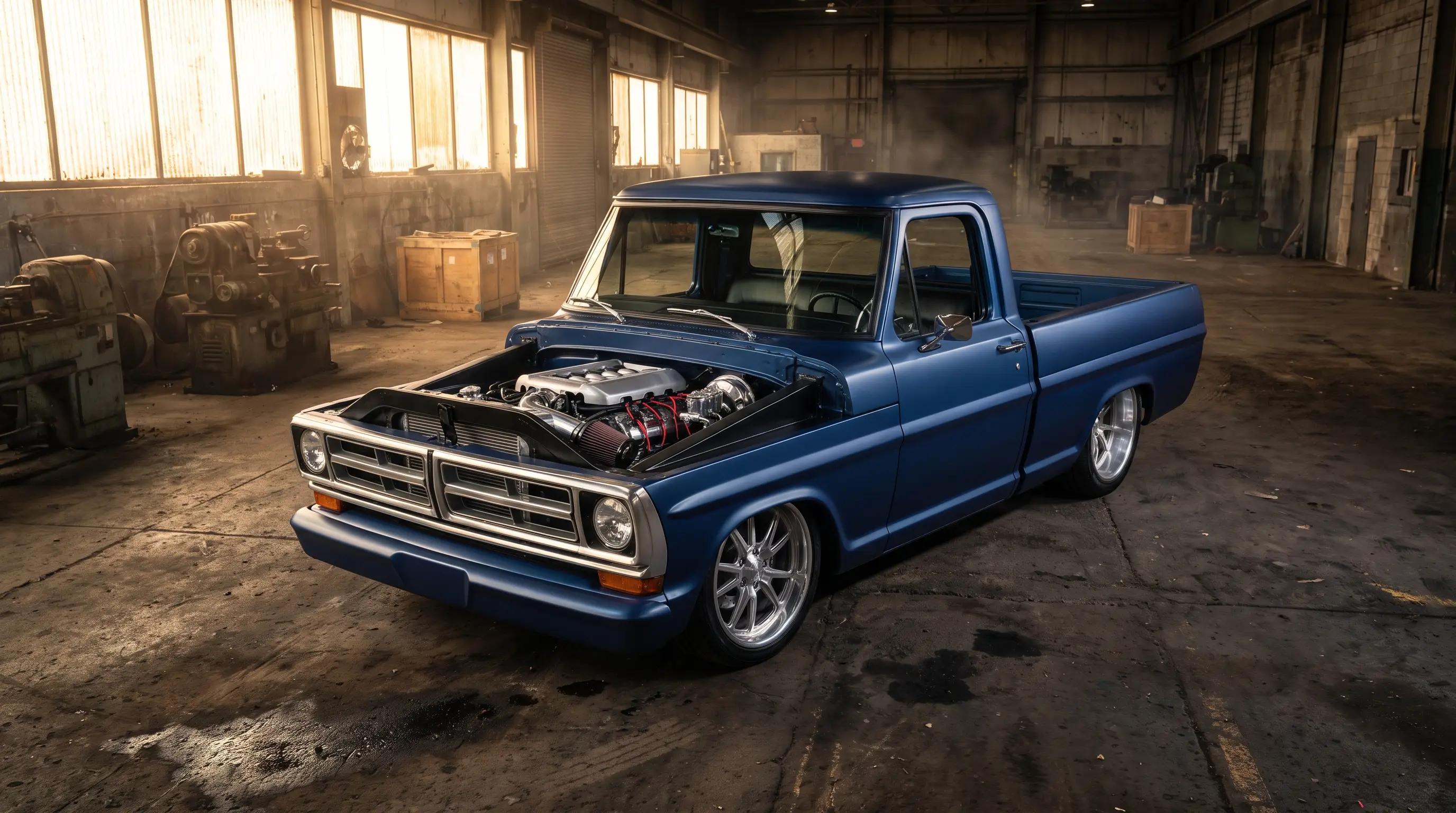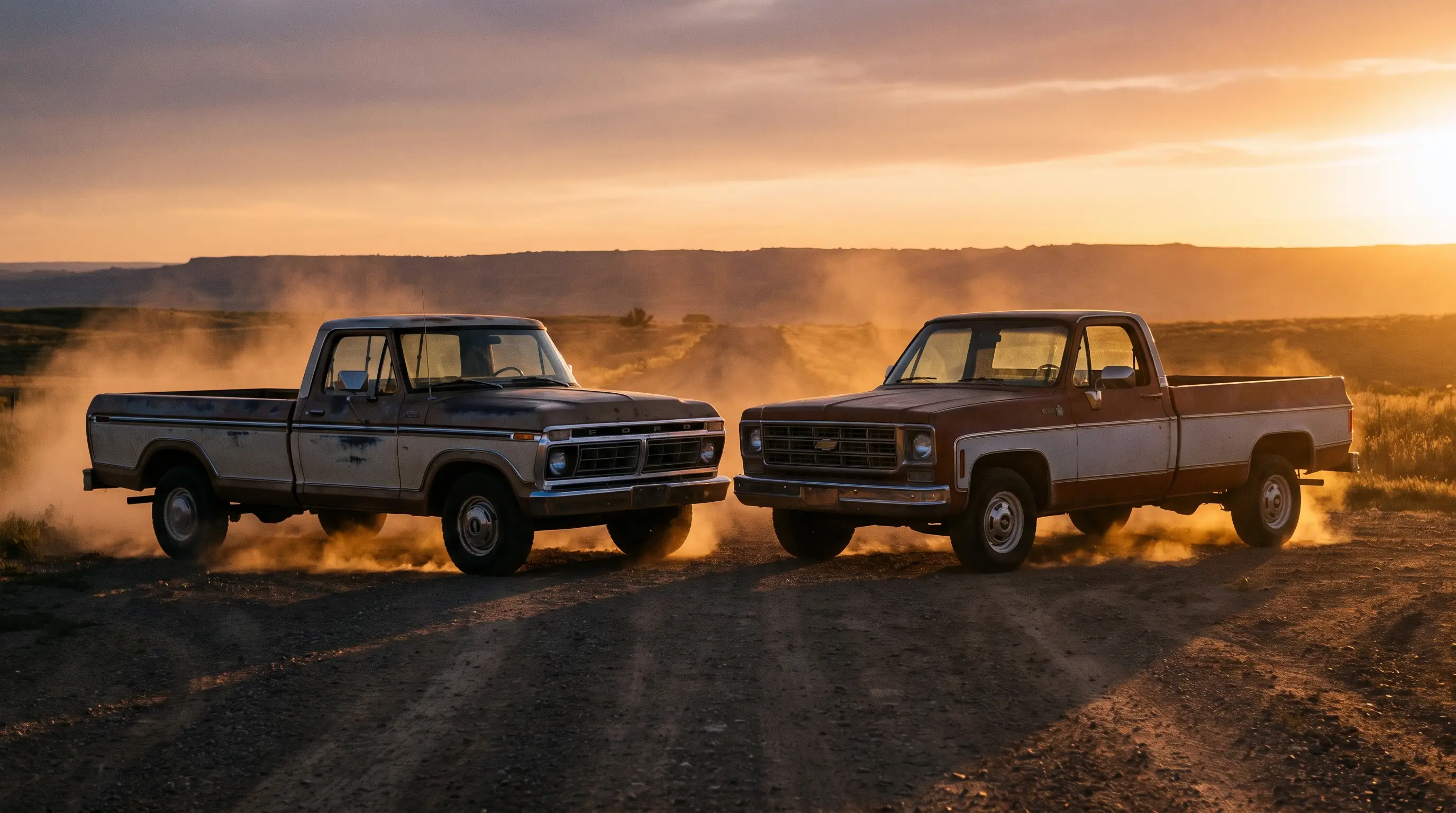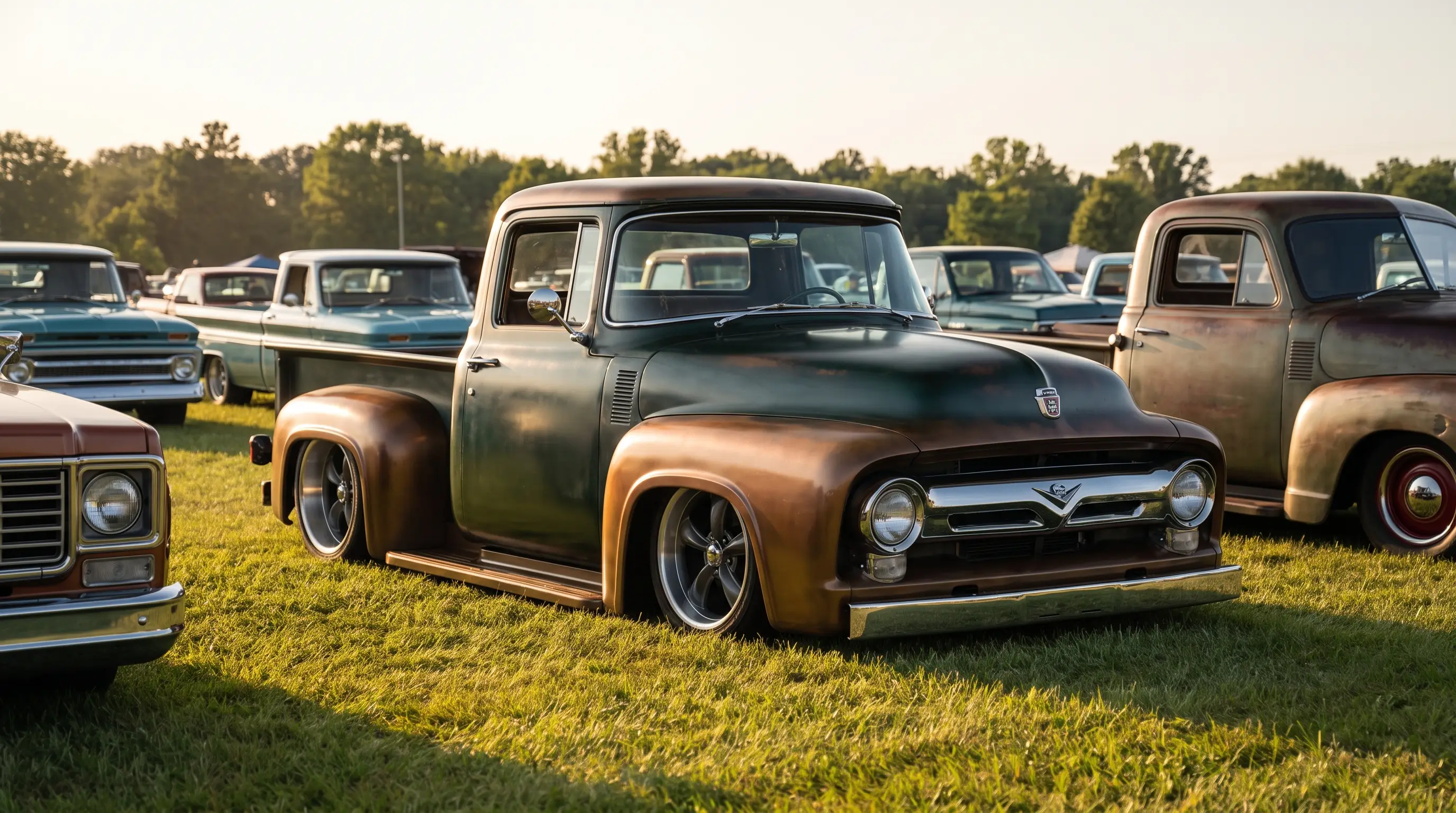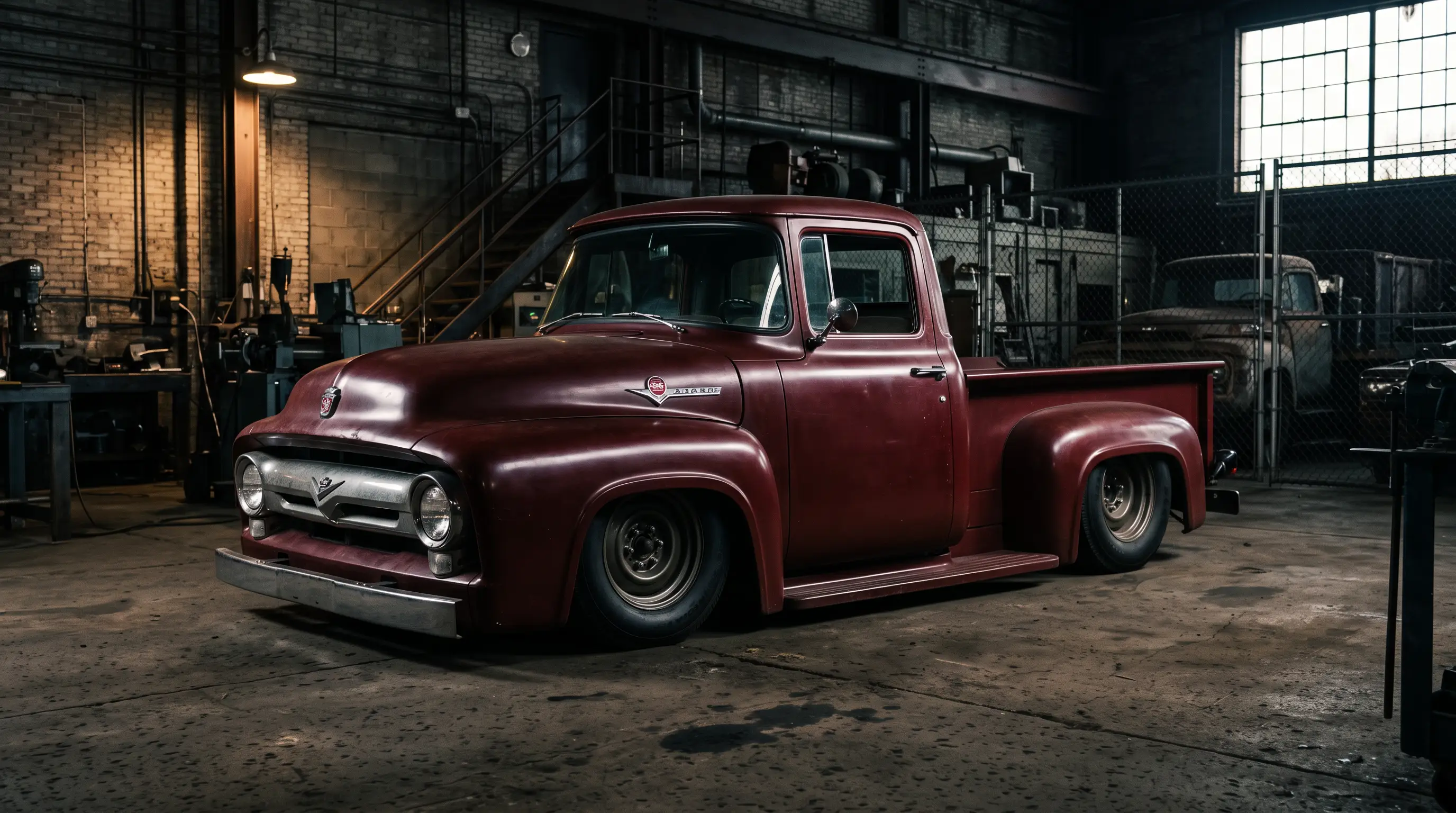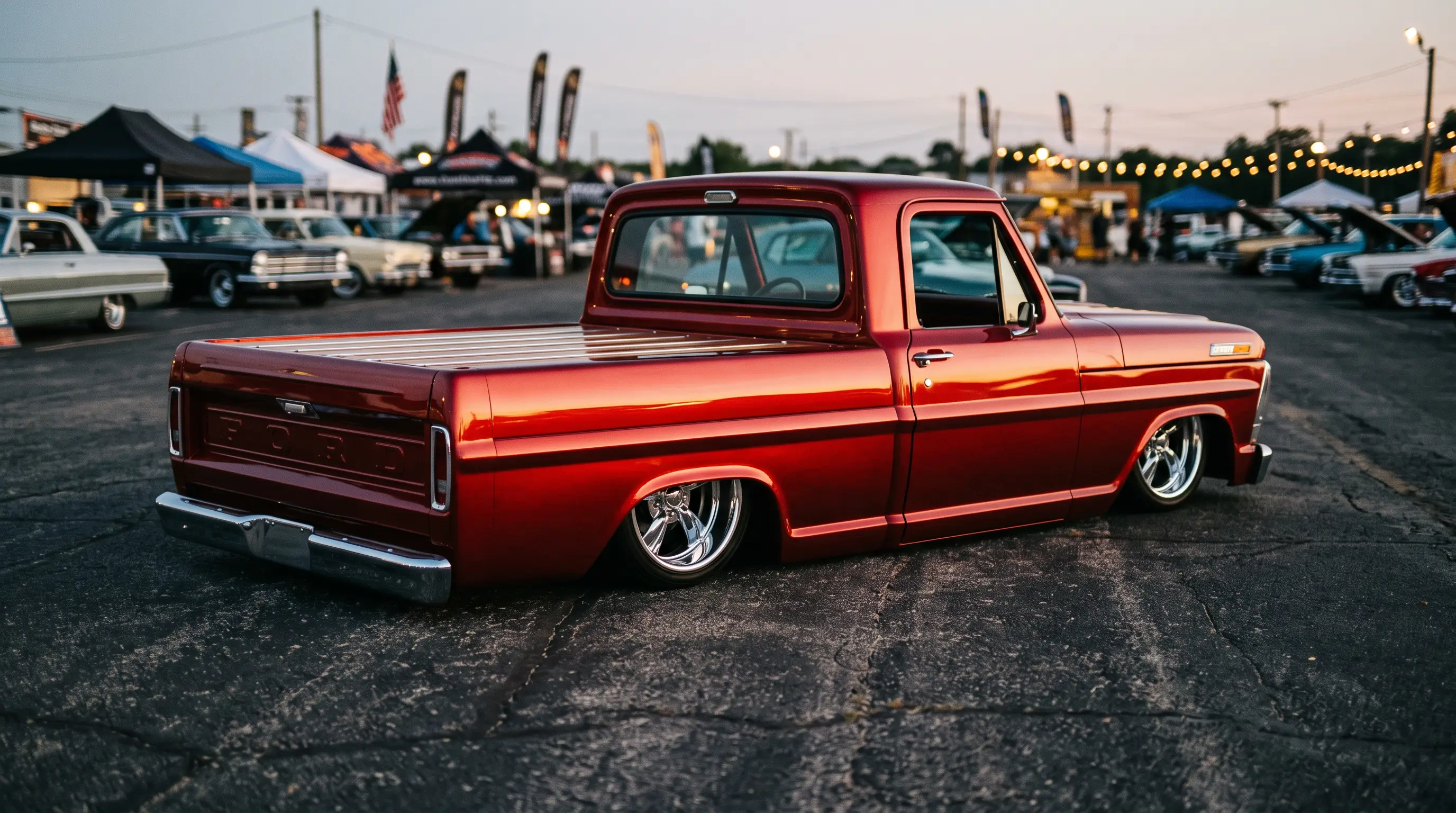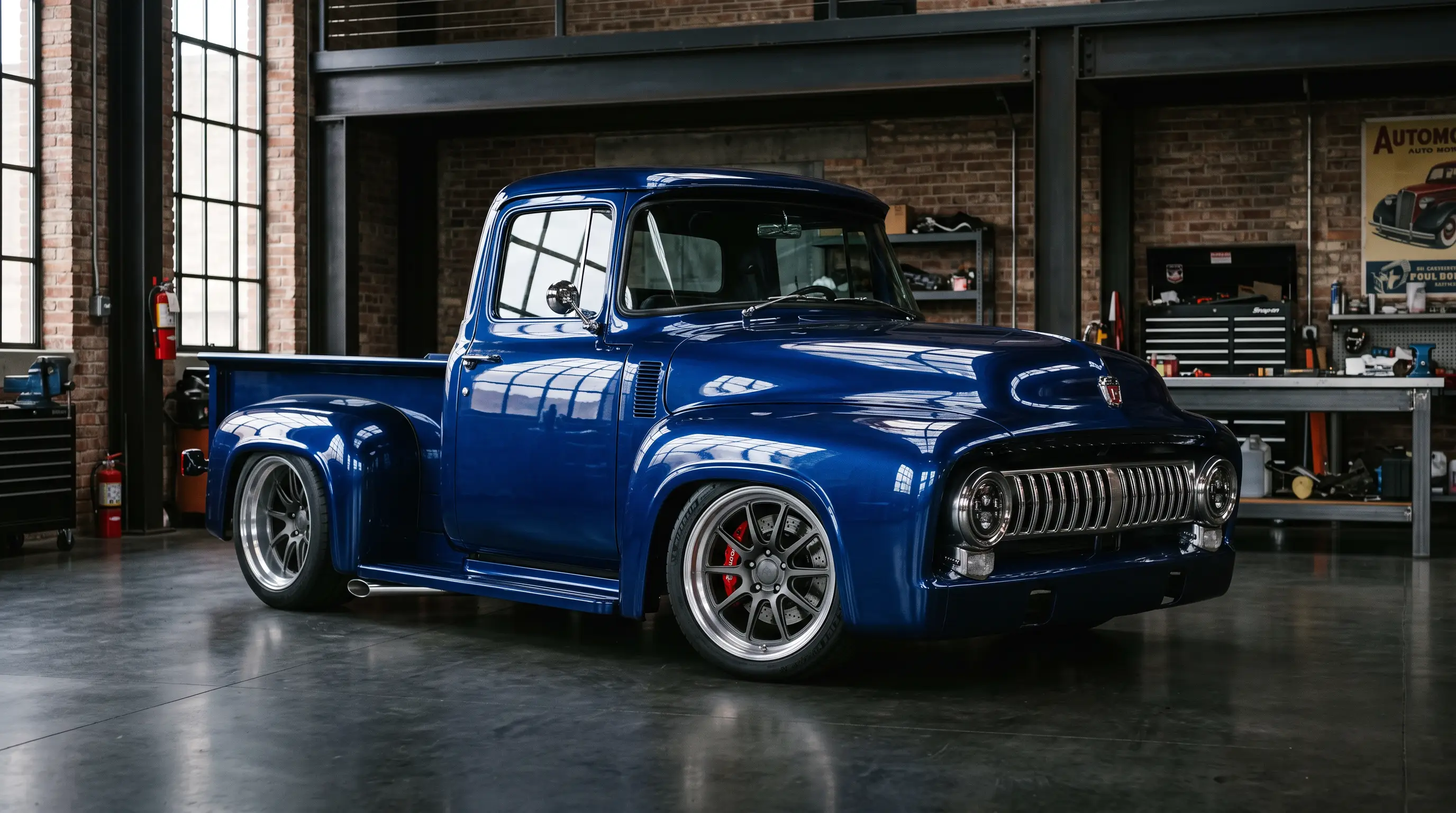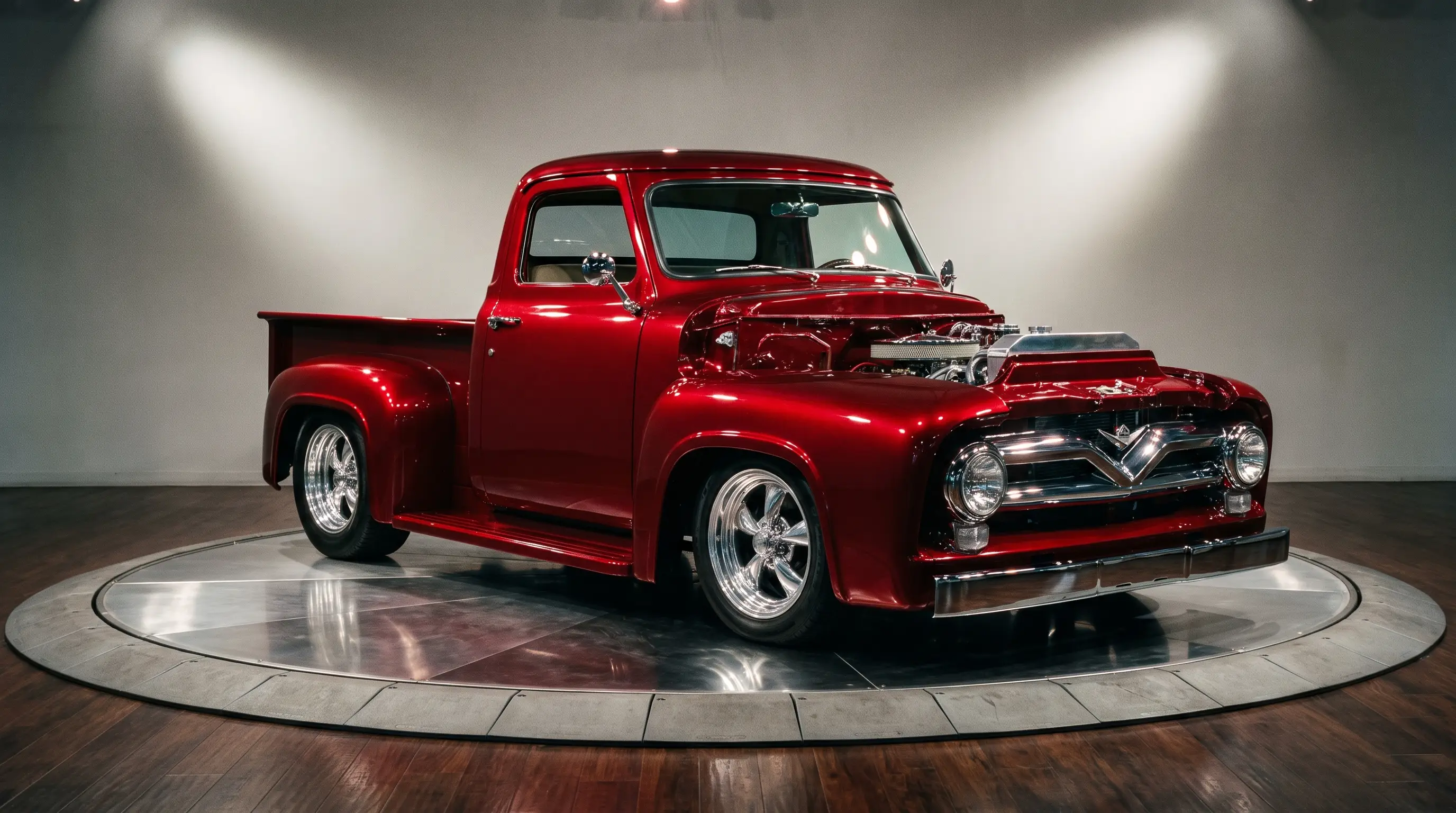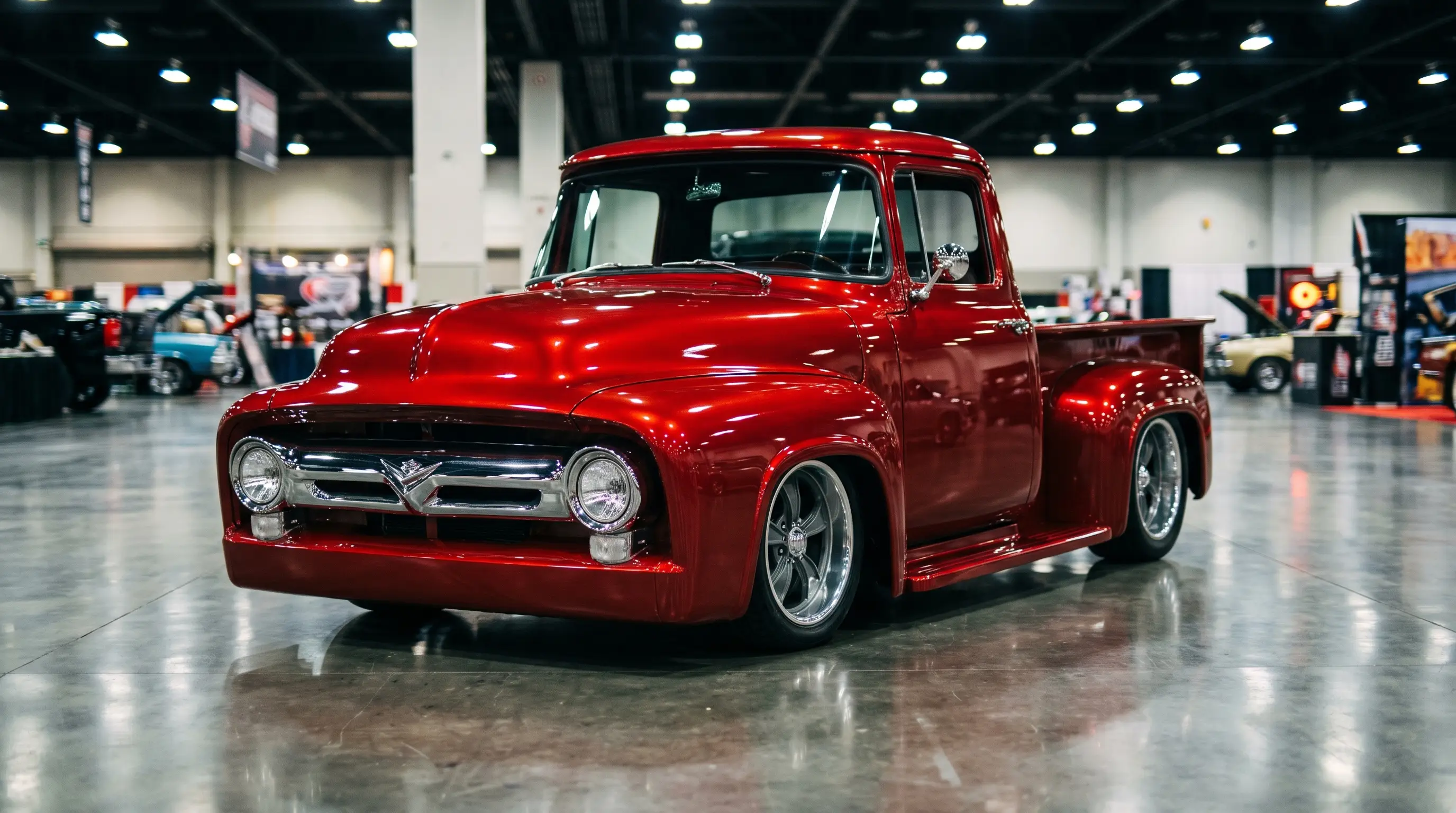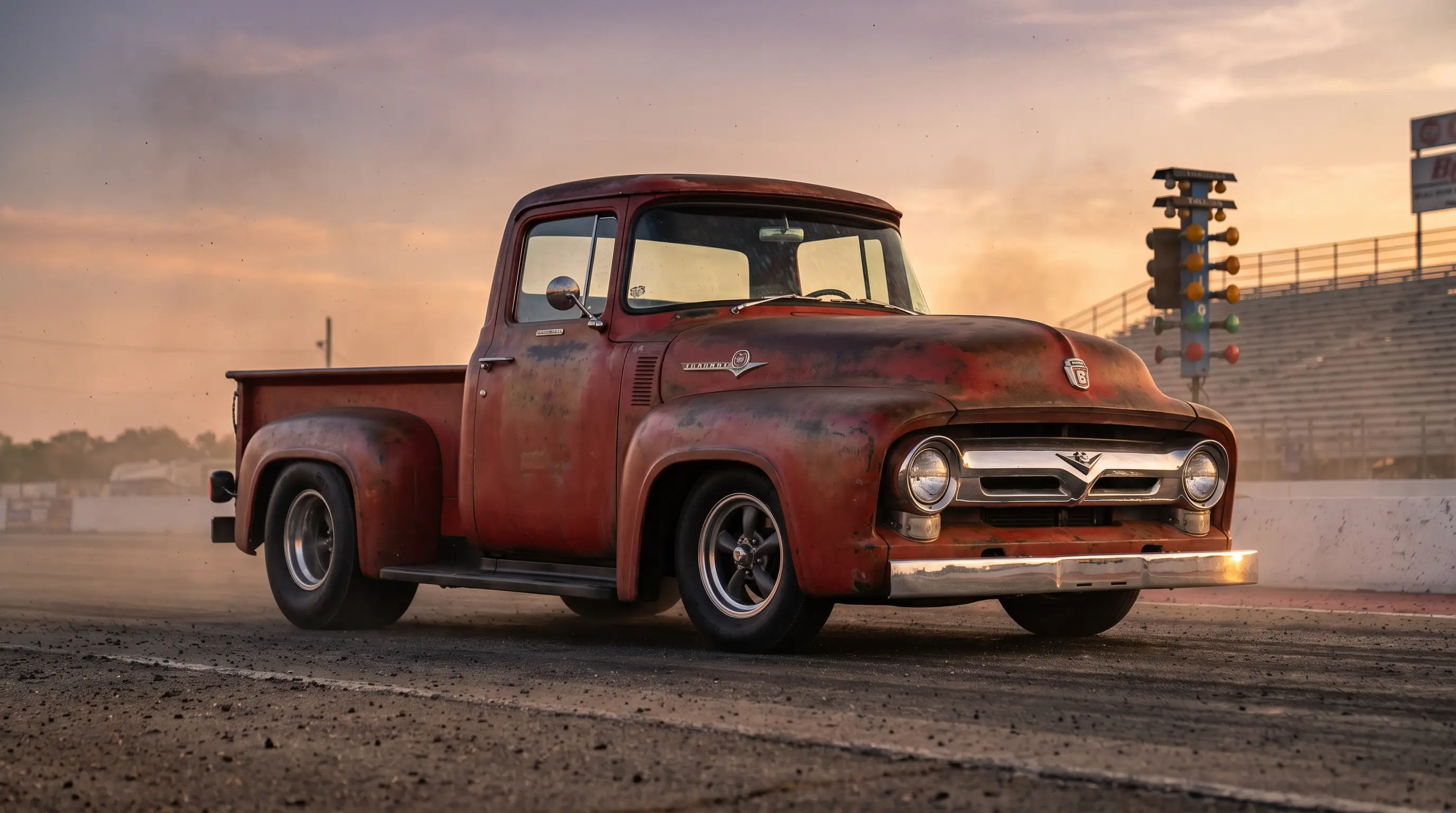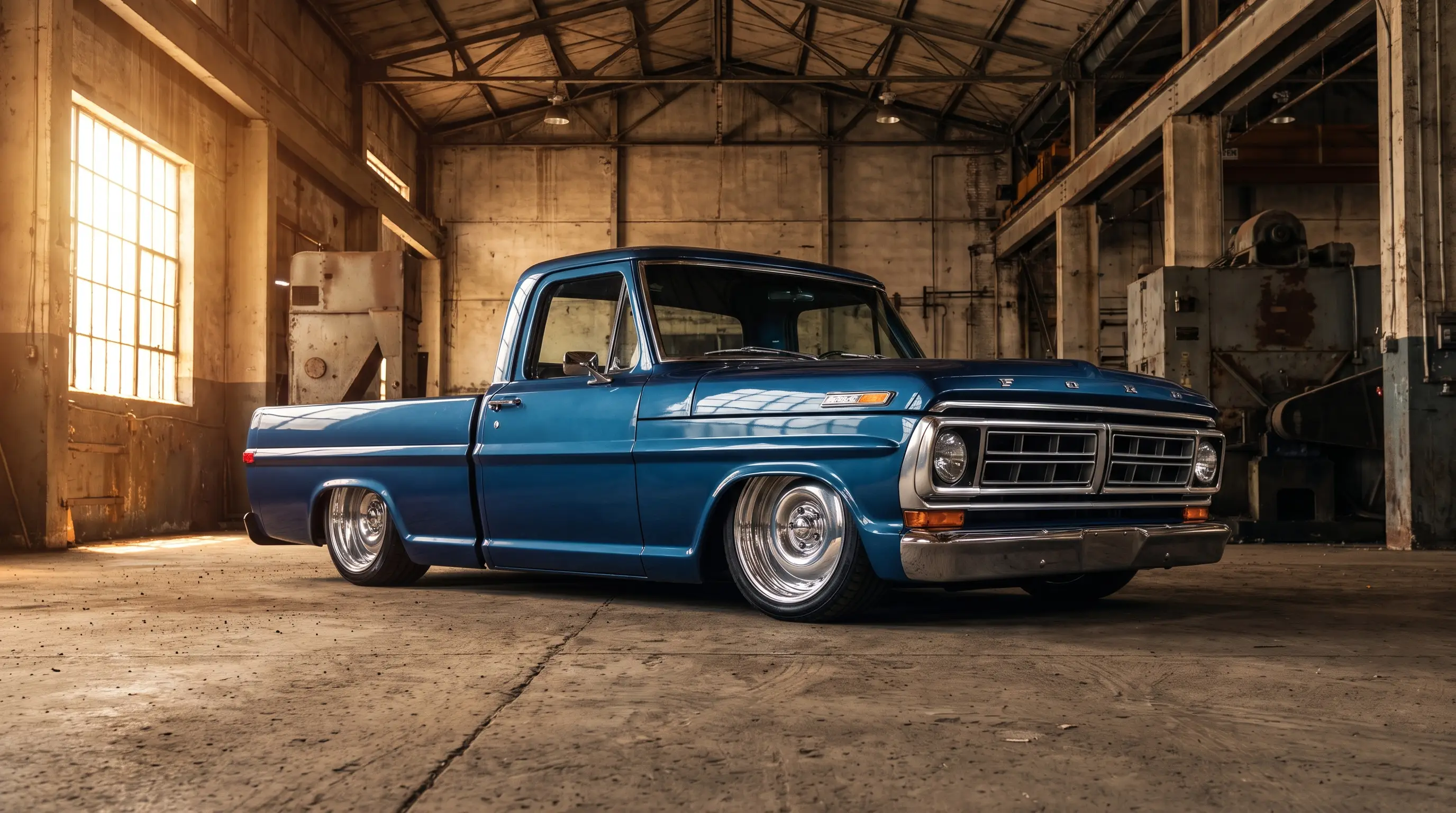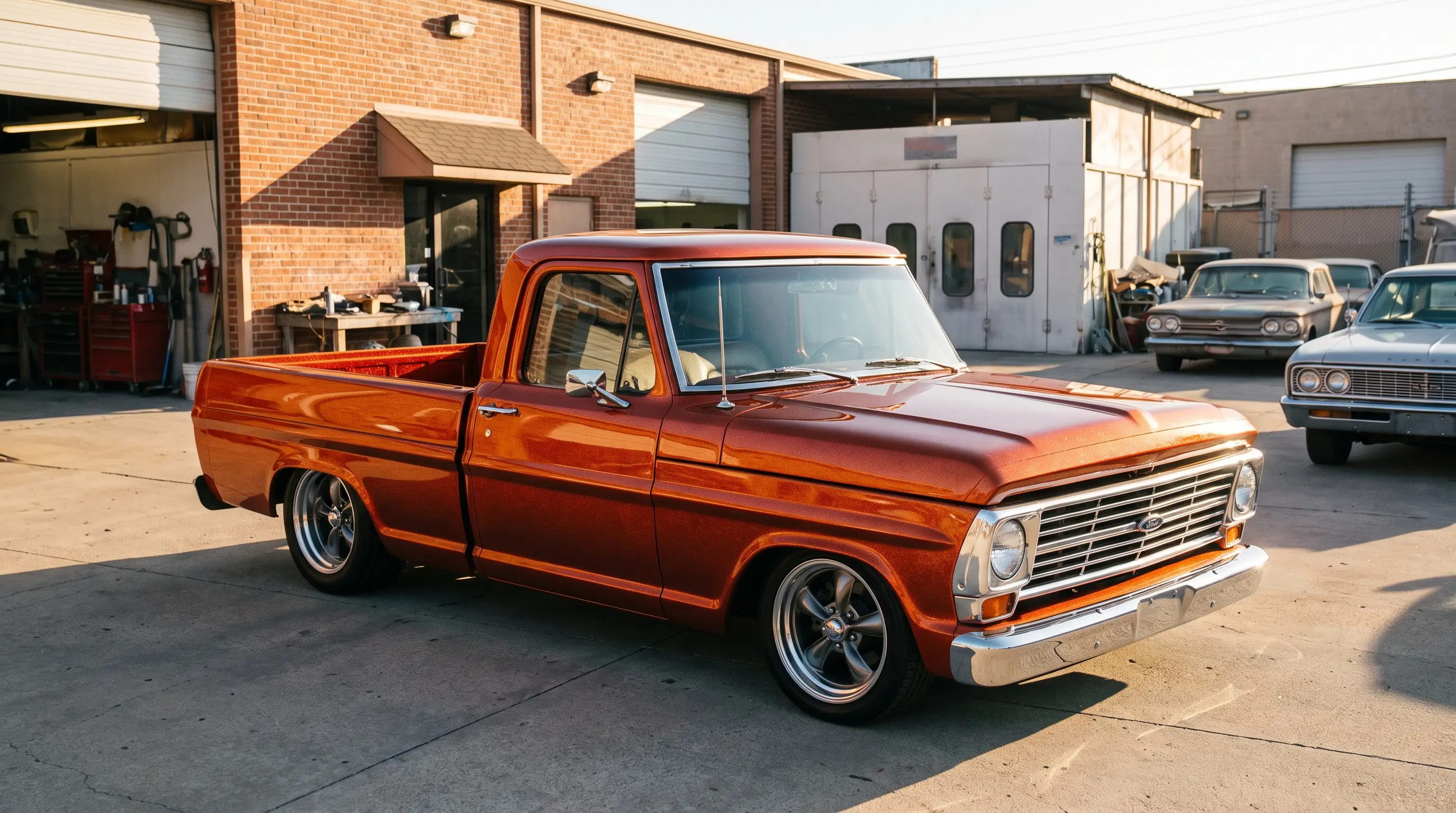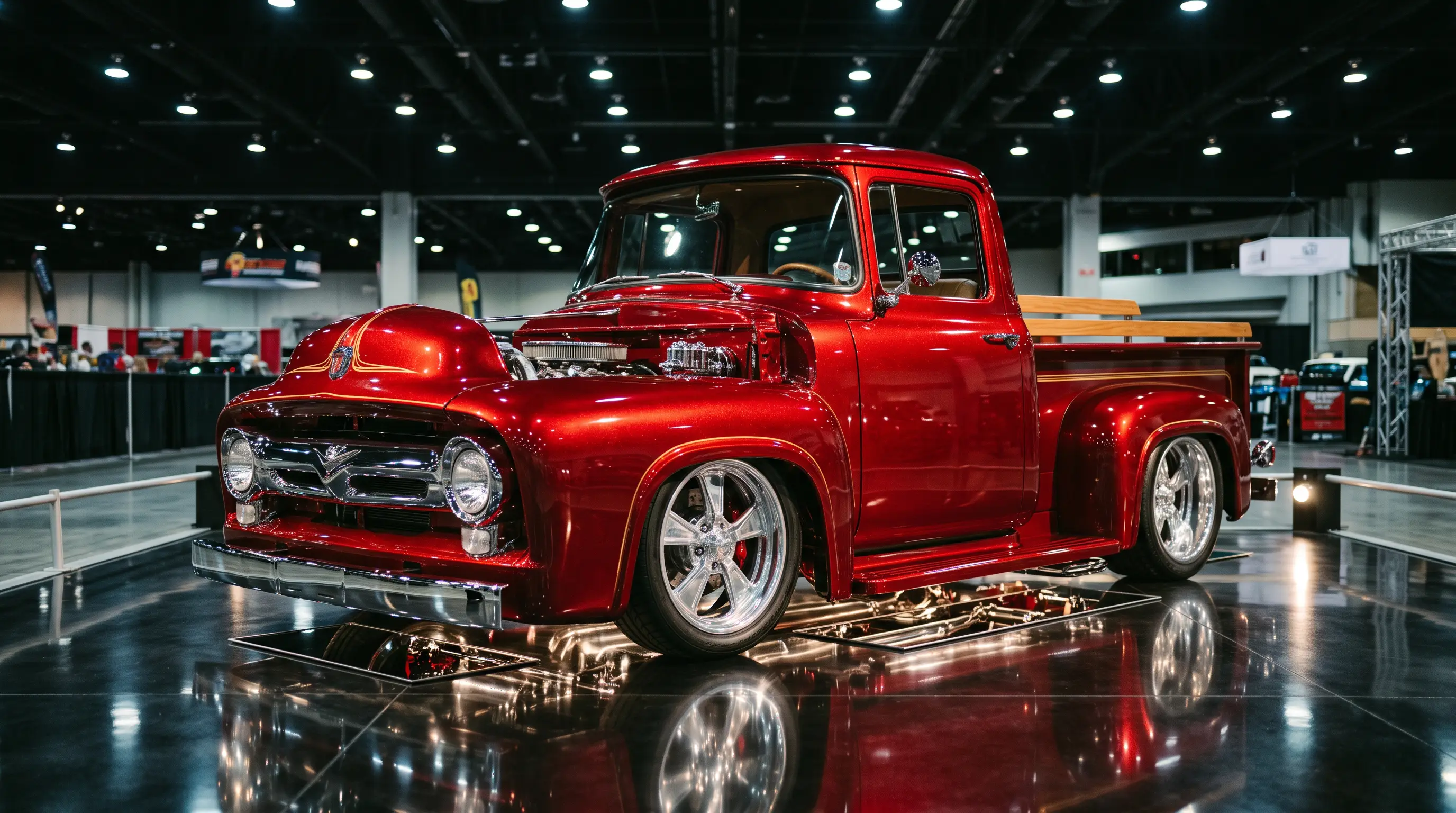
Walk any big truck show and you can tell within ten feet whether a builder respects the machine or just wanted attention. The Ford F-100 has been getting both kinds of treatment for decades, and the ford f100 restomod scene is where the argument gets loudest. I have spent enough years around paint booths and body carts to have opinions, and I will not pretend otherwise. Some of these builds are art. Some are a nice truck buried under a bad idea. Knowing the difference is the whole game.
What nobody disputes is that the F-100 is one of the best canvases in the hobby. The proportions are right, the cab is roomy, and the aftermarket support is deep. That combination is why builders keep coming back to this truck when they could pick anything.
Why the F-100 became the builder's favorite
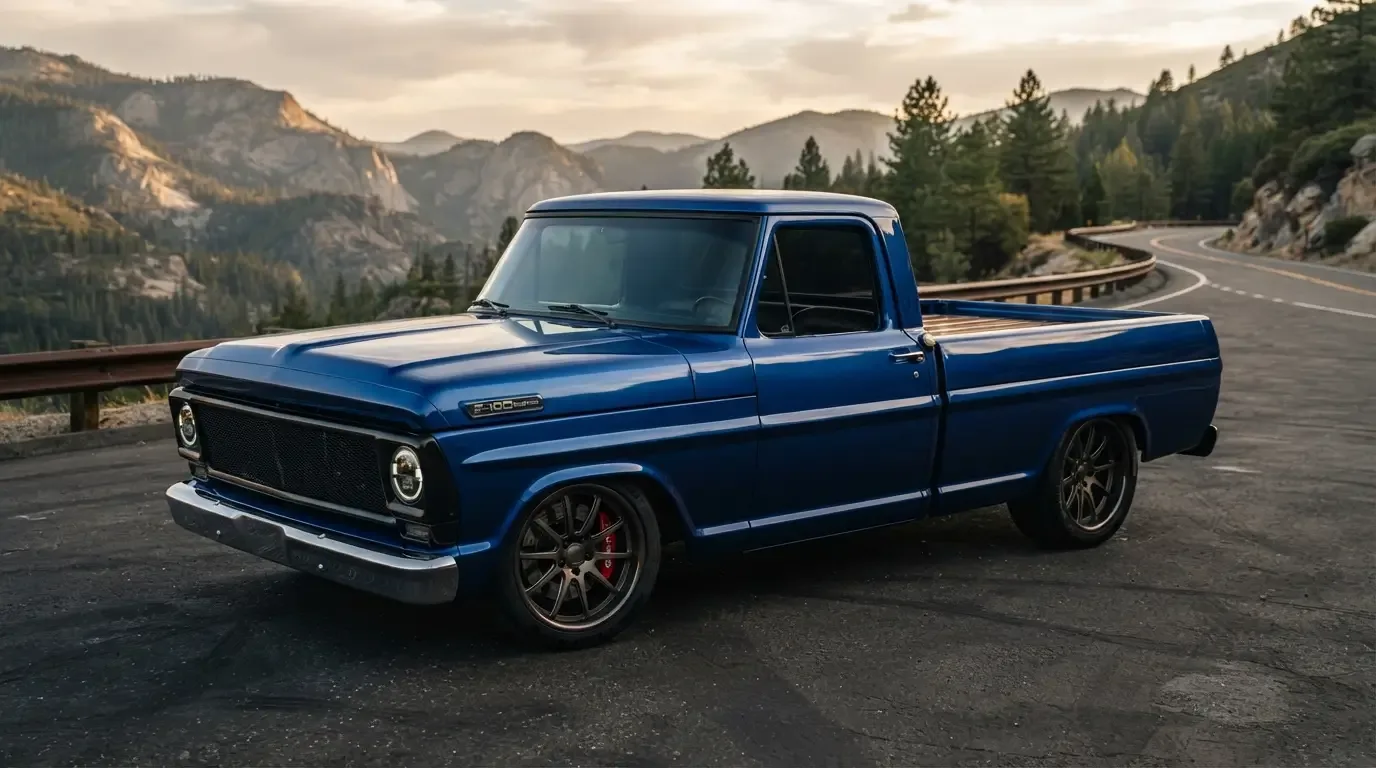
Start with the shape. These trucks have clean, confident lines that take modification well. A lowered F-100 sitting right over a set of proper wheels looks intentional in a way a lot of vehicles never manage. The body panels are big and flat enough to show paint beautifully, and the cab has presence without being fussy. When you are the one laying the color, you learn fast which shapes flatter a finish and which fight it. The F-100 flatters it.
Then there is the practical side. Parts availability for these trucks is enormous, both original steel and reproduction, which means a builder is not fabricating everything from scratch. That keeps projects moving and keeps them reachable for people who are not rich. A truck you can actually get parts for is a truck that gets built. If you want the background on how the model earned this following in the first place, there is more on the ford f100 worth reading before you judge any build.
The last reason is emotional. Guys build the truck their father drove, or the one they wish they had owned at twenty. That personal connection shows in the work. The best F-100 builds are not showing off. They are somebody paying a debt to a memory, and you can feel it in how carefully the details are handled.
Restomod, resto, and custom are not the same thing
People throw these words around like they mean one thing. They do not, and the distinction matters when you are talking value or intent. A restoration puts the truck back to how it left the factory, period-correct down to the fasteners. A custom reshapes the truck for style, chopping, shaving, and reworking the body to a builder's vision. A restomod keeps the vintage look but updates the mechanical side underneath for modern drivability.
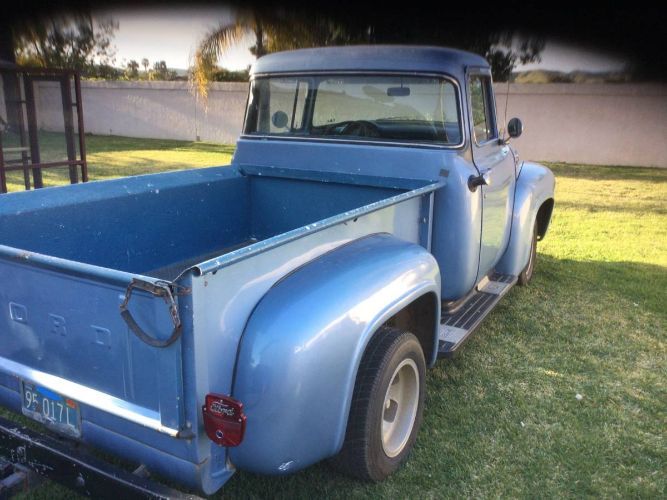
The restomod is the one eating the market right now. The idea is simple and honest: you get a truck that looks like 1956 and drives like something you can actually live with. That appeals to buyers who love the style but do not love the compromises of fifty-year-old engineering. There is nothing wrong with wanting both. The trouble only starts when the execution does not match the ambition.
A custom is a different animal, driven by taste rather than function, and taste is where builds go right or wrong. A restoration answers to the factory. A custom answers only to the person holding the spray gun, which is freedom and rope in equal measure.
Period-correct versus poseur
Here is where I get myself in trouble. There is a difference between a build that respects the era and a build that just bolts on whatever is trendy, and anyone who has done the work can spot it. Period-correct customizing means the choices hang together, the stance, the wheels, the color, the interior, all speaking the same language. A poseur build is a shopping list of popular parts with no point of view holding them together.
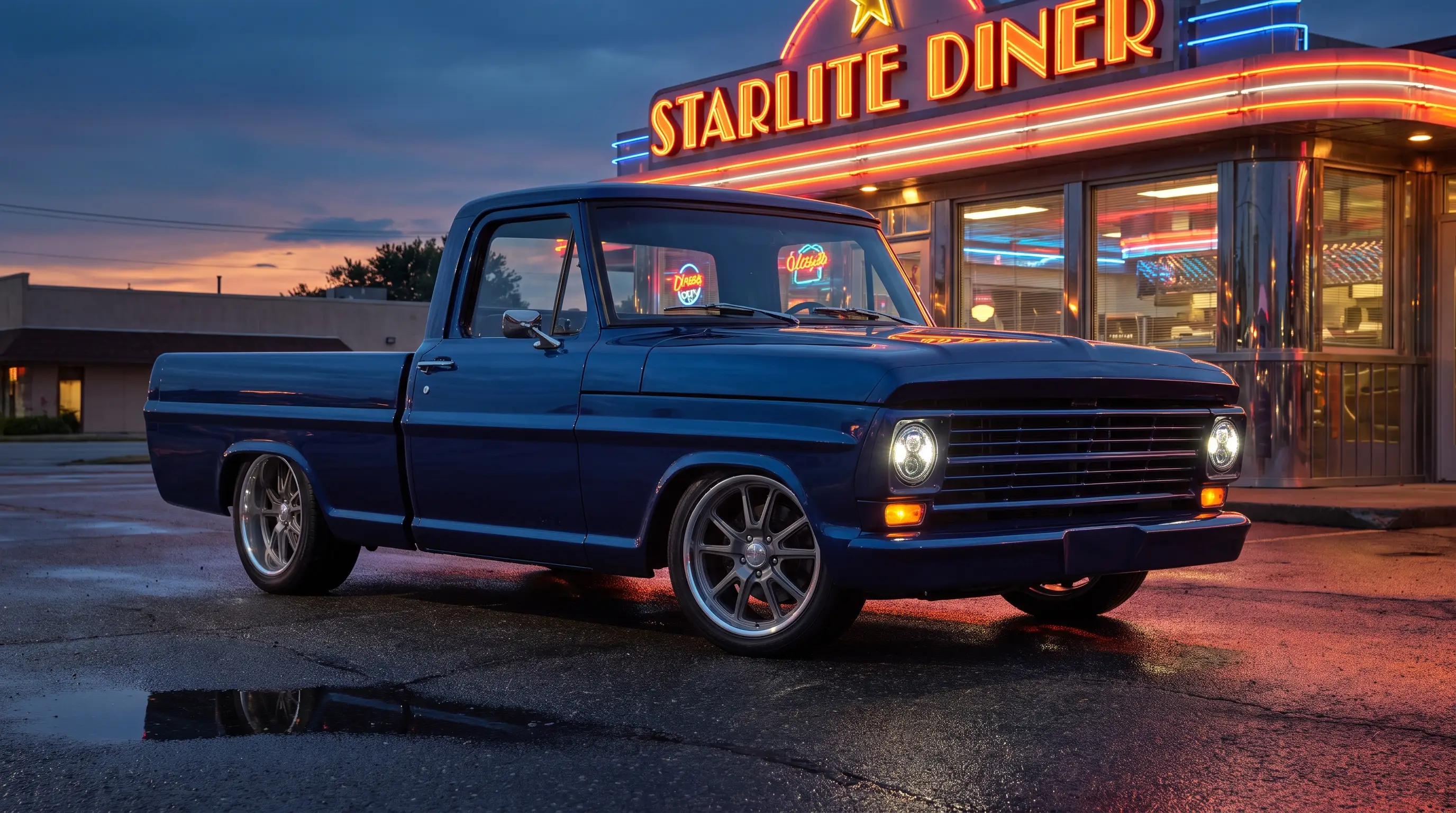
You see it most in stance and wheels. A truck slammed for the photo with wheels that fight the body reads as costume, not craft. Get the stance and the rolling stock right and the whole truck comes together. Get them wrong and no amount of money in the paint saves it. The wheels are the shoes. They tell you whether the person dressing the truck actually understood the assignment.
Paint is the other tell, and it is the part of a build people underestimate most. A world-class finish takes bodywork that nobody ever sees, hours of blocking and prep under the color that separate a truck that looks good in photos from one that looks good with your nose an inch off the fender. Cheap paint over lumpy metal announces itself in daylight. The people who cut corners under the color always think it will not show. It always shows.
| Build type | Goal | What the builder values |
|---|---|---|
| Restoration | Factory-correct originality | Accuracy, documentation, correct finishes |
| Restomod | Vintage look, modern drivability | Reliability, comfort, clean integration |
| Custom | Personal style statement | Stance, proportion, color, a clear vision |
| Pro-touring style | Performance and handling feel | Balance, brakes, wheels, a purposeful look |
The colors and the culture
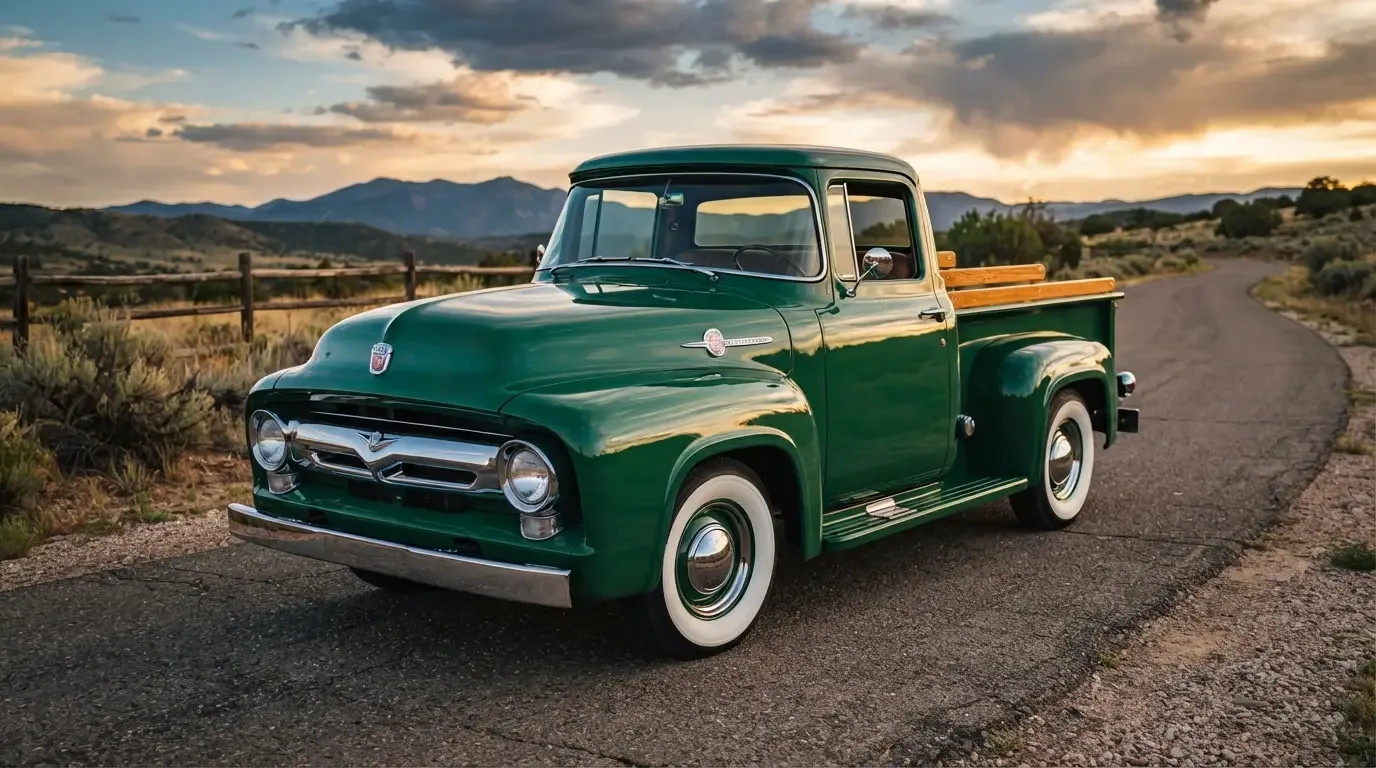
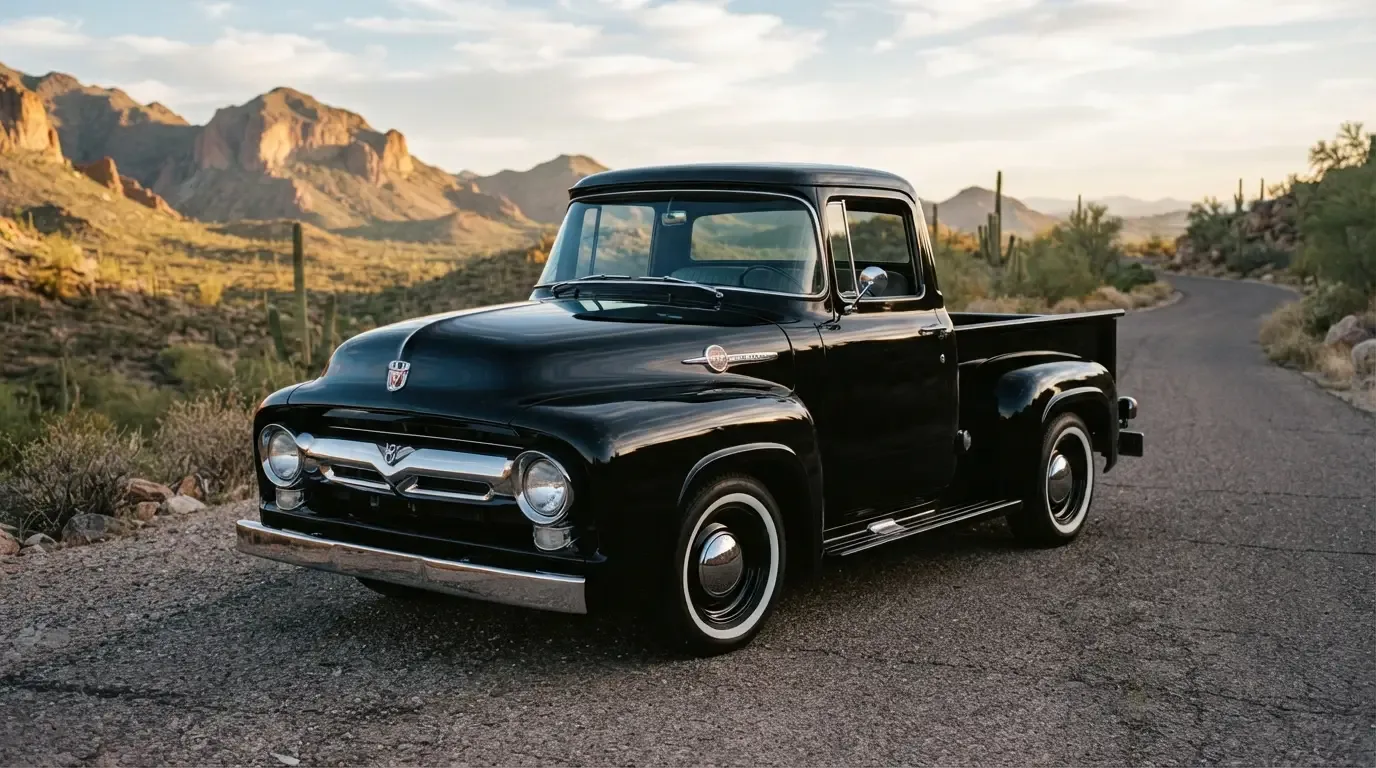
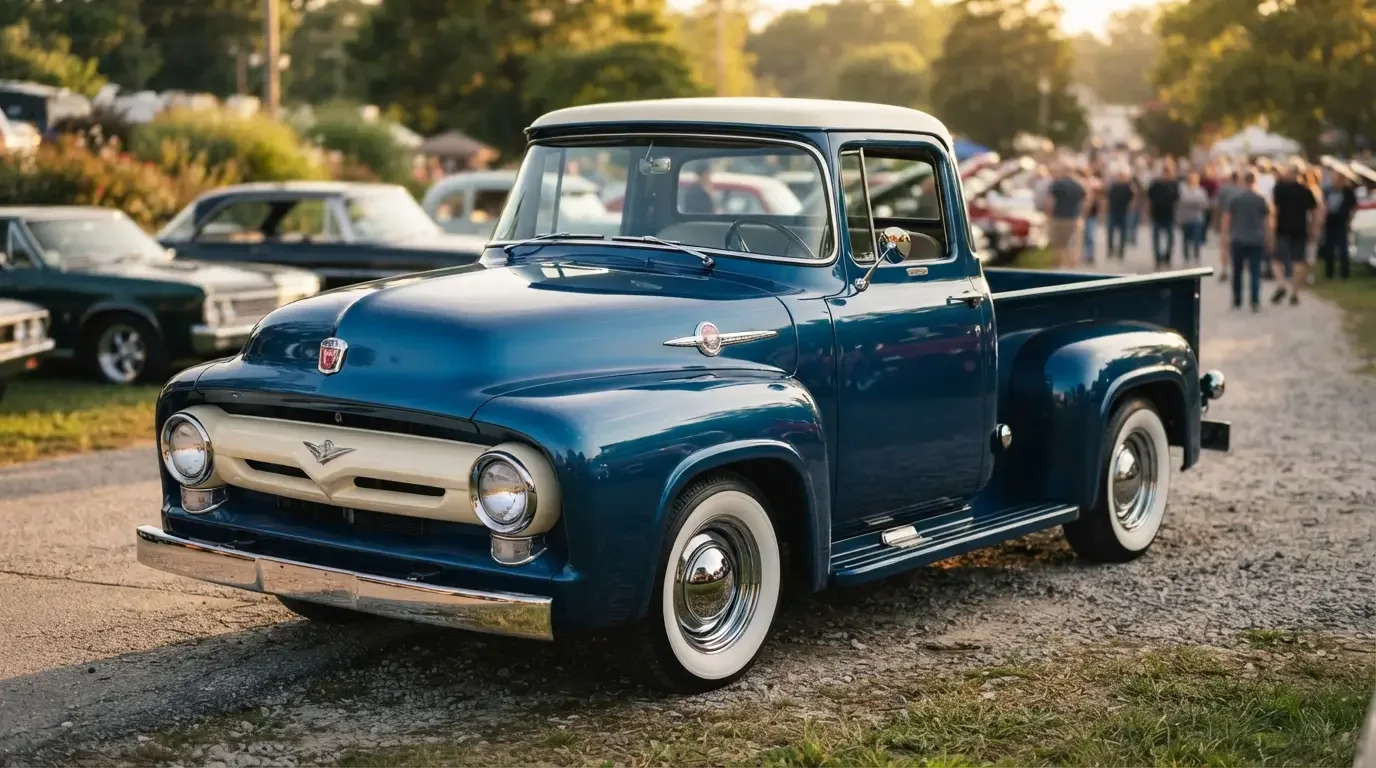
Color is where a build tells you its whole personality before you read a single spec. The F-100 crowd has its favorites, and they run in cycles. There was a long stretch where everything was gloss black or a deep candy red. Then the culture swung toward muted, satin, and factory-inspired heritage tones, colors that look like a photograph from 1959 rather than a nightclub. I like that swing. Restraint reads as confidence on a truck this handsome.
Interiors have gone the same direction. The old game was billet everything and neon accents, and it aged about as well as you would expect. The builds people respect now treat the cab like part of the design instead of a parts catalog, with materials and colors that answer to the outside of the truck. A restrained interior that talks to the paint is worth more to my eye than a cabin full of shiny gadgets fighting each other for attention. The best cabs feel like they were always meant to be there.
The community around these builds is as much a part of the story as the trucks. Shows, forums, and local gatherings are where the standards get set and where reputations are made or wrecked. A builder who does honest work earns a name that travels. One who fakes it gets found out fast, because the people looking know exactly where the bodies are buried under the paint.
"Anybody can bolt on a shiny part. The build lives in the stuff you cannot see: the blocking under the paint, the panel gaps, the way the doors shut. I judge a truck by the parts the owner hoped I would not check. That is where the truth is."
- Jim Vasquez
What all this does to value
Done right, a restomod or custom F-100 can bring serious money, well past what a factory-correct truck of the same year would fetch. Done wrong, it is worth less than the sum of its parts, because a bad build is expensive to undo. Buyers pay for quality and vision, not for a receipt stack. A pile of pricey components thrown together does not add up to a valuable truck, and the market has gotten smart enough to know it.
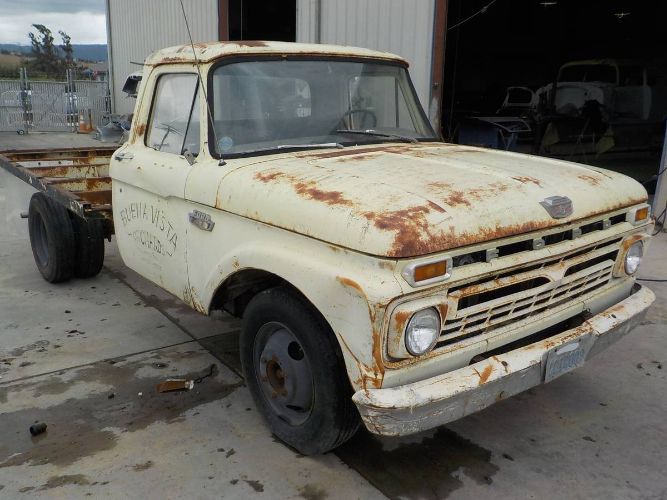
There is a real tension with the purist side of the hobby too. Every clean original truck cut up for a build is one less survivor, and that bothers a lot of people, myself included on the rare honest examples. My rule is simple. Build on a truck that was already too far gone to save as an original, and leave the genuine survivors alone. There is plenty of rough metal out there to work with. There is no need to sacrifice the real ones.
Buying a build without getting burned
If you are shopping for a finished custom or restomod, the same rules apply that I use judging one at a show. Look past the shine. Check the panel gaps, the door fit, the quality of the work in the places builders skip when they are cutting corners. A gorgeous color hides a lot, and it is supposed to. When the truck genuinely earns its look, though, it is one of the most satisfying things you can own. When you are ready to see what the market is offering, you can browse classic F-100 listings and start training your eye on what a real build looks like.
The truck that keeps reinventing itself
The F-100 has spent decades being restored, chopped, slammed, and reimagined, and it still looks right at the end of all of it. That is rare. Most vehicles only work one way. This one takes a purist restoration and a wild custom with equal grace, and that flexibility is exactly why builders will keep choosing it long after I have hung up my spray gun. If this generation of build talk has you curious about the trucks underneath it all, there is another one worth knowing that started a lot of these projects. The metal is patient. It has been waiting for the right hands the whole time.