Every 1957 Ford dealer lot had the same argument playing out in miniature. A rancher walks in wanting a truck that looks like the F-100 he had before, with fenders that step out past the bed sides and cargo space that does not care about looks. Ten feet away, a young guy building a house in a new subdivision wants the truck with the smooth flanks, the one that looks like the bed grew out of the cab instead of getting bolted on behind it. Ford's answer in 1957 was to build both and let the buyer decide. That decision, flareside vs styleside, is still argued at truck shows sixty-some years later, and it is worth understanding what each side actually got for their money.
What flareside actually kept from the old truck
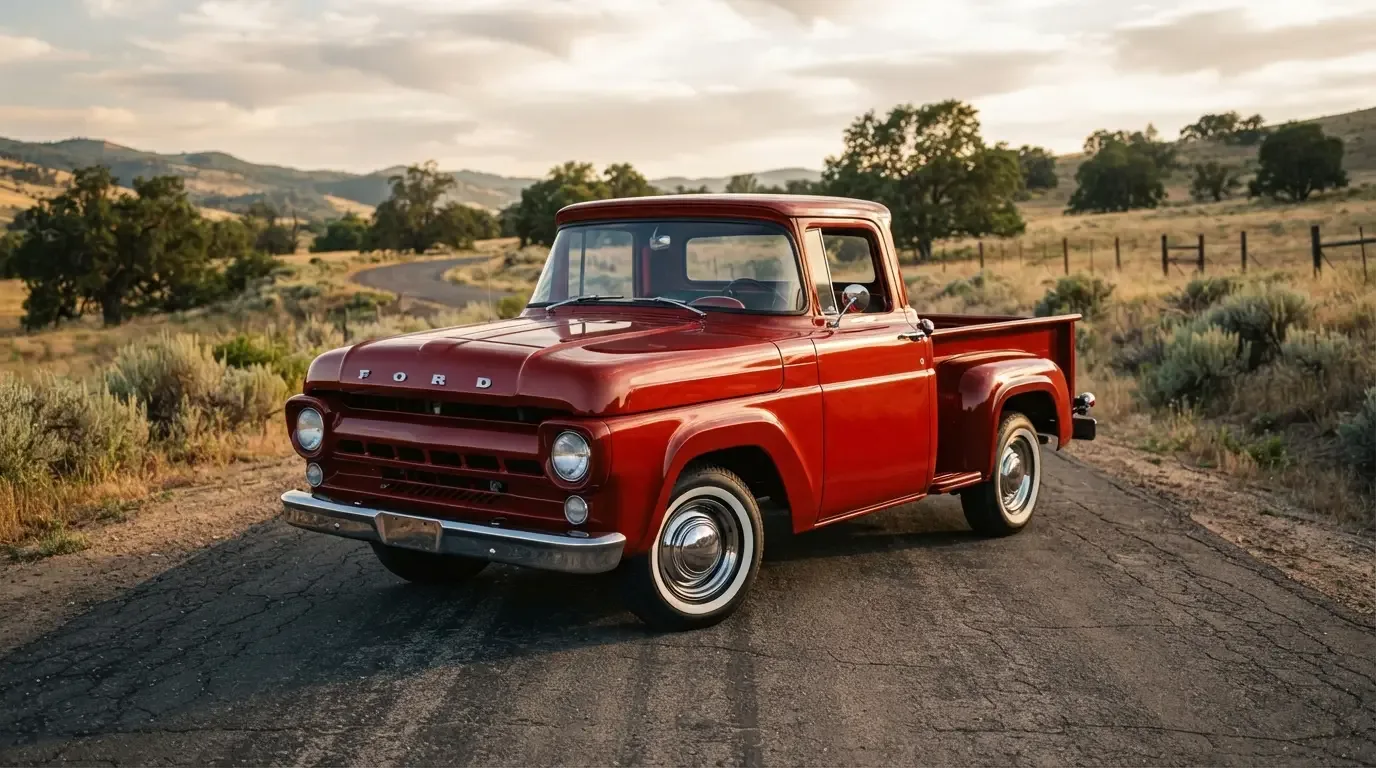
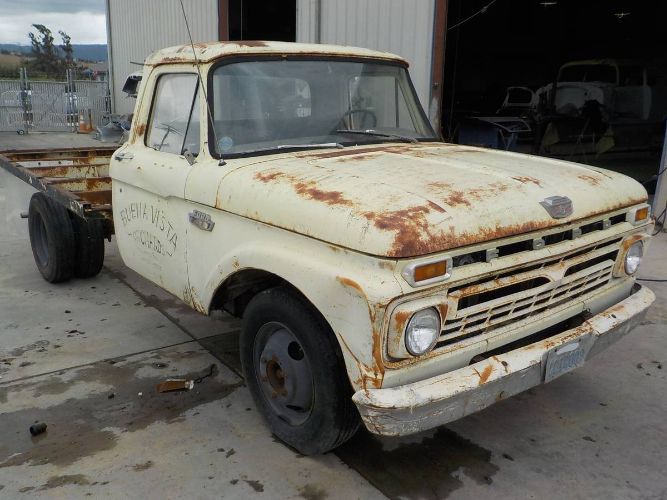
The flareside bed was the direct descendant of every Ford pickup bed since the 1930s. Separate fenders bolt onto the outside of a narrower cargo box, and the fenders flare out wider than the bed itself, which is where the name comes from. Ford also called it "Flareside" on the option sheet, and some regional literature used "Stepside," a name Chevrolet made more famous on its own trucks of the same era. Mechanically the two names describe the same idea: fenders as separate pieces, a bed that is narrower between the wheel wells than at the top rail, and a running board style step where the fender meets the frame.
For a working buyer in 1957, flareside had real advantages that had nothing to do with sentiment. The narrower box between the fenders meant hay bales, tool boxes, and stacked lumber sat lower and more stable than they would in a wider bed with wheel humps intruding into the load floor. Damage to a fender was a bolt-on repair, not a body shop job on the whole bed. And the truck simply cost less to build, which Ford passed along as a lower price on the order form. None of that mattered to the buyer who wanted his truck to look like the future. That buyer wanted styleside.
Styleside and the flush-body idea
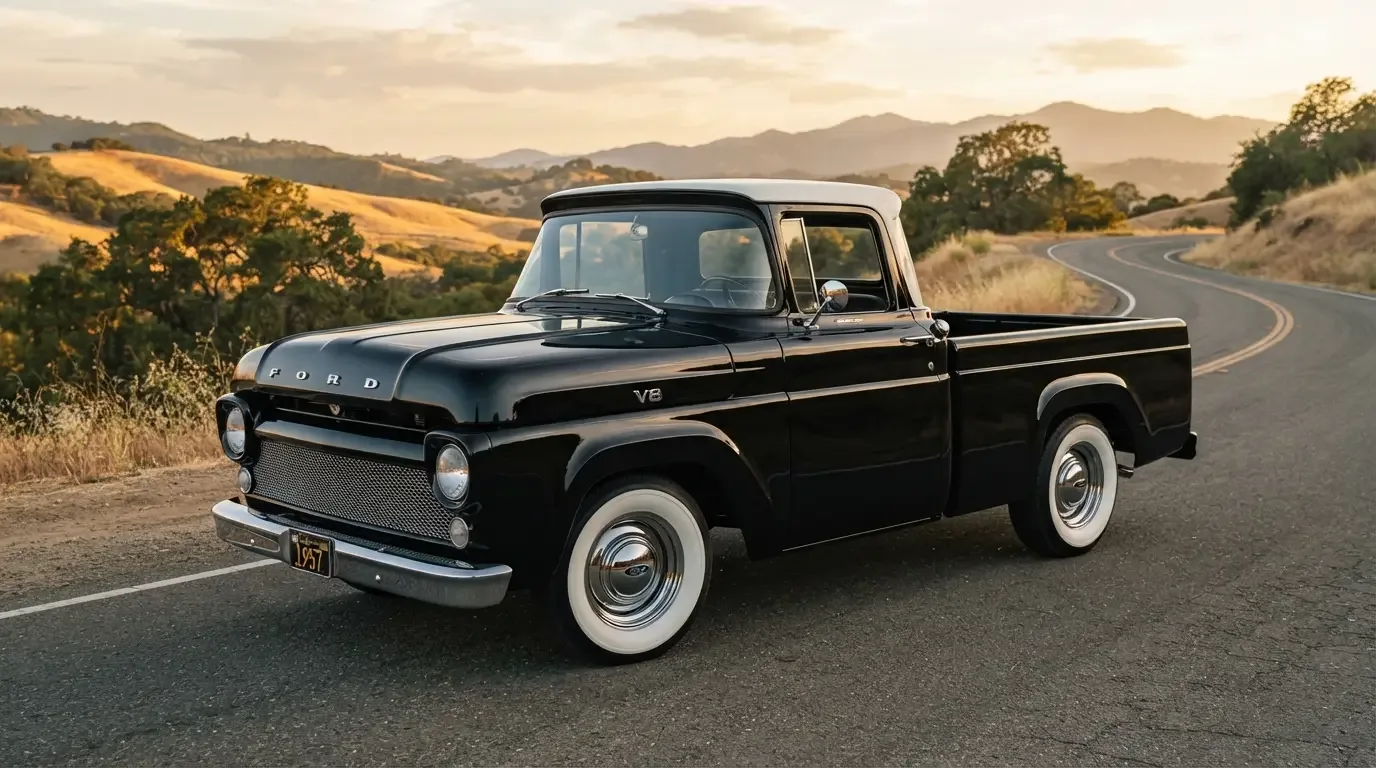
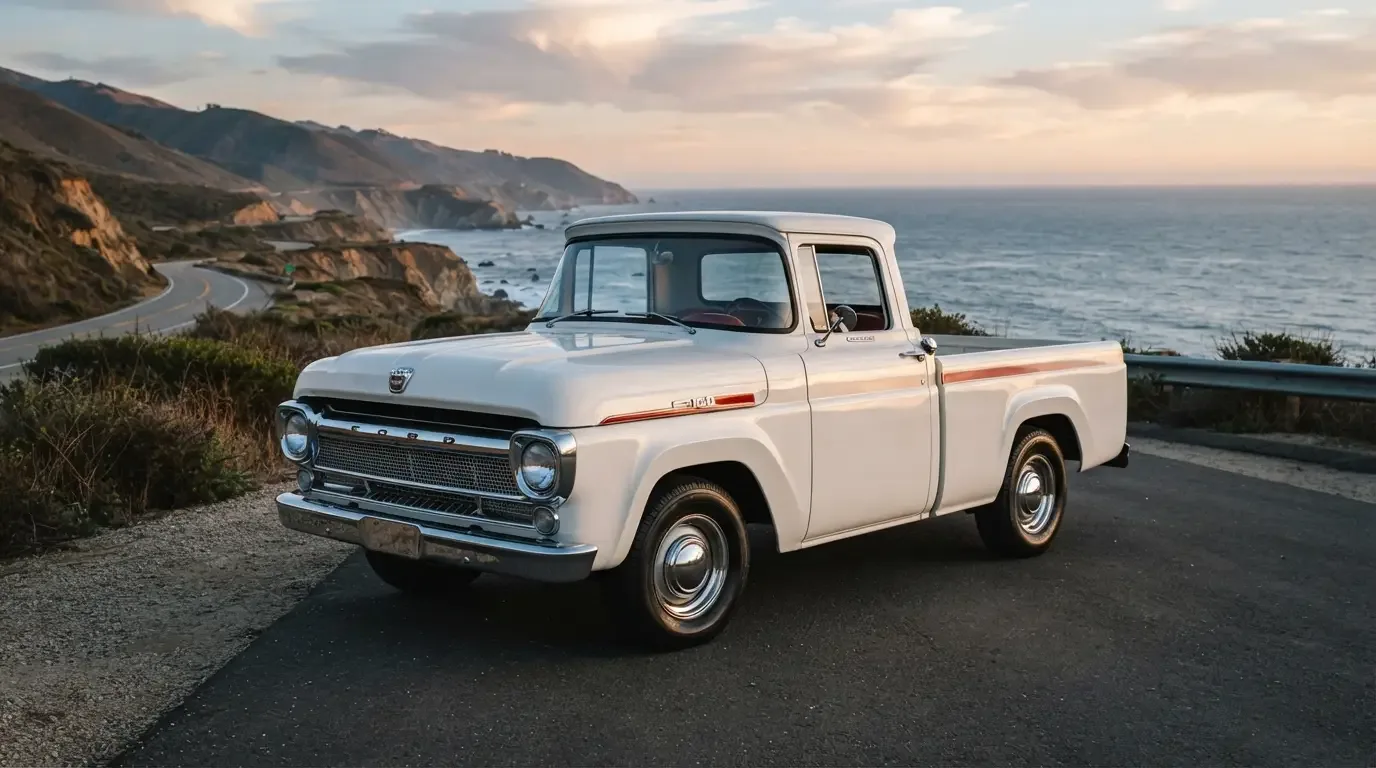
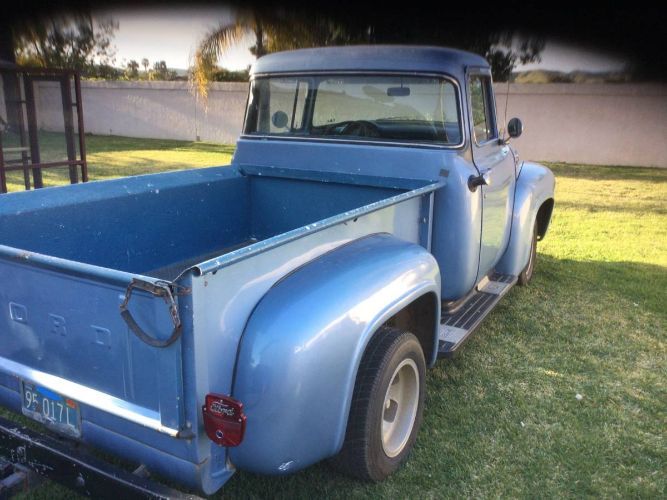
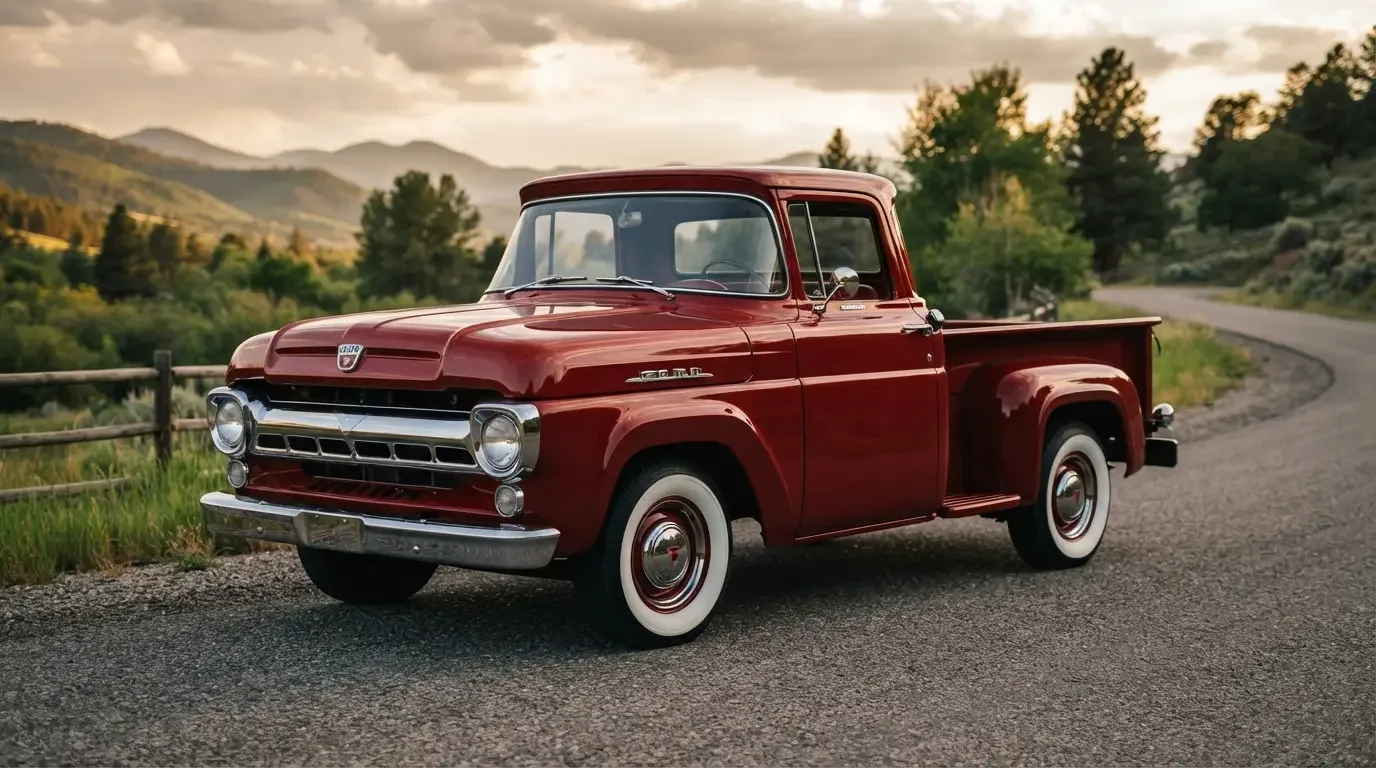
Styleside was new for 1957, and it changed the visual proportion of the whole truck. The bed sides ran flush with the cab, no step, no separate fender bulge, just one continuous line from the door handle to the tailgate. Underneath, the wheel wells were now boxed into the bed itself rather than hanging outside it, which ate into usable width at the floor but gave a wider bed opening at the top and a cleaner look from every angle. Chevrolet had shown the idea first with its 1955 Cameo Carrier, though that truck achieved its smooth sides with fiberglass fender panels bolted over a standard narrow bed, at a premium price. Ford's 1957 Styleside went further, using an all-steel wide bed as standard equipment rather than a costly fiberglass dress-up, making it the industry's first mass-produced flush-sided steel pickup box. Chevrolet answered in kind with its own all-steel Fleetside bed partway through the 1958 model year.
Inside the cargo box the story got a little more complicated. Because the styleside bed pulled the wheel housings inward, drivers hauling wide, flat loads such as sheet plywood or stacked crates found the wheel wells eating into the space in a way flareside buyers never dealt with. Ford addressed this over the years with wider bed options, but in 1957 the tradeoff was straightforward: styleside gave you the modern look and a bigger opening, flareside gave you a cleaner load floor and a lower price.
| Feature | Flareside | Styleside |
|---|---|---|
| Bed sides | Separate, fenders flare outward | Flush with cab width |
| Wheel wells | Outside the cargo floor | Boxed into the bed interior |
| Load floor | Narrower, uninterrupted | Wider opening, wheel humps intrude |
| Typical buyer, 1957 | Farm and ranch, budget-minded | Suburban, image-conscious, small business |
| Repair economics | Bolt-on fender replacement | Bodywork on the bed panel itself |
Ford's own sales figures from the period show styleside gaining ground fast, and by the early 1960s it had become the volume seller nationwide, though flareside never disappeared entirely and Ford kept offering a version of it on half-ton trucks for decades afterward. Our complete history of the 1957 through 1960 generation covers how that broader redesign came together, of which the bed choice was only one piece, alongside the new cab, the wraparound windshield, and the flatter hood line the whole truck wore that year.
Why the argument still matters to buyers today
Collectors chase both bed styles for different reasons, and neither side has fully won the argument. Flareside trucks read as more traditional and, on earlier F-1 and F-100 generations, are often seen as the more period-correct choice for a truck restored to look exactly as it left the factory in the early 1950s. Styleside trucks from 1957 onward tend to draw buyers who want the more modern silhouette and the wider bed opening, and restomod builders lean toward styleside because the flush sides give a cleaner canvas for lowering, custom paint, and smoothed bodywork. Neither preference is wrong. It comes down to what story the truck is meant to tell.
Originality also plays into value. A numbers-correct flareside truck from a year when styleside was the more common option can carry a premium precisely because it is less common on the show field, while a well-preserved styleside from the same year appeals to buyers who never plan to enter a judged class and just want the cleaner look. Anyone shopping this generation should decide which story they want before they start looking, because the two beds are different trucks wearing the same badge.
"I've had guys argue with me for twenty minutes over which bed is more correct, and the honest answer is both of them are correct, just for different trucks and different buyers. Ford built two beds because two different customers walked through the door. Neither one is the fake."
— Wayne Coburn
What to check if bed style matters to your purchase
If a specific bed style is part of what makes a truck worth buying to you, verify it is the original bed and not a later swap. Flareside and styleside beds were both built on frames wide enough to accept either configuration on many years, and truck owners have swapped beds for decades chasing whichever look they preferred that season. Check the bed mounting brackets for signs of re-drilling, compare the bed's build tag or stamped numbers against the cab if the truck has documentation, and look at wiring routing for the taillights, since a swapped bed often shows a different harness routing than the factory original. None of this makes a swapped bed a bad truck. It just means the seller's description of "all original" needs a second look before it becomes part of the price you are willing to pay.
For anyone ready to go looking, the market for both configurations moves at a steady pace, with flareside trucks from this era commanding attention from buyers chasing the classic farm-truck look and styleside trucks pulling interest from the custom and restomod crowd in roughly equal measure. Whichever side of the argument you land on, find a classic F-100 in either configuration and put your hands on the bed rail before you decide. Photos flatten the difference. In person, the two trucks feel like different eras standing next to each other, even though they rolled off the same line the same year.