
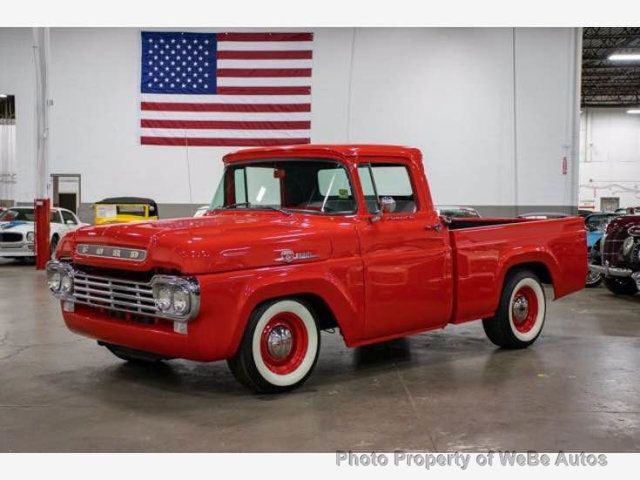
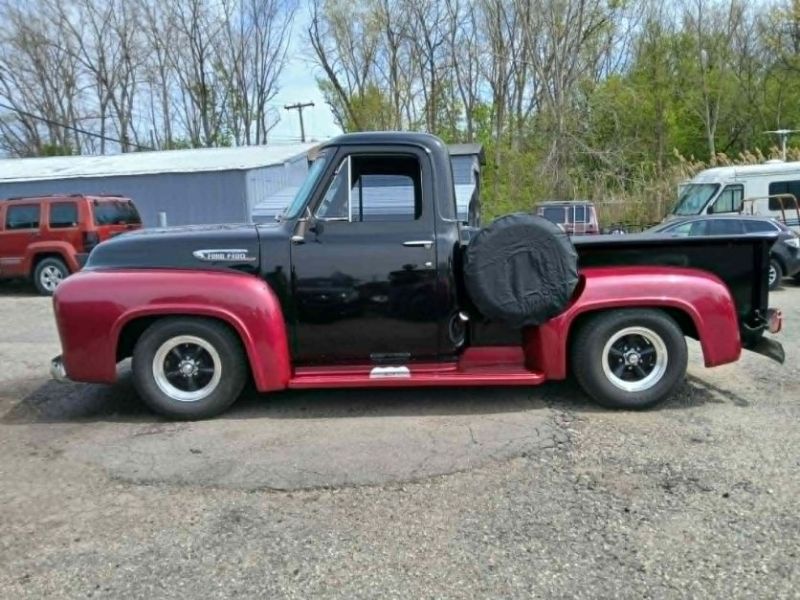
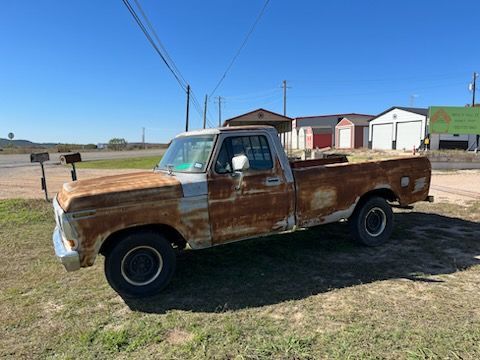
Park a numbers-matching 1966 F-100 next to a fully built restomod version of the same truck and watch what happens at a show. Half the crowd gravitates to the original, drawn to the patina and the honesty of a truck that has never been touched. The other half heads straight for the modern build, drawn to the idea of a truck that looks vintage but drives like something built last year. The original vs restomod f100 argument is not new, and it is not going away.
Car Features
6 min read
Original vs Restomod: The F-100 Debate
Originality versus drivability: why the debate over keeping a Ford F-100 stock or building it into a restomod still divides owners and collectors.
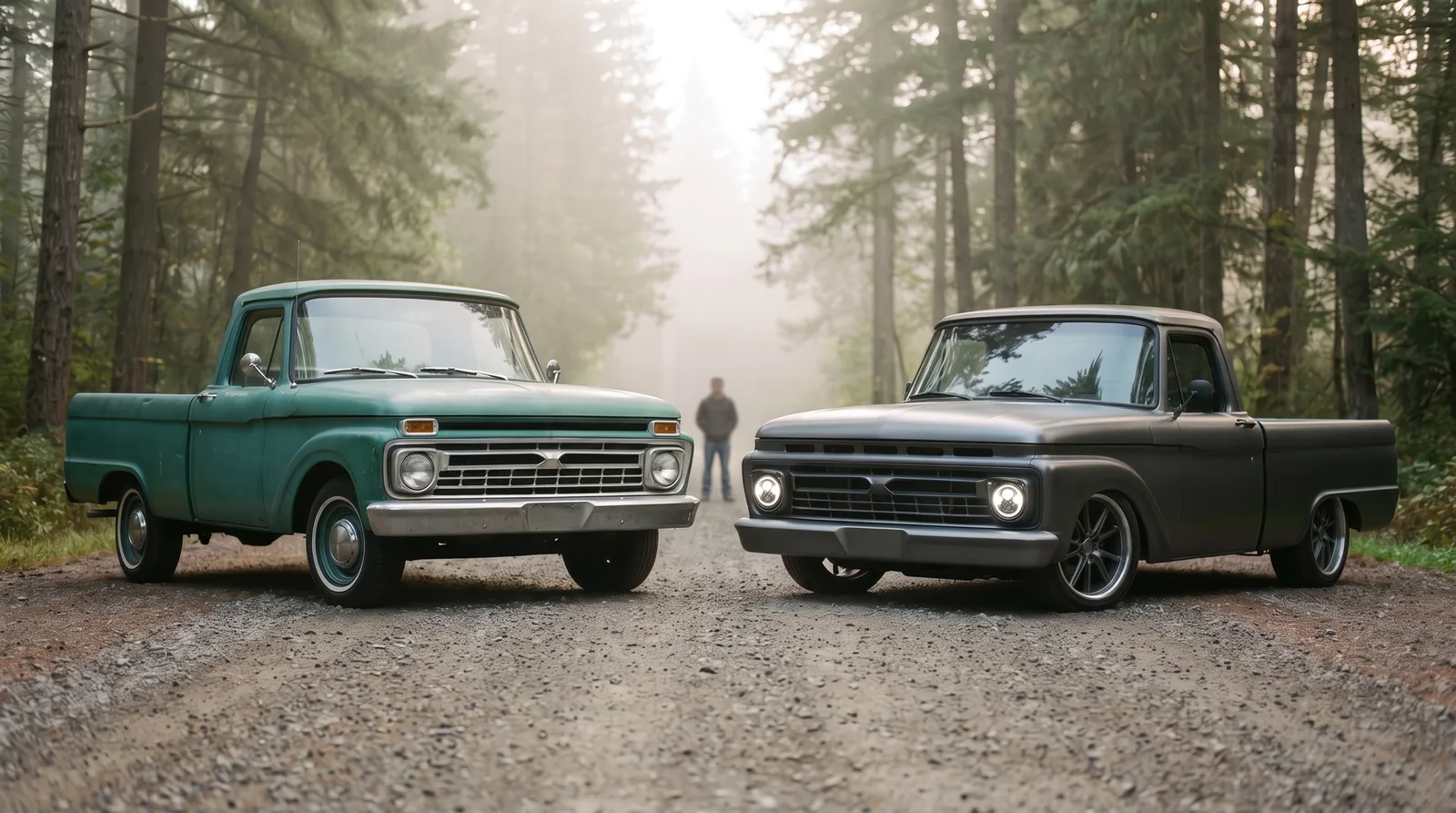
The case for keeping it original
An unmodified F-100, especially one with documented history and its factory drivetrain intact, carries a kind of value that no restomod can replicate. It is a snapshot, frozen at the moment it left the assembly line, and every mile and every worn surface tells part of a real story. Concours judges and serious collectors tend to favor originality precisely because it cannot be manufactured after the fact. Once a truck's factory engine is pulled and a modern drivetrain goes in, that piece of the truck's history is gone permanently, and no amount of skill in the swap changes that fact.
The case for going restomod
The counterargument is simple and practical: a stock F-100 from the 1950s or 1960s was not built to modern standards of braking, handling, or reliability, and asking someone to drive one daily in traffic built for cars with disc brakes and airbags is a genuine risk. A well-executed restomod solves that problem while keeping the truck's original character intact from the outside. Builders in this camp argue that a truck sitting untouched in a climate-controlled garage is not actually preserving history, it is just delaying the inevitable wear that comes from driving it. The full background on how this movement developed is covered in ford f100 restomod history, which traces the shift from early hot rod swaps to today's engineered chassis builds.
Value tells a mixed story
Auction results do not settle this argument either. A pristine, unrestored original F-100 with strong documentation can command a serious premium from collectors specifically chasing that originality. A high-quality restomod built by a respected shop can command an even higher price from buyers who want a usable truck first and a museum piece second. What actually depreciates fastest is the middle ground: a truck with a mediocre restoration and a half-hearted modern drivetrain swap that does neither job convincingly. Buyers consistently pay the least for trucks that tried to please both camps and satisfied neither.
"I used to think this was a debate you could win. It isn't. An original truck and a restomod are answering two different questions, and the only real mistake is pretending they're competing for the same job."
- Patrick Walsh
How to decide which side you're on
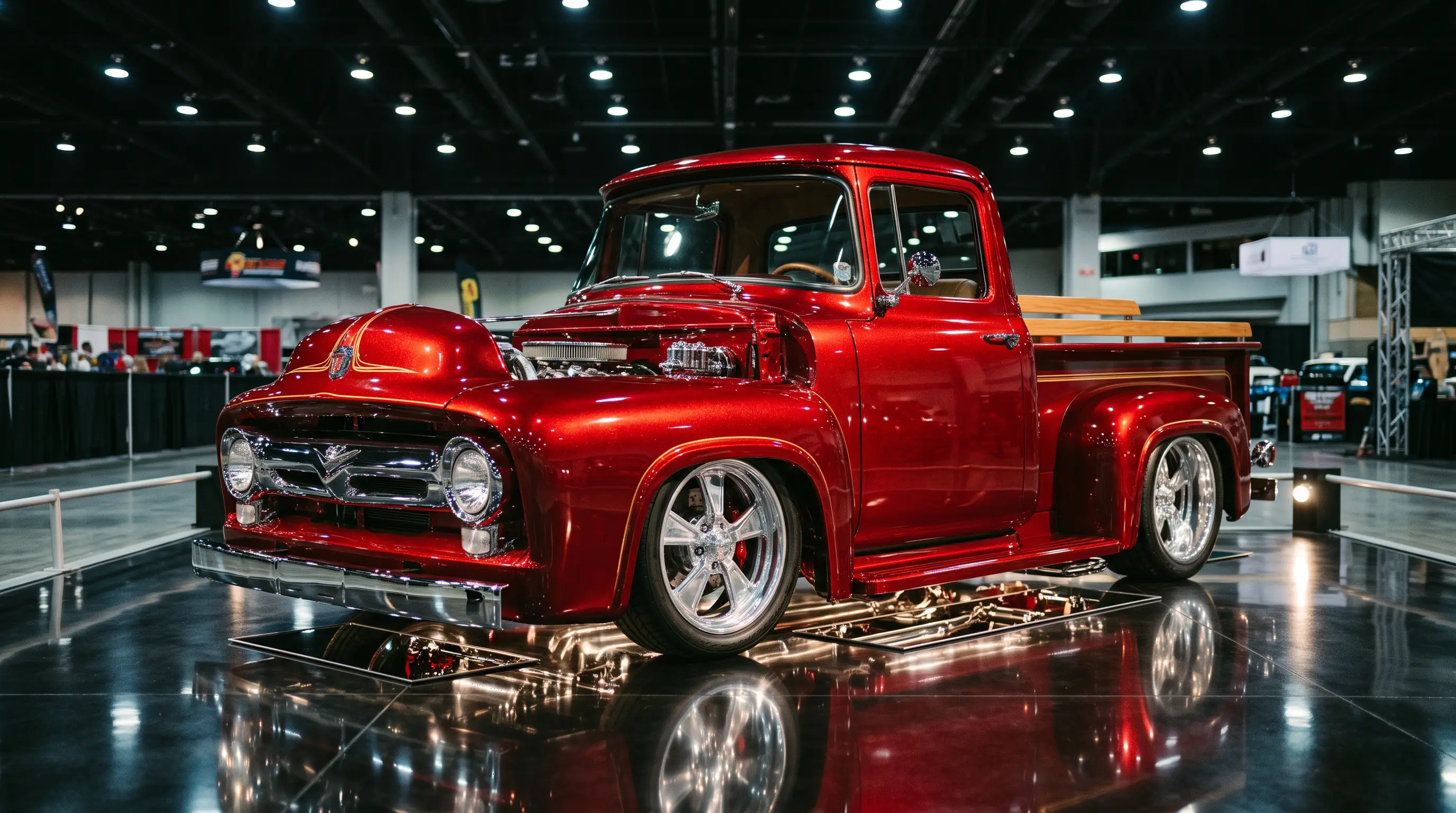
The honest way to approach this decision is to ask what the truck is actually for. A truck destined for concours judging or long-term investment almost always favors originality, since any modification chips away at the very thing that made it valuable. A truck meant to be driven regularly, taken on road trips, and used the way a truck was originally intended benefits enormously from modern brakes, suspension, and a reliable drivetrain. Neither answer is wrong, but pretending the two goals are compatible is usually where owners run into trouble and regret. For a look at how far the show side of this debate has pushed the format, a related story covers the trucks that have taken the restomod philosophy to its most polished extreme.
Parts availability tilts the decision over time
Original drivetrain parts for older F-100s have grown harder to source cleanly with every passing decade, and that scarcity quietly pushes some owners toward a restomod who never intended to modify the truck in the first place. A cracked factory head or a worn-out original transmission that once could be rebuilt with off-the-shelf parts now sometimes requires a search through swap meets and specialty suppliers, at a cost that can rival or exceed a modern drivetrain swap. This is not a decision most owners make lightly, and plenty stay committed to sourcing original parts no matter the cost or delay, but the calculation is genuinely different today than it was even twenty years ago, and it is part of why the restomod side of this argument keeps gaining ground. Specialty reproduction parts companies have filled some of that gap over the past decade, remanufacturing certain trim pieces and mechanical components, but the coverage is uneven, and plenty of original F-100 owners still spend as much time hunting swap meets as they do driving.
Insurance and financing treat the two differently
The practical differences between original and restomod F-100s extend well beyond the show field into paperwork most buyers do not think about until it is already a problem. Classic car insurers typically categorize an unmodified original under agreed-value policies built around documented originality, while a heavily modified restomod often requires a different kind of coverage that accounts for the custom parts and labor invested in the build. Getting this wrong can leave an owner underinsured after an accident, recovering only a fraction of what the truck actually cost to build. Financing follows a similar split, with some lenders far more comfortable underwriting a documented original than a one-off custom build with no direct comparable sales to reference.
The middle path some owners choose
Not every owner picks a hard side in this debate. A growing number of builds now aim for what some call a reversible restomod, where modern brakes and suspension go in using bolt-on or minimally invasive methods, and the original drivetrain and sheet metal stay untouched and stored. This approach tries to capture daily-driver usability without permanently erasing the truck's factory identity, though it usually comes with compromises on both sides. A reversible build rarely handles quite as well as a purpose-built pro-touring chassis, and it rarely satisfies a strict originality judge either, but for an owner who simply cannot choose, it offers a workable third option.
What this means for a buyer today
Shoppers entering the F-100 market need to be honest with themselves about which side of this line they actually fall on before they start looking. Someone who wants originality but buys a restomod out of impatience will regret the decision the first time a judge docks points for the modern drivetrain. Someone who wants a reliable daily driver but buys an untouched original will spend years chasing parts and nursing a truck that was never built for modern traffic. Anyone weighing both options seriously can look through F-100s for sale now to compare original and restomod examples side by side before committing to a direction.
Sources and notes
Related Reading
Have a
Ford F-100
for Sale?
Reach thousands of serious classic car collectors across the US.
Sell It Here →
Are You a Classic Car Dealer?
List your full inventory and connect with targeted classic car buyers.
Join as a Dealer →

About the author
Patrick Walsh
Automotive journalist covering classic car shows, events, and the enthusiast community across North America.
Related Listings - Ford F-100
Comments
Be the first to comment on this article.