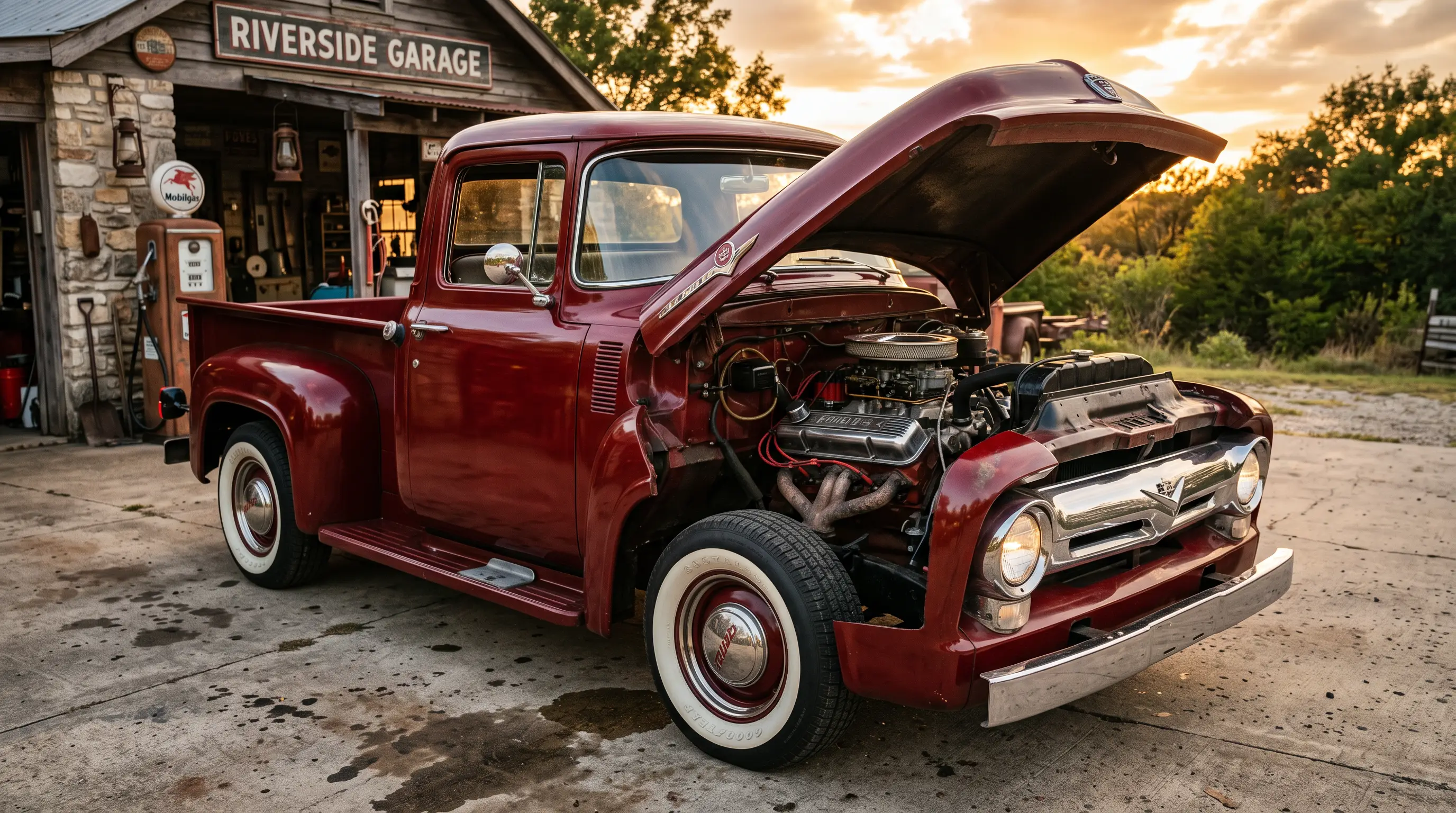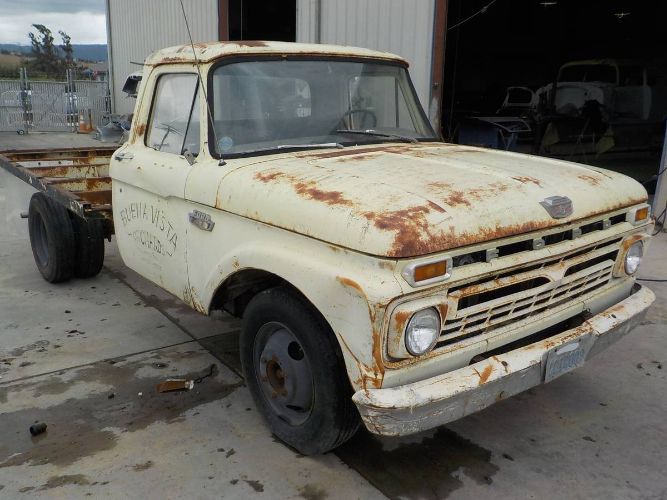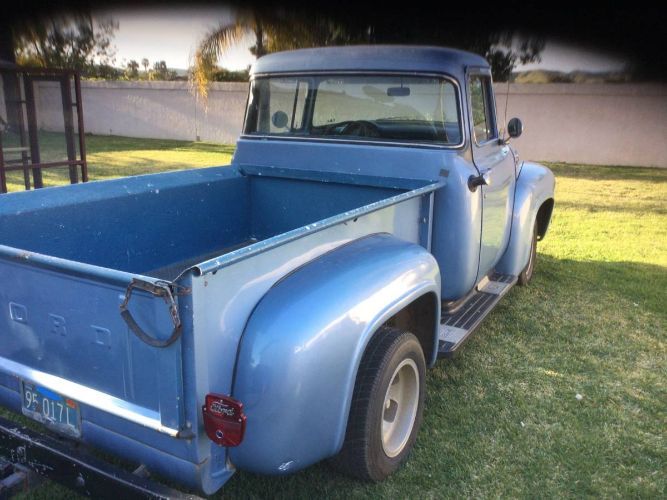
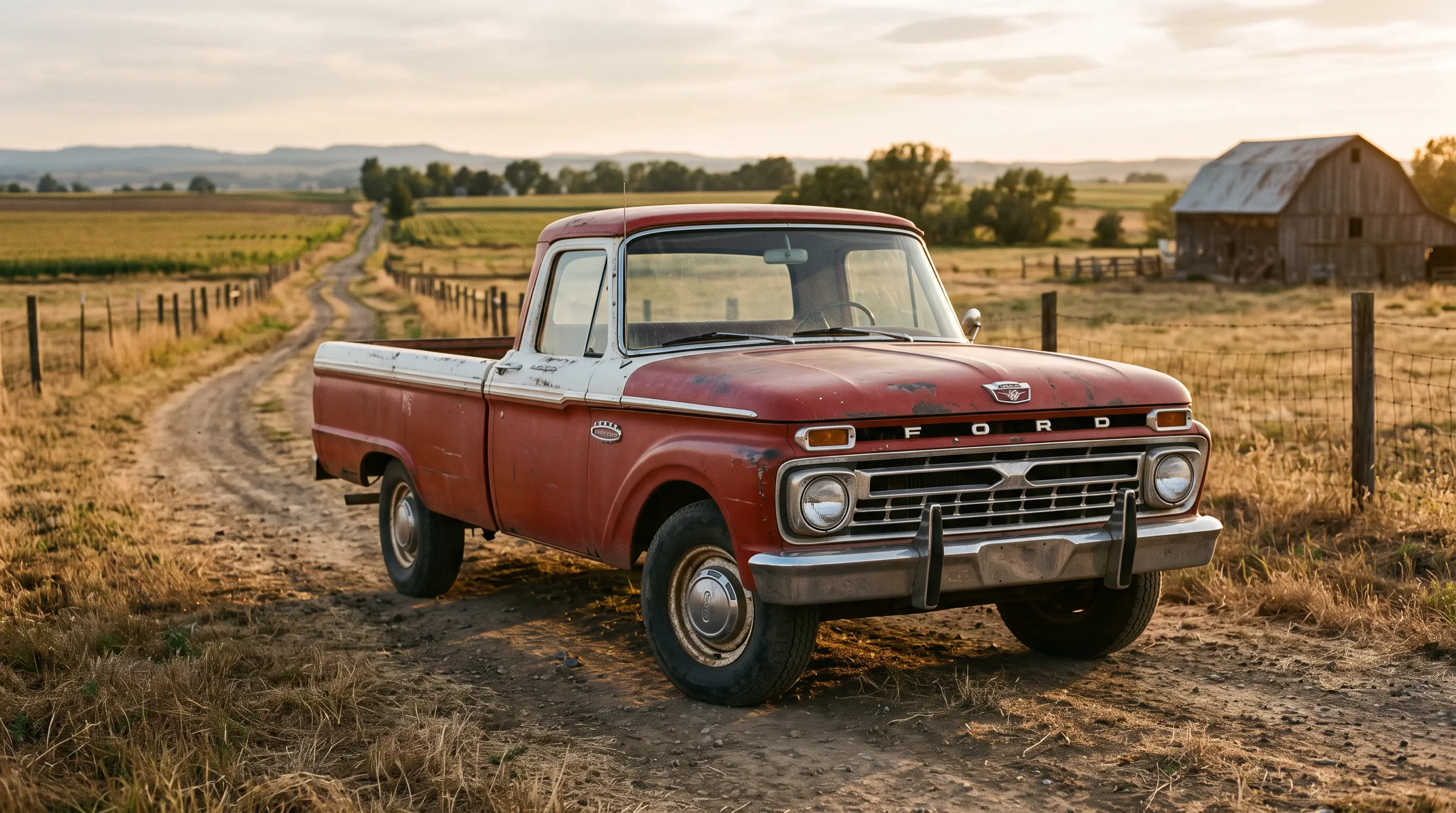
Ford sold engines with names, not just numbers, back when the F-100 was new. "Power King V8" was one of those names, a marketing badge Ford hung on its truck V8 lineup to sell buyers on capability rather than cubic inches. It worked. Dealers used it in showroom talk, brochures used it in headlines, and decades later collectors still repeat the phrase without always knowing exactly which engine it referred to or why Ford bothered branding it at all.
Why Ford branded an engine instead of just listing displacement
Buyers in the 1950s and 1960s were not engineers. Most of them did not know what 292 cubic inches meant in practical terms, and Ford's marketing department understood that a number on a spec sheet does not sell a truck the way a phrase does. "Power King V8" told a buyer everything they needed to know in three words: this engine has power, and it is the top choice available. That is the whole strategy. Simple message, aimed at a buyer who wanted reassurance more than data.
This was not unique to Ford. Every domestic manufacturer in this era gave its engines names buyers could repeat back to a salesman. Chevrolet did it. Chrysler did it. Ford did it with Power King, and the name stuck around in period advertising long enough that it became part of the truck's identity, at least for the buyers who remembered the showroom pitch.
| Marketing Era | Approach | Result |
|---|---|---|
| 1950s-1960s | Branded engine names in F-Series brochures | Buyers associated capability with the name, not the spec |
| Dealer showroom | Salesmen used the name as shorthand for "the strong one" | Simplified the buying decision for non-technical customers |
| Today | Collectors reference the name in period ads and literature | Adds context to original brochures and dealer materials |
What actually sat behind the badge
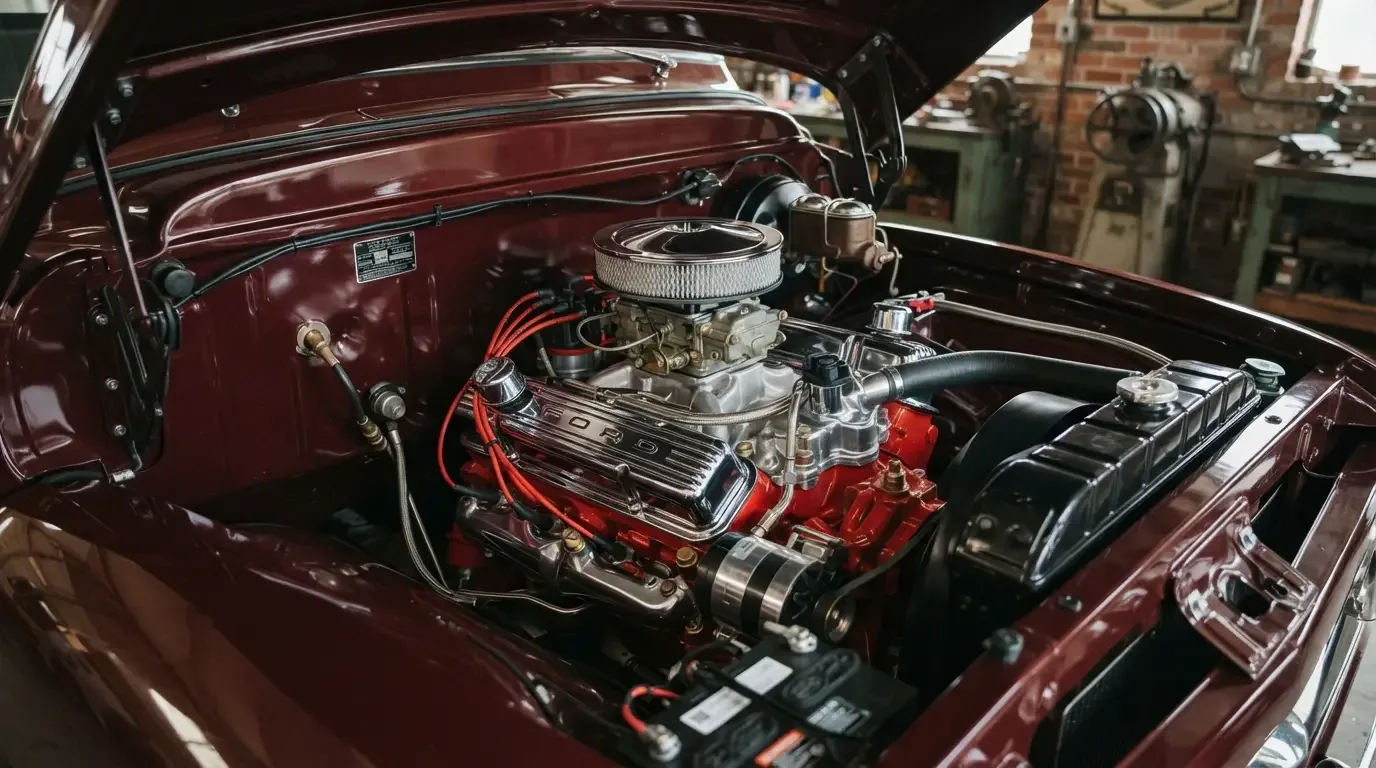
Strip the marketing away and Power King referred to Ford's 239 cubic inch overhead-valve Y-block V8, the engine that replaced the old flathead when Ford's F-Series got its own dedicated V8 in 1954. Ford's truck literature leaned on the Power King name through the mid-1950s to sell that engine as the strongest available option for buyers who needed more capability than the base six could deliver. It was not a unique engineering design built specifically for this marketing push. It was an existing V8 given a name that sold better than a cubic inch figure ever could. That is worth knowing because it means the mechanical reality of a Power King engine is the same as any other example of that displacement from the same production years. The name added nothing to the metal. It added everything to the sales pitch.
"People hear Power King and think it is some special factory tune. It is not. It is a name a copywriter came up with to make a spec sheet number sound like something worth buying. The engine underneath does exactly what the same engine did without the name on it."
- Dan Reeves
Why the name still matters to collectors
None of that makes the name irrelevant today. Original brochures, dealer signage, and period advertising that reference Power King are collectible in their own right, and a truck with documentation tying it back to that marketing era carries a bit more period authenticity than one without. Collectors chase paperwork almost as hard as they chase engines, and a Power King reference on an original build sheet or window sticker is exactly the kind of detail that separates a well-documented restoration from a guess.
The bottom line on marketing versus mechanics
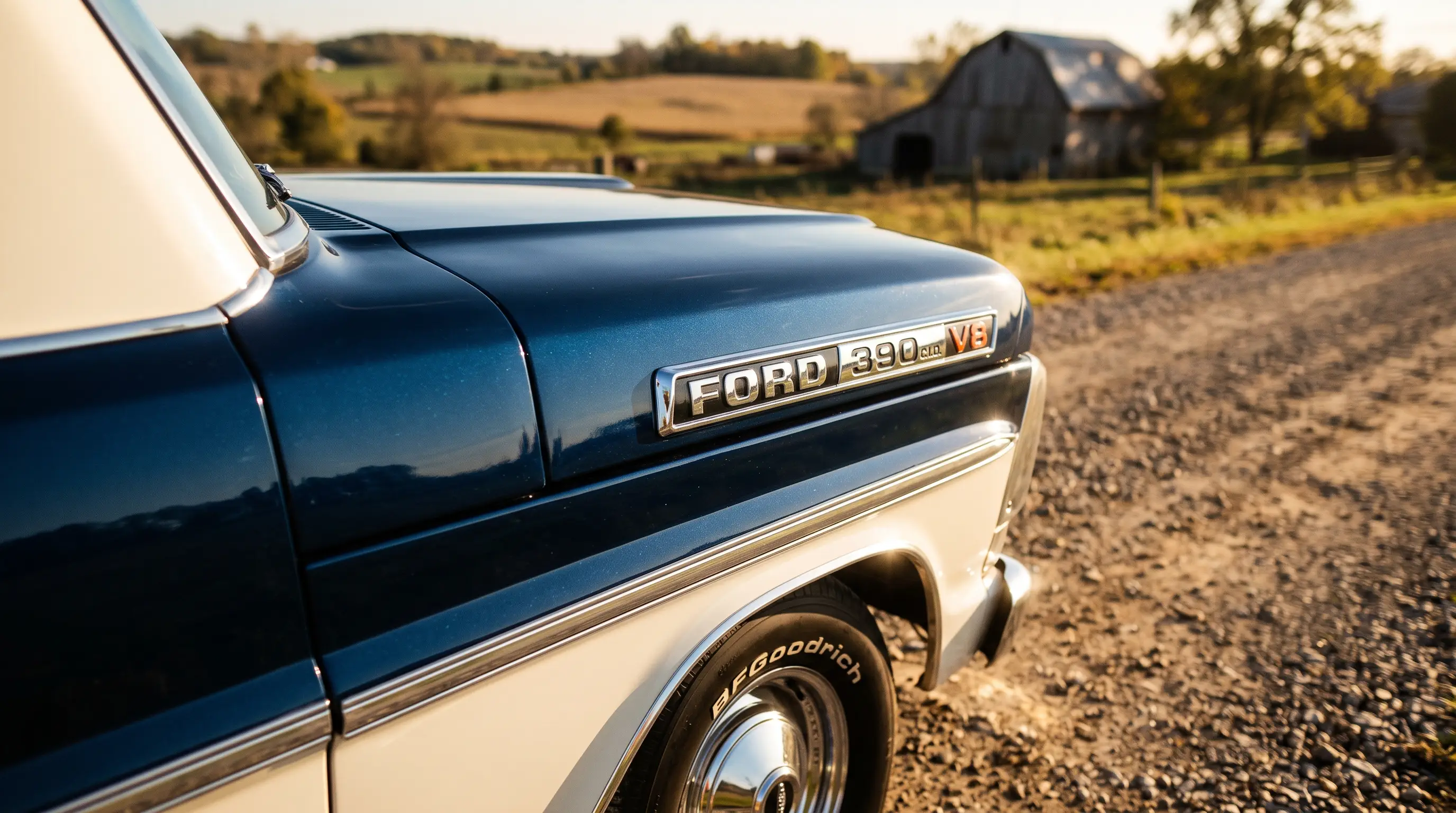
Do not let a marketing name change your evaluation of a truck. A Power King badge tells you something about how Ford sold the engine to a 1960s customer. It tells you nothing about the condition of the specific engine sitting in a specific truck today. That distinction gets lost sometimes in listings and forum posts, where the name gets treated like a performance package rather than what it actually was, a sales term applied to an otherwise ordinary production V8. Judge the engine on compression, on documented service history, and on how it runs, not on what the brochure called it sixty years ago.
For the complete picture of how this engine fit into Ford's broader lineup across the F-100's production run, the full story covers every option Ford offered, branded and unbranded alike, in one place.
Other names Ford tried on trucks in the same era
Power King was not the only branded name Ford used to sell F-Series capability during this stretch. Trim and equipment packages carried their own marketing names too, and the general pattern held across the whole truck lineup: engineering decisions got a friendly name attached before they reached a showroom floor. This was standard practice across the entire industry at the time, not a Ford-specific trick, and it reflects how mid-century American car and truck advertising worked in general. Names sold faster than numbers, so numbers got names.
What makes Power King worth a dedicated look, rather than a passing mention, is how often it still surfaces in period paperwork that collectors handle today. Original owner's manuals, dealer invoices, and print ads from the era used the phrase deliberately and repeatedly, which means anyone researching an F-100's history is likely to run into it eventually. Knowing what the phrase actually referred to, rather than guessing, saves a researcher from misreading a piece of period documentation as evidence of something more exotic than it actually was.
What this means for a buyer today
If a listing mentions Power King, treat it as a nice piece of period flavor and nothing more. Verify the engine the same way you would verify any other, through inspection and documentation rather than a name in the ad copy. The trucks worth buying are the ones with an engine in good mechanical condition and a clear history, regardless of what Ford's marketing team called it when it was new. Buyers who want to see what is actually out there right now should go look at classic F-100 for sale listings and judge each truck on its own merits.
It is worth remembering that marketing names like this one were designed to be memorable, not precise, and that is exactly why they still show up in casual conversation about these trucks decades after the campaigns that created them ended. A phrase built to stick in a customer's head does its job well beyond the original sales pitch, which is a big part of why collectors keep repeating it even after the original context has faded from common knowledge. Understanding where the phrase came from does not diminish the truck. It just puts the badge, the brochure, and the engine itself in their proper places, each telling a different part of the same story rather than one single, tidy fact.
The lesson generalizes beyond this one name. Any classic truck hobby accumulates its share of period marketing language that outlives the marketing itself, and separating the sales pitch from the engineering reality is a skill worth applying across the board, not just to this one engine.