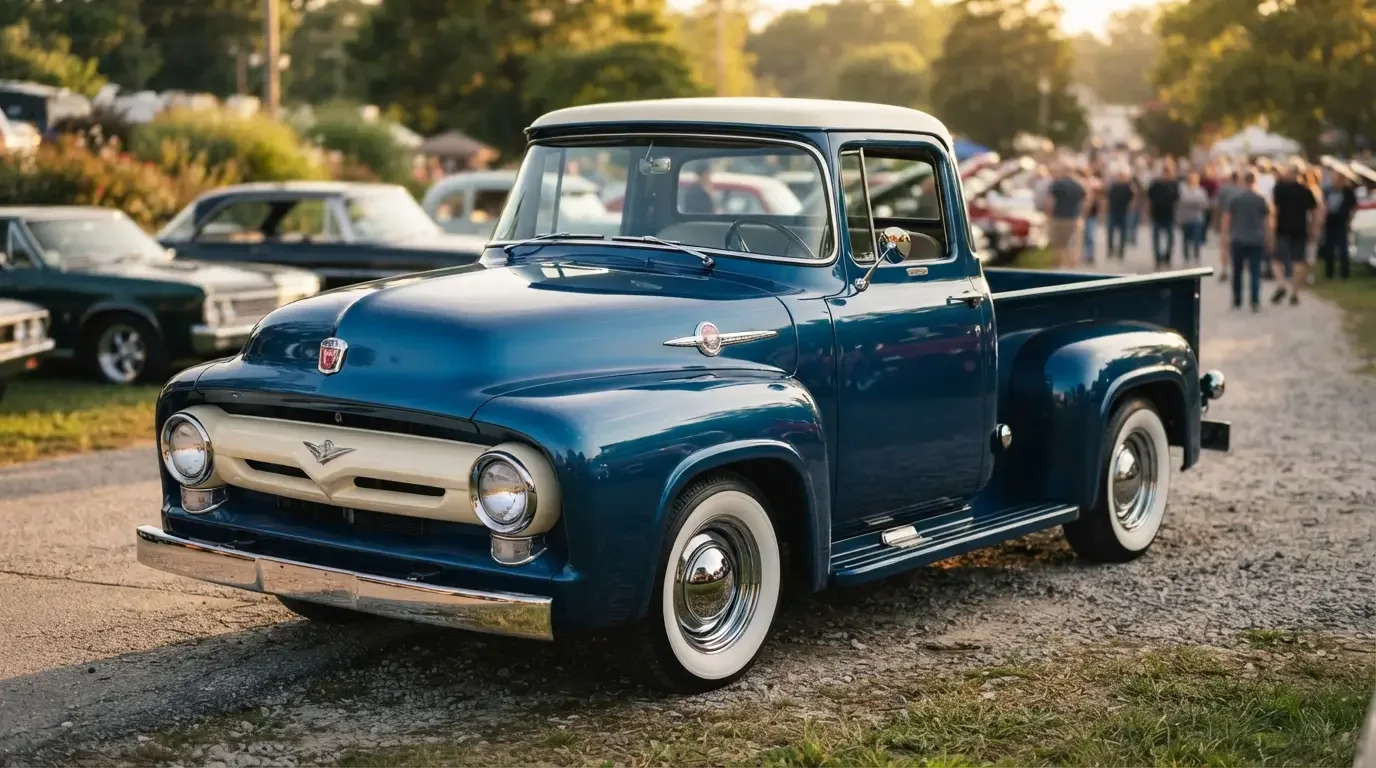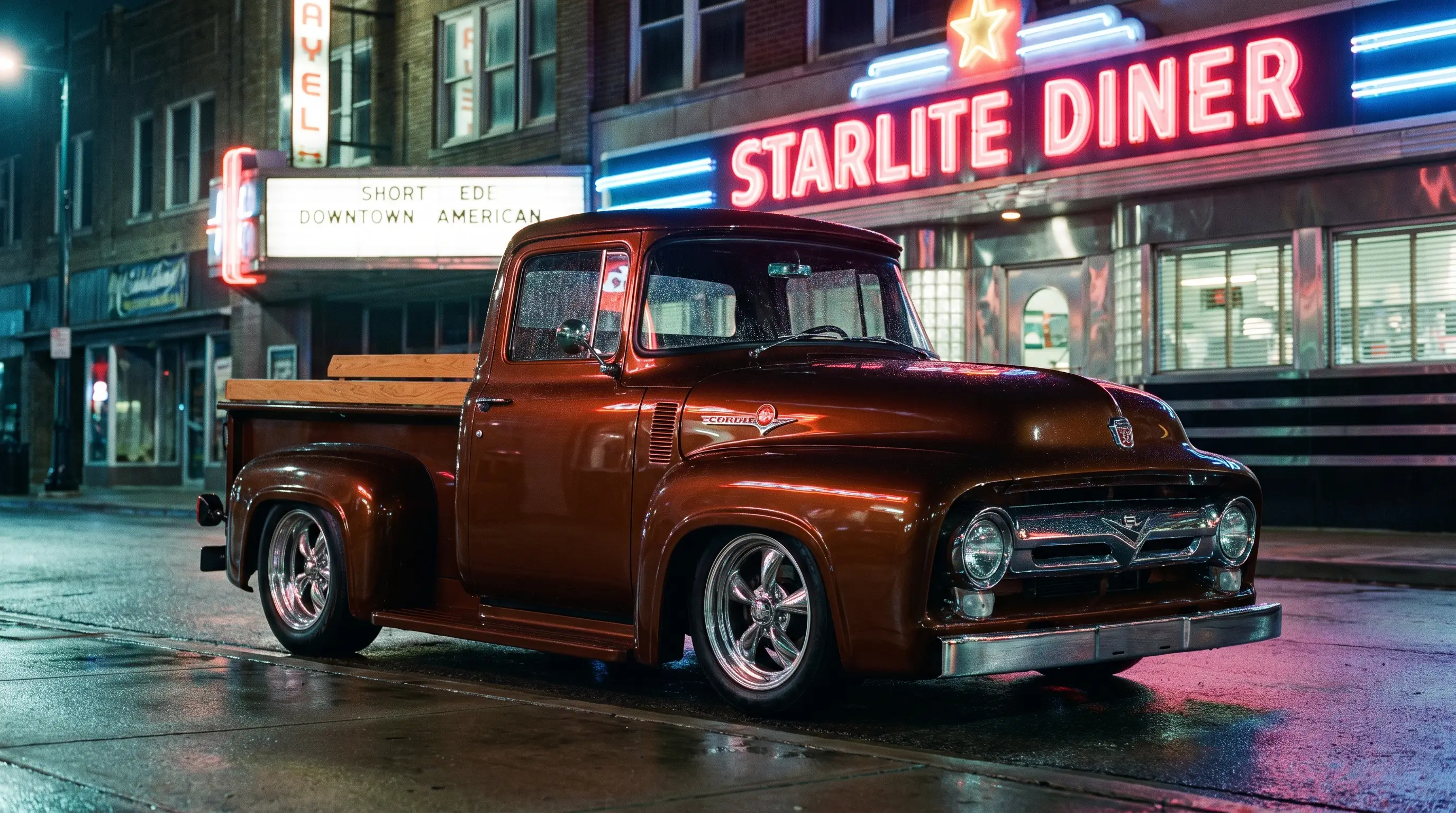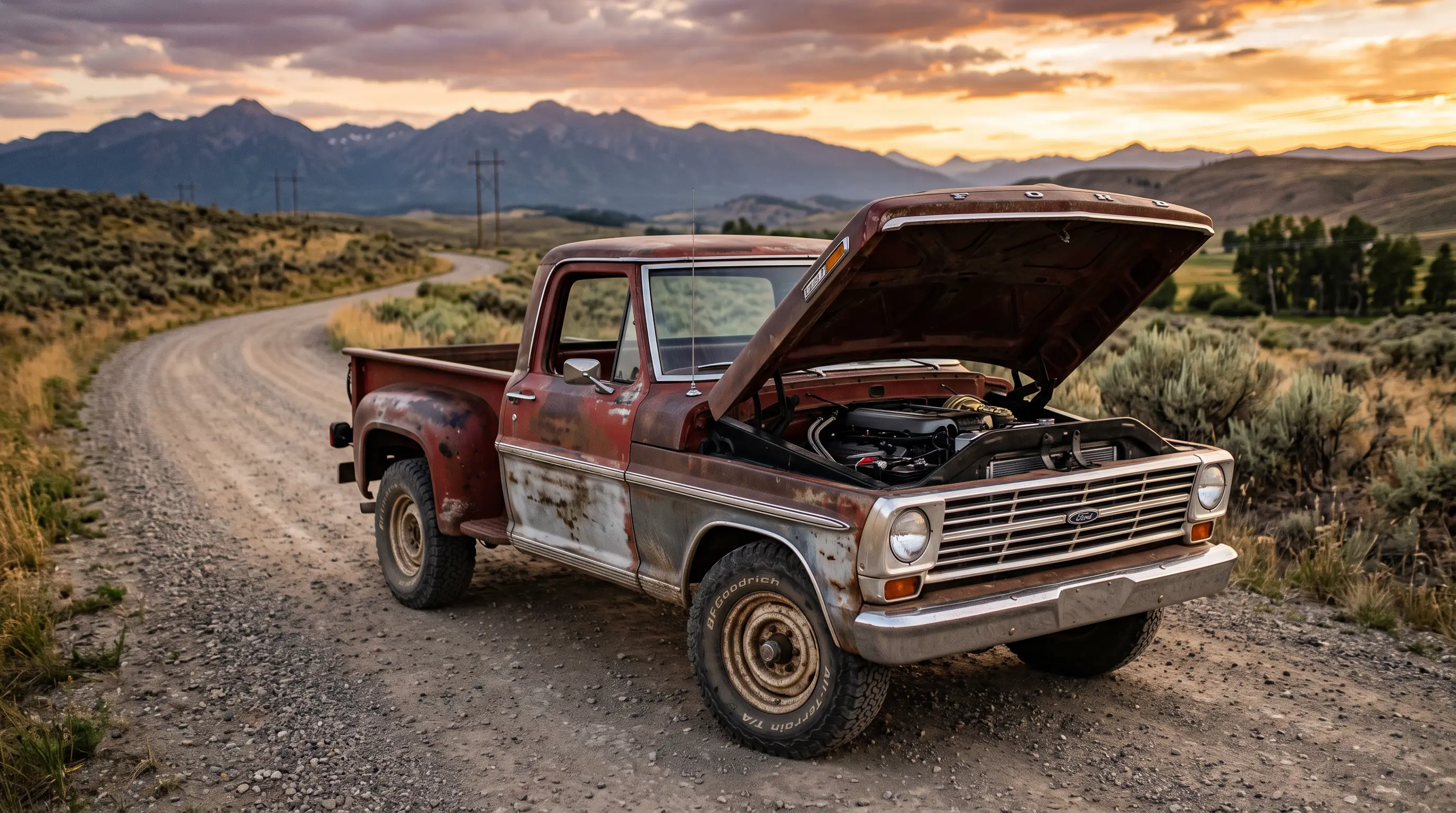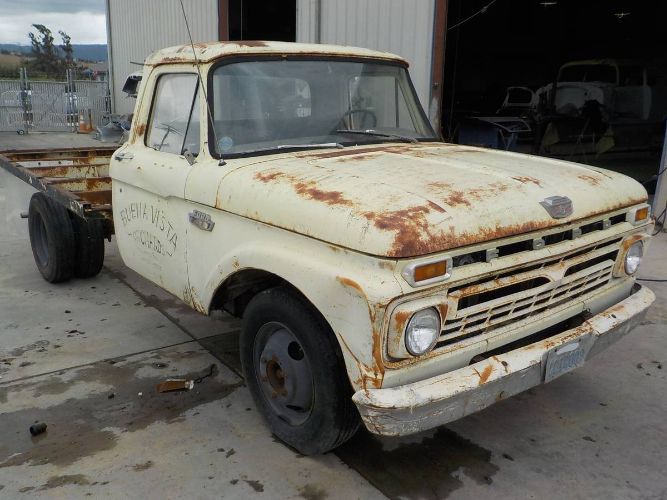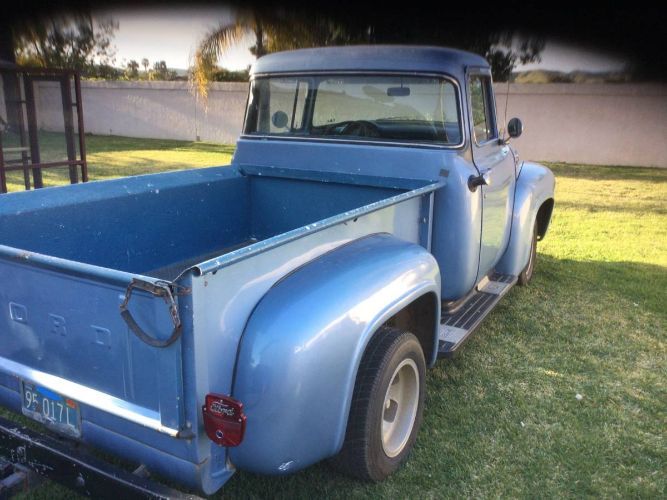
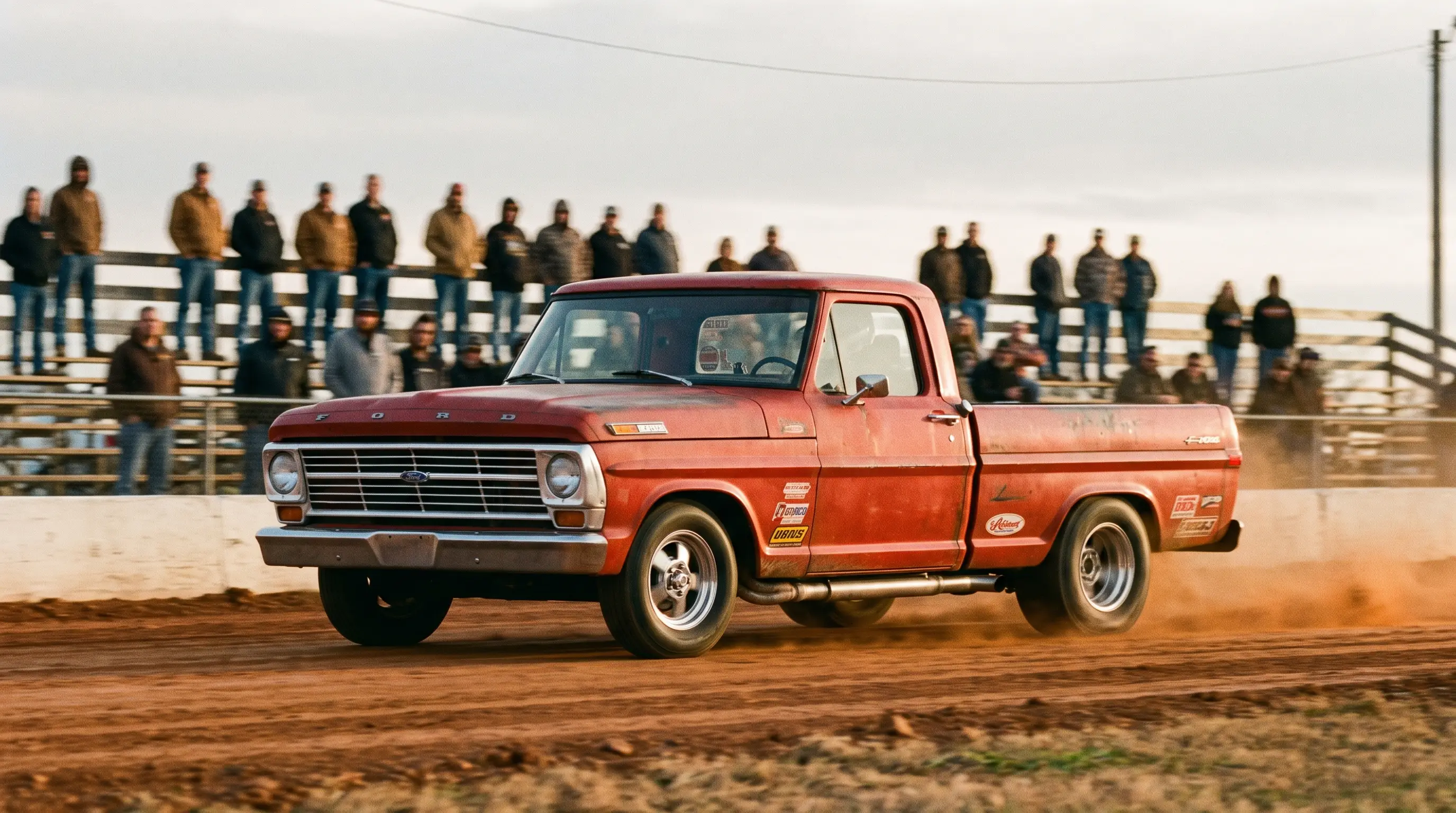
Mention ford f100 racing to most people and you get a blank look, because this truck built its reputation as a farm and job-site workhorse, not a track weapon. But spend a few years around old-timers at truck club meetings, the way I have, and you start hearing a different story, one that never made the magazine covers but shaped the platform's culture just as much as any styling change ever did.
The drag strip guys nobody wrote about
Back when these trucks were just used vehicles rather than collector pieces, plenty of young guys with a Y-block under the hood and a Saturday night free found their way to local drag strips. Nothing sanctioned, nothing that made it into the record books most of the time, just a truck class or an informal run against whatever else showed up that week. I have talked to old club members who swear their granddad's work truck ran quicker than half the "real" cars at the local strip, and while I cannot verify every one of those stories with a timeslip, the pattern shows up too often across too many regions to dismiss entirely.
What those stories tell you, even without hard numbers behind every one of them, is that these trucks were never treated as delicate machinery by the people who actually drove them new. They were driven hard, raced informally, and worked hard the rest of the week, and that dual life is part of why so many survivors carry the scars and stories that make today's restorations so meaningful to the people doing them.
What Ford's factory actually supported
Ford's official motorsports attention during this era went overwhelmingly toward its passenger cars and, later, its purpose-built performance models, not its half-ton trucks. That is a fair and accurate statement, and I will not pretend otherwise just to make the truck sound more glamorous than the historical record supports. But the engines under the hood of these trucks were frequently shared with or closely related to engines Ford was developing and refining for its passenger car performance programs, which means the F-100 benefited indirectly from engineering work that had racing applications elsewhere in Ford's lineup, even without a dedicated factory racing budget of its own.
The engines tell part of the story
The Y-block V8 and later engine options that found their way into F-100 trucks were not developed in a vacuum separate from Ford's broader performance ambitions. Improvements made for passenger car applications, better breathing, stronger internals, more aggressive camshaft profiles available through the parts counter, eventually trickled down into what a determined truck owner could build with parts sitting on a shelf at the local Ford dealer. That accessibility mattered enormously to the grassroots racing scene, because it meant a guy with a truck and a modest budget could build real performance without fabricating anything exotic.
"Nobody at the factory was building these trucks to race. But the guys who owned them figured out pretty quick what the engine could do if you left the factory tune alone."
- Wayne Coburn
How that heritage shaped today's custom scene
The modern F-100 custom and restomod movement did not invent the idea of pushing these trucks for performance. It picked up a thread that grassroots owners had been pulling on for decades already, just with modern engines, modern suspension geometry and a much bigger budget than a Saturday-night racer ever had access to. Talk to builders doing serious performance-oriented F-100 restomods today and plenty of them will tell you their inspiration traces back to a grandfather's stories or an old photograph of a truck lined up at a small-town strip, not a factory brochure. That continuity between the grassroots past and the well-funded present is part of what gives the custom scene its legitimacy within the broader hobby, rather than reading as an entirely modern invention grafted onto an old body.
Why this part of the story deserves attention
The F-100's collector reputation today rests heavily on styling, rarity and documented originality, all subjects worth their own deep coverage elsewhere. But the truck's informal racing heritage is a real and underappreciated thread in that larger story, one that connects the working-class origins of these trucks directly to the performance-focused custom builds that dominate today's show fields. For the broader account of how the F-100 traveled from job-site tool to collector icon, the whole picture covers that transformation in full, and the racing culture discussed here is one piece of a much larger puzzle.
Owners and enthusiasts who want to see how this heritage translates into today's market, whether shopping for a stock survivor or a performance-built custom, can find a classic F-100 and see how many still carry a little of that old drag strip spirit under the hood, whether the seller mentions it or not.
Stories that never made it into a record book
Part of what makes this side of the F-100's history worth preserving is exactly how undocumented most of it is. Nobody was filing paperwork on a Tuesday night grudge match between two work trucks outside a small-town diner. Those stories live only in the memories of the people who were there, and every year fewer of those people are around to tell them firsthand. Club meetings and gatherings where old-timers still swap these stories are becoming one of the last places this specific piece of F-100 culture survives in any form, which is one more reason it is worth writing down while there are still people around to correct the details.
I make a point now of asking every older club member I meet whether they or anyone in their family raced one of these trucks back when it was just a truck rather than a collector piece. More often than I expected, the answer is yes, followed by a specific memory involving a particular stretch of road, a particular rival, and usually a particular outcome that has grown a little more favorable with each retelling over the decades. I do not correct those stories for accuracy, because the exaggeration is part of the tradition at this point. What matters is that the truck earned that place in someone's memory in the first place, hauling lumber on Monday and running against the neighbor's car on Friday night, and that dual identity is exactly what separates this platform's history from a truck that only ever did one job.
Preserving those accounts, exaggerated details and all, has become something club newsletters and local historical societies take more seriously than they used to, precisely because the people who lived through it are getting harder to find every year a show or reunion goes by. That is reason enough to keep asking the question at every gathering, before the answer disappears along with the person who remembers it.