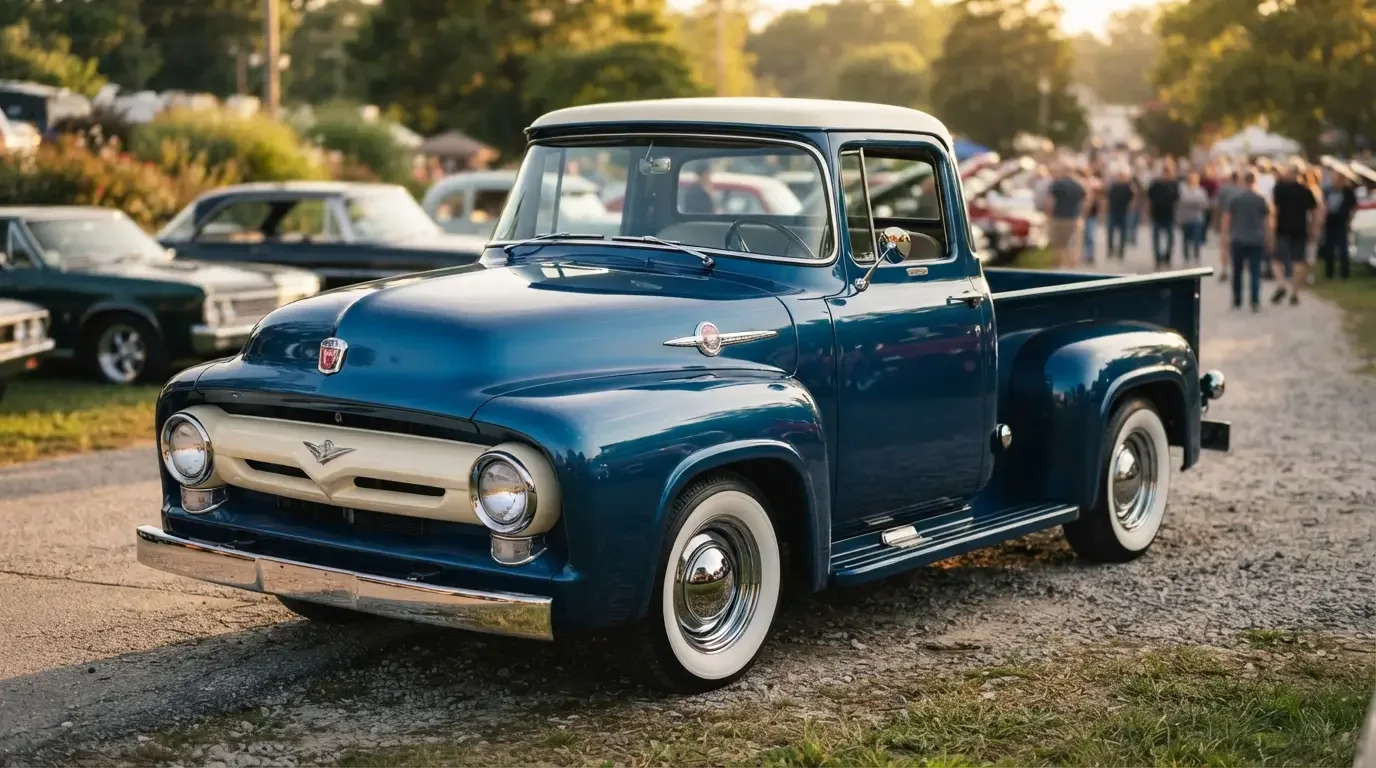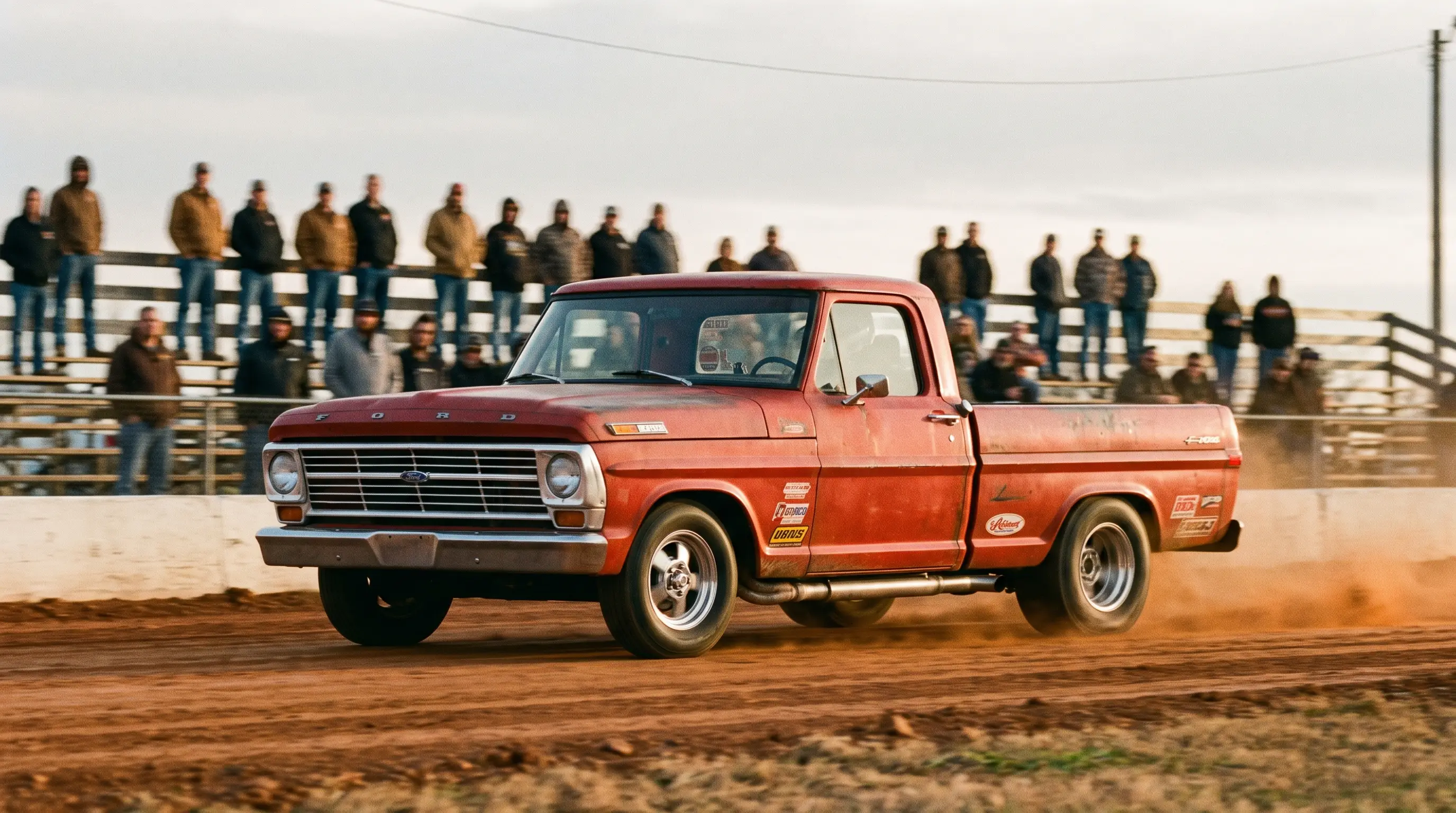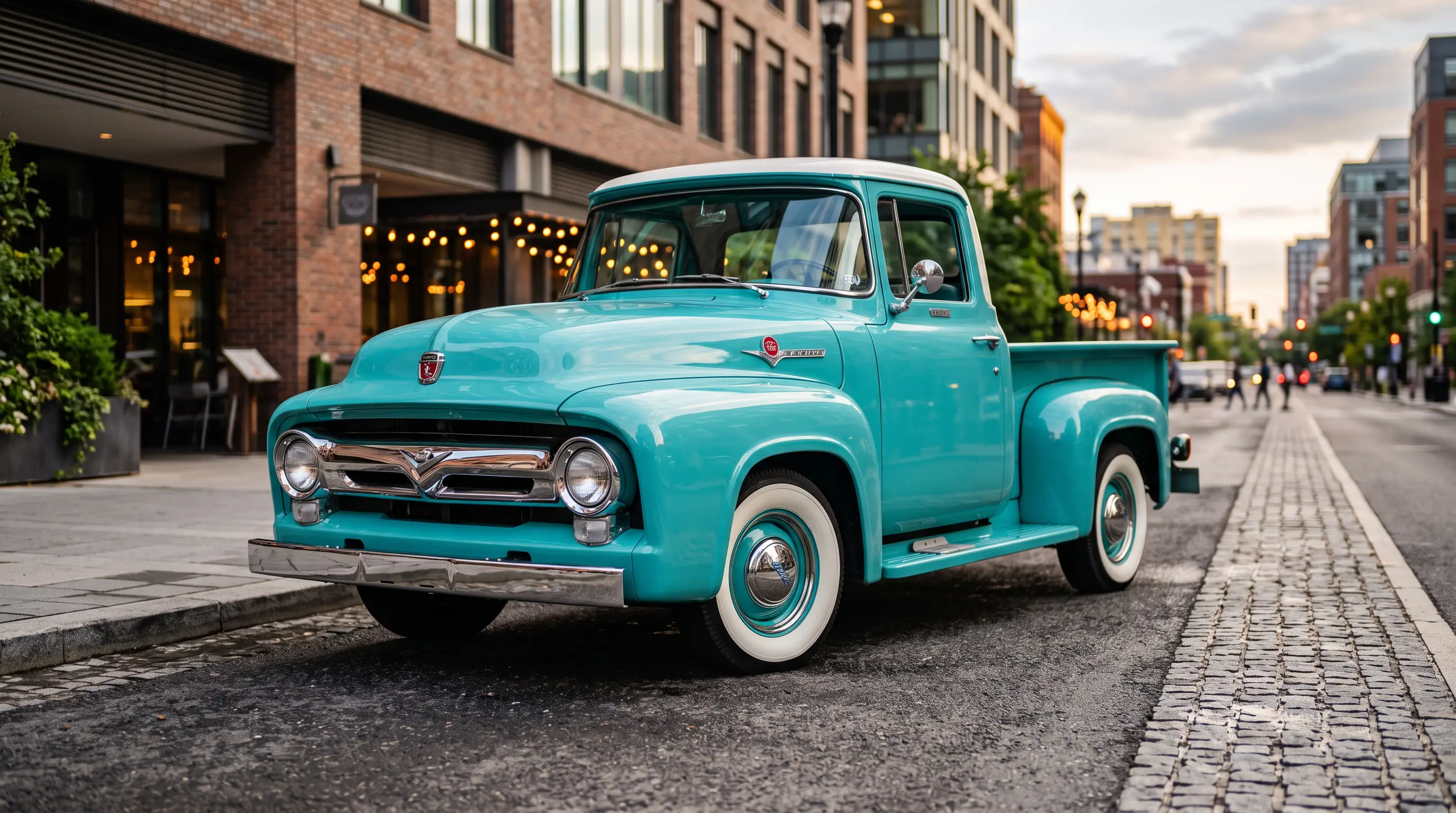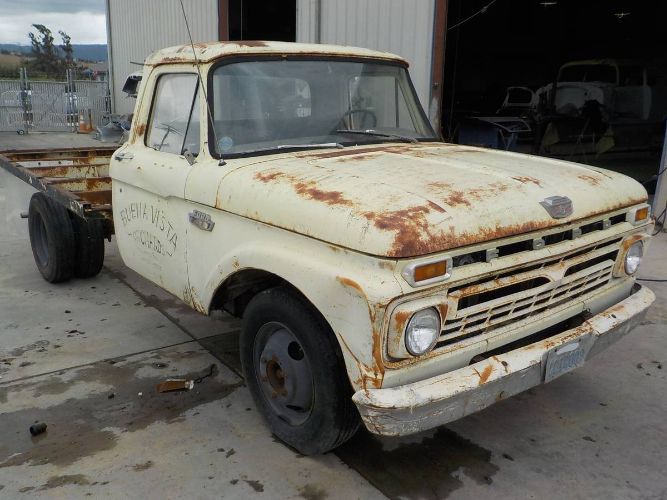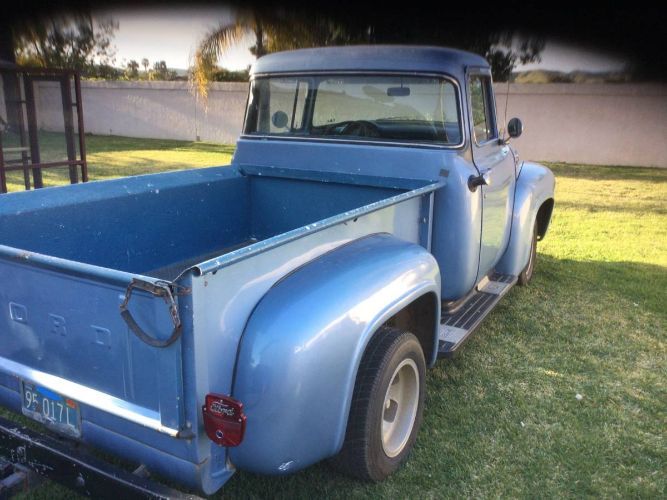
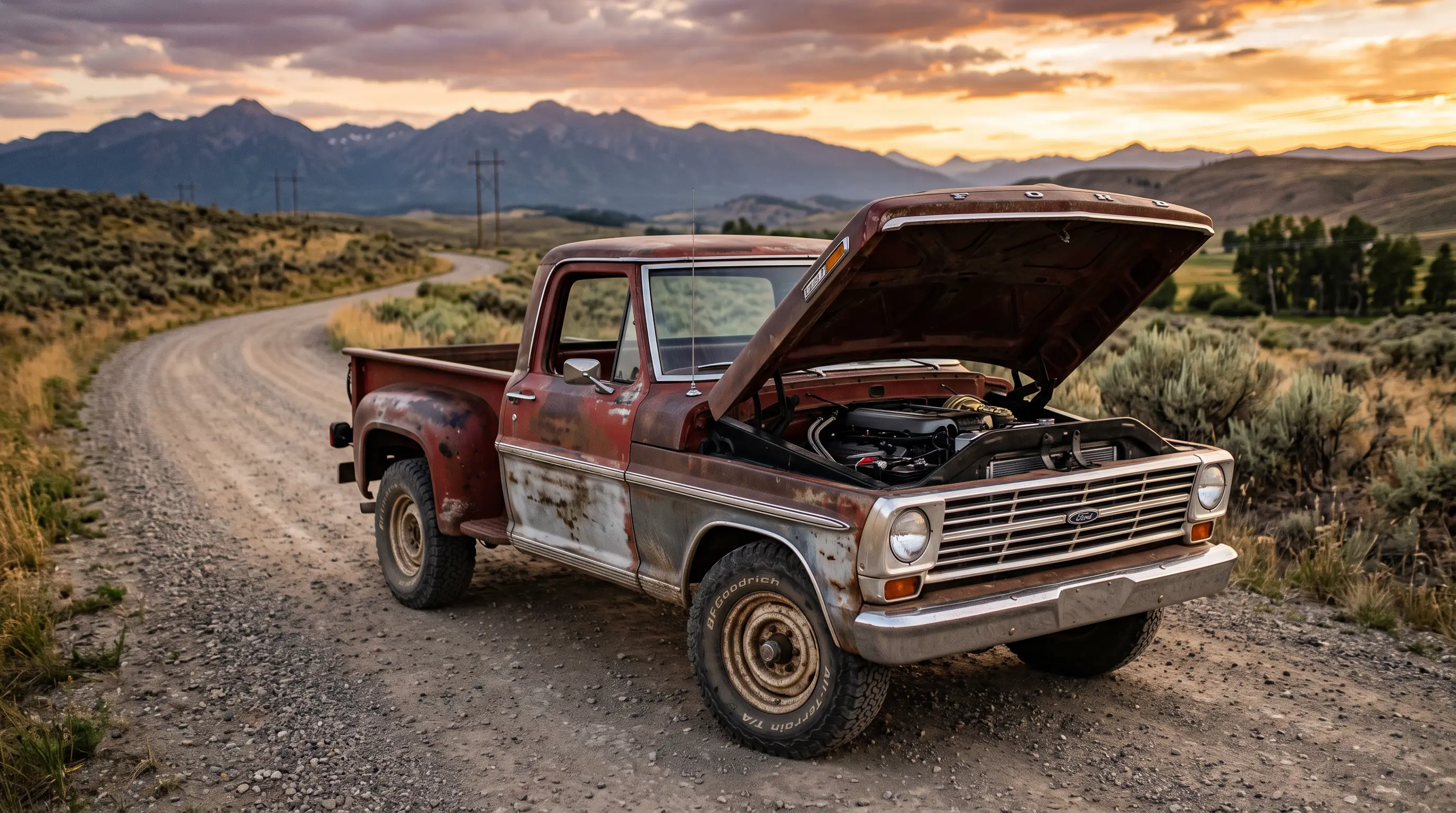
I get customers in the shop who bring in a perfectly rusty ford f100 patina trend truck and ask me not to touch the finish, just fix the mechanicals underneath. Ten years ago that request would have gotten a confused look from most restorers. Today it is common enough that I do not blink, and understanding why says something real about how this hobby has changed.
What patina actually means to the people chasing it
A patina truck is not just an unrestored one. There is a difference, and it matters. An unrestored truck is simply a survivor nobody has gotten around to fixing, faded paint and surface rust and all, sitting there because of neglect or lack of budget. A patina build is deliberate. Owners preserve or even enhance that worn look on purpose, sometimes clear-coating original faded paint to lock in the exact fade rather than repainting over it, all while putting serious money into the mechanical side underneath. The exterior says "barn find." The drivetrain, brakes, and suspension underneath say something closer to "built right."
That combination confuses people who grew up thinking a restoration meant making a truck look factory-new again. Patina builds flip that goal on its head. The truck is supposed to look like it survived decades of hard use, while actually being safer and more capable to drive than it ever was when new.
Why this became a thing in the first place
Part of the appeal is cost. A show-quality repaint on a full-size truck runs real money, easily rivaling or exceeding what a lot of buyers are willing to spend, and a patina build sidesteps that expense entirely while still requiring the owner to put money and effort into the truck. But cost alone does not explain the whole trend, because plenty of owners chasing patina could afford a repaint and choose not to do one anyway.
The bigger draw is authenticity, or at least the appearance of it. A patina truck reads as honest in a way a fresh, glossy repaint does not always manage. It looks like it has a story, even if that story is partly manufactured through deliberate preservation techniques. In a hobby that increasingly values documented history and honest condition over showroom perfection, a truck that visibly wears its age has a kind of credibility that a repainted truck has to work harder to establish.
The mechanical work underneath does not get enough credit
What frustrates me most about how patina trucks get discussed online is how little attention goes to the actual work happening under that rough exterior. I have built patina trucks with fully rebuilt drivetrains, modern brake upgrades, and suspension work that would make the original engineers jealous, all hidden under a finish that looks like it has not seen a wrench in forty years. That contrast is the whole point of a well-executed patina build, but it also means the owner is putting in just as much mechanical effort and expense as someone chasing a full concours restoration. The visible payoff just looks completely different.
"People assume patina means lazy. I have put more hours into some of these builds than a full repaint would have taken, because getting the mechanicals right while leaving the surface alone is its own kind of hard."
- Mike Sullivan
Where the concours crowd and the patina crowd disagree
Not everyone in the hobby is on board with this trend, and I understand the pushback even when I do not fully share it. Serious concours collectors argue that patina builds muddy the historical record, since a deliberately preserved or enhanced worn finish is not the same thing as genuine, unaltered survivor condition, but it can be hard for an outside buyer to tell the difference without asking direct questions. That is a fair concern, and buyers shopping specifically for a true, untouched survivor should ask pointed questions about whether a truck's finish has been treated or preserved in any way rather than assuming "patina" automatically means "original and untouched."
My own view sits somewhere in the middle. I do not think a well-documented patina build hurts the hobby, as long as the owner is honest about what has and has not been done to the truck. The problem only shows up when a seller blurs that line deliberately to pass off a treated finish as untouched originality to a buyer who specifically wanted the real thing.
Should you build one yourself
If the look appeals to you and you go in with clear eyes about what you are actually buying, a patina build can be a genuinely satisfying project. It tends to cost less upfront on the cosmetic side, though that savings should get redirected into the mechanical work rather than pocketed, since a patina truck still needs to be safe and reliable underneath whatever it looks like on top. Just be upfront with future buyers about what has been done to the finish if you ever decide to sell, because that honesty is exactly what keeps this whole trend credible within the hobby rather than becoming a shortcut for passing off a rough truck as something it is not.
For readers curious about how the F-100 built the kind of cultural following that supports a trend like this in the first place, where this started traces that history from the ground up. And for anyone looking to find a truck with good bones to build a patina project of their own, it is worth taking time to shop classic F-100 listings and look past the surface to what condition actually lies underneath.
What I tell customers before they commit
Every customer who walks in wanting a patina build gets the same conversation from me before we start any actual work. I ask them straight out whether they are chasing a look or chasing a specific truck's actual story. Those are two different projects, even though they can end up looking similar from the outside. A truck with genuine, honest wear from decades of real use tells a story that cannot be faked, and preserving that is a different job than starting with a rougher donor truck and building a patina finish on it deliberately. Both are legitimate approaches. Confusing the two, or letting a future buyer assume one when the truck is actually the other, is where this trend gets a bad name.
I also tell them to budget realistically. A patina build is not automatically the cheap option just because there is no paint bill at the end of it. Rust needs to be stabilized properly before any clear coat goes over original finish, or the whole project fails within a couple of years as the corrosion continues to spread underneath a layer that was only ever meant to preserve, not repair. Skipping that step to save money is the single most common mistake I see customers make, and it is the one that costs the most to fix later once the damage has spread further than it needed to.