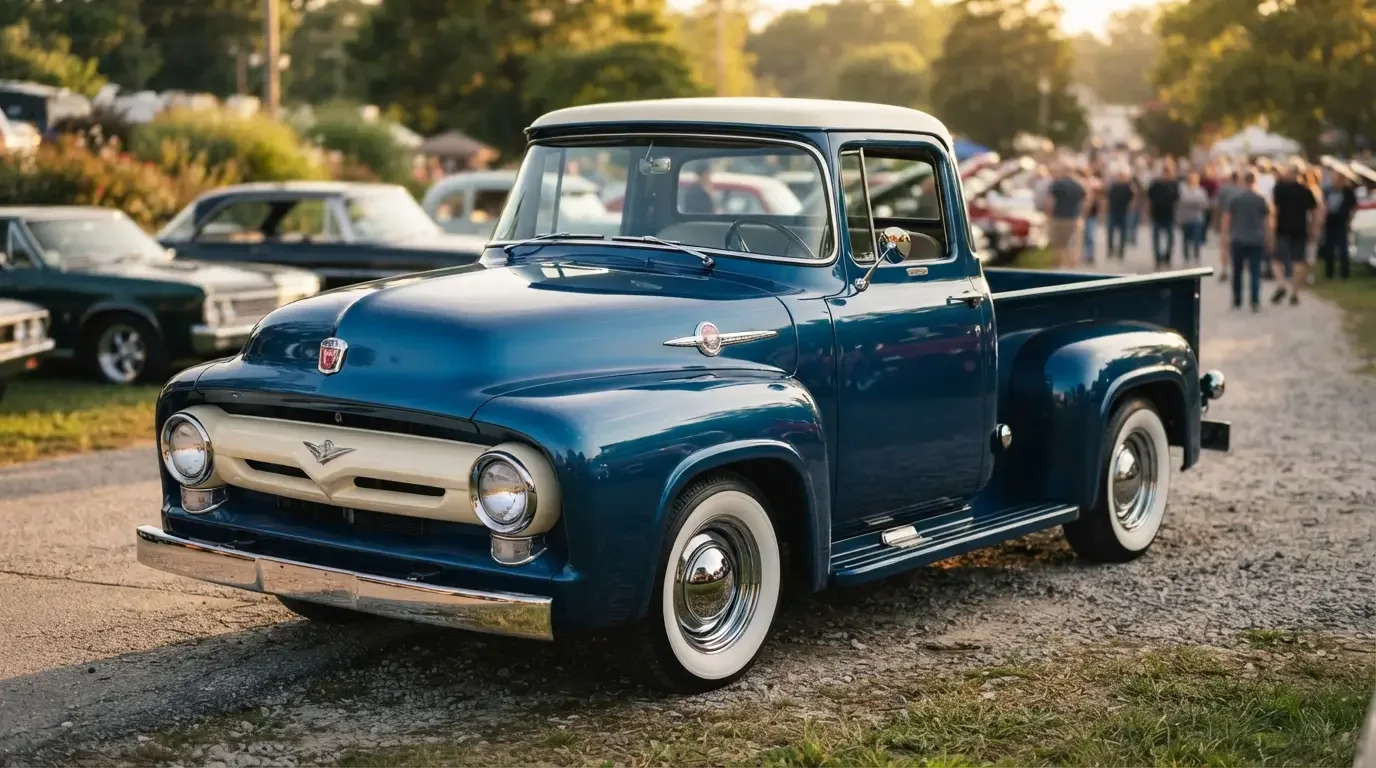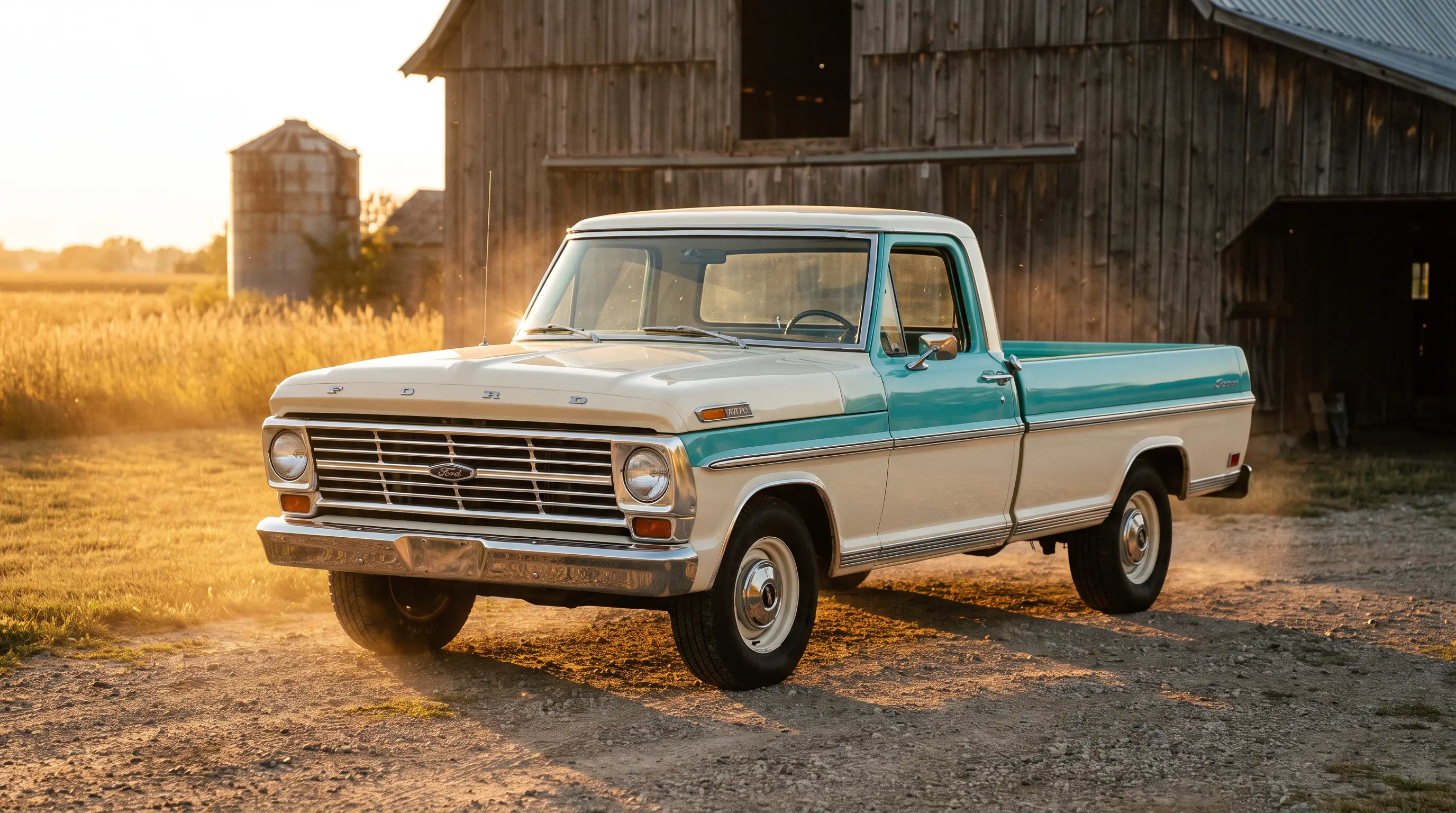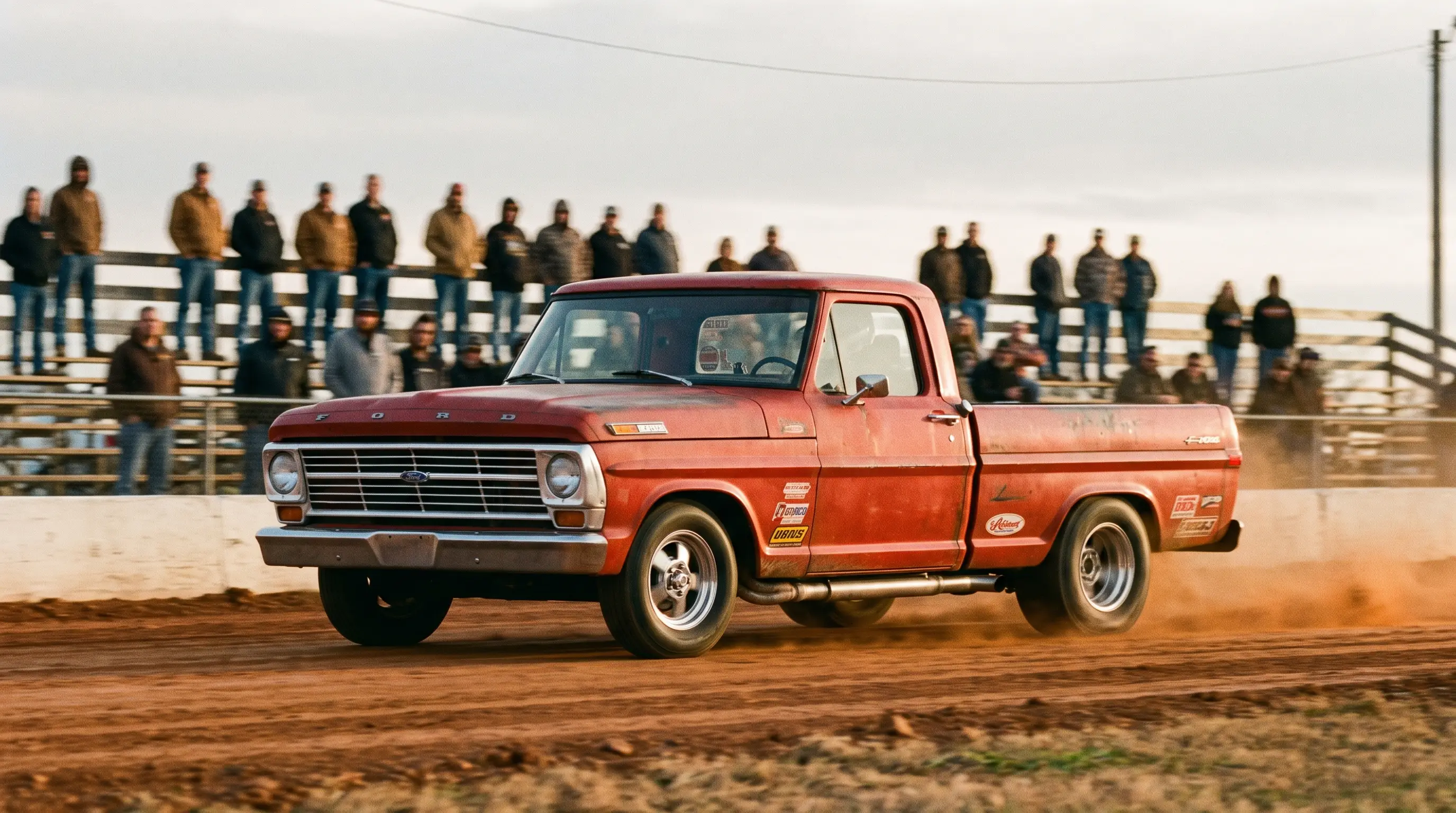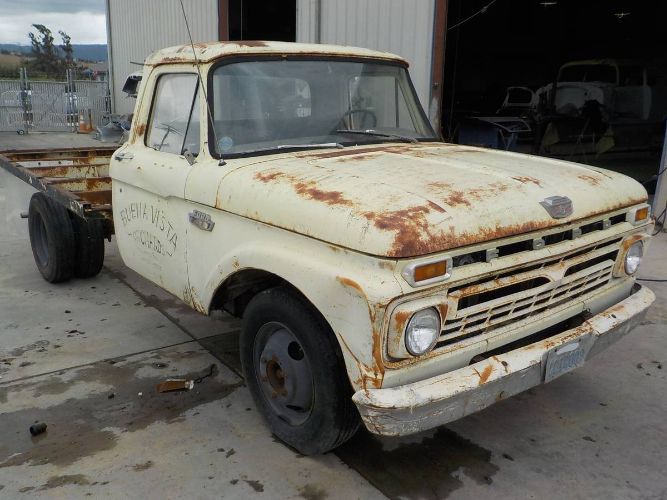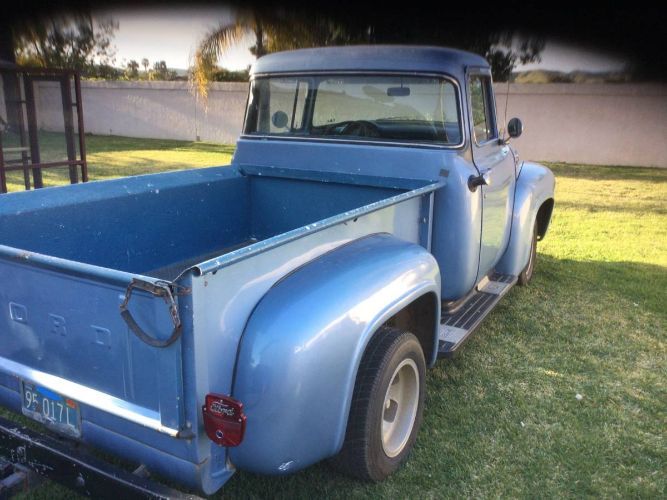
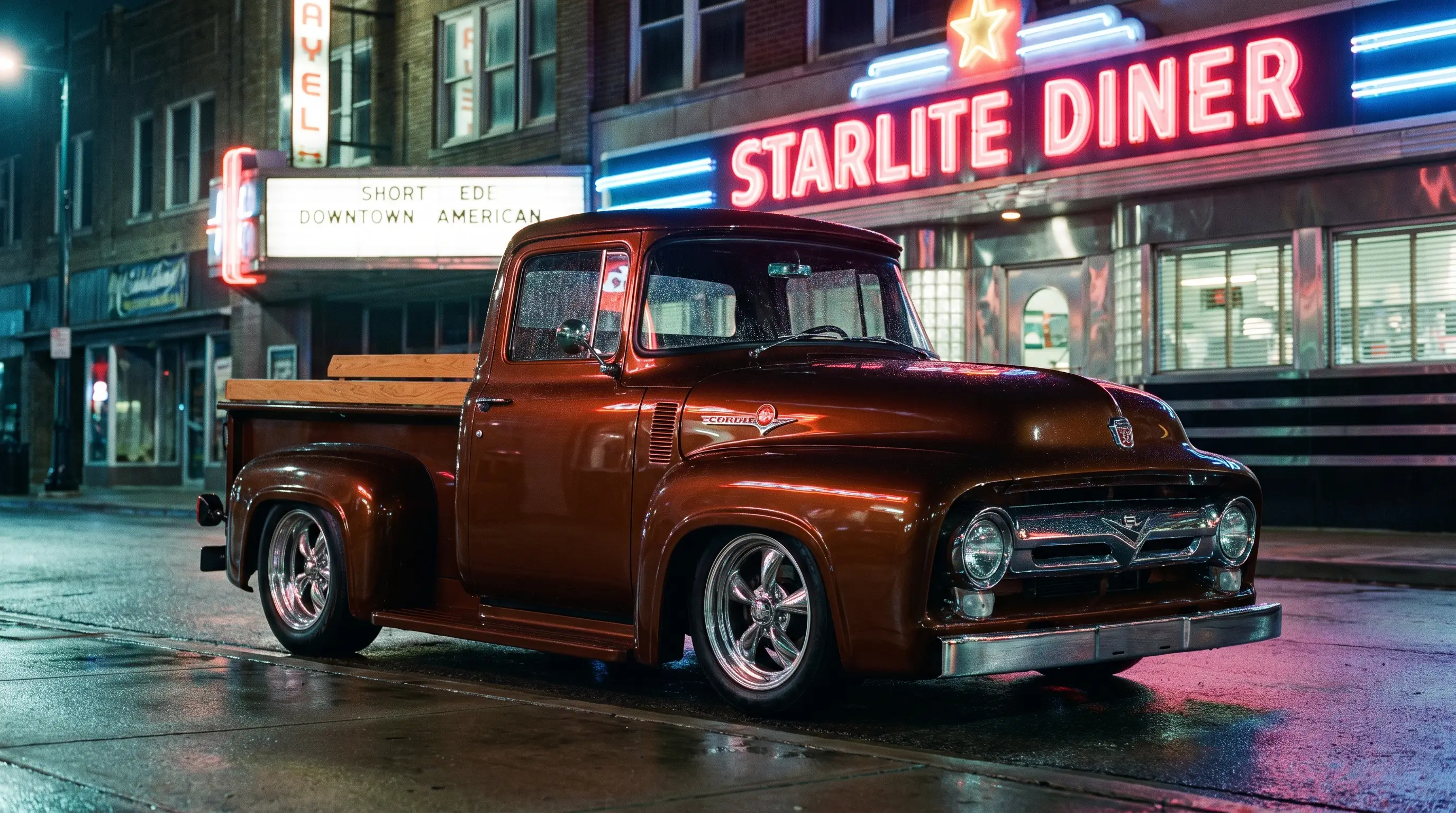
Stand next to a short bed ford f100 parked beside its long-bed sibling and the difference is obvious before you even open the door. The proportions read tighter, more athletic, the kind of stance that makes a work truck look like it wandered in from a sports car lot. That visual trick is not an accident of my imagination. It is exactly why this specific configuration commands a premium that has only grown larger as the collector market has matured.
A shop visit that explains the whole trend
I spent an afternoon at a restoration shop outside Nashville a while back, watching the owner walk a customer through two nearly identical F-100s parked nose to nose. Same year, same color, same engine option. One was a long-bed, the other a short-bed. The customer, a guy in his sixties who grew up around these trucks, walked straight to the short-bed without hesitation and asked what it would take to buy it. When the shop owner told him the price difference between the two trucks, the customer just nodded like he already expected the number to be higher. He did not blink. He wanted that specific proportion, and he was willing to pay for it.
That scene has stuck with me because it captures something the sales figures alone cannot. Buyers are not just purchasing a shorter cargo box. They are buying a silhouette, a stance, a truck that looks purposeful sitting still in a driveway rather than simply functional. The long-bed did everything the short-bed could do mechanically. It just did not have that look, and the look is worth real money to enough buyers that the price gap has become a permanent feature of this market.
Why the proportions actually work
There is a design logic behind why the short-bed reads so much better than the numbers alone would suggest. Shortening the bed pulls the rear wheel opening closer to the cab, tightening the wheelbase visually even when the mechanical wheelbase difference is modest. That compression gives the truck a more balanced, planted look from nearly every angle, and it is the same visual principle that makes a two-door coupe often look sportier than an otherwise identical four-door sedan. Ford was not necessarily chasing that aesthetic outcome when it engineered the shorter bed option. It was offering buyers a truck better suited to tighter city driving and lighter-duty hauling. The styling benefit turned out to be a bonus that decades of hindsight has turned into the truck's defining value driver.
Restomod builders pushed the trend further
The custom truck scene deserves real credit for accelerating this premium over the last couple of decades. Builders chasing a lowered, aggressive stance for street trucks and show builds gravitated toward short-bed cabs specifically because the proportions gave them a better starting canvas. As those builds gained visibility through magazines and eventually social media, they pulled a wave of buyer attention toward short-bed trucks generally, including completely stock, unmodified examples that had nothing to do with the custom scene at all. Demand generated in one corner of the hobby ended up lifting prices across the entire short-bed category, stock and modified alike.
"I have watched buyers walk right past a mechanically superior long-bed truck to pay more for a short-bed with more rust to deal with. The proportions win the argument before the mechanics even get a vote."
- Patrick Walsh
What this means if you are shopping right now
Anyone shopping this segment should expect to pay a real premium for a documented short-bed truck over a comparable long-bed example, and that gap does not appear to be closing. Buyers who genuinely need the bigger cargo capacity of a long-bed truck for actual hauling work should not let this trend push them into a purchase decision that does not fit their actual use case. But buyers chasing pure collectibility and eventual resale value should understand clearly that the shorter bed is not a minor stylistic preference anymore. It is one of the single biggest value levers in the entire platform.
For readers curious how this platform's whole reputation came together, from work truck to design icon, ford f100 history history traces that arc in full. And for anyone curious how these trucks made their mark beyond the street and the show field, a related story covers a side of the F-100's history that the styling conversation often overlooks entirely.
Finding one worth the premium
Not every short-bed truck on the market justifies the asking price simply by virtue of its bed length. Condition, rust history, and documentation still matter as much here as anywhere else in the hobby, and a rough short-bed truck priced purely on its configuration rather than its actual state is not automatically a smart buy. The premium belongs on top of a genuinely solid truck, not as a substitute for due diligence. Shop carefully, and treat the short-bed premium as one factor among several rather than the only number that matters.
Buyers ready to compare short-bed and long-bed pricing directly can start browsing F-100s for sale now to see exactly how wide that gap runs across current listings.
What long-bed owners quietly know
Spend enough time around this hobby and you eventually meet the long-bed owners who have made peace with never chasing the short-bed premium, and their perspective is worth hearing out. Several of them have told me some version of the same thing: the long bed does more actual work, hauls more actual cargo, and rides no worse for it. One owner in Georgia put it bluntly over coffee at a regional show, saying he would rather have the extra foot of bed for his own weekend projects than the extra few thousand dollars a short-bed truck might bring at resale someday. He is not wrong, and he is not alone in that view.
What strikes me talking to these owners is how little the premium actually bothers them once they stop measuring their truck against the collector market's preferences. A long-bed F-100 bought to be used, not flipped, does not need to justify itself against a short-bed's resale advantage. It just needs to do the job it was built for, and most of them do that job just as well as they did the day they left the factory floor.
A trend with staying power, not a fad
Design-driven premiums in the collector world sometimes fade once a particular aesthetic falls out of fashion, but the short-bed preference has held steady across multiple cycles of broader market taste over the past couple of decades. That staying power suggests something more durable than a passing trend. The proportions that made a short-bed truck attractive to a customizer in the 1990s are the same proportions drawing bidders today, and there is no obvious reason to expect that particular visual appeal to fade the way a specific paint color or wheel style eventually does. Buyers betting on continued strength in this segment are betting on a genuinely stable preference, not a fashion cycle that could reverse without warning.