
Every truck club has one guy who owns something the rest of the club considers borderline mythical, and in ours it was Earl, who showed up one spring with a unibody F-100 he had pulled out of a barn two counties over. None of us had ever seen one in person. We had heard about them the way you hear about a distant cousin, mentioned occasionally, never actually met. The Ford f100 unibody problem that ended this truck's production run so quickly is a story Earl loves telling, mostly because he lived with the consequences of it firsthand.
Car Features
7 min read
Why the Unibody F-100 Lasted Only Two Years
A club member's cracked-seam unibody truck tells the real story behind the Ford F100 unibody problem that cut this bold design short.
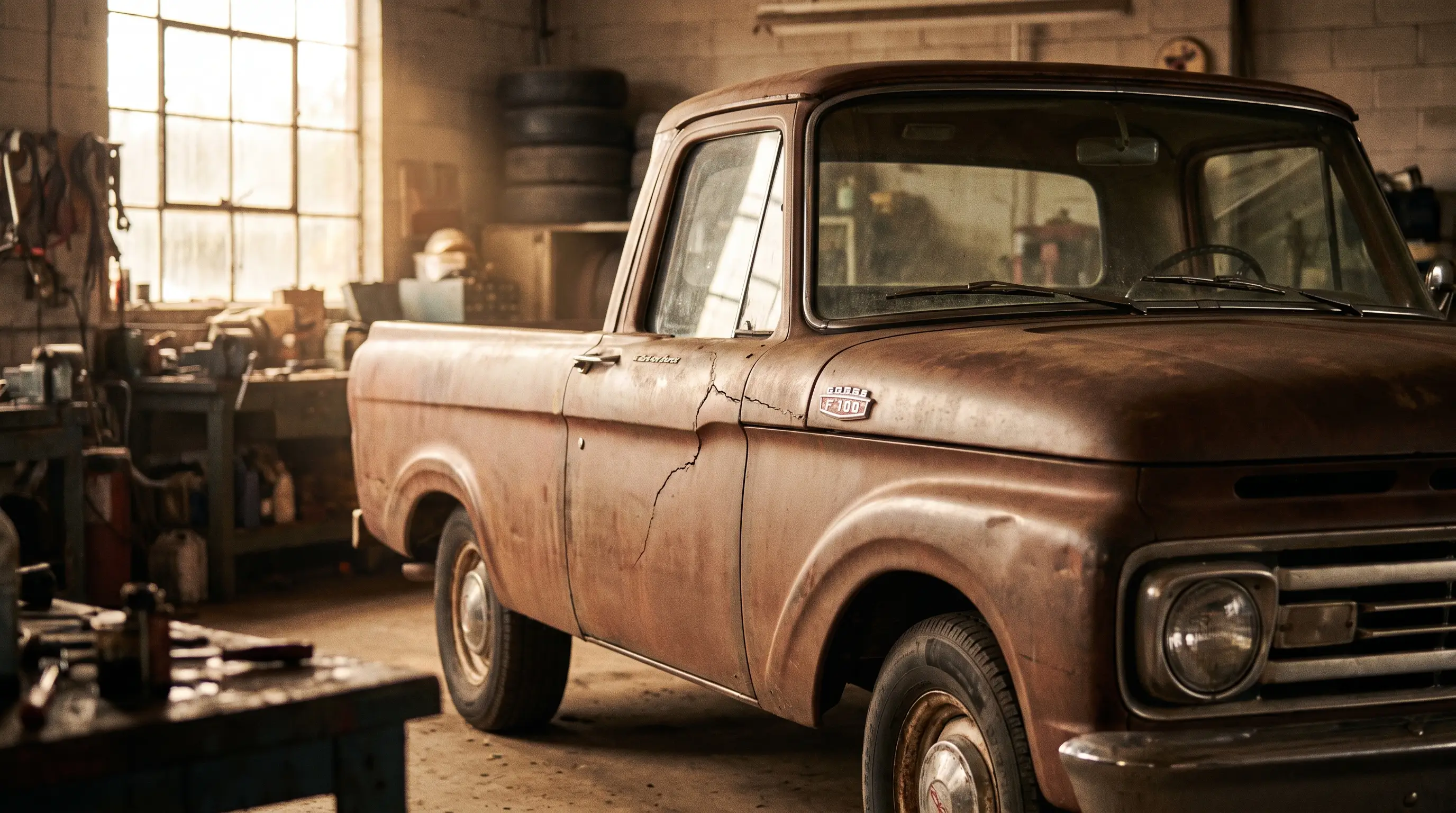
The truck that walked into the clubhouse
Earl's truck had a crack running along the seam where the cab met the bed, right where the two sections had been welded into one continuous structure. He had heard rumors about this being a common issue on unibody trucks before he bought it, and sure enough, there it was, exactly where the old-timers at the swap meet had warned him to check. He bought it anyway, because the truck's smooth, unbroken lines were unlike anything else on his shopping list, and he figured a crack was a fixable problem.
What he did not fully appreciate until he had lived with the truck for a season was how that crack kept coming back. He would weld it up, drive the truck through a normal week of errands and light hauling, and find a fresh stress line forming again a few months later. That is when the documentation started making a lot more sense to him.
Why the structure fought itself
A conventional pickup lets its frame twist a small amount independently of the bed and cab, absorbing the uneven forces of rough roads and heavy loads without transmitting all of that stress into a single rigid shell. Weld the cab and bed together into one unibody structure, and you remove that independent give. Every twist the frame experiences now travels directly into the body panels themselves, concentrated right at the seam where cab meets bed, which happens to be exactly the point where the structure is most vulnerable to cracking.
Under light use, a driver might never notice. Under the kind of load a farm or a small business actually put a truck through daily, hauling feed, lumber, or a full bed of gravel, the problem showed up fast. Doors that would not close cleanly, paint that cracked along body seams, and eventually structural fatigue that no amount of touch-up welding fully solved were the visible symptoms of a design that had not been proven under real working conditions before it reached dealer lots.
"Earl's truck taught the whole club more about unibody construction than any magazine article ever did. You'd see that crack, and someone would just say, yep, that's the one, that's the famous one. It became a running joke, but it was also a real lesson in why Ford backed off the idea."
- Wayne Coburn
Word got around fast
Dealers heard about the complaints from unhappy customers before Ford's engineers ever needed to run a formal study to confirm what was happening. Farmers talked to farmers, contractors talked to contractors, and a truck that could not reliably hold up to the exact kind of work it was marketed for developed a reputation problem that spread through word of mouth faster than any internal report could catch up to. That kind of grassroots feedback loop was, in its own way, more honest and more immediate than anything a modern focus group could produce.
Ford listened, and to the company's credit, it did not take long to act. Rather than defending a design that was clearly not holding up, engineering moved to bring back a conventional separate bed, restoring the independent flex a traditional pickup frame relies on while keeping much of the smoother styling language the unibody trucks had introduced. It was a quiet admission that the experiment had not survived contact with actual working trucks.
What survivors tell us now
Trucks like Earl's, cracked seam and all, are valuable today precisely because they carry physical evidence of this whole chapter of engineering history. A pristine, uncracked unibody survivor might photograph better, but a truck showing honest stress at the seam tells a more complete story about why this design lasted such a short time. Both are worth preserving, for slightly different reasons.
Earl eventually did weld his truck properly and reinforced the seam in a way that respected the original structure rather than hiding the problem. He still drives it to club meetings, and he still tells the story every time someone new asks about the crack he never quite fully erased.
The club's running debate
Earl's truck sparked an argument that has never fully died down at our meetings, which is whether the unibody design deserves to be remembered as a genuine engineering mistake or simply as an idea that arrived a few years before the manufacturing techniques needed to support it properly. One faction points to the cracking problem as proof the whole concept was flawed from the start. Another faction, usually led by whichever member happens to be a working welder or fabricator, argues that modern reinforcement techniques could solve the original stress issue entirely, and that Ford simply lacked the tooling and materials science to make the idea work reliably at the time.
Both sides have a point, honestly. The core problem, a rigid structure fighting the natural flex a working truck experiences, was real and well documented by owners at the time. But the styling idea behind it, a smoother, more integrated silhouette, was sound enough that elements of it survived into the trucks that came after, even once the rigid unibody structure itself was abandoned.
What modern owners do differently
Owners keeping unibody trucks on the road today have generally learned from six decades of accumulated club knowledge that Earl and others like him paid for the hard way. Reinforcement plates welded discreetly at the known stress points, a lighter hand with cargo loads than the truck's original marketing implied it could handle, and regular inspection of the cab-to-bed seam have become standard practice among owners who actually use these trucks rather than trailering them to shows and back.
None of these fixes were available to the original owners working these trucks hard in the early 1960s, which is part of why the reputation problem spread as fast and as permanently as it did. A modern owner willing to do the reinforcement work up front can avoid repeating the exact frustration that ended this design's production run in the first place.
Reading the rest of the story
The full account of how this generation evolved from the unibody experiment through what came after is covered in our complete history, which traces the engineering decisions on both sides of this design change. If Earl's story has you thinking about tracking one down yourself, cracked seam included, current listings are worth a look, and you can find a classic F-100 to compare against what you have read here before you commit to anything.
Sources and notes
Related Reading
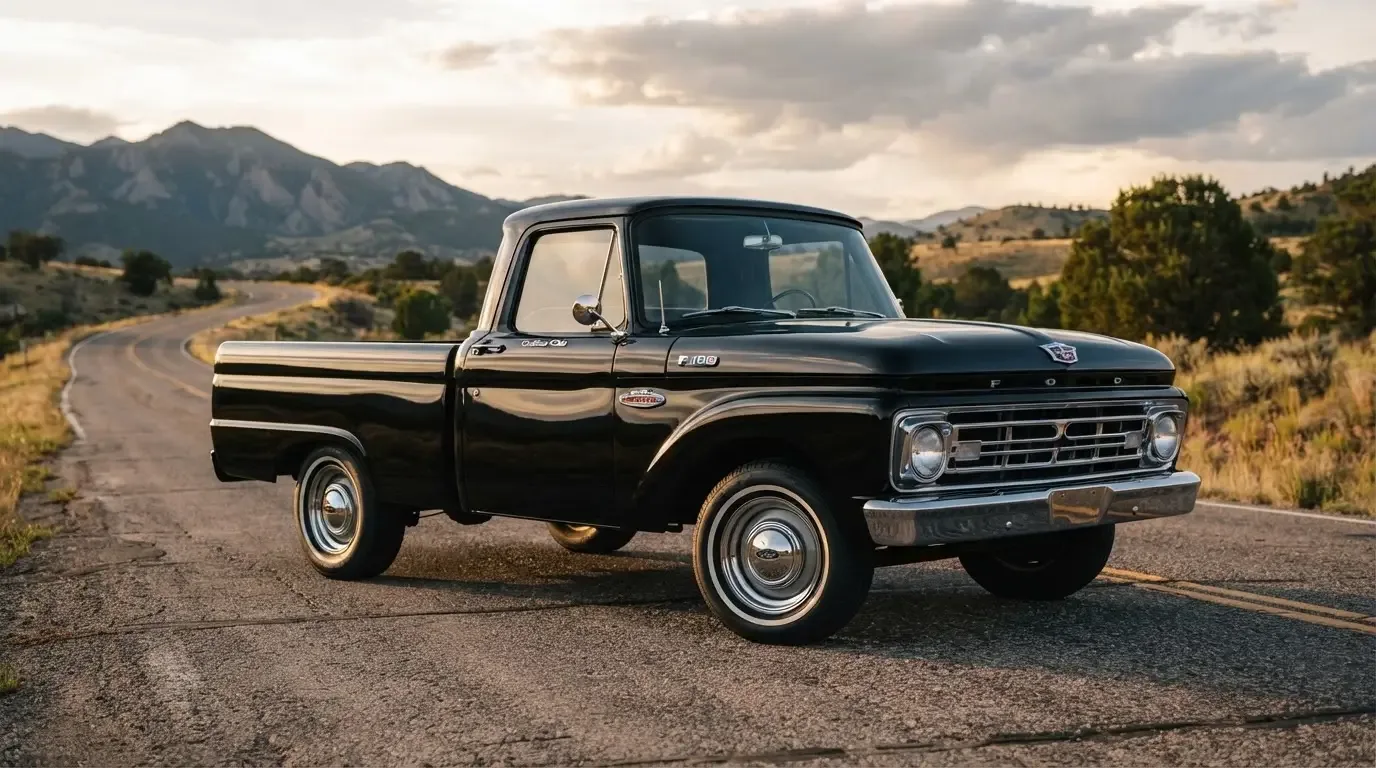
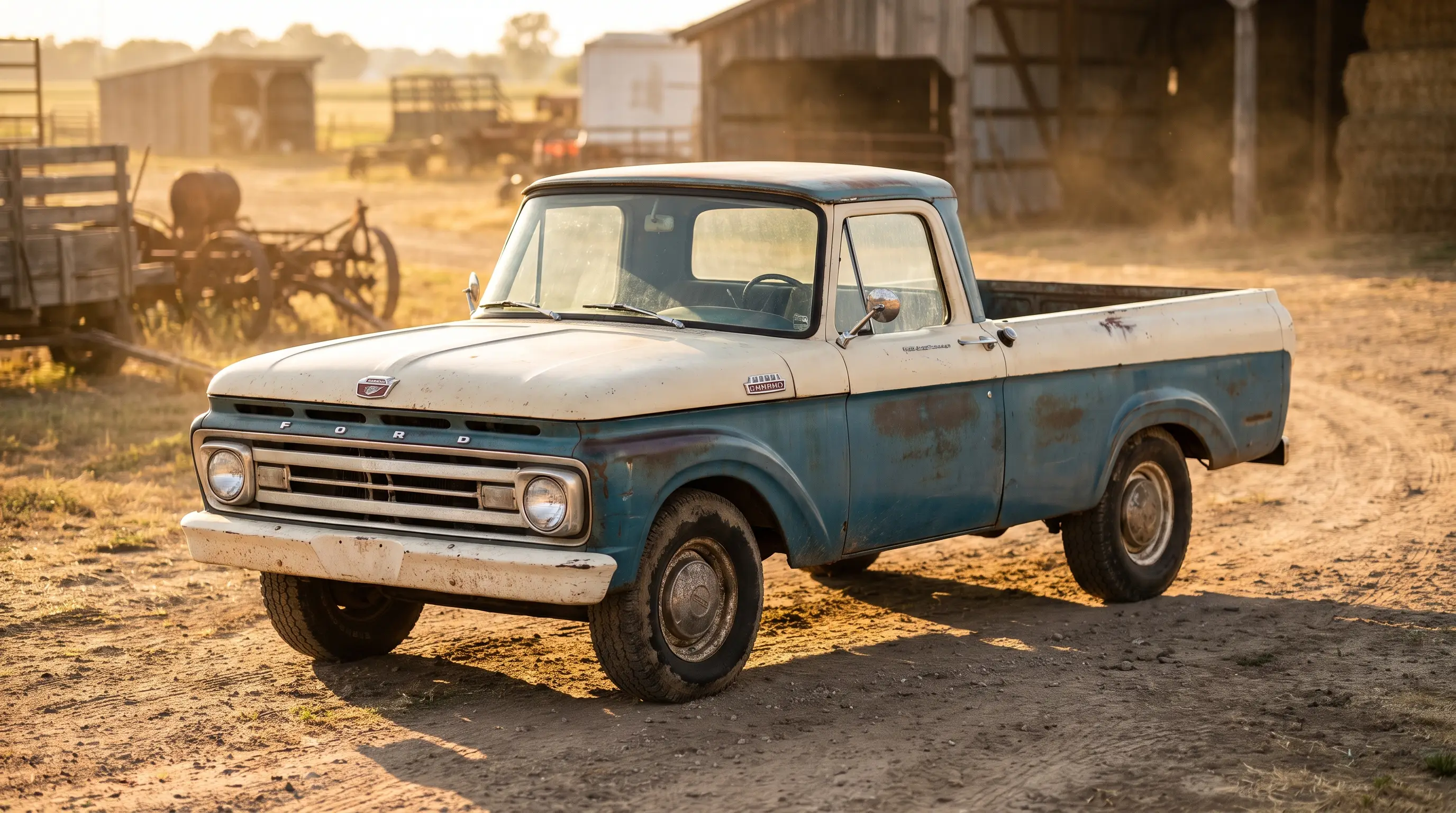
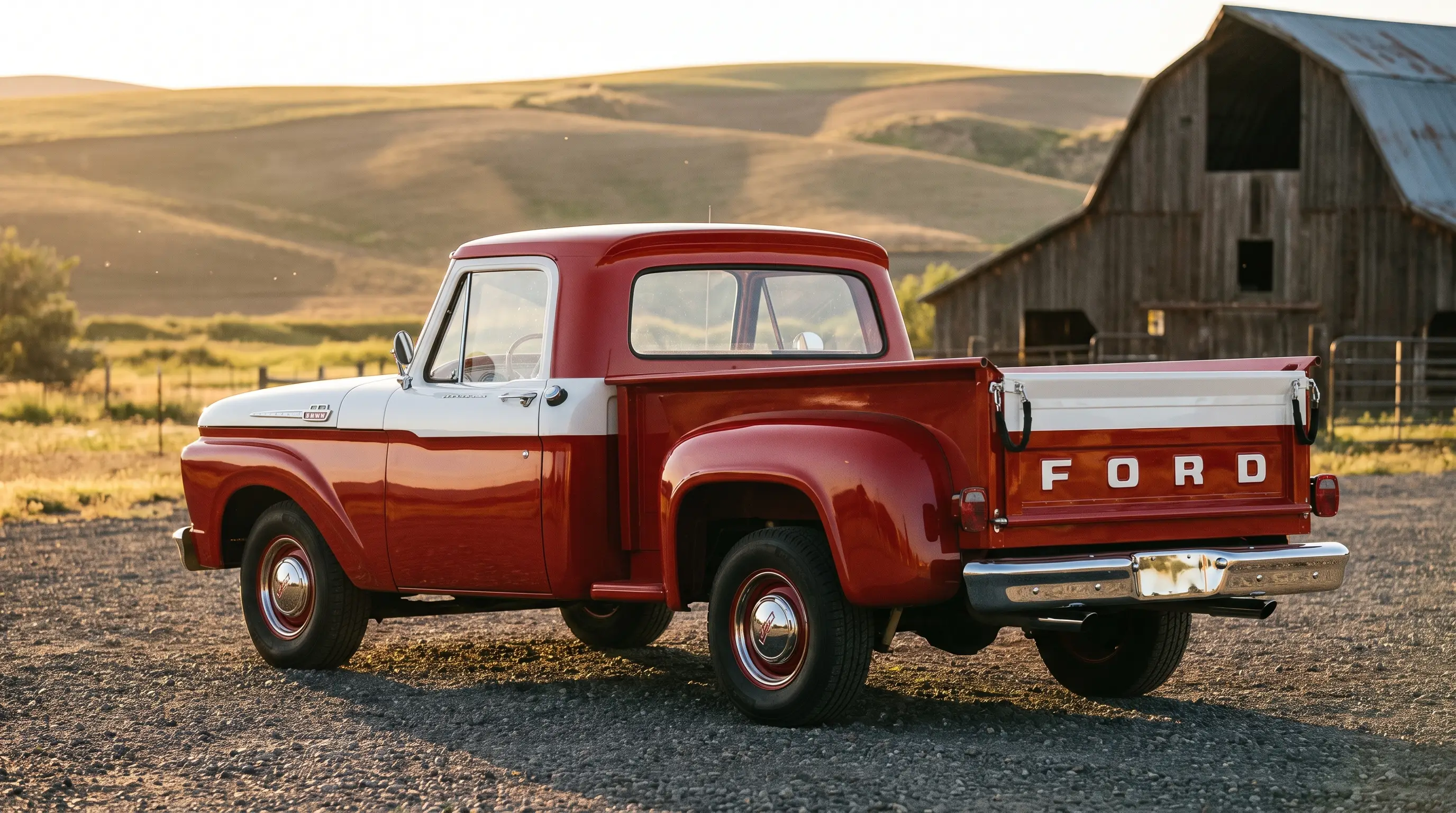
Have a
Ford F-100
for Sale?
Reach thousands of serious classic car collectors across the US.
Sell It Here →
Are You a Classic Car Dealer?
List your full inventory and connect with targeted classic car buyers.
Join as a Dealer →
#ford f-100
#Ford truck history
#classic pickup design
#unibody truck
#truck club stories
#structural stress

About the author
Wayne Coburn
Longtime Corvette owner, judge and club figure who knows the cars, the records and the people behind them.
Related Listings - Ford F-100


Comments
Be the first to comment on this article.