
A muscle car was rarely one part. It was a package, an option code on the order form that bundled an engine, a transmission, a rear axle, suspension pieces, and usually some badges and stripes to tell the world what you paid for. Decoding those packages is how you separate a real car from a clone, and it is the difference between a fair price and a fantasy price. The letters on the fender meant something specific at the factory, and the records still exist to prove it.
Car Features
6 min read
Factory Performance Packages Decoded
What SS, R/T, GS, W-30, Ram Air and Cobra Jet really meant at the factory, what each package included, and why the codes protect muscle car buyers.
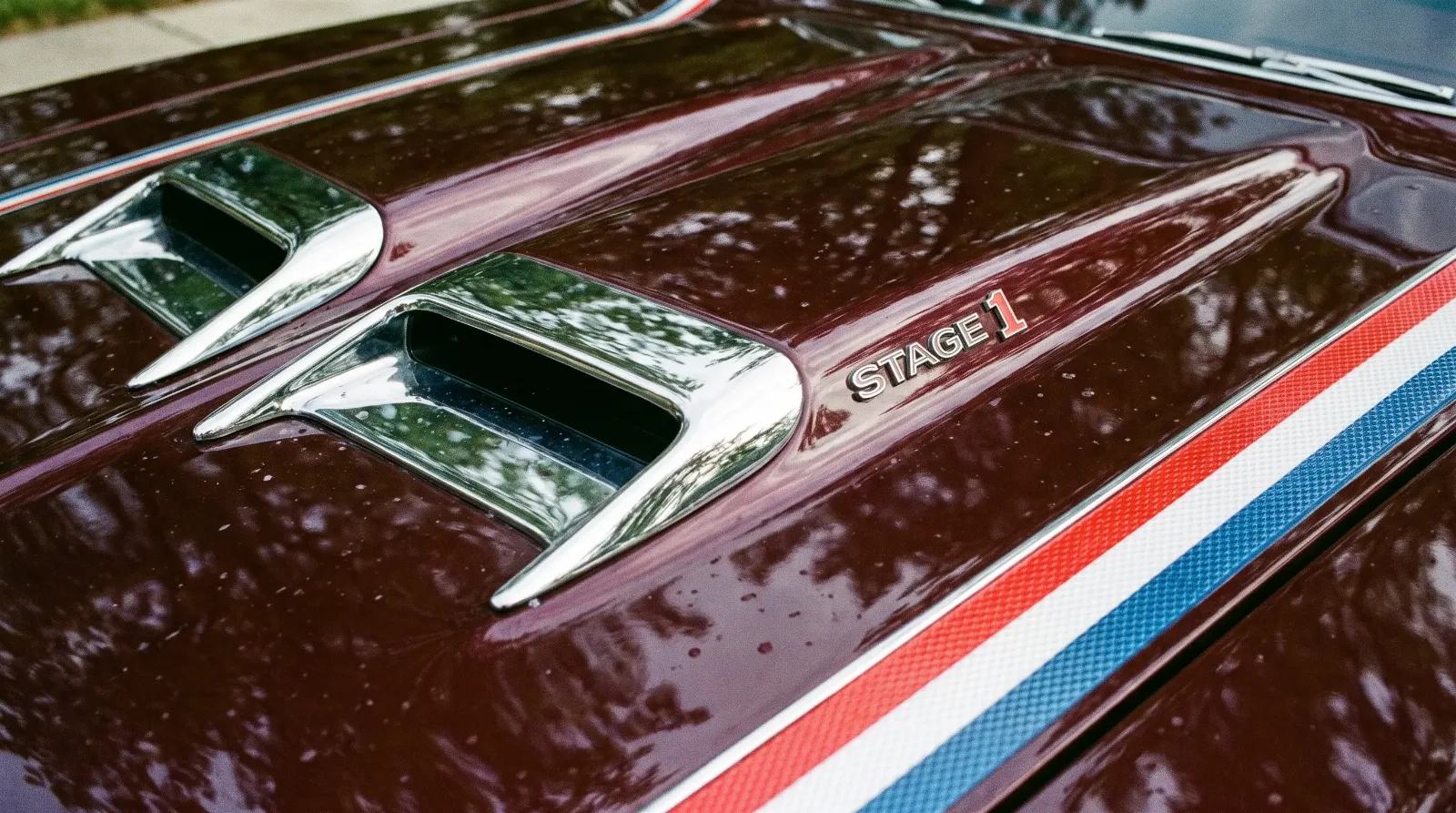
Each division had its own shorthand. Chevrolet had SS. Dodge had R/T. Buick had GS. Oldsmobile had the W-machines. Pontiac had Ram Air. Ford answered with the Cobra Jet. Learning what each one included, and what it did not, is the first step to understanding any of these cars. For the engine side of the story, the the complete rundown covers how the powerplants themselves escalated.
What a performance package actually included
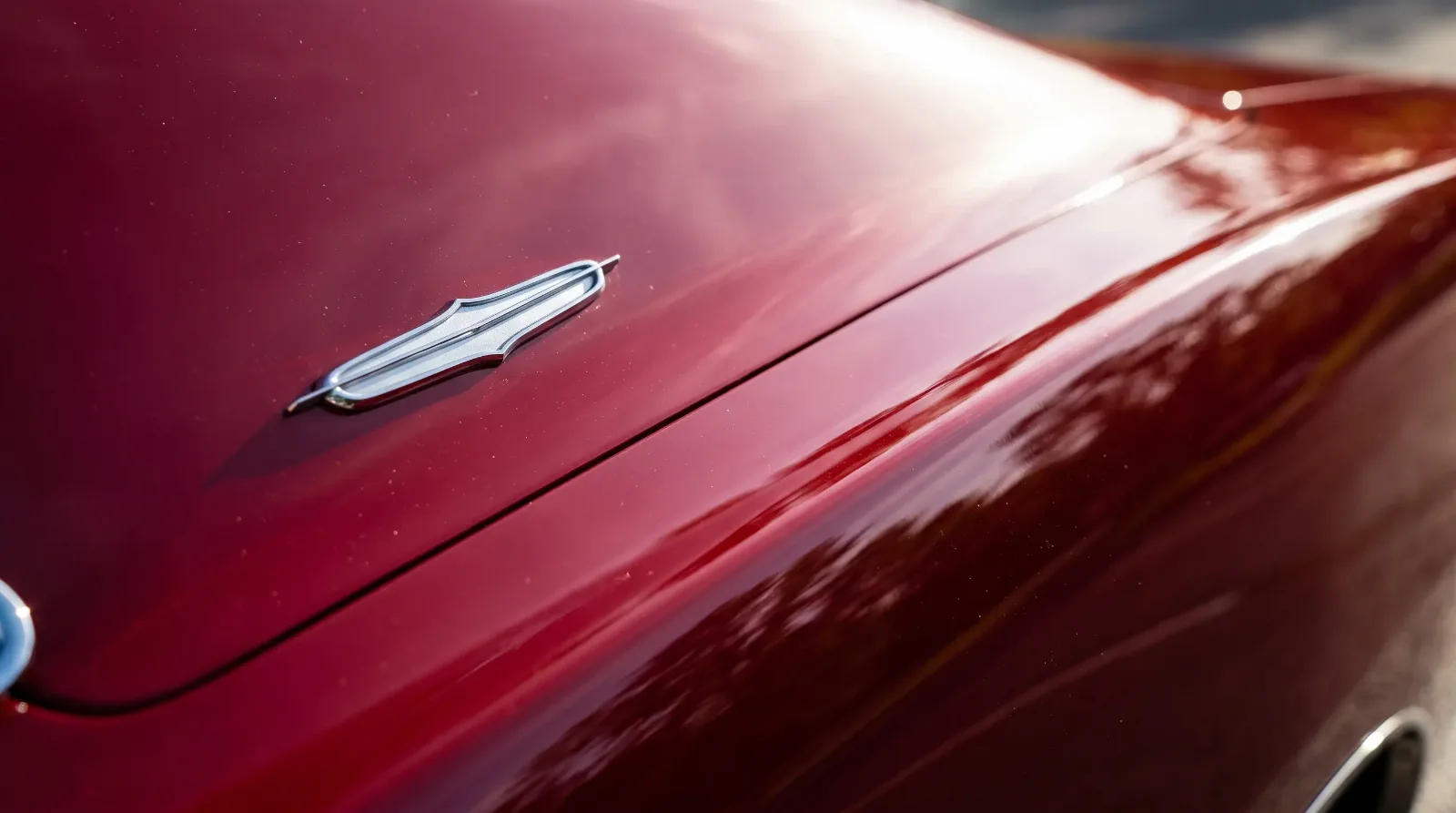
A package was never just a big engine. When a buyer checked the box, the factory added the supporting hardware the engine needed to survive and perform. That usually meant a heavier-duty transmission, a limited-slip or performance rear axle, upgraded suspension and brakes, and specific badging. The point was to sell a complete performance car, not an engine dropped into a base body.
This is why the option code matters so much today. The badge could be added by anyone with a screwdriver. The build sheet, the cowl tag, and the VIN engine code are the factory's own record of what left the line. When two cars look identical and one has documentation, they are not the same car in the market's eyes. The paperwork is the package.
It helps to think about what the factory was solving for. A base intermediate with a big engine and stock brakes was a liability, so the packages existed to make the whole car match the engine. That is why a real performance package almost always brought stiffer springs, a bigger sway bar, better brakes, and a stronger rear end along with the motor. The badges were marketing, but the hardware under them was engineering, and the two did not always get ordered together on lesser cars. A careful decode separates the cars that got the full treatment from the ones that only got the stripes.
The General Motors codes: SS, GS, and the W-machines
Chevrolet's Super Sport, the SS, ran across the Chevelle, the Camaro, the Nova, and the full-size cars. On a Chevelle, SS 396 and the later SS 454 bundled the big-block with the heavy-duty pieces to match. The SS was a trim-and-performance package, and the specific engine inside it changed by year and by order, so the badge alone does not tell you the whole story.
Buick built the Gran Sport, badged GS, and by 1970 the GS 455 and the GS Stage 1 were among the strongest street cars GM offered, with the Stage 1 rated at 360 gross horsepower and 510 lb-ft of torque that got everyone's attention. Oldsmobile ran the W-code option system, and the W-30 was the sharp end of the 442 program, adding a hotter cam, cold-air induction, and other pieces. These were low-production packages, and a documented W-30 is a serious car. Pontiac, meanwhile, offered Ram Air on the GTO and Firebird, a functional cold-air setup tied to specific engine and cam combinations.
| Package | Division | What the code signaled |
|---|---|---|
| SS (Super Sport) | Chevrolet | Big-block or performance trim, HD driveline |
| GS / Stage 1 | Buick | Gran Sport 455, Stage 1 as the hot version |
| W-30 | Oldsmobile | 442 with cold air, hot cam, low production |
| Ram Air | Pontiac | Functional cold-air induction, specific cams |
| R/T | Dodge | Road/Track, big-block plus HD suspension |
| Cobra Jet | Ford | 428 CJ engine package, drag-ready hardware |
The Mopar and Ford answers
Dodge used R/T, standing for Road and Track, on cars like the Charger and Coronet. An R/T came standard with a big-block, usually the 440 Magnum, with the Hemi as the top option, and it included firmer suspension and the heavier driveline to handle the power. Plymouth ran its own performance identities alongside, and the shared Chrysler engine codes tie the two together on the VIN.
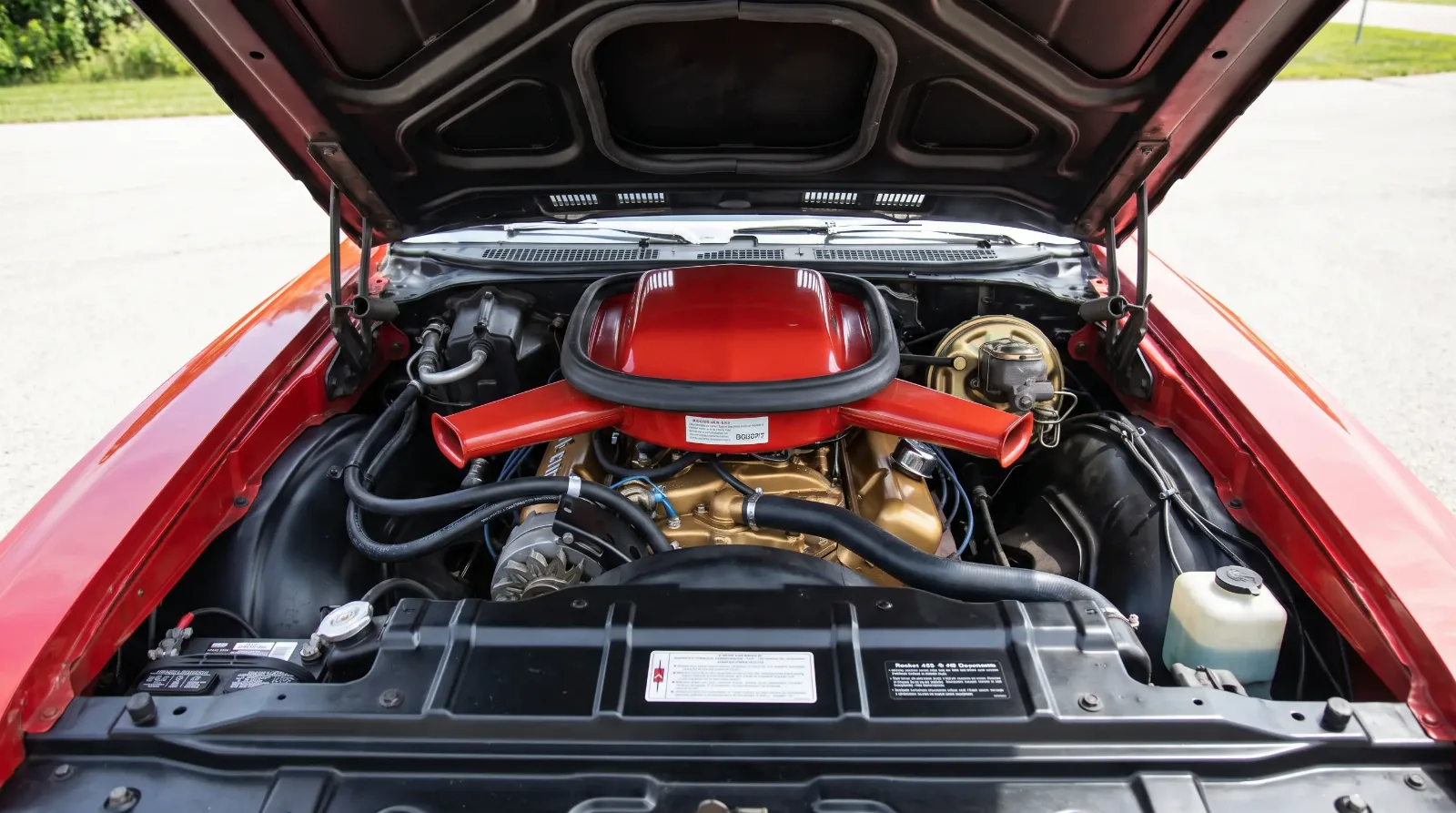
Ford's Cobra Jet is one of the most misunderstood terms in the hobby because people use it as a slang for "fast Ford" when it was a specific engine package. The 428 Cobra Jet arrived in 1968 as a mid-year option, built to give Ford a real drag weapon, and cars ordered with the Ram Air version got a functional hood scoop and the Drag Pack axle options. The Cobra Jet was documented by engine code and by the special order records, which is exactly why a genuine one commands what it does. Understanding these packages leads naturally into the engines that hid inside them, and some of the best were not the ones on the marketing posters, as you can read the full story.
Why decoding protects the buyer
The market rewards documentation, and it punishes assumptions. A cloned SS or a badge-swapped R/T can be a perfectly good driver, but it is not worth what a documented, matching-numbers car is worth, and the gap is often large. Anyone spending real money owes it to themselves to read the cowl tag, decode the VIN, and find the build sheet if it survives. The factory wrote the truth down once, and that record settles most arguments.
The good news is that the decoding tools exist. Registries, factory code references, and the surviving paperwork let a careful buyer verify almost any claim. Learn the codes for the car you are chasing before you go look at one, so a fresh set of stripes does not do your thinking for you. The package was the whole point of these cars when they were new, and it is still the thing that defines them.
"The badge is the easy part to fake. The build sheet is not. I have watched people fall in love with a stripe and a fender emblem when the numbers underneath told a completely different story. Decode the car first. The factory already recorded what it was, and that record does not care how good the paint looks."
Tom Ramirez
Related Reading
Have a
Classic Car
for Sale?
Reach thousands of serious classic car collectors across the US.
Sell It Here →
Are You a Classic Car Dealer?
List your full inventory and connect with targeted classic car buyers.
Join as a Dealer →

About the author
Tom Ramirez
Corvette researcher and historian based in Bowling Green, Kentucky. Two decades documenting Corvette production history from original factory records.




Comments
Be the first to comment on this article.