
The muscle era gets remembered by its headliners. The 426 Hemi. The 454 LS6. The Boss engines. Fair enough, those made the posters. But the dyno does not care about posters, and some of the best engines Detroit built in those years never got the credit because they sat one badge down from the star, or wore the wrong brand, or made their power in a way that did not photograph well. Those are the ones worth talking about.
Car Features
6 min read
The Most Underrated Muscle Car Engines
The muscle engines that never got their due: the Mopar 340, Buick 455 Stage 1, Olds W-30, AMC 390 and 351 Cleveland, and why they are the smart buy.
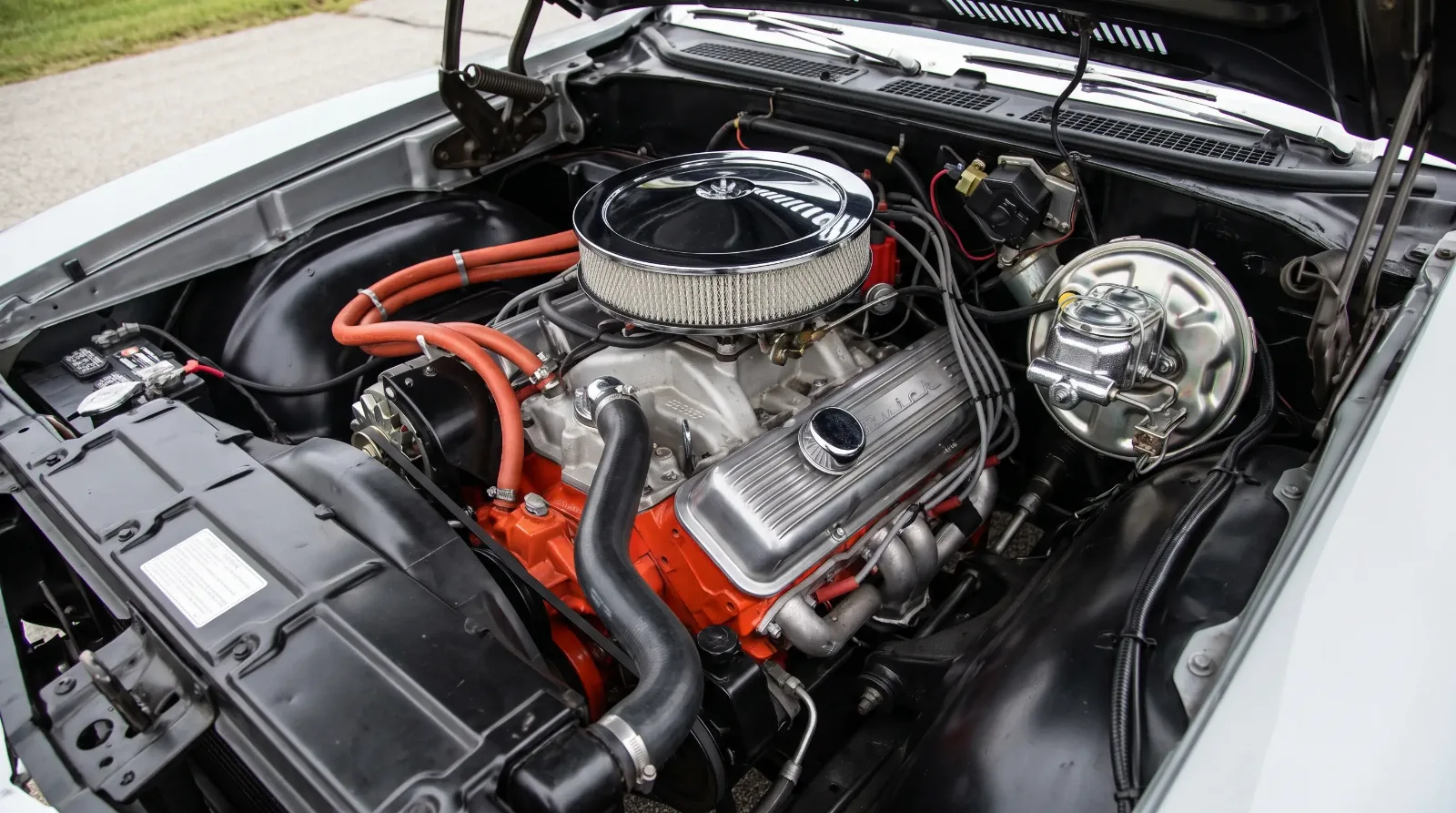
Underrated does not mean slow. It means the reputation never caught up to the hardware. A few of these engines ran with the famous names and cost a fraction of what the famous names cost now. If you want the full context on how the whole field stacked up, the the story of muscle car engines lays out the war these came from. This is the short list of the ones that got shortchanged.
The small-block that ran with big-blocks
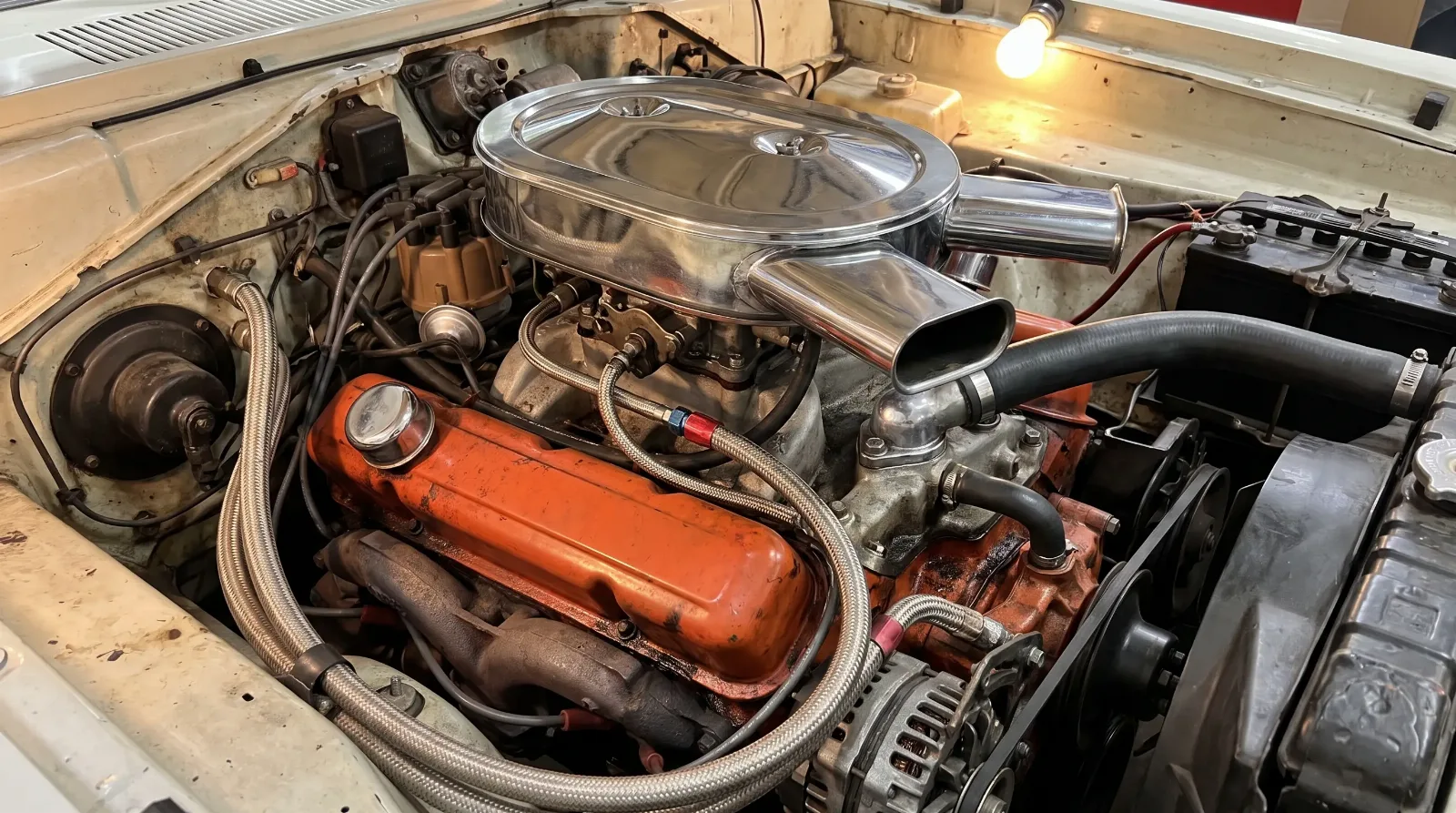
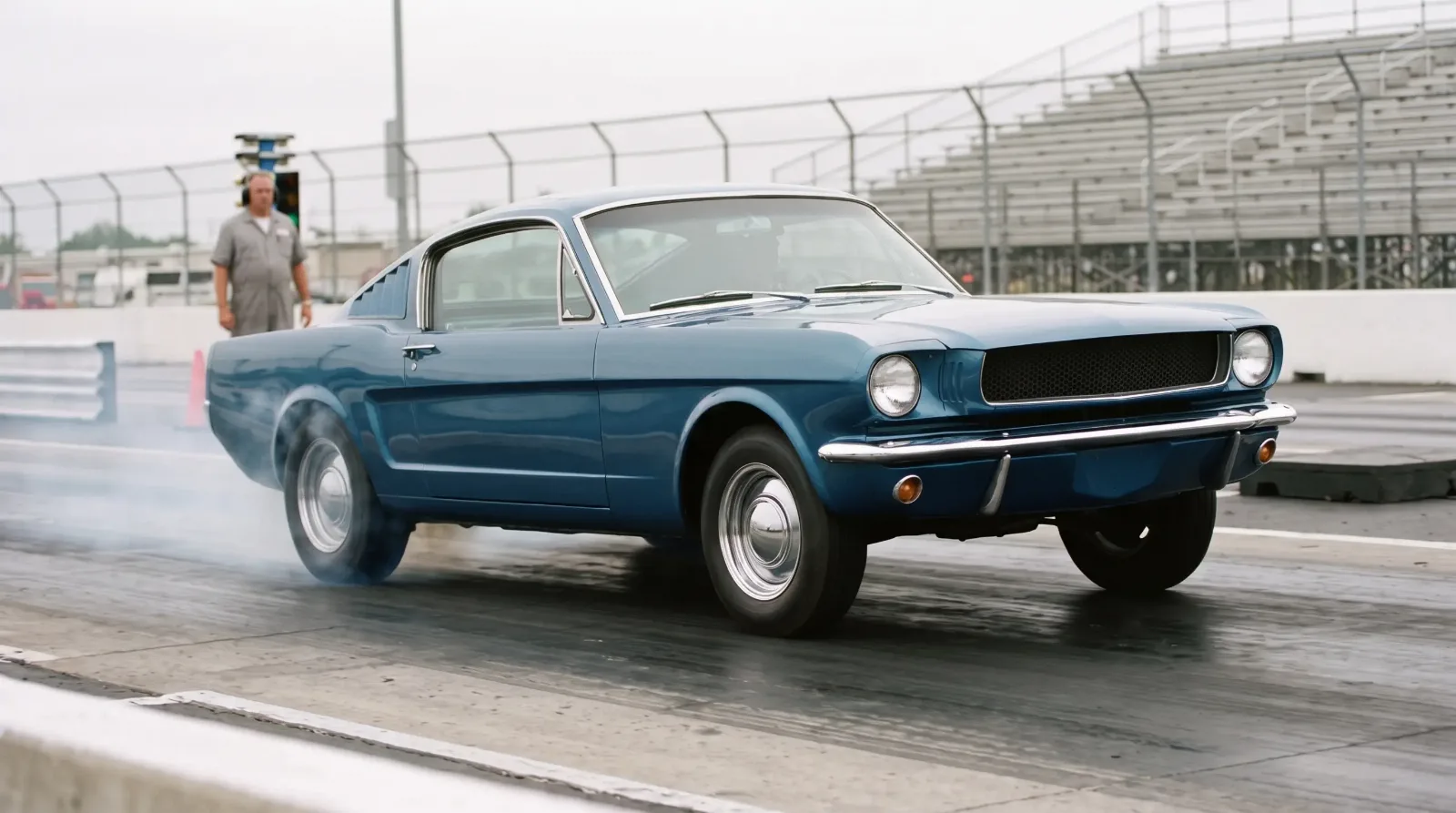
Start with the Mopar 340. On paper it was a 275-horsepower small-block, a number that put it well under the big-block heroes. On the strip it embarrassed cars with a hundred more advertised horsepower, because it was light over the front end, it revved, and Chrysler underrated it on purpose to keep the insurance companies calm. A 340 Duster or Dart weighed far less than a big-block intermediate, and the power-to-weight told the real story.
Chevrolet's LT-1 350 belongs in the same conversation. Rated around 360 gross horsepower in 1970 trim, it was a solid-lifter small-block that pulled hard and spun freely. The number that mattered was not displacement, it was how little weight sat over the nose compared to a big-block car. These engines won by being quick everywhere, not just in a straight line off idle.
The weight point is worth sitting on for a second, because it decides more races than people admit. A big-block over the front wheels changes how a car turns, stops, and hooks up. Strip a couple hundred pounds off the nose with a strong small-block and the whole car works better, not just the engine. That is the trap the reputation game sets. Buyers count cubic inches and advertised horsepower and ignore the scale, and the scale is where the underrated small-blocks quietly won.
The GM 455s nobody ranks high enough
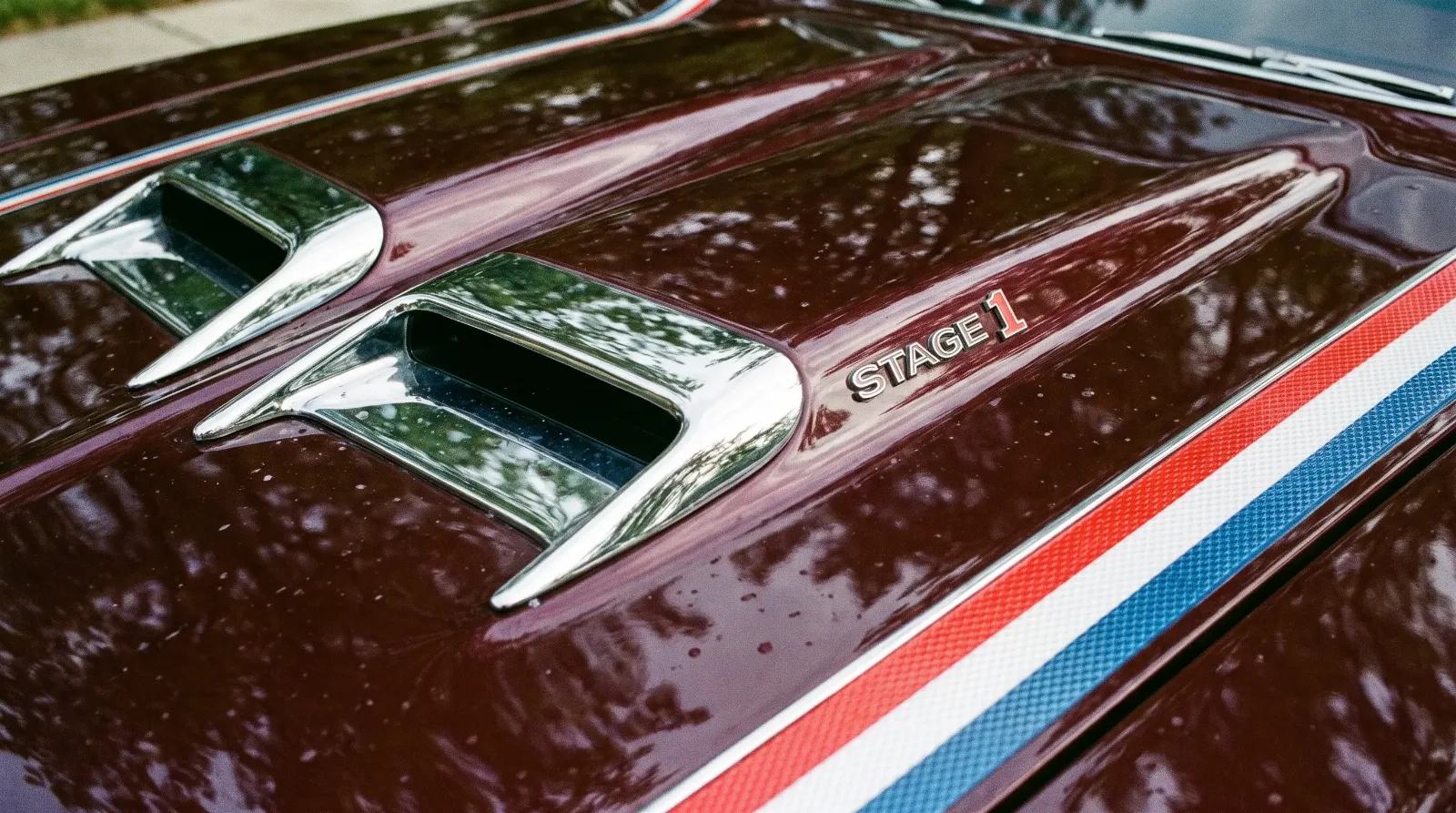
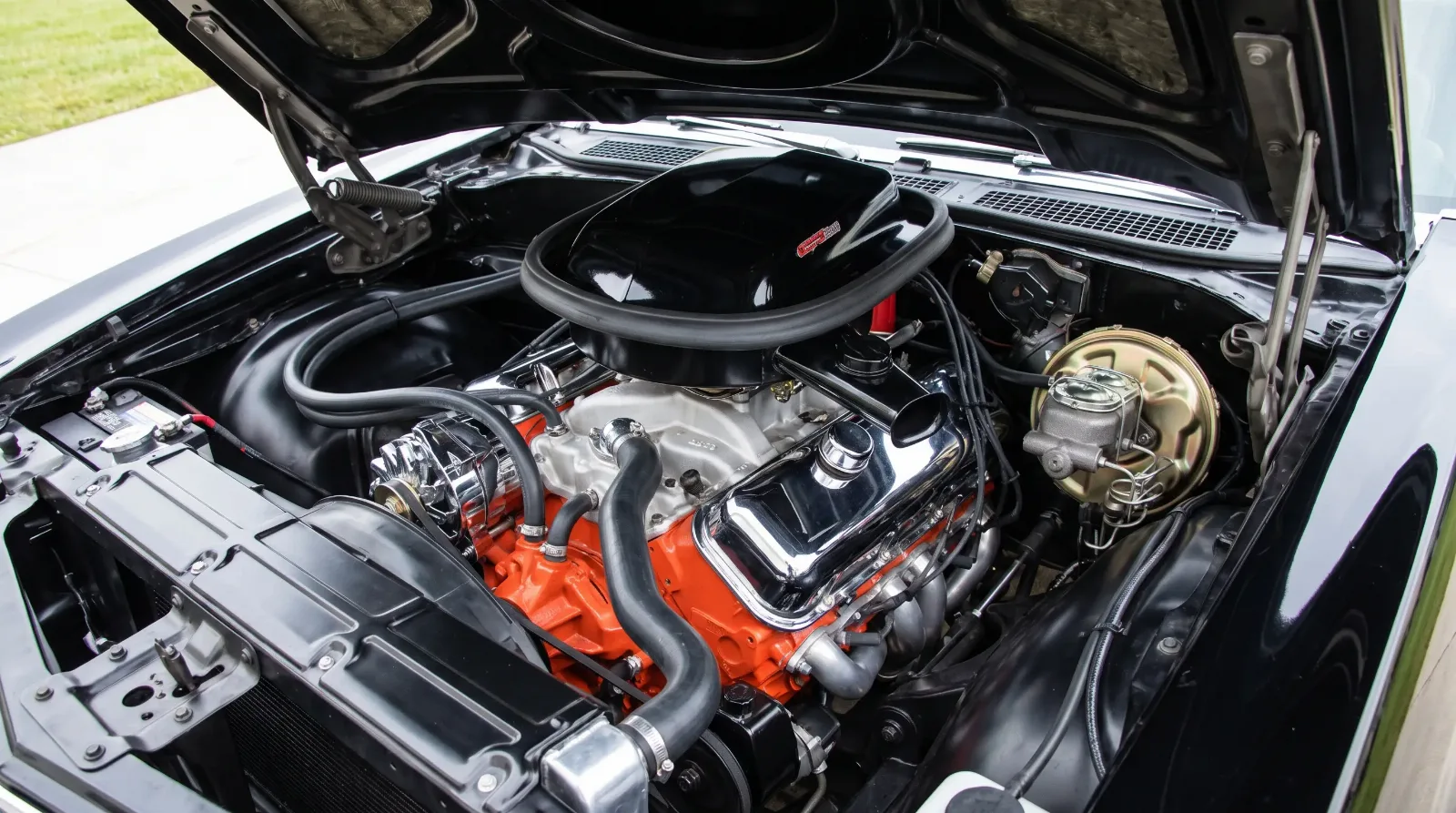
Buick's 455 Stage 1 is the torque story of the era. The gross rating sat around 360 horsepower, which was clearly conservative, but the torque figure near 510 pound-feet is the number that tells you what the car did off the line. Buick built a big, quiet, heavy engine that flattened people who showed up expecting a boulevard cruiser. It made noise on the dyno, not in the ads.
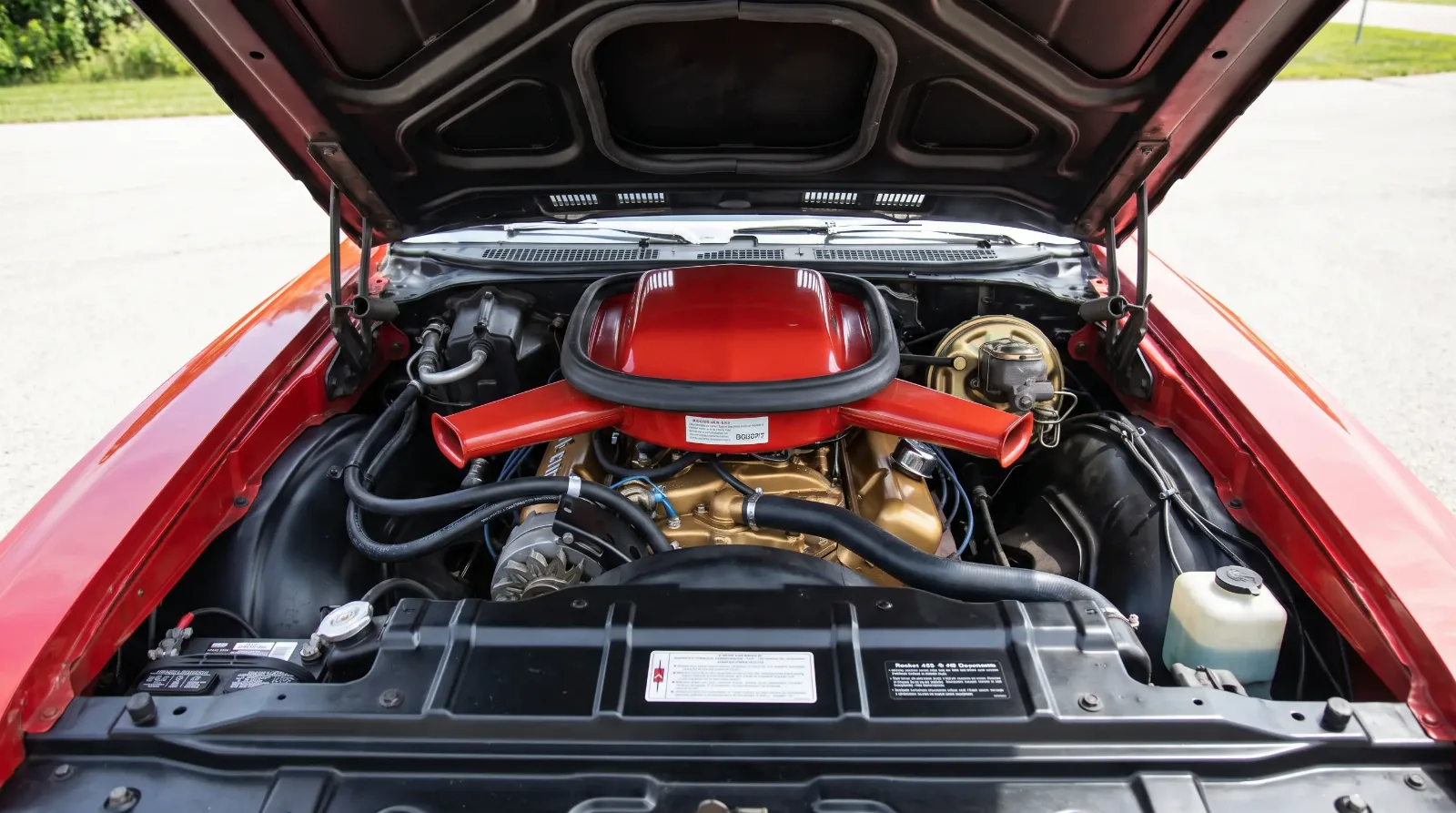
Oldsmobile's 455 in W-30 form is the same idea from a different division. Torque-rich, well-built, and refined in a way that made it feel slower than it was, which is exactly why buyers overlooked it. Pontiac's 400 in Ram Air trim rounds out the GM group. None of these three got the worship the Chevy big-blocks got, and all three delivered when the light turned green. That is the definition of underrated.
| Engine | Approx. gross rating | Why it was underrated |
|---|---|---|
| Mopar 340 small-block | around 275 hp | Deliberately underrated, light, revved hard |
| Chevrolet LT-1 350 | around 360 hp | Small-block overshadowed by big-blocks |
| Buick 455 Stage 1 | around 360 hp | Huge torque, conservative rating |
| Oldsmobile 455 W-30 | around 370 hp | Refined feel masked real output |
| AMC 390 | around 315 hp | Wrong brand, small dealer network |
The orphans: AMC and the Ford Cleveland
AMC's 390 gets ignored because it wore the wrong badge. The company was small, the dealer network was thin, and the muscle it built never got the magazine coverage the Big Three did. The 390 in a lightweight AMC body was genuinely quick, and the numbers hold up against cars people take far more seriously. Brand snobbery cost that engine its reputation, plain and simple.
Ford's 351 Cleveland is the other one. The Cleveland head design flowed well, and in four-barrel form the engine made real power in a mid-size or pony car without the weight of an FE big-block. It lived in the shadow of the 428 Cobra Jet and the Boss engines, so it never got its due. The dyno sheet says it should have. Engines like these are also why the low-compression years that followed hurt so much, and you can read the full story on what happened after 1971.
Why the underrated ones are the smart buy
Here is where it matters to you. The market pays a premium for the famous badges. A documented Hemi or an LS6 costs what a house costs. The underrated engines deliver a huge share of the experience for a fraction of the entry price, because the reputation never inflated their value the same way. A 340 car or a 455 Buick gives you the era, the sound, and the shove without the blue-chip tax.
There is a parts angle too. The famous engines get reproduction support because the demand justifies it, but the underrated ones often share blocks, heads, and internals with more common engines from the same family, which keeps them cheaper to rebuild and easier to source pieces for. A 340 or a Buick 455 does not strand you when something needs replacing. That lowers the real cost of ownership in a way the sticker price does not show, and it is one more reason these engines punch above their reputation.
That gap is the opportunity. If you are buying to drive rather than to store, the underrated engines are where the value lives right now, and you can view classic muscle car listings to see where they sit today. The famous engines will always cost famous money. The ones the market forgot are the ones a smart buyer chases.
"I trust the dyno over the reputation every time. The 340 made fools of cars with a hundred more advertised horsepower, and the Buick 455 put down torque numbers that still read like a misprint. The badge sets the price. The dyno sheet tells you what you actually bought. Buy the dyno sheet."
Dan Reeves
Related Reading
Have a
Classic Car
for Sale?
Reach thousands of serious classic car collectors across the US.
Sell It Here →
Are You a Classic Car Dealer?
List your full inventory and connect with targeted classic car buyers.
Join as a Dealer →

About the author
Dan Reeves
Performance engine builder from North Carolina's motorsports corridor, focused on swaps, forced induction and making real, repeatable power.

Comments
Be the first to comment on this article.