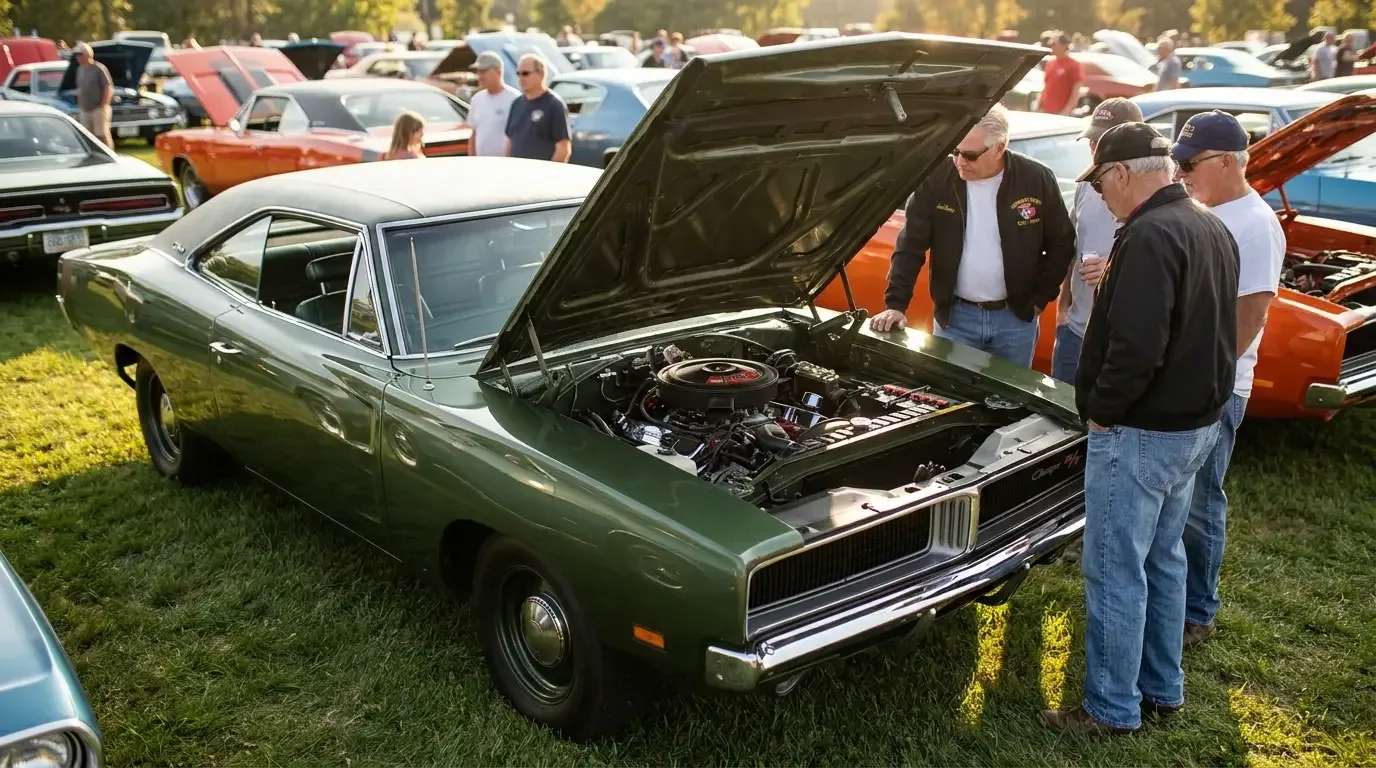
Every car club has a guy who knew a guy who knew somebody famous who owned one. Usually it's a rumor that dissolves under questioning. With the classic Dodge Charger, though, a surprising number of those stories check out, or at least check out well enough that the paperwork trail is worth following. I've been going to Charger meets for longer than I care to admit, and the ownership stories, the real documented ones, tell you almost as much about the car's reputation as the horsepower figures do.
The entertainers who actually bought one
Musicians and actors buying a Charger in period wasn't a publicity stunt the way it sometimes is now. In the late 1960s and through the 1970s, a Charger R/T with a 440 Magnum or a Hemi under the hood was a serious performance purchase, not a novelty item, and the celebrities who bought them tended to be genuine car people rather than someone's management team making a statement. Several period road-test writers noted seeing Chargers registered to television and music industry figures in Los Angeles and Nashville through the early 1970s, though matching specific celebrity names to specific VINs from that era is difficult without the original title work, and more than a few "celebrity owned" claims floating around today can't be verified past a bill of sale that's since disappeared.
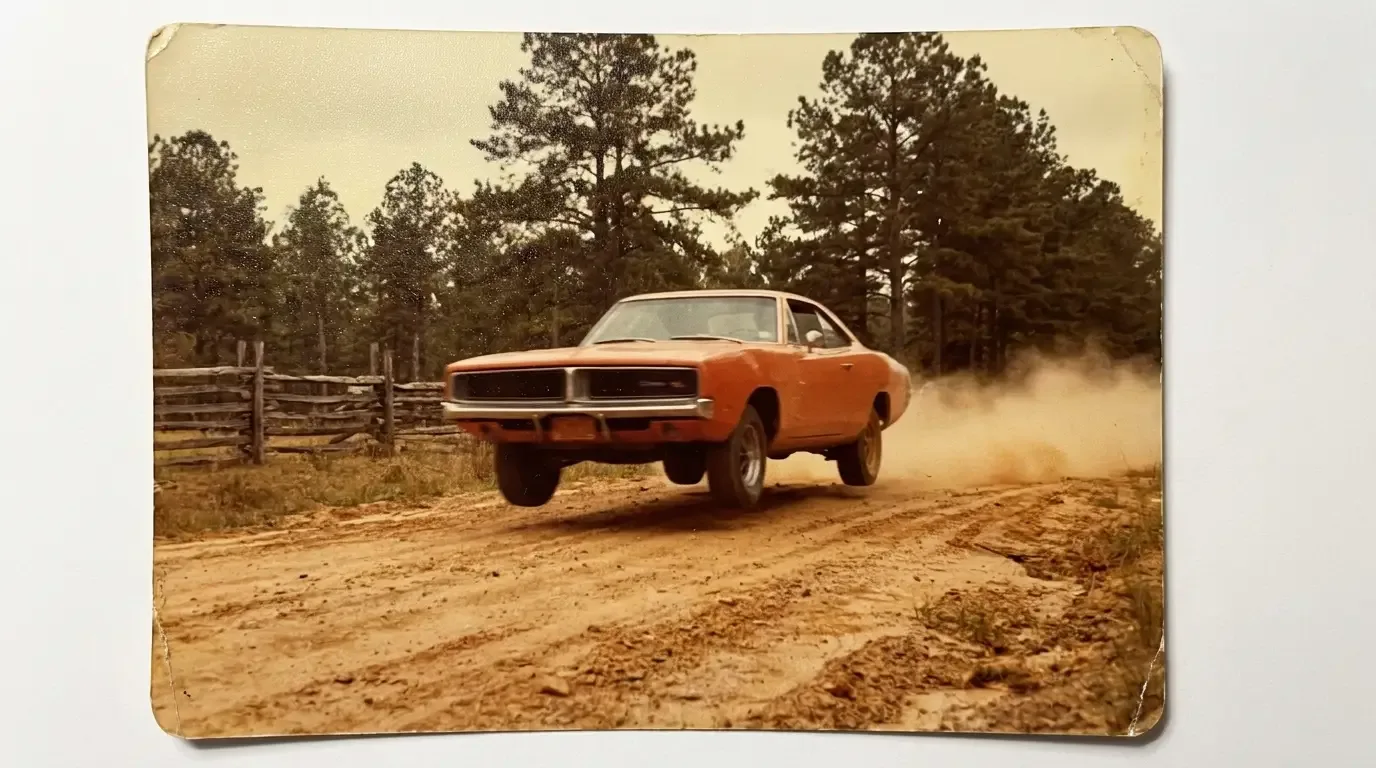
What's easier to document is the car's afterlife. Once dodge charger general lee became a household reference through television, a wave of collectors, some famous, some just well-funded enthusiasts, started actively hunting down real second-generation Chargers specifically because of that association. That's a different kind of "famous owner" story: not a celebrity who happened to buy the car, but the car's fame creating a new class of owner chasing the connection.
The stunt drivers and builders behind the scenes
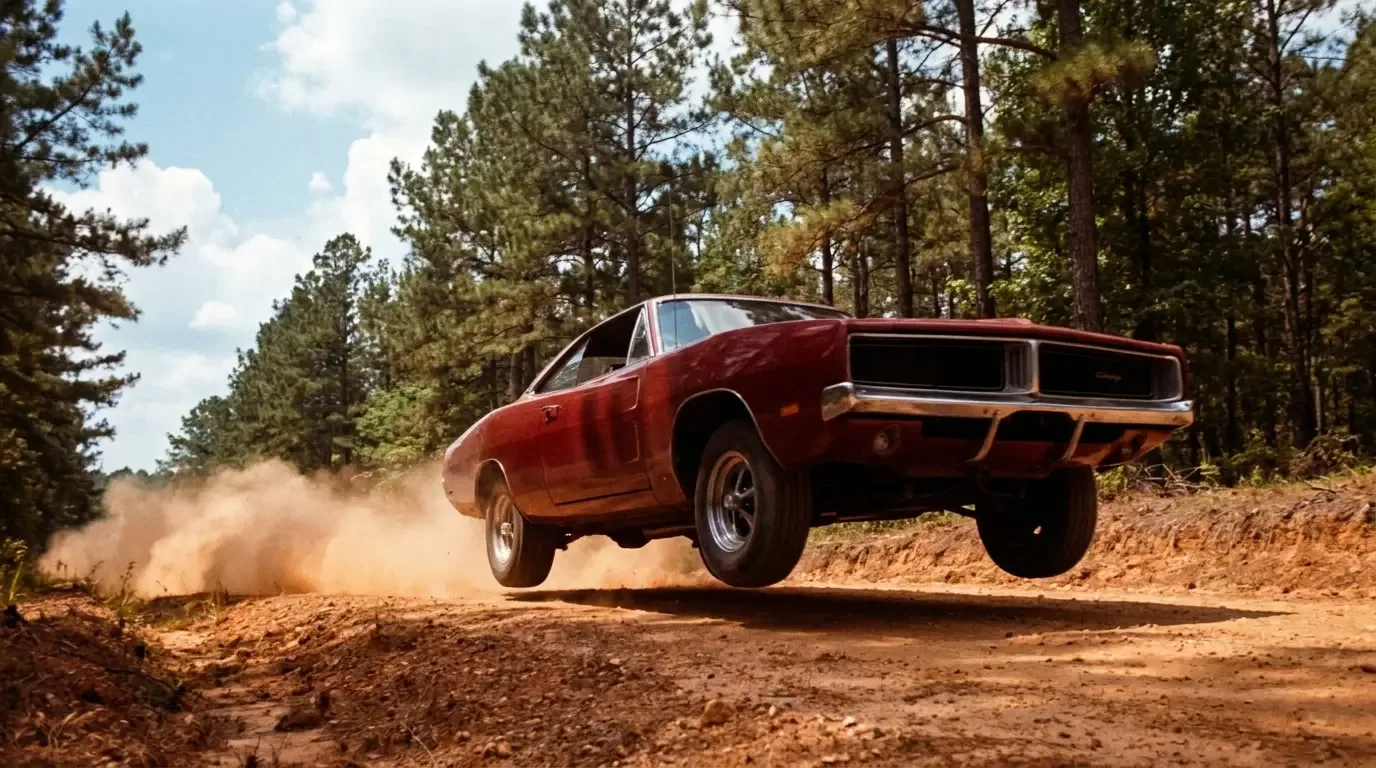
Some of the most important Charger owners in this car's story never got their names on a magazine cover. The stunt coordinators and car builders who prepared Chargers for jumps, chases, and racing through the 1970s owned fleets of them, cycling cars in and out of service as fast as they could source B-body shells. These men knew the Charger's structure better than most factory engineers by the time they were done, because they'd spent years reinforcing roll cages, welding subframe connectors, and rigging cars to survive impacts no showroom buyer would ever put one through.
"Everybody at the club had a theory about which Charger belonged to which star until somebody actually pulled the build sheet and the title history, and just like that the bench-racing was over. Real ownership stories are boring compared to the legend. That's usually how you know they're true."
— Wayne Coburn
Racers who made their names in one
NASCAR gave the Charger a different kind of famous owner: the driver-owner era where a car and a name became inseparable. Second-generation Chargers, and the aero-package Daytona variant built off that platform, carried drivers to victories that are still cited in stock car history conversations today. The relationship between driver and specific chassis in that period was tighter than modern racing, where a team fields interchangeable cars under one number. A Charger that won on a Sunday in 1971 or so had a driver's name attached to it in a way that felt personal, closer to ownership than sponsorship.
| Ownership category | Era | What made it notable |
|---|---|---|
| Entertainment industry buyers | Late 1960s to early 1970s | Genuine performance purchases, poorly documented today |
| Pop-culture collectors | 1980s onward | Bought specifically for the association with a famous on-screen car |
| Stunt and production fleets | 1970s | Owned multiples, modified heavily for filming durability |
| Racing driver-owners | Late 1960s to early 1970s | Chassis and driver reputation became linked in period press |
Why the ownership stories keep multiplying
The honest answer is that a documented, provenance-rich Charger is worth real money now, and a name attached to the ownership history adds a premium a plain example doesn't get. That creates an incentive for stories to grow in the telling. I've seen bills of sale get "remembered" more favorably at auction than they read on paper. None of that means every famous-owner claim is fabricated. It means the ones worth trusting are the ones with a paper trail, not the ones that sound best around a bonfire.
A real build sheet, a documented title chain, a photograph with a date stamp, those are worth more to a serious collector than any celebrity story lacking them. That's not cynicism. It's just how this hobby has always separated the cars worth a premium from the cars worth a good story and nothing else.
I've watched this play out at more than one regional auction. A car crosses the block with a seller repeating a famous name in the microphone, the bidding climbs past where the paperwork alone would justify, and six months later somebody in the club does the actual legwork, calls the county clerk, requests the archived title record, and the name quietly disappears from how the car gets described from then on. Nobody makes a scene about it. The car just gets talked about a little differently at the next show. That's how this hobby polices itself, slowly and without much drama, and it's worth understanding before you pay a premium for a story rather than a document.
How registries and clubs help sort fact from folklore
Marque-specific registries have become the quiet backbone of provenance research for cars like this. A dedicated Charger or Daytona registry, run by enthusiasts rather than a manufacturer, often holds decades of accumulated ownership records, magazine clippings, and cross-referenced VIN data that no single seller or auction house could match on their own. When a famous-owner claim surfaces, the first call a serious buyer should make isn't to the seller for more color commentary. It's to the registry, where volunteers who've spent years compiling exactly this kind of data can usually tell you within a few minutes whether a claim has ever been substantiated before, or whether it's a new addition to the car's story that showed up conveniently close to a sale.
That kind of independent verification matters more in this segment than almost any other corner of the hobby, precisely because the financial incentive to embellish is real and the original paperwork from fifty-plus years ago is thin to begin with.
What this means for buyers today
If you're chasing a Charger with a documented notable owner, budget time as much as money. Verifying provenance on a fifty-year-old car takes patience, letters to state DMVs that may or may not still hold records, conversations with aging family members, cross-referencing period photographs against known paint codes. It's slow work. But a Charger with real, checkable history behind it is a different animal from one with a story nobody can confirm, and the difference shows up at resale even more than it shows up at a car show.
For the fuller picture of how this reputation was built in the first place, read the background on where the Charger started before it ever became a car worth chasing for who used to own it. And for how one specific on-screen Charger became the reason so many collectors started looking, the General Lee Jump story covers the moment that changed everything for this car's public profile.
Sources and notes
- Dodge Charger (B-body), Wikipedia - confirmed period engine options (426 Hemi, 440 Magnum) that made a late-1960s Charger a genuine performance purchase.
- General Lee (car), Wikipedia - confirmed the television association that created a later class of collectors chasing the connection.
- Mental Floss, "What Happened to All Those Chargers?" - confirmed how production cars were disposed of without records, the root of many disputed provenance claims.
- Motor Authority, "The Very First General Lee Hits the Auction Block" - confirmed how documentation and chain of custody drive a premium on notable-history cars.
- The Dukes of Hazzard, Wikipedia - confirmed the NASCAR/second-gen backdrop and the scale of production-car use behind the ownership folklore.