
The firebird formula 400 does not get talked about the way the Trans Am does, and that is exactly why I like recommending it to guys who actually want to drive their car instead of polishing it. Same drivetrain family, less flash on the outside, and a price gap that has never fully closed. If you want performance without paying the Trans Am premium, this is where I point people first.
Car Features
7 min read
Formula 400: The Sleeper Choice
The firebird formula 400 shares its drivetrain with the Trans Am but skips the price premium and the attention, making it one of the better sleeper buys from the era.
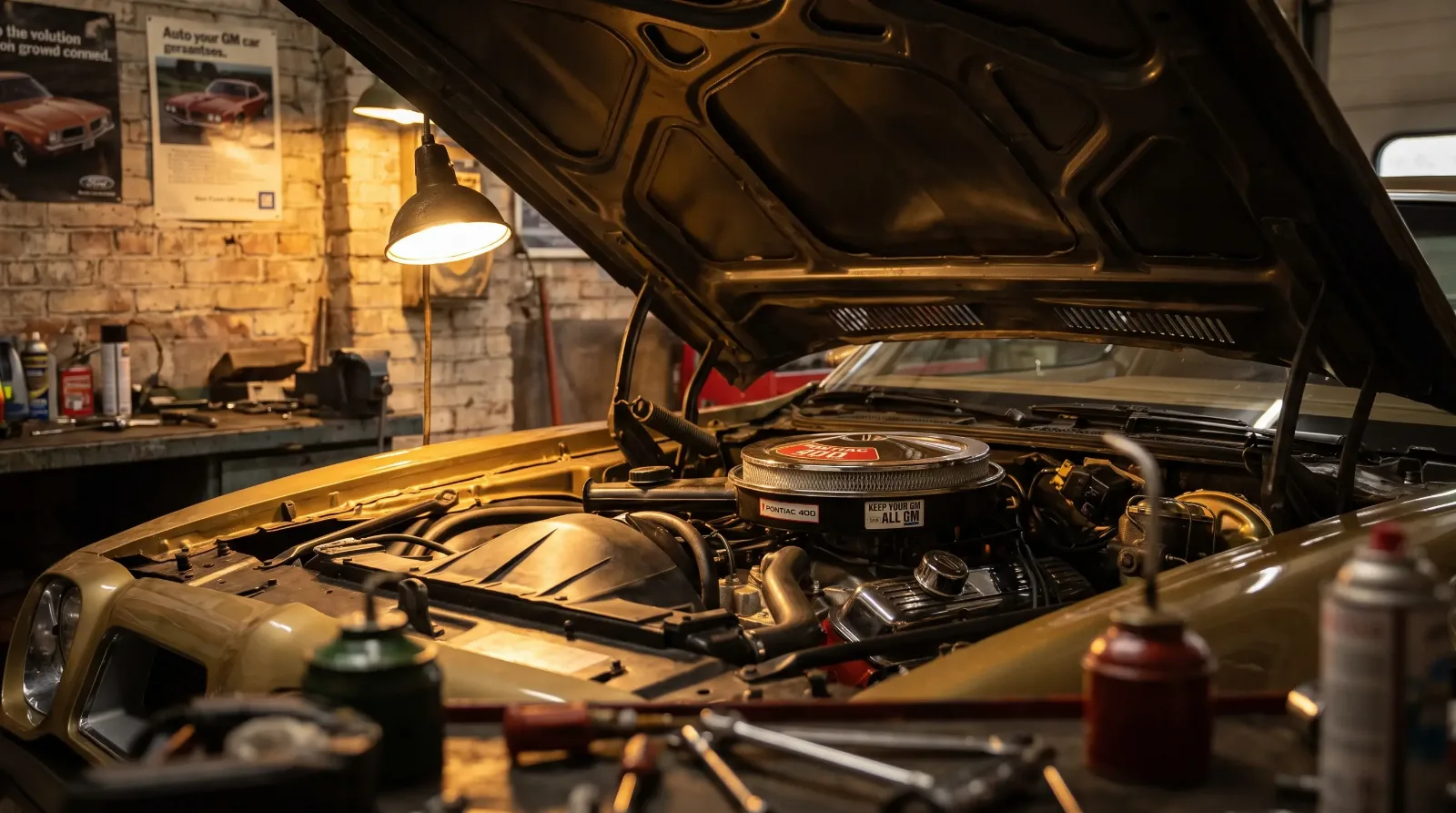
What separated Formula from Trans Am
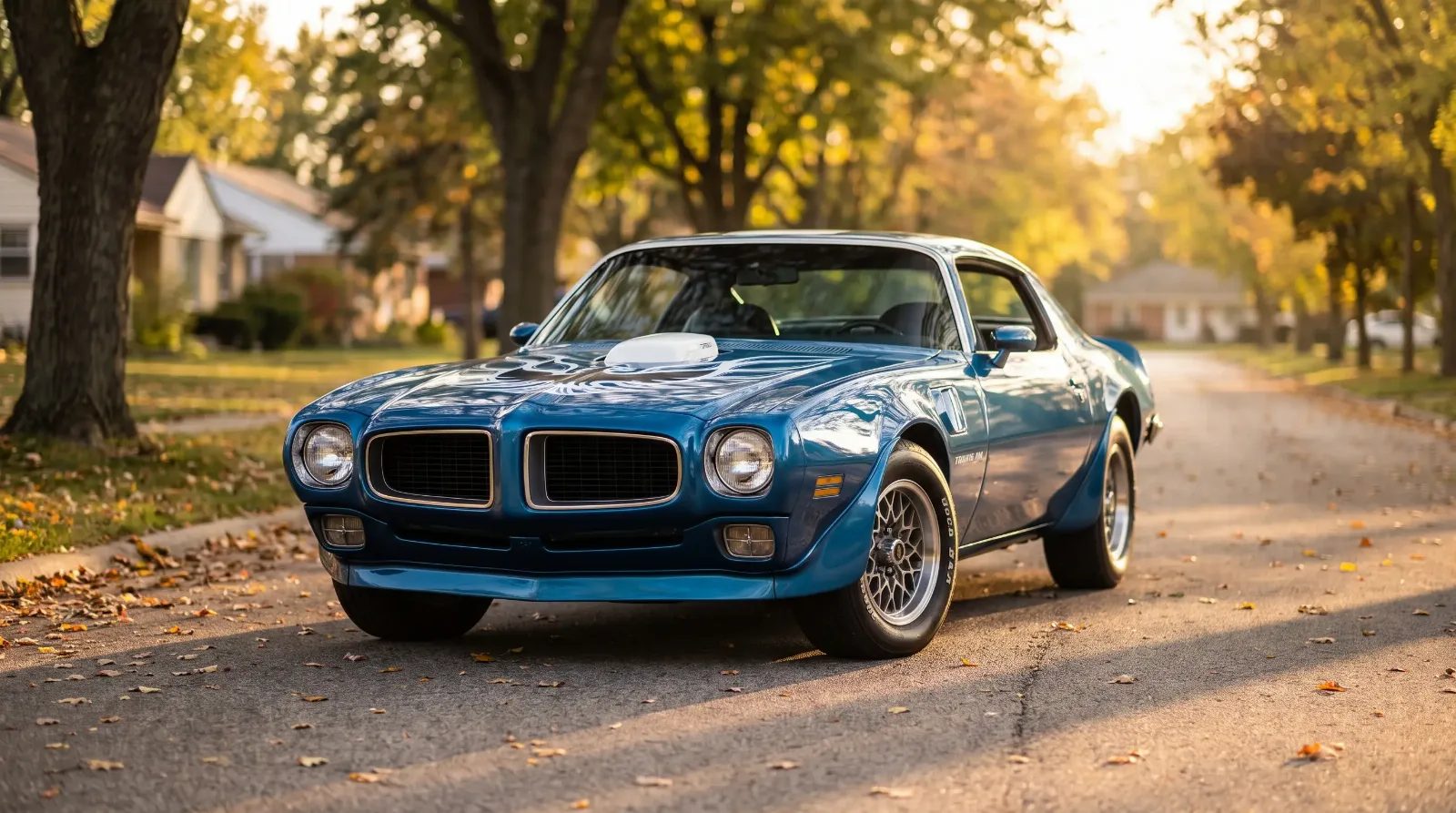
Both trims sat above the base Firebird and the Esprit, and both could be optioned with the same big engines out of the lineup, the 400 chief among them for most of the decade. The difference was mostly cosmetic and suspension-related rather than mechanical. Trans Am carried the shaker hood, the wing, the decals, and the reputation. Formula got a simpler dual-scoop hood, less brightwork, and a lower base price for buyers who wanted the go without paying for the show. The gap moved around depending on the year, roughly 787 dollars cheaper than a Trans Am in 1974 and closer to 422 dollars cheaper by 1976, but the Formula was consistently the more affordable way into the same drivetrain.
That is the whole sleeper case in one sentence. A Formula 400 with the right options can run with a Trans Am of the same year, and most people on the street will never clock it as anything other than a plain Firebird until it is too late to matter.
Why the 400 made sense in this trim specifically
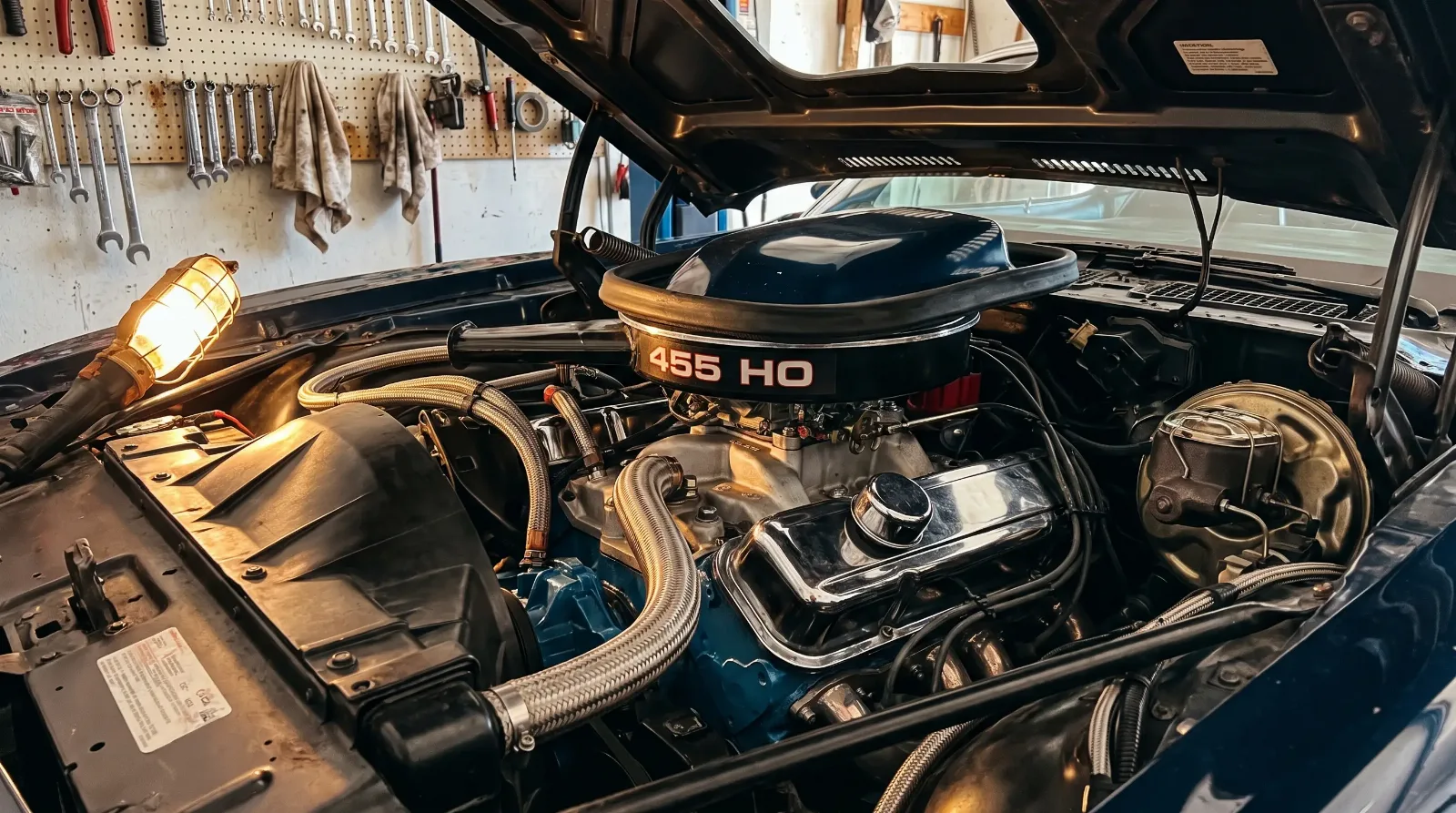
The 400 was the volume big-block option across the Firebird range, and in the Formula it made even more sense than in the flashier trims. Buyers picking a Formula were usually looking for a car that drove well without drama, and the 400 delivered strong torque without the insurance surcharge that came with the biggest available displacement. It was the practical choice, and practical does not always mean slow. A well-sorted Formula 400 pulls hard from a stop and does not run out of breath the way a smaller small-block Firebird can on the highway.
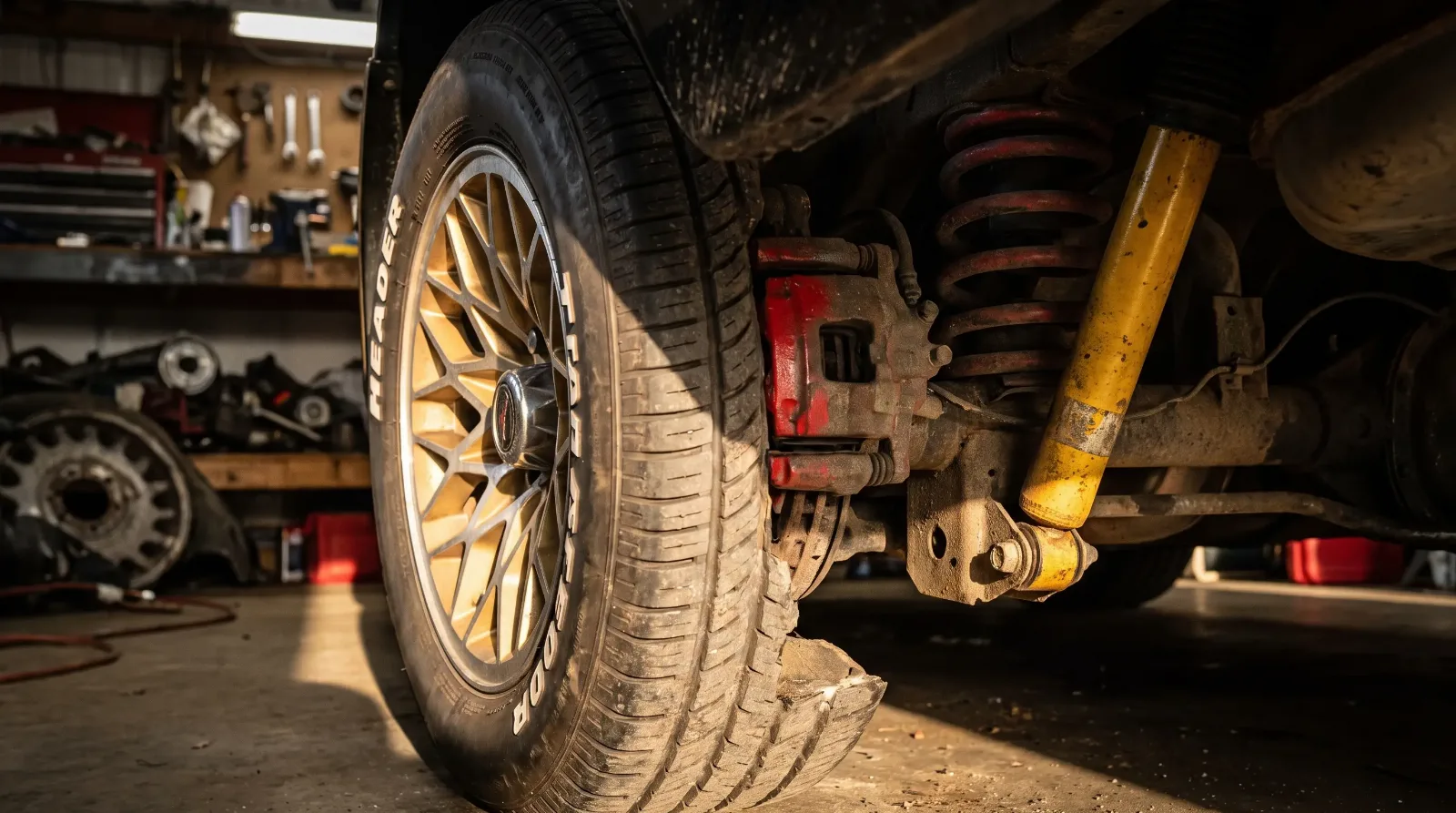
Suspension-wise, Formula cars often carried the same heavier-duty components available across the performance trims, which matters more to how the car actually drives than the engine alone. A Formula with the right suspension package and a 400 under the hood is not a compromise car. It is a different set of priorities than the Trans Am, aimed at drivers rather than showgoers.
Insurance and the sleeper math
A lot of the Formula's appeal in period came down to paperwork that had nothing to do with the car itself. Insurance underwriters priced policies off the trim name and the perceived risk profile as much as the actual engine, and a Trans Am with its wing and decals read as a bigger risk to an underwriter than a Formula with the same drivetrain underneath. That gap was real money for the original buyer, and it is part of why so many Formulas were ordered by people who wanted the performance without announcing it to their insurance company or, frankly, to anyone else on the road.
That history matters today mostly as context rather than as a direct price driver, since insurance companies now underwrite classic cars very differently than they did new car policies in the 1970s. But it explains why the Formula exists as a distinct trim at all rather than just a stripped Trans Am, and it is worth knowing when someone tries to tell you the Formula was some kind of afterthought trim. It was a deliberate choice for a specific kind of buyer, and that buyer usually knew exactly what they were doing.
What to check before buying one
Formula 400s get faked into Trans Am clones more often than the reverse, since the Trans Am commands the bigger check. That means the more common risk with an actual Formula is the opposite problem: sellers under-describing what they have because they assume Formula automatically means less desirable. Do your own homework on the build sheet rather than trusting the trim badge on the fender either way.
- Confirm the engine code against factory documentation rather than relying on the seller's word
- Check for rust at the rear window channel and trunk floor, a common weak point on these bodies regardless of trim
- Ask specifically whether the suspension components match what the Formula would have carried from the factory, since parts get swapped over decades of ownership
- Compare the asking price against recent Trans Am sales of the same year, since the gap tells you how much premium you are avoiding by buying the Formula instead
Documentation quality varies enormously across surviving Formula 400s, more so than with Trans Ams, simply because fewer people bothered keeping meticulous records on what they saw as the value option. That is changing now that the market has caught up to what these cars actually are, but it still means patience pays off. A seller with a shoebox of old receipts and a partial build sheet is worth more to a serious buyer than a seller with a clean-looking car and no paper trail at all, regardless of which one photographs better.
Where the Formula fits in the wider story
This trim only makes sense against the backdrop of the definitive Firebird era, when Pontiac was juggling performance, cost, and tightening regulation all at once. For the handling side of that same era, a companion piece covers the suspension package that eventually made these cars genuinely capable in the corners, not just in a straight line. And for the full picture of how the Firebird nameplate developed across every generation, the full Firebird guide is the place to start.
"Nobody at the stoplight knows what a Formula 400 is until it is already gone. That is the whole appeal, and it is why I tell guys to stop chasing the wing and the decals."
Mike Sullivan
If you are actually shopping rather than just reading about it, our current listings of classic Firebirds for sale are worth a look, since Formula 400s tend to sit longer on the market than Trans Ams and that patience usually works in the buyer's favor.
Bottom line on the firebird formula 400: less badge, same drivetrain family, and a price gap that rewards buyers willing to skip the shaker hood.
Sources and notes
Related Reading
Have a
Pontiac Firebird
for Sale?
Reach thousands of serious classic car collectors across the US.
Sell It Here →
Are You a Classic Car Dealer?
List your full inventory and connect with targeted classic car buyers.
Join as a Dealer →
#buying guide
#pontiac firebird
#second-gen Firebird
#Firebird Formula 400
#Sleeper Muscle Cars
#Trans Am Alternative

About the author
Mike Sullivan
Detroit-area muscle car enthusiast and restoration specialist with three decades of hands-on experience working on American iron.
Related Listings - Pontiac Firebird




Comments
Be the first to comment on this article.