
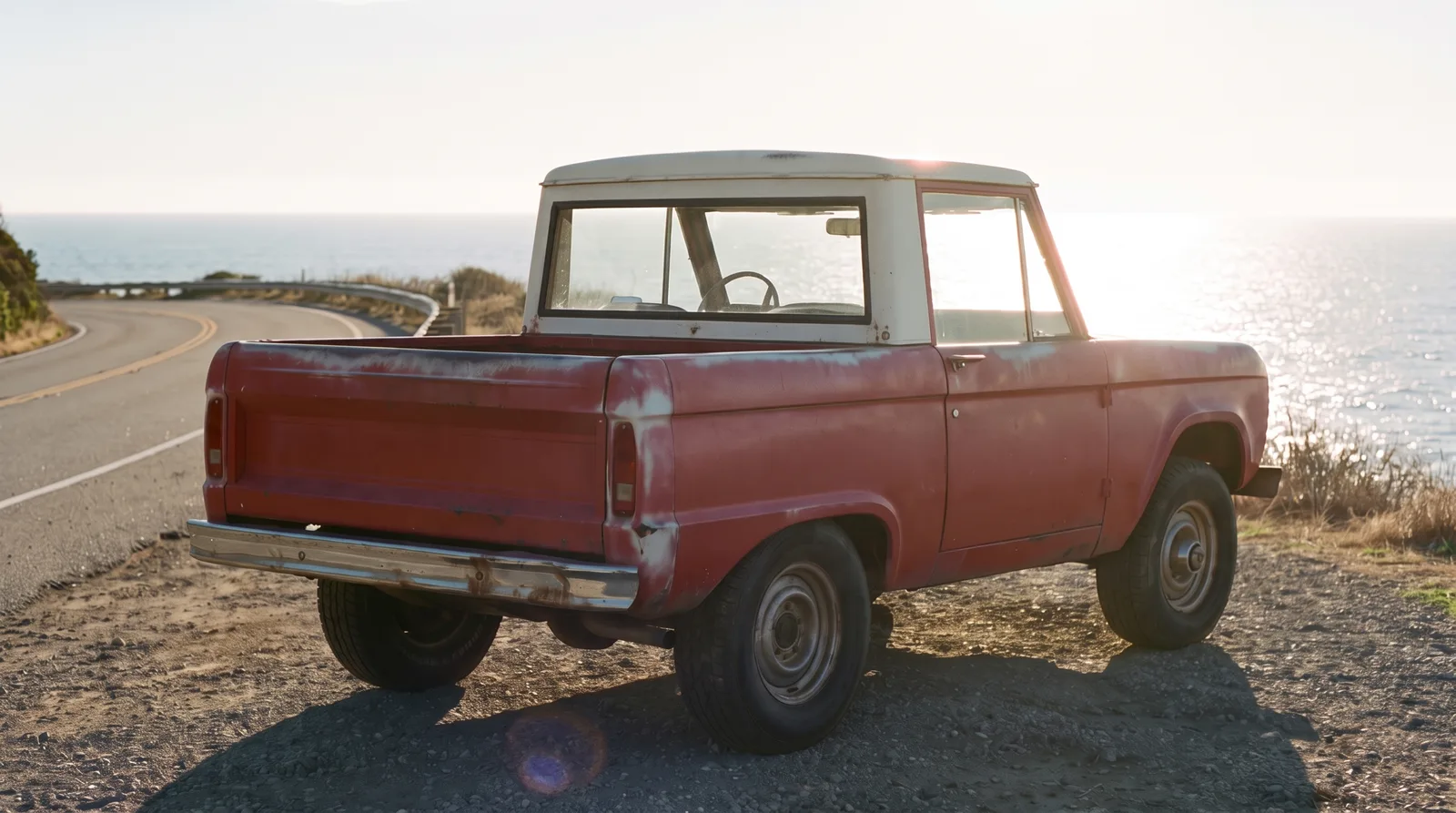
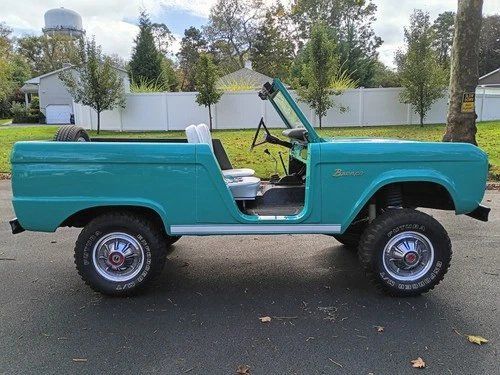
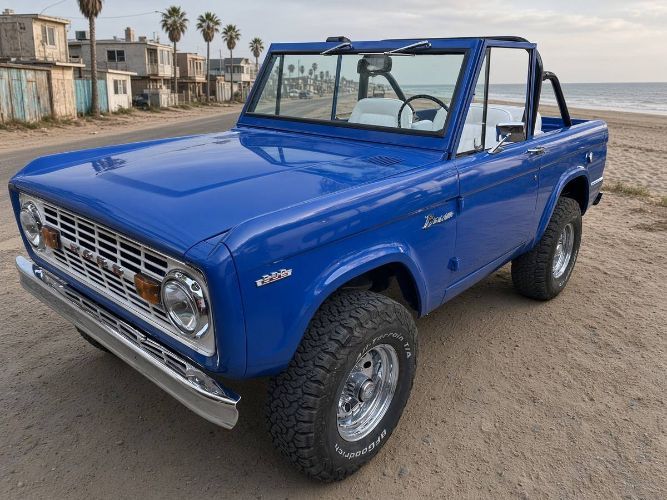
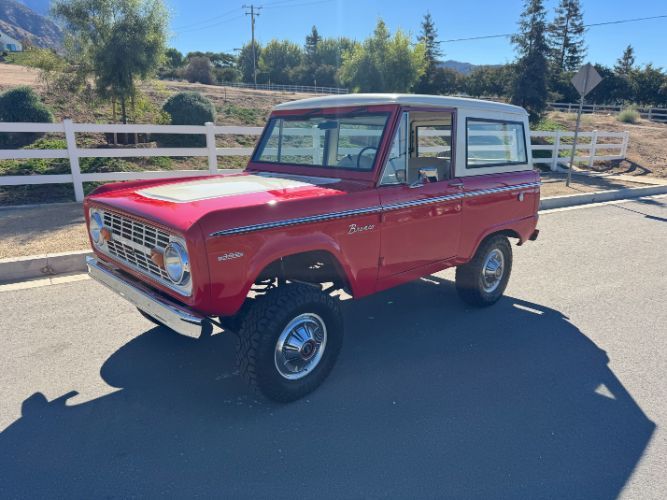
There is a particular red that shows up in old Bronco photographs, faded just enough by decades of sun that you can tell the print is original and not a reproduction. That red, along with a handful of other factory hues, is how a lot of people first recognize a 1966 Bronco even before they clock the shape of the grille. Ford Bronco 1966 colors were never flashy by the standards of the muscle car era happening at the same moment on the other side of the same showroom floor, but they have aged into something people go looking for on purpose.
Car Features
6 min read
The Original 1966 Bronco Color Palette
Ford's first Bronco palette was short and practical, but the colors that survive on original trucks now carry a quiet weight collectors go looking for.
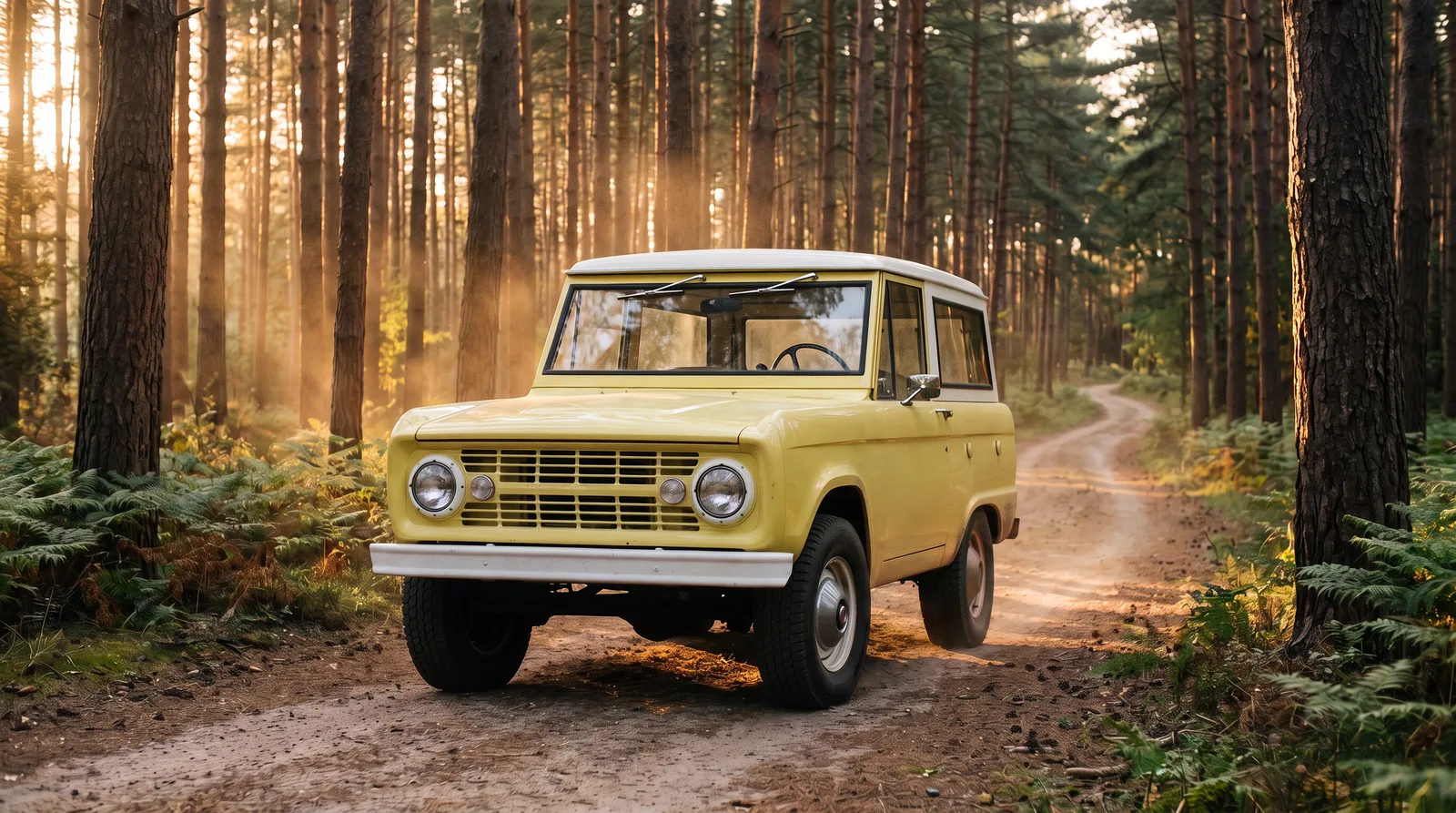
A short palette built for a working truck
Ford launched the Bronco with a modest color selection compared to the sprawling palettes offered on cars like the Mustang that same model year. The initial lineup leaned on straightforward, durable tones: a bright red, a clean white, a deep blue, and a couple of earthier options suited to a truck that was going to spend real time off pavement. There was no attempt to chase the era's wilder trends. This was a utility vehicle first, and the colors said so, even as the advertising sold adventure over utility.
That restraint is part of what makes the original colors feel so distinctive now. Where a lot of 1966 cars reached for candy tones and metallic flake, the Bronco's palette reads almost quiet, and against a background of trail dust or a river crossing, quiet worked.
How color tracked the three body styles
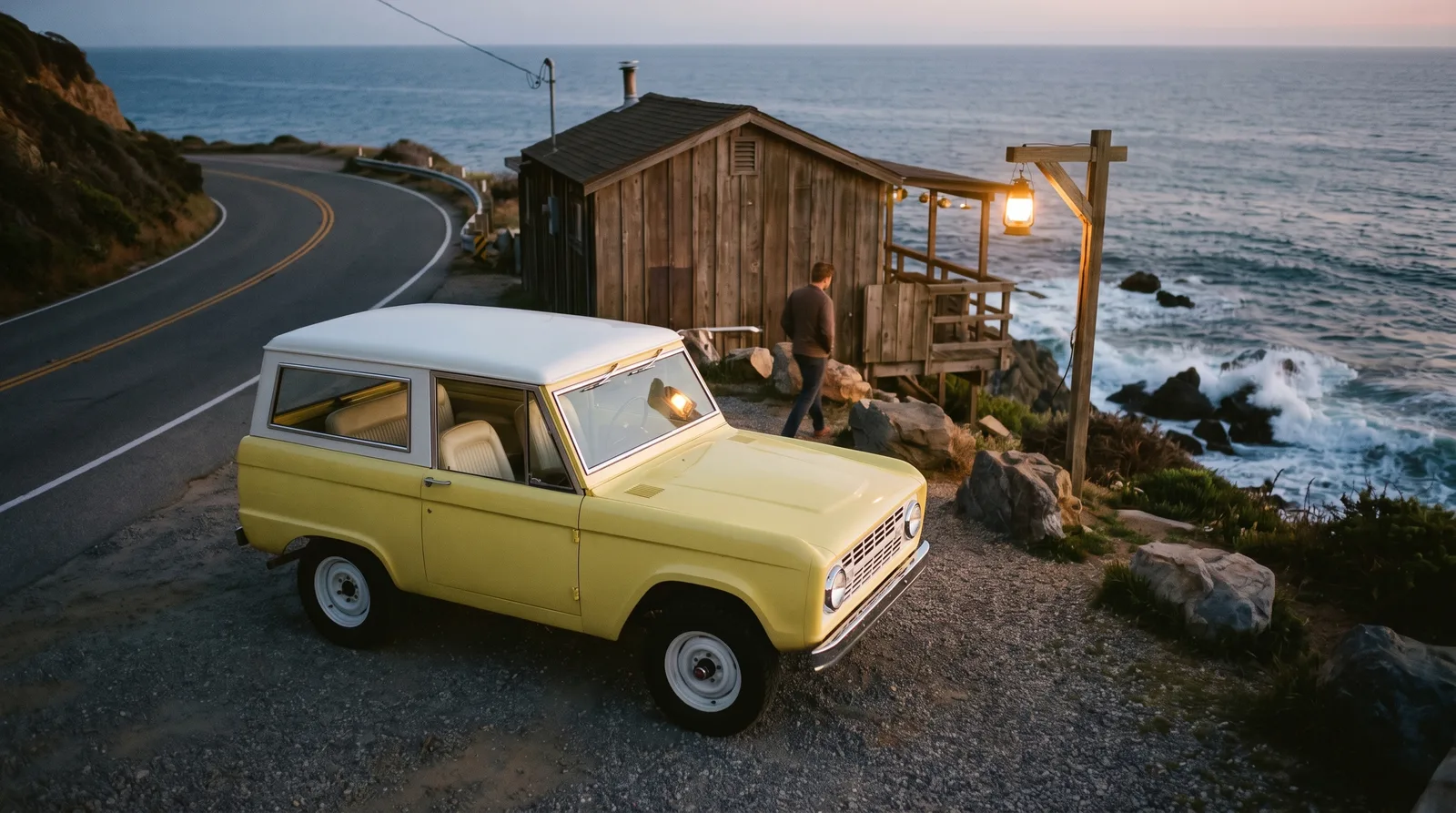
Because the Bronco came as a Wagon, a half cab Sports Utility, and an open Roadster, the same color could look like three different trucks depending on which body wore it. White on the enclosed Wagon read clean and almost formal. The same white on a doorless Roadster read something closer to beach truck or ranch runabout. Buyers seemed to sense this. Anecdotally, dealers noted that Roadster buyers gravitated toward the brighter end of the palette, red and a warm yellow among them, while Wagon buyers leaned toward white and the darker blue, choices that tracked neatly with how each body style was actually being used.
What survives, and why so little of it does
Sun does what sun does to a truck that spends its life outdoors, and the original Bronco palette was not formulated with modern UV stability in mind. A lot of these colors have simply not survived intact. What is left tends to be trucks that spent decades in barns, garages, or dry climates, and those examples carry a particular kind of weight for people who care about this era of the truck. There is something almost tender about finding a Bronco that still wears its factory color, chalky and thin in places, rather than a repaint done in the wrong shade because nobody bothered checking the original code.
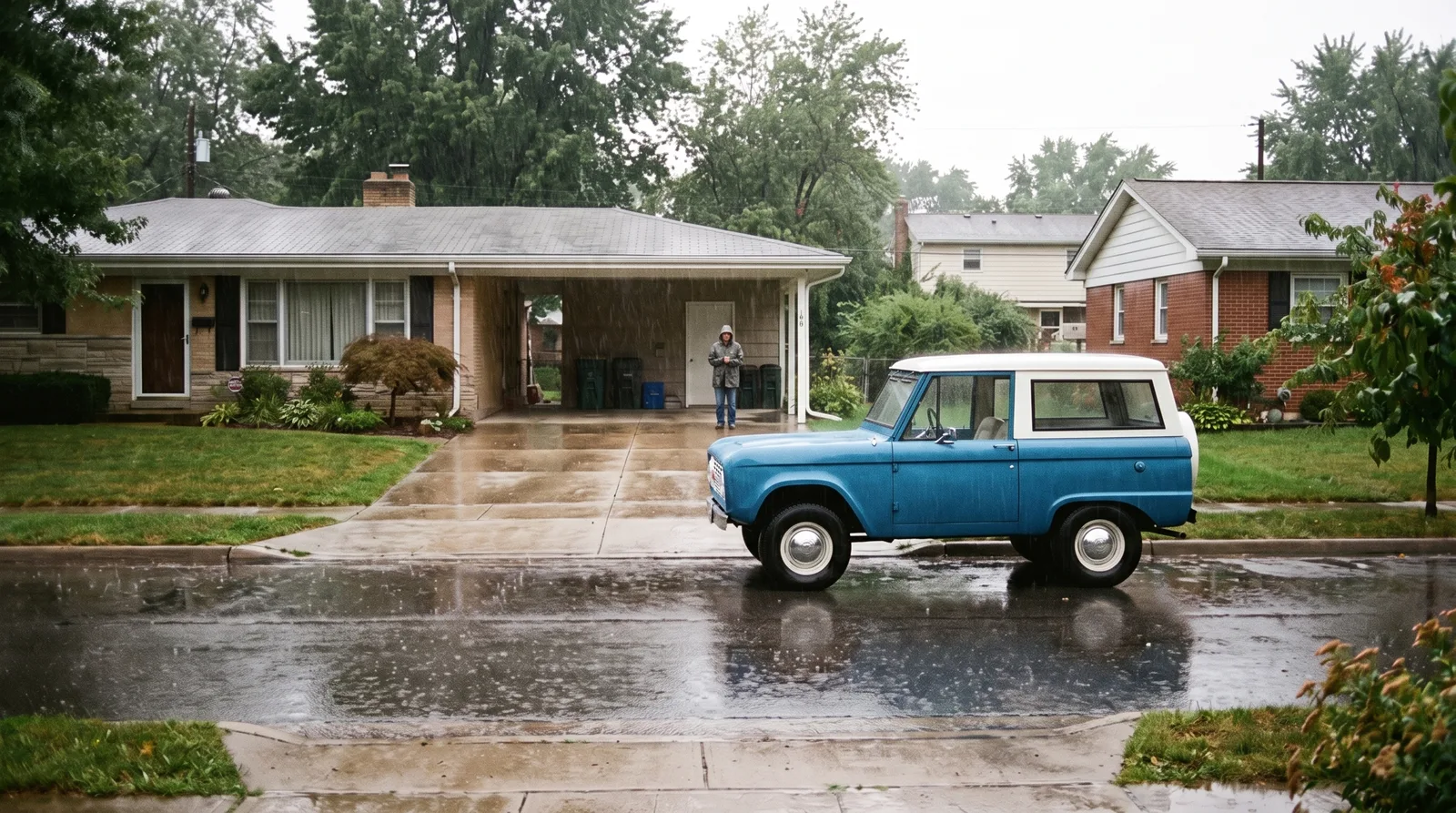
"I think about the woman who ordered her Bronco in that original blue because it matched something, a boat, a barn door, who knows, and fifty years later that choice is the only thing left of her decision. The mechanical parts get replaced. The color, if it survives, is still hers."
- Nora Beckett
The colors that came and went quickly
A handful of shades from the original palette barely lasted beyond the first model year or two before Ford quietly dropped them from the order sheet, replaced by updated hues as the palette evolved through the late 1960s. Tracking exactly which colors were truly exclusive to 1966 takes real digging through period literature, because Ford's own paperwork from the era is not always consistent about naming conventions from one printing to the next. For collectors chasing an accurate first year restoration, that inconsistency matters. A color that looks right in a faded photograph is not always confirmed as a genuine 1966 only offering without cross checking multiple sources.
That murkiness has become its own small subculture within Bronco research circles, with dedicated enthusiasts comparing dealer brochures, factory paint chip books, and surviving invoices to build a more reliable record than any single document provides on its own. It is patient, unglamorous work, closer to archival research than car restoration, but it is exactly the kind of work that keeps the history of this specific model year honest.
Getting a repaint right
For owners restoring a Bronco whose original paint has not survived, matching the factory code correctly matters more than most people expect. The wrong shade of what looks close enough to the eye can throw off a truck's value and, more quietly, its honesty. Serious restorers track down build sheets, dealer invoices, and even paint chip charts from the period rather than guessing off a faded reference photo. The goal is not just a nice looking truck. It is a truck that tells the truth about what it was.
That care over color is one small piece of a much bigger picture. Readers who want our complete history of how the 1966 Bronco came together, from the frame up through the body styles that made these colors mean something different depending on where they landed, will find the fuller context there.
Interior colors told their own quieter story
Exterior paint gets most of the attention, but the vinyl and rubber interior finishes Ford offered alongside it carried their own small palette worth remembering. Utility oriented buyers tended toward darker, more practical interior tones that hid dirt and wear from work use, while recreational buyers again leaned brighter, choosing lighter vinyl that photographed well but showed grime faster on a truck that spent its weekends off pavement. Original interior color, when it survives at all, tends to survive worse than exterior paint, since vinyl and rubber degrade faster than baked enamel under sun exposure. A Bronco with intact original interior trim is consequently rarer than one with intact original exterior paint, and collectors who understand that scarcity treat surviving interiors with real care during any restoration work.
Why color still shapes buying decisions today
Ask around at any classic Bronco gathering and you will hear people talk about color before they talk about engine or mileage. It is the first thing anyone sees, and for a lot of buyers it is still the deciding factor between two otherwise similar trucks. That has not really changed since 1966. People chose these colors originally because they meant something, practicality, personality, or just what looked good against a specific stretch of road, and buyers today are doing the same math when they go looking. Anyone drawn to a particular shade from these old photographs can browse classic Bronco listings and see how much of that original palette is still out there, waiting for the right person to notice it.
Sources and notes
Related Reading

About the author
Nora Beckett
Automotive features writer and photographer who tells the human stories behind the cars, from show fields to cross-country road trips.
Related Listings - Ford Bronco




Comments
Be the first to comment on this article.