
Ford's price list for the new truck in the fall of 1965 was short, and that was the point. A buyer walking into a dealership could choose from three body styles, one standard engine, and a handful of option boxes, and still drive away with a truck that felt personal. Ford Bronco 1966 price options tell a story that most modern buyers miss: this was a truck built cheap enough to move volume, with just enough choice to let a rancher, a hunter, or a young family each build something that suited them.
Car Features
7 min read
What a 1966 Bronco Cost and How Buyers Optioned It
Three body styles, one standard engine, and a short option list. Here is what Ford actually charged for a 1966 Bronco and how first owners spec'd them.
What the base truck actually cost
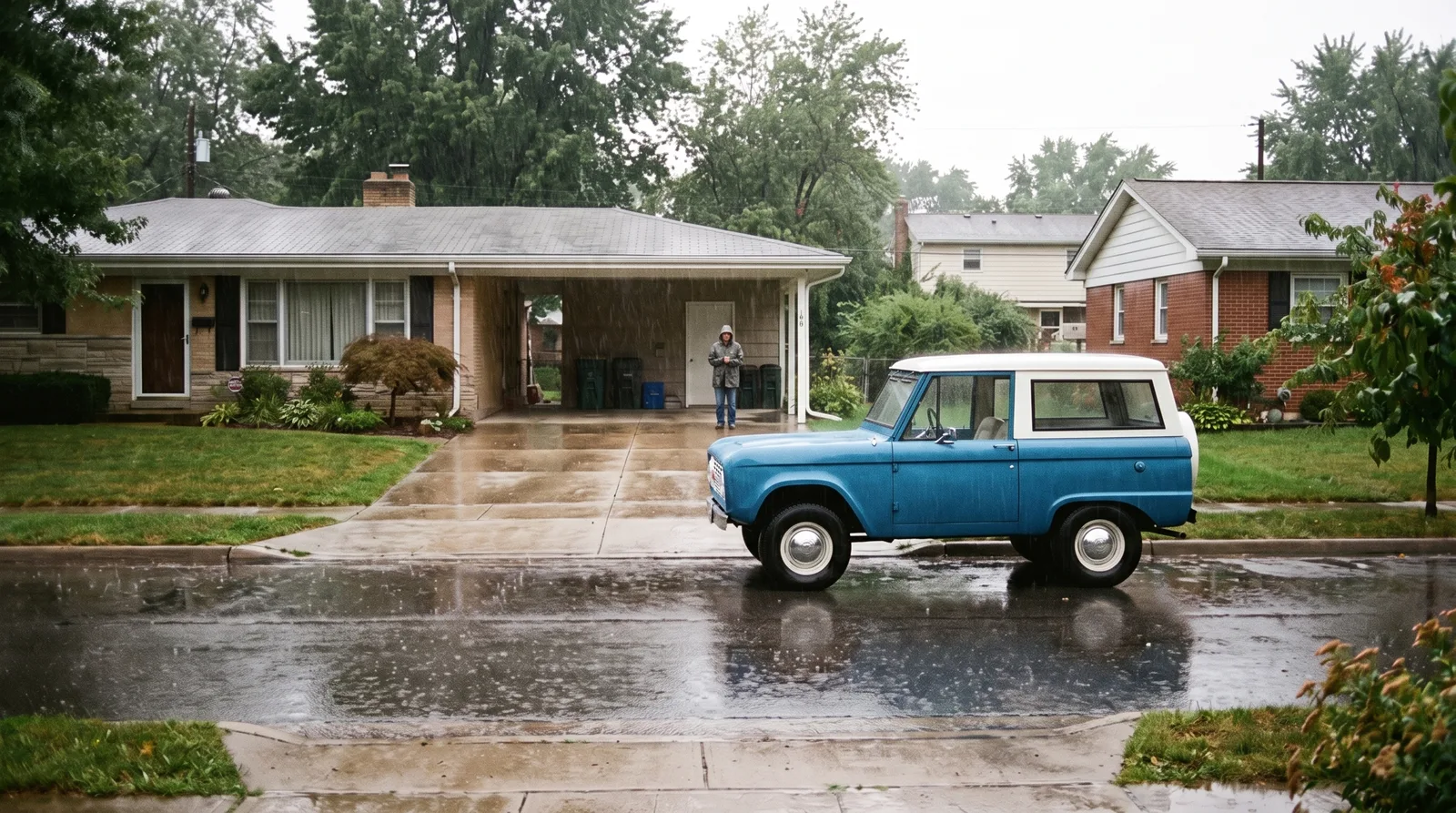
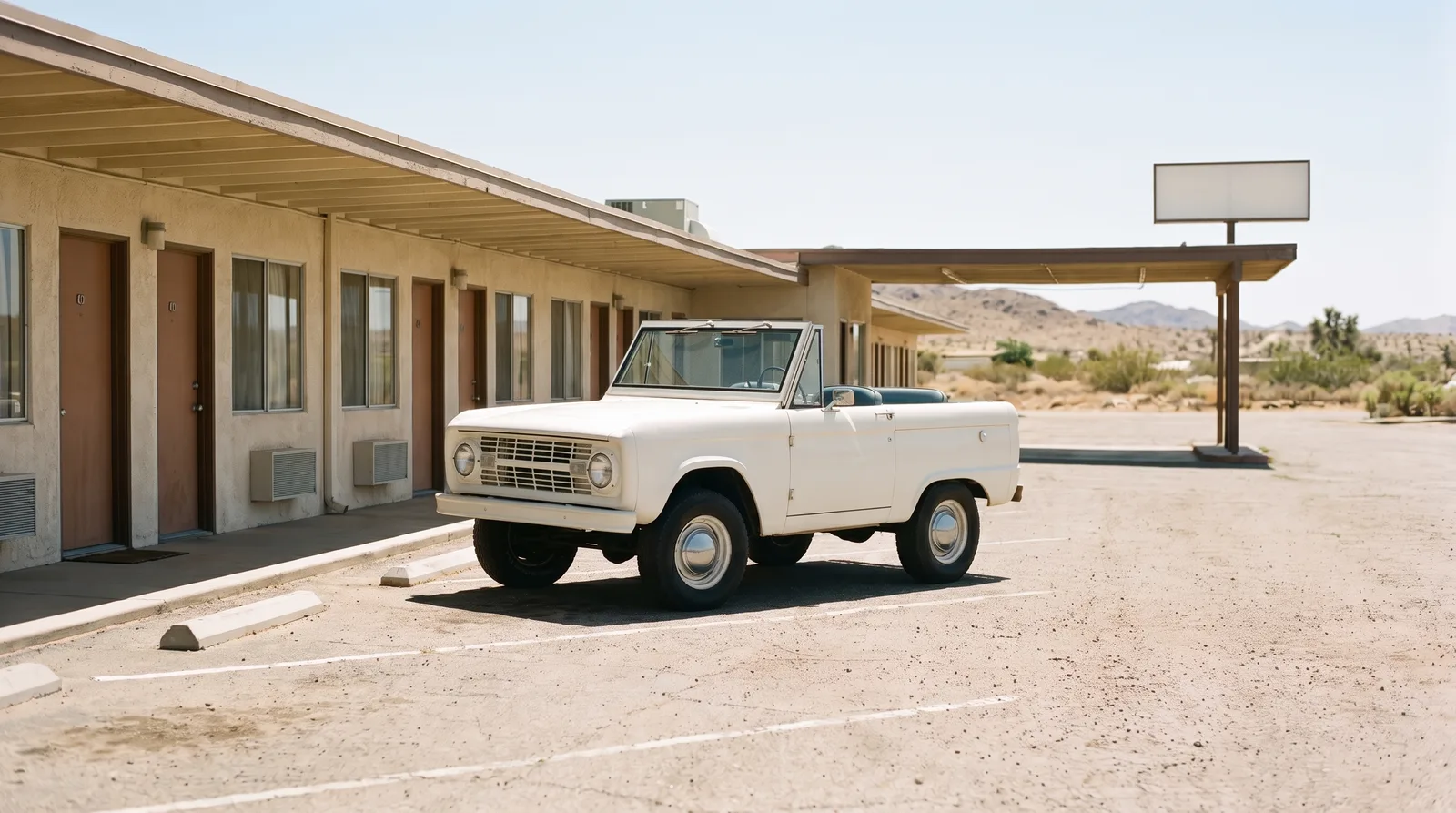
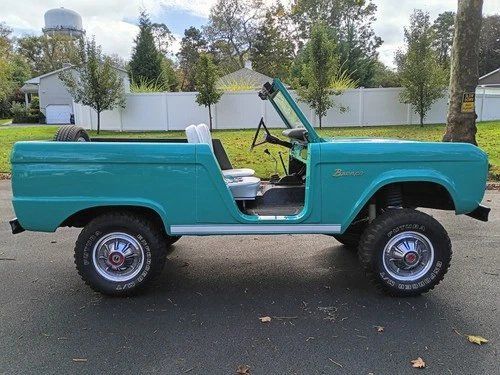
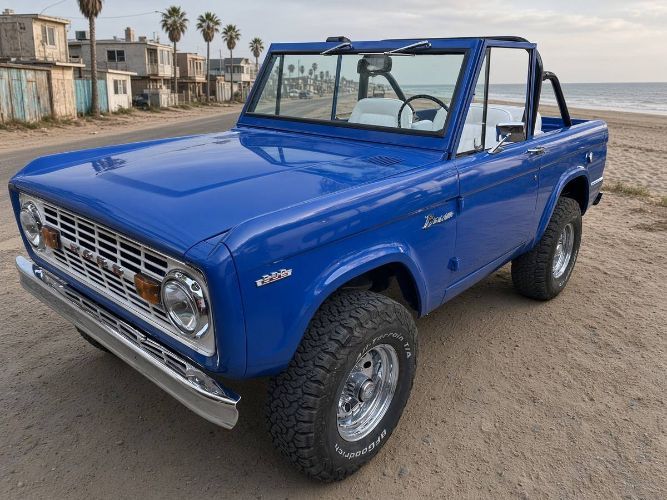
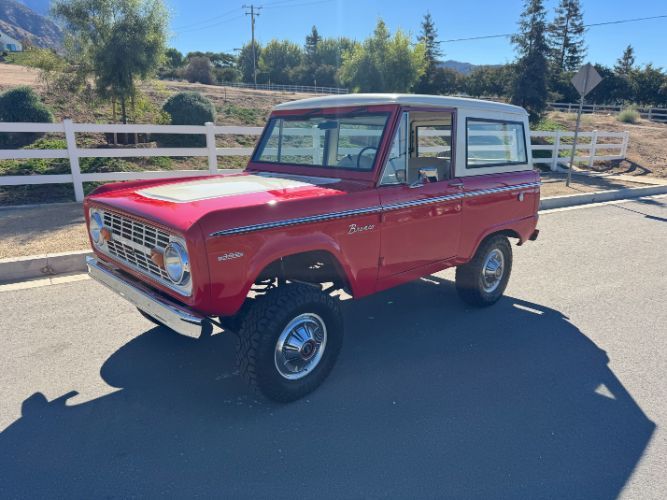
The 1966 Bronco arrived in three configurations. The Wagon was the fully enclosed body with a rear liftgate, priced as the top of the range. The Sports Utility, sold as a half cab pickup with an open rear bed, sat in the middle. The Roadster, with no doors, no top as standard, and a stripped down interior, was the cheapest way into a new Bronco, with the line starting at a base price of roughly $2,194. All three shared the same 92 inch wheelbase and the same frame, so the price spread came almost entirely from body panels, glass, and trim rather than from any mechanical difference.
That pricing structure told buyers exactly what Ford thought the market wanted. The Roadster undercut the competition on sticker price for anyone who wanted bare bones off road capability, while the Wagon competed more directly against fully enclosed rivals aimed at families and year round use.
The engine choice that actually mattered
Every 1966 Bronco left the factory with Ford's 170 cubic inch Thriftpower Six as standard equipment, a straightforward inline six shared with other Ford compacts of the era. Partway through the model year, Ford added the 289 cubic inch V8 as an option, a significant jump in both cost and capability. Buyers who wanted more power for towing, hauling, or simply climbing grades without straining the six had to check that option box and pay for it, and the V8 became a meaningful chunk of the total price on any truck ordered with it.
Options that separated a work truck from a play truck
Beyond the engine, Ford kept the option list narrow compared to its passenger cars. A buyer could add a heater, a tow package, a power takeoff for farm implements, whitewall tires, and a handful of trim upgrades. None of it approached the sprawling option sheets Ford offered on the Mustang or Galaxie that same year. The Bronco was priced and equipped like a tool, not a lifestyle purchase, even though the advertising increasingly sold it as one.
Four wheel drive itself was standard across the line, which set the Bronco apart from some rivals that offered two wheel drive versions to hit a lower price point. Ford made the bet that anyone buying a Bronco specifically wanted the capability, not a cheaper two wheel drive alternative wearing the same body.
How buyers actually optioned their trucks
Dealer order data and surviving build sheets show a clear pattern. Ranchers and utility buyers tended toward the Sports Utility half cab with the six cylinder engine and the power takeoff option, prioritizing function over comfort. Recreational buyers, the audience Ford's advertising increasingly targeted, gravitated toward the Wagon or the Roadster, often skipping the utility options in favor of whitewalls and trim packages that made the truck feel less like farm equipment.
"Look at enough original build sheets and you can practically guess what the first owner did for a living. The option boxes on a 1966 Bronco tell you more about the buyer than the color does, and color tells you plenty on its own."
- Tom Ramirez
What the option sheet reveals about Ford's expectations
Comparing the Bronco's option list against other new Ford products from the same model year is telling. A 1966 Mustang buyer could choose from dozens of trim, engine, and appearance combinations, reflecting a car built around personal expression. The Bronco's short list, by contrast, reflects a product team that expected buyers to know exactly what they needed the truck to do before they ever walked onto the lot. There was little room for indecision or impulse customization. You picked a body style suited to your use case, decided whether you needed the V8's extra pull, and added the specific working equipment your job required. Everything else was secondary.
That restraint also kept manufacturing simpler for Ford during a launch year when the company was still working out production kinks on an entirely new platform. Fewer option combinations meant fewer places for something to go wrong on the line, a practical consideration that gets overlooked when people focus only on what the option sheet offered buyers rather than what it protected on the factory floor.
How Bronco pricing sat against the competition
Set alongside International Harvester's Scout and the full sized four wheel drive trucks Ford and its rivals also sold, the Bronco carved out a middle position. It cost more than a stripped Scout but less than a full sized truck equipped with comparable four wheel drive hardware, and it offered a wheelbase and turning radius neither of those alternatives could match. That positioning was deliberate. Ford was not trying to be the cheapest option in the segment or the most capable full sized option. It was building a truck sized and priced specifically for a buyer who wanted real capability without the bulk, expense, or fuel consumption of something larger, and the price list reflected that target squarely.
Financing terms available through Ford dealers in 1965 and 1966 also made a meaningful difference in who could realistically buy one. Compared to paying cash outright for a Scout or a used full sized truck, a new Bronco on typical dealer financing brought a genuinely new vehicle within reach of buyers who might otherwise have settled for something older and less reliable, a factor period sales literature leaned on almost as heavily as the specification sheet itself.
Why this matters to collectors now
Original documentation showing how a specific truck left the factory has become one of the most valuable things a Bronco owner can hold onto. A six cylinder Roadster with the original spartan option list is a different collector proposition than a V8 Wagon loaded with period options, even though both rolled off the same line in the same model year. Buyers researching a purchase should understand what the factory actually offered before assuming a truck's current spec matches how it left Ford. For the full story of how the model came together beyond just pricing and options, the broader history fills in the context around these decisions.
Anyone shopping today's market for an original or period correct example should expect a wide spread in asking prices tied directly to these same original variables, body style, engine, and documented options. That range is worth studying before committing to a purchase, and a good place to start is current classic Bronco for sale listings, where the same three body styles and two engine choices from 1966 still drive most of the price conversation nearly sixty years later.
Sources and notes
Related Reading
#Ford Bronco
#classic truck history
#1966 Bronco
#Bronco pricing
#Bronco options
#Ford Thriftpower Six

About the author
Tom Ramirez
Corvette researcher and historian based in Bowling Green, Kentucky. Two decades documenting Corvette production history from original factory records.
Related Listings - Ford Bronco




Comments
Be the first to comment on this article.